UA-135459055-1


1. 「死後の世界の謎解き:仏教の視点から見る霊魂と成仏法」
2. 「釈尊の教え:死者の存在と成仏への道」
3. 「霊魂の旅:仏陀の言葉で知る死後の成仏法」


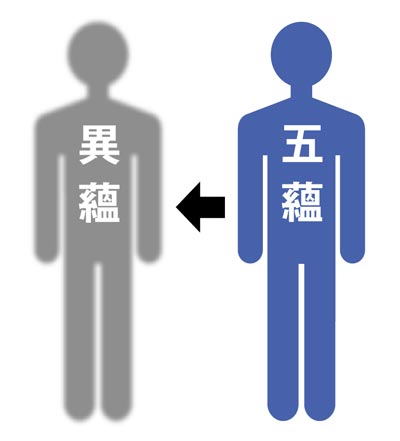
– 人間は、仏教では色(物質)、受(感覚)、想(表象)、行(意志)、識(意識)の五つの要素から成り立っており、これを「五蘊(ごうん)」と呼ぶ。
– 仏教では、死後に人間が完全に消滅するのではなく、我執(タンハー)のエネルギーによって「異蘊」が生じ、存在が続くと考えられる。
– 釈尊は霊魂の存在を否定しておらず、「異蘊」や「意生身」という表現を用いて死後の存在を説明している。
– 我執(タンハー)が残った霊魂は、輪廻転生を経て再生し、成仏法の縁に逢わない限り続くとされる。
– 釈尊は永遠の自我(アートマン)を否定しつつも、「縁起の法」による死後の存在を認めている。
– 成仏法により霊体は悪因縁や悪業から解放され、涅槃(ニルヴァーナ)に入る。成仏は生者と死者で異なる方法がある。
– 怨念や執念にとらわれた不成仏霊は、聖者の悟りによって解脱し、霊的テレパシーによって冥界へ向かう。
– 今世界が壊滅の危機に瀕している理由は、死者の怨念や悪念のバイブレーションが深層意識を動かし、人類を衝動的で反道徳的にさせているとされる。
– 仏陀釈尊の成仏法は、これらの苦しみを持ったまま生存している霊魂に安らぎを与えることを目的としている。


人間は死ぬとどうなるのか?


仏教では、人間は、色〈しき〉(物質)・受〈じゅ〉(感覚)・想〈そう〉(表象)・行〈ぎょう〉(意志)・識〈しき〉(意識)の五つの要素からできていると考えます。この五つの要素を「五蘊(ごうん)」と呼び、この五蘊が仮に寄り集まって人間(自我・霊魂)ができあがっているのです。
では、人間が死んだらどうなるのでしょうか?
日本の仏教者の大半は、釈尊が「霊魂」の存在を否定してしまったと考えています。つまり、死んだらすべてが消滅すると考えているのですが、これはまちがいです。
死んだらすべてが消滅してしまうという考え方は仏教ではありません。釈尊直説の経典である『阿含経』を学び修行していないから、このような誤った見解を抱いているのです。
釈尊は決して、霊魂の存在を否定しておられません。むしろ肯定しておられます。ただし、「霊魂」という名称ではなく、「異蘊(いうん)」という表現を用いておられます。

凡夫が死んで「五蘊」が滅しても我執(タンハー)のエネルギーによって「異蘊」(異なる構成要素)を生じて存在をつづけます。

 雑阿含経の中の「仙尼経」において、釈尊は次のように説かれております。
慢〈まん〉(我執〈がしゅう〉)断(だん)ぜざるがゆえに、この蘊〈うん〉を捨て已(おわ〉りて(死んで) 異蘊〈いうん〉相続して生ず。
つまり、異蘊とは生きている人間の構成要素(五蘊=色・受・想・行・識)とは異なった構成要素(蘊=集積)という意味で、現代風にいえば「異次元の薀(存在)」ということです。
また、雑阿含経「身命経」においても、「意生身(いしょうしん)」ということばで、死後の存在を説かれております。意生身とは意識(心)だけで出来た身体をいいます。
このように釈尊は、人間は死んでも、我執煩悩(タンハー)が残るかぎり「なにか(異蘊・意生身)」が存在をつづけると説かれております。この死後の存在こそが霊魂なのです。
そして我執(タンハー)が残った霊魂は、死後の世界を経て再生し、現世で成仏法の縁に逢わなければ、果てしなく輪廻転生を続けます。
また、この我執が非常に強い場合は、不成仏霊や霊障のホトケとなって迷い、その怨念のバイブレーションが子孫の心に強く悪影響をおよぼします。


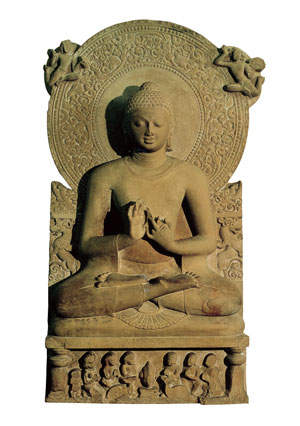
サールナートの仏陀像
 釈尊は、古代インドのバラモンが説いた「永遠に変化することも滅することもない自我(アートマン)(霊魂)」という考えは否定しておられますが、
縁によって生じ、縁によって滅するという「縁起の法」の上での「死後の存在」は認められております。
つまり、「永劫不変の自我(アートマン)」というものは存在しませんが、「無常(変化)の中や縁起において成立する自己(アートマン)」はあるのです。
修行によって向上し、涅槃(ニルヴァーナ)に入る「自我(霊魂)」は存在するのです。
「不変」ではなく縁によって「変化」するために、死んで(その霊魂・霊体が)異蘊となる縁に逢えば、異蘊となって輪廻転生し、成仏法の縁に逢えば、解脱して仏界に生ずるのです。
死んだからといってまったく「無」になって消滅してしまうというのは、仏陀の説かれた縁起の法則に反するものです。
仏陀の成仏法により、霊体は悪因縁、悪業、悪念から解放されます。
完全に解放された霊体は、涅槃(ニルヴァーナ)に入ります。
これを成仏というのです。
しかし、成仏といっても、生者と死者によって、それぞれちがいます。
生者の場合は、自分自身で成仏法・七科三十七道品(しちかさんじゅうしちどうぼん)を修行することができます。
修行によって霊体(生者)は、清められ、高められ、しだいに悪因、悪業から解脱してゆきます。
「シュダオン」「シダゴン」「アナゴン」という聖者の段階を経て、究極の大聖者「アラハン」(仏陀)に到達します。
この世において、仏陀に到達できない場合は、つぎの世においても、ひきつづき成仏法の修行を続け、究極的にはかならず仏陀になるのです。
死者の場合は、自分で修行することはできませんから、成仏法を成就した聖者に、成仏法をもって供養していただきます。
つよい怨念や執念によって不成仏霊となり霊障を発し、迷っているホトケは、聖者の発する悟りのバイブレーションを受けて解脱し成仏します。
ただし、この場合の成仏とは、完全に因縁・業煩悩といったものを解脱したという意味ではありません。
成仏法を成就した聖者( 有余依涅槃(うよえねはん)の聖者)の霊的テレパシー(霊力)によって、聖者の悟りをそのまま受け止めて、迷い執念などを離れて、冥界(死者のほんとうの世界=安らぎの場)へ向かうということです。
これが、仏陀釈尊の教えられた「仏法」です。

死者たちの怨念が、すべての人の深層意識を動かす

いま、この世界が壊滅の危機に瀕しているのは、この世界に充ち満ちている死者の怨念、悪念のバイブレーションが、すべての人の深層意識を動かしているためです。
その結果、人類はますます衝動的、闘争的、反道徳的になり、結果的に自分自身を虐殺しようとしつつあります。
まず、家庭が崩壊しはじめています。
これらの苦しみに満ちた死者の霊魂に全き安らぎを与えないかぎり、生きている人間に全き安らぎは訪れません。
仏陀釈尊の成仏法は、これらの苦しみを持ったまま死後生存している存在(霊魂)に安らぎをあたえ

知・情・意の調和: 釈尊の七覚支修行法解説  Harmony of knowledge, emotion, and will: Explanation of Shakyamuni Buddha’s seven enlightenment training methods

1. 釈尊の教え: 七覚支法で知る成仏の秘密
2. 知・情・意の調和: 釈尊の七覚支修行法解説
3. 芸術的な心、強靭な意志: 七覚支で育むバランスの魔法


1. 釈尊は七覚支を成仏法として説き、念覚支・択法覚支・精進究支・喜覚支・狩覚支・定覚支・捨覚支の七つの修行法を説明した。
2. 七覚支の修行により、阿羅漢果、阿那含果、斯陀含果、須陀百果が得られるとされた。
3. 釈尊の成仏法は七科三十七道品から成り立ち、その中で七覚支は重要な修行法とされた。
4. 成仏法において、七覚支の解説は外道の出家の質問に対する釈尊の因縁や配慮に基づくものと考えられる。
5. 釈尊は弟子に対して、七科目の中から選択的に修行を指導し、異なる修行法が同様なものもあるため、具体的な修行内容を選別したと推測される。
6. 七覚支の修行は、念覚支の強化や空観の体得を含み、知・情・意の精神作用を均衡させるトレーニングとして説明されている。
7. 念覚支の修行には、神秘的な力を発揮するためにクンダリニー・ヨガの要素が含まれている。
8. 空観の体得により、「四念処法」の修行が七覚支に組み込まれ、諸法の実相や縁起の法を明らかにすると述べられている。


釈尊は、「七覚支」こそそ`の成仏法であるとおっしゃって、念覚支・択法覚支・精進究支・’喜覚支・狩覚支・定覚支・捨覚支の七つの修行法をお説きになった。  

 そしてでこの七覚支を修行すれば、阿羅漢果、阿那含果、斯陀含果、須陀百果が得られると解説された王で、阿那含果にも五種の涅槃の得かたがあるとくわしくお教えになられたのであった。

 釈尊の成仏法は、前にのべましたように、七科三十七道品といって、~七科目、三十七種類のカリキュラムから成り立っています。すなわち、四念処法、四正勤法、。四神足法、五根法、五力法、七覚文法、八正道です○         

 うこのうちの七覚支法について、解説されたものです。

 成仏法について質問した外道の出家に、釈尊がなぜ、七科目の中の一つである七覚支について解説したのかと申しますと、これはわたくしの体験からの推測ですが、この異比丘がもし釈尊の

お弟子となっ▽て成仏法を修行するとしたら、七覚支の修行が二番よいどお考えになったからだと思い支す。

 というのは、ヽ釈尊の成仏法は、七科目三ナ七種の修行包全部やらなければならないどい ではないのです。七科目の中の、二科目位をやればいいわけです。というのは、七科目の修行法の中にはクおなじような修行法が、ダブつて入っております。それで、釈尊は、’お弟子の因縁を

みてい七科目の中から、yおまえはこの修行をせよ、おまえはこれとこれの修行法がよい、というように選別されてあたえたのであろうと思われます。。時には、科目にに恥まわず、一三十七種の修行法の中から自由にいくつかえらび出して、修行者に課したものと思われます。 

 そこで、この七覚支の修行法というのが、どんなものであるか/

念力をつよくしてバランスをたもつト知的にも非常に高度で、情結面においても、いわゆる情操がゆたかであるというように、芸術面などでもよく理解することができる。情操的な情のないひとというのは、無味乾燥にな’りやすいわけです。’芸術的なことは、なにもわからない、はなしをしてもちっともおもしろくない、シャレをいったって、ニコリともしない。今日きいたシ″レを、三日ぐらいたっ七急に笑。い出て、「ああ、そうだうたのか」なんて(笑)、それじゃあおはなしにならんでしょダ。。

 意志がつよいのはけっこうだけれども、それが頑固になってしまうのではいけない。

 だから、知・情・意の精神作用を、非常に強化し、八かめるという訓練をする。そしてそのいずれに右かたよらないということ。これがまず第一です。しかし、それだけじゃない。

 念そのものの力を、神秘的にまで強化する。一点に集中したとき、火を発するほどの力を出す。ですから、この念覚支の修行には、クンダリニー・ヽヨトガの修行が入るわけです.。     

 つぎに「空観」を体得する。ですから、この七覚支には、「四念処法」の修行が入っている。

この空観の体得により、諸法の実相がわかるようになけます。つまり、「縁起の法」を如実に‘さとることになると思います。

 この念覚支が、七覚支法の中の、目玉といってよいでしょう。いや、三十七道品の中でも、代表的な修行法です。                                

1. Shakyamuni’s teachings: The secret to becoming a Buddha through the Seven Awakening Dharma
2. Harmony of knowledge, emotion, and will: Explanation of Shakyamuni Buddha’s training method for the Seven Awakenings
3. Artistic mind, strong will: The magic of balance cultivated through the Seven Gakushu


1. Shakyamuni Buddha preached the Seven Gakusho as the method of attaining Buddhahood, and explained the seven training methods of Nen Gakusho, Shoho Gakusho, Shojin Gakusho, Ki Gakusho, Kari Gakusho, Jo Gakusho, and Sakugakusho.
2. It was said that through the practice of the seven enlightenments, one could obtain Arhat, Ana, Suda, and Suda.
3. Shakyamuni Buddha’s method of attaining Buddhahood consisted of seven disciplines and thirty-seven practices, and among these, the Seven Gakushu were considered important training methods.
4. In the Dharma for attaining Buddhahood, the explanation of the Seven Gakushu is considered to be based on Shakyamuni’s connection and considerations regarding the question of the exorcism.
5.Shakyamuni taught his disciples selective training from among the seven subjects, and since some of the different training methods were similar, it is assumed that he selected the specific training content.
6. The training of the Seven Gakushu is described as training to balance the mental functions of knowledge, emotion, and will, including strengthening the mind sense and mastering the idea of emptiness.
7. The practice of Nen Kakusho includes elements of Kundalini Yoga to unleash mystical powers.
8. It is said that by mastering the concept of emptiness, the training of the “Four Mind Treatment Methods” will be incorporated into the Seven Gakkushi, and will clarify the reality of various dharmas and the law of dependent origination.


Shakyamuni Buddha said that the “Seven Gakushu” are the way to attain Buddhahood, and he said that the “Seven Gakusho” are the Dharma for attaining Buddhahood. He taught one method of training.

He was the king who explained that if one practiced these seven enlightenments, one would obtain Arhat, Anana, Sida, and Sudha Hyaku. He taught me in detail that there is someone.

As mentioned earlier, Shakyamuni Buddha’s method of attaining Buddhahood consists of seven subjects and thirty-seven types of curriculum, called the Seven Subjects and Thirty-Seven Ways. In other words, the Four Thought Treatment Methods, the Four True Work Methods. These are the Four Divine Foot Law, the Five Root Law, the Five Power Law, the Seven Awakening Grammar, and the Eightfold Path○

This is an explanation of Ukouchi’s Shichikakusho.

Why did Shakyamuni explain the Seven Awakenings, one of the Seven Subjects, to a monk who asked him about the Dharma for attaining Buddhahood?This is my guess based on my own experience, but I believe that this different bhikkhu If Buddha’s

If you were to become a disciple and practice the Dharma for attaining Buddhahood, I believe that it is because you believe that the training of the Seven Awakenings is the second best.

This is because Shakyamuni Buddha’s method of attaining Buddhahood is not his, as it requires you to do all seven subjects and seven kinds of training packages. All you have to do is do two of the seven subjects. This is because the training methods for the seven subjects contain many similar training methods. Therefore, the Buddha said, “The fate of his disciples

It seems that out of the seven subjects, the subjects were selected and given, such as y, you should do this training, and you should practice this and that. . At times, it seems that he chose some of the 137 types of training methods and imposed them on his practitioners, without being ashamed of the subject.

So, what is this Shichikakushu training method?

He possesses strong psychokinesis and balance, and is also highly intellectually advanced.He is also emotionally rich, and can be well understood in terms of art. People who are emotionally devoid of compassion tend to become apathetic. ‘I don’t know anything about artistic things, I don’t find the stories interesting at all, I don’t even smile when I tell a joke. About three days later, I suddenly laughed at the scene I heard today.If I came out and said, “Oh, that’s right, that’s what I said,” (lol), then that wouldn’t be a story. .

It’s fine to have a strong will, but it shouldn’t turn into stubbornness.

That’s why we greatly strengthen the mental functions of knowledge, emotion, and will, and train ourselves to become eight-minded. And don’t lean towards either of them. This is the first thing. But that’s not all.

It mysteriously strengthens the power of thought itself. When concentrated on one point, it generates enough power to start a fire. Therefore, the practice of kundalini and yotoga is included in this practice of nen-gakusho.

Next, learn how to see the sky. Therefore, this Seven Gakkushi includes the training of the “Four Thought Treatment Methods”.

By acquiring this sense of emptiness, you will be able to understand the reality of various laws. In other words, I believe we will truly understand the law of dependent origination.

It can be said that this Nen Gakusho is the highlight of the Seven Gakusho. No, it is the most representative training method among the 37 Ways.


http://cyber-price.com/buddha/

Buddha  Japan Journal

Buddha Japan journal

日本の仏教を発信しますSend Japanese Buddhis


大日如来の智慧を表現した「金剛界」 .一印会 “Kongokai” expressing the wisdom of Dainichi Nyorai.Ichiinkai


胎蔵界曼荼羅 たいぞうかい Womb Realm Mandala Taizokai


瞑想のcyber–price


Buddha Japan journal

日本の仏教を発信しますSend Japanese Buddhis 2


運命学


深層意識をつかう瞑想法 ”霊魂の旅:転生と進化の記憶、人間の深層意識の不思議   Meditation method that uses deep consciousness “Spiritual Journey: Memories of reincarnation and evolution, the wonders of human deep consciousness”

究極の瞑想体験:輪廻転生法がもたらす生と死の理解”

1. 深層意識を活用する瞑想法において、望む来世の境遇や状況を明確に観想し、人生の設計図を作ることが重要。
2. 人間の意識は表面意識・潜在意識・深層意識に分かれ、深層意識には霊魂が宿る。
3. 霊魂は魂塊とも呼ばれ、過去のすべての過去世の記憶が含まれている。
4. ヘッケルの生物発生法則によれば、個体発生は系統発生をくり返す。人間の胎児も進化の歴史を形態でたどる。
5. 胎児は形態に応じて過去の進化を経験し、ヘッケルによればそれは生物学的・解剖学的に立証されている。
6. 胎児は意識を持ち、その形態に応じた意識をたどる。過去の経験をくり返していると考えられる。
7. 胎児は十億年の進化の歴史を持つとされ、その記憶が霊魂に詰まっていると主張されている。
8. 人間の進化と転生の記憶が脳に残っていることが、現代の文明文化の原動力とされている。
9. 輪廻転生瞑想法では深層意識を用い、望む境遇や能力を強く念じて瞑想し、過去世の記憶がよみがえる可能性もある。
10. この瞑想修行は死の実態に迫り、自分が死ぬときの情景が浮かび上がることもあり、生と死を理解する究極の悟りをもたらす可能性がある。


[一、深層意識をつかう瞑想法]
わたくしが教える瞑想次第に則って、自分が望む来世の境遇・状況を明確に強く観想していく。
どのような家庭に、どのような人間として、どのような能力・素質を持って生まれていくかという人生の設計図を創り、それをありありと念じるのである。
人間の意識は表面意識・潜在意識・深層意識の三層に大きく分けることがで
きる。この深層意識の領域に霊魂の宿る揚がある。換言すれば、脳のある部分に霊魂がおさまっているのである。そして人が臨終を迎えると、霊魂は肉体を離れて霊的世界へ行き、やがて転生する。
霊魂は魂塊ともいう。魂とは霊魂全体を、院はその核をさす。鶏卵にたとえるならば、卵全体が魂になり、黄身が塊にあたる。この院の中に、その人のあらゆる記憶が詰まっている。それは現在の人生における経験だけではなく、前世、前々世、三世前、四世前、五世前……というような、これまでのすべての過去世における記憶が残されているのである。
いや、人間としての記憶だけではなく、さらには生命の進化の記憶も保存されている。

人は前世の記憶を持つ ヘッケルの生物発生法則

一八六六年、ドイツの自然学者であり、生物学者であったヘッケル(EmstHeinrich HaeckeDが、こういう理論を発表した。
「生物の個体発生はその系統発生をくり返す」
という有名な生物発生法則である。

これは、生物の個体発生は、系統発生のあとをたどるというものである。
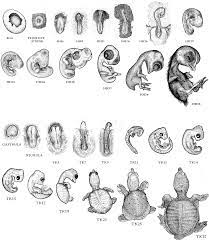
この法則によると、人間は、人間の発生当時から現在の自分にいたるまでの形態を、母胎において、つぎつぎとくり返していくのである。つまり、それまでの自分の歴史をたどるわけである。

まず、この世界における生命の発生は、原始海洋における一匹の微小なア
メーバの誕生からはじまる。そのアメーバは、たぶん、オパーリンのいうように、コアセルベーションによって形成されたのであろうが、それがしだいに進化していって、原生動物から、魚、イモリ、カメ、ウサギ、サル、というように変化してきたわけである。

現代における人間の発生も、そのもっとも最初は、アメーバとまったく変わらぬ形態をした一匹の精虫である。母胎内の胎液(羊水)は、原始海洋の成分と同様であり、そこで一匹の精虫は、原始の海で成長をはじめたアメーバのようにたくましく成長をはじめる。

三、四週間たつと、それは、明らかに魚のかたちに進化している。つまり、魚の時代に入ったのだ。その尾は魚のような平たい尾を持っており、のどにはエラの穴のような四対のさけ目が生じ、血管もまた魚のとおりに配置されている。心臓も、現在のわれわれが持っているような、左右両室に分かれた上等の
ものではなく、魚とおなじような単ポンプ式のものである。
二ヵ月だつと、エラも、心臓も、尾も、すっかりなくなって、哺乳類のものに変わってくる。いよいよ哺乳類の時代に進化してきたわけである。この時期には、ヒトも、牛も、犬も、豚も、区別がつかないほどよく似ている。六ヵ月たって、サルとおなじになってきて、足など、サルのようにものをつかみやすい構造になっている。が、これも間もなく変化して、ヒトの足のかたちになってくる。

そして七ヵ月のなかばごろから、ビトはヒト独白の形態を示してきて、ヒトに最も近いサルともはっきりちがったかたちをあらわしてくる。原始人ではあ
ろうけれども、はっきりヒトの段階に入ったわけである。
このように、人間は、十ヵ月の胎児時代に、人間発生以来の歴史、それはおよそ十億年くらいであろうと推定されるのであるが、その長い歴史をくり返すわけである。

以上、ヘッケルは、このことを、生物学的・解剖学的に立証した。
つまり、人間の胎児は、母胎内において、過去の進化のあとを、そのままの形態の上でたどるということである。そうして、ヘッケルは、生物学者という立場からであろうが、それ以上には進まなかった。すなわち、胎児は形態の上で歴史をくり返すというだけで、胎児の意識の面にはまったふれなかったのだ。

胎児は十億年の記憶を持つけれども、胎児は母胎内において、まったく石ころのようになんの意識も持たないで過ごすなどということは考えられないことではないか。

わたくしは、ヘッケルのこの説の上に立って、胎児は、その形態だけ過去の歴史をくり返すのではなく、その形態に応じて、過去の歴史をその意識の上でちくり返すものと考えるのである。

胎児は、当然、胎児としての意識を持つであろう。意識を持っているなら
ば、そのときの形態に応じた意識を持つのが当然である。すなわち、魚とおなじ形態をしているとき、胎児は魚の時代であったときの意識を持ち、サルとおなじ形態を示しているとき、胎児は、サルの時代であったときの意識をたどっているわけである。

ところで、記憶とはなにかというと、過去の経験意識の蓄積である。
そのように意識が逆行して発生展開のあとをたどっていくということは、要するに、経験意識をくり返しているということにほかならず、それは結局、

過イモリ  亀

一ヵ月目
二ヵ月目
三ヵ月目
去の記憶をたどっているということであり、過去を経験してい
るということではないか。
つまり、胎児は、アメーバの時代からヒトにいたるまでの進
化のあとを、十ヵ月の間に全部経験しているわけである。
母胎内における生命のこの経験は、その生命が、太古の昔から現在まで生きつづけているということとまったくひとしいのではないか。
なぜならば、母胎内において過去の経験を意識するということは、それが、母胎内においてでも、あるいは母胎外においてでも、経験意識
の上においては変わりないのであって、その胎児は、経験意識の上において十億年生きてきた記憶を持つのである。

そして、十億年生きてきた記憶を持つということは、十億年生きてきたこととおなじではないか。

その進化の過程におけるすべての記憶が、霊魂の中に詰まっている。要するに、アメーバの時代をはじめ魚、ワニ、ウマ、サルの時代の記憶までもが塊に刻み込まれているのである。
人間の脳の中にそれらの記憶が残っているからこそ、人類は現在のような文明文化を築くことができたのである。人間の進化と転生の記憶こそが文明文化の原動力になっている、とわたくしは確信している。輪廻転生瞑想法では、その生命の全記憶が記録されている深層意識をつかう。深層意識において、
「自分は、このような境遇の、こういう能力を待った人間として生まれ変わ亘と強く念じて瞑想するのである。深層意識をもちいる瞑想であるから、過去
世の記憶がよみがえることもあるかもしれない。
この瞑想修行はじつに衝撃的な内容である。死の実態に迫る瞑想であるか
ら、自分が死ぬときの情景が頭に浮かぶこともありうる。生と死は表裏一体であるから、死の実態を理解してこそ、生まれることの実態もわかる。したがって、輪廻転生瞑想法は人間に究極の悟りをもたらす瞑想だといえるかもしれない。


The Ultimate Meditation Experience: Understanding Life and Death Through Reincarnation”


1. In meditation methods that utilize deep consciousness, it is important to clearly contemplate the circumstances and circumstances of your desired afterlife and create a blueprint for your life.
2. Human consciousness is divided into surface consciousness, subconscious mind, and deep consciousness, and the soul resides in the deep consciousness.
3. The soul, also called the soul mass, contains the memories of all past lives.
4. According to Haeckel’s law of biological development, ontogeny repeats phylogeny. The human fetus also traces its evolutionary history through its morphology.
5. According to Haeckel, fetuses experience past evolution according to their morphology, and this is proven biologically and anatomically.
6. The fetus has consciousness and traces its consciousness according to its form. It is thought that he is repeating his past experiences.
7. It is said that the fetus has a billion years of evolutionary history, and that its memories are packed in the soul.
8. The memory of human evolution and reincarnation that remains in the brain is said to be the driving force behind modern civilization.
9. Reincarnation meditation uses deep consciousness and meditates while strongly thinking about the circumstances and abilities that one desires, and there is a possibility that memories of past lives may come back to life.
10. This meditation practice approaches the reality of death, and may bring to mind the scene of one’s own death, leading to the ultimate enlightenment of understanding life and death.


[1. Meditation method that uses deep consciousness]
Following the meditation method I teach, you will clearly and strongly contemplate the circumstances and circumstances of your desired afterlife.
We create a blueprint for our lives: what kind of family we want to be born into, what kind of person we would like to be, and what kind of abilities and qualities we would like to have, and we visualize this blueprint vividly.
Human consciousness can be broadly divided into three layers: surface consciousness, subconscious mind, and deep consciousness.
Wear. It is in this realm of deep consciousness that the soul resides. In other words, the soul resides in a certain part of the brain. When a person reaches the end of their life, the soul leaves the body and goes to the spiritual world, where it eventually reincarnates.
A soul is also called a soul mass. The soul refers to the entire soul, and the temple refers to its core. If we were to compare it to a chicken egg, the whole egg would be the soul, and the yolk would be the mass. This hospital is filled with all the memories of that person. It is not only the experiences of the present life, but also the memories of all past lives, such as the previous life, the life before the previous, the third, fourth, fifth, etc., that remain.
No, not only our memories as humans are preserved, but also the memories of the evolution of life.

Haeckel’s Law of Biogenesis: People Have Memories of Previous Lives

In 1866, German naturalist and biologist Emst Heinrich Haecke published this theory.
“The ontogeny of an organism repeats its phylogeny.”
This is a famous law of biological development.

This means that the ontogeny of an organism follows its phylogeny.
According to this law, humans repeat their forms one after another in their mother’s womb, from the time they were born to their current self. In other words, I am tracing my own history up to that point.
First of all, the origin of life in this world began with a single tiny atom in the primordial ocean.
It begins with the birth of Maeba. The amoeba was probably formed by coacervation, as Oparin says, but it gradually evolved from protozoa to fish, newts, turtles, rabbits, monkeys, and so on. This means that it has changed.
The origin of modern humans began as a single spermatozoa, which had a shape completely similar to that of an amoeba. The fetal fluid (amniotic fluid) in the mother’s womb is similar to the components of the primordial ocean, so a single sperm worm begins to grow robustly like an amoeba that began to grow in the primordial ocean.
After three or four weeks, it clearly evolved into a fish shape. In other words, we have entered the age of fish. It has a flat, fish-like tail, four pairs of gill-like grooves on its throat, and its blood vessels are arranged just like a fish’s. The heart is also a superior organ, like the one we have today, divided into left and right chambers.
It is not a real thing, but a single pump type similar to a fish.
After two months, their gills, heart, and tail are completely gone, and they become mammalian. We have finally evolved into the age of mammals. At this stage, humans, cows, dogs, and pigs look so similar that it’s hard to tell them apart. After six months, they start to look like monkeys, and their feet and other structures make it easier to grasp things like monkeys. However, this will soon change and take on the shape of a human foot.
From around the middle of seven months, Bitto begins to exhibit the form of a human monologue, clearly different from the monkeys that are the closest relatives to humans. Not a primitive man
Although they may be deaf, they have clearly entered the human stage.
In this way, during the ten-month fetal period, humans repeat the long history of human development, which is estimated to be around a billion years.

As mentioned above, Haeckel proved this biologically and anatomically.
In other words, the human fetus follows the path of past evolution in its mother’s womb in its original form. Haeckel, perhaps from the standpoint of a biologist, did not go any further. In other words, the fetus merely repeats history in terms of its form, but does not concern itself with the aspect of the fetus’s consciousness.
Although a fetus has a memory of billions of years, it is inconceivable that a fetus could spend its entire life inside its mother’s womb like a stone without any consciousness.
Based on Haeckel’s theory, I believe that the fetus does not repeat the past history only in its form, but that it repeats the past history in its consciousness according to its form. be.
A fetus will naturally have consciousness as a fetus. if you have consciousness
Therefore, it is natural that we have consciousness that corresponds to the form we are in at that time. In other words, when the fetus has the same form as a fish, it has the consciousness it had when it was a fish, and when it has the same form as a monkey, it has the consciousness it had when it was a monkey. That’s why there is.
By the way, memory is an accumulation of past experiences and consciousness.
When consciousness goes backwards and follows the path of development and development, it is essentially repeating the experiential consciousness, and in the end,
Newt Turtle
1st month
second month
third month
It means that you are retracing your past memories, and you are not experiencing the past.
Isn’t that what it means?
In other words, the fetus evolved from the time of amoeba to humans.
In other words, they experienced the entire aftermath of the 2011 crisis in ten months.
Isn’t this experience of life in the mother’s womb exactly the same as the fact that life has continued to exist from the beginning of time to the present?
This is because being conscious of past experiences in the mother’s womb means that one’s consciousness of experience, whether in the mother’s womb or outside the mother’s womb, is
Above all, there is no change, and the fetus has the memory of living for billions of years in terms of experiential consciousness.
And isn’t having the memory of having lived for a billion years the same as having lived for a billion years?

All the memories of that evolutionary process are packed into the soul. In short, memories from the era of amoebas, fish, crocodiles, horses, and monkeys are etched into this mass.
It is because these memories remain in the human brain that humanity was able to build the civilization we have today. I am convinced that the memory of human evolution and reincarnation is the driving force behind civilized culture. Reincarnation meditation uses the deep consciousness where all memories of one’s life are recorded. In deep consciousness,
“I meditate with a strong belief that I will be reborn as a person who has been in this situation and has been waiting for this kind of ability.Since meditation uses deep consciousness, I am able to remember the past.
It may even bring back memories of the world.
This meditation practice is truly shocking. Is it a meditation that approaches the reality of death?
Sometimes, images of what it would be like to die may come to mind. Since life and death are two sides of the same coin, only by understanding the reality of death can we understand the reality of being born. Therefore, reincarnation meditation may be said to be a meditation that brings humans ultimate enlightenment.


http://cyber-price.com/buddha/

Buddha  Japan Journal

Buddha Japan journal

日本の仏教を発信しますSend Japanese Buddhis


大日如来の智慧を表現した「金剛界」 .一印会 “Kongokai” expressing the wisdom of Dainichi Nyorai.Ichiinkai


胎蔵界曼荼羅 たいぞうかい Womb Realm Mandala Taizokai


瞑想のcyber–price


Buddha Japan journal

日本の仏教を発信しますSend Japanese Buddhis 2


運命学


“呼吸法の奥深さ: 心と体の調和を育む秘訣” “The depth of breathing techniques: The secret to cultivating harmony between mind and body”

“強健な心身を築く呼吸術と生きる智恵”

– 心は意・念・気に分類され、呼吸と密接な関係があり、相互に影響を与える。
– 呼吸をコントロールすることで心を制御し、高度なテクニックを身につける。
– 正しい呼吸は健康に寄与し、体と心の調和を促進。
– 浅い呼吸は生命力低下や病気の温床になりかねない。
– 強い呼吸筋を養い、深い呼吸を身につけることが重要。

**心の分類:**
– 意: 心が一定の方向に向かって動いている状態を指す。
– 念: 意の動きが集まり、一つの力を持つ状態で、「念力」と表現される。
– 気: 念が身体の中を流れる状態で、意識的・無意識的な二種類があり、「元気」などに表れる。

**心の使い方:**
– 呼吸と心は密接に関係し、呼吸をコントロールすることで心も制御できる。
– 呼吸は心と体と一体であり、正しい呼吸が健康に寄与し、悪い呼吸は影響を及ぼす。

**呼吸:**
– 呼吸は生命そのものであり、心と体との一体性が重要。
– 正しい呼吸は健康促進に寄与し、体全体に酸素供給。
– 不十分な呼吸は生命力低下や病気のリスクを引き起こす可能性あり。

**基本的な呼吸法:**
– 強い呼吸筋による強くたくましい呼吸を体得することが基礎。
– 正しい呼吸は全身の細胞に影響し、健康で若々しい体と明敏な脳を育む。


心は意・念・気に分類され、呼吸と密接な関係がある。心の状態が呼吸に影響し、逆もまた然り。呼吸をコントロールすることで心を制御し、高度なテクニックを身につける。正しい呼吸は健康に寄与し、体と心の調和を促進。浅い呼吸は生命力低下や病気の温床になりかねない。強い呼吸筋を養い、深い呼吸を身につけることが重要。この基礎を築くことで、強健な心身と明敏な脳を育むことができる。


  1. 意とは心が一定の方向に向かって動いている状態を指し、「意志」などとも呼ばれる。
  2. 念は意の動きが集まり、一つの力を持つ状態で、「念力」と表現される。
  3. 気は念が身体の中を流れる状態で、意識的・無意識的な二種類があり、「元気」などに表れる。
  4. 心の使い方には呼吸との密接な関係があり、呼吸をコントロールすることで心もコントロールできる。
  5. 呼吸は心と体と一体であり、正しい呼吸が健康に寄与し、逆に悪い呼吸は影響を及ぼす。
  6. 正しい呼吸は体の生命力向上に寄与し、全身の細胞に酸素を供給することで健康を促進する。

箇条書きにまとめました。何か追加の質問や要望がありますか?


意と念と気ところで、その「心」を、わたくしは、そのはたらきの上から、つぎのように分類している。

 意・念・気

 である。

 意とは、意志、というように、心が一定の方向に向かって動いている状態をさす。

 念とは、意の動きが集申し高まって、ひとつの力を持つに至った状態で、念力、という名がこれをよく表現している。

 気とは、念がある方向に向かって身体の申を流れていく状態である。ただし、この気」には、意識的につくり出されたものと、無意識的・生理的に、自然に身体の中を流れているものと、二種類ある。たとえば、「元気だ」というような

言葉で表現されるものである。そこで、見方によっては、気を集中したものが念なのだ、ということもできるであろう。もともと、心というひとつのものを分けて考えているのであるから、そこのところはどうともいえるわけである。

 ここでは、便宜上このように分類して、「気」という場合は主として意識的につくり出されたものをいっていると考えていただきたい。

心をどのように使うのか

 さて、それでは、その「心」をいったいどのように使うのであろうか?

 心とは元来、この上なくとらえがたいものである。コロコロとつねに動いてと

どまらぬところから、これを約めてご』ころ”ということになったのだといわれるくらい、それは把握しがたいものである。いったいどうやって、これを思うとおりに駆使するのか?

 ひとつ、方法があるのである。

 なにか?

 心.

 心と呼吸とは、非常に密接な関係がある。

 心の状態がそのまま呼吸にあらわれ、呼吸の状態がそのまま心を映し出す。心が静まれば、呼吸も静まり、呼吸を静めれば心も静まる。

 心と呼吸は一体なのだ。

 そこら、呼吸をコントロールすることにより、心をコントロールするとい

う、高度のテクニックを使うのである。ここからスタートして、しだいに熟達し、ついには自分の思うように心を使うことができるようになるのである。

 いや、それだけではない。一歩進んで、体(筋肉)をも、思うとおりに使いこなすことができるようになるのである。というのは、呼吸は心と一体であるが、それだけではなく、体とも一体であるからだ。修行が進むと、今度は、呼吸と心が。体になって、心が描くイメージどおり、不随意筋をも動かすようになるのである。


呼吸

呼吸は。生き”である

 いま、わたくしは、心と呼吸は一体であるといったが、呼吸は、心と一体であるだけではなく体とも一体なのである。

 健康で心が安定していれば、呼吸もおだやかで安定している。

 体が不調であると、呼吸もリズムが乱れて不安定となる。疲れたときや病気が

重いとき、呼吸は浅く、荒くなる。精神的な激しいショックを受けたときもおなじである。

 また、心因性の病気を持つ人や、精神病者も、呼吸が荒く、正常ではない。

 まさに、呼吸は、〃生き”なのである。

 そこで、心をコントワールする呼吸法は、まず、正しい呼吸のしかたからスタートする。

 というのは、悪い呼吸をしていたら、超能力どころではない。体も、心も、また脳も、悪い影響を受けて、本来持っている力さえも、十分に発揮することができないのである。

 いや、それだけではない、健康を害して病気になったり、ときには大切右生命

まで失ってしまうおそれがあるのである。

 その反対に、正しいよい呼吸を身につけると、体は強健になり、いつまでも若々しく、心はつねに明るくさわやかに、脳もまた明敏なはたらきをするようになる。

 それがウソではない証拠に、その反対の、よくない呼吸をしてみよう。どうなるか?

 まず、最悪の呼吸のしかたである。

 そわは、浅い弱々しい呼吸と、それにもまして、悪いのは、しばし息を止める

呼吸である。

 たとえば、心配ごとや不安に心が閉ざされると

呼吸運動にほかならない。肺そのものは、決して自力で息を吸ったり吐いたりできないからである。

 したがって、呼吸筋を十分にはたらかせずに呼吸している人は、十分な呼吸をしていないということになる。

 だれだって、生体の維持に、呼吸がどれほど大切な役割を果たしているか、知らない人はないであろう。息が止まったら、即、死につながるのである。それほど大切な呼吸を、不十分なしかたでしているとしたら、一生を通じてどれほど不利益なことになるか、あなたは考えたことがあるだろうか? これは、生きるということの最も基本的なあり方の見直しというべきものである。

 呼吸運動の目的は、肺のガス交換だけではないのである。それは、血液循環に対しても重要な仕事を分担している。浅く弱い呼吸ばかりしていると、血液内の酸素〇にが不足するばかりでなく、炭酸ガスのFの体外への排出も不十分なことになる。また、血液の流れも悪くなる。したがって、こういう呼吸をつづけていると、体全体の生命力が低下してくる。当然、健康がおとろえ、病気に対する抵である。

抗力がなくなって、体は病気の温床となる。

 人間の体は、約六十兆といわれる膨大な数の細胞で構成されている、その

六十兆の細胞は、すべて流れている血液によって養われ、生きているのである。

酸素をたっぶり2  くんだ血液の流れる内臓にはガンも発生しないという。ガン細胞は酸素がきらいなのである。たかが呼吸が浅いくらいと、軽視してはならない

のだ。さらに、いまいったように、呼吸は、全身の細胞に深い関係があるだけではなく、呼吸運動は、自律神経系、ホルモン系、あるいはリンパの流れ、各臓器間の状態にまで強い影響をあたえるのである。

 それにはまず、強い呼吸筋による強くたくましい呼吸のしかたを体得しなければいけない。それによって、強くたくましい心身、明るく聡明な脳を獲得するのに必がな第一の基礎ができあがるのである。

“Breathing techniques and wisdom for living to build a strong mind and body”


– The mind is divided into intention, thought, and qi, which are closely related to breathing and influence each other.
– Control your mind by controlling your breathing and learn advanced techniques.
– Proper breathing contributes to health and promotes harmony between body and mind.
– Shallow breathing can reduce vitality and become a breeding ground for disease.
– It is important to develop strong breathing muscles and learn to breathe deeply.

**Classification of mind:**
– Meaning: Refers to a state in which the mind is moving in a certain direction.
– Nen: A state in which the movements of the mind come together and have a single power, which is expressed as “telekinesis.”
– Qi: A state in which thoughts flow through the body, and there are two types, conscious and unconscious, and is expressed in things such as “energy.”

**How to use your mind:**
– Breathing and the mind are closely related, and by controlling your breathing you can also control your mind.
– Breathing is integral to the mind and body, correct breathing contributes to health, and bad breathing affects health.

**Breathing:**
– Breathing is life itself, and the unity of mind and body is important.
– Proper breathing contributes to health promotion and provides oxygen throughout the body.
– Inadequate breathing can lead to decreased vitality and risk of illness.

**Basic breathing techniques:**
– The basics are to master strong and robust breathing using strong breathing muscles.
– Proper breathing affects cells throughout the body, fostering a healthy, youthful body and a sharp brain.


The mind is classified into intention, thought, and qi, and is closely related to breathing. Your state of mind affects your breathing, and vice versa. Control your mind by controlling your breathing and acquire advanced techniques. Proper breathing contributes to health and promotes harmony between body and mind. Shallow breathing can reduce vitality and become a breeding ground for disease. It is important to develop strong breathing muscles and learn to breathe deeply. By building this foundation, you can develop a strong mind and body and a sharp brain.


Intention refers to the state in which the mind moves in a certain direction, and is also called “will.”
Nen is a state in which the movements of the mind come together and have a single power, and is expressed as “psychic power.”
Qi is a state in which thoughts flow through the body, and there are two types, conscious and unconscious, and is expressed in things such as “energy.”
How you use your mind is closely related to your breathing, and by controlling your breathing you can also control your mind.
Breathing is integral to the mind and body, and correct breathing contributes to health, while bad breathing has negative effects.
Proper breathing contributes to improving the body’s vitality and promotes health by supplying oxygen to cells throughout the body.

I have summarized it in bullet points. Have any additional questions or requests?


Intention, Thought, and Mind By the way, I classify the “mind” as follows based on its functions.

Intention, Thought, Mind

It is.

Intention refers to a state in which the mind is moving in a certain direction, such as the will.

Nen is a state in which the movements of one’s thoughts have gathered together and become a single power, and the name “Nenpower” expresses this well.

Qi is a state in which thoughts flow through the body in a certain direction. However, there are two types of “Ki”: those that are consciously created, and those that flow naturally through the body unconsciously and physiologically. For example, “I’m fine.”

It is expressed in words. Therefore, depending on your point of view, it may be possible to say that what you concentrate on is nen. Since we are originally thinking about one thing, the mind, separately, we can say nothing about that.

Here, we will classify things this way for convenience, and when we say “ki,” we would like you to think that we are mainly referring to something that is consciously created.

how to use your mind

Now then, how exactly do we use that “heart”?

The mind is originally something that is extremely elusive. Always keep moving

It’s so hard to grasp that it’s said to have come to this conclusion out of nowhere. How on earth can we make full use of it as we wish?

There is one method.

something?

heart.

There is a very close relationship between the mind and breathing.

The state of your mind is directly reflected in your breathing, and the state of your breathing directly reflects your mind. When your mind becomes calm, your breathing becomes calm, and when you calm your breathing, your mind also becomes calm.

The mind and breathing are one.

By controlling your breathing, you can control your mind.

Well, it uses advanced techniques. Starting from this point, you will gradually become more proficient and eventually be able to use your mind as you wish.

No, that’s not all. Going one step further, you will be able to use your body (muscles) as you wish. This is because breathing is not only one with the mind, but also with the body. As your training progresses, your breathing and mind will become more important. It becomes a body and begins to move involuntary muscles just as the mind imagines.


breathing

As for breathing. “living”

I have just said that the mind and breathing are one, but breathing is not only one with the mind, but also one with the body.

If you are healthy and your mind is stable, your breathing will also be calm and stable.

If your body is not feeling well, your breathing will also become irregular and unstable. When you are tired or sick

When you’re heavy, your breathing becomes shallow and heavy. The same thing happens when you receive a severe mental shock.

Also, people with psychogenic illnesses and people with mental illness have rough breathing and are not normal.

Indeed, breathing is “living”.

Therefore, the breathing method that comptoirs the mind starts with the correct way to breathe.

That’s because if you’re breathing badly, you won’t have any supernatural powers. Our bodies, minds, and brains are adversely affected, and we are unable to fully utilize our original powers.

No, it’s not just that, it can damage your health, make you sick, and sometimes even destroy your precious life.

There is a risk that you may lose even more.

On the other hand, if you learn to breathe properly, your body will become strong and forever young, your mind will always be bright and refreshed, and your brain will also function more clearly.

To prove that it’s not a lie, let’s try the opposite, bad breathing. what will happen?

First of all, it’s the worst way to breathe.

Fidget is caused by shallow, weak breathing, and what’s even worse is holding your breath for a while.

It’s breathing.

For example, if your mind is closed off to worries and anxiety,

It is nothing but a breathing exercise. This is because the lungs themselves can never breathe in and out on their own.

Therefore, people who breathe without using their respiratory muscles adequately are not breathing enough.

There is probably no one who does not know how important role breathing plays in maintaining living organisms. If you stop breathing, it immediately leads to death. Have you ever thought about how much of a disadvantage you will be throughout your life if you take such an important breath and do it poorly? This is a reconsideration of the most basic way of living.

The purpose of breathing exercise is not just gas exchange in the lungs. It also plays an important role in blood circulation. If you only breathe shallowly and weakly, not only will there be a lack of oxygen in your blood, but you will also not be able to adequately discharge carbon dioxide (F) from your body. Also, blood flow becomes poor. Therefore, if you continue to breathe like this, the vitality of your entire body will decrease. Naturally, their health deteriorates and they are resistant to illness.

With no resistance, the body becomes a breeding ground for disease.

The human body is made up of a huge number of cells, approximately 60 trillion.

All 60 trillion cells are nourished and kept alive by flowing blood.

It is said that cancer does not occur in internal organs, which are filled with oxygen and blood flows through them. Cancer cells don’t like oxygen. Don’t underestimate it, just because your breathing is shallow.

Noda. Furthermore, as just mentioned, breathing is not only deeply related to cells throughout the body, but breathing exercise also has a strong influence on the autonomic nervous system, hormonal system, lymph flow, and the state between each organ. It is.

To do this, you must first learn how to breathe strongly and with strong breathing muscles. This creates the first foundation necessary for acquiring a strong and robust body and mind, as well as a bright and intelligent brain.


http://cyber-price.com/buddha/

Buddha  Japan Journal

Buddha Japan journal

日本の仏教を発信しますSend Japanese Buddhis


大日如来の智慧を表現した「金剛界」 .一印会 “Kongokai” expressing the wisdom of Dainichi Nyorai.Ichiinkai


胎蔵界曼荼羅 たいぞうかい Womb Realm Mandala Taizokai


瞑想のcyber–price


Buddha Japan journal

日本の仏教を発信しますSend Japanese Buddhis 2


運命学


瞑想の原点としてのヨーガ Yoga as the origin of meditation


ただ苦しみ悩みを解決させるだけではダメなのである。解決すると同時に、そのひとを向上させるのでなければならない。また、向上することによって解決するという場合もある。これが、正しい瞑想なのである。

 だから、わたくしの瞑想は、「いま苦しんでいる問題の解決」からはじまるのである。

 瞑想はゴータマーブッダがさいごに到達されたように、すべての存在から超越し解脱するのであるが、超越・解脱する前に、現実を自由自在に処理し解決するだけの力を持たねばならない。その力を持たずして、超越とか解脱とかいったって、それは一種の「逃避」に過ぎない。その力を持つ瞑想法が「欲界定」

 が、ここでまちがってはならないのは、この力を持つことが、ただたんに自分の欲望を思うままにとげるということではないということである。yこの力を持つことによって、自分の望むことがその通り実現されることもあるし、バカげた野望・欲望のとりこになって、いたずらに苦しんでいるおろかさに突然気がつき、夢からさめたひとのようになる場合もある。


 どちらにしても、すばらしいことではないか。


瞑想の原点としての


瞑想は、インドにおいて非常に古くからおこなわれていた。それは、インド民族の歴史とともにあったといってよい。


 瞑想に関する文献は、ヴェーダ、ウパニシャッドの時代(紀元前一〇〇〇年~六〇〇年)にまでさかのげって、目にすることができる。そのころから、すでに、瞑想は、インド特有の身心修練の道として、修道者必修の行法とされていたのである。


 それは、ヨーガあるいは三昧あるいは禅とよばれた。

 日本では、ヨーガというと、一般には、体操の一種のように思われているようであるが、それは元来、瞑想を主とするもので、体操は瞑想を助ける肉体の調整法だつたのである。


さきに述べたように、ブッダもまた当時の修道者のならわしにしたがってヨーガの瞑想を修行せられたが、それには満足できず、さらにすすんでブッダ独特の(智慧の)瞑想を完成~れたのである。ここでは、伝統的なヨーガの瞑想について、かんたんに述べよう。

ヨーガにおける心の綜制


 ヨーガ修行者の聖典ともいうベキゝ『ヨーガースートラ』によると、瞑想における精神集中への心理的過程を、四つの段階に分けている。


割感・凝念・静慮・三昧である。


 このなかで、凝念・静慮・三昧の三つの段階を一括して、「綜制」といっているが、もちろん、実際の修練の上では、以上の三つの段階の一つゴつが独立している

のではなくて、連続的に進行するわけである。  ところで、いったいヨーガとはなにかというと、『ヨーガースートラ』はつぎの・ように定義している。「ヨーガとは心のはたらきを抑滅することである」。


 また『ヨーガースートラ』より古い文献である『ガターウパニシャッド』では、 「ヨーガとは五つの知覚器官を不動に執特することである」と述べている。つまり、何らかの精神集中法によって、心の本体であるとりとめもない動きを、しっかりと抑制することがヨーガであるのです。そして、それを修練していく方法がヨーガ行法なのであります。


 これを現代的に分り易く表現すれば、我々の日常生活における意識の動きを抑制していくことによって、自己本来の姿を見つけ出していこうとすることがヨーガであり、それを求めて修練していく方法がヨーガ行法なのであります。


『ヨーガースートラ』の中では、瞑想という精神集中法によって心の働きを制していく心理的過程が、詳細に分析的に述べられています。そして、このように瞑想を中心とした心理的なヨーガが、ラージアーヨーガとよばれるものなのです。そして、この精神集中へ深まっていく心理的過程が、段階的に制感・

凝念・静慮・三昧と分けられているのであります

It is not enough to just solve the suffering and worries. At the same time as solving it, it must improve that person. Also, if it is solved by improving

In some cases. This is the correct meditation.

Therefore, my meditation begins with “solving the problem I am suffering from.”

Meditation transcends and liberates from all beings, just as Gotama Buddha has reached the grave, but before transcending and liberating, it is only necessary to freely process and solve the reality.

Must have the power of. Without that power, transcendence or liberation is just a kind of “escape.” The meditation method with that power is “Desire” and “Second stage”

It’s a “floor” meditation.


However, what should not be mistaken here is that having this power does not mean that you can simply achieve your own desires. y Have this power

Sometimes my wishes come true, and I suddenly realize that I’m suffering from mischief because I’m captivated by ridiculous ambitions and desires.

It can be like a human being.


Either way, isn’t it wonderful?


As the origin of meditation

It was

Meditation has been practiced in India for a very long time. It can be said that it was with the history of the Indian people.


The literature on meditation can be seen dating back to the time of the Vedas and Upanishads (1000-600 BC). From that time on, meditation

Thoughts were considered to be a compulsory practice for monks as a way of physical and mental training peculiar to India.


It was called yoga, samadhi or zen.

In Japan, yoga is generally thought of as a type of gymnastics, but it was originally focused on meditation, and gymnastics was a physical adjustment method that aided in meditation. ..

It was

As mentioned earlier, Buddha was also able to practice yoga meditation according to the practices of the monks of the time, but he was not satisfied with it, and he went on to go further and was unique to Buddha (wisdom).

The meditation was completed. Here is a brief description of traditional yoga meditation.

The system of mind in yoga


According to Beki’s “Yoger Sutra,” which is also called the scripture of yoga practitioners, the psychological process of concentration in meditation is divided into four stages.

It was

It’s a feeling of splitting, devotion, contemplation, and samadhi.


In this, the three stages of contemplation, contemplation, and samadhi are collectively referred to as “sadhi”, but of course, in actual training, one of the above three stages is independent. ing

Instead, it progresses continuously. By the way, what exactly is yoga? “Yoger Sutra” is defined as follows. “Yoga is the extinction of the work of the mind.”

It was

Also, in “Gata Upanishad”, which is an older document than “Yoger Sutra”,

“Yoga is to immovably specialize in five sensory organs.” In other words, by some kind of mental concentration method, the rambling movement that is the main body of the mind

It is yoga to firmly suppress. And the method of practicing it is the yoga practice.


If this is expressed in a modern and easy-to-understand manner, it is possible to try to find out the original form of oneself by suppressing the movement of consciousness in our daily life.

It is yoga, and the method of practicing in search of it is the yoga practice.


In “Yoger Sutra”, the psychological process of controlling the work of the mind by the mental concentration method called meditation is described in detail and analytically. And this kind of psychological yoga centered on meditation is called large yoga. And the psychological process that deepens to this mental concentration is gradually controlled.

It is divided into elaborateness, contemplation, and samadhi.

心の迷宮を解く:ソンディの実践心理学の旅」

心の迷宮を解く:ソンディの実践心理学の旅」


110306_2305

  • レオポルド・ソンディは、1893年、当時のハンガリー領(現チェコスロハキヤ領)のニイトラという町で生まれる。父はユダヤハンガリー人で、靴加工職人であった。彼は12人の同胞中、第12子で、かつ後妻の子であった。4歳の時、プタペストにいる異母兄にひきとられ成育した。その後1944年にナチのユダヤ追放の悲運に会うまでの47年間は、この地にあり、教育もこの地で受けたが、幼少時代からの貧困で複雑な家庭環境は、とりわけ異母兄夫婦のいさかいを見るにつけ、彼をして家族の問題に過敏にさせる素地を形成していった。
  • 1911年に高校を卒業と同時に、医科進学のための国家試験に合格。1919年ブタペスト大学医学部より学位を取得している。
  • 大戦後は、プタペスト大学のランシュブルグ教授が主宰する実験心理学研究所の助手にもなり、記憶実験や知能測定の実際を学んだ。最初の公刊論文は、この助手時代の成果である『欠陥知能』であった。
  • 1927年、プタベストの治療教育大学の精神病理学教室の講師に任ぜられ、同時に精神療法クリニックの医長も兼務し、1941年、ナチの追害による公職追放にあうまで、この地位にあった。この14年間は、ハンガリー時代における精神科医としての、もっとも充実した活動の期間でもあった。ことに精神薄弱児の治療と教育に関連しての体質学への関心は、遺伝学への興味となり、ミュンヘン大学のルーディン一派の家系研究に傾倒した。やがて無意識の遺伝学として、配偶者選択や職業選択のあり方に注目させ、ソンディをして生涯のテーマである運命分析学の臨床家たらしめることになった。


1. ソンディはフロイトの精神分析の本質である「無意識の抑圧と防衛の力動過程」の構造を,思考や観念ではなく目に見える形で表現する選択テストを創案すると同時に,その理論として衝動の選択心理学を創始した.そして,その認識方法を,精神の治療面と診断面で実用化する衝動病理学,衝動診断学を展開し,それによって思考精神医学の退路を遮断,実用精神医学への道を開いた.選択は運命であるゆえ,それは運命分析へと発展したのである.

2. フロイトがいろいろな局面で言及し,立ち止まらざるを得なかった原因,つまり分析を困難ならしめる「素因的なもの」というのは,「いろいろな無意識層のうち特に祖先から伝わり現在その個人の精神に成り変わって自演している厄介な衝動の振る舞い」にほかならなかった.これはソンディ心理学において8個の遺伝子記号の様態で表現される.この「遺伝子の力動過程」を,構造的に視覚化する方法,およびその認識を治療面で実用する運命分析療法を創始し,「終わりなき分析」を終結させる方法を完成した.

要約すれば,ソンディは,フロィトが1905年以来,本能と明確に区別して追求した「衝動 1)」のふるまいを研究し,次のような衝動学の全体系を完成させたのである.

衝動心理学——–「衝動ファクタ・ペクタの心理学」および「実験的症候群論」
衝動測定学——–「ソンディ・テスト」器具,方法,一般的解釈法
衝動診断学——–「実験衝動診断学」および「リンネ式表」,特別な解釈法
衝動病理学——–「衝動病理学A,B」および「自我分析」
衝動分析学——–「運命分析」
衝動治療学——–「運命分析療法」
彼が,多くの流派に分裂した深層心理学を統一しようと考えていたことは,フロイトの真の後継者として当然であった.彼が深層心理学研究の主流と考えた無意識の層は,フロイトの個人的無意識,ユングの集合的無意識,そして彼自身の家族的無意識の3つの層である.

それゆえ,ソンディ・テストの結果得られる前景・理論背景・実験背景の3つの人格プロフィルは,それぞれの無意識層が表現される.すなわち

精神分析的解釈(S.Freud)
象徴分析的解釈(C.G.Jung)
運命分析的解釈(L.Szondi)
の3通りの解釈が同時に実現し,了解され,説明される構造になっている.

本書は,ソンディがフロイトの遺言を完全に引き受け,延長し,無意識の遺伝学と診断・治療学を完成した事実と方法を,心理学徒やカウンセリングを学ぶ人にとって,すぐ役に立つ実用的な形で記載したものである.原稿を書くにあたって先人の訳業も充分に活用したが,重要部分は必ず原著に当たるとともに,ソンディに会って直接確かめた事項に基づき,新たな解釈を付け加えた部分も多い.

本書の各項にちりばめられているソンディの学説は,以下にあげる主要原著から得られたものである.

「運命分析」(1944,1948,1964)
「ソンディテスト」(1946)
「衝動病理学A,B」(1951)
「自我分析」(1956)
「衝動リンネ式表」(1960)
「実験衝動診断法」(1960)
「運命分析療法」(1963)
「衝動統合を失った人々」(1979)

四神足法  Four god foot method


  1. 四神足を修練し、豊かになれば、多様な神変を経験し、一身と多身が融合し、現れたり隠れたりする神通力を得る。
  2. 牆壁や山岳を自在に超え、空中や水中、地上で行動する能力を持ち、大神通・大威徳を手に入れ、梵天の世界を支配できる。
  3. 四神足の修練により、清浄で超人的な耳を備え、天的な声や人間的な声を遠く近くで聞くことができる。
  4. 他の生存者の心を理解し、貪りや怒り、迷妄などの心の状態を見抜くことができ、四神足の豊かな修練により心の解脱を得る。
  5. 過去の生涯や宇宙の成立・破壊期を思い起こし、多様な生命体の経験を明らかにする。
  6. 四神足の修練により、清浄で超人的な天眼を開き、生存者の死と再生を見通し、善悪に応じて異なる運命を知覚する。
  7. 生存者の業に従って地獄や天の世界へ生まれ変わる様子を超人的な天眼で明らかにし、煩悩の汚れが解脱されることを示唆する。


四神足が修練され豊かにされた時に、種々なる過去の生涯を想いおこした、ーすなわち一つの生涯、二つの生涯、三つの生涯、四つの生涯、五つの生涯、十の生涯、二十の生涯、三十の生涯、四十の生涯、五十の生涯、百の生涯、千の生涯、百千の生涯を、またいくたの宇宙成立期、いくたの宇宙破壊期、いくたの宇宙成立破壊期を。「われはそこにおいて、これこれの名であり、これこれ姓(gotta)であり、これこれのカースト(vanna)であり、これこれの食をとり、これこれの苦楽を感受し、これこれの死にかたをした。そこで死んでから、かしこに生まれた」と。このようにかたちや名称とともに種々なる過去の生涯を想いおこしたのである。このように四神足が修練され豊かにされたときに、清浄で超人的な天眼をもって、もろもろの生存者が死にまた生まれるのを見た。すなわち卑賤なるものと高貴なるもの、美しいものと、醜いもの、幸福なものと不幸なもの、そしてもろもろの生存者がそれぞれの業にしたがっているのを明らかに知った、ー「じつにこれらの生存者は身に悪行をなし、ことばに悪行をなし、こころに悪行をなし、もろもろの聖者をそしり、邪(あやま)った見解をいだき、邪った見解にもとづく行為をなす。かれらは身体が破壊して死んだあとで、悪しきところ、堕ちたところ、地獄に生まれた。また、他のこれらの生存者は、身に善行をなし、ことばに善行をなし、こころに善行をなし、もろもろの聖者をそしらず、正しき見解をいだき、正しい見解にもとづく行為をなす。かれらは身体が破壊して死んだあと、善いところ、天の世界に生まれた」と。このように清浄で超人的な天眼をもって、もろもろの生存者が死にまた生まれるのを見た。すなわち卑賤なるものと高貴なるもの、美しいものと醜いもの、幸福なものと不幸なもの、そしてもろもろの生存者がそれぞれの業にしたがっているのを明らかに知った。このように四神足が修練され豊かにされたときに、もろもろの煩悩の汚れがほろぼされることによって、汚れなき心の解脱・智慧の解脱をこの世において、みずから証知し、現証し、具現して住する。


  1. の人間的思考の運動を制して、豊かにされた時に、種々なる過去の生涯を想いおこした。
  2. 一つの生涯、二つの生涯、三つの生涯…と数え、宇宙成立期や宇宙破壊期なども考えた。
  3. 自己を名前や姓、カースト、食べ物、苦楽、死にかたなどで定義し、死後に再び生まれることを語った。
  4. 視覚による人間的思考の運動を制し、清浄で超人的な天眼を持つと、生存者たちが死に生まれ変わる様子を見た。
  5. 悪行をなす者と善行をなす者が、死後にそれぞれ異なる結末を迎えることを説明した。
  6. 思考の運動を制することで、広がりを持った視点で世界を見ることができ、真理を自ら観て覚る必要性を述べた。
  7. 人間的思考の運動を制しエネルギーのコントロールが修練されると、煩悩の汚れが取り除かれ、汚れなき心の解脱・智慧の解脱を実現する。


心の人間的思考の運動を制して、豊かにされた時に、種々なる過去の生涯を想いおこした、ーすなわち一つの生涯、二つの生涯、三つの生涯、四つの生涯、五つの生涯、十の生涯、二十の生涯、三十の生涯、四十の生涯、五十の生涯、百の生涯、千の生涯、百千の生涯を、またいくたの宇宙成立期、いくたの宇宙破壊期、いくたの宇宙成立破壊期を。「われはそこにおいて、これこれの名であり、これこれ姓(gotta)であり、これこれのカースト(vanna)であり、これこれの食をとり、これこれの苦楽を感受し、これこれの死にかたをした。そこで死んでから、かしこに生まれた」と。このようにかたちや名称とともに種々なる過去の生涯を想いおこしたのである。目で感知する視覚による人間的思考の運動(快⇔不快)を制し、豊かにされたときに、清浄で超人的な天眼をもって、もろもろの生存者が死にまた生まれるのを見た。すなわち卑賤なるものと高貴なるもの、美しいものと、醜いもの、幸福なものと不幸なもの、そしてもろもろの生存者がそれぞれの業にしたがっているのを明らかに知った、ー「じつにこれらの生存者は身に悪行をなし、ことばに悪行をなし、こころに悪行をなし、もろもろの聖者をそしり、邪(あやま)った見解をいだき、邪った見解にもとづく行為をなす。かれらは身体が破壊して死んだあとで、悪しきところ、堕ちたところ、地獄に生まれた。また、他のこれらの生存者は、身に善行をなし、ことばに善行をなし、こころに善行をなし、もろもろの聖者をそしらず、正しき見解をいだき、正しい見解にもとづく行為をなす。かれらは身体が破壊して死んだあと、善いところ、天の世界に生まれた」と。このように清浄で超人的な天眼をもって、もろもろの生存者が死にまた生まれるのを見た。すなわち卑賤なるものと高貴なるもの、美しいものと醜いもの、幸福なものと不幸なもの、そしてもろもろの生存者がそれぞれの業にしたがっているのを明らかに知った。この、人間的思考の運動を制することによって、今まで見えなかったものが見える。なぜか?それは、思考の運動が止まることにより、見方が広がるからである。人は、運動によって、好きなものしか見ようとせず、嫌いなものは見ようとしない。その運動を止めない限りは、この世の実相を知ることはできないのである。このように人間的思考の運動を制しエネルギーのコントロールが修練され豊かにされたときに、もろもろの煩悩の汚れがほろぼされることによって、汚れなき心の解脱・智慧の解脱をこの世において、みずから証知し、現証し、具現して住する。すなわち教えによって知るのではなく、自らが真理を観て覚るのである。


If you practice the four divine feet and become rich, you will experience various divine transformations, fuse one body and many bodies, and gain the divine power to appear and hide.
He has the ability to freely transcend walls and mountains, act in the air, underwater, and on the ground, acquire great divine power and mighty virtue, and rule the world of Brahma.
Through the training of the Four Divine Feet, he is equipped with pure, superhuman ears, and is able to hear celestial and human voices both far and near.
He can understand the minds of other survivors and see through their mental states such as greed, anger, and delusion, and through his extensive training in the Four Gods, he can attain liberation.
Reminiscing about past lives and the periods of creation and destruction of the universe, it reveals the experiences of diverse life forms.
Through the training of the Four Divine Legs, he opens his pure and superhuman Celestial Eye, sees the death and rebirth of survivors, and perceives different fates depending on whether they are good or evil.
He uses his superhuman heavenly eye to reveal how survivors are reborn into hell or heaven according to their karma, suggesting that they will be liberated from the taints of earthly desires.


When the Four Divine Feet were cultivated and enriched, various past lives were recalled: one life, two lives, three lives, four lives, five lives, ten lives, twenty lives. A lifetime, 30 lifetimes, 40 lifetimes, 50 lifetimes, 100 lifetimes, 1,000 lifetimes, 10000 lifetimes, the period of the creation of the universe, the period of destruction of the universe, the period of the universe. The period of establishment and destruction. “There I was with such and such a name, such and such a surname (gotta), such and such a caste (vanna), I ate such and such food, experienced such and such pleasures, and suffered such and such a death. He died there and was born somewhere else.” In this way, various past lives were recalled along with shapes and names. When the four divine feet were cultivated and enriched in this way, with a pure and superhuman heavenly eye, he saw the various survivors die and be reborn. I saw clearly that the lowly and the noble, the beautiful and the ugly, the happy and the unhappy, and all the survivors were doing their own work. They do evil in their bodies, they do evil in their words, they do evil in their hearts, they revile saints, they hold wrong opinions, and they act on evil opinions. After destroying and dying, they were born into the evil place, the fallen place, and hell.And these other survivors did good deeds in their bodies, good deeds in their words, good deeds in their hearts, and all kinds of things. They do not slander the saints, they hold correct opinions, and they act based on correct opinions.After their bodies were destroyed and they died, they were born into a good place, the heavenly world.” With such a pure and superhuman heavenly eye, he saw various survivors die and be reborn. I saw clearly that the lowly and the noble, the beautiful and the ugly, the happy and the unhappy, and the various survivors, were following their own karma. When the Four Divine Feet are cultivated and enriched in this way, the stains of various earthly desires will be destroyed, and we will be able to witness, demonstrate, and embody the liberation of the pure heart and the liberation of wisdom in this world. Inhabit.


When he mastered the movements of human thought and became enriched, he recalled various past lives.
He counted it as one lifetime, two lifetimes, three lifetimes… and also considered the period of the creation of the universe and the period of its destruction.
He defined himself by his name, surname, caste, food, pleasures and sorrows, and manner of death, and talked about being reborn after death.
When he controlled the movement of human thought through vision and possessed a pure and superhuman heavenly eye, he saw how the survivors were reborn after death.
He explained that those who do bad deeds and those who do good deeds have different outcomes after death.
By controlling the movement of thought, he was able to see the world from a broader perspective, and he stated the need to see and realize the truth for oneself.
When the movement of human thought is mastered and the control of energy is practiced, the stains of earthly desires are removed, and the liberation of pure mind and wisdom is realized.


When he mastered the human thinking movements of his mind and became enriched, he recalled various past lives: one life, two lives, three lives, four lives, five lives, Ten lifetimes, twenty lifetimes, thirty lifetimes, forty lifetimes, fifty lifetimes, one hundred lifetimes, one thousand lifetimes, one hundred thousand lifetimes, the period of the formation of the universe, and the number of universes. A period of destruction, a period of destruction when the universe was established. “There I was with such and such a name, such and such a surname (gotta), such and such a caste (vanna), I ate such and such food, experienced such and such pleasures, and suffered such and such a death. He died there and was born somewhere else.” In this way, various past lives were recalled along with shapes and names. When he mastered the movement of human thought (pleasure ⇔ displeasure) through the sense of sight he sensed with his eyes and became enriched, he saw the various survivors die and be reborn with his pure and superhuman heavenly eyes. I saw clearly that the lowly and the noble, the beautiful and the ugly, the happy and the unhappy, and all the survivors were doing their own work. They do evil in their bodies, they do evil in their words, they do evil in their hearts, they revile saints, they hold wrong opinions, and they act on evil opinions. After destroying and dying, they were born into the evil place, the fallen place, and hell.And these other survivors did good deeds in their bodies, good deeds in their words, good deeds in their hearts, and all kinds of things. They do not slander the saints, they hold correct opinions, and they act based on correct opinions.After their bodies were destroyed and they died, they were born into a good place, the heavenly world.” With such a pure and superhuman heavenly eye, he saw various survivors die and be reborn. I saw clearly that the lowly and the noble, the beautiful and the ugly, the happy and the unhappy, and the various survivors, were following their own karma. By controlling this movement of human thought, we can see things that we could not see before. why? This is because by stopping the movement of thought, one’s perspective expands. Through exercise, people only try to see what they like and not what they don’t like. Unless we stop this movement, we will never be able to understand the reality of this world. In this way, when the movement of human thought is controlled and the control of energy is cultivated and enriched, the stains of various earthly desires will be destroyed, and we will be able to prove to this world the liberation of the immaculate mind and the liberation of wisdom. Know, demonstrate, embody and live. In other words, one does not come to know the truth through teachings, but one sees and realizes the truth for oneself.


http://cyber-price.com/buddha/

Buddha  Japan Journal

Buddha Japan journal

日本の仏教を発信しますSend Japanese Buddhis

cyber-price

八白土星の日


八白土星の日

 内輪もめが起こりやすい。格別慈悲心が大切の日。もうけ話は損失となりやすい

凌犯期間 友の日

自分だけの癒やしの時間を確保する日

凌犯期間の作用により凶日となります。人間関係が悪化し、普段は楽しいはずの交流でもストレスを感じる事が多い日です。人から恨みや反感を買うことのないように、控え目に過ごすことが大切です。人との交流は最低限にして、自分だけの癒やしの時間を確保しましょう。


普賢菩薩

あらゆる場所に現れ、命あるものを救う慈悲を司る菩薩

名サマンタバドラ (Samanta bhadra) の「サマ 「タ」は「く」、「バドラ」は「賢」と漢訳しま す。 「賢」とは具体的には「さとりを求める心か 起こる、成仏しようとする願いと行ない」のこ とです。それが、ときとところを選ばず在して いるということを象徴したのがこの菩薩です。 で すから、菩薩行を実践する者をつねに守護するほ とけでもあります。

白象に乗り、文殊菩薩とともに釈迦如来 の脇侍をつとめます。 文殊菩薩のに対して、 (行)をつかさどります。

なお、密教では、堅固不壊の菩提心を象徴する

金剛薩埵と同体とします。

と巳年生まれの人の守り本尊とされていま


普賢菩薩(ふげんぼさつ)とは?

普賢とは「全てにわたって賢い者」という意味で、あらゆるところに現れ命ある者を救う行動力のある菩薩です。


文殊菩薩とともに釈迦如来の右脇侍として三尊で並ぶことが多いですが、独尊で祀られる場合もあります。文殊菩薩の智慧とともに修行を司る菩薩として、明晰な智慧で掴み取った仏道の教えを実践していく役割を果たすとされています。また、女性の救済を説く法華経の普及とともに女性に多く信仰を集めました。


ちなみに普賢菩薩から派生した仏に延命のご利益のある普賢延命菩薩があります。

ご利益

女性守護、修行者守護、息災延命、幸福を増やす増益のご利益があるとされています。また、辰・巳年の守り本尊です。

普賢菩薩(ふげんぼさつ)の像容

白象に乗っている姿が一般的です。3つや4つの頭の象に乗っている場合は普賢延命菩薩像の可能性が高いです。


http://cyber-price.com/buddha/

Buddha  Japan Journal

Buddha Japan journal

日本の仏教を発信しますSend Japanese Buddhis


大日如来の智慧を表現した「金剛界」 .一印会 “Kongokai” expressing the wisdom of Dainichi Nyorai.Ichiinkai


胎蔵界曼荼羅 たいぞうかい Womb Realm Mandala Taizokai


瞑想のcyber–price


“仏法の奥深さ:如来を礼拝する意味とは? “The depth of Buddhism: What is the meaning of worshiping the Tathagata?

如来の当体は仏法 「如来を礼すべし」  The essence of the Tathagata is Buddhism: “You should worship the Tathagata.”

かつて、遠い過去、仏陀の教えが広がるある村がありました。村人たちは日々、仏法に耳を傾け、如来を礼拝していました。彼らは言い伝えによれば、如来の当体は仏法そのものであり、如来を礼拝することは仏法を尊ぶことでもありました。

この村に住む一人の若者、ケンジという名前の青年は、修行者の道を歩むことを決意しました。彼は智慧と解脱を求め、日々、瞑想に励んでいました。如来とその仏法を礼拝することで、彼は真理に触れ、心を清らかにすることを学びました。

「一に智慧とし、二に滅尽と為す」という言葉がケンジの心に深く響きました。彼は如来の智慧を求め、因縁を断ち切り、解脱することを目指しました。それは修行者たるケンジの使命であり、彼が仏法の極意を体得するための道でもありました。

また、ケンジはある古い経典『有無品・八』に触れました。その中には、「法宝を礼すべし」という教えがありました。これによれば、法宝とは仏の教えだけでなく、成仏法を指すと解釈されました。ケンジは心を打たれ、如来の成仏法を心から尊び、その教えに従い修行することを誓いました。

さらに、ケンジは神廟という概念についても学びました。神廟とは、仏さまの心が祀られる場所であり、仏法に到達するための道でもありました。彼は仏舎利宝珠尊御宝塔を礼拝し、如来の心を尊びました。

ケンジは日々、仏法を学び、修行に励みました。彼の心は智慧と解脱に満ち溢れ、彼は力と無畏を手に入れました。その姿はまさに、仏の四無畏・菩薩の四無畏を体現するかのようでした。

-如来の当体は仏法

「如来を礼すべし」

– 如来の当体は仏法であり、「如来を礼すべし」は仏とその法を礼拝するべきという意味。
– 如来の当体は仏法を完全に体得しているため、如来を礼拝することは仏法を通じて真理を理解すること。
– 仏法を知らない者は凡夫であり、修行して仏法を体得しようとする者が修行者。
– 如来を礼拝することは仏陀そのものだけでなく、仏法を通して仏陀を礼拝すること。
– 仏法は真理であり、仏陀は真理の体現者。礼拝を通じて智慧と解脱が得られるとお釈迦さまは教える。
– 「止の瞑想」を通じて如来と仏法を礼拝し、一体となることで智慧と解脱が得られる。
– 仏法の極意は仏の智慧を体得し、因縁を断ち切り滅させること。これらは礼拝と瞑想によって得られる。
– 『有無品・八』では「法宝を礼すべし」があり、「法宝」とは仏の教えだけでなく、成仏法を指すと解釈。
– 空海の『弁顕密二教論』において、三十七菩提分法が法宝であると説かれており、これが礼拝対象。
– お釈迦さまの教えでは、「法宝を礼すべし」は取り入れ、修行を実践することを意味する。
– 「神廟」は祠や仏塔を指し、仏陀の本体や成仏法を礼拝する場。御宝塔が神廟として阿含宗信徒にとって重要。
– 「神」は仏さまの心を指し、神廟は仏さまの本当のお心を祀った場。御宝塔や道場が神廟とされる。
– お釈迦さまは「神廟を礼せよ」と教え、仏法に到達するための二つの方法を説く。現代は神廟を通じて仏法に到達する。
– 「有無品」は後世のために説かれたお経であり、法宝と神廟を礼拝することで力と無畏を得ると説かれている。


The essence of the Tathagata is Buddhism, and “You should worship the Tathagata” means that you should worship the Buddha and his Dharma.
– The entity of the Tathagata has completely mastered the Buddha Dharma, so worshiping the Tathagata means understanding the truth through the Buddha Dharma.
– Those who do not know Buddhism are ordinary people, and those who practice and try to master Buddhism are practitioners.
– Worshiping the Tathagata means not only worshiping the Buddha himself, but also worshiping the Buddha through the Dharma.
– Buddhism is truth, and Buddha is the embodiment of truth. Buddha teaches that wisdom and liberation can be gained through worship.
– By worshiping the Tathagata and Buddhism through “stop meditation” and becoming one with them, you can gain wisdom and liberation.
– The secret of Buddhism is to master the wisdom of the Buddha and sever all ties and destroy them. These can be obtained through worship and meditation.
– In the “Usuhin-Hachi”, there is a phrase, “You should worship the Dharma Treasure,” and “Dharma Treasure” is interpreted to refer not only to the Buddha’s teachings, but also to the Dharma of attaining Buddhahood.
– In Kukai’s “Benken Esoteric Buddhism”, he explains that the 37 Bodhi Dharma is the Dharma Treasure, and this is the object of worship.
– In the Buddha’s teachings, “One should bow to the Dharma treasure” means to take it in and put it into practice.
– “Shinmyo” refers to a shrine or pagoda, and is a place to worship the Buddha’s body and the Dharma of Buddhahood. The Gohoto is important to Agon sect believers as a shrine.
– “Kami” refers to the heart of Buddha, and a shrine is a place where the true heart of Buddha is enshrined. The treasure pagoda and dojo are considered sacred shrines.
– Buddha teaches, “Be respectful to the shrine,” and explains two ways to attain Buddhism. In modern times, we reach Buddhism through shrines.
– “Musuhin” is a sutra preached for posterity, and it is said that one can gain power and fearlessness by worshiping Dharma treasures andとは、仏とその法を礼すべしという意味になります。 なぜならば、 如来の当体は仏法だからで す。仏法を完全に体得しているから如来なのです。 仏法をまったく知らなければ凡夫です。 仏法 を体得しようと修行している者が修行者です。 要するに如来を礼拝するとは、仏陀だけを想えと いう意味ではなくて、仏陀のかなたに仏法があると見よ、ということです。 仏陀を礼拝するとい うことは、仏陀そのものだけではなくて、仏陀を通して仏法を礼拝するということにほかなりま せん。 仏法とは、分かりやすくいえば真理です。 仏陀とは真理の体現者です。 要するに、真理の体現者を通じて真理を見ろ、ということです。そのために「止の瞑想」をして、ひたすら如来と その仏法を礼拝して一体となれ、とお釈迦さまは教えておられるわけです。


それによって二つの法が得られるのです。

「一に智慧とし、二に滅尽と為す」

とあるように、智慧と滅尽が得られます。

智慧とは仏の智慧、みやくさんだいっ。尽とは解説のことです。カルマや因縁を滅させること、それが解脱です。

仏法の極意は二つあります。一つは仏の智慧を体得することで、もう一つは因縁を断ち切り、 因縁を滅させることです。カルマから超越することです。それらは如来を礼拝して瞑想するこ とによって得られます。 如来を通じて、如来の法を得ることにより、智慧と解脱が得られるのだ、 お釈迦さまはおっしゃっているわけです。

次の『有無品・八』では、

「此の二法有り、内に自ら思惟し、専精意を一にして当に法宝を礼すべし。 如来の神廟を礼せ よ」とあります。 「内に自ら思惟し、専精意を一にして」とは、前経と同じく「止の瞑想」を示し ています。 「法宝を礼すべし」の法宝とは「法という宝」のことです。 前経では「仏陀如来を 「礼拝しなさい」 となっておりました。そして『有無品・八』では、「法宝を礼拝しなさい」 とな っています。

わたくしがこの部分を初めて目にした時、直ちに頭に浮かんだのは弘法大師空海の『弁顕密 二教論」です。空海は『弁顕密二教論』、略して『二教論』という有名な書を記しておられま す。これは仏教を顕教と密教の二つに分類し、密教の優位を説いた著作で、真言密教の根本教義 を知る上で非常に重要な論書とされております。 空海は同論下巻で、

「第一法宝即是摩訶般若解脱法身。第二法宝謂戒定智慧諸妙功德。所謂三十七菩提分法。乃至以 修此法而能証彼清浄法身(第一の法宝とは即ち是れ可解なり。第二の法宝とは

の諸の妙功徳なり。いわゆる三十七がなり。乃至、此の法を修するを以て面かも能く彼の清浄 法身を証す)」

と記しておられます。 三十七菩提分法とは、わたくしがお釈迦さまの成仏法だといっている、 七科三十七道品の別名です。それが法宝であると空海はおっしゃっているのです。

わたくしが『有無品」の「法宝を礼すべし」という箇所を読んで、最初に思いだしたのは前述 の文章でした。もちろん『二教論』のその文章だけで、空海が「阿含経」を読んでいたと即断す ることは早計かもしれませんが、少なくとも三十七菩提分法の名前はご存知であり、またそれが 法宝であるとおっしゃっていることは、まぎれもない事実です。それなのにどうして真言宗を立 てて、「阿含経」とその成仏法を立てなかったのか? その点は疑問であり、また、後代のわた くしたちには知る由もありませんが、空海が三十七菩提分法の存在をご存知であったことは、文 献から窺い知れるというわけです。

お経に戻ります。 お釈迦さまは「法宝を礼すべし」とおっしゃっておりますが、まさに空海の 『二教論』にあるように、この法宝とは単に仏の教えを指すのではなく、お釈迦さまの成仏法・ 科三十七道品を示している、とわたくしは解釈しております。お釈迦さまの成仏法を法の宝と して礼拝しなさい、という意味に違いない。礼拝しなさいといっても、単に礼拝せよということ ではなく、 これは、

「取り入れなさい。修行しなさい」

と解釈すべきでしょう。

とあります。 神廟とは祠です。仏教でいう神廟とは仏塔 (仏舎利塔) であります。つまり如来 の本体を祀った仏塔を礼拝せよ、という意味です。

阿含宗の信徒は仏舎利宝珠尊御宝塔(以下、御宝塔)を本尊として、「仏舎利宝珠尊解脱宝生 「行」という因縁解脱行を修行しておりますが、その御宝塔こそが『有無品・八』の神廟にあたる ものです。 御宝塔は御法塔とも書きますが、これがみなさんの神廟です。 また、道場に祀られて いるご本尊さまが神廟です。

神廟の「神」とは、仏さまの心のことです。神さまではなく、精神・神髄の「神」です。 仏さ まの本当のお心をお祀りした祠、これが神廟です。まさに、阿含宗で唱える『仏舎利宝珠尊和 讃』に、

「変化法身仏舎利尊 納め祀れる霊祠なり」

とあるとおりです(「アラディンの魔法のランプ仏舎利宝珠尊和讃』 阿含宗出版部)。わたくした ちにとって如来の神廟とは、御宝塔にほかなりません。

「あなたたちは如来の成仏法・七科三十七道品を敬い、礼拝し、 そしてその修行を実行しなさい。 そして、御宝塔を心から礼拝しなさい」

お釈迦さまはお教えくださっているわけです。

最初のお経と併せて考えてみると、よく分かってきます。 つまり、仏陀がおられない時は仏陀 を想い、そして仏陀のかなたにある仏法を想うわけです。さらに砕いていえば、「仏陀を想え」 とは、結局、「神廟を礼せよ」ということになります。違いは、神廟を通じて仏法に到達しよう とするか、あるいは仏陀そのものを通じて仏法に到達しようとするか、という点です。

お釈迦さまはここで、仏法に到達する二つの方法を説いていらっしゃるわけです。 仏陀がご存 命でない現代は、当然のことながら、神廟を通じて仏法への到達をめざすことになります。その ような意味で、『有無品』は後世のわたくしたちのために説かれたお経だとわたくしは考えます。

仏の四無畏・菩薩の四無畏

それでは、法宝と神廟を礼拝すると、なにが得られるのでしょうか?

「何が二法なるや。 力有り、無畏有り」

とあるように、二つの法を得ることができます。一つは力で、もう一つは無長です。 力とはな んでしょうか?

成仏するだけの力です。 成仏力です。

無畏とはなにか?

一切を畏れない心です。 世の中において、畏れない心ほど強いものはありません。 強いから


-The essence of the Tathagata is Buddhism
“You should worship the Tathagata.”

This means that one should respect the Buddha and his dharma. This is because the essence of the Tathagata is Buddhism. He is a Tathagata because he has completely mastered Buddhism. If you don’t know Buddhism at all, you’re an ordinary person. A person who practices in order to master Buddhism is a practitioner. In short, worshiping the Tathagata does not mean that you should think only of the Buddha, but that you should see beyond the Buddha that there is Buddhism. When he says that he worships the Buddha, he is not only worshiping the Buddha himself, but he is worshiping the Buddha Dharma through the Buddha. To put it simply, Buddhism is truth. Buddha is the embodiment of truth. In short, see the truth through the person who embodies it. For this purpose, the Buddha taught us to practice “stop meditation,” and to worship and become one with the Tathagata and his Buddhism.

As a result, two laws can be obtained.

“First, wisdom, second, extinction.”

As the saying goes, you can gain wisdom and extinction.

Wisdom is the wisdom of Buddha, Miyakusandai. Extended means explanation. Eliminating karma and fate is liberation.

There are two secrets of Buddhism. One is to acquire the wisdom of the Buddha, and the other is to sever ties and destroy them. It is about transcending karma. They are obtained by worshiping and meditating on the Tathagata. The Buddha is saying that by acquiring the Tathagata’s Dharma through the Tathagata, one can gain wisdom and liberation.

In the next “Nothing or No Items Eight,”

It says, “There are these two dharmas, so think within yourself, devote all your concentration, and bow down to the Dharma Treasure. Bow to the shrine of the Tathagata.” “Thinking inwardly and with one mind” refers to “stop meditation,” as in the previous sutra. The Dharma treasure in “You should bow to the Dharma treasure” refers to the “treasure called law.” In the previous sutra, it said, “Worship the Buddha Tathagata.” And in “Jumonin 8,” he says, “Worship the Dharma Treasure.”

When I first saw this section, what immediately came to mind was Kobo Daishi Kukai’s “Benkenmitsu Nikkyoron.” Kukai wrote a famous book called “Benken Esoteric Nikkyo Ron”, or “Nikyoron” for short. This is a work that divides Buddhism into two, Exoteric Buddhism and Esoteric Buddhism, and explains the superiority of Esoteric Buddhism, and is considered an extremely important treatise for understanding the fundamental doctrines of Shingon Esoteric Buddhism. Kukai, in the second volume of the same theory,

“The first Dharma Treasure is the Dharmakaya, the Buddha of liberation. It is understandable. What is the second Dharma Treasure?

There are many wonderful merits. The so-called thirty-seven. By practicing this Dharma, one can prove one’s purity and Dharma body.

He wrote: The Thirty-Seven Bodhisattva Dharma is another name for the Thirty-Seven Paths of the Seven Sciences, which I say is the Buddha’s method of attaining Buddhahood. Kukai said that this is the Dharma Treasure.

The first thing that came to my mind when I read the passage “You should bow down to the Dharma Treasures” in “Jibunin” was the passage mentioned above. Of course, it may be premature for him to immediately conclude that Kukai read the Agon Sutra based on that passage in “Nikyo Ron,” but he at least knows the name of the 37 Bodhi Divination Methods. , and that you say that it is a Dharma treasure is an unmistakable fact. So why did he not establish the Shingon sect and establish the Agon Sutra and its method for attaining Buddhahood? This is a questionable point, and although there is no way for us later generations to know, Kukai taught the Thirty-Seven Bodhisattvas. It can be seen from the literature that he was aware of the existence of the division method.

He returns to the sutra. Buddha said, “One should worship the Dharma Treasure,” but just as in Kukai’s Theory of the Two Teachings, this Dharma Treasure does not simply refer to the Buddha’s teachings, but to Buddha’s Dharma for attaining Buddhahood. My interpretation is that it indicates the 17 Ways of Honor. It must mean that you should worship Buddha’s Dharma of Buddhahood as the treasure of the Dharma. When I say worship, I don’t just mean worship;

“Take it in. Practice it.”

It should be interpreted as

It says. A shrine is a shrine. In Buddhism, a shrine is a stupa (stupa). In other words, it means to worship the stupa that enshrines the body of the Tathagata.

Believers of the Agon sect use the Buddha’s Shari Hojuson Gohoto (hereinafter referred to as Gohoto) as their principal image, and practice the practice of releasing oneself from one’s karma called “Buddha Shari Hojuson Gohosho “Gyo”, but this Gohoto is the “Musuhin Hachi”. ” is his shrine. Gohoto is also written as Gohoto, but this is your shrine. In addition, the principal image of him that is enshrined in the dojo is a shrine.

The “kami” in the shrine is the heart of the Buddha. It is not a god, but a “god” of spirit and essence. This is a shrine that enshrines the true heart of Buddha. This is exactly what is said in “Buddha Shari Hoju Sonwa San” chanted by the Agon sect.

“A spiritual shrine where the changing Dharma body and Buddha’s relics can be enshrined.”

As it is written (“Aladdin’s Magic Lamp Buddha Shari Jewel Sonwasan”, Agonshu Publishing Department).For me, after him, the shrine of the Tathagata is nothing but a treasure pagoda.

“You should respect and worship the Tathagata’s method of attaining Buddhahood, the Seven Courses, and the Thirty-Seven Paths, and carry out the training. Then, worship the Treasure Pagoda with all your heart.”

Buddha is teaching us this.

If you think about it in conjunction with the first sutra, you will understand it better. In other words, when the Buddha is not there, we think of the Buddha, and then we think of the Dharma that lies beyond the Buddha. To break it down further, “remember the Buddha” ultimately means “respect the shrine.” The difference is whether he tries to reach the Buddha Dharma through the shrine, or whether he tries to reach the Buddha Dharma through the Buddha himself.

Here, the Buddha is teaching us two ways to attain Buddhism. In modern times when the Buddha is no longer alive, it is natural that we aim to reach Buddhism through shrines. In his sense, I believe that “Juubin” is a sutra that was preached for us in future generations.

The four fearlessness of the Buddha and the four fearlessness of the Bodhisattva

So, what do we gain by worshiping Dharma treasures and shrines?

“What are the two laws? There is power and there is no fear.”

As the saying goes, you can obtain two methods. One is power and the other is lengthless. What is power?

It is the power to attain Buddhahood. It is the power to attain Buddhahood.

What is fearlessness?

It is a heart that is not afraid of anything. There is nothing stronger in this world than a fearless heart. Because it’s strong


http://cyber-price.com/buddha/

Buddha  Japan Journal

Buddha Japan journal

日本の仏教を発信しますSend Japanese Buddhis

Buddha 2Japan journal

日本の仏教を発信しますSend Japanese Buddhis   sサイト

大日如来の智慧を表現した「金剛界」 .一印会 “Kongokai” expressing the wisdom of Dainichi Nyorai.Ichiinkai


胎蔵界曼荼羅 たいぞうかい Womb Realm Mandala Taizokai