Meditation method to cure physical disorder (disease)
Meditation method to heal the disorder (illness) of the mind
meditation to strengthen willpower
Meditation to improve brain function
Meditation method to remake yourself as you think
Meditation to turn pain into joy
Meditation method to recreate the environment as desired
A meditation method that has high ideals and has the power to create those ideals in reality.
Even if you give a rough idea, there are meditation methods like the above.
There are many entrances to meditation.
Some people go into meditation seeking vague things like “enlightenment,” “truth of the universe,” “cosmic consciousness,” or “transcendental consciousness.” , some people come in looking for the answer. There is a wide variety. So meditation always gives the best answer to any problem.
I never say that meditation does not deal with vulgar worldly affairs. There is neither vulgarity nor luxury in human suffering. It’s a last-minute urgent problem for that person. That suffering is actually very precious. By suffering and worrying, humans purify and improve. A human being who has nothing to worry about or suffer from is a helpless existence. A person who is in a good mood all year round and who has no choice but to enjoy the world, should not be called an uncontrollable existence.
By suffering and suffering, humans are purified and improved. However, his troubles and sufferings themselves do not purify and improve humans. The problem is the way they worry and suffer. As a result, there are quite a few people who will be spoiled and ruined.
Meditation solves the troubles and sufferings, and at the same time purifies and improves the person.
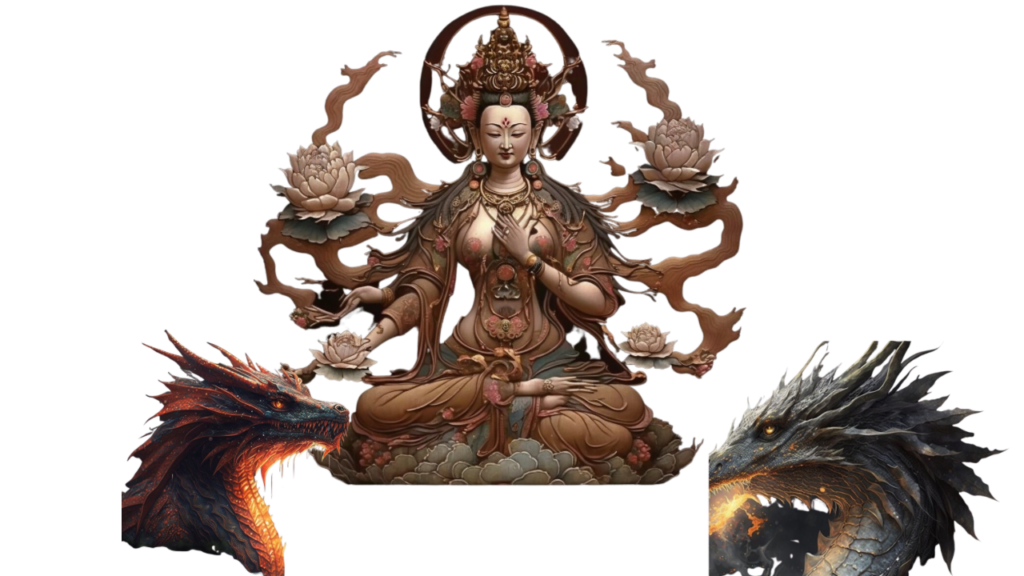
Junji Ganzeon Bosatsu is one of the bodhisattvas of Buddhism and is a bodhisattva that symbolizes wisdom and compassion.
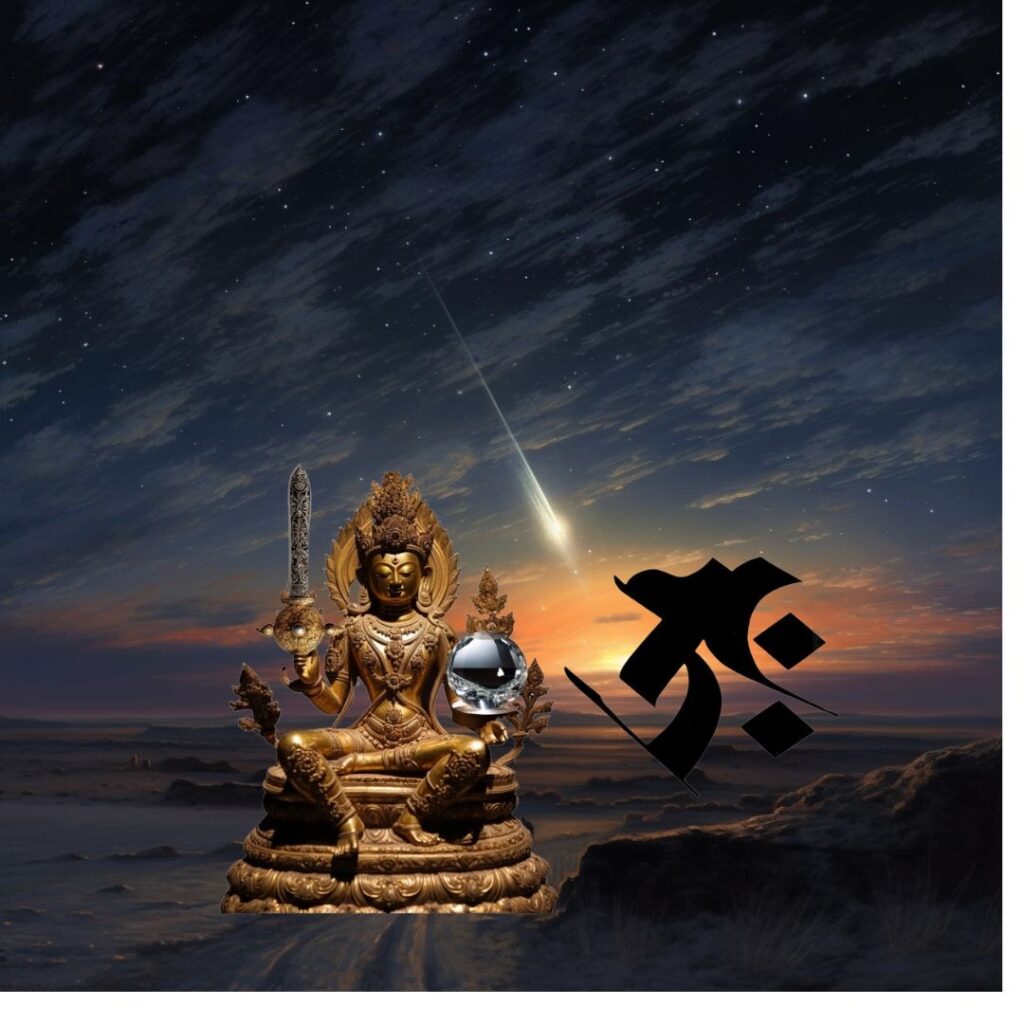
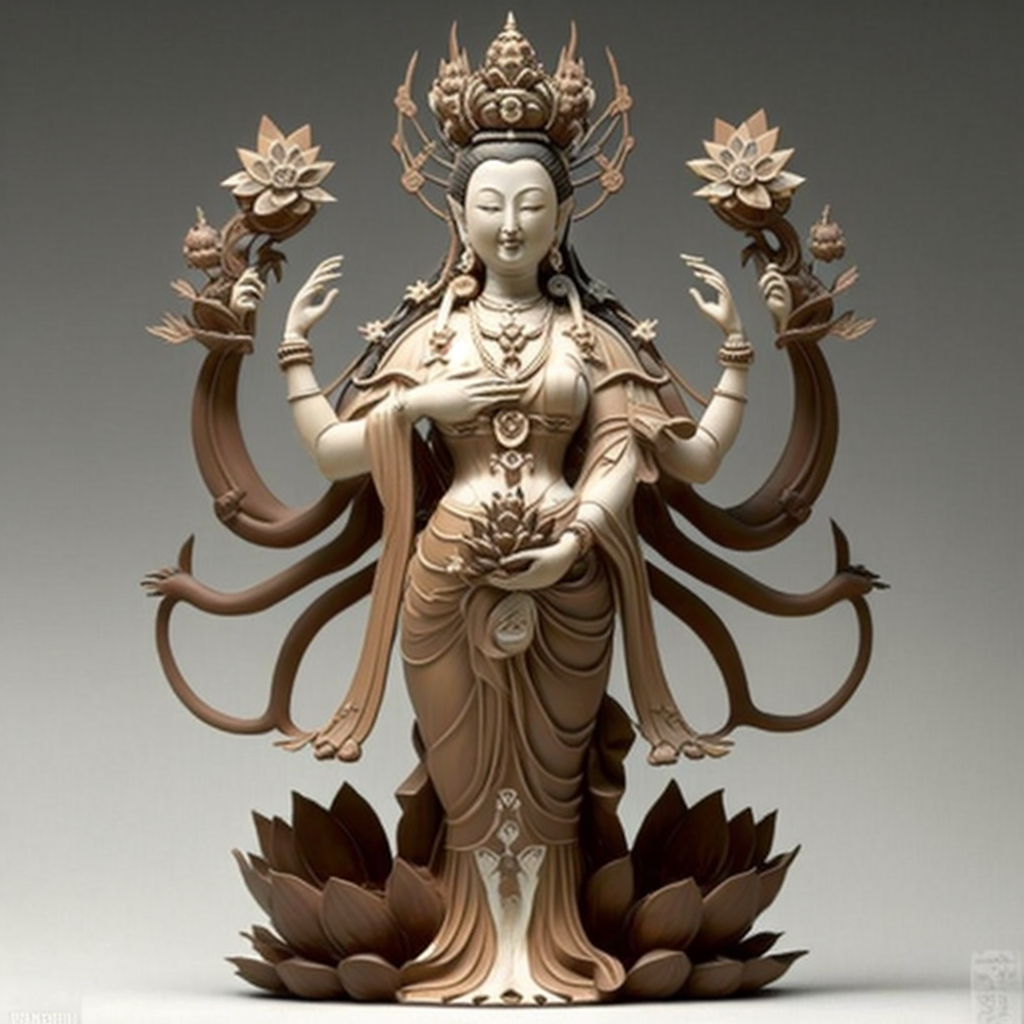
Bodhisattva Avalokitesvara Bodhisattva is called He Cundī in Sanskrit, and as his name suggests, he has a thousand ears and a thousand eyes and can perceive the troubles and sufferings of all people. He also has many hands and gives people what they need to save them.
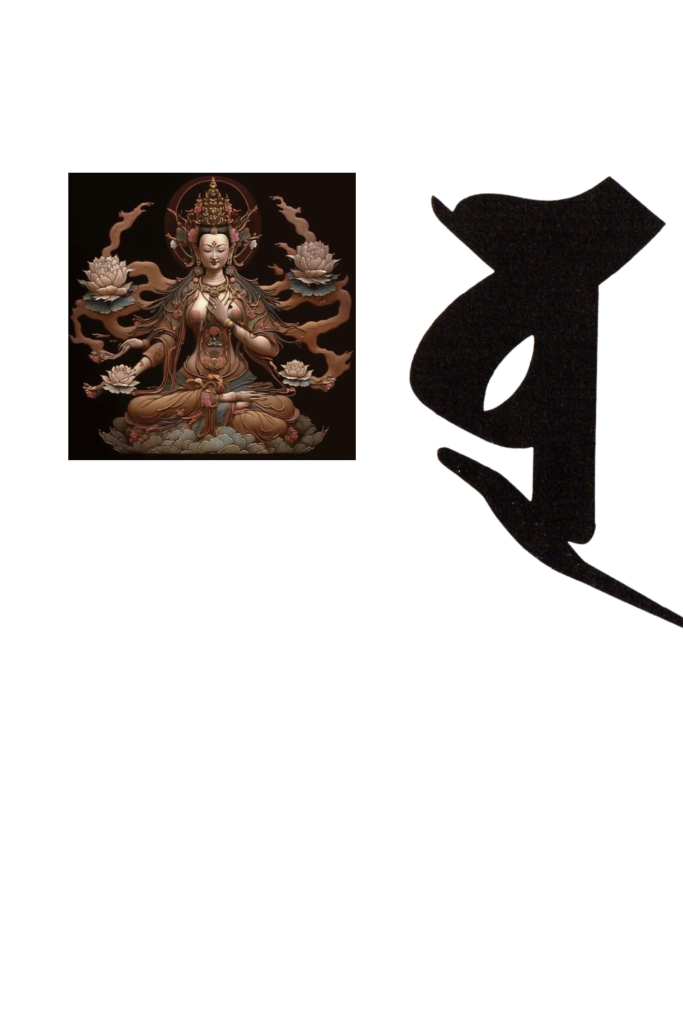
Juntei Kanzeon Bodhisattva is particularly worshiped in Chinese and Japanese Buddhism, and is enshrined in many temples and shrines. Her figure is usually depicted as a graceful woman holding a lotus flower, a jewel, and a bottle in her hands.
Juntei Kanzeon Bodhisattva is said to give hope and courage to people all over the world by relieving people’s troubles and sufferings and showing her compassion and wisdom.
What is Juntei Kannon?
It is also called Junteibutsumo or Shichikuteibutsumo. She is originally the Hindu goddess Durga, the consort of Lord Shiva. She has a very beautiful appearance, but she is a goddess of battle who has defeated demons with the weapons of the gods. It has been pointed out that she was originally a female deity and not Kannon. However, I will introduce it as Kannon here.
Since it was introduced into Buddhism, it has been regarded as a god of mercy and purity, and is also known as Shichiguteibutsubo. It means the mother of Buddha who gave birth to more Buddhas than in the distant past. Therefore, in the Shingon sect, it is counted as one of the six Kannons that save humanity (Sho Kannon, Senju Kannon, Eleven-Faced Kannon, Nyoirin Kannon, Bato Kannon, and Juntei Kannon), but in the Tendai sect, it is called Juntei Butsumo. classified as Together with Fukensaku Kannon, it is sometimes called Seven Kannons.
benefit
There are benefits such as protection for monks, good health, life extension, and merits such as easy delivery and children.
Rigen Daishi, a disciple of Kukai, was known as a monk of Shugen, and enshrined Juntei Kannon and Nyoirin Kannon by carving sacred trees himself. In the sutra, it is said that if a monk chants Juntei Dharani, his body will become pure and he will be able to attain Buddhahood. In addition, Shobo prayed to Juntei Kannon for the birth of Emperor Daigo’s son, and it is said that later Emperor Suzaku and Murakami were born. Therefore, it is generally known for its merits as child-bearing and safe delivery.
Appearance of Juntei Kannon
She has 18 hands and is often in the third form. The central hand takes the sermon seal and the shimui seal. Her belongings include weapons, prayer beads, and lotus flowers.
The etymology means “immovable guardian” and is another name for Shiva in Indian mythology. Shiva is the deity of the power of storms, causing devastating disasters, but the rain nourishes plants. The contradictory aspects of destruction and grace are inherited by Fudo Myoo. Fudo Myo-o is angry at those who stand in the way of Buddhism and makes them submit, but he always protects and watches over those who have entered Buddhism.
As an incarnation of Dainichi Nyorai, he is said to represent his heart’s determination to lead any villain to the path of Buddhism. Especially in Japan, the faith spreads and it is familiar with the name of Fudo-sama. And it is the central existence of the five great kings. The Five Great Myoos are Fudo Myoo, Gozanze Myoo, Gundari Myoo, Daiitoku Myoo, and Kongo Yasha Myoo. It refers to the five bodies of Ou), and is arranged in the north, south, east, and west centered on Fudo. Of the eight great children, Kongara and Seitaka are often assigned as attendants to Fudo Myoo. By the way, there are cases where the dragon-wrapped flaming sword held by Fudo Myoo is enshrined alone. He is considered to be the incarnation of Fudo Myoo and is called Kurikara Ryuo.
benefit
It is said that there are blessings for warding off disasters, winning battles, driving out demons, protecting trainees, warding off misfortunes, national security, and worldly benefits. It is also the guardian deity born in the year of the rooster. He is said to help people born in the year of the rooster bring good luck, ward off evil, and fulfill their prayers.
Statue of Fudo Myoo
There are many short, slightly thicker child-type models, and they have angry expressions. His eyes are called tenchigen, meaning that his right eye is directed toward heaven and his left eye is directed toward earth. His mouth is said to have the right fang up and his left fang down. He is backed by a halo of flames and has a sword and a fencing in his hands. The sword expresses the sharpness of the wisdom of Dainichi Nyorai. Kensaku is a binding rope that binds worldly desires and reforms evil minds.
His Sanskrit name is Aryacalanatha Vijayaraja, and his official name is Holy Fudo Ido Myoo.
The Buddhas always use various means to make us, the sentient beings, follow the path of enlightenment. However, there are some sentient beings who are stubborn and will not change their minds with just kindness and mercy.
Dainichi Nyorai scolds and guides his stubborn sentient beings, who cannot be rescued by such ordinary methods, in the form of his mercy. At this time, Dainichi Nyorai transforms into Fudo Myoo and manifests himself with the face of anger. This anger is actually only him at the edge of mercy. It is considered to be a guardian deity born in the western year,
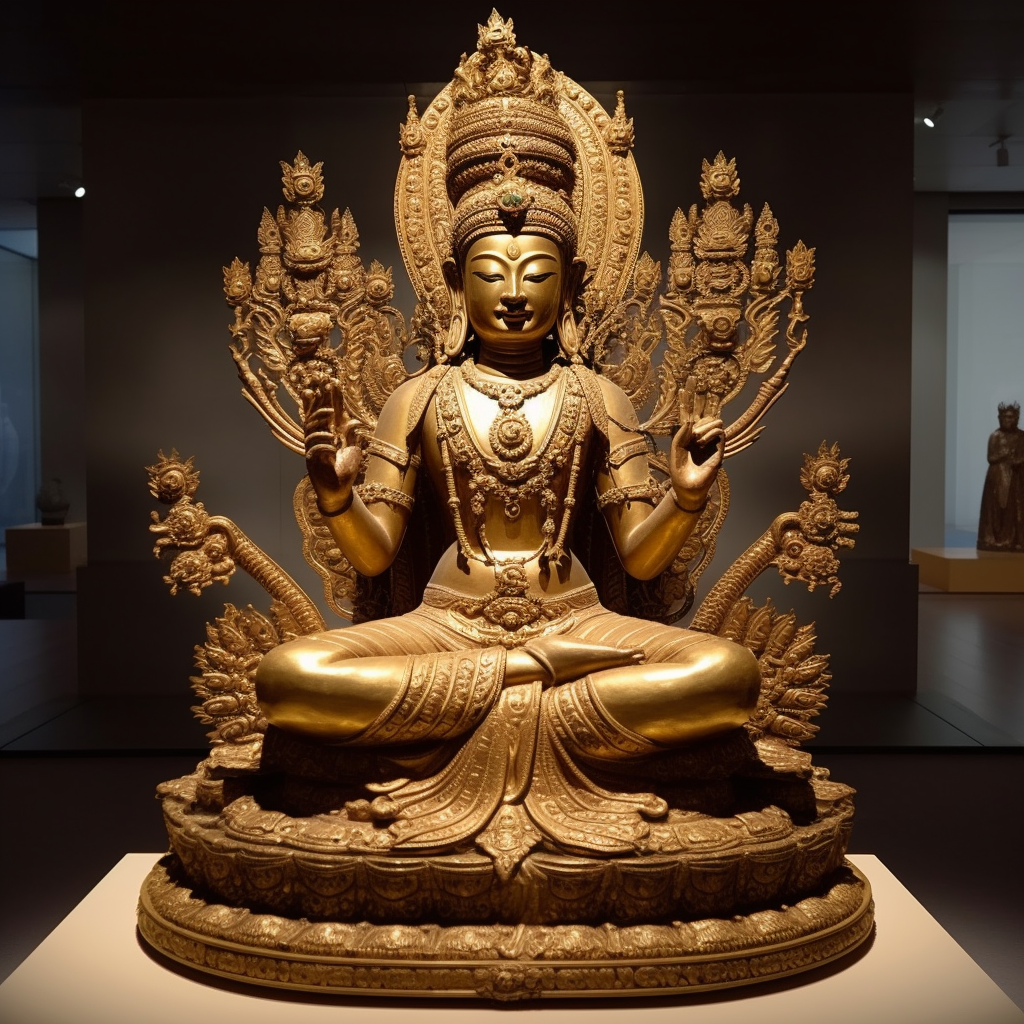
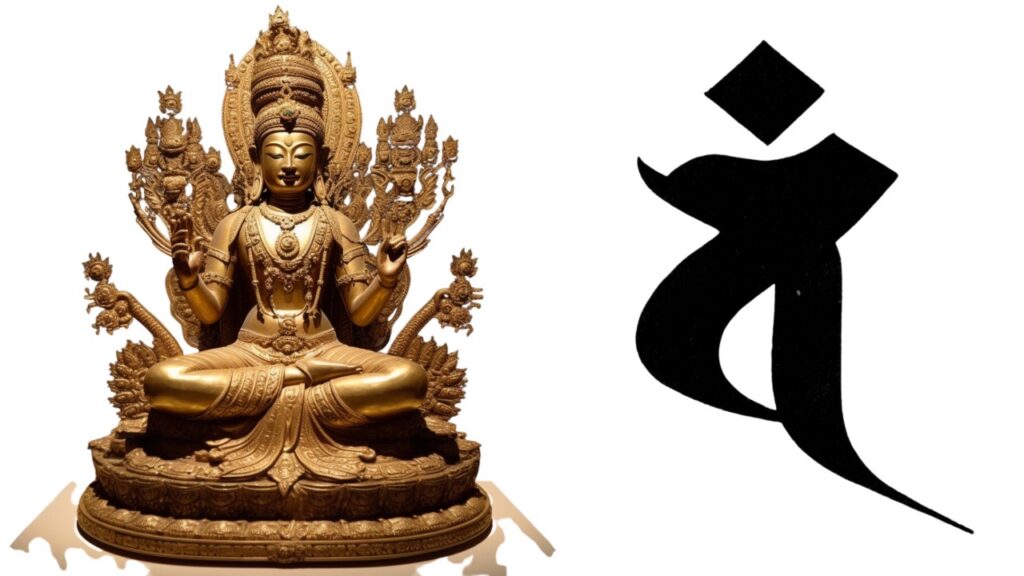
“Mahāvairocana” is the alternate name for “Dainichi Nyorai” in esoteric Buddhism, which represents the highest level of Buddha that encompasses all the teachings and embodies the ultimate truth that includes all existence.
As a general representation of “Dainichi Nyorai,” Mahāvairocana is depicted in various bodhisattva statues and Buddha statues in Indian and Chinese Buddhist art.
“宝冠” (hōkan) and “装身具” (sōshingu) are decorative items commonly found in bodhisattva statues. They represent the sacredness of bodhisattvas. “Hōkan” refers to a crown adorned with jewels that is placed on top of the head like a king’s crown, while “sōshingu” refers to jewelry adorned with jewels that is worn on the neck, wrists, ankles, and other parts of the body. These decorative items play an important role in both Buddhist faith and art.
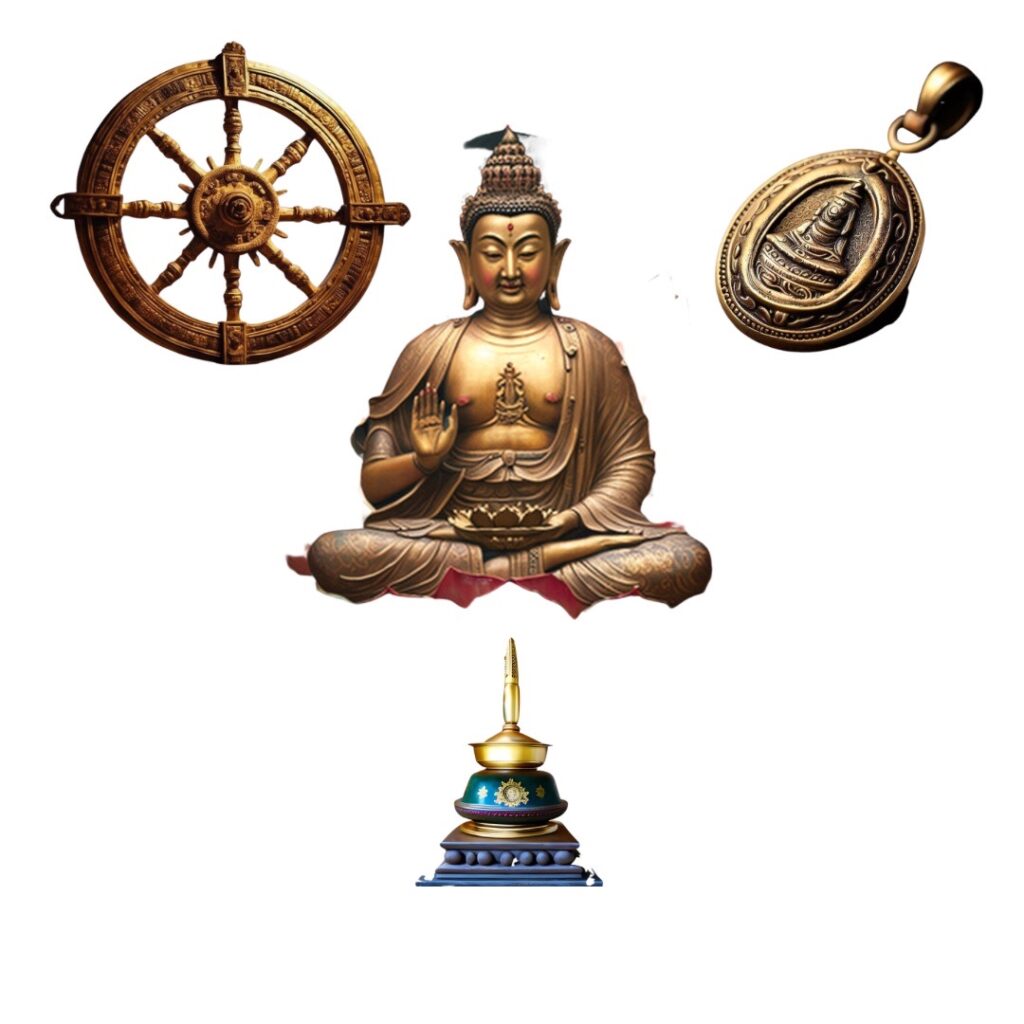
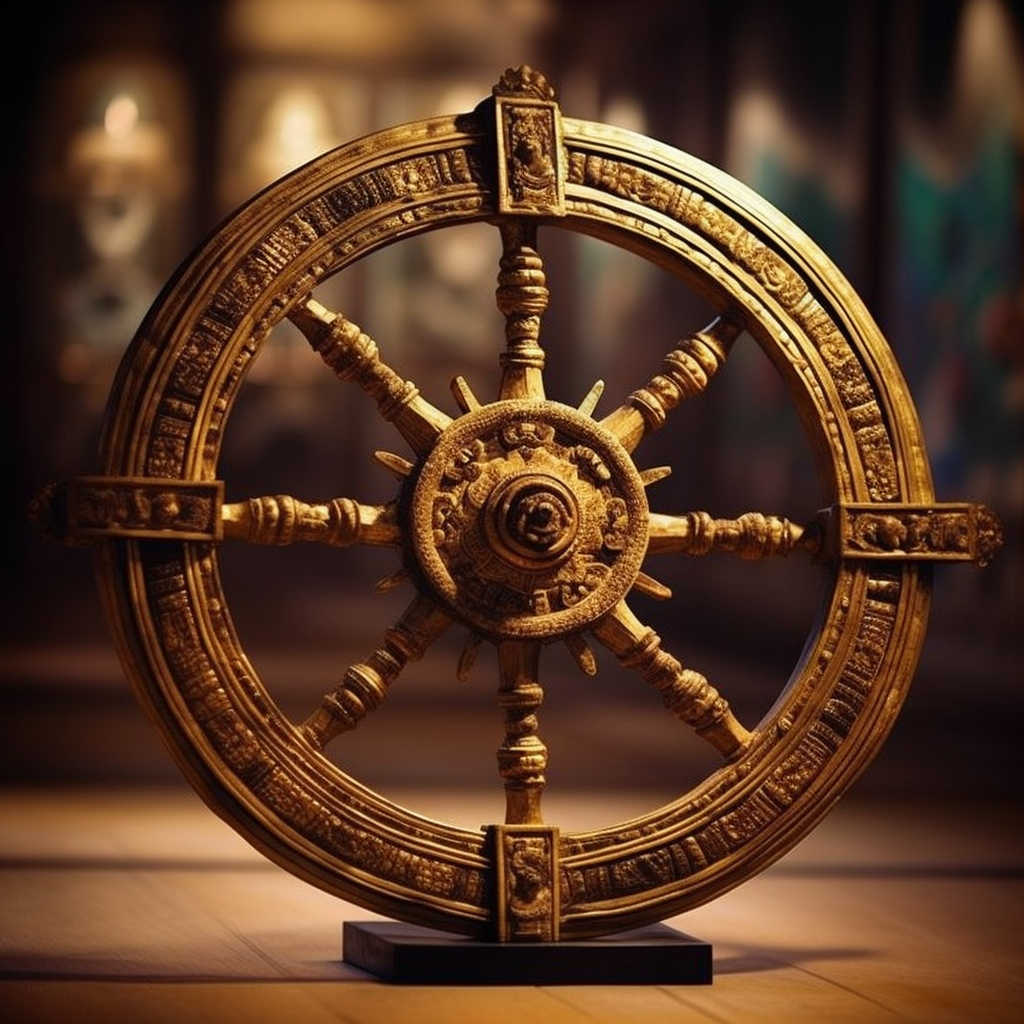
“Rinpou” is one of the seven treasures owned by the “Tenrinjo-oh” or “Chakravartin” in Buddhism. It originally referred to an ancient Indian weapon shaped like a wheel, made of four types of materials: gold, silver, copper, and iron. Later, it was incorporated into Buddhism and became one of the treasures owned by the “Tenrinjo-oh.” The “Rinpou” owned by the “Tenrinjo-oh” is said to dominate the four directions wherever the king goes, and it is considered a symbol of the holy king
In search of the truth that saves only everyone in the world, Naru Jiza entered the line of Itofukaki. In this way, Avalokiteshvara Bodhisattva, all things in this world,
Seeing all things as originally empty and his own, he is the truthful messenger who, by means of this truth, relieves all the troubles and sufferings of the world.
If you preach the teachings here, you should not get caught up in anything. He who was born by fate, is also a formless and empty thing depending on the green. Also, don’t think that nothing is nothing, he represents the birth by the edge. See, for example, that village. If you meet the fate of doing so, it will become hot water, and it will become steam and dissolve in the sky. When it cools down, it becomes water again, and then falls to the ground as rain. On the edge of the cold, he becomes a splinter of ice and a pillar of cold. It does not change with the nature of the water, but it changes with the green. All the rest of the world he is happy, whether or not there is a book, it all depends on fate. The actions of the human mind, the workings of perception, are all nothing other than this reason. People are sad, sad, or happy, but there is no fixed nature of surprise, sadness, or joy within their nature. According to the theory of cause and effect, the edge moves according to the cause, and it only shows the phase. I call this the reason of the sky.
Shariko
in this way,
Since the book is empty, it shows various changes depending on the green on the phenomenon.
However, the main body is nothing. There is nothing to do, nothing to do, nothing to do, nothing to do. No decrease, no increase, only change
only.
Shariko.
If you make this principle and look at the formation of this world, nothing is equal to nothing, and all the functions of mo, mo, and do not exist. Also, there should be no stations or momomomo that are books. Well, he has no color, no voice, no smell, no taste. Also, “There is no world, there is no world of consciousness, there is no enlightenment, therefore there is no end to ignorance, no old age, no death.”
Therefore
Do not dwell in your mind that there is no end, no pain, no death, no path, no wisdom, and no income. If you don’t have it in your mind, you won’t have any fear, and the bodhichitta must always be this empty truth. It is through this enlightenment that you have attained the explanation that you live in the world. For this reason, those who wish to give commentary must know the Great Deity of Hannya Haramita. This great god is a supreme spell, a spell of nothingness. It is a spell that can solve all hardships, its power is measured, and it should be called the truth among all truths.
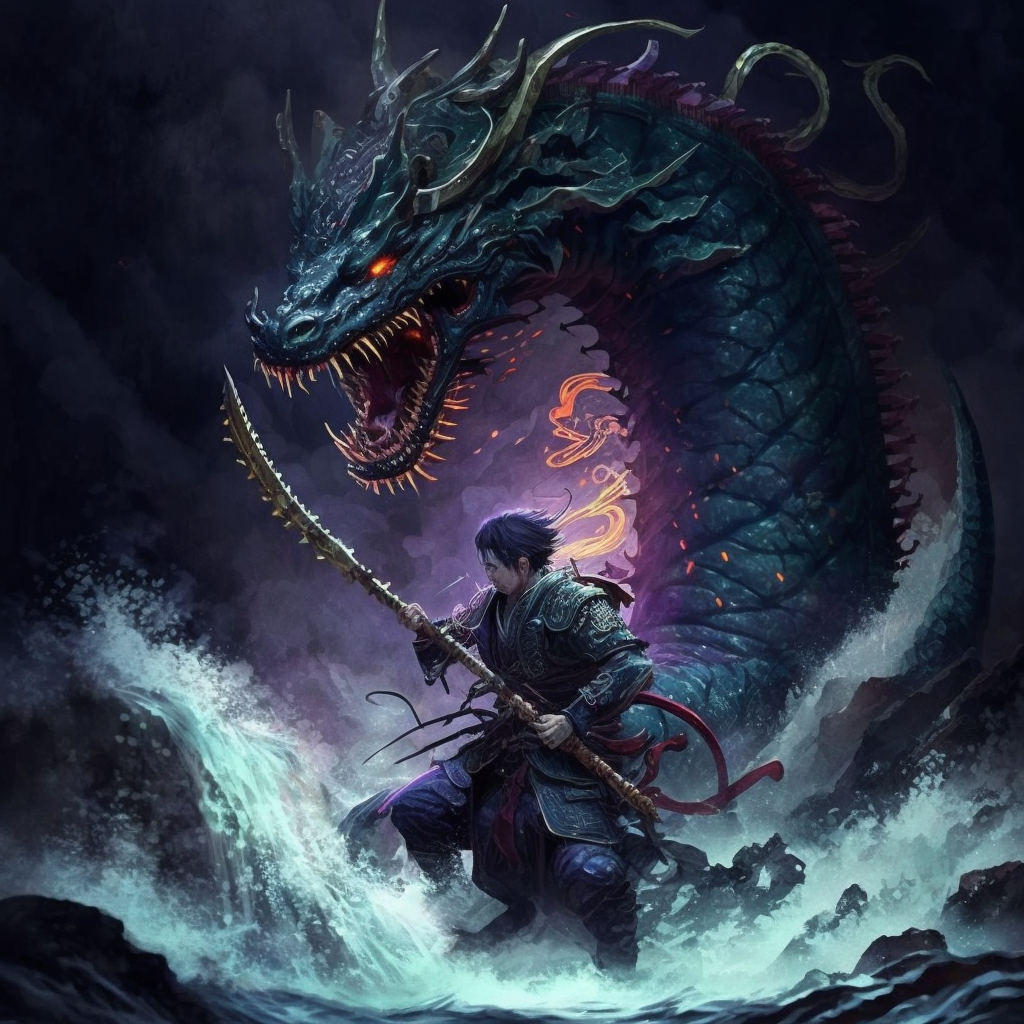
Susano-o is one of the gods in Japanese mythology and is known as the god of the sea and storms. He is the younger brother of Amaterasu, the sun goddess, and Susa-no-o-no-Mikoto. In many myths, he plays a central role in conflicts and events that arise between his siblings.
One famous story about Susano-o is how he obtained the sword, Kusanagi-no-Tsurugi. He used the sword to defeat the great serpent, Yamata-no-Orochi, and it became a symbol of his bravery and strength.
Susano-o is also known for his dance at the Iwato (the cave where Amaterasu hid herself), which he performed to lure her out and bring light back to the world. In Japanese mythology, he is associated with the element of fire and is considered a god of agriculture. He was believed to have the power to bring rain and was important to ancient Japanese people for this reason.
Welcome
Brahma is a profound art unique to the Orient. It is the essence of the painful efforts of the ancestors of East Asia, especially Japanese ancestors.