未分類
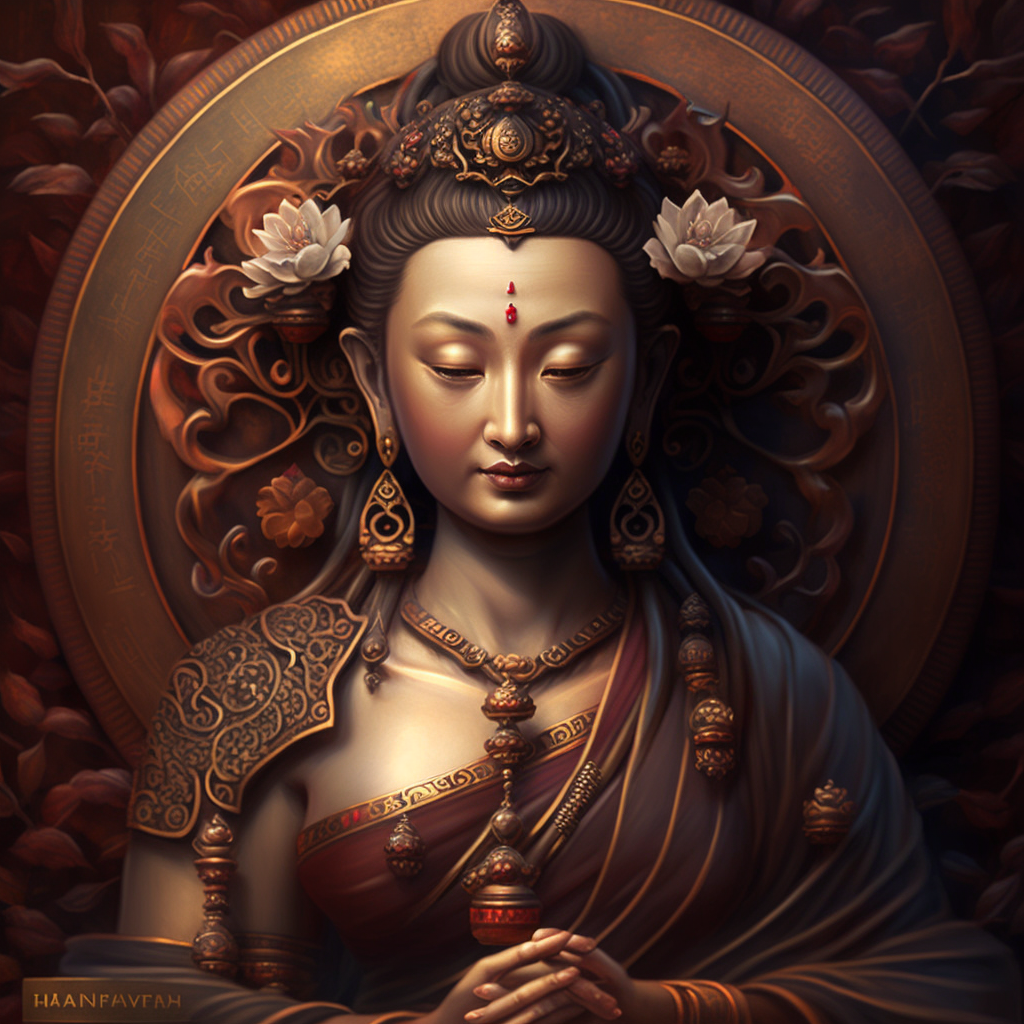
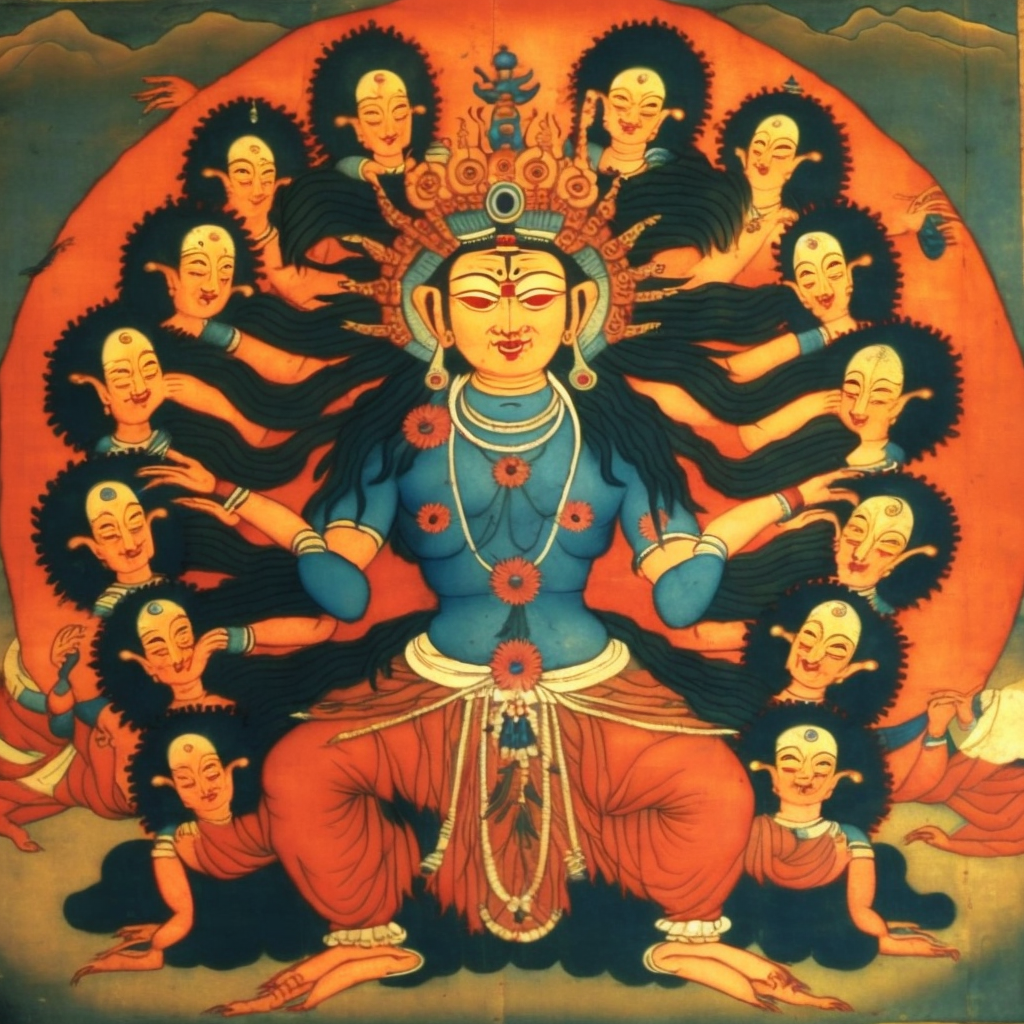
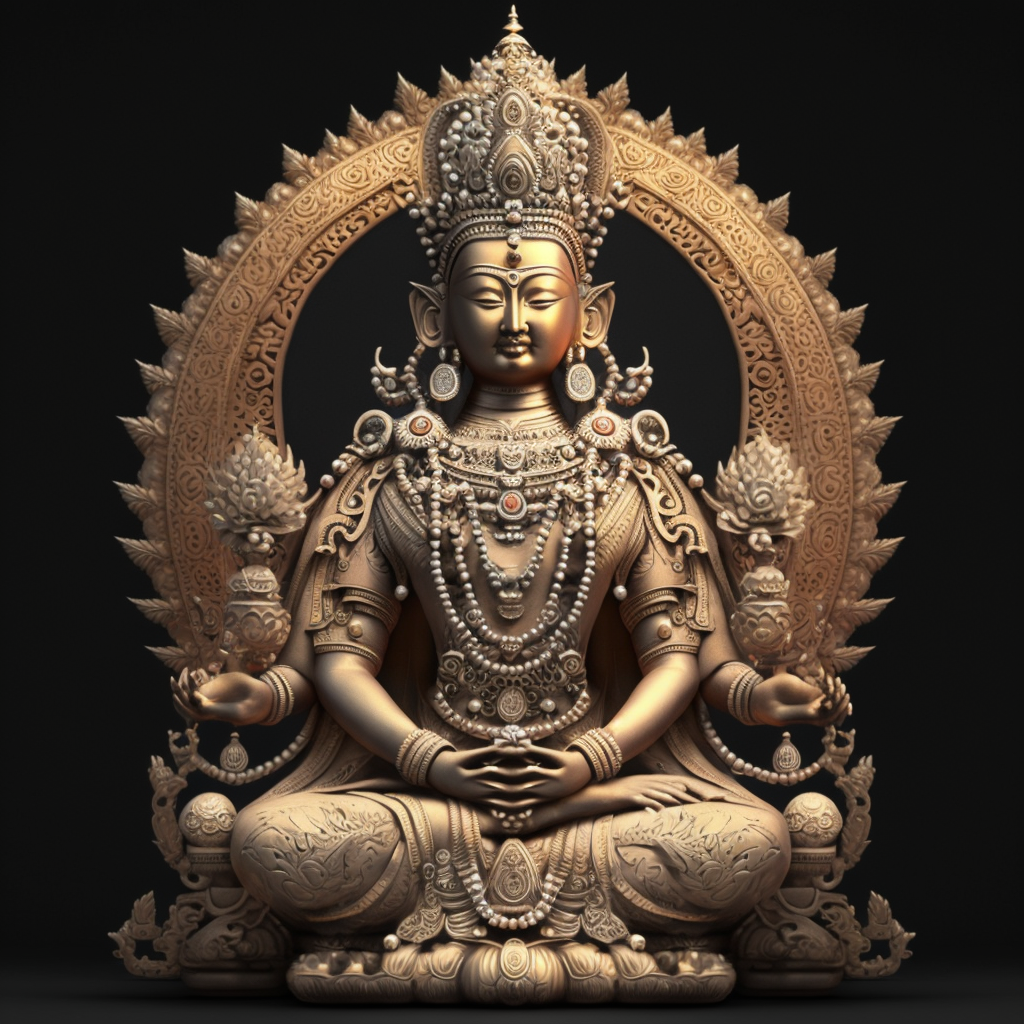
千手観音像
sahasrabhuja]、サハスラブジャ)は、仏教における信仰対象である菩薩
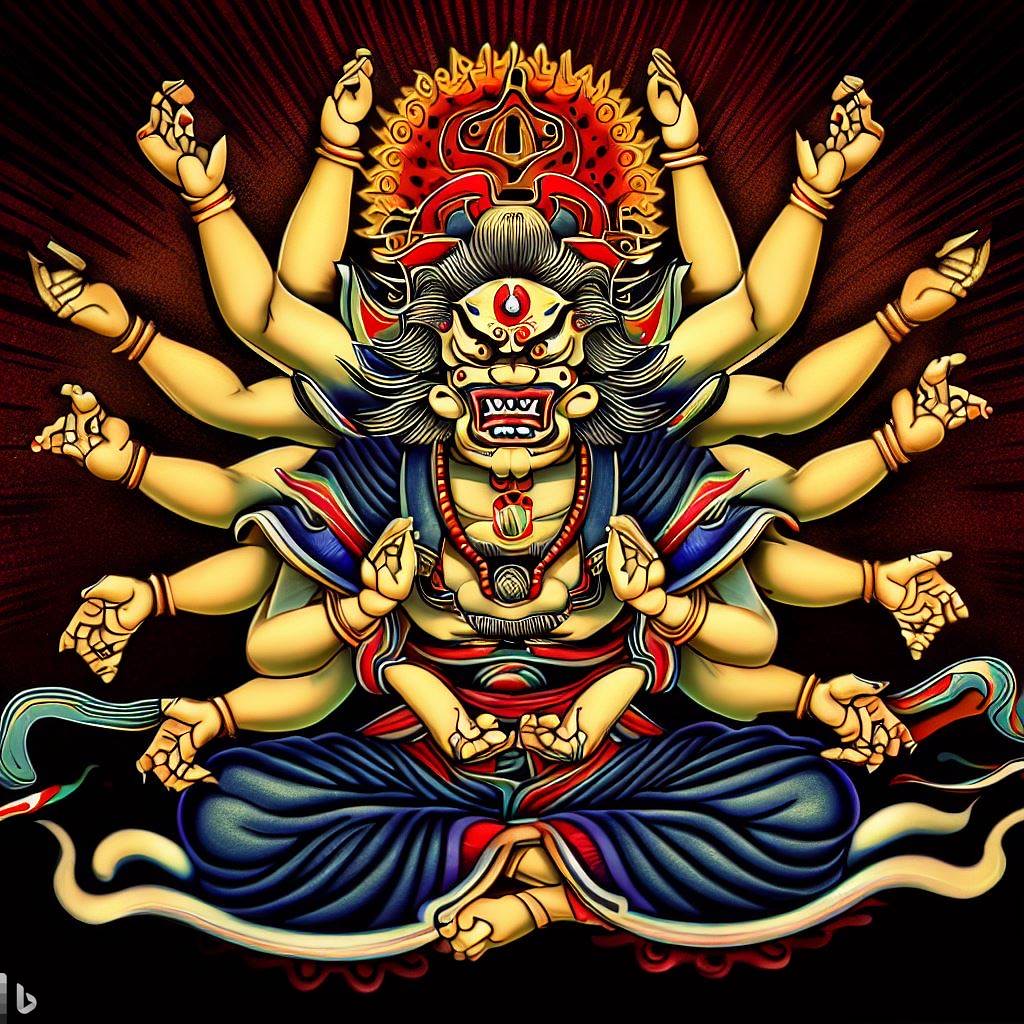
一般的な千手観音像は十一面四十二臂
サハスラブジャ」とは、梵語で「千手観音」という意味です。この菩薩は、仏教において信仰される重要な存在であり、多くの人々に敬愛されています。
千手観音は、一般的に多数の手を持ち、その手には様々なものが描かれています。例えば、手には宝珠や蓮華、梵字などが描かれ、それぞれに意味があります。また、手を合わせて祈る姿勢をとる場合もあります。
この菩薩は、苦しみや病気から人々を救い、また平和や幸福をもたらす存在として信仰されています。そのため、多くの寺院や神社において、千手観音を祀る場所が設けられています。
千手観音は、日本の仏教においても特に信仰が厚く、多くの人々に親しまれています。
Sahasrabhuja, also known as Sahasrabhujanirghosa, is a bodhisattva venerated in Buddhism.
The typical image of Sahasrabhuja is depicted with eleven faces and forty-two arms.

The Mahavairocana
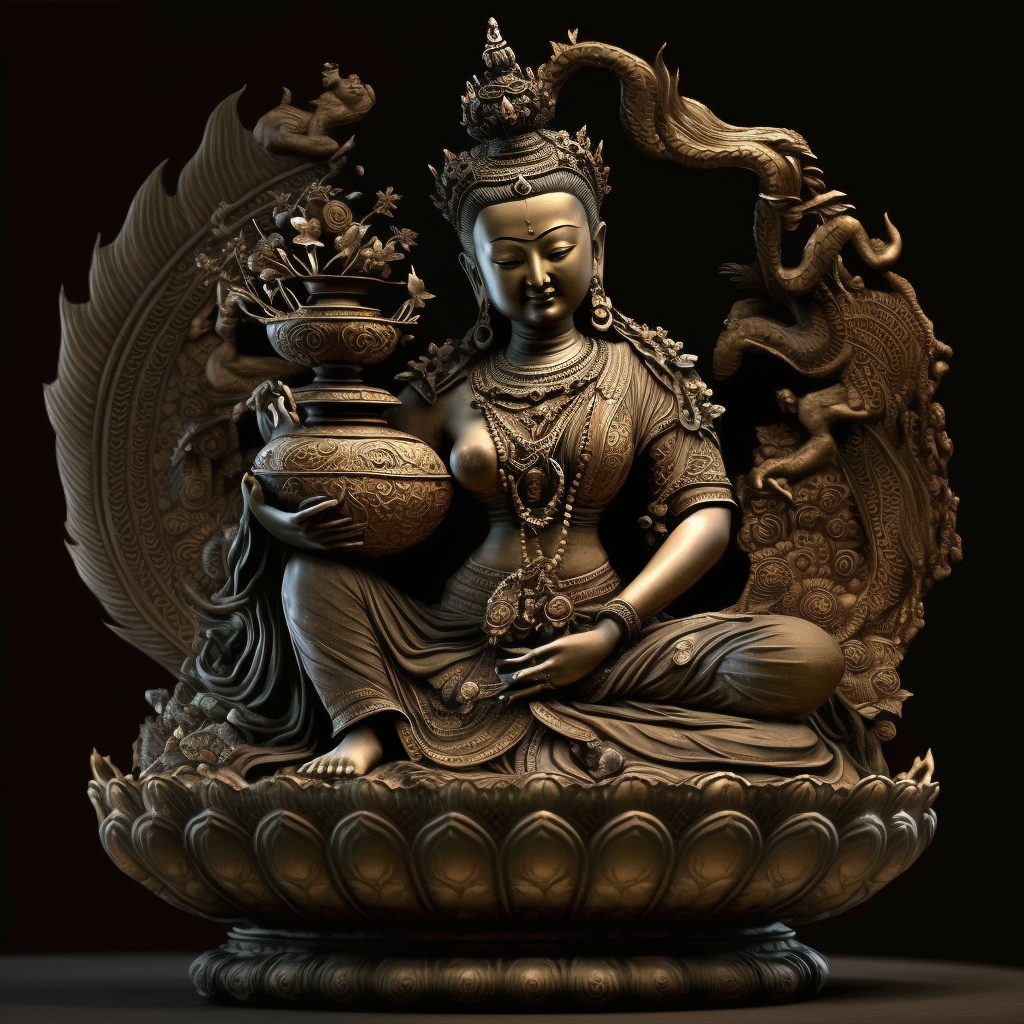
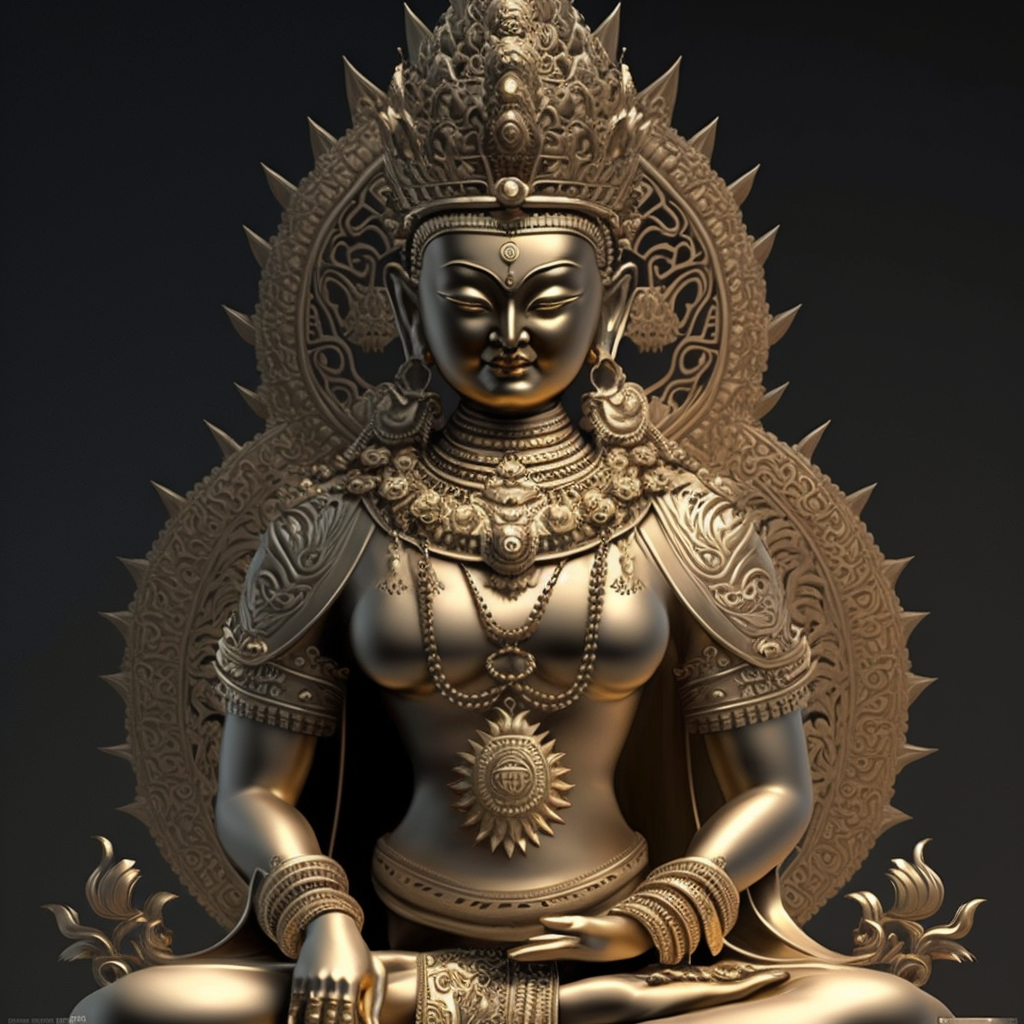
The Mahavairocana, also known as the Great Sun Buddha, is depicted as a seated figure resembling a bodhisattva, adorned with luxurious ornaments such as a treasure crown and a necklace. This form is based on the appearance of ancient Indian royalty.

Qqq

Buddha Japan journal
日本の仏教を発信します
Send Japanese Buddhism
不動明王
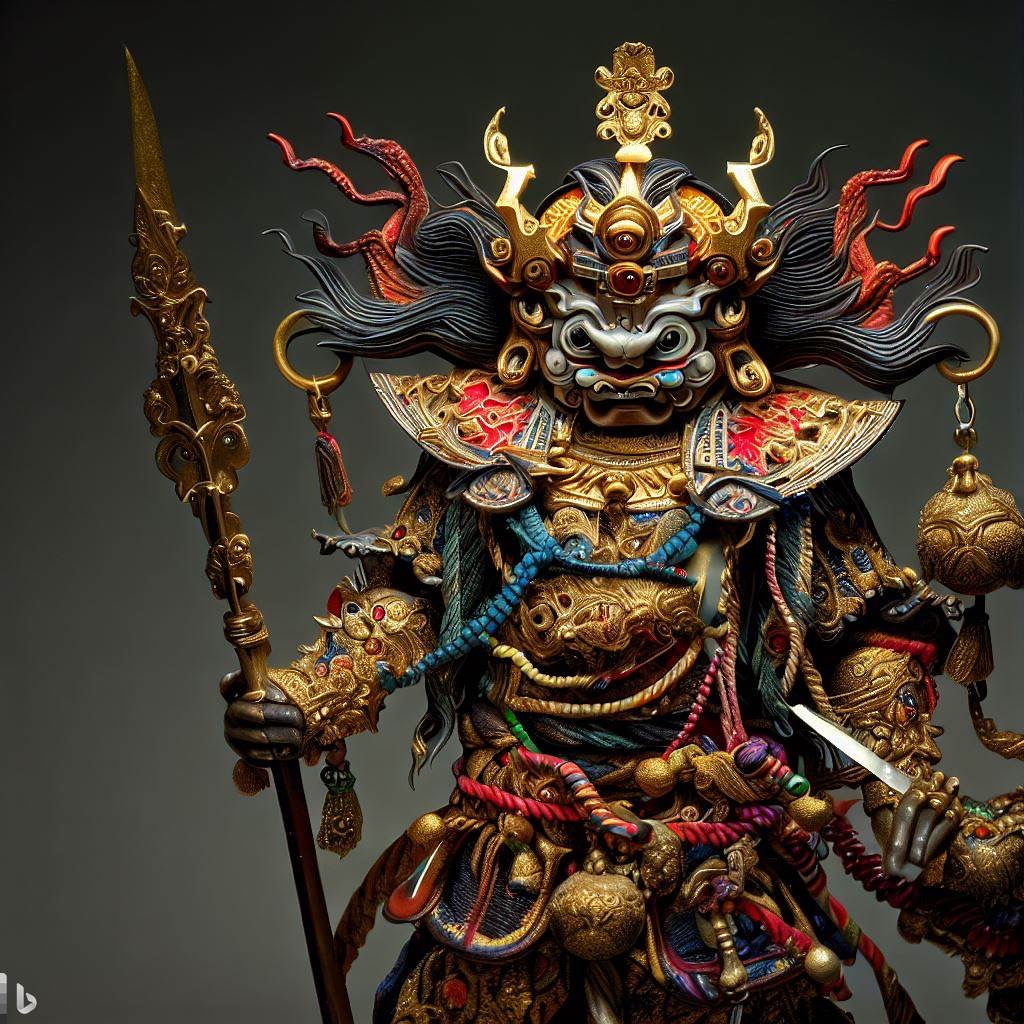
密教の明王像は多面多臂(複数の顔、腕も複対)の怪異な姿のものが多いが、不動明王は一面二臂で降魔の三鈷剣(魔を退散させると同時に人々の煩悩や因縁を断ち切る、片側中央の刃だけが一際長い三鈷杵)と羂索(けんさく/けんじゃく。悪を縛り上げ、また人々を縛り吊り上げてでも煩悩から救い出すための投げ縄のようなもの。一方の端には環、他方の端には独鈷杵の半分が付く)を持つのを基本としている(密教の図像集などには多臂の不動明王像も説かれ、後述のように日蓮は四臂の不動明王を感得しているが、立体像として造形されることはまれである)。剣は竜(倶利伽羅)が巻き付いている場合もあり、この事から「倶利伽羅剣」と呼ばれている。
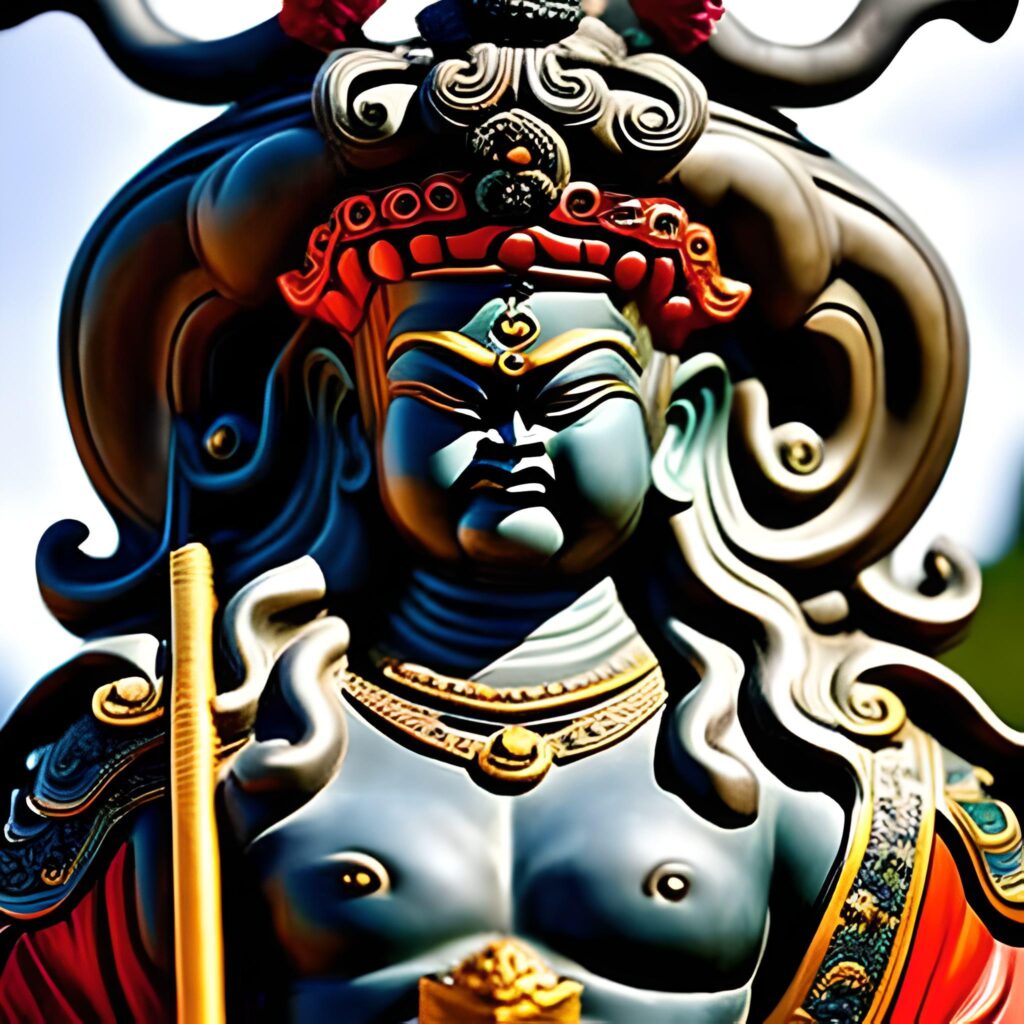
また、その身体は基本的に醜い青黒い色で表現される像容が多い。頂は七髷か八葉蓮華、衣は赤土色、右牙を上に出し左牙を外側に出す、というのが一般的とされる。不動明王は多くの明王の中でも中心的な存在である。以下に典型的な像の形を示す。
- 東寺講堂像(坐像) – 空海(弘法大師)の創意に基づくという意味で「弘法大師様(よう)」と呼ばれる像容。両目を見開き、上唇で下唇を噛み、両牙を下方に出すのが特徴。後世多く作られた、天地眼(片目を半眼にする)・牙上下出(牙を片方は上、もう片方は下に出す)の不動明王とは図像的に異なっている。[7]
Many Myo-o statues of esoteric Buddhism have a mysterious appearance with multiple faces and multiple arms (multiple faces and multiple pairs of arms), but Fudo Myo-o has one face and two arms and a three-pronged sword that wards off demons (at the same time it drives away demons and people’s worldly desires). It is like a lasso for tying up evil and hoisting people up to save them from worldly desires. One end has a ring and the other end has half of a tokko pestle). He has a sense of the four-armed Fudo Myoo, but it is rare to be modeled as a three-dimensional figure). The sword may have a dragon (Kurikara) wrapped around it, hence the name ‘Kurikara sword’.
Also, the body is basically expressed in an ugly blue-black color in many statues. It is generally said that the top is nana-mage or eight-leaf lotus, the robe is reddish-colored, and the right fang sticks out and the left fang sticks out. Fudo Myoo is a central figure among many Myoo. Typical image shapes are shown below.
Toji Kodo statue (seated statue) -The statue is called ‘Kobo Daishi-sama (Yo)’ in the sense that it is based on Kukai (Kobo Daishi)’s original idea. It is characterized by opening both his eyes, biting the lower lip with the upper lip, and protruding both fangs downward. It is iconographically different from Tenchigan (one eye half-eyed) and Fudo Myo-o with fang upper and lower fangs (one fang sticks out and the other fang sticks out). [7]
Buddha

Buddha、Portrait、photograph

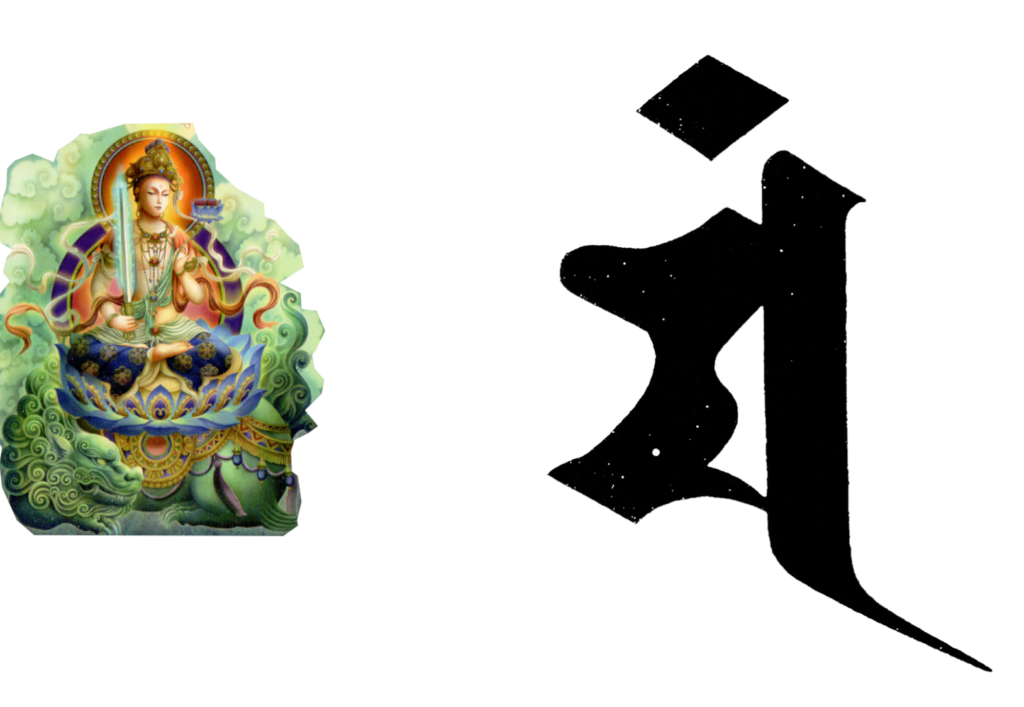
大日

大日

不動明王
不動明王 अचलनाथacalanātha
不動明王は一面二臂で降魔の三鈷剣(魔を退散させると同時に人々の煩悩や因縁を断ち切る、片側中央の刃だけが一際長い三鈷杵)と羂索(けんさく/けんじゃく。悪を縛り上げ、また人々を縛り吊り上げてでも煩悩から救い出すための投げ縄のようなもの
Acalanatha, also known as “Unmoving One” or “Immovable Wisdom King,” is a deity in Buddhist mythology. He is depicted with one face and two arms, holding a trident-like vajra sword (which dispels evil and cuts through people’s attachments and karma) and a lasso (used to bind and save sentient beings from their afflictions).