UA-135459055-1

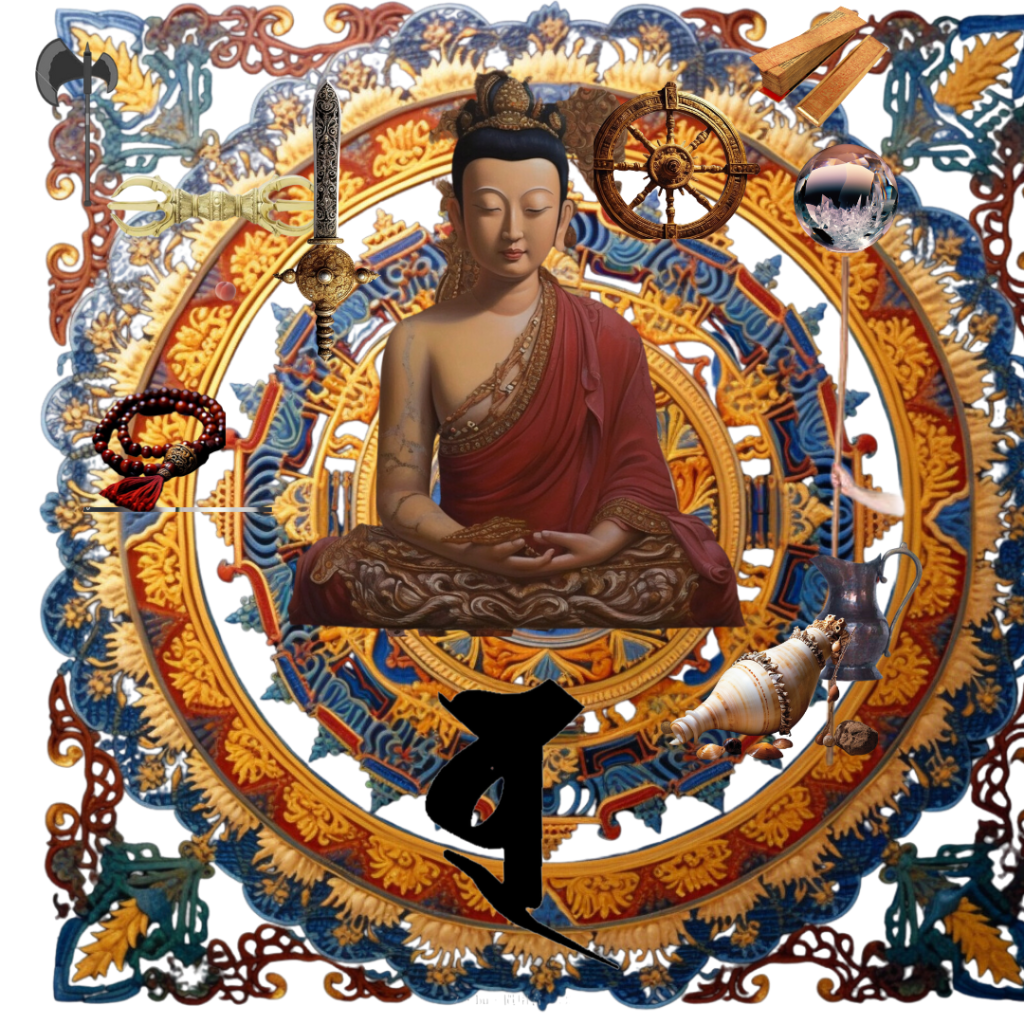
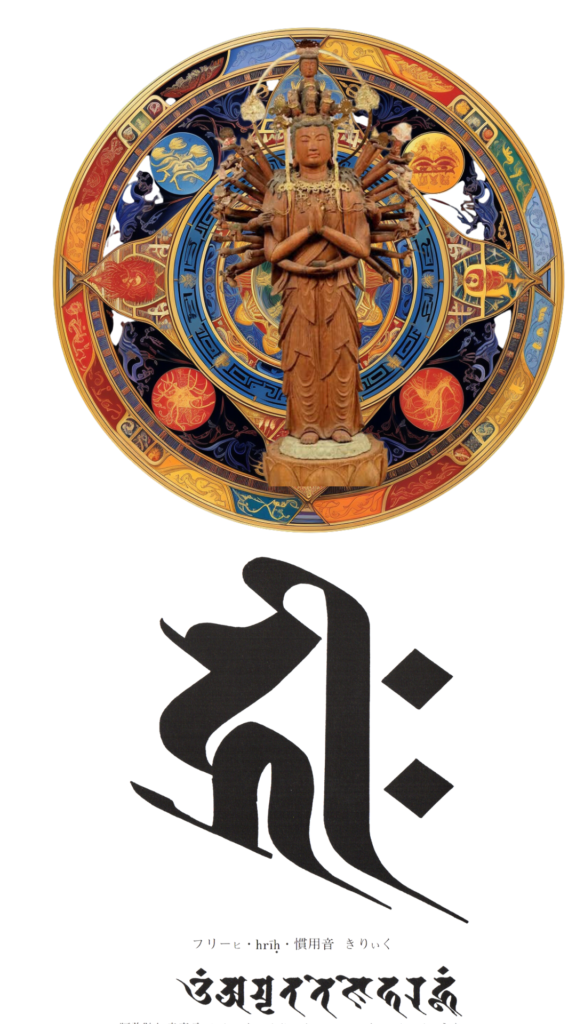
阿弥陀如来 命あるものすべてを救うべく誓いを立て、極楽浄土に導く

阿弥陀如来

命あるものすべてを救うべく誓いを立て、極楽浄土に導く


阿弥陀如来(あみだにょらい)とは?

無限の寿命を持つことから無量寿如来ともいいます。限りない光(智慧)と限りない命を持って人々を救い続けるとされており、西方極楽浄土の教主です。四十八願(しじゅうはちがん)という誓いを立て、その中には「南無阿弥陀仏」と唱えたあらゆる人々を必ず極楽浄土へ導くとあり、広く民衆から信仰されました。ちなみに他力本願も四十八願の誓いから来ており、本来は阿弥陀様にすがって極楽に行こうという意味です。


阿弥陀三尊として聖観音と勢至菩薩と並ぶ姿が多いです。さらに二十五菩薩を従え、雲に乗って往生者を迎えにやってくるといわれています。そのほか来迎の様子をあらわす場合もあります。

ご利益

極楽往生、現世安穏のご利益があります。また、戌・亥年生まれ守り本尊です。

阿弥陀如来(あみだにょらい)の像容

釈迦如来と同じく装飾品は一切ないです。来迎印という印は、極楽浄土に迎えに来たことを意味していますよ。この印相は施無畏・与願印に似ていますが、第1指ともう1本の指をねじるのが特徴です。


特殊な例としては、宝冠阿弥陀像、裸形阿弥陀像、斜めうしろを振り返る姿をしている見返り阿弥陀などがあります。

輪廻転生瞑想法

生存しつづける人間

前章でのべたように、人間は死んでも生まれ変わる。 しかも一度だけではな く、ちょうど車輪がぐるぐると廻るように、果てしなく生と死をくり返す。そ れで輪廻転生というのである。

人は輪廻転生する。

ことになる。

果てしなく生と死をくり返すのである。

死んで霊的世界にも行くが、そこに永遠にとどまっているのではなく、ある 日気がつくと生まれ変わっている。もちろん、前世の記憶や意識は残っていな い。しかし、感性と運命の上では、前世の自分を引きずっているのである。そ ういう意味で生命は存続しているといえる。

「人間は輪廻転生しつづける」ということは、換言すれば生きつづけるという

もちろん、いまの人生には限りがある。 時期がくればこの世とおさらばして

霊的世界へ行き、そののちにどこかへちがう人間(あるいは動物)として転生す る。いまとはちがう存在にはなるものの、魂が存続されていくのであるから、 永久に死なないといえるのである。

現代人の多くは輪廻転生を否定しているが、古代インドではほとんどの人が 輪廻転生を信じていた。 命あるものが永遠に生まれ変わることを知っていたの である。そして、じつは、古代インドの人々は輪廻転生を恐れていた。来世で 人間に生まれ変われる保証はないので、家畜などに転生して食べられてしま うかもしれない。また、あるいは人間に生まれ変わっても奴隷やそれ以下の階 級に生まれることも考えられる。古代インドには厳格な身分制度があったの で、彼らは来世に対して戦々恐々とした思いを持って生活していたわけである。 そして、

「この苦しみの世に生まれては死に、また生まれては死ぬという定めから脱し たい」

と心から願っていた。


いった。

お釈迦さまはそのような時代に登場され、輪廻を断って寂静の境地である涅 (ニルヴァーナ)に入る教法を説かれた。また、すぐに涅槃に入れない者に は、来世で天に生まれる方法を説かれたのである。そして、このお釈迦さまの 教法、つまり仏教はインド中に広まり、さらにはアジア各地へと伝播されて

そのように仏教は輪廻転生から脱することを最終目標にするわけであるが、 わたくしはお釈迦さまの教法をさらに進めて、輪廻転生を利用するということ を思いつき、このほどその方法を完成させた。それがお釈迦さまの成仏法をも とに編んだ瞑想法、「輪廻転生瞑想法」である。これを実践するならば理想的な 来世を迎えることができる。

「阿含経」には、お釈迦さまが弟子たちに、

「よい境界に生まれたければこのような修行をして、悪行をおこなわないよう にしなさい」

と指導されている箇所がいくつもある。 とくに在家の弟子には、よい来世が

得られるように指導されていた。したがって、わたくしの指導する 「輪廻転生 瞑想法」は、そのお釈迦さまのご指導を発展させたものなのである。

輪廻転生を逆利用する方法

システム

わたくしの提唱する 「輪廻転生瞑想法」は、人は解脱しないかぎり輪廻転生 くり返すのだから、その方法を逆に利用していまよりもよい境遇の人間に生 まれ変わろう、というものである。

お釈迦さまの説かれた輪廻を解脱する教法は仏教の根幹であり、絶対にゆる がせにできない。 しかし、その法を保ちつつ、同時に輪廻転生を利用するとい うのも、わたくしはひとつの選択肢だと思うのである。

たしかにこの世には苦しみがあふれているが、同時に喜びもある。たとえ苦 労をしても人間に再び生まれて、思う存分に生きたいという人も多いのではな いか。

それでこの瞑想法を創案したのである。

輪廻を絶つことを選ぶか、よい来世に生まれるほうを選ぶかはあなたしだい なのである。

わたくしも自分の人生を振り返ってみると、あのときはああすればよかっ たと後悔することばかりである。しかし、この瞑想法にもとづけば、理想的 来世の設計図を自分で描き、 それにしたがって思う存分にすばらしい人生を 送ることができるわけであるから、じつに楽しいのである。

来世も人間に生まれて、幸福な一生を送る秘法

人間は輪廻転生をする、 死後も生命はつづくと知ったとき、だれもが関心を 持つのは自分の来世についてである。 来世の自分は果たして幸福であるのか? それとも不幸な人生を歩んでいくのか? その一点が気になると思う。 あなたの周囲にも、生まれつき運がよくてなんの不自由もなく生きている人 もいれば、生まれたときから不幸を背負って生きている人もいるであろう。 来世は幸福なほうがよいか、それとも不幸なほうがよいかときかれれば、い

うまでもなく来世は幸福な人間として生まれることを望むはずである。

「しかし、来世はこのようになりたいといくら願っても、自分が望む来世を創 り出すことなどできないでしょう?」

というかもしれないが、そうではない。 幸せな来世を企画し、創造する秘法 があるのである。それがお釈迦さまの成仏法をもとに編んだ瞑想法なのである。 だれしも、できることならば、幸福な境遇に生まれたいと願うはずである。 それを実現するのが「輪廻転生瞑想法」なのである。

ただし、忘れてはならないのは、来世でも人間としての生を受けられるとい う保証はない、ということである。 生命のあるものならば、なんにでも生まれ 変わる可能性がある。 犬や猫、豚や馬などはもちろんのこと、アナコンダやコ ブラに生まれることさえある。

ある日、ふと目をあけるとコブラになっていた、というのではしようがな い。毒蛇は人に恐れられると同時に、危険な動物として標的になる。 人間に見 つかれば枕で打ち殺されたりするから、常に人目を避けて逃げまわらなければ

11第二章生数想法とは

112


個体発生は系統発生を繰り返す」という風に言われる

ヘッケルの反復説は、生物発生原則とも言われる。往々にして、簡単に「個体発生は系統発生を繰り返す」という風に言われる。つまり、ある動物発生の過程は、その動物の進化の過程を繰り返す形で行われる、というのがこの説の主張である。ここで個体発生とは、個々の動物の発生過程のことであり、系統発生とは、その動物の進化の過程を意味する表現である。ともにヘッケルが提唱した言葉。

具体的には、彼が1866年にその著書『一般形態学』に記した以下のような文が元である。

「個体発生 (ontogenesis) 、すなわち各個体がそれぞれの生存の期間を通じて経過する一連の形態変化としての個体の発生は、系統発生 (phylogenesis) 、すなわちそれが属する系統の発生により直接規定されている。個体発生は系統発生の短縮された、かつ急速な反復であり、この反復は遺伝および適応の生理的機能により条件付けられている。生物個体は、個体発生の急速かつ短縮された経過の間に、先祖が古生物的発生の緩やかな長い経過の間に遺伝および適応の法則に従って経過した重要な形態変化を繰り返す」

輪転生理想法とは   輪転生想法I  What is the ideal method of reincarnation?

過去から未来へ:人間の進化を探る


かつて、遥かなる時の彼方、深遠なる宇宙の闇が生まれる前、輪廻の魂が静かに渦巻いていた。

その輪廻の中で、二つの修行が組み込まれた瞑想法があった。最初の修行は瞑想そのものだ。静かな心を持ち、来世に望む姿を鮮やかに描く。家庭、人間関係、そして自らの力と素質。そのすべてを設計し、深層意識に焼き付けるのだ。

深層意識は、霊魂の宿る領域だ。その中には過去世からの記憶が詰まっている。生命の進化の記憶もそこに刻まれている。人は前世の記憶を持ち、進化の過程を辿るのだという。これがヘッケルの生物発生法則だ。個体発生は系統発生を繰り返す。生物の進化の過程が、胎児の発生にも現れるのだ。

そうして、輪廻の中で魂は繰り返し、形を変えながら、永遠の道を歩んでいく。


輪廻転生瞑想法


仏さまの教えにしたがって現世を正しく生き、輪廻転生瞑想法を実践するな らば、おおよそ希望どおりの来世を得られる。 だから、どれほどつらいことが あっても、どれほど苦しくても、決して人を害さず、軽はずみなことをせず 現世を一生懸命に生きなければならないのである。


二つの修行からなりたつ輪廻転生瞑想法


この「輪廻転生瞑想法」は二つの修行からなりたっている。

その第一は瞑想そのもので、第二の修行は日常の生活のあり方を正しくする

ということである。それぞれについて解説していこう。

[ 深層意識をつかう瞑想法]


瞑想次第に則って、自分が望む来世の境遇・状況を明確に 強く観想していく。

どのような家庭に、どのような人間として、どのような能力・素質を持って

生まれていくかという人生の設計図を創り、それをありありと念じるのである。 人間の意識は表面意識潜在意識・深層意識の三層に大きく分けることがで きる。この深層意識の領域に霊魂の宿場がある。換言すれば、脳のある部分 霊魂がおさまっているのである。そして人が臨終を迎えると、霊魂は肉体を 離れて霊的世界へ行き、やがて転生する。

霊魂は魂魄ともいう。魂とは霊魂全体を、魄はその核をさす。鶏卵にたとえ るならば、卵全体が魂になり、黄身が魄にあたる。この魄の中に、その人のあ らゆる記憶が詰まっている。それは現在の人生における経験だけではなく、前 世、前々世、三世前、四世前、五世前・・・・・・というような、これまでのすべての 過去世における記憶が残されているのである。

いや、人間としての記憶だけではなく、さらには生命の進化の記憶も保存さ れている。

人は前世の記憶を持つ ヘッケルの生物発生法則

一八六六年、ドイツの自然学者であり、生物学者であったヘッケル (ErnstHeinrich Haeckel) が、 こういう理論を発表した。

「生物の個体発生はその系統発生をくり返す」

という有名な生物発生法則である。


これは、生物の個体発生は、系統発生のあとをたどるというものである。

この法則によると、人間は、人間の発生当時から現在の自分にいたるまでの 形態を、母胎において、つぎつぎとくり返していくのである。つまり、それま での自分の歴史をたどるわけである。

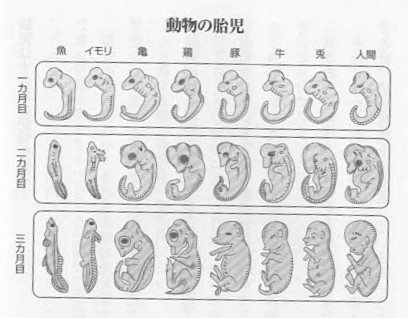
まず、この世界における生命の発生は、原始海洋における一匹の微小なア メーバの誕生からはじまる。そのアメーバは、たぶん、オパーリンのいうよう に、コアセルベーションによって形成されたのであろうが、それがしだいに進 化していって、原生動物から、魚、イモリ、カメ、ウサギ、サル、 というよう に変化してきたわけである。

現代における人間の発生も、そのもっとも最初は、アメーバとまったく変わ らぬ形態をした一匹の精虫である。母胎内の胎液(羊水)は、原始海洋の成分と 同様であり、そこで一匹の精虫は、原始の海で成長をはじめたアメーバのよう にたくましく成長をはじめる。

三、四週間たつと、それは、明らかに魚のかたちに進化している。つまり、魚 の時代に入ったのだ。その尾は魚のような平たい尾を持っており、のどにはエ ラの穴のような四対のさけ目が生じ、血管もまた魚のとおりに配置されてい る。心臓も、現在のわれわれが持っているような、左右両室に分かれた上等の ものではなく、魚とおなじような単ポンプ式のものである。

二カ月たつと、エラも、心臓も、尾も、すっかりなくなって、哺乳類のもの に変わってくる。 いよいよ哺乳類の時代に進化してきたわけである。この時期 には、ヒトも、牛も、犬も、豚も、区別がつかないほどよく似ている。

六カ月たって、サルとおなじになってきて、足など、サルのようにものをつ かみやすい構造になっている。が、これも間もなく変化して、ヒトの足のかちになってくる。


そして七ヵ月のなかばごろから、ヒトはヒト独自の形態を示してきて、ヒト に最も近いサルともはっきりちがったかたちをあらわしてくる。原始人ではあ ろうけれども、はっきりヒトの段階に入ったわけである。

このように、人間は、十ヵ月の胎児時代に、人間発生以来の歴史、それはお よそ十億年くらいであろうと推定されるのであるが、その長い歴史をくり返す わけである。

以上、ヘッケルは、このことを、生物学的・解剖学的に立証した。

つまり、人間の胎児は、母胎内において、過去の進化のあとを、そのままの

形態の上でたどるということである。そうして、ヘッケルは、生物学者という 立場からであろうが、それ以上には進まなかった。すなわち、胎児は形態の上 歴史をくり返すというだけで、胎児の意識の面にはまったくふれなかったの だ。


ヘッケルの反復説は、生物発生原則とも言われる。往々にして、簡単に「個体発生は系統発生を繰り返す」という風に言われる。つまり、ある動物発生の過程は、その動物の進化の過程を繰り返す形で行われる、というのがこの説の主張である。ここで個体発生とは、個々の動物の発生過程のことであり、系統発生とは、その動物の進化の過程を意味する表現である。ともにヘッケルが提唱した言葉。

具体的には、彼が1866年にその著書『一般形態学』に記した以下のような文が元である。

「個体発生 (ontogenesis) 、すなわち各個体がそれぞれの生存の期間を通じて経過する一連の形態変化としての個体の発生は、系統発生 (phylogenesis) 、すなわちそれが属する系統の発生により直接規定されている。個体発生は系統発生の短縮された、かつ急速な反復であり、この反復は遺伝および適応の生理的機能により条件付けられている。生物個体は、個体発生の急速かつ短縮された経過の間に、先祖が古生物的発生の緩やかな長い経過の間に遺伝および適応の法則に従って経過した重要な形態変化を繰り返す」
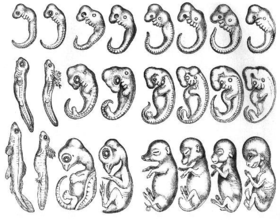
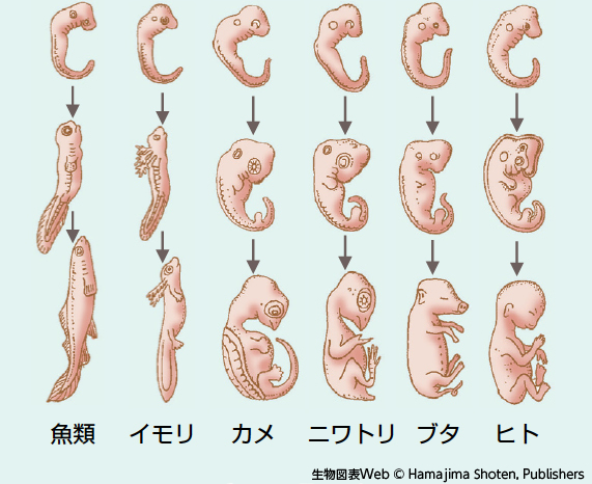
 

胎児は十億年の記憶を持つ

けれども、胎児は母胎内において、まったく石ころのようになんの意識も持 たないで過ごすなどということは考えられないことではないか。


わたくしは、ヘッケルのこの説の上に立って、胎児は、その形態だけ過去の 歴史をくり返すのではなく、その形態に応じて、過去の歴史をその意識の上で 返すものと考えるのである。

胎児は、当然、胎児としての意識を持つであろう。意識を持っているなら ば、そのときの形態に応じた意識を持つのが当然である。すなわち、魚とおな 形態をしているとき、胎児は魚の時代であったときの意識を持ち、サルとお なじ形態を示しているとき、胎児は、サルの時代であったときの意識をたどっ ているわけである。

ところで、記憶とはなにかというと、過去の経験意識の蓄積である。

そのように意識が逆行して発生展開のあとをたどっていくということは、要 するに、経験意識をくり返しているということにほかならず、 それは結局、過去の記憶をたどっているという ことであり、過去を経験してい

るということではないか。 つまり、胎児は、アメーバの

時代からヒトにいたるまでの進 化のあとを、十ヶ月の間に全部

経験しているわけである。

母胎内における生命のこの経 験は、その生命が、太古の昔か ら現在まで生きつづけていると いうこととまったくひとしいの ではないか。

なぜならば、母胎内において 過去の経験を意識するというこ

一カ月目

二力月目

三力月目

とは、それが、母胎内においてでも、あるいは母胎外においてでも、経験意識 の上においては変わりないのであって、その胎児は、経験意識の上において 十億年生きてきた記憶を持つのである。

そして、十億年生きてきた記憶を持つということは、十億年生きてきたこと とおなじではないか。

その進化の過程におけるすべての記憶が、霊魂の中に詰まっている。要する に、アメーバの時代をはじめ魚、ワニ、ウマ、サルの時代の記憶までもが魄に 刻み込まれているのである。

人間の脳の中にそれらの記憶が残っているからこそ、人類は現在のような文 文化を築くことができたのである。人間の進化と転生の記憶こそが文明文化 の原動力になっている、とわたくしは確信している。 輪廻転生瞑想法では、そ の生命の全記憶が記録されている深層意識をつかう。深層意識において、

「自分は、このような境遇の、こういう能力を持った人間として生まれ変わる」 強く念じて瞑想するのである。 深層意識をもちいる瞑想であるから、過去

世の記憶がよみがえることもあるかもしれない。

この瞑想修行はじつに衝撃的な内容である。死の実態に迫る瞑想であるから、自分が死ぬときの情景が頭に浮かぶこともありうる。 生と死は表裏一体で あるから、死の実態を理解してこそ、生まれることの実態もわかる。したがっ 輪廻転生瞑想法は人間に究極の悟りをもたらす瞑想だといえるかもしれな

[二、日常の生活のあり方を正しくする ]

人間はだれもが貪・瞋・癡という三つの煩悩を持っている。

これらは人間を毒する心なので、三毒という。三毒はいわば獣の心なので、


わたくしはこれを三獣心とよんでいる。よい来世を迎えるには瞑想をおこなうと同時に、日常生活で三毒を絶対に出さないように努めなければならない。貪は貪り、瞋は怒り、癖は愚癡ともいうが、愚かさのことである。因縁因果の道理を知らない愚かでたわけた心を愚癡という。

貪りに貪りを重ねることは、人間としての本道ではない。財物、地位、名誉 などを求めてやまない人もいるが、いくら欲しいと願っても、それが手に入る だけの分がなければ、自分のものにはならない。種をまき、それを大事に育 てることによって花が咲き、果実が実るのである。努力もせず、才能も磨か ず、徳も積まずに、ただ結果だけ得ようとするのは、まさしく貪りである。

怒りも人間的に立派な行為とはいえない。なにか不快なことがあって立腹す るわけであるが、不快なことが起きるには、自分にもなんらかの落ち度がある はずである。 それなのに反省ひとつせず、ただ怒りにまかせて怒鳴ったり、暴 力を振るうというのは人間として恥ずべき行為である。

そう考えていくと食も瞋も、因縁因果の道理を知らない愚かさ、つまり愚癡 にもとづいていることがわかる。

愚癡というのはいちばん愚かな心であって、因縁因果の道理を知らない。 仏教では、これをたわけ心といっている。たわけたバカが因縁因果の道理を知らないのである。


子母澤寛(一八九二~一九六八)という小説家が「愛猿記」という本を書いている。かわいがっていた猿の日常などを書いた本であるが、その中にこういうこ とが書いてある。

あるとき、 子母澤氏が猿の頭を棒で叩いたところ、猿は怒って、その棒を ひったくって、その棒をぽんぽんと踏んだり蹴ったりかじったりしたという のである。

つまり、 子母澤氏が棒でもって猿を叩いたのであるが、猿は叩いた子母澤氏 ではなく、自分を叩いた棒が悪いと思って、棒をひったくって、それをかじっ たりなんかする。それが畜生の浅ましさだということを子母澤氏は書いている のでる。

人間だったら、その棒をかじったりなんかしない。その棒をひったくって、 子母澤氏を叩くであろう。 しかし猿はそういうことは考えない。だれが原因か ということまではわからないのである。

つまり、猿は因果の道理をわからないということを子母澤氏が書いているの である。わたくしはこれを非常におもしろいと思う。

猿がその棒をひったくって子母澤氏を殴ったら、これは人間である。どこま でも棒が悪いと思ってしまう。そこが畜生の浅ましさなのである。


以上が、貪・瞋・癡の三毒である。この三毒を出して日常生活を送ってい て、よい来世を迎えることなどできるわけがない。

現世でのよい生き方の延長線上によい来世があり、勝手放題な生き方の延長 線上に不幸な来世がある。 したがって幸福な来世を迎えたかったならば、現世 三毒を離れ、善行を積み、よい人間として生き抜くことが肝要である。

その上で「輪廻転生瞑想法」を実践するならば、自分の思いどおりの来世が 得られる。しかし、たとえ瞑想法を実践していたとしても、日々の生活で三毒 を出しっぱなしにしていては、決してよい転生などできない。だから貪・瞋・ を離れるように日ごろから心がけなさい。

日に三度

そして、日課として、一日に三回声をあげて笑うこと。

アハハハハと笑うこと。

できたら鏡を見て笑うこと。


さきほど三毒はいわば獣の心であるとのべたが、獣は笑うということを知ら ない。笑うということは人間しかできないのである。

あなたは飼っている犬や猫が笑っているところを見たことがあるだろうか? 鏡を見て、アハハハハなんて笑っている犬や猫はいない。だから、人間が人 間であるためには鏡を見て笑う。

一日に三回は、アハハハハと声をあげて鏡を見て笑うことを、かならず実践 していただきたいのである。

第三章 よい来世を迎える秘法


If you live your current life correctly according to the Buddha’s teachings and practice the reincarnation meditation method, you will be able to obtain the next life you desire. Therefore, no matter how hard things may be, no matter how painful it may be, he must live his life to the fullest without harming others or doing anything rash.

Reincarnation Meditation Method Consisting of Two Practices

This “Rinne Tensei Meditation Method” consists of two practices.

The first is meditation itself, the second is to correct the way we live our daily lives.

That’s what it means. Let’s talk about each.

[Meditation method that uses deep consciousness]


Depending on your meditation, you will clearly and strongly contemplate the circumstances and situations of your desired afterlife.

What kind of family, what kind of person, what kind of abilities and qualities do you have?

Create a blueprint for your life, and think about it vividly. Human consciousness can be roughly divided into three layers: surface consciousness, subconsciousness, and deep consciousness. In this realm of deep consciousness lies the lodging place of the soul. In other words, a part of the brain, the soul, has settled. When a person reaches the end of life, the soul leaves the body and goes to the spiritual world, where it is reincarnated.

The soul is also called the soul. “Soul” refers to the whole soul, and “paku” refers to its core. If we were to compare it to a chicken egg, the whole egg would be the soul, and the yolk would be the pith. In this paku, all the memories of that person are packed. It is not only the experiences of the present life, but also the memories of all past lives, such as the previous life, the life before the previous, the third, fourth, fifth, etc. There is.

No, not only our memories as humans are preserved, but also the memories of the evolution of life.

Haeckel’s Law of Biogenesis: People Have Memories of Previous Lives

In 1866, German naturalist and biologist ErnstHeinrich Haeckel published this theory.

“The ontogeny of an organism repeats its phylogeny.”

This is the famous law of biogenesis.


This means that the ontogeny of an organism follows its phylogeny.

According to this law, human beings repeat one form after another in their mother’s womb, from the time they were born to their current self. In other words, he traces his own history up to that point.

First, life in this world begins with the birth of a tiny moeba in the primordial ocean. The amoeba was probably formed by coacervation, as Oparin says, and it gradually evolved from protozoa to fish, newts, turtles, rabbits, monkeys, and so on. It has changed to

The origin of modern humans began as a single spermatozoa, which had a form completely similar to that of an amoeba. The fetal fluid (amniotic fluid) in the mother’s womb is similar to the components of the primordial ocean, so a single sperm worm begins to grow vigorously like an amoeba that began to grow in the primordial ocean.

After three or four weeks, it clearly evolved into a fish shape. In other words, we have entered the age of fish. It has a flat tail like a fish, and its throat has four pairs of holes that look like holes in its throat, and its blood vessels are also arranged like a fish’s. The heart was not the same as we have today, which is divided into left and right chambers, but rather a single-pump type like that of a fish.

After two months, the gills, heart, and tail are completely gone and the animal becomes mammalian. We have finally evolved into the age of mammals. At this stage, humans, cows, dogs, and pigs look so similar that it’s hard to tell them apart.

After six months, they start to look like monkeys, and their feet and other structures are designed to make it easier for them to grasp things. However, this will soon change and become the shape of the human foot.


Then, from around the middle of seven months, humans begin to exhibit a uniquely human morphology, clearly different from that of the monkeys that are our closest relatives. Although he was a primitive man and was deaf, he had clearly entered the human stage.

In this way, humans repeat the long history of human development, which is estimated to be around a billion years, during the ten-month fetal period. .

As mentioned above, Haeckel proved this biologically and anatomically.

In other words, the human fetus retains its past evolution in its mother’s womb.

This means tracing the form. Haeckel, perhaps from the standpoint of a biologist, did not go any further. In other words, he simply said that fetuses repeat history in terms of their morphology, but he did not touch on the aspect of fetus consciousness at all.

A fetus has a billion years of memory

However, it is inconceivable that a fetus could spend its entire life in its mother’s womb like a stone, without any consciousness.


Based on Haeckel’s theory, I believe that a fetus does not repeat past history only in its form, but that it returns past history in its consciousness according to its form. .

A fetus will naturally have consciousness as a fetus. If you have consciousness, it is natural that you have consciousness according to the form you are in at that time. In other words, when the fetus has the same shape as a fish, it has the consciousness it had when it was a fish, and when it has the same shape as a monkey, it has the consciousness it had when it was a monkey. I am following.

By the way, memory is an accumulation of past experiences and consciousness.

For her consciousness to go backwards and follow the events that have occurred and unfolded in this way, she is essentially repeating her experiential consciousness, which in the end is what she is referring to as tracing past memories. have experienced the past

Isn’t it that In other words, the fetus is an amoeba

The history of evolution from modern times to humans can be seen all within 10 months.

I have experienced it.

Isn’t this experience of life in the mother’s womb exactly the same as he says that life has continued from time immemorial to the present day?

This is because in the mother’s womb, one is conscious of one’s past experiences.

1st month

Second month

third month

That is, it does not change on the empirical consciousness whether it is inside the mother’s womb or outside the mother’s womb.

And isn’t having the memory of having lived a billion years the same as having lived a billion years?

All the memories of that evolutionary process are packed into the soul. In short, the memories of the age of amoebas, fish, crocodiles, horses, and even monkeys are imprinted on the pakes.

It is precisely because those memories remain in the human brain that humankind has been able to build the culture it has today. I am convinced that the memory of human evolution and reincarnation is the driving force behind civilized culture. Reincarnation meditation uses the deep consciousness where all memories of one’s life are recorded. In deep consciousness

“I will be reborn as a person with this kind of ability in this kind of situation.” Since meditation uses deep consciousness, the past

It may even bring back memories of the world.

This meditation practice is truly shocking. Since it is a meditation that approaches the reality of death, it is possible that images of what it will be like when you die come to mind. Life and death are two sides of the same coin, so only by understanding the reality of death can we understand the reality of being born. Therefore, it may be said that the reincarnation meditation method is a meditation that brings humans ultimate enlightenment.

[2. Correct the way you live your daily life]

yeah

All human beings have three earthly desires: greed, hatred, and sin.

These are the minds that poison humans, so they are called the three poisons. Since the three poisons are, so to speak, the heart of the beast,


I call this the Three Beast Minds. In order to have a good afterlife, one must practice meditation and at the same time try not to release the three poisons in daily life. Greed is greed, hatred is anger, and habit is stupidity. A foolish heart that does not understand the principle of cause and effect is called foolishness.

Being greedy and greedy is not the true path of being human. Some people crave wealth, status, honor, etc., but no matter how much they want it, it will not be theirs unless he has his share of it. By sowing seeds and nurturing them with care, flowers will bloom and fruits will bear fruit. Trying to just get results without putting in the effort, honing your talent, or accumulating virtue is exactly greed.

Anger is also not an honorable human act. He gets angry when something unpleasant happens, but for unpleasant things to happen, he must be at fault in some way. It is a disgraceful act for a human being to yell and use violence without even reflecting on one’s anger.

If you think about it in this way, you will find that both food and hatred are based on stupidity, ignorance of the laws of fate and effect.

Idiocy is the stupidest kind of mind, and it does not understand the principle of cause and effect. In Buddhism, this is called tawakeshin. A foolish idiot doesn’t know the logic of karma.


A novelist named Hiroshi Shimozawa (1892-1968) wrote a book called “Aisaruki”. It is a book that describes the daily life of a monkey that he was fond of.

One time, when Mr. Shimozawa hit the monkey’s head with a stick, the monkey got angry, snatched the stick from him, and stepped on it, kicked it, and gnawed at it.

In other words, Mr. Shimozawa hit the monkey with a stick, but the monkey thought that it was not Mr. Shimozawa who hit him, but the stick that hit him. I’ll do something like that. Mr. Shimozawa writes that this is the shallowness of a beast.

If he was human, he wouldn’t bite that stick or anything. He would snatch that stick and hit Mr. Shimozawa. But monkeys don’t think that way. He doesn’t even know who caused it.

In other words, Mr. Shimozawa wrote that monkeys do not understand the reason of cause and effect. I find this very interesting.

If the monkey snatches the stick and hits Mr. Shimozawa, then this is a human being. Somehow he thinks the stick is bad. That is the shallowness of the beast.


These are the three poisons of greed, hatred, and hatred. There is no way that he will be able to have a good afterlife if he continues his daily life with these three poisons.

There is a good afterlife on the extension of a good way of life in this world, and an unhappy afterlife on the extension of a selfish way of life. Therefore, if you want to have a happy future life, it is essential to leave the three poisons of this world, accumulate good deeds, and live out your life as a good person.

On top of that, if you practice the “Rinne Tensei Meditation Method,” you will be able to get the afterlife you desire. However, even if you practice meditation, if you continue to release the three poisons in your daily life, you will never have a good reincarnation. Therefore, try to avoid greed and hatred on a daily basis.

three times a day

And as a daily routine, laugh out loud three times a day.

Laugh with ahahahaha.

Look in the mirror and smile when you can.


I said earlier that the three poisons are the animal’s heart, but animals do not know that they can laugh. Only humans can laugh.

Have you ever seen your dog or cat laughing? Therefore, in order to be human, we must look in the mirror and smile.

I want you to make sure to practice laughing while looking in the mirror and saying “Ahahahaha” three times a day.

Chapter 3 The secret method to welcome a good afterlife
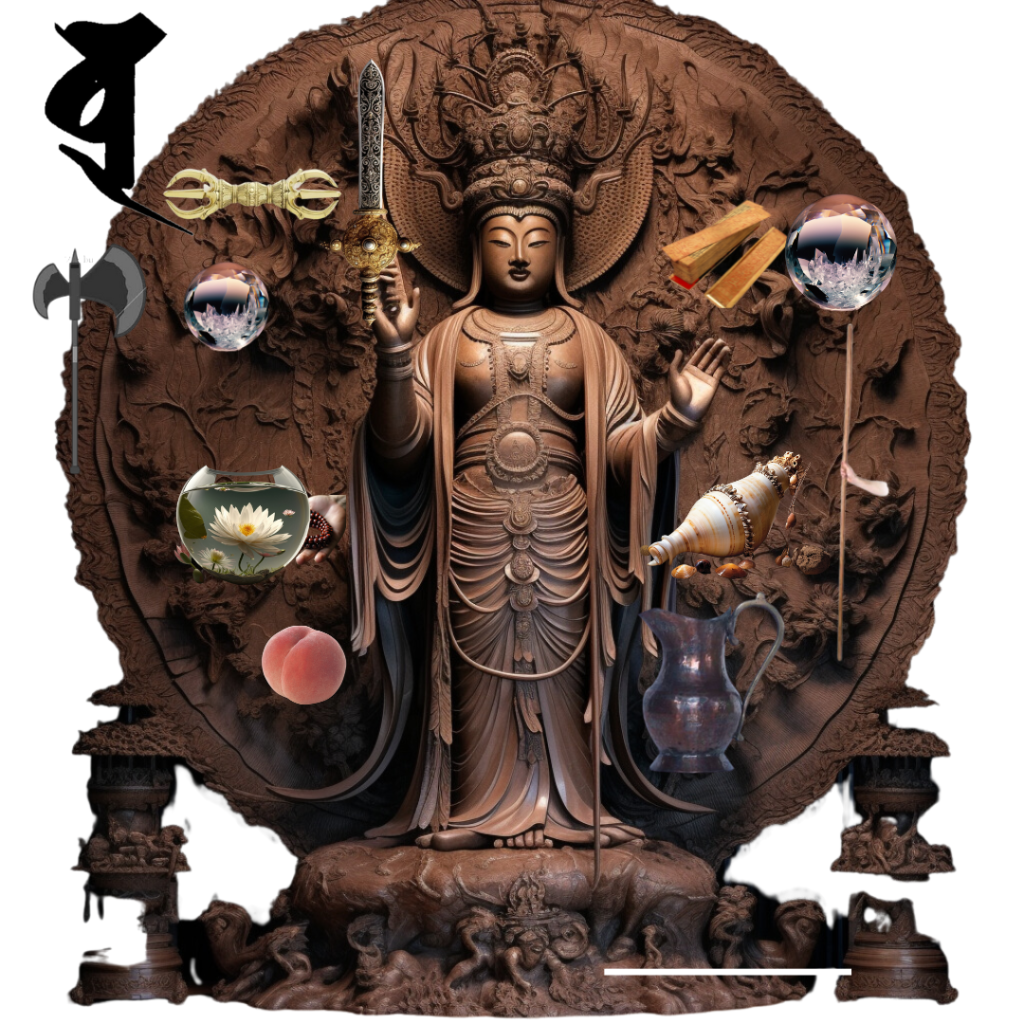
不動明王 破壊と再生を司り、悪を滅する


不動明王

破壊と再生を司り、悪を滅する

不動明王(ふどうみょうおう)とは?

語源は「動かない守護者」を意味し、インド神話のシヴァ神の別名です。シヴァは暴風雨の威力を神格化したもので、破壊的な災害を起こす半面、雨によって植物を育てます。その破壊と恵みの相反する面は不動明王にも受け継がれているのです。不動明王は仏法の障害となるものに対しては怒りを持って屈服させますが、仏道に入った修行者には常に守護をして見守ります。


大日如来の化身として、どんな悪人でも仏道に導くという心の決意をあらわした姿だとされています。特に日本で信仰が広がり、お不動様の名前で親しまれています。そして、五大明王の中心的存在です。五大明王とは、不動明王を中心に降三世明王(ごうざんぜみょうおう)・軍荼利明王(ぐんだりみょうおう)・大威徳明王(だいいとくみょうおう)・金剛夜叉明王(こんごうやしゃみょうおう)の5体のことを指し、不動を中心に東西南北に配されます。不動明王の脇侍として八大童子のうちの矜迦羅(こんがら)・制多迦(せいたか)の2童子が配されることも多いです。ちなみに不動明王の持っている龍が巻きついている炎の剣が単独で祀られている場合があります。不動明王の化身とされ、倶利伽羅竜王(くりからりゅうおう)などと呼ばれています。

ご利益

除災招福、戦勝、悪魔退散、修行者守護、厄除災難、国家安泰、現世利益のご利益があるとされる。また、酉年生まれ守り本尊です。酉年に生まれた人々の開運、厄除け、祈願成就を助けるといわれています。

不動明王(ふどうみょうおう)の像容

背の低い、ちょっと太めの童子型の造形が多く、怒りの表情をしています。目は天地眼(てんちげん)といって右目を天に向けて左目を地に向けていますよ。口は牙上下出といって右の牙を上に出して左の牙を下に出しています。炎の光背を背にし、手には剣と羂索(けんじゃく)を持っています。剣は大日如来の智慧の鋭さを表現しています。羂索とは煩悩を縛り悪の心を改心させる捕縛用の縄のことです。

大日如来 すべての生き物の根本となる仏

大日如来だいにちにょらいサンスクリット語: Mahāvairocana[1])は、真言密教の教主であるであり、密教本尊


大日如来

すべての生き物の根本となる仏


大日如来(だいにちにょらい)とは?

大日とは「大いなる日輪」という意味です。太陽を司る毘盧舎那如来がさらに進化した仏です。密教では大日如来は宇宙の真理を現し、宇宙そのものを指します。また、すべての命あるものは大日如来から生まれたとされ、釈迦如来も含めて他の仏は大日如来の化身と考えられています。


大日如来には悟りを得る為に必要な智慧を象徴する金剛界大日如来と、無限の慈悲の広がりを象徴する胎蔵界大日如来という2つの異なる捉え方があります。金剛とはダイヤモンドのことを指し、智慧がとても堅く絶対に傷がつくことがないことを意味しています。また、胎蔵とは母親の母胎のようにすべての森羅万象が大日如来の中に包み込まれている様を意味しています。この2つが揃って大日如来を本尊とする密教の世界観が出来上がるのです。

ご利益

現世安穏、所願成就。また、未・申年生まれ守り本尊です。

大日如来(だいにちにょらい)の像容

本来、如来は出家後の釈迦の姿をモデルとしているため装飾品は身に付けていませんが、大日如来だけは別格で豪華な装飾品や宝冠を付けています。また、螺髪(らほつ)ではなく、髪を結い上げています。


金剛界、胎蔵界の姿でそれぞれ印の形が違います。金剛界の大日如来は、左手の人差し指を立て、その人差し指を右手で包みこむ智拳印の印相をしています。一方、胎蔵界の大日如来は、腹の前で両手の全指を伸ばして組み合わせる定印です。

視床下部の役割は?What is the role of the hypothalamus? 呼吸法  チャクラの機能  Breathing method Chakra f chakraunction 6 メシア ( 仏陀 ) の法 Messiah (Buddha) Law system of Dharma 6 チャクラ Chakra チャクラ

視床下部の役割は? 自律神経系、内分泌系を調節する「本能の総合職」

視床下部の機能・役割

間脳にある視床下部。自律神経系や内分泌系を調整する、いわば「本能の総合職」です

視床下部は、脳の中心あたりにある間脳に属し、自律神経系や内分泌系を調節することで、生きていくために必要な本能の中枢として機能しています。

脳幹のうち、脊髄から中脳までの下位の部分が、呼吸運動、心臓血管運動、嘔吐、咳、嚥下など、個別の機能だけを専門的に担当しているのに対して、視床下部は、全身に張り巡らされた自律神経系や内分泌系をコントロールすることによって、生命維持に必要な体の働きを全体として総合的に調節しています。

具体的な役割としては、本能的欲求である食欲、睡眠、性欲をコントロールしたり、体温の調節、体内水分量の調節、体内時計の調節、血圧や消化機能の調節なども担当しています。このうち、今回は、視床下部による体温調節の仕組みを解説します。


人間の体温を一定に保つ「ホメオスタシス」……哺乳類が生き延びた要因の一つ

多くの哺乳動物と同じように、私たち人間の体温は、暑いところでも寒いところでも、いつもだいたい同じに保たれていますが、どうしてそうなっているのでしょうか。

体の中で、食べ物を消化するために働く消化酵素や、不要物を分解するために働く代謝酵素などは、ある決まった温度で機能しますから、もし外気に応じて体温が上がったり下がったりすると、酵素の働きも変わってしまいます。酵素以外にも、機能が温度に依存している仕組みはたくさんあります。そうした体の働きを変えないためには、体の内部環境をできるだけ一定の状態に保つことが必要です。そして、実際に私たち人間の体にはそういう仕組みが備わっています。それが「ホメオスタシス(恒常性)」です。体温調節は、ホメオスタシスの一つなのです。

また、外気温が変化しても体内温度を一定に保つことができるようになったことで、私たちは、行動範囲を広げることができるようになりました。例えば、すごく寒い日に外に出かけて、体温が下がってしまい体の機能がストップしてしまったらたいへんですね。逆に猛暑日でもたいへんなことになりますね。暑くても寒くても、服装を少し変えるだけで、遠方へ旅行できるのは、体の内部環境を一定に保つ仕組みを獲得できたからに他なりません。


恐竜は、約2億3000万年前に誕生し長い間地球を支配していたのに、約6,600年前に絶滅してしまいました。隕石衝突の影響で気温が著しく下がったことが主要因だと言われています。地球上のおよそ75%の命が奪われたとされる時代を、哺乳類が生き延びられたのは、体温調節の仕組みを持っていたからだと思われます。

体温調節の仕組みを応用して作られたサーモスタットやエアコン

サーモスタット(thermostat)という装置をご存知でしょうか。thermoは「温度」、statは「制御」「一定に保つ」と言う意味です。理科の実験などで、温度を一定に保つために使う装置で、「自動温度調節器」とも訳されます。多くの場合、お湯をわかすためのヒーターと、2種類の金属が組み合わされたセンサーが組み込まれており、浴槽に溜めた水につけて使われます。水温が設定温度より低いときには、ヒーターがONになって加熱が行われ、水温が設定温度を超えるとヒーターを切って冷ます、ということを繰り返すことで、水温が設定温度に保たれるのです。同じような仕組みは、湯沸かし器やオーブン、エアコンなどにも使われています。


私たちの体に備わっている体温調節の仕組みも同じです。と言うか、実際は逆とも言えます。体温調節の仕組みを研究した結果、その原理を応用して作られたのが、サーモスタットやエアコンなのです。

視床下部の視索前野にある体温調節中枢

私たちの体温をコントロールする制御部は、体温調節中枢と呼ばれ、下図に示したように、視床下部の前の方にある「視索前野」という場所にあります。

体温調節中枢,視床下部,視索前野

体温調節中枢は、視床下部の視索前野にあります(ガイドが作成したオリジナル図)。

ここで、体温はだいたい36~37℃になるように設定されています。一方、温度センサーは、皮膚の下、脊髄、脳の中などにあります。皮膚の下にあるセンサーは、外気にさらされた皮膚の温度を測り、外気温の変化を敏感に察知します。脊髄や脳の中にあるセンサーは、体の内部の温度を測り、体内で発生する熱を敏感に察知します。センサーとは言っても金属でできた装置があるわけではありません。知覚神経の先端に、一定範囲の温度に反応する複数の特別なタンパク質(温度受容器と呼ばれる)があって、それらの応答によって、暑い冷たいが判別されているのです。

温度センサーとしての役割を果たす知覚神経の末端で捉えられた情報は、神経線維を通して、脳の視床下部の体温調節中枢に伝えられ、体温が設定温度(36~37℃)より高いか低いかが判断されます。皮膚あるいは体の内部が高いと判断されると、体温調節中枢は、体温を下げようとして、体に必要な反応を引き起こす指令を出します。例えば、自律神経系を調節して皮膚の血管を拡張させて、体表面にたくさんの血液を流し、体にたまっている熱を体表面から外気へ逃がそうとします。また、皮膚の汗腺を刺激してたくさんの汗を出し、汗の蒸発によって体表面から熱を失わせようとします。外気が暑いまたは体の中が熱いと感じると、顔が赤くなったり、汗がでてくるのは、このためです。

皮膚あるいは体の内部が設定温度より低いと判断された場合、体温調節中枢は、体温を上げようとして、体に必要な反応を引き起こす指令を出します。例えば、自律神経系を介して皮膚の血管を収縮させ、体から外気へ熱が逃げないように防ぎます。内分泌系の甲状腺や副腎皮質からのホルモン分泌を促して、内臓や骨格筋の代謝による熱産生を促進します。また、体性神経系を介して手足の筋肉を小刻みに動かして熱を産生して体を温めようとします。外気が寒いまたは体の中が冷たいと感じると、皮膚が白くなったり手足がブルブルと震えるのは、このためです。

まとめると、私たちの体に備わった体温調節は、視床下部の視索前野にある神経細胞が、血管の収縮・拡張や発汗を引き起こす自律神経系、代謝による熱産生を生じる内分泌系、骨格筋を動かす体性神経系を総合的に動かすことによって成り立っているのです。これがすべて、生まれつき備わっていて、無意識のうちに間違いなく行われているとは、驚きですね。

視床、視床下部、松果体、脳下垂体

間脳は視床、視床下部、松果体、脳下垂体から構成されています(図1)。


  • 視床:全身の感覚、視覚、聴覚などの情報を認識し、大脳皮質、大脳基底核に伝達しています。
  • 視床下部:自律神経系の中枢です。体温調節、血圧、心拍数、摂食行動や飲水行動、性行動、睡眠など本能行動および怒りや不安などの情動行動を調節します。内分泌ホルモン系の中枢も担っており、尿量の調節、子宮収縮、乳汁分泌なども司っています。
  • 松果体概日リズムを調節するホルモンや、メラトニンを分泌しています。
  • 脳下垂体:ホルモンを分泌する本管で、前葉と後葉に分かれ、それぞれから異なるホルモンが分泌されます。


What is the role of the hypothalamus? “Instinctual generalist” who regulates the autonomic nervous system and the endocrine system

hypothalamus in the diencephalon. Adjusting the autonomic nervous system and endocrine system, so to speak, it is an “instinct careerist”

The hypothalamus belongs to the diencephalon, which is located in the center of the brain. By regulating the autonomic nervous system and the endocrine system, the hypothalamus functions as the center of instincts necessary for life.

While the lower parts of the brainstem, from the spinal cord to the midbrain, are specialized in individual functions such as respiratory movements, cardiovascular movements, vomiting, coughing, and swallowing, the hypothalamus By controlling the autonomic nervous system and the endocrine system, which extend throughout the body, the body’s functions necessary for life support are regulated comprehensively.

As specific roles, it controls instinctive desires such as appetite, sleep, and libido, regulates body temperature, regulates the amount of water in the body, regulates the internal clock, and regulates blood pressure and digestive functions. Of these, this time, we will explain the mechanism of temperature regulation by the hypothalamus.


“Homeostasis” that keeps human body temperature constant … One of the factors that mammals survived

Like most mammals, our body temperature stays roughly the same whether it’s hot or cold, but why is that?

In the body, digestive enzymes that work to digest food and metabolic enzymes that work to break down unnecessary substances function at a certain temperature. , the function of the enzyme is also changed. In addition to enzymes, there are many other mechanisms whose function is dependent on temperature. In order not to change the function of the body, it is necessary to keep the internal environment of the body as constant as possible. And in fact, our human body has such a mechanism. That is “homeostasis”. Thermoregulation is part of homeostasis.

In addition, even if the outside temperature changes, we can now maintain a constant internal temperature, which allows us to expand our range of activities. For example, if you go outside on a very cold day and your body temperature drops and your body functions stop, that would be a big problem. On the contrary, it will be a big problem even on a hot day. Whether it’s hot or cold, you can travel long distances just by changing your clothes a little.


Dinosaurs were born about 230 million years ago and dominated the earth for a long time, but they became extinct about 6,600 years ago. It is said that the main reason is that the temperature dropped significantly due to the impact of the meteorite impact. It is thought that mammals were able to survive an era in which approximately 75% of life on earth was lost because they had a mechanism for regulating body temperature.

Thermostats and air conditioners made by applying the mechanism of temperature regulation

Have you ever heard of a device called a thermostat? thermo means “temperature” and stat means “control” or “keep constant”. A device used to maintain a constant temperature in science experiments, etc., and is also translated as an “automatic temperature controller.” In many cases, it has a built-in heater that heats the water and a sensor that combines two types of metals, and is used by dipping the water in the bathtub. When the water temperature is lower than the set temperature, the heater is turned on and heating is performed, and when the water temperature exceeds the set temperature, the heater is turned off to cool down. By repeating this process, the water temperature is kept at the set temperature. . Similar mechanisms are used in water heaters, ovens, and air conditioners.


The same is true for our body’s thermoregulatory mechanism. Or, in fact, the opposite can be said. Thermostats and air conditioners were created by applying this principle as a result of research into the mechanism of body temperature regulation.

thermoregulatory center in the preoptic area of the hypothalamus

The control unit that controls our body temperature is called the thermoregulatory center, and as shown in the diagram below, it is located in a place called the “preoptic area” in front of the hypothalamus.

The thermoregulatory center is located in the preoptic area of the hypothalamus (original drawing made by Guide).

Here, the body temperature is set to be approximately 36-37°C. Temperature sensors, on the other hand, are located under the skin, in the spinal cord, in the brain, and so on. A sensor under the skin measures the temperature of the skin exposed to the outside air and sensitively senses changes in the outside temperature. Sensors in the spinal cord and brain measure the temperature inside the body and are sensitive to the heat generated inside the body. There is no device made of metal even though it is called a sensor. At the tips of sensory nerves, there are multiple special proteins (called thermoreceptors) that respond to a certain range of temperatures, and their responses determine hot or cold.

Information captured by the terminals of sensory nerves, which act as temperature sensors, is transmitted through nerve fibers to the thermoregulatory center in the hypothalamus of the brain to determine whether the body temperature is higher or lower than the set temperature (36-37°C). will be When the skin or interior of the body is judged to be hot, the thermoregulatory center issues commands that cause the body to respond in an attempt to lower the body temperature. For example, it regulates the autonomic nervous system to dilate blood vessels in the skin, allowing more blood to flow to the surface of the body and allowing heat accumulated in the body to escape from the surface of the body to the outside air. It also stimulates the sweat glands in the skin to produce a lot of sweat, and the sweat evaporates to lose heat from the surface of the body. This is why your face turns red and you start sweating when you feel hot outside or inside.

When the skin or interior of the body is judged to be cooler than the set temperature, the thermoregulatory center issues commands that cause the body to react in an attempt to raise the body temperature. For example, it constricts blood vessels in the skin via the autonomic nervous system to prevent heat from escaping from the body to the outside air. This medicine promotes hormone secretion from the thyroid gland and adrenal cortex of the endocrine system, and promotes thermogenesis through metabolism in internal organs and skeletal muscles. It also tries to warm the body by producing heat by wiggling the muscles of the hands and feet via the somatic nervous system. This is why your skin turns white and your hands and feet tremble when you feel cold outside or inside your body.

To summarize, the body’s thermoregulatory system consists of nerve cells in the preoptic area of the hypothalamus that cause the contraction and dilation of blood vessels and perspiration, the autonomic nervous system, the endocrine system that produces metabolic heat, and skeletal muscles. It consists of comprehensively moving the somatic nervous system that moves the It’s amazing that all this is innate and unconsciously done without fail.


thalamus, hypothalamus, pineal gland, pituitary gland

The diencephalon is composed of the thalamus, hypothalamus, pineal gland, and pituitary gland (Fig. 1).


Thalamus: It recognizes sensory, visual, and auditory information from the whole body and transmits it to the cerebral cortex and basal ganglia.
Hypothalamus: The center of the autonomic nervous system. It regulates instinctive behaviors such as thermoregulation, blood pressure, heart rate, eating and drinking behaviors, sexual behaviors, sleep, and emotional behaviors such as anger and anxiety. It also plays a central role in the endocrine hormone system, controlling urine output, uterine contraction, and milk secretion.
Pineal gland: secretes hormones that regulate circadian rhythms and melatonin.
Pituitary gland: The main hormone-secreting tube, divided into anterior and posterior lobes, each of which secretes different hormones.

瞑想   瞑想のしかた Meditation 2 How to meditate


摩訶止観の瞑想法想法


、二種類の瞑想法を解説する。

天台系の「摩訶止観」である。

これは、さきにのべた天台智顗の『天台小止観』一巻をもとにしてつくられた瞑摩訶というのは、大きな偉大な”という意味。 止は、さきにのべたように、 サンスクリット語の Samatha の訳で、心を平静にたもって一つの対象に集中する こと。観は、Vipaśyanā の訳で、 止によって得た正しい智慧により、ものごとを正しく観察理解することである。 要するに瞑想の根本技法である。 止と観をさまざま 駆使することにより、神秘的な飛躍・転換の体験が得られるのである。

以下、『天台小止観』一巻にもとづいて、解説しよう。


この本は、まことに綿密に書かれていて、たとえば、止観を修していれば身心が 調和して健康であるはずだが、ときに、かえって病患を動かす (持病などが表面に 出てくることがある。 その時には、早くこれをなおさなければいけないと、止観 による治療法までのべている。

瞑想を習うためには最もよい指導書と思われるので、これを紹介しよう。 なお、 原本は漢文なので、関口真大博士の口語訳によったことをおことわりしておく。 (観を修することによって、かえって病患を動かすことがある、ということにつ いて、これは非常に重大なことなので、あとでさらにふれることにする)

瞑想に入る前の五つの調和法

まず五法を調えよとある。

五法とは、一に飲食を調節すること。 二に睡眠を調節すること。 三には身を 調えること。四に気息を調えること。 五には心を調えることである。

第一に、食を調えるというのはつぎのようなことである。

食事はほんらいからだをたすけ正しい道にすすましめるためのものである。 それなのに、もし食べすぎているような状態でいると、気はあせり、からだは だるく、心がとぎれがちで、座禅をしても心は安らかになりにくい。

だが、もし食べることが少なすぎて足りないと、からだは疲れ、心は呆け、 思うところも考えることもしっかりとしない。 この二つは、どちらも禅定を得 る道にはならない。

しげきぶっ

また、もしけがれたものやよごれたものを食べていると、ひとの心をく し、迷いやすくする。 もしからだによくない刺激物を食べていると、かねてか の病が動いてくるし 持病が出ること)、からだの調子も悪くなる。だから 禅定を修習しようとするなら、そのはじめにぜひとも深くこれらをつつしまな ければならない。


第二に、睡眠を調えるというのは、眠とはこれ無明が心に覆いかぶさるので あるから、これをほしいままにしてはならないということだ。

眠ることが必要度を過ぎて多いときは、それだけ仏法を修習する時間が 廃されるだけでなく、努力の心も失われがちで、しかも心をくらくしい心 沈没させる。まさに人生が無常であることをさとり、睡眠をよく調伏して、気分を清白に、心を明るくきよからしめるがよい。

第三には、身を調え、第四には息を調え、第五には心を調えるのであるが、 この三つの条件は、まさに合わせて用うべきなので、べつべつに説明すること はできない。以下これについて述べてみよう。

第一に身を調えるとは、われわれが正しい瞑想をするためには、からだを正 しく調えなければならないということである。

瞑想をはじめる前から、歩くときにも立ち止まるときにも、動くときも静か にしているときも、なにかをしているときでも、いちいちがみな注意深く綿密 でなければいけない。

もし動作が粗雑であれば、息づかいもそれだけみだれる。 息づかいがあらい

と、心もみだれておさめにくくなる。 座禅をしてみても、心がみだれがちで、 落ち着いた気分にはなりにくい。

だから座禅をはじめる前から、あらかじめ注意していなければならない。 のように用心しておいて、いざ座禅をはじめようとするときには、なおよく身 も心も落ち着けるような所をえらぶようにしなければならない。

はじめて座るべき場所についたら、その場所にしっかりと落ち着かなければ いけない。つねに安穏にしていられるようであれば、いつまでもさまたげられ ることはない。

つぎにはまさに脚から姿勢を正しくすべきである。

もし半跏趺座といわれる座りかたならば、左の脚を右の脚の上におき、それを引きつけて身に近づけ、左脚の指と右のとをそろえ、右脚の指と左のともし結跏趺座といわれる座りかたをしようとするなら、さらに下にある右の


Makashikan’s Meditation Imagination


describes two types of meditation.

.

It is a Tendai-style “Makashikan”.

This is based on one volume of Tendai Chiho’s “Tendai Kodigan”, which was mentioned earlier, and means “meditation is great and great.” Translated from the Sanskrit word Samatha, to keep one’s mind calm and focused on one object.Vipaśyanā, translated from Vipaśyanā, means to observe and comprehend things correctly through the correct wisdom gained by stopping. It is a fundamental technique of meditation.By making full use of various stop and views, you can experience a mystical leap and transformation.

Below, I will explain based on the first volume of “Tendai Kodomekan”.


This book is very meticulously written. For example, if you practice shikan, your body and mind should be in harmony and you should be healthy. At that time, it is said that this must be corrected as soon as possible, and even a treatment method based on the contemplation.

I would like to introduce this as it seems to be the best guidebook for learning meditation. Since the original is written in Chinese, I would like to point out that it was translated into colloquial by Dr. Shindai Sekiguchi. (As for the fact that by cultivating our views, we can actually move the sick, this is a very important point, and I will touch on it further later.)

Five Harmony Techniques Before Entering Meditation

It says to study the five laws first.

The five laws are the first to regulate eating and drinking. Second, regulate your sleep. Third, take care of yourself. Fourth, keep your breath. Fifth, prepare your mind.

First of all, preparing meals is as follows.

Food is really meant to help the body and keep it on the right path. And yet, if he is in a state of overeating, he becomes impatient, his body is sluggish, his mind tends to be restless, and it is difficult to calm his mind even when he sits in meditation.

But if you eat too little and not enough, your body will be tired, your mind will be dull, and you will not be able to think and think clearly. Neither of these two are paths to attain meditation.

Shigekibu

Also, if one eats something unclean or unclean, one’s heart will be broken and it will be easy to get lost. If you eat irritants that are not good for your body, you will develop a long-standing disease (or chronic disease), and your body will get worse. Therefore, if one wishes to practice meditation, he must at the very beginning be a person who thoroughly understands these things.


Secondly, arranging sleep means that sleep is because ignorance overwhelms the mind, and he is not allowed to do so.

When you sleep more than you need, not only will you lose the time to practice Buddhism, but you will also tend to lose your spirit of effort, and your mind will become dull and sink. Realize that life is impermanent, get a good night’s sleep, clear your mind, and make your mind bright and pure.

The third is to prepare the body, the fourth is to prepare the breath, and the fifth is to prepare the mind. Let’s talk about this below.

Firstly, arranging the body means that in order for us to meditate properly, the body must be properly arranging.

Even before you begin to meditate, whether you walk or stand still, whether you are moving, whether you are still, whether you are doing something, you must be careful and thorough.

If the movements are sloppy, the breathing will be all the more disturbed. shortness of breath

And my heart is confused and it becomes difficult to calm down. Even if you try to sit in meditation, your mind tends to be confused and it is difficult to feel calm.

Therefore, even before starting zazen, you must be careful in advance. When it comes time to begin zazen, you should choose a place where you can calm down both physically and mentally.

When he first gets to where he should sit, he has to settle down firmly in that spot. If you can always remain calm, you will never be disturbed.

Next you should correct your posture right from the legs.

If you are sitting in a half-lotus position, place your left leg on top of your right leg, pull it close to your body, align your left toes with your right, and right toes with your left. If you want to sit in a tongs position, you can go further down to the right


脚ももち上げ、それを左の脚の上に置く。

つぎに衣帯を解きゆるめる。

しかし、ゆるめすぎて、座っているときに脱げて落ちたりすることがないようにしなければいけない。つぎに手を落ち着ける。左手の掌を右手の上に置 き、両手をかさね、あい対してこれを落ち着け、ともに左脚の上に置き、 ひき つけて身に近づけ、下腹に当てて落ち着ける。

つぎに身を正しくする。

まず、そのからだならびに手足や肢節をゆり動かすこと、七、八度くらいす るがよい。また、自分でからだを揉みほぐして、手足にしこりを残さないよう にする。つぎには身を正しくする。 それには全身を端正にし、背骨をまっすぐ にして、曲がったり、反り返ったりすることのないようにする。

つぎに、頭を正しくする。

鼻とヘソが垂直線上にあるようにし、それがかたよらず斜めならず、 うつむ かず、また、反り返らないようにし、正しく住する。

つぎに口を開き、胸中の穢れた気を吐き去る。

気を吐く方法は、口を開き、気を放つが、思うぞんぶんにそれを吐き出す。 そのときからだのなかのぐあいのわるいものをことごとく放ち、それが吐く息 にしたがって出てゆくものと観想する。 出しつくしたら口を閉じ、鼻から清気 を入れる。このようにして三度ほどくりかえす。 身息が調和しさえすれば、一 度だけでもよい。

つぎに口を閉じる。

と歯を上下かるく自然に合わせ、舌はもちあげるようにして上顎に向け る。そして、眼を閉じる。 わずかに外光を断つ程度でよい。それが終わったら 正座姿勢を正しくして正座する)すること、石のごとくであれ。身や 首や手足をこまかく動かすようなことがあってはならない。

以上がはじめに禅定に入るときに身を調える方法である。 要をあげていえ ば、寛ならず急ならざること。これが身体の調った相である。

座禅に際してどう呼吸を調えるか

<呼吸の四つの相

つぎに、はじめて座禅に入るときに息を調える方法について述べよう。

呼吸にはおよそつぎのような四種類の相がある。

一に風、二に、三に気、四に息という。

この中の前の三種は調わない相で、後の一種、息だけがよく調った相であ

ところで風といわれるのは、座禅のとき、鼻のなかの息に出入の音があるの が、それである。

嘘の相とは、座禅のとき、呼吸に音はしないけれども、息の出入に結滞があ って、なめらかでないことを端という。

気の相とは、座禅のとき、音もなく、また結滞もないけれども、出入がなめ らかでないのを、気という。

息の相というのは、声もなく、結滞もなく、粗くもなく、出入が綿々とし て、息をしているのかしていないのかわからないようになり、身をたすけて安 穏に、よい気持ちになる。 これが息である。

風といわれる状態でいると、気が散る。嘘といわれる状態の呼吸をつづけて いると、心にむすばれができやすい。気といわれる状態の呼吸をつづけている と、やがて疲れがでる。息といわれる状態の呼吸をつづけていれば、 心が落ち 着いて、やがて定まってくる。

つまり、風、、気の三種の相があるときは、これを調わない呼吸といい、 座禅において思いのもととなる。心も定まりにくいのである。


呼吸を調える三種の法

もしこれらを調えようとするなら、まさにつぎのような三種の方法をこころ みるがよい。

第一には、精神をからだの下のほうに落ち着け、そこに精神を集結する。

第二には、身体を寛放してみる。

第三には、気があまねく全身の毛孔から出入していて、それをさまたげるも のがないと観想することである。

こうしてその心を静かにしていれば息も微々然となり、息が調えば、 思いは 生じないし、その心も定まりやすい。これがわれわれがはじめに座禅をすると 息を調える方法なのである。 要点は、渋ならず、滑ならず(渋とは渋滞 滑とは行きすぎのこと)というのが、息の調った様子である。

この文章だけでは、初心者にはよくわからないかもしれない。師について学ぶ必 要があろう。

注瞑想において、呼吸は非常に重要である。 わたくしは最も重要であるとさえ 思っている。 さきにちょっとのべたが、仏陀釈尊は、特別な呼吸法を阿含経 でのべておられる。 天台智顗は、仏陀直説の阿含経を軽く見るという過ちを おかしたので、これを知らなかったのであろうと思われる。まことに残念なこ

とである。仏陀の呼吸法については、あとでくわしくのべる。

心を調えるには二つの方法がある

はじめに座禅をするときに心を調えるということには、およそ二つの意味が ある。

一つには、みだれがちな心をおさえて、外の余分なことに向かって出した りしないようにすること。二つには、まさに沈・・・急ほどよく調和させ ることである。これについて説明しよう。

座禅をしていて、心がうす暗く、記憶もはっきりせず、頭がどうしても低く 垂れがちになることがある。 これを沈という。そういうときは、精神を鼻の頭 に集中し、思いをつねに一つのことに集中して、分散させないようにする。こ 沈をなおす方法である。

浮というのは、座禅をしていて心が好んでゆれ動き、からだもまた落ち着か ないで、ついほかのことを考えたりしてしまうことである。そういうときに

は、心を下方に向けて落ち着け、精神をヘソに集中し、みだれがちな心を制す るようにする。心が定まって落ち着けば、心は安静になる。 要点をあげてこれ をいえば、沈ならず浮ならず、 これ心が調った様子である。

問う。心に寛急の相があるかどうか。

答う。それはある。定心が急である相とは、座禅のときに座禅の中に心のは たらきの全体を集め、それによって禅定に入ろうと強く努力することに原因て起きる。 それゆえに、気が上方に向かいがちで、胸が急に痛むようなこと がある。そんなときには、一度その心をとき放した上に、気はみな流れ下ると想うがよい。それだけで思いは自然におさまる。

瞑想中、瞑想後の心得

心が寛である相とは、心志がだらけ、からだが斜めにのめりこむような気持 ちがしたり、あるいは口からヨダレが流れたり、あるときは心が暗くなったり する。そのようなときにはまさに姿勢をきちんと正して心をひきしめ、心を一 つのものごとのなかに集中し、身体をしゃんとする。 それでなおる。 心に渋の 相と滑の相があることも、これらからして類推して知られるであろう。 以上が

はじめに禅定に入るときの心を調える方法である。

また、瞑想のなかで、身は調和していても、呼吸が調和していないこともあ ろう。不調の相は、さきに説いたように、あるいは風、あるいは嘘であった り、あるいは気が急のため背中に張満するようなことがあれば、ただちに前の 法をもちいてこれをなおすべきで、つねに息を綿々としてあるがごとく、なき がごとくならしめる。

また、一座の瞑想のなかで、身と息は調っていても、 心があるいは沈、ある いは浮、あるいは寛、あるいは急であることがある。 そのときには、気がつき しだい、前の方法を用いて正しく調えなければいけない。

座禅中はいつでも、身・息・心の三事に調わないものがあるのに気がついた ら、そこでそれを適当に調えて、一座のなかでいつも身・息・心の三事を調 して、あいそむきみだれることのないようにすることが大事だ。 もしよく調和 し、とけ合って一つになっていれば、かねてからの思いさえも除かれ、障りや 妨げは生じないし、禅定の道もわがものとなる。

座禅をやめて定を出ようとするときの身・息・心の三事を調える方法につい て言おう。もし座禅を終わってまさに定を出ようとするときには、まずいまま でひきしめていた心をとき放って気持ちを楽にし、つぎに口を開いて気を放 ち、息が全身から意にしたがって外に布散していくと思うがよい。

そうしてからあとで、微徴と身を動かし、つぎに肩・および手・・ 頭頸などを動かし、つぎに両足を動かして、 みな柔らかならしめる。 そして それから後に、両手であまねく全身の毛孔を摩擦する。

つぎに掌を摩擦してあたたかならしめ、それをもって両眼をおおい、そのな かで眼を開く。そしてからだの熱い汗がやや止むのを待って、そこで自分の必 要に応じて動くがよい。もしそれらに注意しないと、座禅はある程度うまくで きたとしても、それをやめて禅を出るときにこれらの注意を欠くと細かい要素 がまだぜずにからだのなかに残っていて、頭の痛いことがあったり、からだ 節節が痛むこと、風労(気の疲れ、気の病い)のごときことがあったりす


るのである。身は俺で、息はその中間にあり、心は最も細静なるものである。 なるものを調えて、細なるものに就き、心を安静ならしめる。 これが禅定に 入るときのはじめの心がまえである。

座禅をするときに、一度はすでに身を調え終わっているが、座禅中に、身が 寛、あるいは急、あるいは偏、あるいは曲、あるいは低く、あるいは抑いだり していることに気がついたら、すぐに正さなければいけない。いつも安穏中正 で、なかに寛もなければ急もなく、平直にして正しく住せしめるのである。


Lift your leg up and place it over your left leg.

Next, untie the robe.

However, it should not be too loose and fall off while sitting. Then relax your hands. Place the palm of your left hand on top of your right hand.

Then straighten yourself out.

First, rock the body, limbs and joints, about seven or eight times. Also, massage your body by yourself so that you do not leave any lumps on your hands and feet. Next, straighten yourself out. To do this, keep the whole body straight and the spine straight, without bending or arching.

Then straighten your head.

The nose and the navel should be in a vertical line, and should not be slanted or slanted, nor should they be bowed or arched, and dwell right.

Next, open your mouth and exhale the filthy air in your chest.

The way to exhale is to open your mouth, release the energy, and let it out as much as you want. At that time, let go of all the bad things in your body, and visualize them coming out according to your exhaled breath. Close your mouth and let fresh air in through your nose. Repeat this three times. Only once is enough as long as the body and breath are in harmony.

Then close your mouth.

The teeth should be lightly aligned up and down, and the tongue should be lifted and directed toward the upper jaw. Then close your eyes. It is enough to cut off external light slightly. When that is over, correct your seiza posture and sit seiza), be like a stone. There should be no jerky movements of the body, neck, or limbs.

This is the way to prepare yourself when you first enter meditation. In short, he should be neither relaxed nor hasty. This is the toned phase of the body.

How to control your breathing during zazen

<Four phases of respiration

Next, let’s talk about how to hold your breath when you first enter zazen.

There are roughly four phases of respiration.

The first is wind, the second is qi, and the fourth is breath.

Among these, the first three phases are not well-tuned, and the latter one, only the breath, is well-tuned.

By the way, what is called wind is the sound of breathing in and out of the nose during zazen.

The false phase is when there is no sound in breathing during zazen, but there is stagnation in the inflow and outflow of the breath, and it is called the edge.

Qi phase means that there is no sound or stagnation during zazen, but the movement in and out is not smooth.

The breath phase is that there is no voice, no stasis, no roughness, the comings and goings are smooth, and he becomes unsure if he is breathing or not, helps himself, is at peace, is good. I feel This is breath.

Being in a state called wind is distracting. If you continue to breathe in a state that is said to be a lie, it is easy for your mind to become connected. If you continue to breathe in the state called qi, you will eventually get tired. If you continue to breathe in the state called breath, your mind will become calm and settled.

In other words, when there are three phases of wind and qi, this is called unbalanced breathing, and it is the basis of thoughts in zazen. It is also difficult to settle the mind.


Three ways to adjust your breathing

If you want to find out about these things, just try the following three methods.

First, place the mind in the lower part of the body and concentrate it there.

Second, let your body relax.

The third is to contemplate that the mind is flowing in and out of every pore throughout the body, and that he has nothing to block it.

If you keep your mind quiet like this, your breath will be faint, and if your breath is fine, thoughts will not arise, and your mind will be easy to settle. This is how we catch our breath when we first sit in meditation. The main point is that it is not astringent and not slippery (“Shibu” means traffic congestion, and “Suri” means going too far).

This article alone may not be very clear to beginners. You will need to learn about your teacher.

Breathing is very important in note meditation. I even consider it the most important. As I mentioned a little earlier, the Buddha Shakyamuni speaks of a special way of breathing in the Agon Sutra. It seems that Tendai Chigi did not know this because he made the mistake of taking lightly the Agon Sutra directly taught by the Buddha. I am very sorry

and I will talk more about Buddha’s breathing method later.

There are two ways to prepare your mind

He has roughly two meanings in preparing the mind when he first sits in meditation.

For one thing, he should try to keep his turbulent mind in check and not let him get carried away with extraneous things outside. The second is to be very calm… to harmonize as quickly as possible. Let me explain this.

When I meditate, my mind is gloomy, my memory is not clear, and my head tends to hang low. This is called shen. At such times, keep your mind focused on the tip of your nose, your mind always on one thing and not scattered. It is a method to fix this sinking.

Floating means that when you are sitting in meditation, your mind will sway and your body will not settle down, and you will inadvertently think about other things. at that time

Let him turn his mind downward, calm his mind, concentrate his mind on the navel, and control his turbulent mind. When the mind is settled and calm, the mind becomes quiet. To sum it up, it’s not sinking, it’s not floating.

ask. Whether there is an aspect of leniency in the mind.

answer. It is. The phase of quick concentration arises due to the fact that in sitting meditation the mind gathers in it all of its activities and thereby makes a strong effort to enter meditation. Therefore, the qi tends to move upward, and there are times when the chest suddenly hurts. In such a case, let go of that mind once and think that all qi will flow down. With that alone, your thoughts will subside naturally.

Mindfulness during and after meditation

A relaxed state of mind means that the mind is full of intentions, and the body feels like it is sinking in diagonally, or drools flow from the mouth, and sometimes the mind becomes dark. At times like these, you should straighten your posture, tighten your mind, focus your mind on one thing, and straighten your body. That’s it. From these, it can be inferred that the mind has an astringent phase and a smooth phase. More than

It is a way to prepare the mind when entering meditation.

Also, in meditation, the body may be harmonious, but the breath may be out of harmony. As I said before, if you have a bad condition, or if it is a wind, or a lie, or if you are in a hurry and your back is full, you should immediately use the previous method to remedy it. So, he always breathes like he’s still there, like he’s gone.

Also, in troupe meditation, even if the body and breath are in harmony, the mind may be calm, floating, relaxed, or sudden. At that time, it is up to him to come to his senses and use the previous method to get it right.

During zazen, whenever you notice that there is something that is not in harmony with the three things of body, breath, and mind, you should adjust it accordingly, and always adjust the three things of body, breath, and mind in the troupe. , it’s important not to get frustrated. If one is well harmonized and melted into one, even long-held thoughts will be removed, obstacles and hindrances will not arise, and the path of meditative meditation will become one’s own.

Let’s talk about how to prepare the three things of body, breath, and mind when you stop zazen and try to get out of meditation. When he is about to leave the sedation after zazen, he must first release his tense mind and relax, then open his mouth and let the air out, and the breath will flow out of his whole body according to his will. Think of it as spreading.

After that, move your body, then move your shoulders, hands, head and neck, then your legs, and soften them all. And he then rubs his hands all over the pores of his body.

Next, rub your palms together to warm them, cover your eyes with them, and open them with your hands. Then wait for the hot sweat of your body to cease a little, and then move according to your needs. If you don’t pay attention to them, even if you can do zazen well to some extent, when you quit and leave zazen, if you don’t pay attention to these details, the details will still remain in your body and you will have a headache. There are times when the joints of the body hurt, and there are things like wind labor (tiredness of mind, sickness of mind).


It is. My body is me, my breath is somewhere in between, and my mind is the quietest. Prepare what is, take care of what is small, and calm your mind. This is the initial mindset when entering meditation.

When you do zazen, you have already prepared yourself once, but during zazen, if you notice that your body is relaxed, steep, biased, curved, low, or restrained, , must be corrected immediately. There is always peace and tranquility, neither leisure nor urgency.

呼吸法  チャクラの機能  Breathing method Chakra f chakraunction 6 メシア ( 仏陀 ) の法 Messiah (Buddha) Law system of Dharma 6 チャクラ Chakra

ホルモン)という名が女子の性器にのみ関係があるような印象をあたえているために、そちらに気がとられているからでありましょう。同様なことは男性ホルモンにもあります(男性ホルモンもまた、睾丸からだけでなく副腎皮質からも分泌される、著者)

健康とホルモンの科学


国有数の内分泌学者が声を大にして叫んでいることを、クンダリニー・ヨーガは数十年も前に知っていて、これを活用しているのである。女性も、このチャクラのトレーニングによって、年齢に左右され、若々しい女性的特質―思いやり、優しさ、照明、しなやかでチャーミングな容姿、美しい声などを獲得する。それは、男性においては丸から、女性においては卵巣から、それぞれ分泌するテストステロン、アンドロステロン、エストロゲンなどの各種ホルモンを、年齢にかかわりなく豊富潤
に分泌させる特殊技術を持つからである。それは、男性にたいしても同様にはたらい。この技術は、かなしくたくましい、闘志に燃えた英雄的男性をつくり出す。

チャクラはその働きをする拠点である。

チャクラの機能


前節において、わたくしは、チャクラを、内分泌腺という近代医学、生理学の面からながめてみた。それでは、そのチャクラを、クンダリニー・ヨーガ自身はどのように考え、どのように説明しているか、今度はクンダリニー・ヨーガの立場から見てみよう。


エネルギー

1=ムーラーダーラ・チャクラ


1 ROOT or BASIC
CAKRA
Muladhara
ムラーダーラ
副腎・離職

内分泌腺の性腺、腎臓の部位である。
このチャクラを覚醒すると、体力が異常に増進して、普通の人の三~五倍の精力をもつようになる。三日、四日の徹夜くらい平気になる。一切の病気を受けつけず、健康体そのものとなる。病弱だった者は、その悪いところが、みな癒ってしまう。このチャクラに Samyama を集中してそのエネルギーが発動したとき、瀕死の病人でも床を蹴って立ち上がるだろう。男女ともに実際の年齢より一〇歳以上若くなる。

そのかわり、強烈な性欲と生殖力を持つようになるので、そのエネルギーを、オー
ジャスという知能のエネルギーに変える方法をあわせ用いる。


2=スヴァーディシュターナ・チャクラ

2 SPLEEN O SPLENIC Svadhisthana
CAKRA
スヴァーディシュターナ


闘いのホルモン、英雄ホルモンを湧出させる副腎の部位である。
このチャクラが覚醒してエネルギーが発動すると、気力が充実し、勇敢になって、
積極果敢な行動力を発揮するようになる。なにものをも恐れず、なにごとにも惑わず、
大胆不敵、不動の信念をもってどんな困難にもひるまない。生死を超越した超人的手腕力量を発揮する。

3=マニプーラ・チャクラ

3 NAVEL or UMBILICAL Manipura
CAKRA
マニプーラ
太陽神經
(SOLAR PLEXUS)
副腎・膵臓・脾臓・胃・肝臓
胸腺・心臓・肺職


ヨーガの奥義書である『ヨーガ・スートラ』にこうある。
「Nabi-cakra (臍輪)に Samyama を向けることにより、体内の配列、組織を知ることができる」(自在力 第3節)
この章について、佐保田鶴治博士は、トーン・外ん小胴輪。というのは、実際の癖の孔ではなくて、そのあたりにあると想像される神秘な車輪状の場所で、一六の輻をもっているといわれる。一説には、後世のハタ・ヨーガで説く六つのチャクラのなかの下から三つ目にあるマニプーラ・チャクラ (Manipira-cakra)のことであるともいう。いずれにせよ、肉眼で見える部分ではなく、幽体に属するものとされている。チャクラについては、ここで詳説する暇がない。臍輪は気体(生命エネルギーからなる身体)の中央にあるから、これに綜制をおこなうと身体内の組織がわかる、というのである」(『解説ヨーガ・スートラ』平河出版社)


チャクラ


と解説されておられるが、これは、多少ともちがう。博士は、そのあたりにあると想像される神秘な』といわれるが、この部位は、決して空想的な場所ではない。たしかに神秘的とも思われる偉大な力を発揮するけれど医学的にはっきり確認されているのである。
それは、医学的には、ソーラー・プレクサスと名づけられた「太陽神経叢」のことである。腹腔神経叢、内臓動脈軸叢ともいわれ、腹腔動脈より出る上腸間膜動脈の起始部にある交感神経の大きい神経叢である。(次頁図参照)。胃の裏がわにあってさなれる神秘な車輪状の場所で、一六の輻をもっているといわれる。一説には、後世のハタ・ヨーガで説く六つのチャクラのなかの下から三つ目にあるマニプーラ・チャクラ (Manipira-cakra)のことであるともいう。いずれにせよ、肉眼で見
える部分ではなく、幽体に属するものとされている。チャクラについては、ここで詳説する暇がない。臍輪は気体(生命エネルギーからなる身体)の中央にあるから、これに綜制をおこなうと身体内の組織がわかる、というのである」(『解説ヨーガ・スートラ』平河出版社)

と解説されておられるが、これは、多少ともちがう。


博士は、そのあたりにあると想像される神秘な、といわれるが、この部位は、決して空想的な場所ではない。たしかに神秘的とも思われる偉大な力を発揮するけれども医学的にはっきり確認されているのである。

それは、医学的には、ソーラー・プレクサスと名づけられた「太陽神経叢」のことである。腹腔神経叢、内臓動脈軸叢ともいわれ、腹腔動脈より出る上腸間膜動脈の起始部にある交感神経の大きい神経叢である。(次頁図参照)。胃の裏がわにあってさな
がら太陽の光線のごとく各臓器に神経を送っているのでこの名前がつけられた。

すなわち、ここから出る神経は、食道、胃、腹部血管、肝、輸胆管、膵臓、副腎、腸等に分布している。また、この神経叢は大小内臓神経、迷走神経、第十二胸神経節、第一腰神経節などが集まっており、内臓の神経としては最も重要な 叢 である。チャクラというのは、いずれも、今まで、空想的、神秘的場所とのみ考えられてきた。


これらの部位は、決してそういうものではなく、さきに述べたように、内分泌腺、神経群、酵素などに深い関係があり、実際に、医学的見地からみても非常に重要な場所であり、大切なはたらきをする場所であるのである。


「Samyama を向ければ、体内の組織を知ることができる」とあるが、この Samyam-a というのは、特別な修行を経た特殊な集中力をいう。あとでくわしく説明するが、
この組織を知る、というのは、単に組織を知るだけではなく、組織を自由にコントロ
コールすることができるという意味である。実際にこのナービ・チャクラに Samyamaを集中すると、この太陽神経叢に属する内臓器官――それは食道から、胃、肝臓、膵臓、脾臓、副腎、腸にいたるまで、すべてを自分の思うようにコントロールできるのである。これらの臓器官が、どうにかすぎいい、いしでいいようであれば直ちに正常にもどしてしまう、いいわ、調べ、ごャード網駅、威、強滅、いった、キャラバに活動すると、他い通い力がたらいいてきて、個人、いいにいようにするようになると同時に、他人の心を目いていて、目に思い、単品、枠、主とすると心も交流するこきれいさに、下町な、理解できいことなど大地にみちすごい、、、チャーボードにしてそこかいことができる。つまり、人にはないで、、、持っていたい、エネルギーはこの空間に痕跡をとどれているので、このチャンスで、、、茨と同じになれば、その心が持っていたべてのもの、意識も、知能もみな自分と同化して自分のものになるということである。

そういう意味で、このチャクラに十分熟達すると、霊界(四次元)の世界との交流の道がひらけるのである。

HEART or CARDIAC
CAKRA
Anahata
アナーハタ


5=ヴィシュッダ・チャクラ

5 THROAT or LARYNGEAL Visuddha
CAKRA
ヴィシュッダ」
甲状腺・上皮小体、
(副甲状腺)唾液腺


甲状腺・唾液腺の部位である。
このチャクラを動かすことにより、超人的な聴力がそなわる。実際に、このチャクラが使えるようになると、それまで全く聞こえていなかったある音響を聞くことができるようになる。これはわたくし自身の体験であるが、その音がどんな音であるかは、
ここでは伏せておく。わたくしが弟子の指導にあたって、その弟子がどんな音響を聞いたかをしらべることにより、その弟子が本当にこのチャクラを体得したかどうかの判定基準になる。そういうものを判定基準にしなくても、指導者には分るが、もし、
こういう音だと前もって知らせておくと、自己暗示でそういう音を聞いてしまうこともあるので、それに類することは一切伏せておくわけである。法を惜しんで公表しないわけではないのである。ただ、いえることは、人の聴覚は、四〇、〇〇〇~五〇、
〇〇〇キロヘルツの振動波しか聞くことができないが、このチャクラを修得すると、その倍以上に聴覚の幅がひろがるということである。一〇〇メートルはなれて人の心
臓の鼓動も聞くことができるということである。ちなみに、犬の聴覚は、八〇、〇〇
〇~九〇、〇〇〇キロヘルツとされている。

また、いろいろな声を聞く。主導霊の声をはっきり耳にするようになる。
ヨーガ・スートラにある「あらゆる生きものの叫び声の意味がわかる」という能力もこれである。仏教の天耳通である。
また、このチャクラは、頭部、上肢(両腕)及び胸部の筋肉運動に深い関係を持つ。


6=アージュニャー・チャクラ

6脳下垂体
B BROW or FRONTAL
CAKRA
Ajñā
アージュニャー


異常な透視力を持つようになる。『ヨーガ・スートラ』にある「心の発現にそなわる光をあてることによって、どんなに微細なものでも、人目につかぬところにかくされているものでも、はるかに遠くにあるものでも知ることができる」という能力である。
にテレパシー能力が生ずる。『ヨーガ・スートラ』にいう大脱身』が可能になるのシッディーはこのチャクラである。
このチャクラは、また、命令のチャクラ、願望成就のチャクラ、自在力のチャクラともいわれ、熟達すると、自然に対して命令しこれを自在に動かし、自由に支配することができるようになる


7サハスラーラ・チャクラ

CROWN OF CORONAL Sahasrara
CAKRA
サハスラーラ
松果腺・松果体」
視床下部

松果腺・松果体・視床下部の部位である。

頭のなかの光明 Mirdha jyotis といわれるチャクラである。Brahma-randhra 梵の座、先の裂け目という頭蓋骨の接合するところの真下に位置する。梵の座、梵の裂け目とは、梵すなわち聖なるもの、と一体になる場所という意味である。

このチャクラを目ざめさせると、この部位に光明があらわれて、燦然とかがやく。頭のなかの光明である。

このチャクラはすべてのチャクラを統合してこれを自由に制御する。すべてのチャクラを自由に制御することができるようになると、彼は次第に変身する。クンダリニー・ヨーガでは、これを聖なるものと一体になる、と形容する。このチャクラに、聖霊が宿り、聖霊と交流するようになるといっている。このチャクラを完成した修行者を、超人、大師、救済者と呼ぶ。越人は物質世界を超越し、時間と空間の制限を受けなくなる。インドでは、仏陀が超人であるとして、このチャクラの完成者であることを、形を以て示している。それは、仏像の頭頂がまるで帽子でもかぶったように大きく盛り上がっており、これを「肉習」と呼ぶ。サハスラーラ・チャクラの修行が完成して頭骨がこのように発達していることを示すのである。

以上が、クンダリニー・ヨーガの奥儀として伝えられるものである。


This is because the name “hormone” gives the impression that it is related only to the female genitals, and that is why it is taken care of. The same is true for androgens (androgens are also secreted not only by the testicles but also by the adrenal cortex, author).

Health and hormonal science


Kundalini Yoga knew decades ago that one of the state’s leading endocrinologists was screaming loudly and was taking advantage of it. Women also acquire age-dependent, youthful feminine qualities-compassion, tenderness, lighting, supple and charming appearance, and beautiful voice through this chakra training. It is rich in various hormones such as testosterone, androsterone, and estrogen, which are secreted from the whole in men and from the ovaries in women, regardless of age.
This is because it has a special technique to secrete it. It works the same for men. This technique creates a heroic man with a strong fighting spirit.


The chakra is the base where it works.

Chakra function


In the previous section, I looked at the chakra from the aspect of modern medicine and physiology called the endocrine gland. Now let’s take a look at how Kundalini Yoga thinks and explains the chakra from the perspective of Kundalini Yoga.


energy


1 = Mueller Dara Chakra


1 ROOT or BASIC
CAKRA
Muladhara
Muradara
Adrenal gland / dismissal

The gonad of the endocrine gland, the site of the kidney.
When you awaken this chakra, your physical strength will increase abnormally, and you will have three to five times as much energy as a normal person. I feel fine all night on the 3rd and 4th. It does not accept any illness and becomes a healthy body. Those who are sick will heal all the bad things. When her Samyama is concentrated in this chakra and its energy is activated, even a dying sick person will kick the floor and stand up. Both men and women are over 10 years younger than their actual age.

Instead, you will have strong sexual desire and fertility, so you can use that energy.
We also use a method called jas that converts it into intelligent energy.


2 = Svadishtana chakra

2 SPLEEN O SPLENIC Svadhisthana
CAKRA
Svadishtana


It is the part of the adrenal gland that releases the hormones of fighting and heroes.
When this chakra awakens and activates energy, it becomes more energetic and brave.
You will be able to actively and boldly act. Don’t be afraid of anything, don’t be confused by anything,
With a fearless and immovable belief, he will not be swayed by any difficulties. Demonstrate superhuman skill that transcends life and death.

3 = Manipula chakra

3 NAVEL or UMBILICAL Manipura
CAKRA
Manipula
Sun nerve
(SOLAR PLEXUS)
Adrenal gland, pancreas, spleen, stomach, liver
Thymus / heart / lung occupation


The mystery of yoga, “Yoga Sutras,” says:
“By pointing his Samyama at the Nabi-cakra (umbilical ring), you can know the arrangement and tissue in the body” (Section 3 of Freedom).
About this chapter, Dr. Tsuruji Sahoda is a tone and a small torso. It is said that it is not an actual hole of habit, but a mysterious wheel-shaped place that is supposed to be around it, and has 16 spokes. One theory is that it is the Manipira-cakra, which is the third from the bottom of the six chakras described in later Hatha yoga. In any case, it belongs to the ghost body, not the part visible to the naked eye. I don’t have time to elaborate on the chakras here. Since the umbilical ring is located in the center of the gas (the body consisting of life energy), it is said that the tissues inside the body can be understood by controlling it. “(” Commentary Yoga Sutra “Hirakawa Publishing Co., Ltd.)


Chakra


It is explained that this is a little different. The doctor is said to be a mysterious place that can be imagined around that area, “but this part is by no means a fantasy place. It certainly exerts a great power that seems to be mysterious, but it is clearly medically confirmed.
It is medically the “solar plexus” named Solar Plexus. Also called the peritoneal plexus or visceral arterial plexus, it is a large plexus of sympathetic nerves at the origin of the superior mesenteric artery that emerges from the peritoneal artery. (See the figure on the next page). It is a mysterious wheel-shaped place where the back of the stomach is laid on the back, and it is said to have 16 spokes. One theory is that it is the Manipira-cakra, which is the third from the bottom of the six chakras described in later Hatha yoga. In any case, see with the naked eye
It is supposed to belong to the ghost body, not the part that can be eaten. I don’t have time to elaborate on the chakras here. Since the umbilical ring is located in the center of the gas (the body consisting of life energy), it is said that the tissues inside the body can be understood by controlling it. “(” Commentary Yoga Sutra “Hirakawa Publishing Co., Ltd.)

It is explained that this is a little different.


The doctor is said to be a mysterious place that can be imagined around that area, but this part is by no means a fantasy place. It has great power, which seems to be mysterious, but it is clearly medically confirmed.

It is the “solar plexus” medically named Solar Plexus. Also called the peritoneal plexus or visceral arterial plexus, it is a large plexus of sympathetic nerves at the origin of the superior mesenteric artery that emerges from the peritoneal artery. (See the figure on the next page). The back of my stomach is on my stomach
This name was given because it sends nerves to each organ like the rays of the sun.

That is, the nerves exiting from here are distributed in the esophagus, stomach, abdominal blood vessels, liver, bile duct, pancreas, adrenal gland, intestine and the like. In addition, this nerve plexus is a collection of large and small visceral nerves, stray nerves, twelfth thoracic ganglion, first lumbar plexus, etc., and is the most important plexus as a visceral nerve. Until now, chakras have only been considered as fantasy and mysterious places.


These sites are by no means such things, and as mentioned earlier, they are deeply related to endocrine glands, nerve groups, enzymes, etc., and in fact, they are very important places from a medical point of view and are important. It is a place to work.


“If you point Samyama, you can know the tissues in your body,” but his Sammy am-a is a special concentration that has undergone special training. I will explain in detail later,
To know this organization is not just to know the organization, but to freely control the organization.
It means that you can call. When he actually concentrates his Samyama on this Navi Chakra, it controls everything from the esophagus to the stomach, liver, pancreas, spleen, adrenal glands, and intestines to the internal organs of this solar plexus. You can. If these organ officers are somehow too good, and if they are okay, they will immediately return to normal, okay, research, goyad net station, prestige, annihilation, etc. It’s a downtown area where you can get better and better, and at the same time, you’ll be able to look at the hearts of others, think about them, and interact with each other as a single item, frame, and mainly. It’s amazing to be able to understand things on the ground, and you can make it into a charboard. In other words, people don’t have it, I want to have it, energy has traces in this space, so at this chance, if it becomes the same as thorns, everything that the heart has, consciousness However, all intelligence is assimilated with oneself and becomes one’s own.

In that sense, if you become fully proficient in this chakra, you will be able to open the way to interact with the world of the spirit world (four dimensions).

HEART or CARDIAC
CAKRA
Anahata
Anahata


5 = Vishudda chakra

5 THROAT or LARYNGEAL Visuddha
CAKRA
Vishudda ”
Thyroid / epithelial body,
(Parathyroid gland) Salivary gland


It is the site of the thyroid gland and salivary glands.
By moving this chakra, superhuman hearing is provided. In fact, when this chakra becomes available, you will be able to hear certain sounds that you have never heard before. This is my own experience, but what kind of sound it is is
I’ll lie down here. When I teach a disciple, by examining what kind of sound the disciple heard, it becomes a criterion for judging whether or not the disciple really learned this chakra. Even if you don’t use such things as criteria, the leader knows, but if
If you let us know in advance that it is such a sound, you may hear such a sound by self-suggestion, so you should hide anything similar to it. It does not mean that the law is not open to the public. However, it can be said that human hearing is 40,000 to 50,
You can only hear vibration waves of 000 kHz, but if you master this chakra, your hearing will be more than doubled. The heart of a person who is 100 meters away
You can also hear the heartbeat of the viscera. By the way, the hearing of dogs is 80, 〇 〇
It is said to be 〇 to ​​90, 000 kilohertz.

Also, listen to various voices. You will hear the voice of the leading spirit clearly.
This is also the ability of Yoga Sutras to “understand the meaning of the screams of all creatures.” It is a Buddhist heavenly ear connoisseur.
In addition, this chakra is closely related to the muscle movements of the head, upper limbs (both arms) and chest.


6 = Ajnya Chakra

6 Pituitary gland
B BROW or FRONTAL
CAKRA
Ajñā
Ajunya


You will have abnormal clairvoyance. In “Yoga Sutras”, “By shining light on the manifestation of the mind, we can know even the finest things, hidden things that are hidden from the public, and things that are far away. Is the ability.
Telepathic ability is generated. This chakra is the Siddy that makes it possible to do the “Great Deflection” in “Yoga Sutras”.
This chakra is also called the command chakra, the desire fulfillment chakra, and the free power chakra, and when you become proficient, you will be able to command nature, move it freely, and control it freely.


7 Sahasrara chakra

CROWN OF CORONAL Sahasrara
CAKRA
Sahaslara
Pineal gland / pineal gland ”
Hypothalamus

It is the part of the pineal gland, pineal gland, and hypothalamus.

A chakra called Mirdha jyotis. Brahma-randhra Located just below the junction of the skull, the seat of the sword, the rift at the tip. The seat of the 梵, the rift of the 梵, means the place to be one with the 梵, that is, the sacred thing.

When you awaken this chakra, a light appears in this part and it shines brightly. The light in my head.

This chakra integrates all chakras and controls it freely. He gradually transforms when he has free control over all the chakras. Kundalini Yoga describes this as one with the sacred. It is said that the Holy Spirit will dwell in this chakra and will interact with the Holy Spirit. The practitioner who completed this chakra is called a superhuman, a master, and a savior. Baiyue transcends the physical world and is no longer restricted by time and space. In India, the Buddha is a superhuman, showing in form that he is the perfector of this chakra. The top of the Buddha’s head is raised as if he was wearing his hat, which is called “flesh training”. It shows that the training of the Sahaslara chakra is completed and the skull is developed in this way.

The above is the mystery of Kundalini Yoga.