UA-135459055-1

Buddha's word

守護仏とはどういう仏か? What kind of Buddha is the guardian Buddha?


仏教の仏舎利(ぶっしゃり)は、仏教徒にとって非常に重要な寺院や仏教寺院における聖なる遺物です。仏舎利は、釈迦(しゃか)仏の遺骨や遺物、あるいはその一部を指すことが一般的です。

釈迦仏が入滅(にゅうじゅう)した後、彼の遺骨は細かく砕かれ、多くの仏舎利が作られました。これらの仏舎利は、仏教の教えを広めるために異なる地域に分布され、多くの寺院に安置されました。

仏舎利は、信仰の対象として大切にされ、仏教徒はそれに敬意を払います。寺院や仏教寺院では、仏舎利を保管するための特別な舎利堂が建てられ、信者はそこで参拝や供養を行います。また、仏舎利は仏教の信仰の中で、功徳を得るために寄進や寄贈されることもあります。

仏舎利は、信仰心の象徴としてだけでなく、仏教の歴史や伝統の一部としても重要視されています。一部の仏舎利は、歴史的な価値や美術的価値を持ち、美術品としても評価されています。

仏教の仏舎利は、信者にとっては聖なる存在であり、信仰の対象として大切にされています。それらは、仏教の教えや価値観を具体的に表すものとして、多くの人々にとって心の支えとなっています。


その宗旨における信仰の絶対対象である仏を「本尊」と呼びます。阿含宗の本尊は、釈迦の聖霊(せいれい)が宿る聖物(せいもつ)として、昔から仏教徒の間で深く尊崇されている「真身舎利(しんじんしゃり)」です。
阿含宗では、これを「真正仏舎利尊(しんせいぶっしゃりそん)」と呼んでいます。
仏教徒にとって、ゴータマ・ブッダ=お釈迦さまのご聖骨である真正仏舎利は「生いける釈迦」そのものであり、仏教では唯一最高の本尊です。
想像や概念上の仏ではなく、木像や図像の仏でもなく、ブッダとして実在した釈迦の聖骨であり、仏教における最高の本尊です。

Buddhist relics are sacred relics in temples and Buddhist temples of great importance to Buddhists. Butsushari generally refers to the remains or relics of Shakyamuni Buddha, or parts thereof.

After Shakyamuni Buddha passed away, his bones were broken into small pieces and many Buddha ashes were made. These Buddha relics were distributed in different regions and enshrined in many temples to spread the teachings of Buddhism.

Buddha relics are treasured as objects of faith, and Buddhists pay respect to them. In temples and Buddhist temples, special reliquary halls are built to store the relics of the Buddha, and devotees visit and hold memorial services there. In addition, Buddhist relics are sometimes donated or donated to obtain merit in the Buddhist faith.

Buddha’s ashes are considered important not only as a symbol of faith, but also as part of the history and tradition of Buddhism. Some Buddhist relics have historical and artistic value, and are also valued as works of art.

Buddhist reliquary is a sacred existence for believers and is valued as an object of faith. They serve as emotional support for many people as they concretely represent the teachings and values of Buddhism.


Buddha
The Buddha, which is the absolute object of faith in that sect, is called the ‘honzon’. The principal image of the Agon sect is the “Shinjinshari”, which has been deeply revered by Buddhists since ancient times as a sacred object in which the Holy Spirit of Shakyamuni resides.
In the Agon sect, this is called “Shinsei Bussharison”.
For Buddhists, the Gautama Buddha, which is the sacred bones of Buddha, is the “living Buddha” itself, and is the only and highest principal image of Buddha in Buddhism.
It is not an imaginary or conceptual Buddha, nor a wooden or iconographic Buddha, but the sacred bones of Shakyamuni who actually existed as Buddha, and is the supreme principal image of Buddhism.

三重の釈迦


密教では、シャカの御遺骨、御遺身を「変化法身の釈迦」といって、生身のシャカ の本体とするのである。 遺骨、御身が生きているシャカの本体なのである。

仏の本質を緻密に芸術化し、象化して表現する点で、密教はもっともすぐれてその密教では、シャカに三重あることを説いている。これを「三重の釈迦」とい

第一重のシャカは、胎蔵界マンダラ中台にまつられている四仏の一つで

鼓雷音仏」という名前でまつられている。


この名前は、涅槃の智慧を、天(雷) のような法音をもって衆生にさとらせる仏という意味で、つまりシャカの説いた教法を、仏として表現したのである。

自性身の仏ともいう。


第二重のシャカは、胎蔵界マンダラ釈迦院のシャカで、これが、生身のシャカの本体とされる。本尊としてえがかれているのが、如来、如来舌など、生身のシャカの ゆいにつ御遺骨、御身である。

第三重のシャカは、ボードガヤの菩提樹の下でさとりをひらかれ、仏陀になられた説いている教義と関係なく、突然、仏舎利の霊験功徳が飛び出してきたりする。思う に、これは、その霊験功徳の偉大さに感激して思わずそういうかたちでほとばしり出 たものとみてよいのではなかろうか。


経論のほかに、奇蹟的な体験談もかず多く残されている。 それを集めたら、それだ

けで大部の書物ができあがるほどである。

それらのなかから、代表的なお経を一、二のせてみよう。


「宝悉地成仏陀羅尼経』唐・不空訳 (抄)

その時仏は、金剛手虚空蔵等の大菩薩に、つぎのようにおっしゃった。

「あらゆる人々と如来とは、ともに法において平等に法身である。 ところが多く

の衆生は妄執にとらわれて、相依相関に依る縁起の世界を、実存の世界と誤り考えてしまう。そのために、常に、地獄・餓鬼・畜生・阿修羅・・天の六のい ずれかの、貧しく賤しい家に生まれ、法に親しむ善き友には近づかず、真理を説 智慧ある人には親しまず、悪い行いを犯して迷いの世界に漂流し、さとりを得られず、永遠に迷いの世界を脱することができないのである。

私はこれらの人々をさとりに至らせるために、大宝陀羅を説こうと思う。


これを、法身駄都如意宝珠甘露薬王金剛精進 常住真如宝王太郎という。 末法のこの世界の人々が、仏舎利の一粒を手に入れて信仰し奉持するならば、 その人こそ本当の仏の弟子である。 なぜならば、この舎利は法身釈迦牟尼如来の 常住不変の本体だからである。

そのようにして仏舎利を持し信仰してこの大宝陀羅尼を一心に唱えれば、大 なる智慧を得て、すべてに巧みなる菩薩となることができるであろう。 また、人が、この真言をとなえ、仏性を求めて仏舎利を礼拝すれば、妊戒・盗・大妄語戒を破る四重罪と、五逆罪、仏法を誹謗した越三昧耶の罪な

どあらゆる重罪はことごとく消滅し、よき望みごとがすべて達成されるであろ

貧乏や病気に苦しみ、あるいはさまざまな不運不幸に見舞われて、地獄のよう絶望の世界をさまよう者は、前世における悪い行為を懺悔し、仏法僧の三もしも仏舎利を得たら、その浄穢を論ぜず、そのまま一心に礼拝供養せよ。 そして心の底から仏の徳を念じてやまなければ、その身そのままに仏の清浄心を得て、金剛頂に住するであろう。この人を、仏身を持する者、金剛(のさとり)をれである。


持するもの、宝法を持する者というのである。すなわちこの人こそ大菩薩摩訶 なのである。

『大般涅槃経』後分唐・若那跋陀羅訳

天界に住む神々と、僧侶、在家の仏教徒は、仏舎利を得たら七つの宝でできて いる瓶に盛り、これを都城の内なる道地において、七宝でできている塔を建立し 仏舎利を供養するならば、生きとし生ける一切衆生に大いなる功徳をもたら し、三界に生存する三有の苦しみを離脱し、涅槃の安楽にいたらせるであろう。 仏舎利を供養するということは、まさに生ける仏を供養することなのである。

以上のこれらの経論と、わたくし自身の得たる霊験奇蹟により、わたくしは、仏舎

利を守護仏とおよびするのである。守護仏とは、仏舎利のことなのである。 それは当然のことで、仏教の始祖たる仏陀シャカこそ、すべての仏教徒の一心の祈 りにこたえて、救いの手をさしのべてくださる守護仏なのである。

密教最極最奥の秘法-

-「駄都法」「如意宝珠法」

さて、わたくしは、さきの章で、密教が、盛大な仏舎利信仰をマンダラにとり入れ たとのべたが、密教が仏舎利信仰をとり入れたのは、マンダラだけではなかったので ある。

密教にとってもっとも重要な修法の上にもとり入れたのである。

「駄都法」 「如意宝珠法」と名づける、密教において最極最奥とされる深秘の法がそ

つまり、インドの仏教徒たちが得た霊験功徳を修法としてとり入れたわけだ。


Mie Buddha.


In esoteric Buddhism, Shaka’s bones and body are called “Shakyamuni’s body of transmutation,” and are regarded as the body of the living Shaka. Remains, you are the body of the living Shaka.

Esoteric Buddhism is the best in articulating and symbolizing the essence of Buddha, and it preaches that there are three types of Shaka. This is called “Mie no Shaka”

The first layer, Shaka, is one of the four Buddhas enshrined in the Womb Realm Mandala Chudai.

It is enshrined under the name Koraionbutsu.


This name means a Buddha who awakens the wisdom of Nirvana to sentient beings with a dharma sound like heaven (thunder), in other words, it expresses the Dharma taught by Shaka as a Buddha.

It is also known as the Buddha of the Self.


The second Shaka is the Shaka of the Womb Realm Mandala Shaka-in Temple, which is considered to be the main body of the Shaka in the flesh. The main object of worship is the remains of a living Shaka, such as Nyorai and Nyoraitongue, which are related to him.

The third-level shaka is enlightened under the bodhi tree of Bodgaya and becomes a Buddha. In my opinion, it is possible to regard this as something that burst out involuntarily in such a way as a result of being deeply moved by the greatness of the miraculous merit.


In addition to his treatises, there are also many accounts of his miraculous experiences. Collect it and that’s it

A large number of books can be completed in just one.

Let’s list one or two representative sutras from among them.


“Treasure of the Land of Buddha Dharani Sutra” Translated by Tang Fuku (excerpt)

At that time, the Buddha said to the great bodhisattvas, such as Kongote Kokuzo, as follows.

“Both all people and Tathagatas are equal Dharma Bodies in the Dharma.

The sentient beings are obsessed with delusions and mistakenly think of the world of dependent origination, which depends on interdependence, as the world of existence. For this reason, one must always be born into a poor and humble family in one of the six realms of Heaven: Hell, Hungry Ghosts, Beasts, Asuras, etc., and stay away from good friends who are familiar with the Dharma, and away from those who preach the truth and are wise. , committing bad deeds and drifting into a world of delusion, unable to attain enlightenment, and forever unable to escape from the world of delusion.

In order to bring these people to enlightenment, I will preach Daihodara.


This is called Hoshindato Nyoi Hoju Honeydew Medicine King Kongo Shojin Joju Shinnyohou Taro. If people in this world of the Latter Day of the Dharma acquire a piece of Buddha’s ashes and believe in it and hold it, that person is a true disciple of the Buddha. This is because this reliquary is the eternal and unchanging body of the Dhamma Shakyamuni Tathagata.

If you hold the sarira in this way, believe in it, and chant this Great Hodharani with all your heart, you will gain great wisdom and become a bodhisattva who is adept at all things. In addition, if a person recites this mantra and worships the Buddha’s ashes in pursuit of the Buddha nature, he will commit the four serious offenses of violating the precepts of pregnancy, theft, and blasphemy, the five treasonous offenses, and the crime of slandering Buddhism.

May all felonies be extinguished, and all good wishes fulfilled.

Those who suffer from poverty and illness, or suffer from various misfortunes, and wander in a hellish world of despair, should repent of their bad deeds in their previous lives, and discuss the purification of the Buddha’s ashes. Instead, let us devote ourselves wholeheartedly to the worship service. And if one does not cease to meditate on the Buddha’s virtue from the bottom of one’s heart, one will acquire the Buddha’s pure mind and live at the top of Vajra. This person is the one who has the body of Buddha, the vajra (no satori).


Those who have it, those who have the treasure law. In other words, this person is the Great Bodhisattva Maka.

“Great Prairie Nirvana Sutra” Translated by Wakana Tang

When the gods, monks, and lay Buddhists who live in the heavens obtain the Buddha’s ashes, they place them in jars made of the Seven Treasures, and build a pagoda made of seven treasures in the inner road of the city to place the Buddha’s ashes. If it is offered, it will bring great merit to all living beings, free them from the suffering of the three beings living in the three worlds, and bring them to the comfort of nirvana. To hold a memorial service for the relics of the Buddha is to hold a memorial service for the living Buddha.

Based on these sutras and the miraculous miracles that I myself have experienced, I am able to

Tori is regarded as a guardian buddha. Guardian Buddha is the relic of Buddha. It is only natural that Buddha Shaka, the founder of Buddhism, is the guardian Buddha who answers the single-minded prayers of all Buddhists and extends a helping hand.

Esoteric Buddhism’s deepest secret method-

– “Datoho” “Nyoihojuho”

Now, in the previous chapter, I said that Esoteric Buddhism incorporated the great worship of Buddhist relics into mandalas.

It was incorporated into the most important rituals of esoteric Buddhism.

The most profound and most secret method of esoteric Buddhism, called “Dadoho” and “Nyoihojuho”

In other words, they adopted the miraculous merits obtained by Indian Buddhists as training.
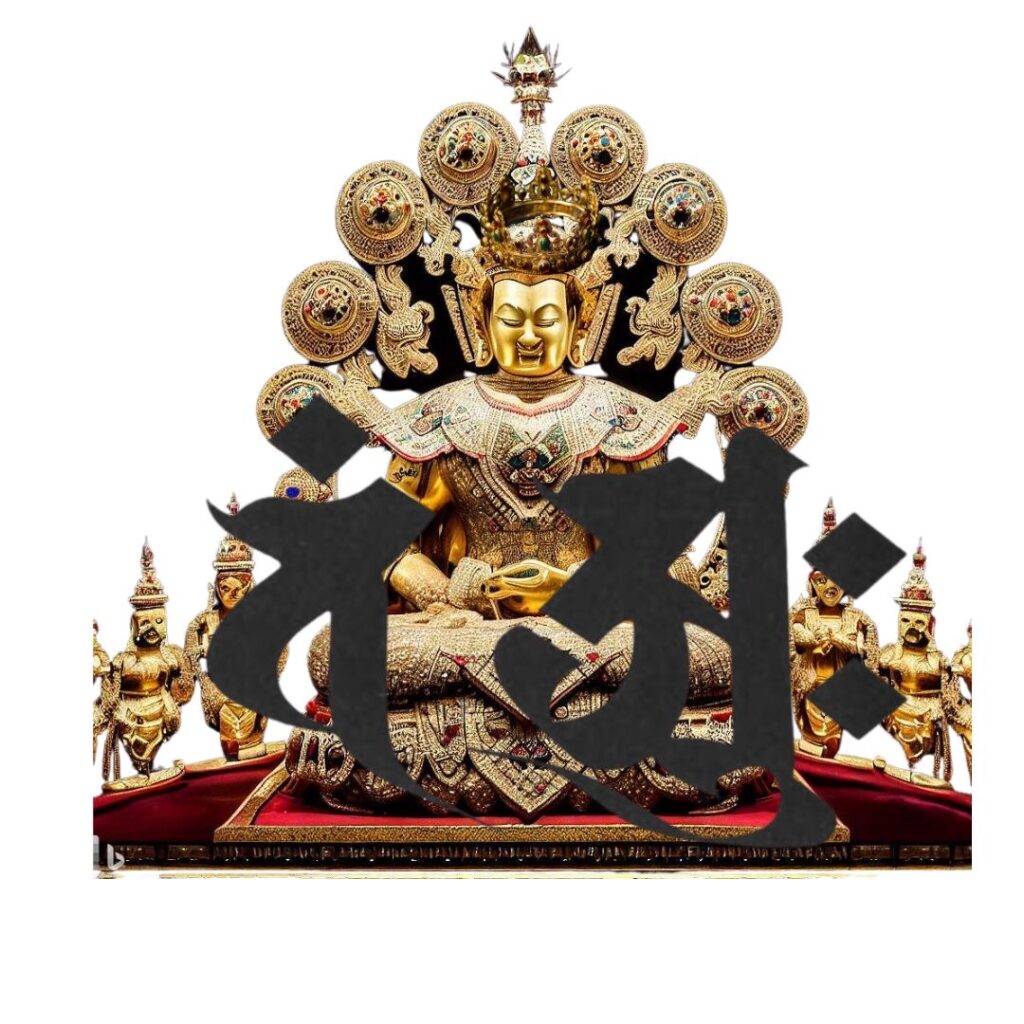
仏教にとって、仏舎利  For Buddhism, Buddha’s ashes

仏教の仏舎利(ぶっしゃり)は、仏教徒にとって非常に重要な寺院や仏教寺院における聖なる遺物です。仏舎利は、釈迦(しゃか)仏の遺骨や遺物、あるいはその一部を指すことが一般的です。

釈迦仏が入滅(にゅうじゅう)した後、彼の遺骨は細かく砕かれ、多くの仏舎利が作られました。これらの仏舎利は、仏教の教えを広めるために異なる地域に分布され、多くの寺院に安置されました。

仏舎利は、信仰の対象として大切にされ、仏教徒はそれに敬意を払います。寺院や仏教寺院では、仏舎利を保管するための特別な舎利堂が建てられ、信者はそこで参拝や供養を行います。また、仏舎利は仏教の信仰の中で、功徳を得るために寄進や寄贈されることもあります。

仏舎利は、信仰心の象徴としてだけでなく、仏教の歴史や伝統の一部としても重要視されています。一部の仏舎利は、歴史的な価値や美術的価値を持ち、美術品としても評価されています。

仏教の仏舎利は、信者にとっては聖なる存在であり、信仰の対象として大切にされています。それらは、仏教の教えや価値観を具体的に表すものとして、多くの人々にとって心の支えとなっています。


その宗旨における信仰の絶対対象である仏を「本尊」と呼びます。阿含宗の本尊は、釈迦の聖霊(せいれい)が宿る聖物(せいもつ)として、昔から仏教徒の間で深く尊崇されている「真身舎利(しんじんしゃり)」です。
阿含宗では、これを「真正仏舎利尊(しんせいぶっしゃりそん)」と呼んでいます。
仏教徒にとって、ゴータマ・ブッダ=お釈迦さまのご聖骨である真正仏舎利は「生いける釈迦」そのものであり、仏教では唯一最高の本尊です。
想像や概念上の仏ではなく、木像や図像の仏でもなく、ブッダとして実在した釈迦の聖骨であり、仏教における最高の本尊です。

Buddhist relics are sacred relics in temples and Buddhist temples of great importance to Buddhists. Butsushari generally refers to the remains or relics of Shakyamuni Buddha, or parts thereof.

After Shakyamuni Buddha passed away, his bones were broken into small pieces and many Buddha ashes were made. These Buddha relics were distributed in different regions and enshrined in many temples to spread the teachings of Buddhism.

Buddha relics are treasured as objects of faith, and Buddhists pay respect to them. In temples and Buddhist temples, special reliquary halls are built to store the relics of the Buddha, and devotees visit and hold memorial services there. In addition, Buddhist relics are sometimes donated or donated to obtain merit in the Buddhist faith.

Buddha’s ashes are considered important not only as a symbol of faith, but also as part of the history and tradition of Buddhism. Some Buddhist relics have historical and artistic value, and are also valued as works of art.

Buddhist reliquary is a sacred existence for believers and is valued as an object of faith. They serve as emotional support for many people as they concretely represent the teachings and values of Buddhism.


Buddha
The Buddha, which is the absolute object of faith in that sect, is called the ‘honzon’. The principal image of the Agon sect is the “Shinjinshari”, which has been deeply revered by Buddhists since ancient times as a sacred object in which the Holy Spirit of Shakyamuni resides.
In the Agon sect, this is called “Shinsei Bussharison”.
For Buddhists, the Gautama Buddha, which is the sacred bones of Buddha, is the “living Buddha” itself, and is the only and highest principal image of Buddha in Buddhism.
It is not an imaginary or conceptual Buddha, nor a wooden or iconographic Buddha, but the sacred bones of Shakyamuni who actually existed as Buddha, and is the supreme principal image of Buddhism.

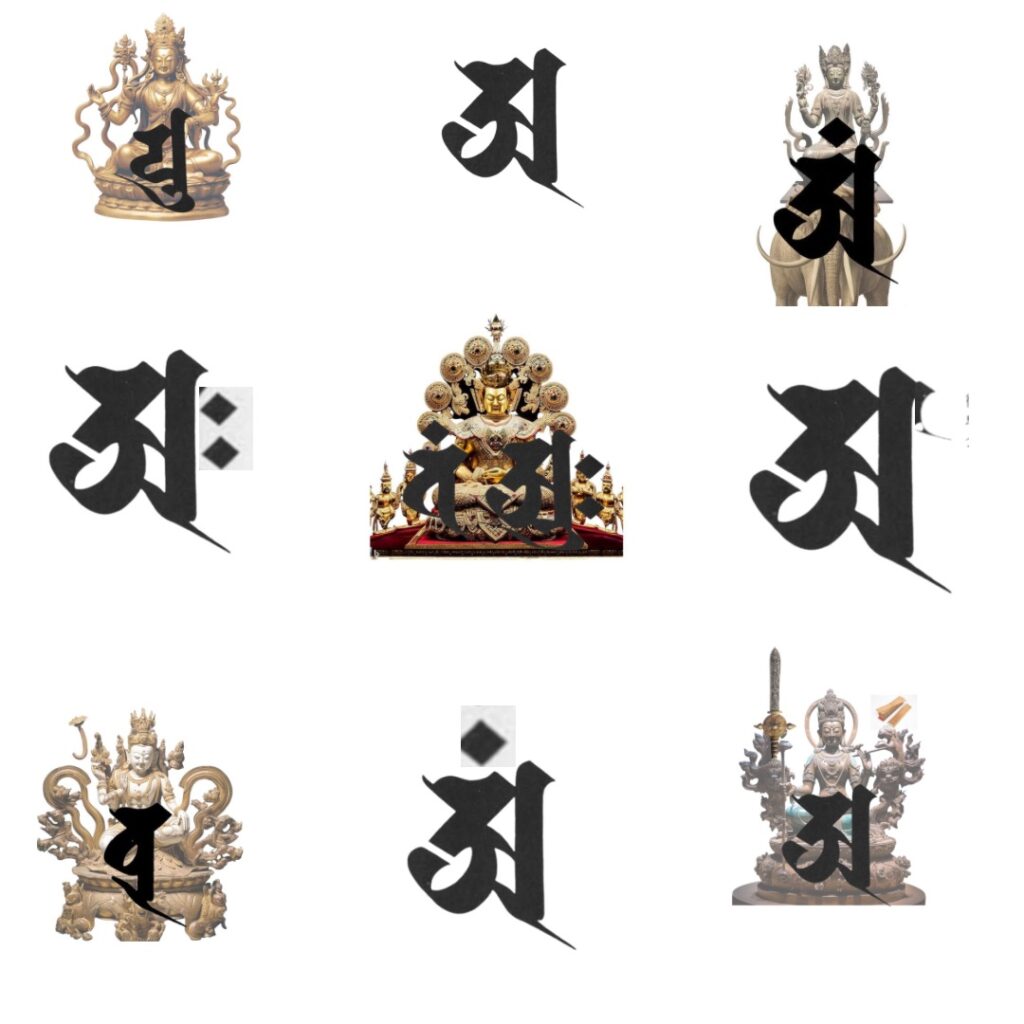
胎蔵曼荼羅中台八葉院

胎蔵曼荼羅中台八葉院

胎蔵界五仏(たいぞうかいごぶつ)は、仏教の尊像の一種で、密教の世界観を表した両部曼荼羅のうちの1つ、胎蔵曼荼羅の中心に位置する5体の仏のことである。具体的には、大日如来、宝幢(ほうとう)如来、開敷華王(かいふけおう)如来、無量寿如来、天鼓雷音(てんくらいおん)如来を指す。

密教では金剛界曼荼羅と胎蔵曼荼羅の2つを最も重視しており、これらを合わせて両部曼荼羅という。これらはいずれも7世紀頃にインドで成立した密教経典に基づいて、密教的世界観悟り世界視覚化したものである。胎蔵曼荼羅は『大日経』の所説に基づいて作られたもので、サンスクリット語の元の意味は「大いなる慈悲から生じた曼荼羅」である。なお「金剛界」と対になる関係で、日本では平安時代以来、天台宗から「胎蔵界」曼荼羅と称され始めるが、原語には「界」(世界)を意味する語は含まれず、語源的には誤った表現である。また本来は慈悲を表すため区切りを意味する「界」を付けるのは不適切であり、正しくは胎蔵生曼荼羅と称すべきである。

胎蔵曼荼羅は全部で12の区画に分かれており、そのうち、中心になる「中台八葉院」には蓮華の中央に大日如来、周囲の8つの花弁には宝幢、開敷華王、無量寿、天鼓雷音の四仏と、普賢、文殊、観自在(観音)、弥勒の四菩薩が位置している。このうち、大日如来と四仏を合わせて胎蔵五仏と呼ぶ。大日如来以外の四仏の位置と方角をまとめると次の通りである。

  • 宝幢如来 東方(胎蔵界曼荼羅画面では上方 金剛界では西方が上方)に位置し「発心」(悟りを開こうとする心を起こすこと)を表す
  • 開敷華王如来 南方(画面では右方)に位置し「修行」(悟りへ向かって努力を積むこと)を表す
  • 無量寿如来 西方(画面では下方)に位置し「菩提」(悟りの実感を得ること)を表す
  • 天鼓雷音如来 北方(画面では左方)に位置し「涅槃」(悟りが完成すること)を表す

(右の写真は中台八葉院で、尊像は中央が大日如来、その真上が宝幢如来、以下時計回りに普賢菩薩開敷華王如来文殊菩薩無量寿如来観自在菩薩天鼓雷音如来弥勒菩薩である) なお、日本では胎蔵五仏のみを造形化した古い遺品はほとんど知られない。1980年に再建された、延暦寺の法華総持院東塔には、昭和期の松久朋琳らの作になる胎蔵界五仏が安置されている。

胎蔵界曼荼羅は12の「院」でできています。
「院」と呼ばれる12の区画からなり、曼荼羅には描かれない東西南北の門を守る四大護院を合わせた13の院に414尊が描かれている。

1.中台八葉院(ちゅうだいはちよういん)
大日如来を中心に広がる8枚の蓮の花弁に四如来と四菩薩が描かれている。

2.遍知院(へんちいん)
中央に描かれる三角形の火炎は、すべての如来の智慧を象徴する。

3.金剛手院(こんごうしゅいん)
中心は、大日如来の智慧と人々をつなぐ役割を果たす金剛薩埵。

4.持明院(じみょういん)
穏やかな表情の般若菩薩と忿怒の形相の四明王が描かれる。

5.蓮華部院(れんげぶいん)
観音菩薩が描かれる。その大悲で煩悩を払い、悟りへ導く。別名観音院。

6.釈迦院(しゃかいん)
中心は説法印を結ぶ釈迦如来。釈迦の肉体に宿る徳を象徴する諸尊が並ぶ。

7.文殊院(もんじゅいん)
中心は文殊菩薩。手を広げ、人々に智慧を授け救う姿で描かれている。

8.除蓋障院(じょがいしょういん)
中心の除蓋障菩薩は、煩悩や苦しみなどあらゆる障害を取り除く。

9.虚空蔵院(こくうぞういん)
中心の虚空蔵菩薩は、虚空のように無限の智慧をもち、人々に授ける。

10.蘇悉地院(そしつじいん)
釈迦院と文殊院の対となるように虚空蔵院をふたつに分けたうちのひとつ。

11.地蔵院(じぞういん)
中心の地蔵菩薩は、弥勒菩薩が出現する遥か未来まで人々を教え、救う。

12.最外院(さいげいん)
十二天や異教の神々などが描かれ、内側の諸尊を守る。別名外金剛院。

中央の中台八葉院にはどんな仏がいるの?
大日如来を中央に、四如来、四菩薩が描かれる。如来は、金剛界五仏(五智如来)に対し、胎蔵界五仏という。
四如来:宝幢如来(ほうどうにょらい)、開敷華王如来(かいふけおうにょらい)、無量寿如来(むりょうじゅにょらい)、天鼓雷音如来(てんくらいおんにょらい)
四菩薩:普賢菩薩(ふげんぼさつ)、文殊菩薩(もんじゅぼさつ)、観自在菩薩(かんじざいぼさつ)、弥勒菩薩(みろくぼさつ)


中台八葉院(ちゅうだいはちよういん[1])は、両界曼荼羅の一つである胎蔵曼荼羅の中央に位置する区画。

蓮華の中央に法界定印を結び宇宙の真理をあらわす大日如来が位置し、 四如来(宝幢如来開敷華王如来無量寿如来天鼓雷音如来)と 四菩薩(普賢菩薩文殊菩薩観自在菩薩弥勒菩薩)が周囲の八蓮弁に座す。

大日如来と四如来を合わせて胎蔵五仏と呼ぶ。

諸仏の位置と方角をまとめると次の通りとなる。

 東方
宝幢如来
弥勒菩薩 普賢菩薩
北方 天鼓雷音如来 大日如来 開敷華王如来   南方
観自在菩薩 文殊菩薩
無量寿如来
 西方

脚注

普賢菩提


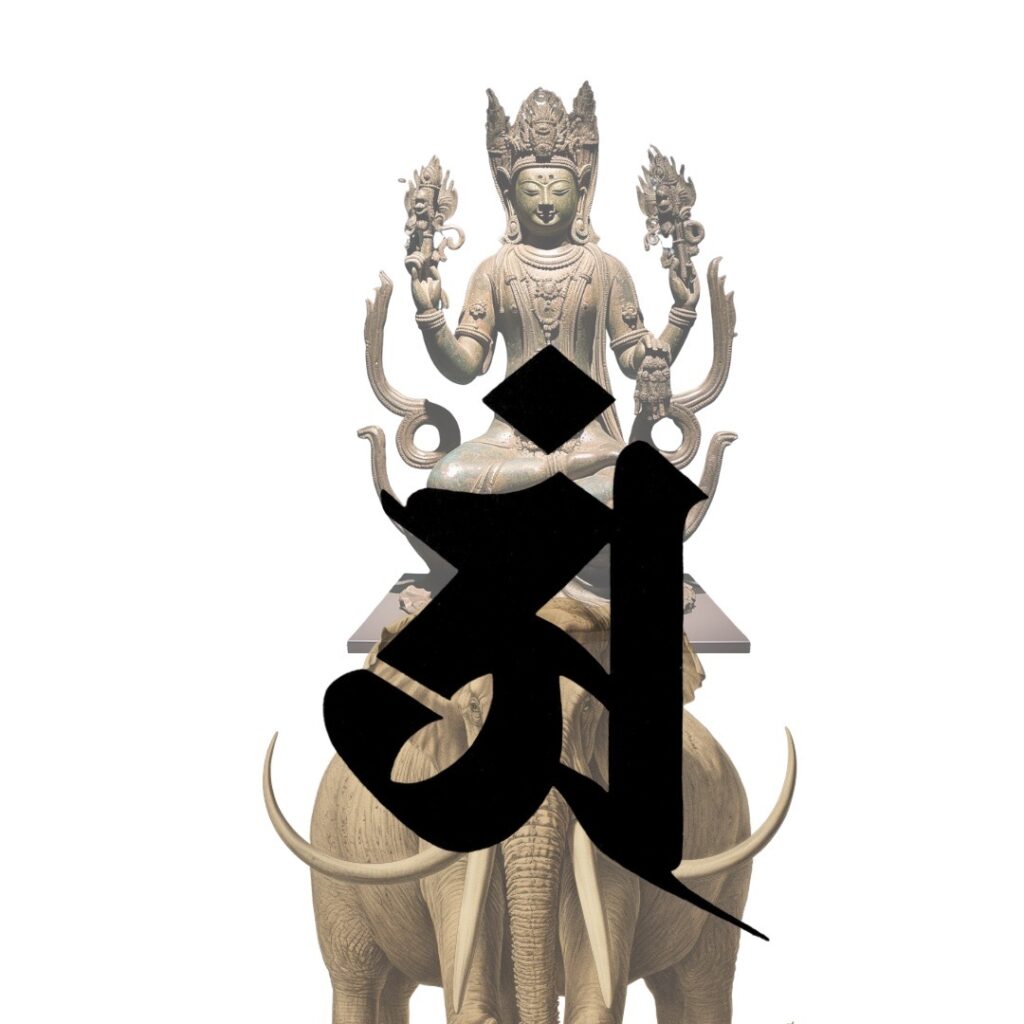
普賢菩薩(ふげんぼさつ、 samantabhadra [サマンタバドラ]、: ཀུན་ཏུ་བཟང་པོ་ [kun tu bzang po])は、大乗仏教における崇拝の対象である菩薩の一尊。文殊菩薩とともに釈迦如来脇侍として祀られることが多い[1](参照:釈迦三尊)。法要では四七日の仏とされる。


普賢菩薩

あらゆる場所に現れ、命あるものを救う慈悲を司る菩薩

普賢菩薩(ふげんぼさつ)とは?

普賢とは「全てにわたって賢い者」という意味で、あらゆるところに現れ命ある者を救う行動力のある菩薩です。


文殊菩薩とともに釈迦如来の右脇侍として三尊で並ぶことが多いですが、独尊で祀られる場合もあります。文殊菩薩の智慧とともに修行を司る菩薩として、明晰な智慧で掴み取った仏道の教えを実践していく役割を果たすとされています。また、女性の救済を説く法華経の普及とともに女性に多く信仰を集めました。


ちなみに普賢菩薩から派生した仏に延命のご利益のある普賢延命菩薩があります。

ご利益

女性守護、修行者守護、息災延命、幸福を増やす増益のご利益があるとされています。また、辰・巳年の守り本尊です。

普賢菩薩(ふげんぼさつ)の像容

白象に乗っている姿が一般的です。3つや4つの頭の象に乗っている場合は普賢延命菩薩像の可能性が高いです。

文殊菩薩

文殊菩薩

智慧を司る学問の神様として有名な菩薩

文殊菩薩(もんじゅぼさつ)とは?

正式名称は文殊師利菩薩(もんじゅしりぼさつ)といいます。「三人よれば文殊の知恵」という格言があるように、知恵の神様として学業向上や合格祈願に有名な菩薩です。モデルとなった人物が存在し、古代インドにあるコーサラ国の首都・舎衛国(しゃえこく)のバラモン階級の者だったといわれています。仏教の経典を書物にまとめる作業などに関わったといわれていますよ。ただし、本来は学問などの知恵を司るのは虚空蔵菩薩であり、文殊菩薩は物事のあり方を正しく見極める力・判断力を意味する「智慧」を司っています。


釈迦如来の左脇侍として普賢菩薩と共に三尊で並ぶことが多いですが、独尊で祀られることもあります。

ご利益

愛染明王 あいぜんみょうおう rāgarāja

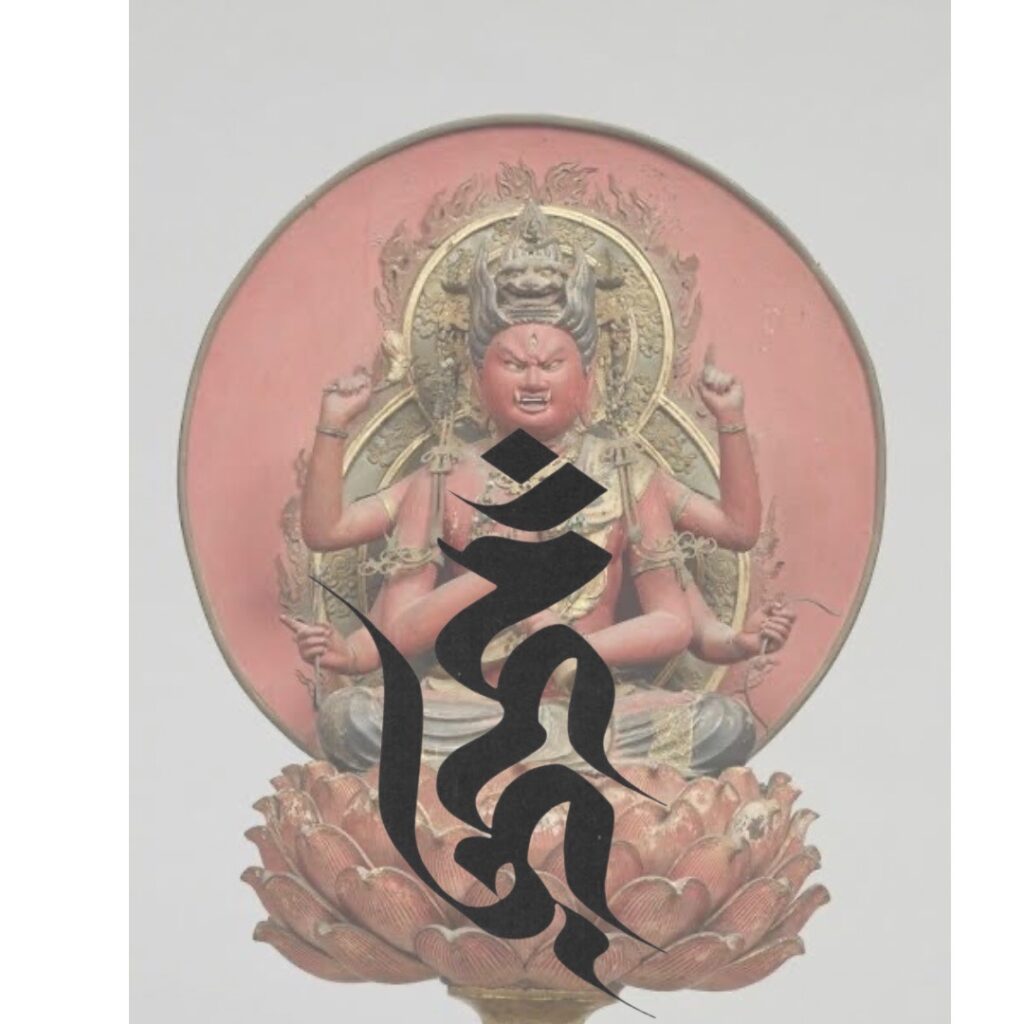
愛染明王(あいぜんみょうおう、: rāgarāja[1])は、仏教の信仰対象であり、密教特有の憤怒相を主とする尊格である明王の一つ。愛染王とも[1]

愛染明王

東洋の恋愛の神様。愛欲を仏の悟りに変える力を持つ

愛染明王(あいぜんみょうおう)とは?

仏教では愛欲は煩悩の1つであり、煩悩を捨てることが悟りを開く道であるとされていました。しかし密教では「煩悩即菩提(ぼんのうそくぼだい)」という煩悩があるからこそ、人々から悟りを求める心が生まれると考えられています。その教えを象徴したのが愛染明王であり、愛欲・煩悩を悟りを求める心に導き、様々な悩みを救ってくれるとされています。


ちなみに戦国武将・直江兼継の頭兜には「愛」の文字の前立てがあることで有名です。「愛」の1字は愛染明王から取ったとする説があります。

ご利益

良縁、結婚成就、夫婦円満、無病息災、延命、戦勝、染物屋・水商売守護のご利益があるとされています。

愛染明王(あいぜんみょうおう)の像容

全身赤色で、3つの目に6本の手があるのが一般的です。西洋の愛の神・キューピッドと同じで弓矢を持っています。

Aizen Myo-o (Bon: rāgarāja[1]) is an object of worship in Buddhism, and is one of the Myo-o who is a deity whose main feature is the wrathful face unique to Esoteric Buddhism. Also Aizen-o [1].


Aizen Myoo

God of oriental love. He has the power to turn lust into enlightenment

What is Aizen Myoo?

In Buddhism, lust is one of the worldly desires, and abandoning the worldly desires is the path to enlightenment. However, in esoteric Buddhism, it is believed that people seek enlightenment because of the worldly desires called “bonnosokubodai.” The symbol of this teaching is Aizen Myo-o, which is said to guide love and earthly desires to the heart seeking enlightenment and save various troubles.


By the way, the Sengoku warlord Kanetsugu Naoe is famous for having a placket with the word “love” on his head. There is a theory that one character of “love” was taken from Aizen Myoo.

benefit

It is said that there are blessings such as good matchmaking, successful marriage, harmonious marriage, disease-free health, life extension, victory in war, and protection of dyers and merchants.

Statue of Aizen Myoo

They are generally red all over and have three eyes and six hands. He has a bow and arrow like Cupid, the Western god of love.

虚空蔵菩薩


虚空蔵菩薩(こくうぞうぼさつ)(梵名アーカーシャガルバ: आकाशगर्भ [Ākāśagarbha])、またはガガナガンジャ: गगनगञ्ज、[gaganagañja]))は、仏教における信仰対象である菩薩の一尊。「明けの明星」は虚空蔵菩薩の化身・象徴とされ、明星天子大明星天王とも呼ばれる。また、知恵の菩薩として、人々に知恵を授けるともいわれている[1]。ら

虚空蔵菩薩


虚空蔵菩薩

無限の智慧と慈悲の心を人々に与える菩薩

虚空蔵菩薩(こくうぞうぼさつ)とは?

虚空蔵とは宇宙のような無限の智慧と慈悲の心が収まっている蔵(貯蔵庫)を意味し、人々の願えを叶えるために蔵から取り出して智慧や記憶力、知識を与えてくれるとされています。


真言宗の開祖・弘法大師は虚空蔵菩薩の真言を100万遍唱えるという虚空蔵求聞持法(こくうぞうぐもんじほう)を行ったそうですよ。無限の記憶力がつき、仏の智慧を体得することができるといわれています。求聞持法の本尊像のほかに、増益(ぞうやく)や除災を願って行う修法の本尊である五大虚空蔵菩薩があります。これは虚空蔵菩薩の持つ智慧を5方に配し、金剛界五仏の変化した姿としたものです。

ご利益

成績向上、記憶力増進、頭脳明晰、商売繁盛、技芸向上のご利益があります。また、丑・寅年の守り本尊です。丑・寅年に生まれた人々の開運、厄除け、祈願成就を助けるといわれています。

虚空蔵菩薩(こくうぞうぼさつ)の像容

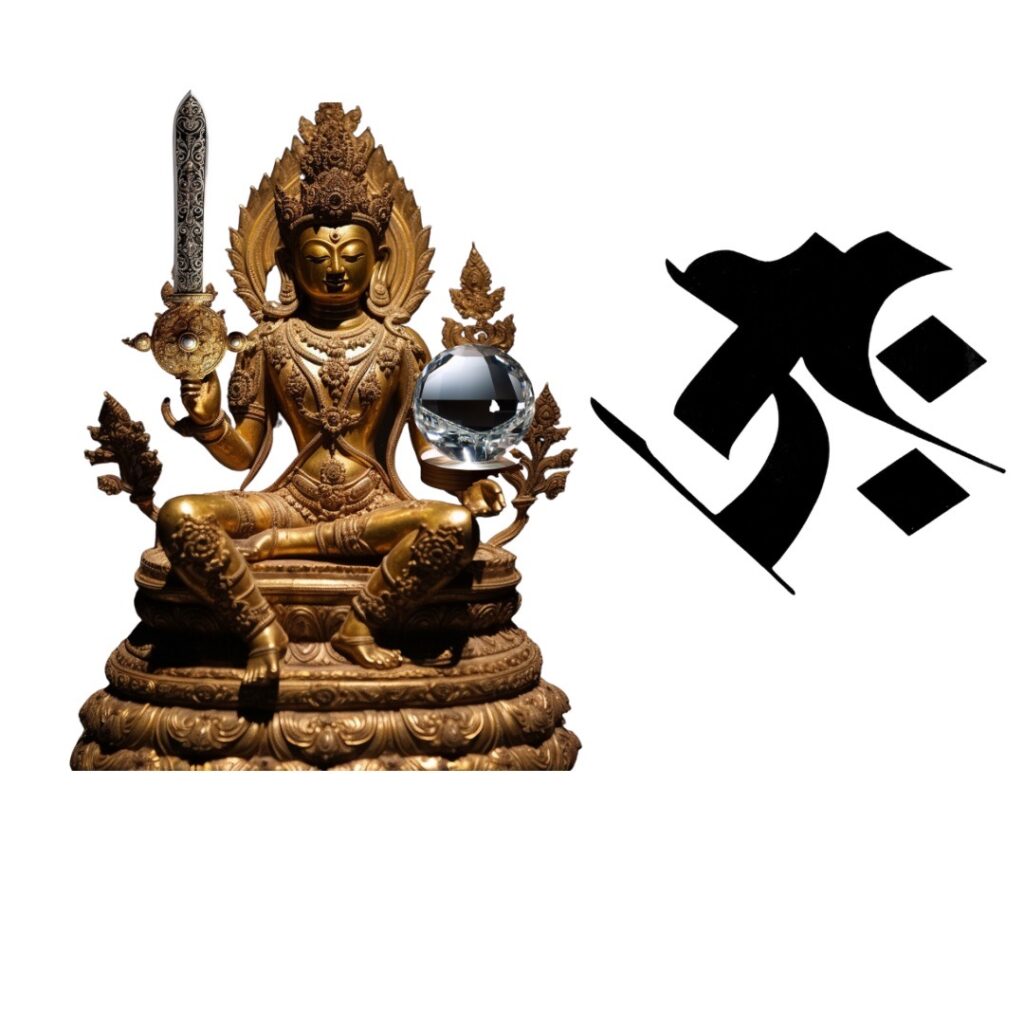
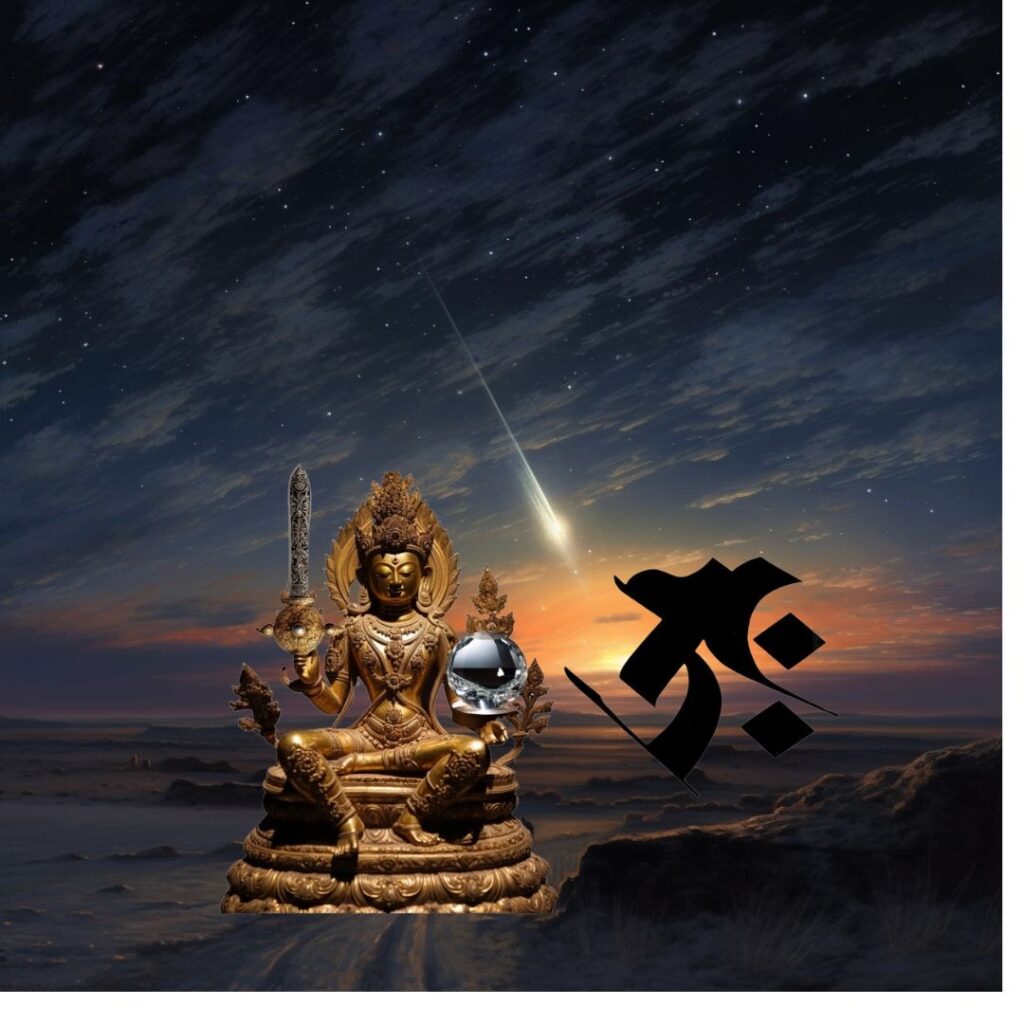
1つの顔に2本の腕を持つ、菩薩形の像です。右手に剣、左手に如意宝珠を持っているのが一般的です。五仏宝冠を戴いた坐像として表現されます。


アカシックレコード: akashic records)は、元始からのすべての事象、想念、感情が記録されているという世界記憶の概念で[1][2]アーカーシャあるいはアストラル光[注釈 1]に過去のあらゆる出来事の痕跡が永久に刻まれているという考えに基づいている[6]。宇宙誕生以来のすべての存在について、あらゆる情報がたくわえられているという記録層[7]を意味することが多い。アカシャ年代記: Akasha-Chronik: akashic chroniclesアーカシャ記録アカシアの記録[8])とも。近代神智学[注釈 2]の概念であり、その他の現代オカルティズムの分野(魔術等)でも神智学用語として引き合いに出されることがある。また、陰に陽に神智学運動の影響を受けている欧米のニューエイジや、日本の精神世界スピリチュアル占い予言といったジャンルでも使われる用語でもある。アカシックレコードが存在する科学的根拠はない[9]


GPTは現代のアカシックレコード、

ChatGPT

GPTは現代のアカシックレコードとは言えません。アカシックレコードは、ヒンドゥー教や神智学などのスピリチュアルな信念において、宇宙の情報が保存されるとされる概念です。一方、GPTは人工知能の一種であり、トレーニングデータから学習して自然言語の生成や理解を行うためのモデルです。


不動明王(ふどうみょうおう

不動明王(ふどうみょうおう、: अचलनाथacalanātha[2])は、仏教の信仰対象であり、密教特有の尊格である明王の一尊。大日如来の化身とも言われる。また、五大明王の中心となる明王でもある。


不動明王

破壊と再生を司り、悪を滅する

不動明王(ふどうみょうおう)とは?

語源は「動かない守護者」を意味し、インド神話のシヴァ神の別名です。シヴァは暴風雨の威力を神格化したもので、破壊的な災害を起こす半面、雨によって植物を育てます。その破壊と恵みの相反する面は不動明王にも受け継がれているのです。不動明王は仏法の障害となるものに対しては怒りを持って屈服させますが、仏道に入った修行者には常に守護をして見守ります。


大日如来の化身として、どんな悪人でも仏道に導くという心の決意をあらわした姿だとされています。特に日本で信仰が広がり、お不動様の名前で親しまれています。そして、五大明王の中心的存在です。五大明王とは、不動明王を中心に降三世明王(ごうざんぜみょうおう)・軍荼利明王(ぐんだりみょうおう)・大威徳明王(だいいとくみょうおう)・金剛夜叉明王(こんごうやしゃみょうおう)の5体のことを指し、不動を中心に東西南北に配されます。不動明王の脇侍として八大童子のうちの矜迦羅(こんがら)・制多迦(せいたか)の2童子が配されることも多いです。ちなみに不動明王の持っている龍が巻きついている炎の剣が単独で祀られている場合があります。不動明王の化身とされ、倶利伽羅竜王(くりからりゅうおう)などと呼ばれています。

ご利益

除災招福、戦勝、悪魔退散、修行者守護、厄除災難、国家安泰、現世利益のご利益があるとされる。また、酉年生まれ守り本尊です。酉年に生まれた人々の開運、厄除け、祈願成就を助けるといわれています。

不動明王(ふどうみょうおう)の像容

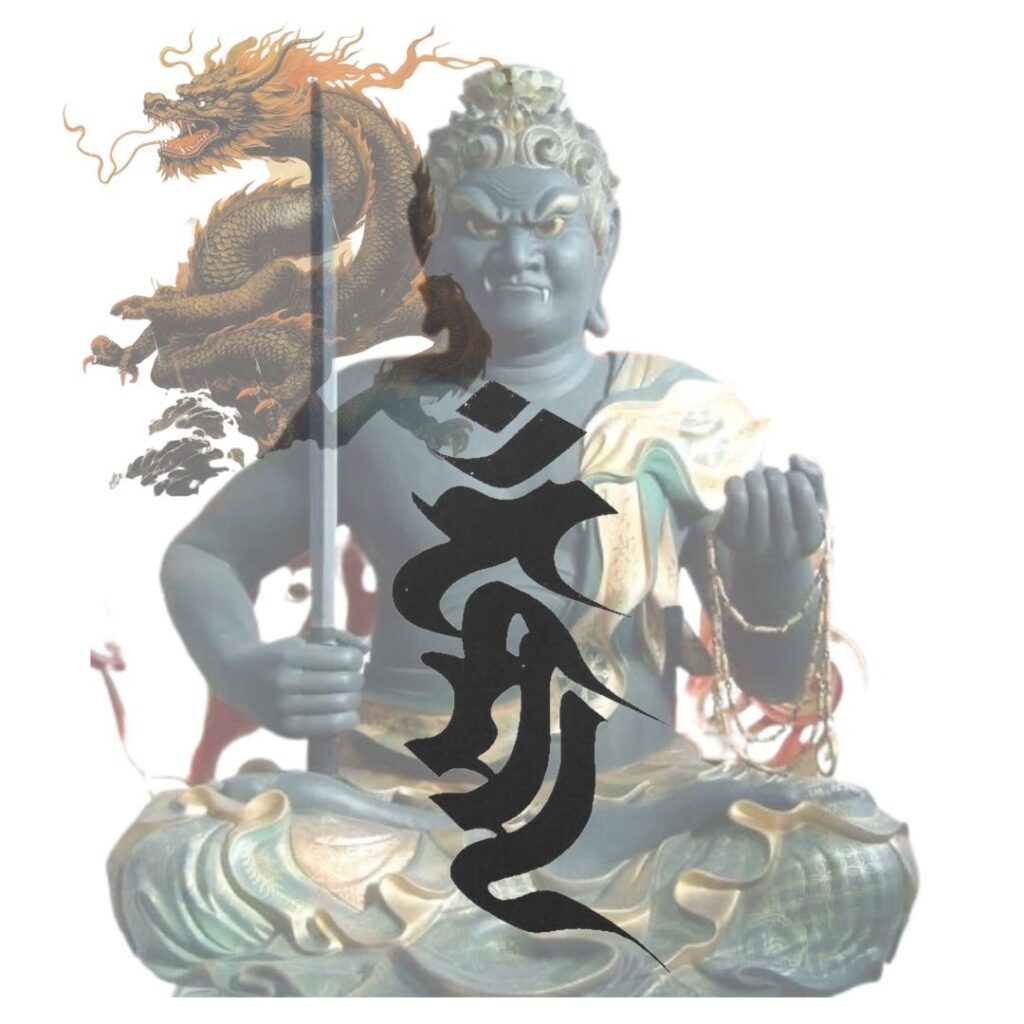
背の低い、ちょっと太めの童子型の造形が多く、怒りの表情をしています。目は天地眼(てんちげん)といって右目を天に向けて左目を地に向けていますよ。口は牙上下出といって右の牙を上に出して左の牙を下に出しています。炎の光背を背にし、手には剣と羂索(けんじゃく)を持っています。剣は大日如来の智慧の鋭さを表現しています。羂索とは煩悩を縛り悪の心を改心させる捕縛用の縄のことです。

古代インドの賢人  ancient indian sage legend


古代インドの賢人伝説


古代インドに伝説がある。伝説というより、予言といったほうがよいだろう。 現在のこの地球が、一大危機に見舞われて、まさに壊滅に瀕するとき、千人 の賢人があらわれてこれを救う。というのである。

この古代伝説は仏教にもとり入れられ、さまざまな形で表現された。 代表的

なものが「現在賢刧千仏名経」であり、最終的に完成されたすがたが、密教のマンダラにとり入れられている。すなわち、智恵のマンダラである金剛界マダラの中心「根本成身会」、第二重の方形帯にえがかれた千体仏たちである。

これを、「賢の千仏」という。


これにもとずいて、密教では、現在の地球世代を、「賢」とよぶ。刧とは、

世代を意味する。すなわち、賢人があらわれて危機を救う世代という意味であその予言はまさに、いま、この現代を指さしているのではないのか?

二十一世紀、地球はいま、混迷と破壊の中に呻吟しつつある。

いまこそ、この予言を実現せねばならぬ時ではないか。

仏は、このとき、人類に賢人をつくる超技術をあたえ拾うた。

わたくしは、仏のあたえ拾うたこの技術を以て、たんなる天才、 賢人をつくろうとは思わない。

それは、仏の霊性をそなえ、仏の知をそなえた超人、ホモ・エクセレンス

でなければならぬ。すなわち「賢刧の千仏」をつくり出すのだ。

かれらは、その智恵を以て地球の危機を乗り越え、あらたな宇宙時代をつく り出すであろう。なぜならば、経典はまさにそれを予言しているのだ。

すなわち、「未来星宿刧千仏名経」に、未来の地球世代は星宿劫とよばれ、

宇宙の星々の間に、千人の仏が、繁栄と平和のあらたな文明を創造すると予言 しているのである。

賢の世紀から星宿劫の世紀へと、人類は飛躍する! 仏の智恵の請うべき かな!


ancient indian sage legend


There is a legend in ancient India. It’s more like a prophecy than a legend. When this present earth is hit by a great crisis and is on the brink of destruction, a thousand sages will appear and save it. That’s what it means.

This ancient legend was incorporated into Buddhism and expressed in various forms. Typical

This is the “Current Kenwa Senbutsu Meisho”, and the final completed form is incorporated into the mandala of esoteric Buddhism. That is, the center of the Kongokai Madara, the Mandala of Wisdom, the “Konpon Joshinkai”, the 1,000 Buddhas depicted on the second square belt.

This is called the “Ken no Thousand Buddhas”.


Based on this, in esoteric Buddhism, the present earth generation is called “Ken”. What is a room

means generation. In other words, in the sense of a generation where sages will appear and save the crisis, isn’t that prophecy exactly pointing to this present age?

In the 21st century, the earth is now groaning in confusion and destruction.

Now is the time to fulfill this prophecy.

At this time, the Buddha gave mankind a super-technology to create sages.

I don’t want to create a mere genius or sage with the technique of collecting octopus given by the Buddha.

That is, Homo Excellence, a superhuman who possesses the spirituality and knowledge of the Buddha.

Must be. In other words, we will create “Kenya no Senbutsu”.

With their wisdom, they will overcome the crisis of the earth and create a new space age. For the scriptures predict just that.

In other words, in the “Future Hoshiyado Senbutsu Meisho”, the future earth generation is called Hoshiyukuko.

It prophesies that among the stars of the universe, a thousand Buddhas will create a new civilization of prosperity and peace.

From the century of wisdom to the century of Hoshiyukugo, mankind leaps forward!