UA-135459055-1

Buddha's word

阿含宗 Agon Shu: You Can be Buddha 3  Agonshu Agon Shu: You Can be Buddha 3 

井上誠
井上誠
3 か月前
管長猊下、心より尊敬しております。

1

返信

nactan
nactan
10 年前
which statement are you referring to? he said a lot of things.

1

返信

Dinuka Sampath
Dinuka Sampath
1 年前
子供の頃、とても貧しい家庭に生まれ、幸運にもスリランカの阿含宗友好財団奨学金を受給しました。 それは私が私の学業で成功することを可能にしました。 最も由緒ある桐山靖湯とスリランカ阿含宗友好財団のスタッフに感謝します。(DinukaSri Sampath)

As a child, I was born into a very poor family and was fortunate enough to receive a scholarship from the Agonshu Friendship Foundation of Sri Lanka. It enabled me to succeed in my studies. I would like to thank the most venerable Seiyu Kiriyama and the staff of the Sri Lanka Agon Shu Friendship Foundation. (Dinuka Sri Sampath)

返信

黒田博子
黒田博子
2 年前
にほんごにやくしていだきたいせかいのひとびとにみていだだきたいとおもいます

返信

思念の相承と四神足法 Inheritance of Thoughts and the Four God Foot Method


思念の相承と四神足法


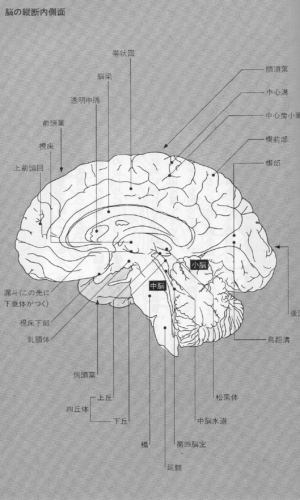
 いよいよ、釈尊の成仏法の中心の法である、四神足法の解説に入る。これが

「輪廻転生瞑想法」の根幹となる法である。


釈尊の成仏法の中でも、最高難度の法である。


 いままでの訓練をこなしてきた修行者であれば、なんとか歯が立つのではないかとは思うが、決して容易ではない。いままでの訓練でさえ、むずかしいのに、これ以上の訓練はできるだろうかと、不安に思う方も多いのではないだろうか?


霊界の法の世界において、法の完成者タターガタ(如来)が常恒に法を説いている。

「思念による王者の相承」とは、この法身タターガタが、言葉や象徴という媒介なしに、直接相手の心に自分の心を伝達するものである。


この場合、心、というのは単なる思念の心ではなく、パワーを主としたものと思うべきである。これによって、相手はたちどころに仏陀として完成するのである。


 これは最高であり、理想的なものであること、もちろんである。「王者の」、という所以である。


 とのべた。つまり、仏陀となって成仏するためには、この「思念による王者の相承」を受けることが、理想とされているのである。


 しかし、これには条件があるのだ。


どのような条件か?


 わたくしは、つぎのようにのべている。

だが、そういうと、一 (「思念による王者の相承」)は最高理想のものなのであるから、他のなにものも必要ないのではないかといわれるかもしれない。そうではないのである。その最高理想のものを受けるために、tapasは必要なのである。


 また、同章で、インドのサヘートーマヘートにおける強烈な霊的バイブレーションについて、つぎのようにものべている。


 賢明な読者はすでにお気づきであったろう。これが、チベット密教のいう「思念による王者の相承」であることをI―。思念による王者の相承とは、じつに、霊的バイブレーションによる伝達だったのである。


 わたくしは、これによって、解脱に至る四つの階梯のうちの、第三の境地に達したことを自覚したのであるが、これは、間脳開発の練行taPasを成就していなかったら、絶対に得られなかったものである。丙なる受容の態勢がととのって初めて、外よりの王者の相承が発せられるのである。


 つまり、仏陀となる、あるいは仏陀の境界に近づくためには、「思念による王者の相承」が必要なのであるが、その王者の相承を受けるためには、間脳開発の練行taPasを成就していることが必須なのである。


 わたくしは、この王者の相承を受けて、阿那含の境地に達し、このとき、死ぬまでにかならず仏陀になると強く自覚したが、それはわたくしが、tapasを成就した上で、インドのサヘートーマヘート、ミラクルの池に行ったからこそ、白銀のバイブレーションを受けることができたのである。


 したがって、「思念による王者の相承」を受けるためには、tapasを成就していることが、絶対条件なのである。


 では、その練行tapasとはなにか?


このこそが、四神足法なのである。


いい換えれば、四神足法を成就していなければ、仏陀になるために必要な「思念による王者の相承」を受けられないのである。しかしながら、四神足法は、釈尊の成仏法の中でも最高度にむずかしい法である。だれでも容易に修行できる内容ではない。

 釈尊のむずかしい成仏法を修行しなければ、いつまでたっても思念の相承を受けられず、間脳が開かず、霊性開顕が不可能であるならば、いったいどれは

どの人が、霊性開顕をすることができるであろうか?


 ごく限られた、わずかなエリートしか、到達することができないであろう。

当然のことながら、釈尊の成仏法を発展させた輪廻転生瞑想法も成就できないことになるのだ。


 だが、そうではないのである。

 わたくしは、永年の修行により、この問題点を解決し、だれでも比較的容易

に成仏法の修行を進めていける法を完成することができたからである。


 それは、「水晶龍神瞑想法」という法である。

 この瞑想法は単なる瞑想法ではない。

 じつは、この水晶龍神瞑想法は、釈尊の成仏法の真髄である、

「四神足法そのもの」 なのである。

 そして、この水晶龍神瞑想法の最大の特長は、

「瞑想法自体が思念の相承である。」

 ということなのである。

 修行者は、この法にのっとって修行を進めていくことにより、本来であれ

ば、tapasである四神足法を成就しないかぎり、絶対に受けられない思念の相承を、修行をはじめる最初の段階から受けながら、四神足法に必要な、チャクラの開発訓練を進めていくことができるのである。

ことに、クンダリニー・ヨーガでは、最も危険とされる脳内のチャクラの開発を、安全に、おだやかに進めていくことができるのだ。


あなたは、この水晶龍神瞑想法(四神足法)を修行することによって、神通力

を得ることができるであろう。

 ただし、この法は、最極秘伝に属する法なので、すべてを筆にすることはでない。


Kechimyaku and Iddhipada


Finally, we will begin to explain the Iddhipada method, which is the central law of Shaka Nyorai’s Buddhahood method. This is

It is the basis of the “reincarnation meditation method”.


It is the most difficult law in Shakyamuni’s Buddhahood law.


If you are a practitioner who has done the training so far, I think that you will somehow get a tooth, but it is not easy at all. Even though the training so far is difficult, many people may be worried that more training will be possible.


In the world of law in the spirit world, the perfector of law, Tatagata (Nyorai), constantly preaches the law.

“Kechimyaku of the King by Thought” means that this Dharmakaya Tatagata directly conveys one’s heart to the other person’s heart without the mediation of words or symbols.


In this case, the mind should be thought of as power, not just a mind of thought. As a result, the opponent is immediately completed as a Buddha.


This is the best and ideal, of course. That is why it is “the king”.


It was said that. In other words, in order to become a Buddha and become a Buddha, it is ideal to receive this “consensus of the king by thought”.


However, there are conditions for this.


What are the conditions?


I wrote as follows.

However, in that case, it may be said that one (“the consensus of the king by thought”) is the highest ideal, so nothing else is needed. That is not the case. Tapas is necessary to receive the highest ideal.


Also, in the same chapter, the intense spiritual vibration in Saheto-Maheto, India is described as follows.


The wise reader would have already noticed. I- that this is what Tibetan Buddhism calls “the consensus of the king by thought.” The thoughtful consensus of the king was, in fact, a transmission by spiritual vibration.


I realized that I had reached the third of the four steps leading up to liberation, but this would definitely be the case if I had not fulfilled the diencephalon development practice tapas. It was not obtained. Only when the system of acceptance is established will the consensus of the king from the outside be issued.


In other words, in order to become a Buddha or approach the boundary of the Buddha, “the consensus of the king by thought” is necessary, but in order to receive the consensus of the king, the diencephalon development practice tapas is achieved. It is essential that you do.


With the consent of this king, I reached the border of Ana, and at this time I strongly realized that I would become a Buddha by the time I died, but after fulfilling tapas, I was in Sahe, India. It was because I went to Tohmahet and Miracle Pond that I was able to receive the silver vibration.


Therefore, in order to receive the “consensus of the king by thought”, it is an absolute requirement that tapas be fulfilled.


Then, what is the training tapas?


This is the Iddhipada method.


In other words, if you do not fulfill the Iddhipada method, you will not be able to receive the “consideration of the king by thought” necessary to become a Buddha. However, the Iddhipada method is the most difficult method among the Buddhahood methods of Shason. It is not something that anyone can easily practice.

If you do not practice Shaka Nyorai’s difficult Buddhahood method, you will never be able to accept your thoughts, your diencephalon will not open, and spiritual manifestation will not be possible.

Who can do spiritual manifestation?


Only a very limited number of elites will be able to reach it.

As a matter of course, the reincarnation meditation method, which is a development of Shaka Nyorai’s Buddhahood method, cannot be achieved.


However, that is not the case.

I have solved this problem through many years of training, and it is relatively easy for anyone to do it.

This is because we were able to complete a law that would allow us to practice the Buddhahood law.


It is a method called “Crystal Dragon God Meditation Method”.

This meditation method is not just a meditation method.

In fact, this crystal dragon god meditation method is the essence of Shason’s Buddhahood method.

It is “Iddhipada itself”.

And the biggest feature of this crystal dragon god meditation method is

“The meditation method itself is a consensus of thought.”

That is to say.

The practitioner should be able to proceed with the training in accordance with this law.

For example, if you do not fulfill the tapas Iddhipada method, you will receive the consensus of thoughts that you will never receive from the first stage of training, and proceed with the development training of the chakra necessary for the Iddhipada method. Can be done.

In particular, Kundalini Yoga can safely and gently proceed with the development of the most dangerous chakras in the brain.


By practicing this crystal dragon god meditation method (Iddhipada method), you have the power of magic.

Will be able to be obtained.

However, since this law belongs to the most secret, it is not possible to write everything.


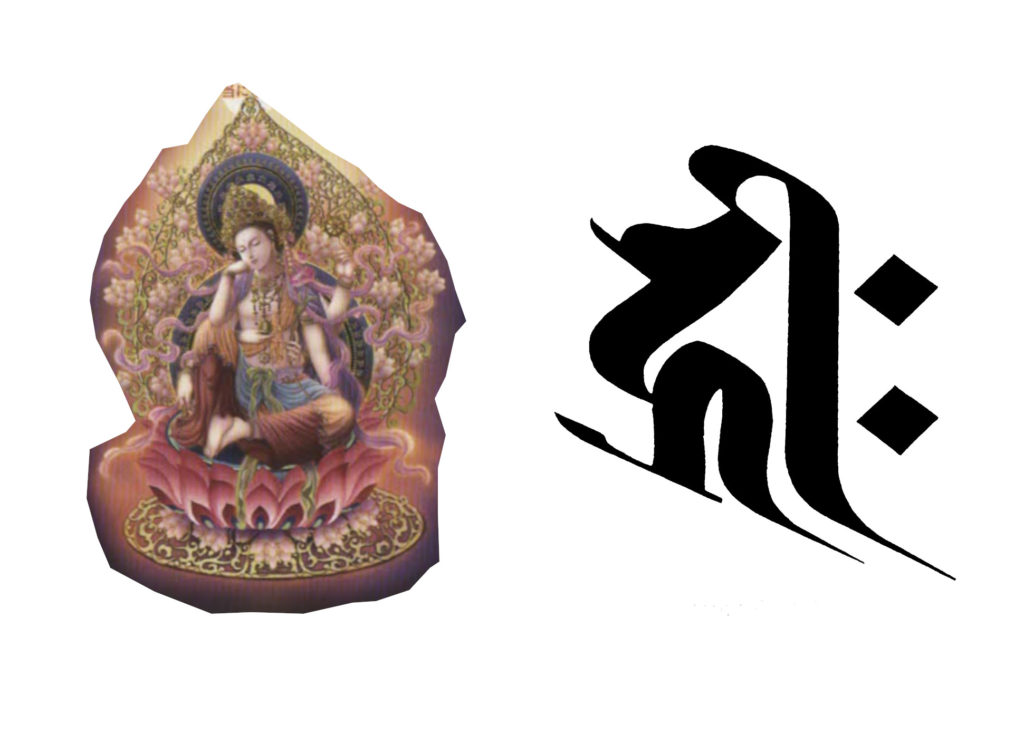
如意輪観音    Cintāmaṇicakra、チンターマニチャクラ

如意輪観音


日本では「如意輪観音菩薩」、「如意輪観世音菩薩」、「大梵深遠観音」などさまざまな呼び方があるが、重要文化財等の指定名称は「如意輪観音」となっている。また「救世菩薩」とも呼ばれる。

如意とは如意宝珠(チンターマニ)、輪とは法輪(チャクラ)の略で、如意宝珠の三昧(定)に住して意のままに説法し、六道の衆生の苦を抜き、世間・出世間の利益を与えることを本意とする。如意宝珠とは全ての願いを叶えるものであり、法輪は元来古代インドの武器であったチャクラムが転じて、煩悩を破壊する仏法の象徴となったものである。

人々を苦悩から救い、あらゆる願いを叶える観音菩薩

如意輪観音(にょいりんかんのん)とは?

「如意」とは意のままに智慧や財宝、福徳もたらす如意宝珠という宝の珠のことで、「輪」は煩悩を打ち砕く法輪を指しています。その2つを手に持った観音菩薩ということで如意輪観音といいます。


六観音の1つに数えられ、天界道に迷う人々を救うとされますが、6本の手で六道すべてに救いの手を差し伸べるともいわれています。

ご利益

智慧、財福、福徳授与、安産、延命のご利益があるとされています。

如意輪観音(にょいりんかんのん)の像容

片膝を上げ、そこに肘をかけて指先を頬に当てている思惟の姿です。足裏は両方を合わせており、輪王座と呼ばれる姿勢が如意輪観音の特徴です。どうすれば人々を救えるのかと悩んでいる姿だとされています。ほとんどが6本の手の六臂像で造られており、手には如意宝珠と法輪(輪宝)を持っています。

有名寺院と像

・大阪府:観心寺

如意輪観音(にょいりんかんのん)の真言

オン・ハンドマ・シンダマニ・ジンバラ・ウン

Nyoirin Kannon


In Japan, there are various names such as ‘Nyoirin Kannon Bosatsu,’ ‘Nyoirin Kannon Bosatsu,’ and ‘Daibon Shinto Kannon,’ but the designated name for important cultural properties is ‘Nyoirin Kannon.’ It is also called ‘Kyusebosatsu’.

Nyoi is an abbreviation of Cintamani, and Rin is an abbreviation of chakra, dwelling in the sanmai (satisfaction) of Nyoihoju, preaching at will, removing the suffering of the sentient beings of the six realms, and leaving the world and the world. with the intention of giving the benefit of Nyoi Hoju is something that grants all wishes, and Dharma Wheel is a symbol of Buddhism that destroys earthly desires by transforming Chakram, which was originally an ancient Indian weapon.

Kannon Bodhisattva who saves people from suffering and grants all wishes

What is Nyoirin Kannon?

“Nyoi” is a jewel called “Nyoi Hoju” that brings wisdom, treasure, and good fortune at will, and “Rin” refers to the wheel of the law that destroys worldly desires. It is called Nyoirin Kannon because it is Kannon Bodhisattva holding two of them.


It is counted as one of the Six Kannons and is said to save those who are lost in the heavenly path, but it is also said that it reaches out to all six paths with its six hands.

benefit

It is said that there are benefits of wisdom, wealth, good fortune conferment, safe delivery, and life extension.

Statue of Nyoirin Kannon

It is a thoughtful figure with one knee raised, an elbow resting on it, and a fingertip on the cheek. The soles of Nyoirin Kannon’s feet are put together, and the posture called Rin Oza is characteristic of Nyoirin Kannon. It is said that he is worried about how he can save people. Most of them are made of six-handed, six-armed statues, holding a wishing jewel and a dharma wheel.

famous temples and statues

・Osaka Prefecture: Kanshinji Temple

Mantra of Nyoirin Kannon

On Handma Sindamani Jimbara Un

Buddha の  三十七道品の七科  四念住  Buddha’s thirty-seven dozen seven departments, four satipatthana

四念住


四神足法(しじんそくほう)
四如意足とも訳す。
四つの自在力を得るための根拠となるもの。超自然的な神通力を得るための4種『欲神足(よくじんそく)・勤神足(ごんじんそく)・心神足(しんじんそく)・観神足(かんじんそく)』の修行法。

全て 名詞
4 の例文 (0.00 秒)
  • 正しい念は、三十七道品のなかの四念住などにおける念とあるように、基本概念の一つである。 
  • 四念住・四正断・四神足・五根・五力・七覚支・八正道の七科に分かれる。 

四念処の内容は以下の通り[1]

  • 身念処(身念住) – 身体の不浄を観ずる(不浄観
  • 受念処(受念住) – 一切の受は苦であると観ずる(一切皆苦
  • 心念処(心念住) – の無常を観ずる(諸行無常
  • 法念処(法念住) – 諸法無我を観ずる(諸法無我


四念処(しねんじょ)・四念住(しねんじゅう)

「四念処・しねんじょ」は(玄奘以降の新しい漢訳では「四念住・しねんじゅう)とも呼ばれます。

真理とは真逆の間違った考え方の、四顛倒(してんどう)の

「常楽我浄」(じょうらくがじょう)を打破する瞑想です。

ありのままに自分を観察する瞑想で、

気づきの瞑想、観察する瞑想、ヴィパッサナー瞑想のことになります。

この、四念処の瞑想は、経典の中では、

「身受心法」(しんじゅしんほう)の教えで、

ブッダの説法がよくでてきます。

次に、身受心法を見ていきましょう。

身受心法(しんじゅしんほう)

・身念処(しんねんじょ)・身念住(しんねんじゅう)

「身体について」からだをよく観察をして、

「身体は不浄」であることをみる(気づく)瞑想です。

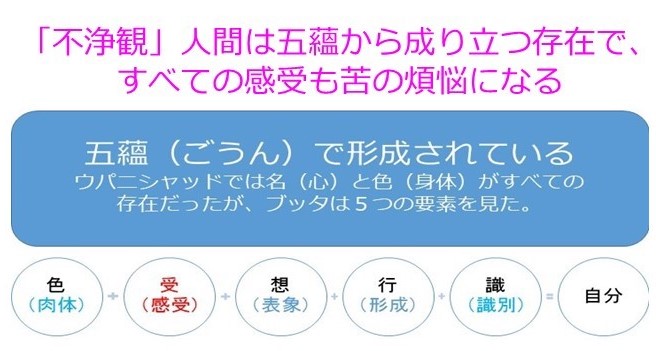
これは、「不浄観」(ふじょうかん)と表現されていて、

自分の身体は五蘊(ごうん)から成り立つ存在で、

身体で接触して感受するものすべて、

はかない「一切皆苦」(いっさいかいく)の煩悩になることを、

観察の瞑想をして洞察していきます。

その自分の身体の五識(ごしき)「目、耳、鼻、舌、身体」を如実に観察します。

五蘊(ごうん)

・受念処 (じゅねんじょ)・受念住(じゅねんじゅう)

「感受について」、感受をよく観察して、
「感受は苦」であることをみる(気づく)瞑想です。

これは、

五蘊で成り立つ自分の感受する「受」(じゅ)を如実に観察していきます。

感受するものはすべて、「快・不快・どちらでもない」の3パターンのいづれかで判断して感受します。

「目で見るもの、耳で聞くもの、鼻で嗅ぐもの、舌で味わうもの、身体で触れるもの、こころで感じること」すべて「快・不快・どちらでもない」の3パターンいづれかで感受して、すべてはかない「苦」になることを観察します。

その自分の五識(ごしき)「目、耳、鼻、舌、身体」で感受することを如実に観察します。

・心念処 (しんねんじょ)・心念住(しんねんじゅう)

「心について」、心をよく観察して、
「心は無常」であることをみる(気づく)瞑想です。

これは、

五蘊で成り立つ自分の考え方を形成していく「行」(ぎょう)は常に変化するものである「諸行無常」(しょぎょうむじょう)であると如実に観察します。

その自分の心を如実に観察します。

経典では、

貪りのある心を「わたしの心は貪りをもっている」と知る。
貪りを離れた心を「わたしの心は貪りを離れた」と知る。

怒りのある心を「わたしは怒りの心をもっている」と知る。
怒りを離れた心を「わたしは怒りの心を離れた」と知る。

と表現されています。

・法念処 (ほうねんじょ)・法念住(ほうねんじゅう)

「もろもろの事象・法について」、
もろもろの事象・法をよく観察して、
「あらゆる物質は無我」であることをみる(気づく)瞑想です。

これは、

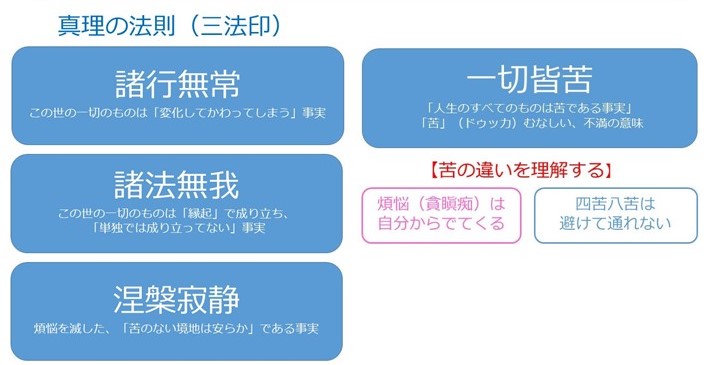
三法印(さんぼういん)の「諸法無我」(しょほうむが)を如実に観察することです。

三法印・四法印 「図解」

経典での表現のされかた

四念処・四念住の「身受心法」は原始仏典には、

「よく気を付け、
熱心に正しく自覚し、
落ち着いて過ごし、
世間の貪り憂いを克服すべき」

とでてきます。

「念」(ねん)はパーリ語でサティ(sati)で
①記憶(教えを)する。
②心が散漫になったりしないように注意力を促す。
③四念処(サティパッタ-ナ)の常に無常・苦・無我を念頭に置く
の意味があります。

ぼーさん

この「身受心法」の瞑想では、まだ「受」も、想う気持ちの「想」も 存在している色界の瞑想です。受も想もない境地が「想受滅」でさらにもっと上の瞑想の境地です。

ちなみに、「身」のからだは欲望を支配する欲界の世界で、
身体の欲望をなくした純粋な物質の色界の世界で「受」を観察していく瞑想です。
(参考):「三界」(さんがい)輪廻する世界

四顛倒(してんどう)

ブッダが見た「真理」の三法印は、
普通の人々にはみえなくて、わからないので、

普通の人々はまったく逆のことを思って日々過ごして生きている考えが、四顛倒(してんどう)の、四つの真理がたおれて見えている教えです。

その四つの真理が、「常楽我浄」になります。

常楽我浄(じょうらくがじょう)

人は無常であるのに、「常である」とみて、
苦に満ちあふれているのに、「楽である」とみて、
縁起(えんぎ)と五蘊(ごうん)で成りたつ無我の自分なのに、「自我がある」とみて
不浄(ふじょう)なことを、「清らかである」とみて過ごしています。
これを「常楽我浄」(じょうらくがじょう)と言って、

ブッダが見た「真理」とは、まったくさかさまな四つの見方をして、
苦しみの世界に生きているのがわたくしたち普通の人間の教えになります。

ぼーさん

大乗仏教での「常楽我浄」(じょうらくがじょう)は涅槃の境地を表した意味で用いられることがあります。

涅槃の覚りの徳は絶対の永遠の常であり、
楽しみであり、
能動的な自在者の我であり、
きよらかな浄である、

四つの徳で、四徳(しとく)と呼ばれます。

しかし、
三法印を理解していないままだと、
四顛倒になるので注意が必要ですね。

原始仏典にでてくる「四念処・しねんじょ」

長部経典 第2経「沙門果経」(しゃもんかきょう)では

「小・中・大の戒律の教え」→「感覚器官の防護」→《注意力・明瞭な意識》の観察する瞑想の教えがでてきます。そして、→「満足」→「五蓋の除去」→「色界の四禅」→「無我の洞察」→「神通力を得て」→「漏尽智」の煩悩が消滅して『四諦』を理解するとでてきます。

《注意力・明瞭な意識》

ブッタは修行者はどんな行動するときも明瞭な意識をもって行動します。衣を着るときも、鉢を持つときも、食べるときも、飲むときも、排便するときもどんな時も自分が今何をしているのかを明瞭な意識を自覚して行動し身につけています。


ぼーさん
瞑想というと難しいかんじですが、テレビを見ながら、スマホをさわりながらとかではなく、自分の行いを意識を持って行うことですね!

長部経典 第22経「大念処経」(だいねんじゅきょう)では

「身体について(身体は不浄)」
・髪・毛・血・歯・皮・肉・筋・骨・骨髄・腎臓・心臓・血液・小便、等々自分の細部までを観察する
・地水火風の要素を観察する
・死体の瞑想、墓場に捨てられた死体がカラスや犬に食べられ腐っていくのを観察する

「感覚について(感受は苦)」
・楽しみ、苦しみ、非肉体的の感受が生起し消滅するのを観察する

「心について(心は無常)」
・貪り、怒り、迷妄、心の統一、広大な心が生起し消滅するのを観察する

「もろもろの存在(事象・法)について(あらゆる物質は無我)」
・五蓋について、生起と消滅を観察する
・六識の束縛の生起と消滅を観察する

「呼吸の仕方」は
◇念ずることを目の前に据えて坐る、気を付けながら息を吸い、息を吐く、
◇身体の活動を静めて、私は息を吐こうと思い実修する。
◇自分の内に、他人の外の身体について観察、身体の中で生起してくるもの、
消滅する現象を観察する。
◇ただ「身体のみが存在する」と思い、依存がなく、執着がなくなる。

と表現されてでてきます。

えん坊
ねぇ、ぼーさん!最初の瞑想がこんなに難しいの、、、。
ぼーさん
えん坊は、ご飯食べ終わった後も、米つぶが顔についてるのも気づかないからね、、、。でも大丈夫だよ!ブッダはきちんと瞑想の教えを教えてくれているからね!瞑想の実践や修行内容が書かれているお経を紹介しますね!


「明瞭な意識」で観察の瞑想がでてくる↓

Satipatthana


Iddhipada method
Translated as Iddhipada.
The basis for obtaining four free powers. Four types of training methods for obtaining supernatural mythical power: greed gods, gonjinsoku, shinjinsoku, and kanjinsoku.

All nouns
4 example sentences (0.00 seconds)
The correct idea is one of the basic concepts, as is the case with Satipatthana in the thirty-seven dojos. …
It is divided into seven departments: Satipatthana, Four Right Exertions, Iddhipada, Indriya, Five Strengths, Seven Factors of Awakening, and Noble Eightfold Path. …

The contents of Satipatthana are as follows [1].

Satipatthana (Satipatthana) –Seeing the uncleanness of the body (Uncleanness)
Satipatthana (Satipatthana) –I see that all vedan is painful (everyone is suffering)
Satipatthana (Mindful residence) -Watching the unchanging mind (Unusual behavior)
Satipatthana (Law Satipatthana)-Seeing the selflessness of various laws (lawlessness)


Satipatthana, Satipatthana

“Satipatthana / Shinenjo” is also called (in the new Chinese translation after Xuanzang, “Satipatthana / Shinenju”).

The wrong way of thinking, which is the exact opposite of the truth, of the four defeats

It is a meditation that breaks down “Jorakugajo”.

In meditation to observe yourself as you are

It’s about awareness meditation, observing meditation, and Vipassana meditation.

This meditation of Satipatthana is in the scriptures.

With the teaching of “Shinjushinho”

Buddha’s preaching often comes up.

Next, let’s look at the self-reliance method.

Self-reliance method (Shinjushinho)
・ Satipatthana ・ Satipatthana

“About the body” Observe the body closely and

It is a meditation to see (notice) that the body is unclean.

This is described as “Patikulamanasikara”.

My body is made up of five skandhas,

Everything that you feel in contact with your body

To be annoyed by the ephemeral “everyone suffers”

We will meditate on observation and gain insight.

Observe the five senses of your body, “eyes, ears, nose, tongue, and body.”

・ Satipatthana (Junenjo) ・ Satipatthana (Junenju)

“About the feeling”, observe the feeling closely,
It is a meditation to see (notice) that “sensation is painful”.

is this,

I will observe the “Uke” (ju) that I feel, which is made up of five skandhas.

Everything you feel is judged by one of the three patterns of “pleasant, unpleasant, and neither”.

“What you see with your eyes, what you hear with your ears, what you sniff with your nose, what you taste with your tongue, what you touch with your body, and what you feel with your heart” are all “pleasant, unpleasant, neither” Observe that everything becomes ephemeral “bitter”.

Observe what you feel with your five senses, “eyes, ears, nose, tongue, and body.”

・ Satipatthana ・ Shinnenju

“About the mind”, observe the mind closely,
It is a meditation to see (notice) that “the mind is impermanent”.

is this,

I clearly observe that the “line” that forms one’s own way of thinking, which consists of five skandhas, is the “various lines” that are constantly changing.

Observe that one’s heart.

In the scriptures

Knowing a greedy heart, “My heart has greed.”
Knowing that the heart that has left greed is “my heart has left greed.”

Know that an angry heart is “I have an angry heart.”
Knowing that the heart that has left anger is “I have left the heart of anger.”

It is expressed as.

・ Satipatthana ・ Honenju

“About various events and laws”,
Observe various events and methods carefully,
It is a meditation to see (notice) that “every substance is selfless”.

is this,

It is to observe the “Shohomuga” of Sanboin.

How to express in the scripture

Satipatthana and Satipatthana’s “Self-reliance method” is described in the Early Buddhist scriptures.

“Be careful,
Be enthusiastic and correct
Stay calm,
We should overcome the greed of the world. ”

Will come out.

“Nen” is a Pali word for sati
① Remember (teach).
② Encourage your attention so that you do not get distracted.
③ Always keep in mind the impermanence, suffering, and selflessness of Satipatthana.
There is a meaning of.


Bo-san

This “self-reliance method” meditation is a meditation in the color world where both “reception” and “thought” of feelings still exist. The state of meditation that is neither received nor thought is the state of meditation that is even higher.

By the way, the body of the “body” is in the world of desire that controls desire,
It is a meditation that observes “Uke” in the world of pure material color world that has lost the desire of the body.
(Reference): “Three worlds” (Sangai) The world that revolves around

Four defeats

The three methods of “truth” that Buddha saw are
Because it is invisible to ordinary people and does not understand

The idea that ordinary people spend their days living thinking the exact opposite is the teaching of the four truths of the four truths.

The four truths are “Joraku Gajo”.

Joraku Gajo

People are impermanent, but they think they are “always”
Even though it is full of pain, I think it is “easy”
Even though I am a selfless self made up of auspiciousness and five gods, I think that I have an ego.
I spend my time thinking that unclean things are “clean.”
This is called “Jorakugajo”.

The “truth” that Buddha saw is from four completely upside-down perspectives.
Living in the world of suffering is the teaching of ordinary human beings.


Bo-san

In Mahayana Buddhism, “Jorakugajo” is sometimes used to mean the state of Nirvana.

The virtue of Nirvana’s awakening is an absolute eternal everlasting
I’m looking forward to it
I am an active freelancer
It is a clean purification,

The four virtues are called Shitoku.

But,
If you don’t understand the Dharmamudrā
You need to be careful because it will be a mess.

“Satipatthana, Shinenjo” that appears in the primitive Buddhist texts
In the second sutra “Samon Kakyo”

“Teaching of small, medium and large commandments”-> “Protection of sensory organs”-> “Attention / clear consciousness” will give you the meditation teachings to observe. Then, → “Satisfaction” → “Removal of the five lids” → “Four Zens of the Color World” → “Insight of Selflessness” → “Getting Mythical Power” → “Four Noble Truths” disappears It will come out when you understand.

<< Attention / Clear Consciousness >>

Buddha acts with a clear consciousness when the practitioner does anything. He is aware of what he is doing now, when he wears clothes, when he holds a bowl, when he eats, when he drinks, when he defecates, and when he acts and wears it. I am.


Bo-san
Meditation is difficult, but it’s not about watching TV and touching your smartphone, but consciously doing what you do!
In the Nagabe scripture, the 22nd sutra, “Dainenjukyo”

“About the body (the body is unclean)”
・ Observe your own details such as hair, hair, blood, teeth, skin, flesh, muscles, bones, bone marrow, kidneys, heart, blood, urine, etc.
・ Observe the elements of groundwater, fire and wind
・ Meditation of corpses, observing crows and dogs eating and rotting corpses abandoned in the graveyard

“About the senses (feeling is painful)”
・ Observe that enjoyment, suffering, and non-physical sensations occur and disappear.

“About the mind (the mind is impermanent)”
Observe greed, anger, delusion, unity of mind, and the emergence and disappearance of a vast mind

“About the existence (events / laws) of various things (all substances are selfless)”
・ Observe the occurrence and disappearance of the five hindrances
・ Observe the occurrence and disappearance of the bondage of the six senses

“How to breathe”
◇ Sit with your thoughts in front of you, take care while inhaling and exhaling,
◇ Calm down my physical activity and practice with the intention of exhaling.
◇ Observing the body inside and outside of others, what happens inside the body,
Observe the disappearing phenomenon.
◇ I just think that “only the body exists”, there is no dependence, and there is no attachment.

It will be expressed as.


Enbo
Hey, Bo-san! The first meditation is so difficult …

Bo-san
Enbo doesn’t even notice the rice mash on his face after he finishes eating. But it’s okay! Buddha teaches me meditation properly! Introducing the sutras that describe the practice of meditation and the content of training!


Observation meditation comes out with “clear consciousness” ↓
十三仏とは?

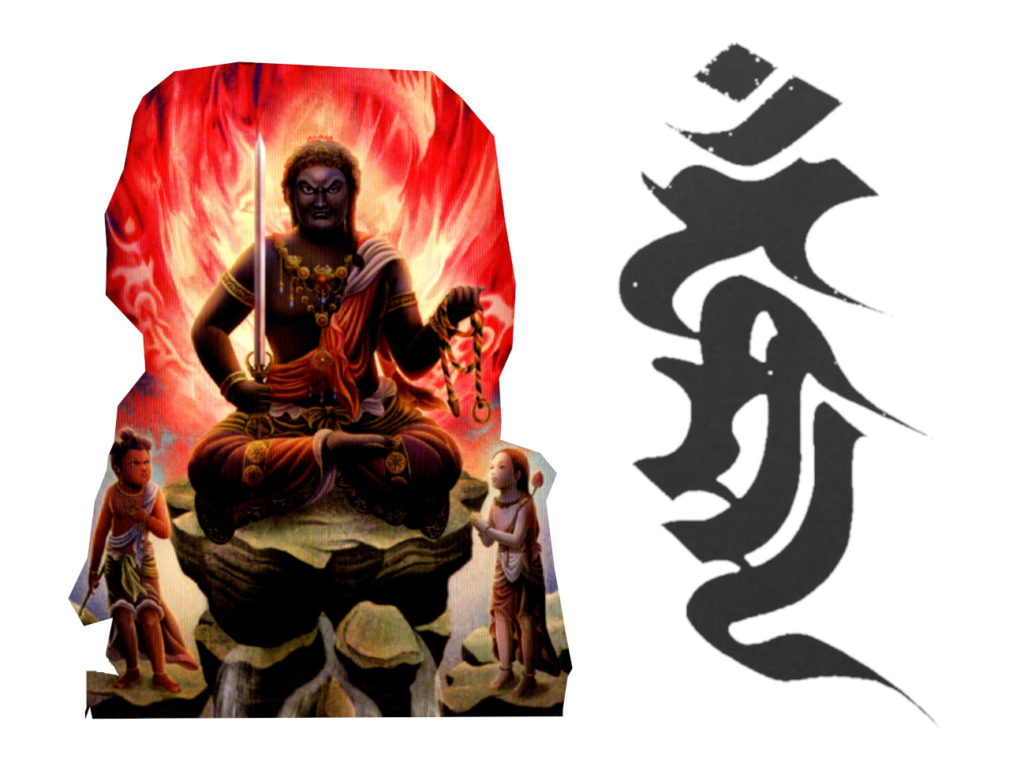
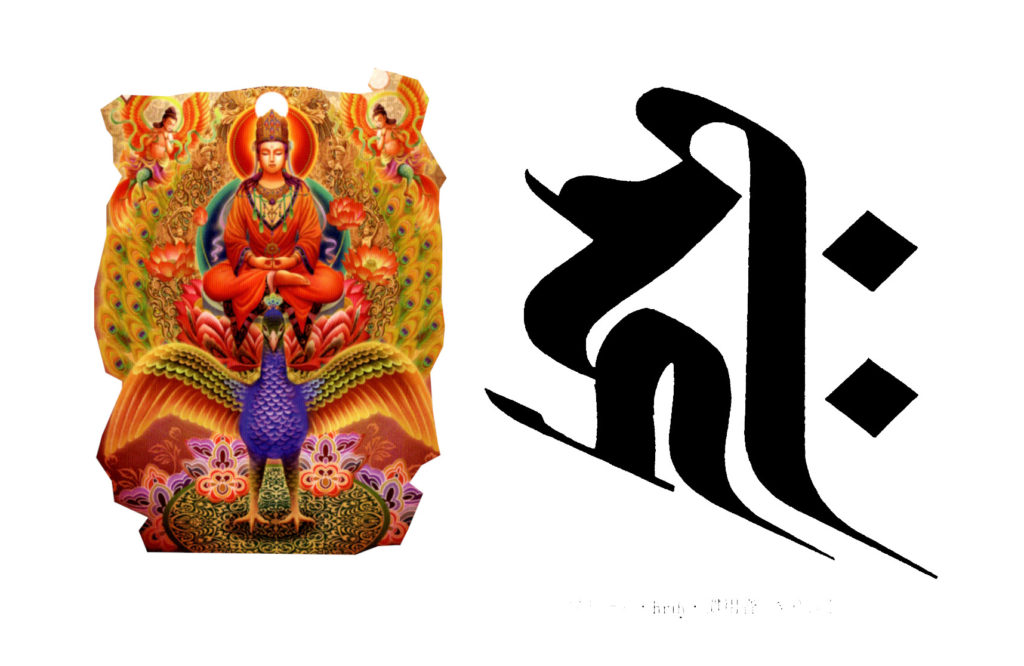
【初七日忌】: 不動明王
故人の生前への未練、悪業を断ち切り、仏道へと歩む覚悟をさせると共に背中を押す

ノウマクサンマンダ バザラ


ダン センダマカロシャダ


ソワタヤ ウンタラタ カンマン

  1. 【二七日忌】:釈迦如来
    命の無常、すべてが無常を説き示し、仏道へと歩み出す明かりを示し、不安を取り除く

ノウマクサンマンダ


ボダナン バク

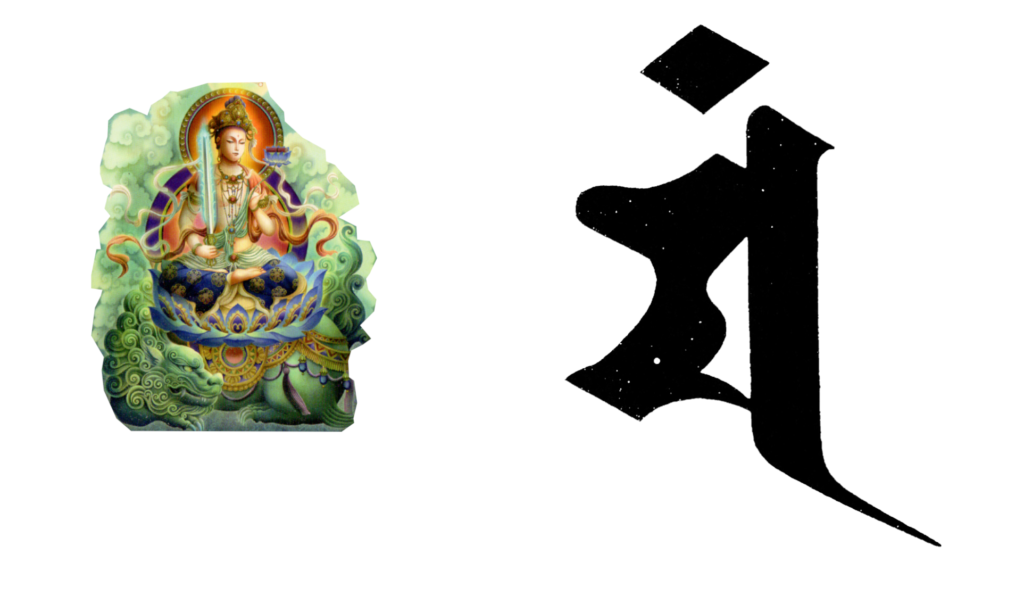
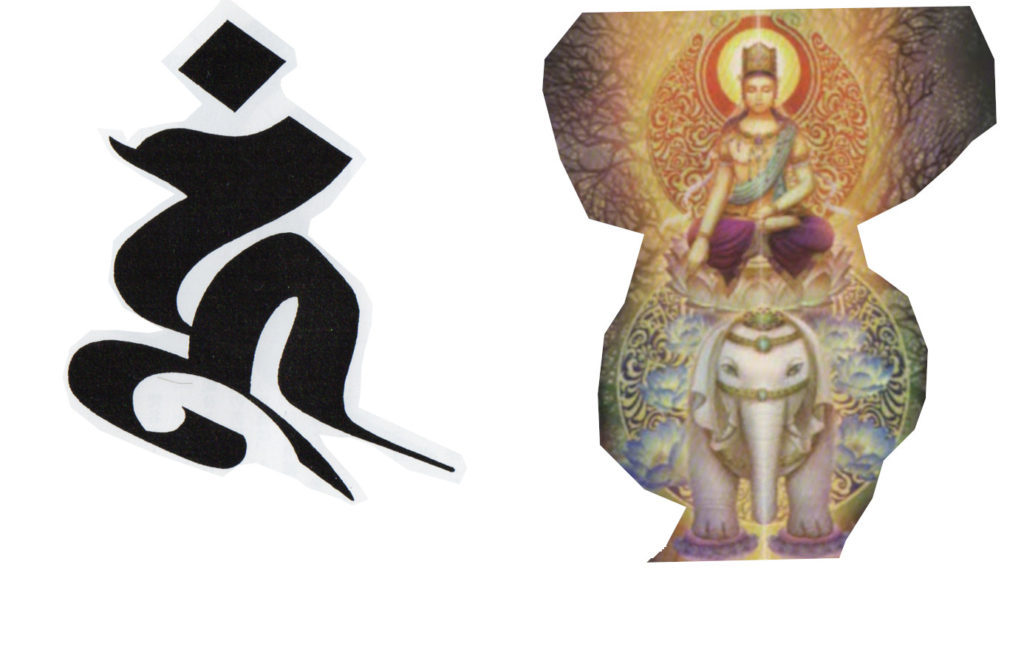
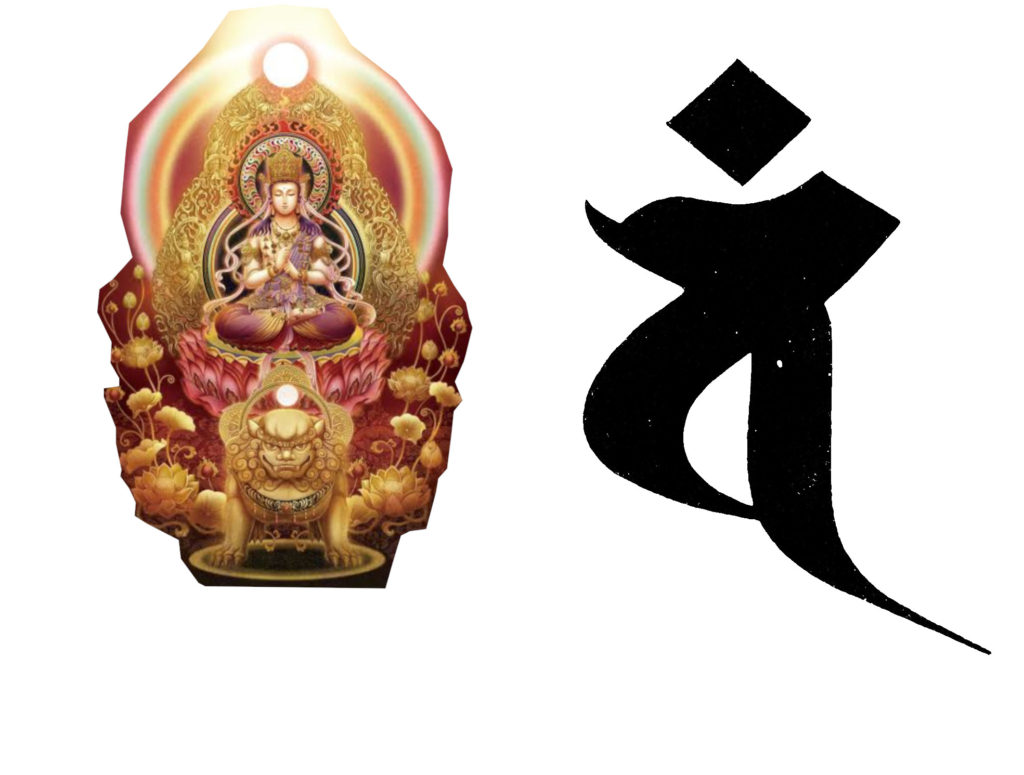
  1. 【三七日忌】:文殊菩薩
    お釈迦様の説諭を踏まえ、故人に智慧を授ける

オン アラハシャノウ


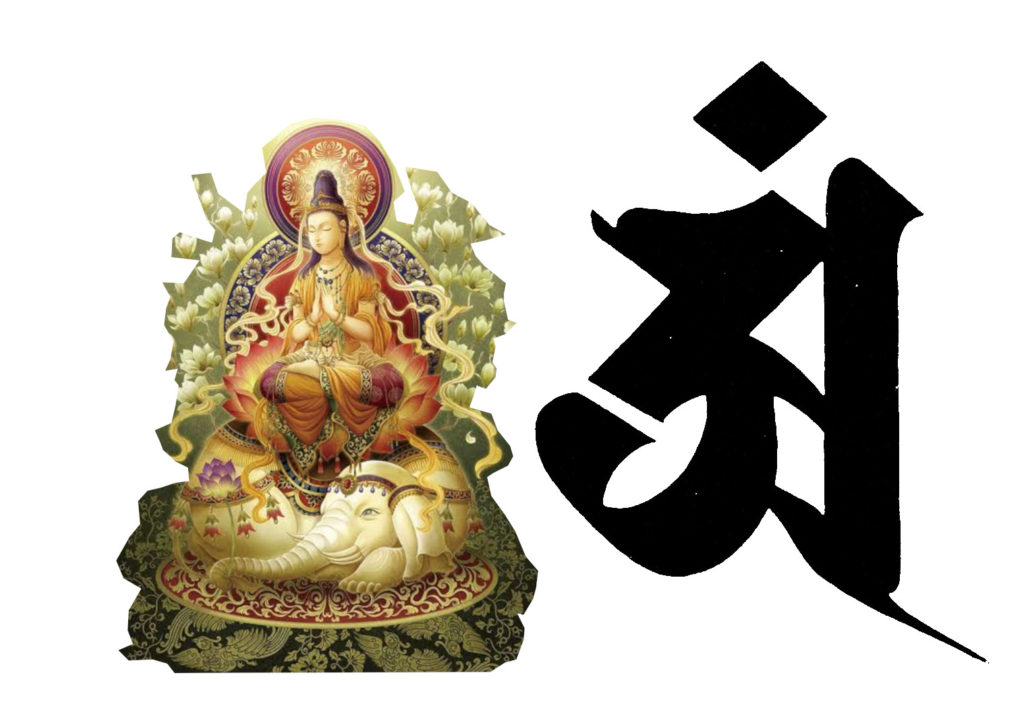
  1. 【四七日忌】:普賢菩薩
    文殊菩薩の授けた智慧を、いかにして行ずべきかを伝える


オン サンマヤ サトバン

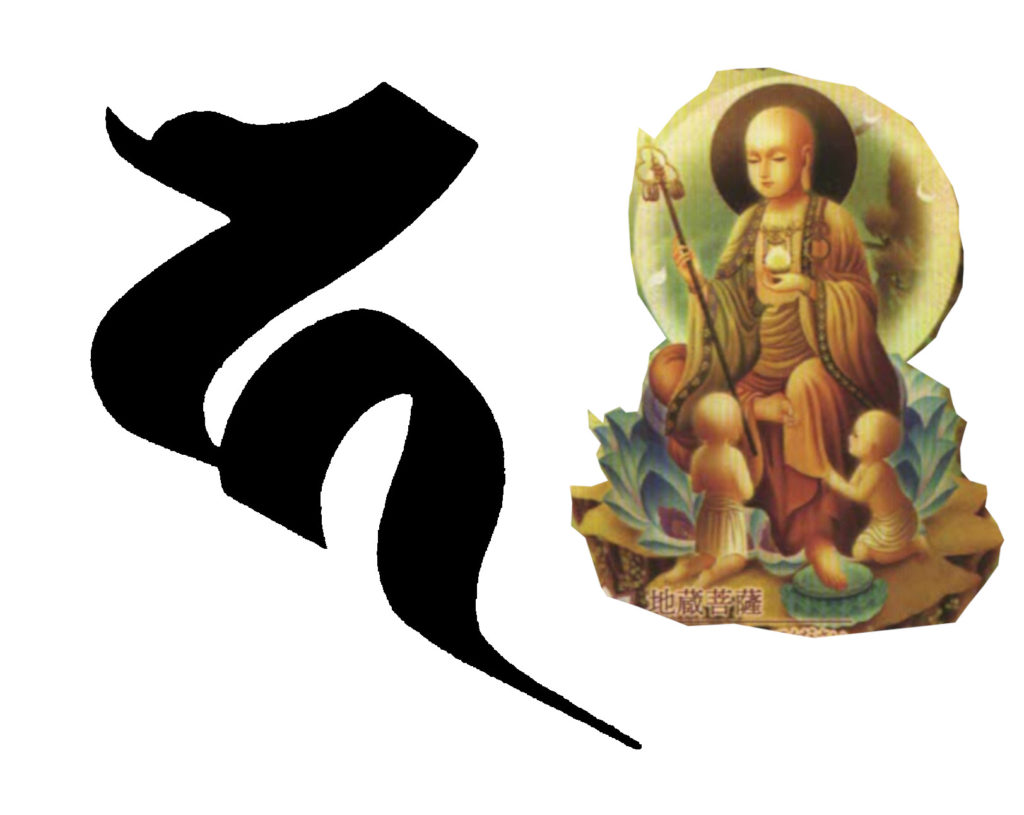
  1. 【五七日忌】:地蔵菩薩
    閻魔大王の審判を受ける際に、故人の弁護役を担い、仏道に勤しめるように支える

オン カカカビ


サンマエイ ソワカ

  1. 【六七日忌】:弥勒菩薩
    仏道を完遂できるよう守護し、導き、その果を示して目指すべき道を明かす

オン マイタレイヤ ソワカ


  1. 【七七日忌(四十九日、尽七日、満中陰とも)】:薬師如来
    これまでの迷い探した世界から仏(悟り創る)の世界への橋渡しをしてくださる

オン サンザンサク ソワカ


オン コロコロ センダリ


マトウギ ソワカ

  1. 【百箇日忌】:観音菩薩(観世音菩薩、観自在菩薩)
    仏の世界へとたどり着いた後の不安や、前世への未練を思い返さぬよう、慈悲の心で支え


オン アロリキャ ソワカ

  1. 【一周忌】:勢至菩薩
    先導役を担って、これより先、悪業に堕ちることなく善業に精励するよう説かれる

オン サンザンサク ソワカ

  1. 【三回忌】:阿弥陀如来
    極楽浄土の教主として、安らかなる世界での在り方や光明を降り注がれ幸いをもたらし、どんな時も共に在って救い続ける

オン アミリタ


テイセイ カラ ウン


  1. 【七回忌】:阿閦(あしゅく)如来 (※しゅく=門がまえの中に、「へ」と書いて、その下に「人人」と並べて書く)
    怒り(瞋恚)に心を乱されぬよう、不動堅固な心の持ちようを示し、自ら不幸に堕ちぬようにと説き示す

オン アキシュビヤ ウン

  1. 【十三回忌】:大日如来
    宇宙の一切と通じ合っていて、元来すべては一つであったことを解き明かし、仏と一体である己れを悟らせる

オン アビラウンケン


バザラ ダトバン

  1. 【三十三回忌】:虚空蔵菩薩
    慈悲慈愛に包まれている広大円満な宇宙との一体観を示し、魂の浄化されることを知り、輪廻(生まれ変わり)の実在をも感じられるよう与え、赦し、抱く、を決して尽きることなく実践し続けてくださる

ノウボウ アキャシャキャラバヤ


オンアリキャ マリボリ ソワカ


十三仏(じゅうさんぶつ)は、十王をもとにして、室町時代になってから日本で考えられた、冥界の審理に関わる13(正確には仏陀菩薩)である。また十三回の追善供養(初七日〜三十三回忌)をそれぞれ司る仏様としても知られ、主に掛軸にした絵を、法要をはじめあらゆる仏事に飾る風習が伝えられる。

13の仏とは、閻魔王を初めとする冥途の裁判官である十王と、その後の審理(七回忌・十三回忌・三十三回忌)を司る裁判官の本地とされる仏である。

十三仏と対応する裁判官[編集]

これらの仏は審理において実際の裁判所における裁判官の役目を勤めることになるとされる。

十三仏 裁判官 読み 審理 縁日[1]
不動明王 秦広王 しんこうおう 初七日(7日目・6日後) 28日
釈迦如来 初江王 しょこうおう 二七日(14日目・13日後) 8日
文殊菩薩 宋帝王 そうていおう 三七日(21日目・20日後) 25日
普賢菩薩 五官王 ごかんおう 四七日(28日目・27日後) 14日
地蔵菩薩 閻魔王 えんまおう 五七日(35日目・34日後) 24日[2]
弥勒菩薩 変成王 へんじょうおう 六七日(42日目・41日後) 5日
薬師如来 泰山王 たいざんおう 七七日(49日目・48日後) 8日
観音菩薩 平等王 びょうどうおう 百か日(100日目・99日後) 18日
勢至菩薩 都市王 としおう 一周忌(2年目・1年後) 23日
阿弥陀如来 五道転輪王 ごどうてんりんおう 三回忌(3年目・2年後) 15日
阿閦如来 蓮華王 れんげおう 七回忌(7年目・6年後) 4日
大日如来 祇園王 ぎおんおう 十三回忌(13年目・12年後) 28日
虚空蔵菩薩 法界王 ほうかいおう 三十三回忌(33年目・32年後) 13日

死亡した時を1日目として数え、初七日は命日から7日目(6日後)である。他の日数・年数も(一周忌以外は)全て同様である(関西地方では、逮夜などと称してそれぞれの忌日の前日ないし前晩に重きを置いて法要を務めるところも多い)。

十二支との対応[編集]

十三仏に名を連ねる仏のうち8仏が十二支の守護仏(守り本尊)である。各支の守護仏に合致する仏は次の通り[3]

  •  – 観世音菩薩
  •  – 虚空蔵菩薩
  •  – 虚空蔵菩薩
  •  – 文殊菩薩
  •  – 普賢菩薩
  •  – 普賢菩薩
  •  – 勢至菩薩
  •  – 大日如来
  •  – 大日如来
  •  – 不動明王
  •  – 阿弥陀如来
  •  – 阿弥陀如来

子の観世音菩薩は正確には、普通にいう観世音菩薩、つまり「聖観音」ではなく、「六観音」と呼ばれる「変化観音」の一つである「千手観音」だが、変化観音はすべて聖観音の化身であるとされるため敢えて「観世音菩薩」と表記。

十三仏  2

十三仏(じゅうさんぶつ)は、十王をもとにして、室町時代になってから日本で考えられた、冥界の審理に関わる13(正確には仏陀菩薩)である。また十三回の追善供養(初七日〜三十三回忌)をそれぞれ司る仏様としても知られ、主に掛軸にした絵を、法要をはじめあらゆる仏事に飾る風習が伝えられる。

13の仏とは、閻魔王を初めとする冥途の裁判官である十王と、その後の審理(七回忌・十三回忌・三十三回忌)を司る裁判官の本地とされる仏である。

十三仏と対応する裁判官[編集]

これらの仏は審理において実際の裁判所における裁判官の役目を勤めることになるとされる。

十三仏 裁判官 読み 審理 縁日[1]
不動明王 秦広王 しんこうおう 初七日(7日目・6日後) 28日
釈迦如来 初江王 しょこうおう 二七日(14日目・13日後) 8日
文殊菩薩 宋帝王 そうていおう 三七日(21日目・20日後) 25日
普賢菩薩 五官王 ごかんおう 四七日(28日目・27日後) 14日
地蔵菩薩 閻魔王 えんまおう 五七日(35日目・34日後) 24日[2]
弥勒菩薩 変成王 へんじょうおう 六七日(42日目・41日後) 5日
薬師如来 泰山王 たいざんおう 七七日(49日目・48日後) 8日
観音菩薩 平等王 びょうどうおう 百か日(100日目・99日後) 18日
勢至菩薩 都市王 としおう 一周忌(2年目・1年後) 23日
阿弥陀如来 五道転輪王 ごどうてんりんおう 三回忌(3年目・2年後) 15日
阿閦如来 蓮華王 れんげおう 七回忌(7年目・6年後) 4日
大日如来 祇園王 ぎおんおう 十三回忌(13年目・12年後) 28日
虚空蔵菩薩 法界王 ほうかいおう 三十三回忌(33年目・32年後) 13日

死亡した時を1日目として数え、初七日は命日から7日目(6日後)である。他の日数・年数も(一周忌以外は)全て同様である(関西地方では、逮夜などと称してそれぞれの忌日の前日ないし前晩に重きを置いて法要を務めるところも多い)。

十二支との対応[編集]

十三仏に名を連ねる仏のうち8仏が十二支の守護仏(守り本尊)である。各支の守護仏に合致する仏は次の通り[3]

  •  – 観世音菩薩
  •  – 虚空蔵菩薩
  •  – 虚空蔵菩薩
  •  – 文殊菩薩
  •  – 普賢菩薩
  •  – 普賢菩薩
  •  – 勢至菩薩
  •  – 大日如来
  •  – 大日如来
  •  – 不動明王
  •  – 阿弥陀如来
  •  – 阿弥陀如来

子の観世音菩薩は正確には、普通にいう観世音菩薩、つまり「聖観音」ではなく、「六観音」と呼ばれる「変化観音」の一つである「千手観音」だが、変化観音はすべて聖観音の化身であるとされるため敢えて「観世音菩薩」と表記。

薬師如来(やくしにょらい、梵: Bhaiṣajyaguru


薬師如来(やくしにょらい)とは?

東方浄瑠璃世界の教主で、正式名を薬師瑠璃光如来(やくしるりこうにょらい)といいます。


病気を治して衣食住を満たすという「十二の大願」を立て、生きている間に願いを叶えてくれます。阿弥陀如来のように死んだ後にやすらぎを与えるのではなく、現世にやすらぎを与えてくれるのが特徴です。昔の作例はとくに病気平癒を願ったものが多数存在します。


日光菩薩と月光菩薩を脇侍として三尊として並ぶことが多いです。さらに、7体の薬師如来で息災・増益を祈願する修法の本尊である七仏薬師というものも存在します。また、眷属として十二神将を従えています。

ご利益

病気治癒(特に目病)、健康長寿、災難除去、安産祈願、現世利益

薬師如来(やくしにょらい)の像容

薬壺(やっこ)を左手に持っており、右手の薬指を前に出しています。他の装飾品等は持ちません。ただし、奈良時代までの造形は薬壺を持たない場合が多く釈迦如来と区別がつきにくいです。

有名寺院と像

・奈良県:薬師寺
・奈良県:法隆寺
・京都府:醍醐寺

薬師如来(やくしにょらい)の真言

オン・コロコロ・センダリ・マトウギ・ソワカ

薬師如来(やくしにょらい)とは?
東方浄瑠璃世界の教主で、正式名を薬師瑠璃光如来(やくしるりこうにょらい)といいます。


薬師如来(やくしにょらい)とは?
東方浄瑠璃世界の教主で、正式名を薬師瑠璃光如来(やくしるりこうにょらい)といいます。


病気を治して衣食住を満たすという「十二の大願」を立て、生きている間に願いを叶えてくれます。阿弥陀如来のように死んだ後にやすらぎを与えるのではなく、現世にやすらぎを与えてくれるのが特徴です。昔の作例はとくに病気平癒を願ったものが多数存在します。


日光菩薩と月光菩薩を脇侍として三尊として並ぶことが多いです。さらに、7体の薬師如来で息災・増益を祈願する修法の本尊である七仏薬師というものも存在します。また、眷属として十二神将を従えています。

What is Yakushi Nyorai?
He is the leader of the Touhou Joruri world, and his official name is Yakushi Ruriko Nyorai.


He makes “twelve great wishes” to cure illnesses and provide food, clothing and shelter, and grants his wishes while he is still alive. Unlike Amida Nyorai, who gives peace after death, he is characterized by giving peace to this world. There are many examples of old works, especially those that wished for recovery from illness.


Nikko Bodhisattva and Moonlight Bodhisattva are often lined up as a Sanzon with side samurai. In addition, there are seven Yakushi Nyorai statues called Shichibutsu Yakushi, which are the principal images of Buddhist rituals that pray for good health and increased profits. In addition, he has the Twelve Divine Generals as his followers.

benefit
Healing illnesses (especially eye diseases), healthy longevity, elimination of misfortunes, prayers for safe childbirth, worldly benefits

Statue of Yakushi Nyorai
He holds a medicine pot (yakko) in his left hand, and his right ring finger is out in front. I don’t have any other decorations. However, many of the sculptures up to the Nara period do not have medicine pots, making it difficult to distinguish them from Shaka Nyorai.

famous temples and statues
・Nara Prefecture: Yakushiji Temple
・Nara Prefecture: Horyuji Temple
・Kyoto Prefecture: Daigoji Temple

Mantra of Yakushi Nyorai
On Korokoro Sendari Matougi Sowaka

Aparājita  Jayanti  tadite

アパラジタは、西暦 975 年から西暦 1010 年まで北コンカン支部のシラハラ支配者でした。


ジャヤンティは、惑星金星の神でありアスラの教祖であるシュクラの妻であると言われています。


知性、偉大な恋人、強い


無能勝明王(むのうしょうみょうおう)(薬師如来)

無能勝明王(アパラーシタ)はその名の通り、誰もこの明王に勝つことはできないという、とにかく
強い仏様です。形は三面四臂・一面二臂・三面六臂などがあり、女性神の姿のものと男性神の
姿のものがあります。八大明王の中に登場します。釈迦の忿怒身という説もあるようです。
その為、胎蔵マンダラでは、釈迦院に位置し釈尊のすぐそばに無能勝妃と向かい合っています。
その姿は四面四臂で、展左のポーズをしています。


仏教における明王の一尊であり八大明王の一。本地は地蔵菩薩。サンスクリット名を「アパラージタ(Aparājita)」といい、「打ち勝つことができない」、「征服すべからざる」といった意味を持つので、これを意味訳して「無能勝明王」、「無能勝金剛(むのうしょうこんごう)」、「無能勝金剛明王(むのうしょうこんごうみょうおう)」と称する。また「阿波羅質多(あはらしった)」、「阿鉢唎市多(あはりした)」、「阿跋唎爾多(あばりじた)」などと音写する。釈迦が菩提樹の下で悟りを開いたとき付き従った釈迦の眷属とされ、無能勝明妃とともに四魔(五蘊魔・煩悩魔・死魔・天魔)を滅ぼす四侍尊の一尊とされる。このため胎蔵界曼荼羅の釈迦院においては四侍尊の一尊として、中央に配される釈迦牟尼の向かって右下に配される。その像容は青色の身色で四面四臂で逆立った髪で、下三面は三目を有し、右手第一手は人差し指を伸ばし肘を立てて胸に当て、第二手も同様に人差し指を伸ばし掌を上に向けて高く挙げ、左手第一手は内に向けて鉞斧を持ち、第二手は三叉戟を持つ。その他一面二臂、三面四臂、三面六臂のものもみられる。

密号は「勝妙金剛(しょうみょうこんごう)」、種字は「अ(a)」、「ध्रिं(dhriṃ)」、「हूं(hūṃ)」、「प्र(pra)」、三昧耶形は鉞ないし黒蓮上大口、真言は「南麼三曼多勃馱喃?(なうまくさまんだぼだなんうん)」(無能勝真言・T0848)、「南麼三曼多勃馱喃地{x20EF1}地{x20EF1}{x20EF1}{x20EF1}馹{x20EF1}馹{x20EF1}莎訶」(無能勝真言・T0848)、「曩莫三滿多沒馱喃吽地{x20EF1}地{x20EF1}喞{x20EF1}喞{x20EF1}娑嚩賀」(阿跛囉爾多真言・T0852)。

画像一覧

無能勝明王の画像[1]

無能勝

「諸尊図像鈔(写)(しょそんずぞうしょう)」(不明)より
ページ:v08p029
著者不明
国立国会図書館(National Diet Library)蔵
Copyright : pubric domain

無能勝明王の画像[2]

無能勝明王

望月信亨 編
「仏教大辞典 第5」より
国立国会図書館蔵
Copyright: public domain

無能勝明王の画像[3]

無能勝明王

国訳秘密儀軌編纂局 編
「新纂仏像図鑑 天之巻」より
国立国会図書館蔵
Copyright: public domain

無能勝明王の画像[4]

無能勝明王

国訳秘密儀軌編纂局 編
「新纂仏像図鑑 天之巻」より
国立国会図書館蔵
Copyright: public domain

●無能勝明王(むのうしょうみょうおう)

(※画像は「栗野こだわり仏像店」さん取扱品)

(「仏像 無能勝明王 座像 2.5寸 火炎光背 一重蓮華板台 桧木」)


八大明王の一尊で、密号を「勝明妙金剛」という。

「無能勝」とは「破壊できない」の意で、降魔の徳を

有する。


『大日経』に於いては釈迦如来の憤怒の化身とも

され、胎蔵界曼荼羅釈迦院では釈迦牟尼仏の

左脇侍に配される。

また『大妙金剛熾盛仏頂経』では地蔵菩薩

化身ともされる。

像は男形と女形とあり、四面四臂で模されるが、

六臂六足、八臂六足の像などもある。

===========================================


マイナーな明王様です。

そして、どうしても「無能」という言葉が気になります・・・・。真顔


文字のそれぞれの意味で考えると、

「無」・・・「無い」

「能」・・・「働き」・「効き目」

「勝」・・・「勝利」

なので、どうしても

「無」が全てを台無しにしてるとしか思えないんですが・・・。えー


まぁでも前述した通り、「無能勝」は「破壊できない」

という意味のようで、今で言うならば「無敵」って

感じでしょうか。グラサン


でも、

それほどの明王様なのにマイナーなのは何なんでしょうね。真顔

ネットでは、「誰もこの明王には勝てない」と書かれてあるHPも

あるくらいなんで、戦国武将とか持て囃しそうなもんですけど・・・・。真顔


御利益は分からなかったのですが、「怨敵調伏」は間違いない

でしょう。


それと「病魔退散」の可能性があります。


・・・・というのも、真言が、


オン・コロコロ・センダリ・マトウギ・ソワカ


と、薬師如来と同じ真言だったりするからです。びっくり


釈迦如来、または地蔵菩薩の化身なのになんで?

・・・・とは思いますが。真顔


ただ、

ネットには別の真言もありました。


ノウマク・サマンダボダナン・

   ジリン・ジリン・リン・リン・シリン・シリン・ソワカ


パッと見、ダイヤル式電話の呼び出し音っぽいですけど。真顔


印は不明です。

ただ、ネット上の無能勝明王の説明の中に、

釈迦尊が降魔印を為したとき、地神が湧き出し――

云々ありました。

ですので、明王の意味合い的にも降魔印(触地印)で

いいかも知れません。


無能勝明王
Aparaajitah
① 「真言蔵品」所説
ナウマクサンマンダボダナン・ジリンジリン・リンリン・シリンシリン・ソワカ
Namah samantha buddhanam dhrim dhrim rim rim jrim jrim svaha.
② 『広大』『玄法』二軌所説
「ジリンジリン[dhrim dhrim]」の前に「ウン[hum]」があって「リンリン[rim rim]」なし。
③ 『青龍軌』所説
上記②の「ウン」を「ウンウン」とする。
④ 『大妙金剛経』所説
オン・コロコロ・センダリ・マトウギ・ソワカ
Om huru huru candari matangii svaha.  
八大明王の一。上記③の呪は『陀羅尼集経』『薬師観行軌』等はこの真言を薬師如来の真言とする。「薬師如来」参照(未入力。後述する)。

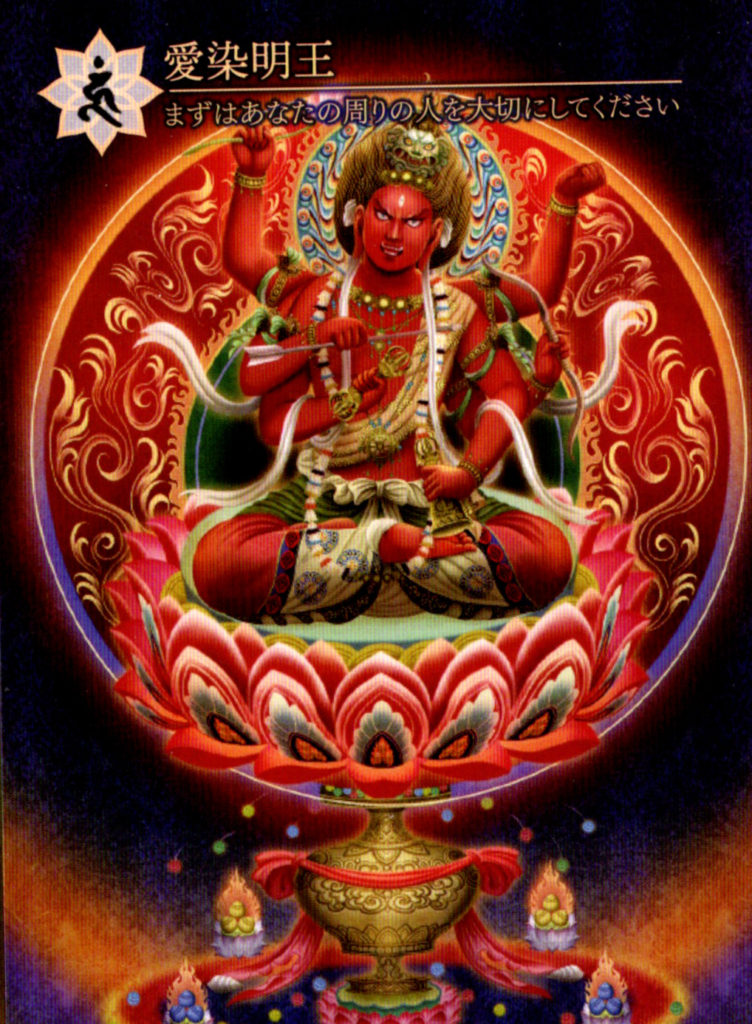
愛染明王   (Rāga-rāja


愛染明王は一面六臂で他の明王と同じく忿怒相であり、頭には獅子の冠をかぶり、宝瓶の上に咲いたの華の上に結跏趺坐で座るという、大変特徴ある姿をしている。その身色は真紅であり、後背に日輪を背負って表現されることが多い。

また、『瑜祇経』第五品に記される偈頌(げしゅ)である「衆星の光を射るが如し」の部分を再現した天に向かってを引く容姿で描かれた姿の高野山金剛峯寺に伝えられる「天弓愛染明王像」や、京都府木津川市山城町の神童寺像、山梨県甲州市塩山の放光寺像などがあり、更には、日蓮筆と伝える「愛染不動感見記」の馬に乘る八臂像や、両頭など異形の容姿で描かれた図像も現存する。

愛染明王信仰は「恋愛・縁結び・家庭円満」などをつかさどる仏として古くから行われており、また「愛染=藍染」と解釈し、染物・織物職人の守護仏としても信仰されている。さらに愛欲を否定しない[8]ことから、古くは遊女、現在では水商売の女性の信仰対象にもなっている。


いわゆる愛染明王の姿の特徴は、一面三目・六臂で、頭上には獅子の冠を頂き、冠の上には五鈷鉤が突き出ていて、その身は赤色で宝瓶の上にある紅蓮の蓮華座に、日輪を背にして座っている。これらの相が示すその象徴的な意味は以下のようになる。[10]

  • 燃え盛る日輪を「織盛日輪」と言い、日輪は仏のもつ無上の浄菩提心を表し、燃え盛る炎は智火煩悩に基づく執着や愛欲をことごとく焼き尽くし、その「愛染三昧」の禅定が不退転となる仏の勇猛心であることを表している。
  • 頭上に獅子の冠を頂き、髪の毛を逆立てて怒髪天を突くさまを表すのは、百獣の王である獅子が吼えるとあらゆる猛獣もすぐに静かになる譬えのように、憤怒の怒りの相と獅子吼によって諸々の怨敵を降伏して、一切衆生を救済することを表している。
  • 冠の上に五鈷鉤が突き出ているのは、衆生の本有(ほんぬ)の五智を呼び覚まして、邪欲を捨てさせて正しい方向へと導くことを意味し、愛染明王の大愛[注 4]が衆生の心に染み入り、仏法の真実を体得せしめることを表している。
  • 一面三目で身体が赤色であり、その身を五色の華鬘で荘厳する点は、三つの眼は法身と般若と解脱を意味し、世俗面においては仁愛と知恵と勇気の三つの徳を表す。身体が赤く輝いているのは、愛染明王の大愛と大慈悲とがその身体からあふれ出ていることを意味し、五色の華鬘でその身を荘厳するのは、五智如来の持つ大悲の徳を愛染明王もまたその身に兼ね備えていることを意味し、両耳の横から伸びる天帯[注 5]は、「王三昧」に安住して如来の大法である真理の教えを聞くことを表している。
  • 六臂として手が六本あるのは、六道輪廻の衆生を救う意味をもつ。また、左右の第一手は二つで「息災」を表していて、左手の五鈷鈴は、般若の智恵の音と響きにより衆生を驚愕させて、夢の如きこの世の迷いから覚醒させることを表し、右手の五鈷杵は、衆生に本有の五智を理解し体得させて、愛染明王の覚りへと到達せしめることを表している。[11]
  • 左右の第二手は二つで「敬愛」と「融和」とを表していて、左手の弓と右手の矢(箭)は、二つで一つの働きをするので、この世の人々が互いに協力して敬愛と和合の精神を重んじ、仏の教えを実践する菩薩としての円満な境地に至ることを意味している。また、愛染明王の弓矢は、大悲の矢によって衆生の心にある差別や憎しみの種を射落とし、菩提心に安住せしめることを意味し、そして矢は放たれるとすぐに目標に到達することから、愛染明王への降魔や除災、男女の縁結び[12]における祈念の効果が早く現れることをも表している。
  • 左右の第三手は二つで人生の迷いや煩悩による苦しみの世界を打ち払う「増益」と「降伏」とを表していて、左手に拳を握るのは、その手の中に摩尼宝珠を隠し持っていて、これは衆生が求めるあらゆる宝と財産や、生命を育むことを意味していて、右手の赤い未敷蓮華(みふれんげ)は、それらの衆生の財産や生命を奪おうとする「四魔[注 6]}[14]に対して、大悲の鞭を打ち振るい、魔を調伏することを表している。
  • 愛染明王が座っている紅蓮の蓮華座は、「愛染三昧」の瞑想から生じる大愛の境地を実現させた密教的な極楽浄土を意味していて、その下にある宝瓶は、仏法の無限の宝である三宝を醸し、経と律と論の三蔵を蔵することを表している。また、その周囲に宝珠や花弁が乱舞するのは、愛染明王が三宝の無尽蔵の福徳を有することを意味している。

愛染明王十二大願[編集]

更に、愛染明王は一切衆生を諸々の苦悩から救うために十二の広大な誓願を発しているとされ、その内容は以下のようになる。[15]

  1. 智慧の弓と方便の矢を以って、衆生に愛と尊敬の心を与えて、幸運を授ける。
  2. 悪しき心を加持して善因へと転換し、衆生に善果を得せしめる。
  3. 貪り・怒り・愚かさの三毒の煩悩を打ち砕いて、心を浄化し、浄信(菩提心)を起こさしめる。
  4. 衆生の諸々の邪まな心や、驕慢の心を離れさせて、「正見」へと向かわせる。
  5. 他人との争いごとの悪縁を断じて、安穏に暮らせるようにする。
  6. 諸々の病苦や、天災の苦難を取り除いて、信心する人の天寿を全うさせる。
  7. 貧困や飢餓の苦悩を取り除いて、無量の福徳を与える。
  8. 悪魔や鬼神・邪神による苦しみや、厄(やく)を払って、安楽に暮らせるようにする。
  9. 子孫の繁栄と、家運の上昇、信心する人の一家を守って、幸福の縁をもたらす。
  10. 前世の悪業(カルマ)の報いを浄化するだけでなく、信心する人を死後に極楽へ往生させる。
  11. 女性に善き愛を与えて良い縁を結び、結婚後は善根となる子供を授ける。
  12. 女性の出産の苦しみを和らげ、その子のために信心すれば、子供には福徳と愛嬌を授ける。


種字・印・真言[編集]

種字[編集]

  • ウーン (hűṃ、हूं)BonjiHuum2.png[16]
  • ウン(hhuṃ) BonjiHhum.png[17]

[編集]

  • 愛染明王根本印[16]

真言[編集]

  • オン・マカラギャ・バゾロウシュニシャ・バザラサトバ・ジャク・ウン・バン・コク[18]
  • ウン・タキ・ウン・ジャク (一字心明)[2]


Aizen Myo is a six-sided, angry man like the other Myo, wearing a lion’s crown on his head and sitting on the lotus flower that bloomed on the treasure bottle. I have a figure. His body color is crimson, and it is often expressed with a sunflower on his back.

In addition, it was drawn in the form of pulling a bow toward the heavens, which reproduced the part of “Shindoji’s light is shining”, which is the geshu described in the fifth item of “Kizugawa”. There are “Tenyu Aizen Myo statue” that is handed down to Koyasan Kongobuji Temple, Shindoji statue in Yamashiro Town, Kizugawa City, Kyoto Prefecture, Hokoji Temple statue in Koshu City, Yamanashi Prefecture, and more, it is said to be Nichiren brush. There are also statues of Hachiren riding on horses in “Aizen Fudokanki” and images drawn with irregular appearances such as both heads.

The Aizen Myo faith has been practiced for a long time as a Buddha who controls “romance, marriage, and family peace”, and it is also interpreted as “Aizen = Aizen” and is also worshiped as a guardian Buddha of dyeing and weaving craftsmen. Furthermore, because it does not deny lust [8], it has been the object of worship of prostitutes in the olden days and women in the water business today.


The characteristic of the so-called Aizen Myo is that it has three eyes and six elbows on one side. He sits in the lotus position of Guren with his back to the sun. The symbolic meanings of these phases are as follows. [Ten]

The burning sunflower is called “Orimori sunflower”, and the sunflower represents the Buddha’s supreme pure bodhicitta spirit. It shows that it is the bravery of the Buddha.
The lion’s crown on his head, his hair turned upside down and his angry hair pierced, is like the angry phase of wrath, as if the lion, the king of beasts, barks and all the beasts become quiet immediately. It represents the surrender of various grudges by the lion 吼 and the salvation of all sentient beings.
The fact that the five-sided sword sticks out on the crown means that it awakens the Gochi of the sentient beings, Honnu, to abandon their lust and lead them in the right direction. Note 4] shows that it permeates the hearts of sentient beings and allows them to learn the truth of Buddhism.
The fact that the body is red on one side and the body is magnificent with a five-colored keman means that the three eyes mean Dharmakaya, Prajna, and liberation, and on the secular side, they represent the three virtues of love, wisdom, and courage. .. The fact that the body is shining red means that the great love and mercy of Aizen Myo is overflowing from the body, and it is the virtue of the great sorrow of Gochi Nyorai to solemnize himself with the five-colored keman. It means that Aizen Myo also has this in his body, and the heavenly belt that extends from the side of both ears [Note 5] is to settle in “Keman Sanmai” and listen to the teachings of the truth, which is the Dafa of Tathagata. Represents.
Having six hands as six elbows has the meaning of saving the sentient beings of the Rokudo Rinkai. In addition, the first moves on the left and right represent “breathing”, and the bell on the left represents the sound and sound of the wisdom of Prajna, which surprises the sentient beings and awakens them from the wonders of the world like a dream. On the right hand side, the Gotobuchi shows that the sentient beings can understand and acquire the true Gochi and reach the awakening of Aizen Myo. [11]
The two left and right hands represent “respect” and “reconciliation”, and the bow on the left and the arrow on the right (bodhisattva) work as one, so people in this world cooperate with each other. It means that we will reach a peaceful state as a bodhisattva who practices the teachings of Buddha, respecting the spirit of respect and harmony. Also, the bow and arrow of Aizen Myo means that the arrow of great sorrow shoots down the seeds of discrimination and hatred in the hearts of sentient beings and makes them rest in the bodhicitta spirit, and because the arrow reaches the target as soon as it is released. It also shows that the effects of prayers on the demons and disasters on Aizen Myo, and the marriage between men and women [12] appear early.
The third hands on the left and right represent “increased profit” and “surrender” that ward off the world of suffering caused by the hesitation and anxiety of life. I have a secret, which means to nurture all the treasures and property that the sentient beings seek, and the life, and the red Mifurenge on the right hand tries to take away the property and life of those sentient beings. In response to “Four Devil” [Note 6]} [14], it means to sway the whistle of great sorrow and to subdue the demon.
The lotus seat of Guren, where Aizen Myo sits, means the esoteric paradise of paradise that realized the state of great love that arises from the meditation of “Aizen Zanmai”, and the treasure bottle below it is the infinite of Buddhism. It represents the brewing of the three treasures, which are the treasures of the Buddhist priesthood, and the collection of the three breweries of sutras, rituals, and theories. In addition, the jewels and petals fluttering around it mean that Aizen Myo has the inexhaustible virtues of the three treasures.
Aizen Myo Twelve Great Wishes [edit]

Furthermore, Aizen Myo is said to have issued twelve vast vows to save all sentient beings from various anguish, and the contents are as follows. [15]

With the bow of wisdom and the arrow of upaya, give love and respect to sentient beings and bestow good luck.
With a bad heart, it turns into a good cause and gives good results to sentient beings.
It crushes the anxieties of the three poisons of greed, anger, and stupidity, purifies the mind, and awakens the bodhicitta.
It separates the disturbing hearts and arrogance of the sentient beings and heads for “Masami”.
Break off the bad ties of conflict with others so that you can live in peace.
Eliminate various illnesses and the hardships of natural disasters, and complete the natural life of those who believe.
Eliminate the suffering of poverty and hunger and give innumerable virtues.
Eliminate the suffering and troubles of demons, demons, and evil gods so that you can live comfortably.
Prosperity of descendants, rising family luck, protecting the family of believers, and bringing happiness.
Not only does it purify the rewards of the bad karma of the previous life, but it also causes believers to go to paradise after death.
Give good love to women, make good ties, and give them good children after marriage.
Relieving the pain of a woman’s childbirth and devoting herself to her child will bestow the child with good fortune and charm.


Kind characters, marks, mantras [edit]
Kind character [edit]
Woon (hűṃ, हूं) [16]
Eun (hhuṃ) [17]
Mark [edit]
Aizen Myo Nemotoin [16]
Mantra [edit]
On Makaraga Bazorow Shunisha Bazarasa Toba Jak Eun Bang Koku [18]
Eun Taki Eun Jak (one character Shinmei) [2]

占術

二〇二三年(令和五年)は、四緑木星の年

四緑木星は巽宮が定位で、風の象意があり、食物の種子を運んだり、情報をもたらします。 マイナスのエネルギーが働くと予想もしない災難を運んでくることも考えられます。

また、四緑木星の年は、過去の歴史を見ても、大地震や津波、噴火の自然災害や人災に よる、飛行機事故、鉄道の事故も多発しています。

今年は自然災害に加え、速い乗り物や大人数集客する乗り物には注意する必要があります。


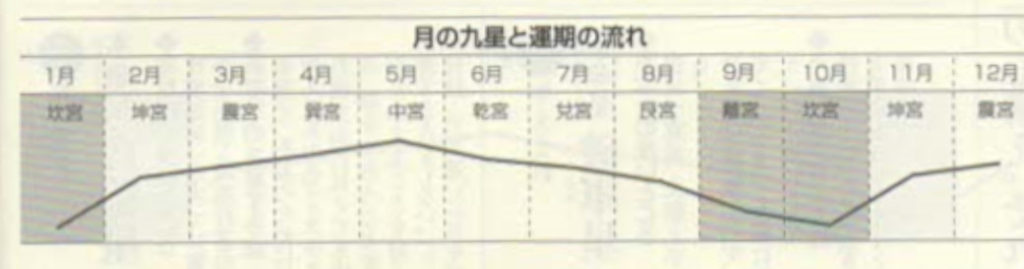
あなたの今年の運勢

中宮のあとをうけて、勢いはさらに下降気 味となります。

この宮における状態は、前年中宮にあった とき、どのように考え、どのように対処した かで、状況がきまります。

ほとんどは、中宮の混乱した勢いをそのま ま持ち込んできて、中宮のときにはまだ強い 勢いが残っていたのですが、ここではさらに 一段と勢いがおとろえるので、大きな変動が 起きやすい年です。

前年からの変化を知り、賢明冷静に対処し てきた人は、今年の前半、逆境の感がありま すが、後半、安定してきて、順境に向かうよう になります。

しかし、変化の多い年であり、吉凶あい半 ばする年となります。

自分の力以上のものに挑み失敗しないよ う注意しましょう。