UA-135459055-1

未分類

感覚器官の増幅


この地球上に、はるか以前からすでに出現しているのだ。 いつから?

いつからだとあなたは思うか?

一昨日から?

では、去年?

それは五〇〇〇年よりもっと以前からなのである!

6ホモ・エクセレンスの資格

ここにひとつの技術がある。


その技術によって訓練すると、ヒトはだれでもいくつかのすぐれた力を持つようになる。 その力をあげてみよう。

極度に発達した知能いちど目にふれ、いちど耳にしたことは、ぜったいに忘れること

のない記憶力。どのように複雑な構造でも組織でも、瞬間的に分析し、推理し、理解し 本質を把握してしまう演との力。コトバという間接思考を経ない純粋思考から 発する超飛躍的な創造力。

それは、ヒトの平均知能を一〇とするならば、おそらく、二・五から三・五に達する であろう。このグループの最高の頭脳は、 やすやすと四次元を理解する。

感覚器官の増幅彼は、 不可視光線(赤外線、紫外線)を見ることができ、超音波を聞く ことができる。その異常感覚と高度の知能の結合からくる予知力。 それらは、自分の肉体 思うままに統御する能力からくる。

三環境の制御と創造思うままに自分を変え、 他人を動かし、集団や環境を、自分の理念 の通りに創造してゆく。

四物質を超え、物質を自由に統御する力。

無限に発達した道徳意識。

だいたい、以上の能力である。

これを、前の項で述べたオリヴィエ教授の未来人、ホモ・エクセレンスの持つ能力とくらべて みよう。

それは、おどろくほど酷似している、というよりも、そっくりそのままといったほうがよいの


No matter how complex the structure or organization, the ability to instantly analyze, reason, understand, and grasp the essence. A super-dramatic creative power that comes from pure thinking that does not go through indirect thinking called words.

If the average human intelligence is 10, it will probably reach 2.5 to 3.5. The best minds in this group easily comprehend the fourth dimension.

Sense organ amplification He can see invisible light (infrared, ultraviolet) and he can hear ultrasound. Predictive power that comes from the combination of its abnormal senses and high intelligence. They come from your ability to control your body at will.

Controlling and creating three environments Change yourself at will, move others, and create groups and environments according to your own ideas.

A power that transcends the four substances and controls matter freely.

infinitely developed moral consciousness.


If the average human intelligence is 10, it will probably reach 2.5 to 3.5. The best minds in this group easily comprehend the fourth dimension.

Sense organ amplification He can see invisible light (infrared, ultraviolet) and he can hear ultrasound. Predictive power that comes from the combination of its abnormal senses and high intelligence. They come from your ability to control your body at will.

Controlling and creating three environments Change yourself at will, move others, and create groups and environments according to your own ideas.

A power that transcends the four substances and controls matter freely.

infinitely developed moral consciousness.

ソンディは、その中間にある家族的無意識の層を発見したのである

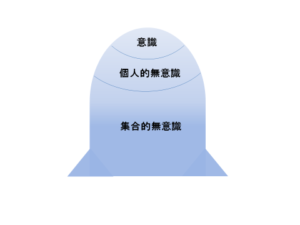
近代心理学は


(1)フロイトの個人的に抑圧された無意識の層、


(2)ユングの集合的(群衆)無意識の層、
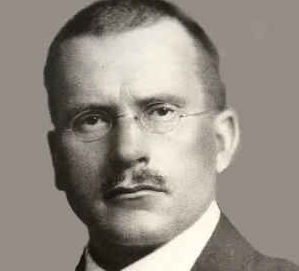
 

の二つの道を歩んできた。


 これに対し、

〔3}ソンディは、その中間にある家族的無意識の層を発見したのである。
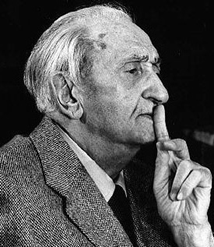
つまり、個人と群衆のあいだに「宗族」を発見したのだ。これは、当然、出ずべくして出でたものである。個人

にしても群衆にしても、だれひとりとして「家族」でなかったものはない。とすると、当然そこにひとつの無意識司が存在(または形成)されるはずである。

 では、その無意識層の中に、ゾンデ″はなにを発見したか?

 かれは、「家族的無意識」と名づける無意識層の中に、特殊な抑圧意識を発見したのである。

 それは、ひと口でいうならば、

  「個人のなかに抑圧されている祖先の欲求が、恋愛・友情・職業・疾病および死亡における無意識的選択行動とたって、個人○運命を決定する」

というのである。


 ソンディはこういう。

  「恋愛・友情・職業・疾病および死亡における選択の分析にもとづいて、選択の根源はこの家族欲求」

 つまり、ひとの、恋愛、友情、職業、病気、死にかたまで、すべて、それらを決定するのは、そのひとのこころの深奥にひそんでいる祖先の抑圧された意識である、というのである。


 これは、個人の運命を形成するこれらの選択行動は、意識的・理性的な考慮の上に立つ決断にょって決定されるのではなく、(もちろん表面的にはそれがなされるが、実際には)選択行動は衝動行為であり、衝動的に選択する無意識的なものによって動かされるのだということである。(ここまではフロイトもほとんどおなじである。フロイトとちがうのは、その衝動が、その宗族-祖先-にふかい関連、かおるというのである)


 それはなにかというと、ひとの運命を決定するものが、抑圧された祖先の欲求ばかりではないということである。それがすべてではないということだ。それは非常に大きな要因ではある、が、そればかりではないということである。

 なぜかというと、密教占星術によれば、運命の「時期」まで決定されているからである。ソンディ理論によれば、「形式」の形成の説明はつくけれども、「時期」が決定される説明はつかない。それは先祖の抑圧意識のほかにも要因、かおるからである。それについてのわたくしの理論と意見はここでは述べない。べつな機会にゆずることにする。かなりに厖大な址となるからである。

ソンディ理論は「平面彬成」(空間)の理論であり、このほかに「立体構成」(時間)の理論かおる。㈲の理論は、ソンディのごとく、心理学的方法でなされるが、時間の理論は数学的方法でなされ、かなりに難解なものになる。これはまたべつな一冊の書物となるであろう。


タテの因縁とヨコの因縁

タテの因縁とヨコの因縁

人間の持つ因縁の大体を述べてきた。

あなたも、これらの因縁の中のいくつかを必ず持っているはずである、
では、これらの因縁ぱ、いったい、どこから生じたのであろうか?

 仏陀は、経典の中で、
「種の差別は業に由る」 とおっしやっておられる。

つまり、「業」によって、人それぞれちがう因縁を持って生まれるのである、とおっしやっているのである。
では、業は、因縁に対してどのようにはたらくのか?

基本的には「タテの因縁」と「ヨコの因縁」となってあらわれると説く。
タテの因縁とはなほか?

先祖から受けついだ系である。

ヨコの囚縁とはなにか? 自分が前生でなした業である。

このタテの因縁とヨコの因縁の交わるところが、自分である。
図示すると、つぎのようになる。

タテの因縁
(祖先から受けついだ業)
ヨコの囚縁
(自分の前生になした業)
交わるところ
(我である)

つまり、祖先の業と、自分の前生の業と、この二つの業によって生じたのが、自分の因縁である。言葉を替えていえば、自分は、祖先の因縁と自分の前生になした因縁と、この二つによって、この世に生まれ存在しているわけである。この二つの系続から成り立って
いるのが、自分という存在だ。

 どんな人でも、親-祖先なくしては存在しない。ということは、親、祖先から、さまざまなものを受けついでいるということである。顔かたち、性格、体質、その他もろもろのものを受けついでいる、これはどんな人も否むことは出来ない。
有名な儒教の大学者、安岡正篤先生は、その著書『大学』(経書の書名)の講義の中で、こうのべておられる。


脳障害の因縁

この因縁は、精神病の場合と、精神病でない頭部の障害、の二種に分けられる。
すなわち、精神病(ノイローゼ、脳梅毒など)と、頭部の怪我、または脳溢血、脳軟化
症等の病気で、程度の軽い因縁の人ぱ年中、頭痛、肩こり、不眠症などに悩まされる。
肉体障害の因縁をあわせ持つ人は、脳溢血から中気になったり、頭の負傷で手足がきか
なくなったりする。脳性小児マヒなどもこの因縁のあらわれである。

二重人格の因縁

前記の脳障害の因縁の系列に入る因縁に、この二重人格の因縁がある。
酒を呑むと、ガラリと人が変わってしまって、全く別人のようになってしまう。
酒乱はこの因縁である。表面意識がアルコールで麻庫すると、遺伝している潜在意識や深層意識が浮かび出て、別の性格が入れかわって出て来るのである。異常性格・同性愛などもこの因縁である。
この因縁は、家運衰退の因縁にも深い関連があり、二、三代前の縁者で、非常に不幸な、恵まれない死に方をした人か、あるいは、他人で、その家に非常な怨念を抱いて死んだ者
のいることが特徴である。

癌の因縁

胃ガン、子宮ガンなど、この因縁を持つ人ぱ必ず癌になる。

循環器系統障害の因縁

心臓、腎臓、肝臓等の循環器系に故障を起こす因縁である。


Causes of brain damage

This cause can be divided into two types: mental illness and non-psychotic head disorders.
That is, mental illness (neurose, cerebral syphilis, etc.), head injury, or cerebral hemorrhage, cerebral malacia.
People with mild illnesses suffer from headaches, stiff shoulders, insomnia, etc. all year round.
People who have a cause of physical disability may be sick from cerebral hemorrhage or have limbs due to head injury.
It disappears. Cerebral palsy is also a manifestation of this cause.
1

Fate of dual personality

This dual personality is one of the factors that fall into the series of causes of brain damage.
When you drink alcohol, the person changes completely and you become like a completely different person.
The drunkenness is the cause of this. When the surface consciousness is filled with alcohol, the inherited subconscious and deep consciousness emerge, and another personality is replaced. Abnormal personality and homosexuality are also factors in this.
This connection is also closely related to the cause of the decline in family luck, and it is a relative of a few generations ago who died very unfortunately and underprivileged, or someone else who had a great grudge against the house. Those who died hugging
It is characteristic that there is.

Fate of cancer

People with this cause, such as stomach cancer and uterine cancer, will definitely get cancer.

Causes of cardiovascular disorders
It is a cause of failure in the circulatory system such as the heart, kidneys, and liver.


 そういう記憶が、もしも突然あらわれて、われわれを。現実的に、われわれの深層意識の中にひそむ悪しき先祖(の記憶)が、われわれを動かしているのである。

 たとえば、非常に多くの人に見られる「中途挫折の因縁」というのがある。なにをやっても中途で挫折、失敗して、ものごとをなしとげることのできない因縁である。


 これは、男性の場合、主として職業の上にあらわれ、女性の場合、恋愛・結婚の上にあらわれる。


 程度の差はあるけれども、ほとんどの人が持っているので、心理学者も深い興味をいだき、心理学の上からいろいろと考察している。


 つねに中途挫折をくりかえす人を「運命神経症」と名づけたのは、フロイトである。


この運命神経症というのは、その人の無意識の意識の中に、不可抗力的なある力が存在していて、いつもものごとが中途で挫折し失敗するようにさせられてしまうというものである。

 フロイトは、この無意識の中にひそむ力を、「反復強迫」とよんだ。


 こういう人の小さいときからの生活をしらべてみると、いつも、ものごとが、もうちょっとというところでダメになり、失敗しているのである。


それは、この人の心の奥トト意識しない意識の中に、ものごとをこわして 失敗してしまう方向に持っていこうとする自己破壊の心がはたらいて、そ うさせてしまうというのが、フロイトの説なのである。


  これは、フロイトだけではない。他の心理学者たちもみとめており、たとえば、メニンジャーはこれを「自己破壊の傾向を持つ精神形態」とよんでいる。


 こういう自己破壊の心は、いったいどこから生ずるのであろうか?


  これは、そのほとんどが、その人の祖先か、あるいは、祖先の周辺の人たちが原因しているのである。


ジグモンドーフロイト、カールーユングにつづく世界的な心理学者、リポットーソンディは、この現象にふかい興味を持って、てってい的に追求

動によるものであるとして、深層心理学の分野に、「運命心理学」「衝動心理学」というあらたな部門をきりひらいた。


 かれは、ここにあらわれる深層意識を「家族的無意識」と名づけた。


 それまでの深層心理学は、おおづかみに分けて、フロイトの「個人的無ていた。


 ところが、ソンディの運命分析心理学は、この二つの層の中間にある


「家族的無意識」という無意識の第三番目の領域をきりひらいたのである。

 つまり、「個人」と「群衆」の間に、「家族」を発見したわけだ。これは

じつにユニークな、そして妥当な発見であった。

 結論として、ソンディは、つぎのようにいうのである。個人の無意識層の中に抑圧されている特殊な祖先の欲求が、子孫の

。恋愛・(結婚)・友情・職業・疾病・および死亡の型式”における無 

意識的選択行動となって、その運命を決定する。

 先きに、私は、無意識層にひそむ祖先の記憶がわれわれを動かす、といった。ソンディは、祖先の欲求という表現をしている。結局おなじことを

いっているわけだが、心理学者としてのソンディの立場からすれば、この表現のほうが、妥当であろう。


 だが、なんと! このソンディの理論によると、中途挫折の因縁どころか、職業、友人、恋人や結婚相手の選択、病気、死にかた(!)まで決定されてしまうのである。だれに? 。特殊な祖先”に、である。


 これだけのものを。特殊な祖先”に決定されてしまったのでは、自分の意志など、まるっきり無いも同然ではないか。


 われわれはこれら人生のキイーポイントになるものを、すべて自分の意志や知性によって決定していると考えている。


 しかし、じっさいはそうではなかったのである。自分の無意識層の中にひそむ。祖先の特殊な欲求”がわれわれの知らぬうちに、われわれを動かして、それを決定しいたのである。

 われわれは、。祖先の特殊な欲求”にふりまわされているのだ。どのようにふりまわされているのか。


じつは、この「運命分析心理学」の創始者、リポットーソンディ博士は、自分自身、この「特殊な祖先の欲求」にふりまわされかけた体験を持つのである


If such a memory suddenly appears, we. Realistically

The evil ancestors (memories) hidden in our deep consciousness move us

I’m doing it.

For example, there is a “fate of halfway setback” that is seen in so many people.

To. No matter what I do, I get frustrated, fail, and get things done

It is a cause that cannot be done.

In the case of men, this mainly appears on the occupation, and in the case of women, love

Appears on love and marriage.

Although there are differences in degree, most people have it, so psychologists also

He is deeply interested and considers various things from the perspective of psychology.

It was Freud who named the person who constantly repeats frustration as “fate neurosis”.

This fateful neurosis is force majeure in the unconscious consciousness of the person.

There is a certain power, so that things always fail in the middle

It is supposed to be made to.

Freud called this unconscious power hidden in “repetitive compulsion”.

When looking at the life of such a person from a young age, it was always a thing

However, it has failed in a little while.

It breaks things in the unconscious consciousness of this person’s heart.

The self-destructive mind that tries to take it in the direction of failure is working, that 46

Freud’s theory is that it makes him sick.

This is not just Freud. Other psychologists are also aware of it

Speaking of which, Meninger calls this a “mental form with a tendency to self-destruct.”

Where does this kind of self-destructive mind come from?

Most of this is the person’s ancestors or people around the ancestors

It is caused by us.

Sigmund Freud, a global psychologist following Karlou Jung, Li

Potto Sondy has a keen interest in this phenomenon and pursues it

Assuming that it was due to movement, he opened new departments in the field of deep psychology, “fate psychology” and “impulsivity psychology”.

He named the deep consciousness that appears here “family unconscious”.

The deep psychology up to that point was divided into two parts, Freud’s “personal absence.

However, Sondy’s fate analysis psychology lies between these two layers.

It opened up the third area of ​​the unconscious, the “family unconscious.”

In other words, I found a “family” between the “individual” and the “crowd.” this is

It was a truly unique and reasonable discovery.

In conclusion, Sondy says as follows. The desire of a special ancestor, which is suppressed in the unconscious layer of the individual, is the desire of the descendants

.. Nothing in “types of love, (marriage), friendship, occupation, illness, and death”

It becomes a conscious choice action and determines its fate.

Earlier, I said that the memories of our ancestors hidden in the unconscious layer move us.

It was. Sondy describes it as the desire of his ancestors. After all, the same thing

That being said, from Sondy’s point of view as a psychologist, this expression would be more appropriate.

But what! According to Sondy’s theory, not only the cause of the frustration, but also the occupation, friends, choice of lover or marriage partner, illness, and death (!) Are decided. To whom? .. To a special ancestor.

Only this one. If it was decided to be a “special ancestor”, it would be almost as if there was no intention of oneself.

We have all the key points of our lives

I think it is determined by aspiration and intellect.

However, that was not the case. Hide in your unconscious layer. “The special desires of our ancestors” moved us and decided it without our knowledge.

we,. It is being swayed by the special desires of its ancestors. How is it being swayed?

In fact, Dr. Lipotto Sondi, the founder of this “Fate Analysis Psychology”,

I myself have the experience of being swayed by this “special ancestral desire”.
フロイドをはじめとした精神分析学派は、遺伝子要素(先天的な素質)はあまり重視せず、親子関係や生まれてからの環境を重視し、人は環境にはたらきかけることによって、変わりうるという環境論に基づいています。

人は宿命から逃れられないのか?

人間、本来もって生まれた先天的なものと環境のもとで培った、後天的なものとの組み合わせだからです。

ソンディの「運命分析学」は、遺伝と環境を統合させた新しい学説といえます。

ソンディの運命分析理論の画期的なところは、運命を「人間の隠された生活プラン」と考えており、宿命としてあきらめてしまわず、人間は選択する意思をもつというところに存在意義をみとめている点です。

>

あなたの運命は変えられる―ソンディ博士の運命学 (1979年)

中古価格
¥6,000から
(2019/6/24 13:10時点)

瞑想  基本的


四種の呼吸法


 瞑想の呼吸法は、四種の呼吸法から成り立つ。

 一、長出入息呼吸法

 二、長山息呼吸法

 三、反式呼吸法

 四、強短息呼吸法(火の呼吸法)

 である。

 簡単に説明すると、

長出大息呼吸法は、出る息、入る息、どちらも、で きるだけ細く長く深く呼吸する。一呼吸に二十秒から三十秒、一分くらい、時 間をかける。


の長出息呼吸法は、出る息のみをできるかぎり細く長く吐いて、吸う息は  つうに吸うつうに吸う。

3の反式呼吸法は、ふつうの呼吸とちかって、息を吸うとき、腹部をひっこ め、息を吐くとき、腹部をふくらませる。ちょうど逆になるわけである。

4強短息呼吸法は、「火の呼吸法」とよび、片方の鼻孔を指で押さえて閉 じ、片方の鼻孔で強く短く呼吸する。

Four types of breathing


The meditation breathing method consists of four types of breathing methods.
1. Long breathing breathing method
2. Nagayama breathing method
Third, anti-breathing method
4. Strong and short breathing method (fire breathing method)

It is.

To briefly explain,

1
The long-breathing breathing method is to breathe as thin, long and deep as possible for both out and in. Take 20 to 30 seconds, 1 minute, or so for each breath.


In the long-breathing breathing method of 2, exhale only the exhaled breath as thin and long as possible, and inhale as much as possible.
The counter-breathing method of 3 is different from normal breathing, in which the abdomen is retracted when inhaling and the abdomen is inflated when exhaling. It’s just the opposite.
The 4 strong short breath breathing method is called “fire breathing method”, and one nostril is pressed with a finger to close it, and one nostril is used for strong and short breathing.


 それでは、四種の呼吸法の訓練を説明しよう。


長出入息呼吸法の訓練

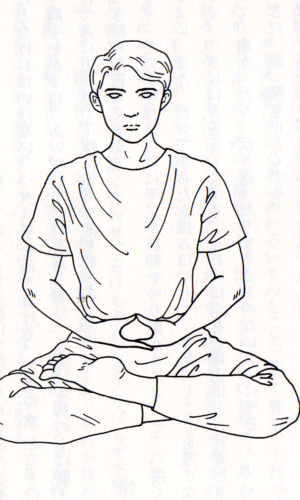
 鉄坐、あるいは椅子坐、いずれにしても、頭部、頚部をごく自然に、まっすぐ、きちんとした姿勢をとる。ただし、あまり緊張しすぎて力んだり、硬直したりしてはいけない。ゆったりと、リラックスすることが大切である。

 そのためには、頭部、頚部の緊張を解くために、前頭部を心もち前に出し、の顎を少し中へ引くようにして、頭部をやや下げるようにするとよい。同時に、前胸部も少しひっこめるようにし、腹部は少し前に出し、両肩は力を入れず、自然な姿勢をとる。背中は心もち前に曲げ、腹部の容積を大きくするようにする。

Now let’s explain the training of four types of breathing.


Long breath breathing training

Whether it is an iron seat or a chair seat, the head and neck should be in a very natural, straight and neat posture. However, don’t be too nervous and stiff or stiff. It is important to relax and relax.

For that purpose, in order to relieve tension in the head and neck, it is advisable to bring the frontal region forward and pull the chin slightly inward to lower the head slightly. At the same time, the precordium should be slightly retracted, the abdomen should be slightly forward, and both shoulders should be relaxed and take a natural posture. Bend your back forward to increase the volume of your abdomen.

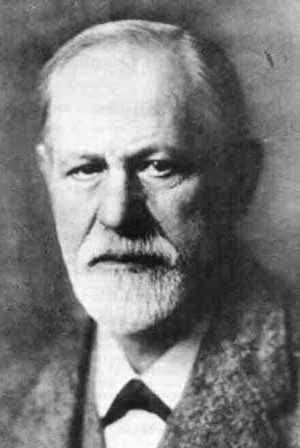
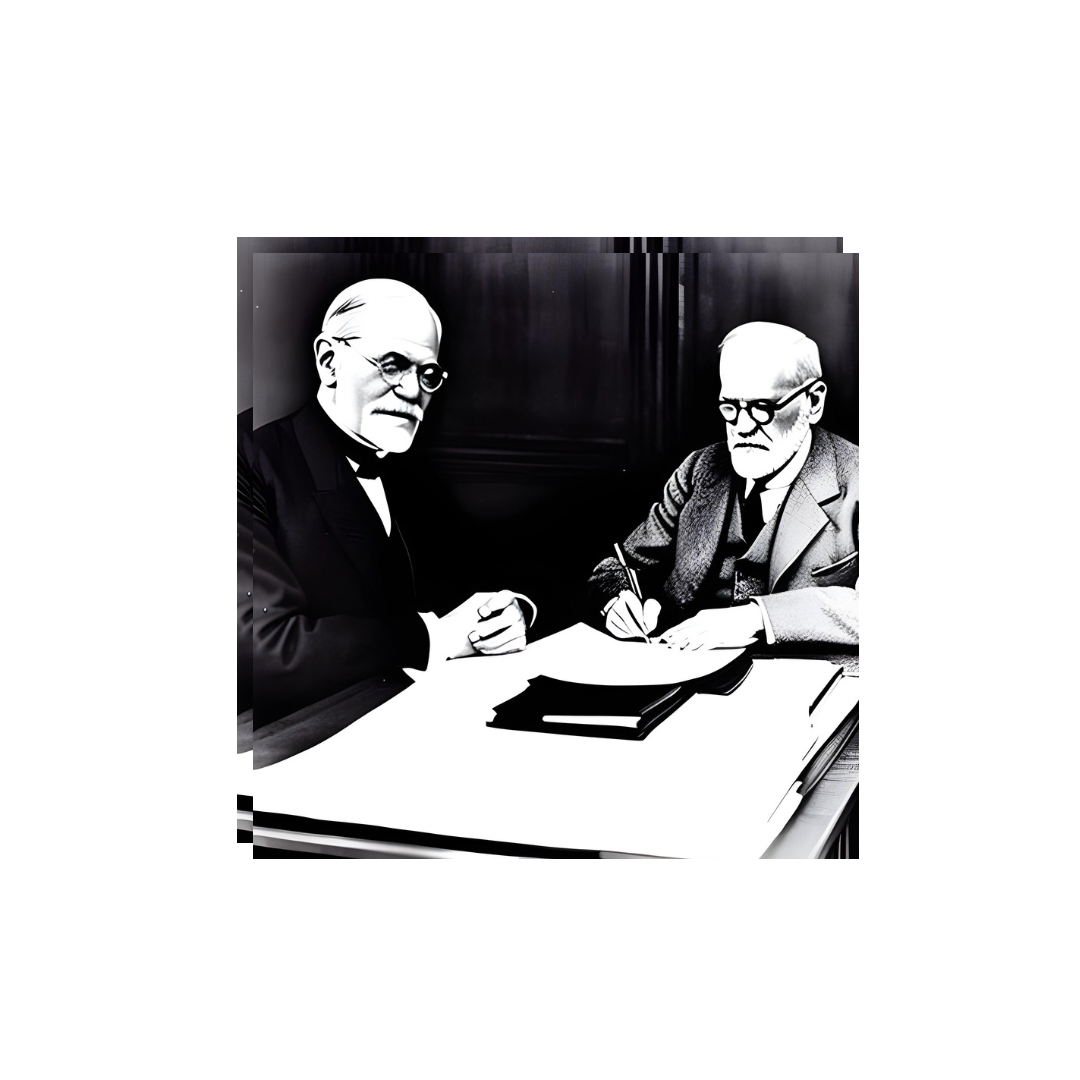
Sigmund Freud made a significant contribution to psychology by analyzing individuals’ unconscious layers. Later, Carl Gustav Jung focused on the collective unconscious (group psychology). Then, Wolfgang Luthe studied the area of the unconscious that lies between these two layers, called the familial unconscious.

The family’s unconscious refers to the domain of the unconscious mind that is formed by the family in which an individual is born and raised. This unconscious domain includes the family’s values, beliefs, cultural characteristics, as well as the relationships and patterns within the family. These elements are believed to influence an individual’s behavior and thinking.

1 メシア ( 仏陀 ) の法 Messiah (Buddha) Law system of Dharma 1


呼吸法、といっているけれども、たんなる呼吸作用のコントロール法ではなく、このあとで説く「チャクラ」「プラーナ」「クンダリニー・エネルギー」(気道) 「ムドラー」「瞑想」「マントラ詠唱」など、すべての技法を綜合しておこなわれるもので、仏陀の成仏法の最終段階のものである。


この四つの呼吸法 (繰り返していうが、たんなる呼吸法ではない)で、仏陀の成仏法は完成されるのである。


この呼吸法については、またあとで説く。


仏陀の気道の法


前の節を読まれたら、大体おわかりであろう。
仏陀も、四神足法において、やはり、死道を用いていたのである。


行息」 気息を行らす


、というからには、めぐらす道」がなければならない。その道が,気道である。


ただし、仏陀の気道は、クンダリニー・ヨーガの気道とはかなり違うものである。


それは、クンダリニー・ヨーガの気道の欠陥――、欠陥というより不十分な部分、を補足したものといってよいだろう。

なぜ、そういうことがいえるのか?


わたくしは、仏陀の行息法が後に中国に渡って、道教の仙道になっていったものと
考えるのである。すなわち、道教の修行の原点は、

仏陀の成仏法

にあるのである。

道教の基本的修行に、「内気の法」というのがある。また、「行気の法」がある。こ
れらは、阿含経に説かれているシャカの「行息の法」に外ならない。

道教が、仏陀の成仏法を受けついでいると断定する一つの証として、つぎのような
ことがあげられる。
いま言った道教の内気の法の気道に、泥丸という部位がある。頭頂にあってクンダリニー・ヨーガでは、サハスラーラ・チャクラにあたる部位で、道教でも最高のさと
りの部位になっている。


この泥丸という名称はどこから来たのか?


これは、仏陀が説く「涅槃」すなわちニルヴァーナを音写したものなのである。こ
の部位を目ざめさせると、涅槃に到達するというところから、名づけられたものである。

このことは、仏陀の修行法と、クンダリニー・ヨーガ、そして道教、との関連を語
るものにほかならず、たいへん興味深いものといえよう。このほかにも、いくつか、
これに類した例をあげることが出来る。


Although it is called the breathing method, it is not just a method of controlling the breathing action, but all techniques such as “chakra”, “prana”, “kundalini energy” (airway), “mudler”, “meditation”, and “mantra chanting”. It is the final stage of the Buddhist mantra meditation.

These four breathing methods (again, not just breathing methods) complete the Buddhahood’s Buddhahood method.
I will explain this breathing method later. Oak

Buddha’s airway law

If you read the previous section, you’ll probably understand. The Buddha also used the dead path in the Iddhipada method.

“Breathing” To breathe, there must be a way to go around. That way is the airway.
However, the airway of the Buddha is quite different from the airway of Kundalini Yoga.
It can be said to supplement the deficiencies in the Kundalini Yoga airways-the inadequate rather than the deficiencies.
Why can you say that?
I think that the Buddha’s breathing method later moved to China and became a Taoist sendo. In other words, the origin of Taoist training lies in the Buddhahood’s Buddhahood method.
One of the basic practices of Taoism is the “law of shyness.” In addition, there is a “law of spirit”. These are none other than Shaka’s “law of breath”, which is explained in Agama.
The following is one proof that Taoism has accepted the Buddhahood of the Buddhahood. There is a part called Mudmaru in the airway of the Taoist shyness law that I just mentioned. At the top of the head, in Kundalini Yoga, it is the part corresponding to the Sahaslara chakra, which is the best part of Satori in Taoism.

Where did the name Mudmaru come from?
This is a transcription of the “Nirvana” or Nirvana that the Buddha preaches. It was named because it reaches Nirvana when this part is awakened.
This is very interesting because it talks about the connection between Buddhist practice, Kundalini yoga, and Taoism. In addition to this, there are some similar examples.

プラーナ


プラーナは、古代インドの哲学やヨーガの文脈で用いられる用語で、生命力やエネルギー、息吹などの意味を持ちます。プラーナは、身体や心、精神など、人間を構成する要素に関連しており、体内で呼吸によって取り込まれた空気を通じて体内に取り込まれると考えられています。

プラーナには、主に5つの種類があります。それぞれの種類は、体内の異なる部位に関連しています。たとえば、プラーナ・ヴァーヤウ(Prana Vayu)は、上部の呼吸器系、プラーナパーナ(Prana-Apana)は、下部の呼吸器系、アパーナ(Apana)は排泄器系、ウダーナ(Udana)は喉や口、ヴィヤーナ(Vyana)は全身の血液循環といったように、それぞれ特定の機能や役割を持っています。

プラーナは、ヨーガや瞑想などの実践において、呼吸法や体のポーズなどを通じて制御されることがあります。プラーナを調整することで、身体や心、精神のバランスを整えたり、集中力を高めたり、精神的な浄化を促進したりすることができます。

gomabon1999@gmail.com
英語で

Prana (Sanskrit: प्राण, prāṇa) refers to breath, life force, or energy in Sanskrit, which is a language of ancient India. In the context of Indian philosophy and yoga, Prana is considered to be the vital energy that sustains life and connects the body, mind, and spirit. It is believed that Prana enters the body through the breath and flows through channels called Nadis to energize and nourish every cell and organ.

There are five main types of Prana, each associated with specific functions in the body. These are Prana Vayu (breath that governs the upper chest and heart), Apana Vayu (breath that governs the lower abdomen and pelvic region), Samana Vayu (breath that governs the middle region of the body), Udana Vayu (breath that governs the throat and speech), and Vyana Vayu (breath that governs the circulation of blood and energy throughout the body).

In yoga and meditation, Prana is often regulated through breathing techniques (pranayama) and physical postures (asanas) to bring balance to the body and mind, increase focus and concentration, and promote spiritual purification.

超弦理論

超弦理論(ちょうげんりろん、: superstring theory)は、物質の基本的な構成要素を理解するためのモデルであり、物理学理論仮説の1つ[1]物質の基本的単位を、大きさが無限に小さな0次元点粒子ではなく、1次元の拡がりをもつ弦であると考える弦理論に、超対称性という考えを加え、拡張したもの。超ひも理論スーパーストリング理論とも呼ばれる。

宇宙の姿やその誕生のメカニズムを解き明かし、同時に原子素粒子クォークといった微小な物のさらにその先の世界を説明できる仮説として、この理論の中ではほぼ矛盾なく高度に完成している。[要出典]しかし、本理論を裏付けるような実験結果は十分得られていない。また、この理論を実証する実験のために必要なエネルギーは、人類が扱える範囲を逸脱していると想定されるため、この理論の検証可能性については議論の余地がある。

ラーガラージャRāga-rāja


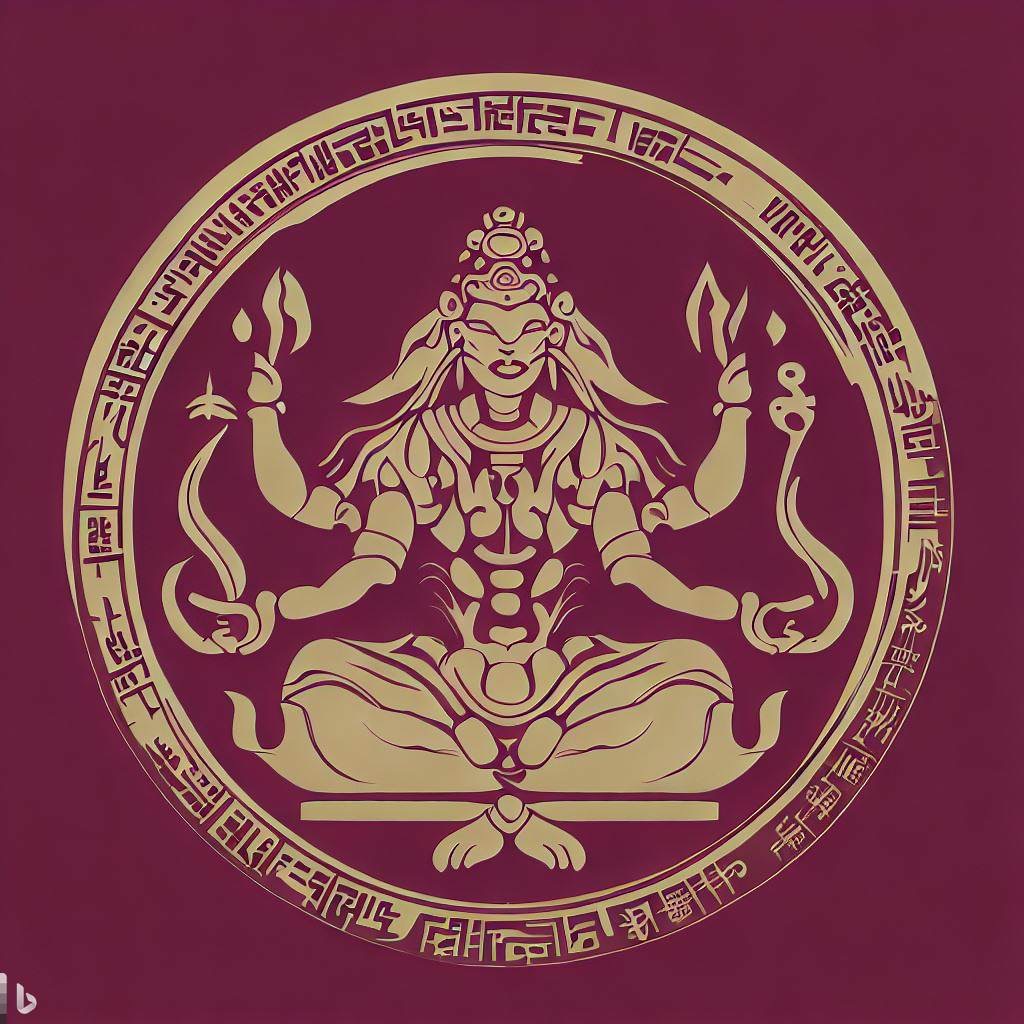
密教忿怒(ふんぬ)部あるいは明王部に属する尊像。愛染王とも略称される。サンスクリット名はラーガラージャRāga-rājaで、ラーガ(羅我と音訳する)とは赤色、情欲、愛染の意、ラージャ(羅闍)は王の意。金剛薩埵(こんごうさった)(金剛王菩薩(ぼさつ)と同体)の所変で17尊を眷属(けんぞく)とするが、まれには愛染曼荼羅(まんだら)にみられるように37尊を眷属とする。愛染明王の意味は、人間がもっている愛欲をむさぼる心(愛欲貪染(とんぜん))を金剛薩埵の浄菩提心(じょうぼだいしん)の境地(三昧(さんまい))にまで高めた状態をいう。すなわち煩悩(ぼんのう)即菩提のことで、人の煩悩も仏の悟りの智慧(ちえ)に等しいことを意味する。通常は日輪を光背にした四臂(よんぴ)像あるいは六臂像が多いが、両界(りょうかい)曼荼羅中にはない。『金剛峯楼閣一切瑜伽瑜祇経(こんごうほうろうかくいっさいゆがゆぎきょう)』によると、六臂像は身色が赤く、三目で、頭上に獅子冠(ししかん)、天帯(横帯)をつける。持物(じもつ)は左第一手は(こぶし)(儀軌には「彼」と記す)、第二手は五鈷杵(ごこしょ)、第三手は金剛弓(箭(や))、右第一手は蓮華(れんげ)、第二手は五鈷杵、第三手は金剛箭。像は宝瓶(ほうびょう)上にある赤色の蓮台(れんだい)に結跏趺坐(けっかふざ)する。異形像としては、円珍本の系統に、火焔(かえん)光背で天に向かって弓を引く「天弓愛染明王像」があり、さらに中世には不動明王と合体した「両頭愛染明王」があり、独自の信仰をもつ。


This statue belongs to the Vajrayana Buddhist tradition and is classified as a deity in the Fudō Myō-ō or “Acalanatha” group of deities. It is also commonly known as Aizen Myō-ō. The Sanskrit name for this deity is Rāgarāja, with “rāga” meaning red, desire, or passion, and “rāja” meaning king.

Aizen Myō-ō is considered to be an emanation of the bodhisattva Vajrasattva, and is often depicted with a fierce expression, holding a vajra and a bell, and trampling on demons or other obstacles. The deity is also accompanied by 16 other deities, making a total of 17 in the retinue.

Devotees of Aizen Myō-ō believe that the deity’s power can help them overcome negative emotions and attain spiritual purity