The family’s unconscious refers to the domain of the unconscious mind that is formed by the family in which an individual is born and raised. This unconscious domain includes the family’s values, beliefs, cultural characteristics, as well as the relationships and patterns within the family. These elements are believed to influence an individual’s behavior and thinking.
未分類
今日の運命
1 メシア ( 仏陀 ) の法 Messiah (Buddha) Law system of Dharma 1
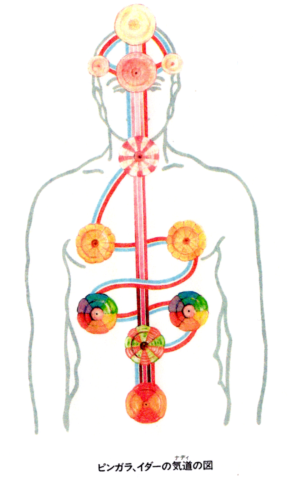
呼吸法、といっているけれども、たんなる呼吸作用のコントロール法ではなく、このあとで説く「チャクラ」「プラーナ」「クンダリニー・エネルギー」(気道) 「ムドラー」「瞑想」「マントラ詠唱」など、すべての技法を綜合しておこなわれるもので、仏陀の成仏法の最終段階のものである。
この四つの呼吸法 (繰り返していうが、たんなる呼吸法ではない)で、仏陀の成仏法は完成されるのである。
この呼吸法については、またあとで説く。
仏陀の気道の法
前の節を読まれたら、大体おわかりであろう。
仏陀も、四神足法において、やはり、死道を用いていたのである。
「行息」 気息を行らす、
、というからには、めぐらす道」がなければならない。その道が,気道である。
ただし、仏陀の気道は、クンダリニー・ヨーガの気道とはかなり違うものである。
それは、クンダリニー・ヨーガの気道の欠陥――、欠陥というより不十分な部分、を補足したものといってよいだろう。
なぜ、そういうことがいえるのか?
わたくしは、仏陀の行息法が後に中国に渡って、道教の仙道になっていったものと
考えるのである。すなわち、道教の修行の原点は、
仏陀の成仏法
にあるのである。
道教の基本的修行に、「内気の法」というのがある。また、「行気の法」がある。こ
れらは、阿含経に説かれているシャカの「行息の法」に外ならない。
道教が、仏陀の成仏法を受けついでいると断定する一つの証として、つぎのような
ことがあげられる。
いま言った道教の内気の法の気道に、泥丸という部位がある。頭頂にあってクンダリニー・ヨーガでは、サハスラーラ・チャクラにあたる部位で、道教でも最高のさと
りの部位になっている。
この泥丸という名称はどこから来たのか?
これは、仏陀が説く「涅槃」すなわちニルヴァーナを音写したものなのである。こ
の部位を目ざめさせると、涅槃に到達するというところから、名づけられたものである。
このことは、仏陀の修行法と、クンダリニー・ヨーガ、そして道教、との関連を語
るものにほかならず、たいへん興味深いものといえよう。このほかにも、いくつか、
これに類した例をあげることが出来る。
Although it is called the breathing method, it is not just a method of controlling the breathing action, but all techniques such as “chakra”, “prana”, “kundalini energy” (airway), “mudler”, “meditation”, and “mantra chanting”. It is the final stage of the Buddhist mantra meditation.
These four breathing methods (again, not just breathing methods) complete the Buddhahood’s Buddhahood method.
I will explain this breathing method later. Oak
Buddha’s airway law
If you read the previous section, you’ll probably understand. The Buddha also used the dead path in the Iddhipada method.
“Breathing” To breathe, there must be a way to go around. That way is the airway.
However, the airway of the Buddha is quite different from the airway of Kundalini Yoga.
It can be said to supplement the deficiencies in the Kundalini Yoga airways-the inadequate rather than the deficiencies.
Why can you say that?
I think that the Buddha’s breathing method later moved to China and became a Taoist sendo. In other words, the origin of Taoist training lies in the Buddhahood’s Buddhahood method.
One of the basic practices of Taoism is the “law of shyness.” In addition, there is a “law of spirit”. These are none other than Shaka’s “law of breath”, which is explained in Agama.
The following is one proof that Taoism has accepted the Buddhahood of the Buddhahood. There is a part called Mudmaru in the airway of the Taoist shyness law that I just mentioned. At the top of the head, in Kundalini Yoga, it is the part corresponding to the Sahaslara chakra, which is the best part of Satori in Taoism.
Where did the name Mudmaru come from?
This is a transcription of the “Nirvana” or Nirvana that the Buddha preaches. It was named because it reaches Nirvana when this part is awakened.
This is very interesting because it talks about the connection between Buddhist practice, Kundalini yoga, and Taoism. In addition to this, there are some similar examples.
プラーナ
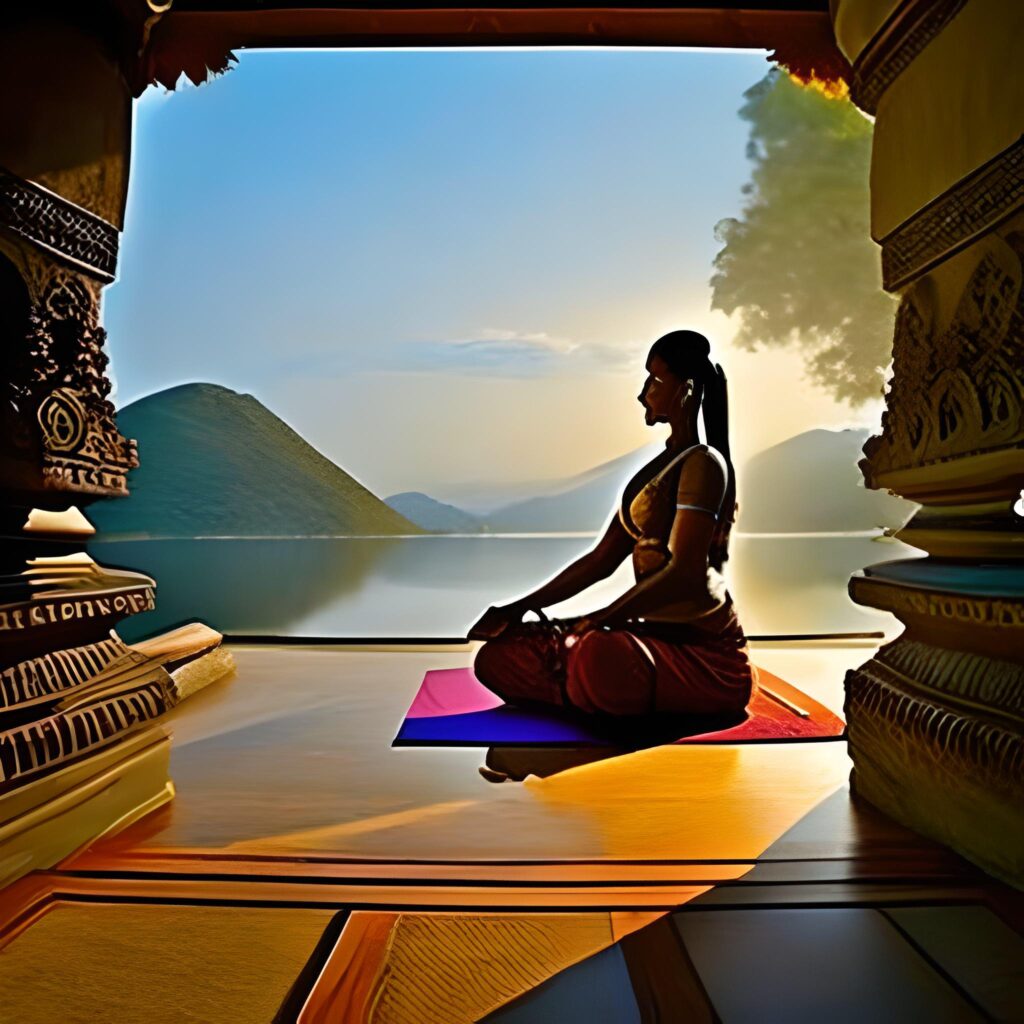
プラーナは、古代インドの哲学やヨーガの文脈で用いられる用語で、生命力やエネルギー、息吹などの意味を持ちます。プラーナは、身体や心、精神など、人間を構成する要素に関連しており、体内で呼吸によって取り込まれた空気を通じて体内に取り込まれると考えられています。
プラーナには、主に5つの種類があります。それぞれの種類は、体内の異なる部位に関連しています。たとえば、プラーナ・ヴァーヤウ(Prana Vayu)は、上部の呼吸器系、プラーナパーナ(Prana-Apana)は、下部の呼吸器系、アパーナ(Apana)は排泄器系、ウダーナ(Udana)は喉や口、ヴィヤーナ(Vyana)は全身の血液循環といったように、それぞれ特定の機能や役割を持っています。
プラーナは、ヨーガや瞑想などの実践において、呼吸法や体のポーズなどを通じて制御されることがあります。プラーナを調整することで、身体や心、精神のバランスを整えたり、集中力を高めたり、精神的な浄化を促進したりすることができます。

英語で
Prana (Sanskrit: प्राण, prāṇa) refers to breath, life force, or energy in Sanskrit, which is a language of ancient India. In the context of Indian philosophy and yoga, Prana is considered to be the vital energy that sustains life and connects the body, mind, and spirit. It is believed that Prana enters the body through the breath and flows through channels called Nadis to energize and nourish every cell and organ.
There are five main types of Prana, each associated with specific functions in the body. These are Prana Vayu (breath that governs the upper chest and heart), Apana Vayu (breath that governs the lower abdomen and pelvic region), Samana Vayu (breath that governs the middle region of the body), Udana Vayu (breath that governs the throat and speech), and Vyana Vayu (breath that governs the circulation of blood and energy throughout the body).
In yoga and meditation, Prana is often regulated through breathing techniques (pranayama) and physical postures (asanas) to bring balance to the body and mind, increase focus and concentration, and promote spiritual purification.
超弦理論
超弦理論

宇宙の姿やその誕生のメカニズムを解き明かし、同時に原子、素粒子、クォークといった微小な物のさらにその先の世界を説明できる仮説として、この理論の中ではほぼ矛盾なく高度に完成している。[要出典]しかし、本理論を裏付けるような実験結果は十分得られていない。また、この理論を実証する実験のために必要なエネルギーは、人類が扱える範囲を逸脱していると想定されるため、この理論の検証可能性については議論の余地がある。
ラーガラージャRāga-rāja
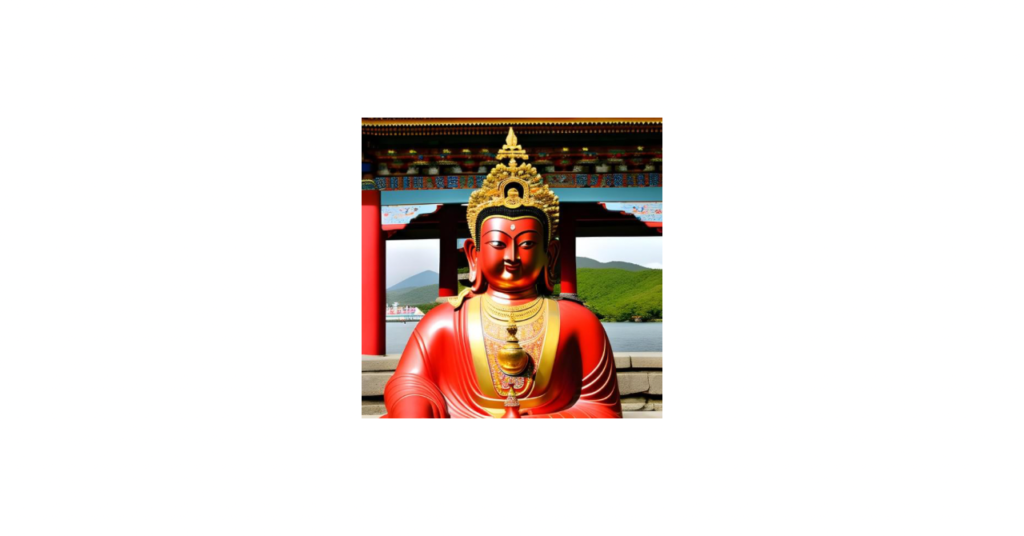
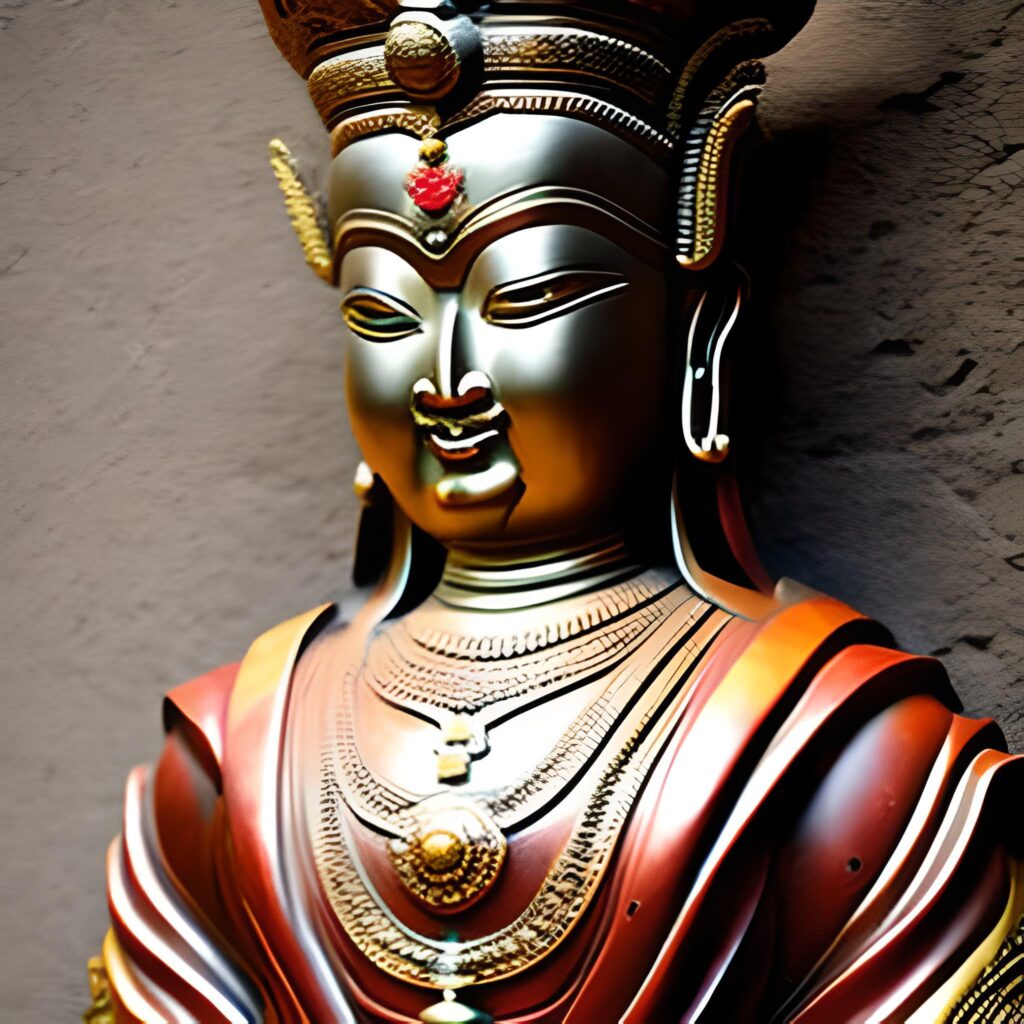
密教の忿怒(ふんぬ)部あるいは明王部に属する尊像。愛染王とも略称される。サンスクリット名はラーガラージャRāga-rājaで、ラーガ(羅我と音訳する)とは赤色、情欲、愛染の意、ラージャ(羅闍)は王の意。金剛薩埵(こんごうさった)(金剛王菩薩(ぼさつ)と同体)の所変で17尊を眷属(けんぞく)とするが、まれには愛染曼荼羅(まんだら)にみられるように37尊を眷属とする。愛染明王の意味は、人間がもっている愛欲をむさぼる心(愛欲貪染(とんぜん))を金剛薩埵の浄菩提心(じょうぼだいしん)の境地(三昧(さんまい))にまで高めた状態をいう。すなわち煩悩(ぼんのう)即菩提のことで、人の煩悩も仏の悟りの智慧(ちえ)に等しいことを意味する。通常は日輪を光背にした四臂(よんぴ)像あるいは六臂像が多いが、両界(りょうかい)曼荼羅中にはない。『金剛峯楼閣一切瑜伽瑜祇経(こんごうほうろうかくいっさいゆがゆぎきょう)』によると、六臂像は身色が赤く、三目で、頭上に獅子冠(ししかん)、天帯(横帯)をつける。持物(じもつ)は左第一手は拳(こぶし)(儀軌には「彼」と記す)、第二手は五鈷杵(ごこしょ)、第三手は金剛弓(箭(や))、右第一手は蓮華(れんげ)、第二手は五鈷杵、第三手は金剛箭。像は宝瓶(ほうびょう)上にある赤色の蓮台(れんだい)に結跏趺坐(けっかふざ)する。異形像としては、円珍本の系統に、火焔(かえん)光背で天に向かって弓を引く「天弓愛染明王像」があり、さらに中世には不動明王と合体した「両頭愛染明王」があり、独自の信仰をもつ。
This statue belongs to the Vajrayana Buddhist tradition and is classified as a deity in the Fudō Myō-ō or “Acalanatha” group of deities. It is also commonly known as Aizen Myō-ō. The Sanskrit name for this deity is Rāgarāja, with “rāga” meaning red, desire, or passion, and “rāja” meaning king.
Aizen Myō-ō is considered to be an emanation of the bodhisattva Vajrasattva, and is often depicted with a fierce expression, holding a vajra and a bell, and trampling on demons or other obstacles. The deity is also accompanied by 16 other deities, making a total of 17 in the retinue.
Devotees of Aizen Myō-ō believe that the deity’s power can help them overcome negative emotions and attain spiritual purity
般若心教
般若心教
観自在菩薩行深般若波羅蜜多時照見五 蘊皆空度一切苦厄舎利子色不異空空不 異色色即是空空即是色受想行識亦復如 是舎利子是諸法空相不生不滅不垢不浄 不増不減是故空中無色無受想行識無眼 耳鼻舌身意無色声香味触法無眼界乃至 無意識界無無明亦無無明尽乃至無老死 亦無老死尽無苦集滅道無智亦無得以無 所得故菩提薩捶依般若波羅蜜多故心無 罫礙無罫礙故無有恐怖遠離一切顛倒夢 想究竟涅槃三世諸仏依般若波羅蜜多故 得阿耨多羅三貌三菩提故知般若波羅蜜 多是大神呪是大明呪是無上呪是無等等 呪能除一切苦真実不虚故説般若波羅蜜 多呪即説呪曰 羯諦羯諦 波羅羯諦 波羅僧羯諦 菩提薩婆訶 般若心経
Manipura Chakra
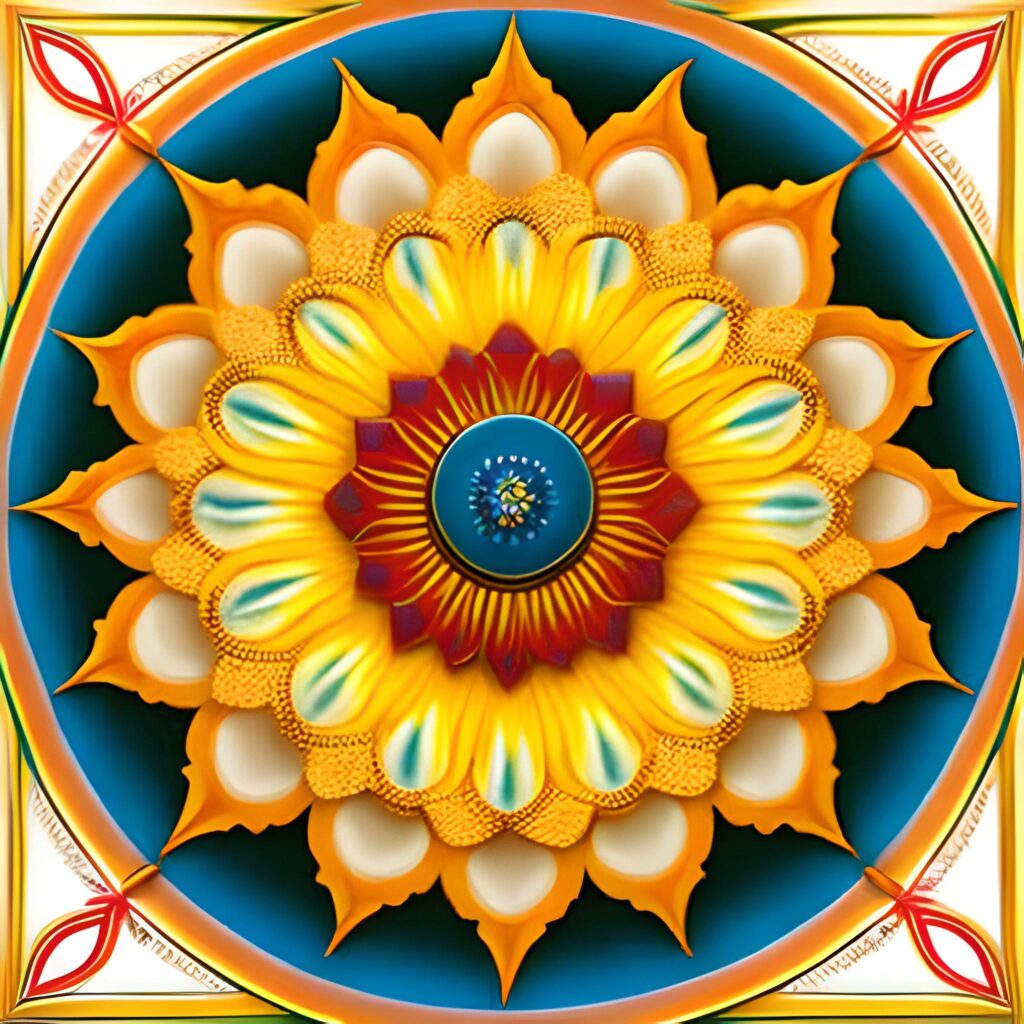
- Manipura Chakra
According to the Yoga Sutras, “by applying mastery to the navel center, one gains knowledge of the internal organs.” This refers to the Manipura Chakra, which not only allows us to gain knowledge of our internal organs but also gives us the ability to control them freely. This includes not only controlling our own body but also the bodies of others, allowing us to instantly heal others’ illnesses and ailments.
念と異次元、 ブレーンワールド理論
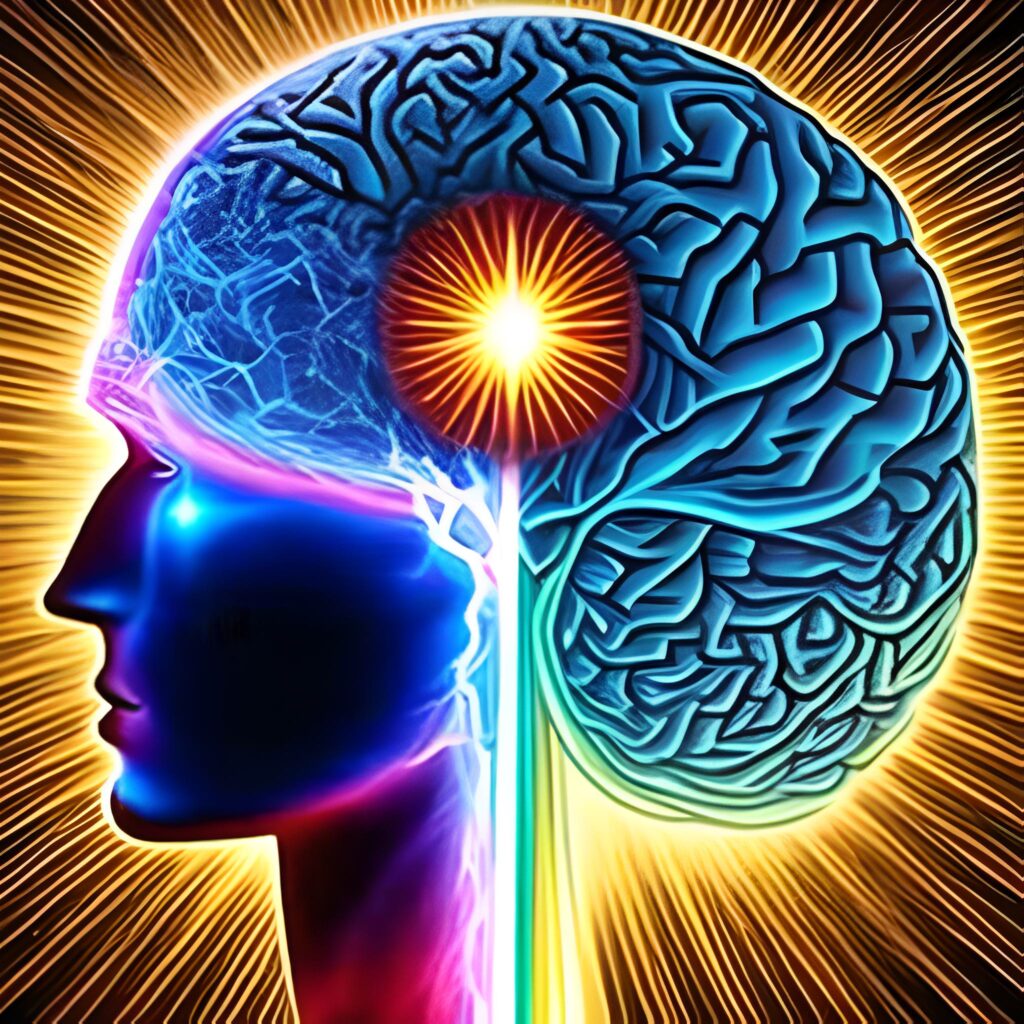
念と異次元、
ブレーンワールド理論は、我々が知っている4次元の時空(3次元空間+時間)が、さらに高次元の時空(バルク)の中に存在する膜(ブレーン)のようなものであるという考え方に基づいています。この理論では、我々が経験する現象は、我々自身を含む標準模型の素粒子の相互作用が4次元世界面(ブレーン)上に閉じ込められているために説明できるとされています。一方、余剰次元(5次元目以降の次元)は重力だけが伝播できるとされています。
リサ・ランドール 理論
重力だけが伝播できるとされています、
念、も
ゴマ 一日
明日は、関東別院において4月朔日縁起宝生護摩が執り行われ、 北海道本部・各道場へ中継されます。
なお、道場にお越しになれない方はライブ配信にてご参拝ください
■4/1(土) 午前6:50中継開始
https://agon-tuitachilive.com/
再配信:当日午前10時から4日午前10時迄
[お知らせ
・北海道全地区の北海道サヘート・マヘート建立お導き誓願が、無
皆様大変お疲れさまでした。
北海道サヘートマヘート建立へ向け、大きく前進できたと思います
お名前com

ロリポップ

クリエイターがたくさん使ってる、ロリポップ!
独自ドメインやデータベース、PHP・CGI・SSIはもちろん
大人気WordPressなどの簡単インストールをはじめ、
カート機能、cron、SSH、共有/独自SSLなど機能満載。
メールアドレスはいくつでも作成可能!
容量最大1TBで月額110円から。

サプリメント
