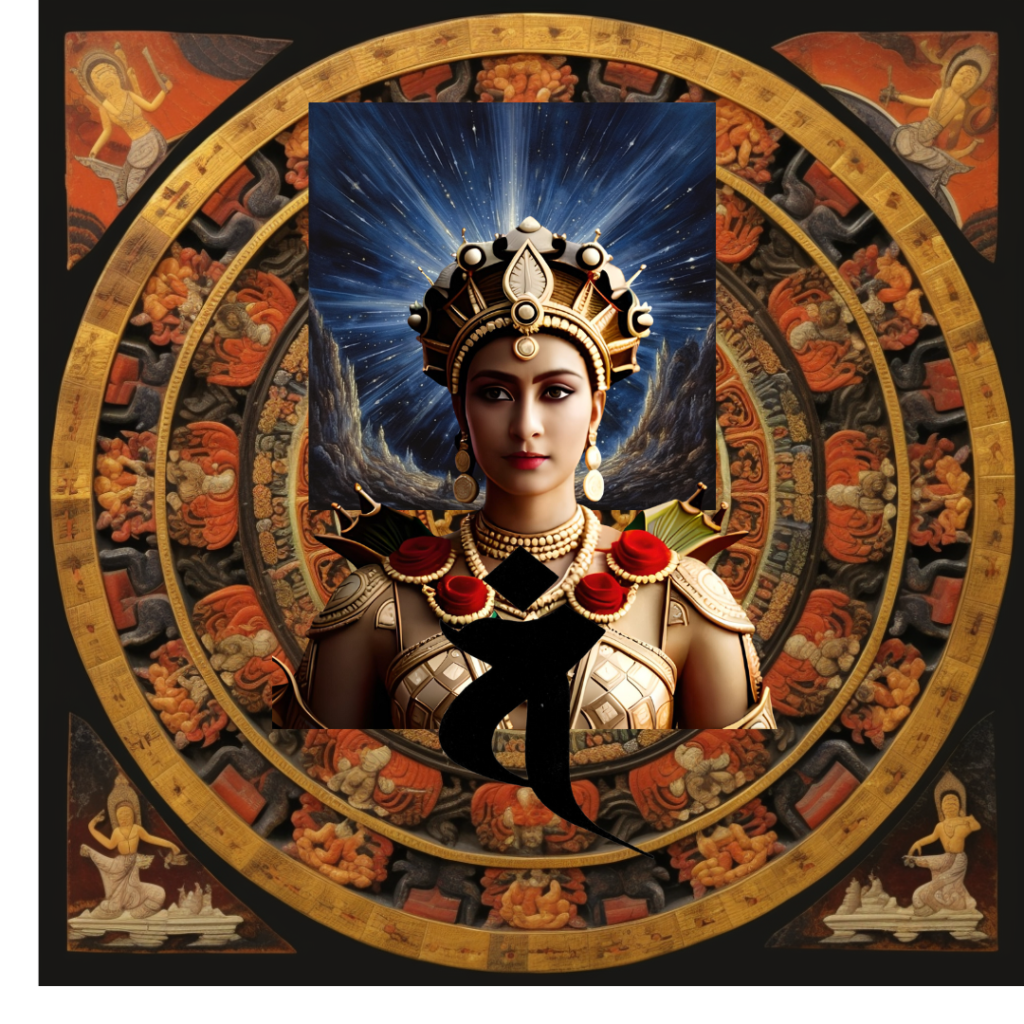
From that day on, he began a new path, making it his mission to guide people in both this world and the next, based on the teachings of Chun Tei Zun, and resolved to dedicate his life to spreading the teachings.
His words quietly spread, and those who came into contact with his teachings were touched and found new hope. And his teachings have continued to light the hearts of people throughout time.
他的话语悄然流传,接触过他教义的人都被感动,找到了新的希望。他的教义一直以来都照亮着人们的心。
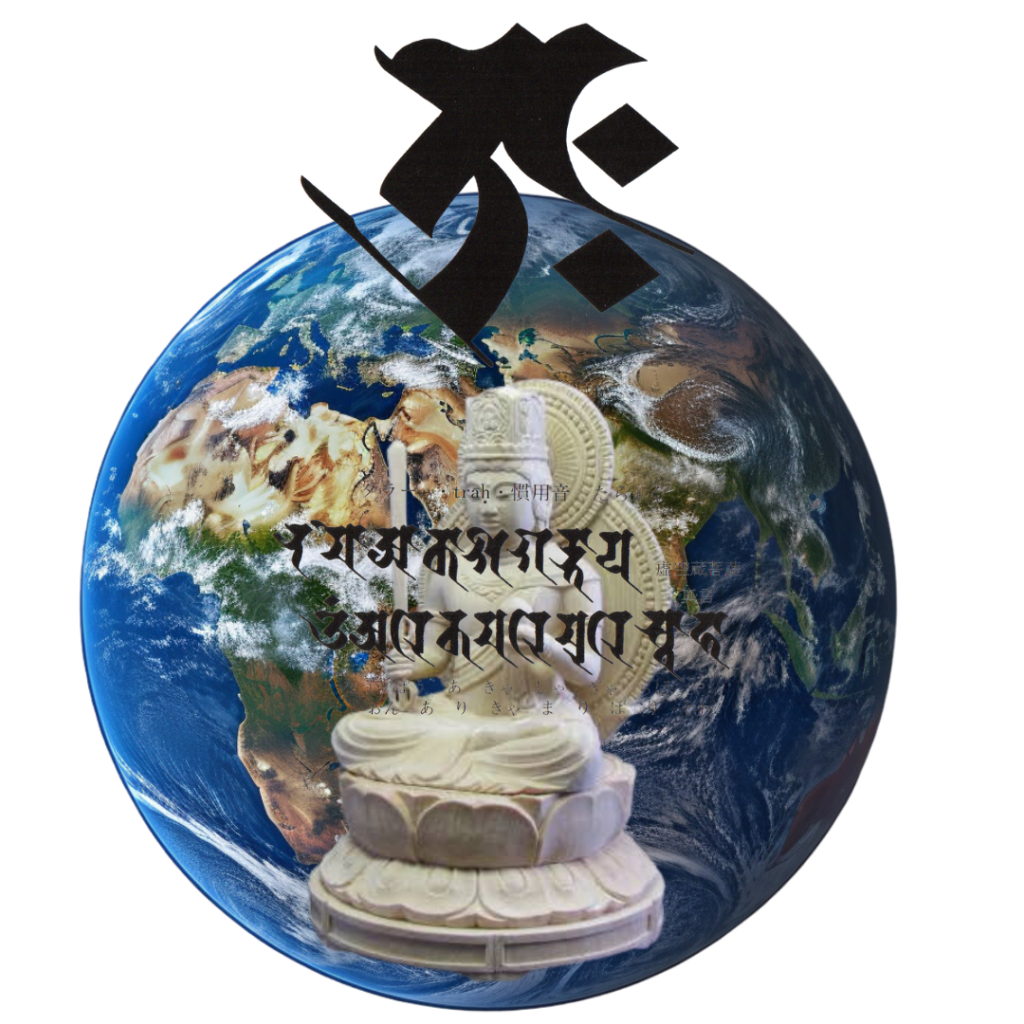
ナモサッタナン・サンミャクサンモダクチナン・タニヤタ・オン・シャレイ・シュレイ・ジュンテイ・ソワカ
Namosattanam samyaksanmodaktinan taniyata on sharay shurei juntei sowaka
On a quiet night, a researcher was sitting in an old study. He was a seeker of the teachings of Jun Fuson, and had carefully read ancient literature and scriptures on reincarnation, gaining a glimpse of the depths of meditation. However, his heart was broader, and he was interested not only in reincarnation, but also in how to reach the afterlife.
During the course of his research, he received a revelation that “Junior Venerables” are Buddhas who help people reincarnate into good boundaries.” This drastically changed the direction of his search and suggested a new path.
He continued to search for the truth by reading ancient scriptures and performing spiritual visions every day. Then, one day, he realizes the true meaning of the “Great Vow of the Second World”. It was a vow that wished for a happy life not only in this life but also in the next.
From that day on, he started on a new path. Based on the teachings of Jun Fuson, he made it his mission to guide people in both this world and the next, and he resolved to dedicate his life to spreading that truth.
His words spread quietly, and those who came into contact with his teachings were moved and found new hope. His teachings have continued to light the hearts of people throughout time.
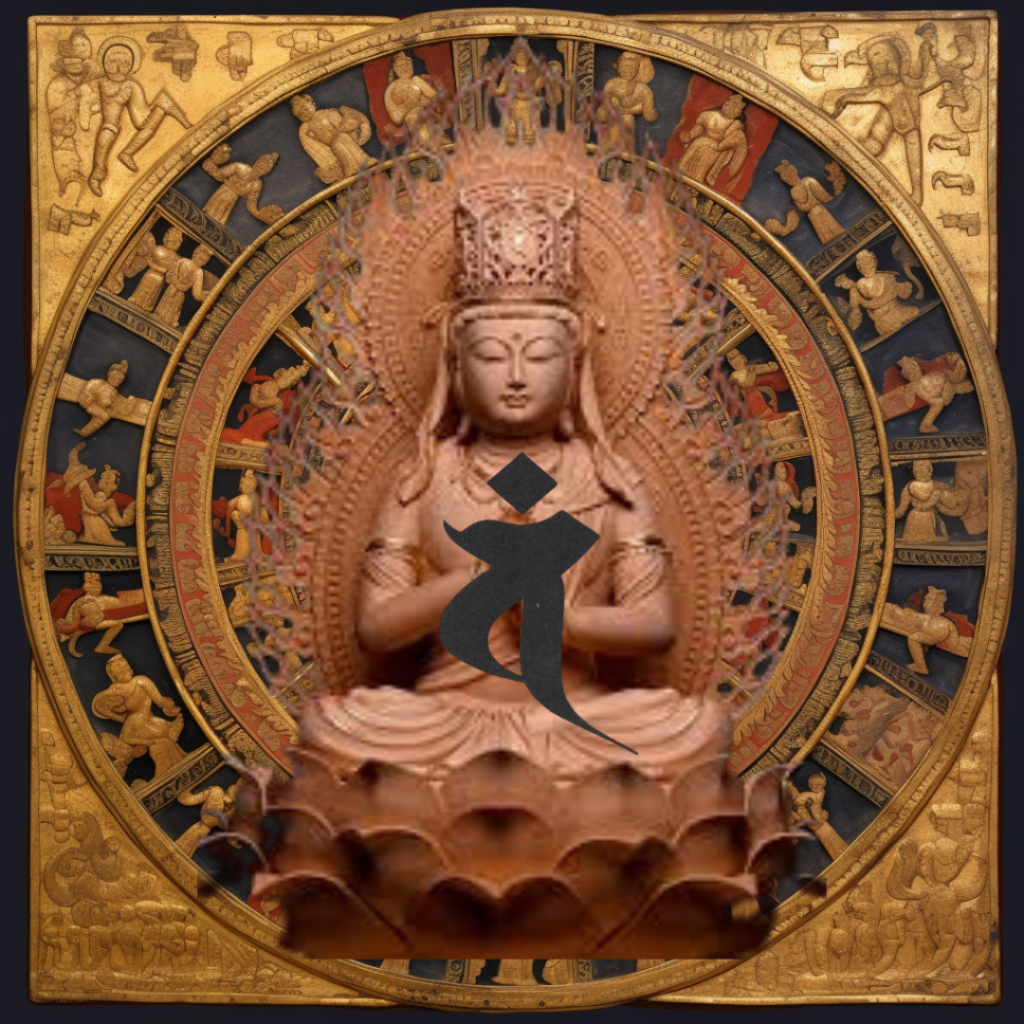
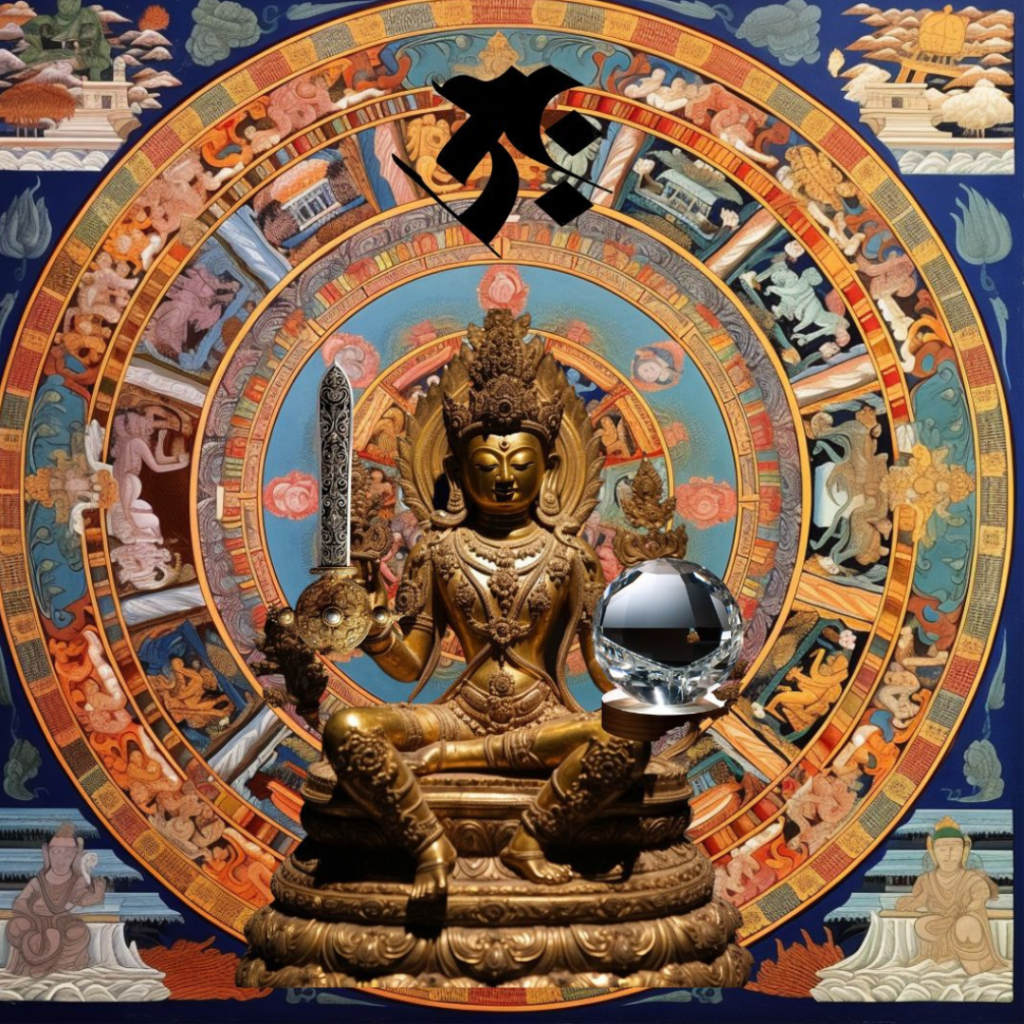
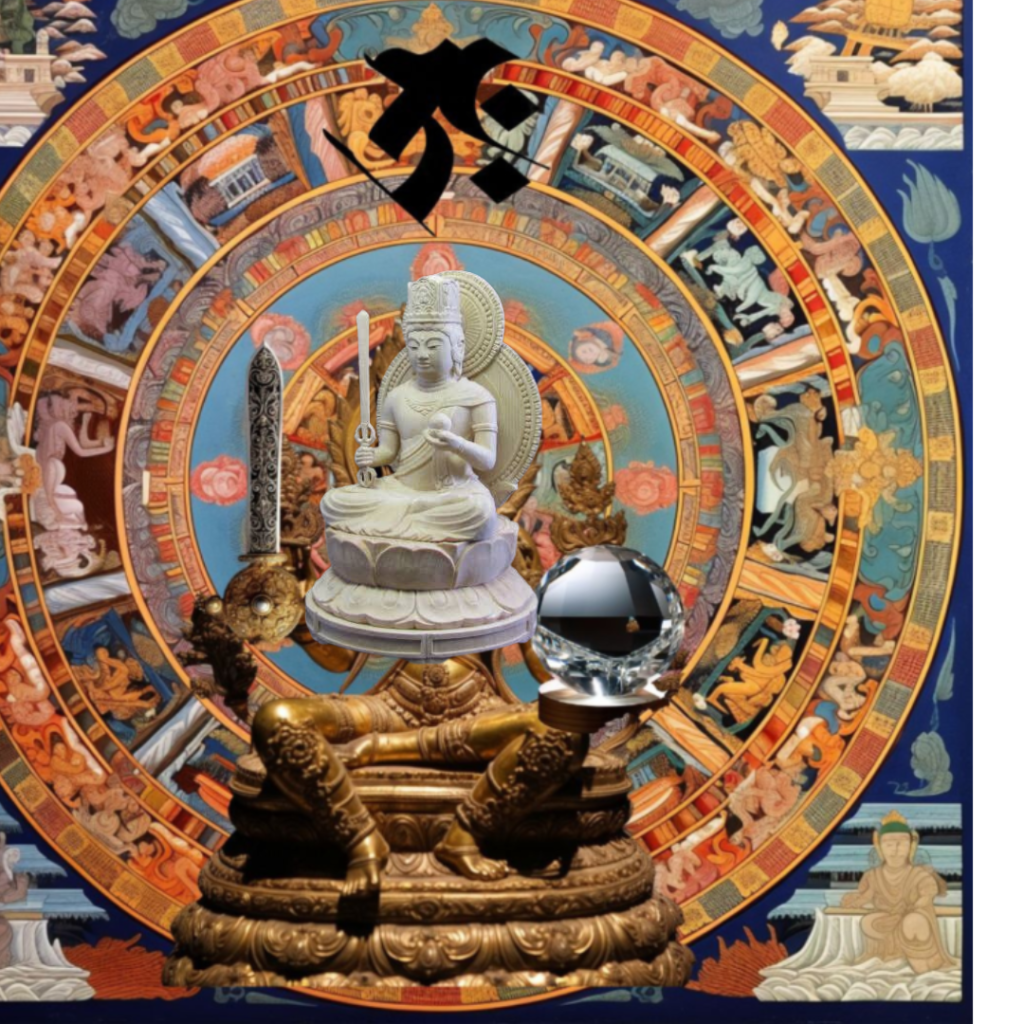
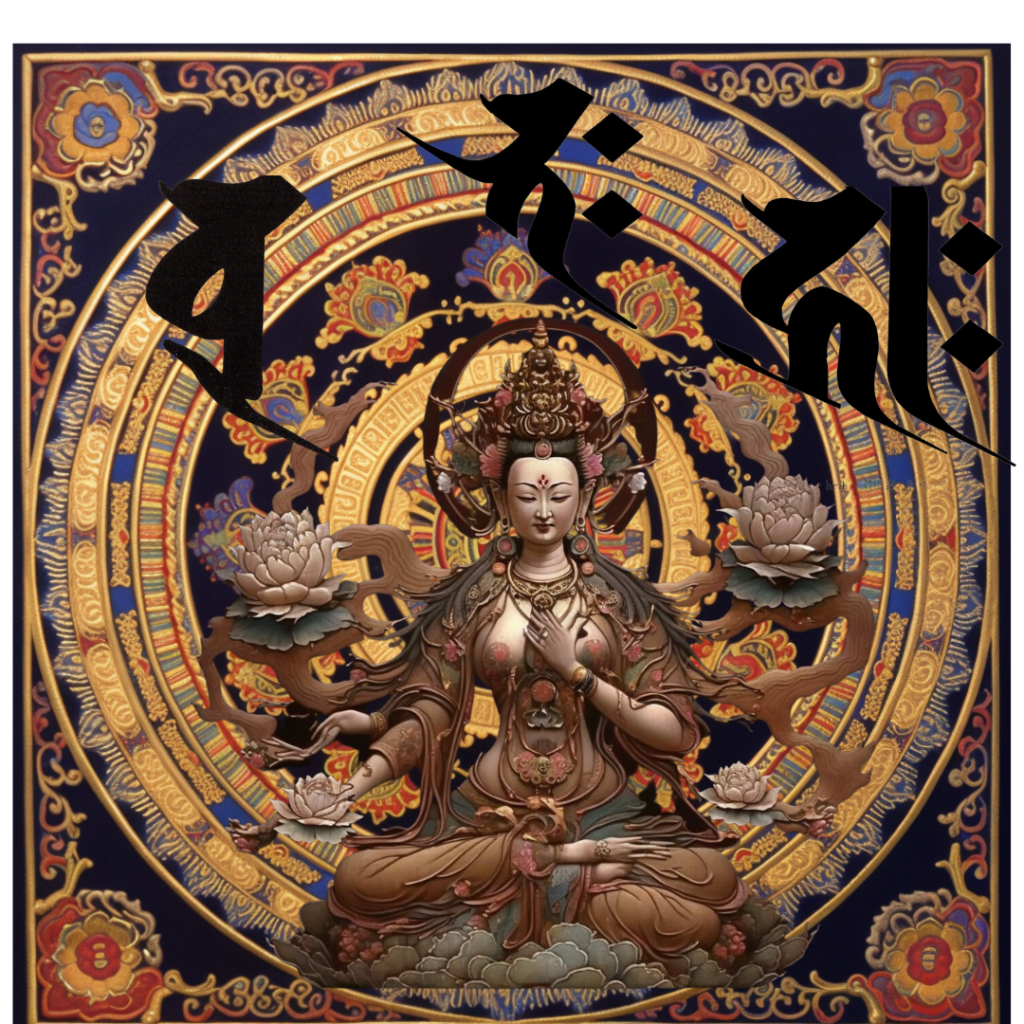
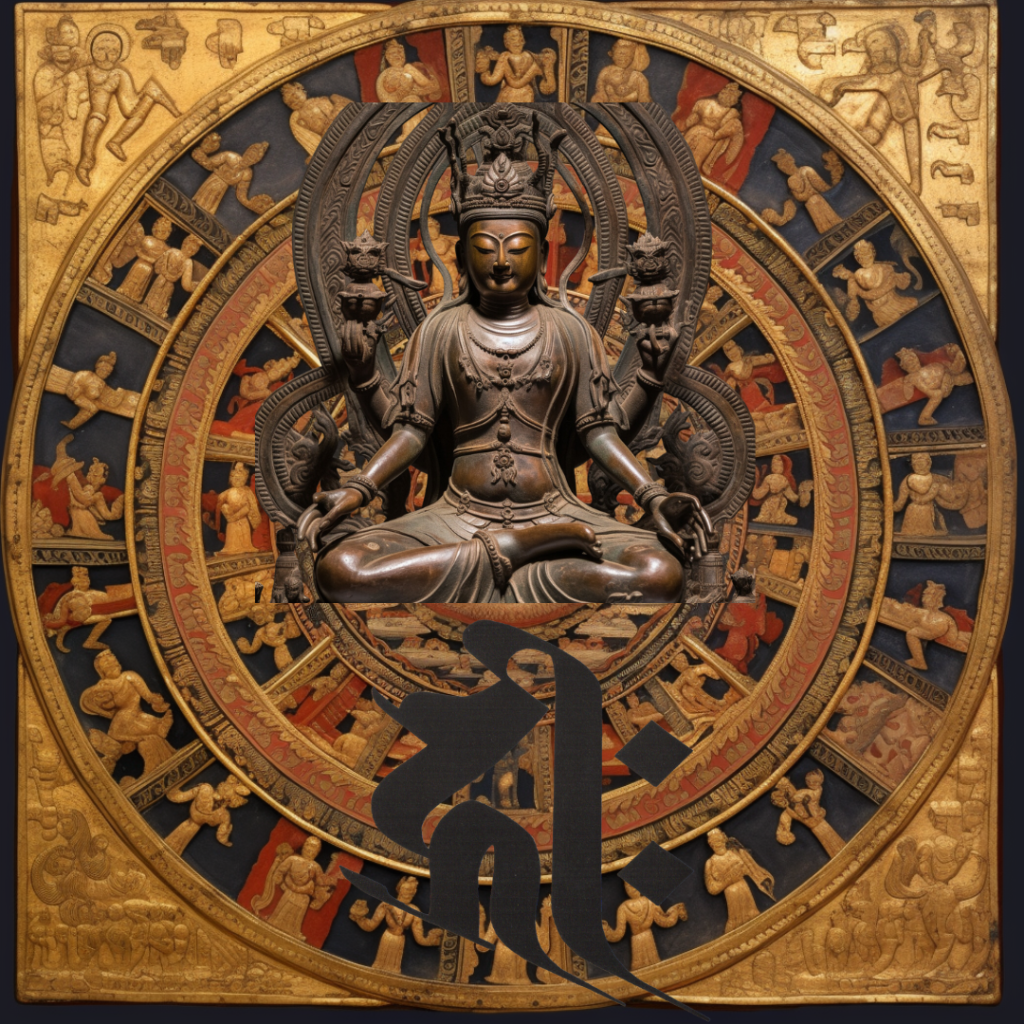
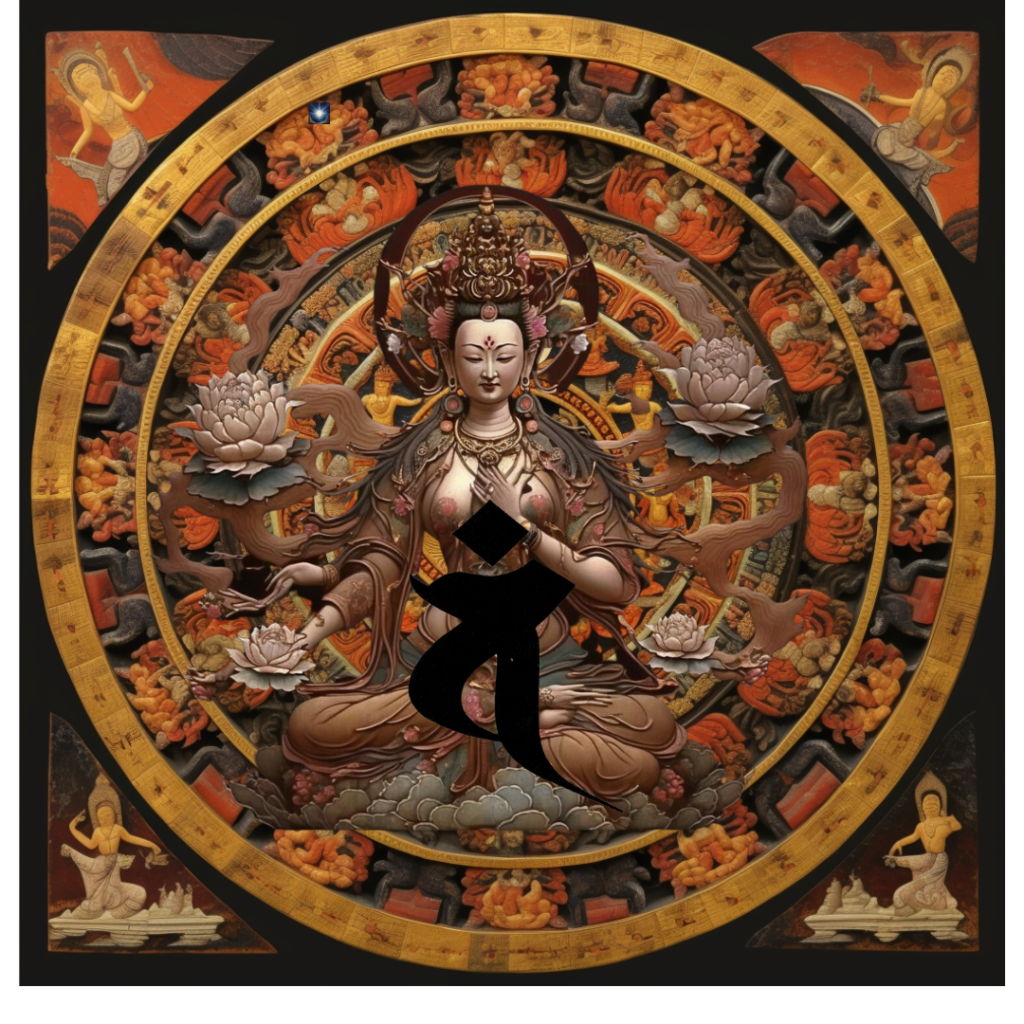
準胝尊 (Zhǔn Tí Zūn), also known as Cundi or Cundī Bodhisattva, is a revered figure in East Asian Buddhism. She is particularly prominent in Chinese and Japanese Buddhist traditions. Here are some key aspects of 準胝尊:
1. **Origins and Iconography**:
– Cundi is considered a manifestation of Avalokiteshvara (Guanyin), the Bodhisattva of Compassion.
– She is often depicted with multiple arms, typically 18, which symbolize her ability to aid sentient beings in myriad ways.
– She is also portrayed with three eyes, representing her wisdom and ability to perceive all realms.
2. **Significance**:
– Cundi is venerated for her ability to help practitioners achieve enlightenment and remove obstacles in their spiritual practice.
– She is associated with the Cundi Dharani, a powerful mantra believed to bring benefits such as purification, protection, and the fulfillment of wishes.
3. **Mantras and Practice**:
– The Cundi Dharani is one of the most popular mantras associated with her. It is often recited by practitioners for its protective and purifying effects.
– Devotees might perform specific rituals, including the use of mudras (hand gestures) and visualizations, to invoke her blessings.
4. **Cultural Impact**:
– In Chinese Buddhism, Cundi is part of the Esoteric (Tantric) tradition and is also popular in the Pure Land tradition.
– In Japan, she is known as Jundei Kannon and is a significant figure in Shingon Buddhism.
準胝尊 represents a blend of compassion, wisdom, and esoteric practice, offering a multifaceted approach to spiritual development for her followers.
Welcome
Brahma is a profound art unique to the Orient. It is the essence of the painful efforts of the ancestors of East Asia, especially Japanese ancestors.