UA-135459055-1

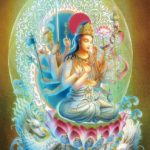
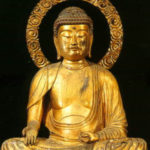
宝生如来(ほうしょうにょらい)  Hosho Nyorai ratnasambhava

宝生如来(ほうしょうにょらい、रत्नसम्भव [ratnasambhava]、ラトナサンバヴァ)

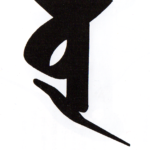
三昧耶形三弁宝珠種子(種子字)はत्राः(タラーク、trāḥ)。

密教における金剛界五仏の一で、金剛界曼荼羅では大日如来の南方(画面では大日如来の向かって左方)に位置する。唯識思想における仏の悟りの境地のひとつ「平等性智」(びょうどうしょうち)を具現化したものである。これは、全ての存在には絶対の価値があるということを示す。 印相は、左手は腹前で衣を掴み、右手は手の平を前に向けて下げる「与願印」(よがんいん)を結ぶ。

与願印読み)よがんいん

仏が衆生の願いを聞きとどけ、成就させることを示した相。 左手、または


語源は「宝よりうまれたもの」を意味し、財宝を生み出し人々に福徳を授けるといわれています。一切の垣根を取り払い、あらゆる全ての現象・事物を平等に観るという意味で「平等性智(びょうどうしょうち)」と呼ばれる智慧を具現化した仏です


すべてあるべきもの (一切諸法) が差別なく平等であるとするです。


Sanmai-yagata is the Sanben Hoju. Seeds (seed letters) are त्राः (tarak, trāḥ).

It is one of the five Buddhas of Kongokai in Esoteric Buddhism. It is located south of Dainichi Nyorai in the Kongokai Mandala (on the screen, left of Dainichi Nyorai). It embodies one of the boundaries of Buddha’s enlightenment in wisdomism, “Equality of Wisdom”. This shows that all beings are of absolute value. Insho has his left hand holding his garment in front of his stomach and his right hand tying a “Yoganin” seal with his palms facing forward.

Appeal seal (read)
Insu says that the Buddha has heard the wishes of the sentient beings and will fulfill them. Left hand, or


Etymology means “born from treasure,” and is said to create treasure and give people good fortune. It is a Buddha that embodies the wisdom called “equality wisdom” in the sense that all barriers are removed and all phenomena and things are viewed equally.


Satoshi is all things (all laws) are equal without discrimination.


シッダールタ時代 Siddhartha era

シッダールタ時代


 シャカは、父母の愛を一身に集めて、なに不自由ない家庭生活を送ることができた。

 シッダールタに将来の転輪王を夢みている父の王によって、当時のあらゆる学問武芸を学んだが、かれはなにごとにも傑出していたといわれる。

 しかし、生来かれは沈思黙考的な性格であり、日常、深い思索にふけることが多かっ。

 父王は、かれの心をひき立てるために、寒・暑・雨の三時期の季節に応じた宮殿を建てたり、

歌舞音曲でたのしませようとしたり、美しいヤショーダラー姫を王子妃として迎えたた。

 それによってかれの心もいくぶん慰められ、まぎれることもあったが、しかし、なお、かれは世の無常を深く感じていた。幸福の中にも、母后の死を思い出すことがしばしばであった。また、年中行事としての盛大な農耕祭では、田畑の虫や鳥などが、弱肉強食の争いを目のあたりに見せた。その上に、ものごころのつくにしたがって、当時の国際関係の不安と、シャカ国の運命とが案じられるようになった。

 シャカ族は勇武に富み、ゆいし。正しい古い系統ではあったが、当時は、南西に接したインド第一の大国コーサラに隷属した半独立国にすぎなかったのである。(イエスのユダヤとおなじ境遇である)

 生殺与奪の権はコーサラ国ににぎられ、いつほろぽされるかも知れない運命にあった。現に、シャカ国は、シャカの晩年に、コーサラ国のためにかんたんに攻略されたことがある。

 賢明なかれは、父王のようにのんきでいることはできない。感じやすいかれの頭脳は、これらの多くの理由によって、世の歓楽を手ばなしで享受するわけにはいかなかったのである。自ずから、自分自身と自分の国の将来、また人類一般の悲しむべき運命について深い考察をするようになったのである。


Siddhartha era

Shaka was able to gather the love of his parents and live a family life without any inconvenience.
He studied all kinds of academic martial arts at the time by his father, who dreamed of being the king of the future in Siddhartha, but he is said to have been outstanding.
However, by nature, he is a meditative character, often indulging in daily thoughts and deep thoughts.
In order to excite his heart, his father built palaces according to the three seasons of cold, heat and rain,
He tried to enjoy the singing music and greeted the beautiful Princess Yashodalar as the princess.
He was comforted somewhat, and his heart was broken, but he still felt deeply in the imperfection of the world. During happiness, she often remembered her mother’s death. In addition, during the grand agricultural festival, which is an annual event, insects and birds in the fields have witnessed the battle for weak meat and gluttony. On top of that, as time went on, the fears of international relations at that time and the fate of Shaka began to come up.
The Shakas are rich in heroism and Yuishi. It was a true old lineage, but at that time it was only a semi-independent state subordinated to Kosala, India’s largest powerhouse on the southwest. (Same situation as Judea of ​​Jesus)
The right to life and killing was confined to Kosala and was destined to be forgotten. In fact, Shaka was easily captured in the late years of Shaka for Kosala.
He who is wise cannot be as easy as his father. For many of these reasons, his sensible mind could not afford the pleasures of the world without any means. Naturally, he began to consider the future of himself and his own country, as well as the sad destiny of mankind in general.

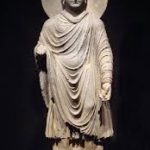
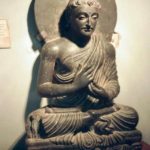
シャカ 釈迦 Shaka

シャカ 釈迦

 元来、釈迦aakyaというのは種族の名であって、釈迦牟尼というべきところを、略して、釈迦というのである。(以下シャカという)

 牟尼ヨ~’というのは、聖者のことであるから、シャカムニとは、シャカ族出身の聖者、ということである。

仏教徒はこれを尊敬して、シャカ牟尼仏とか、シャカ牟尼世尊とかよび、また、これを、シャカ仏、または釈尊と略称することもある。南方仏教では、シャカのことを、ゴータマ仏ともよぶが、ゴータマとは釈迦族の姓である。また、シャカ当時の、仏教外のひとたち

は、かれを、沙門ゴータマとよんでいた。


生涯とその教え


誕生

 シャカの死没の年代に関しては、だいたい三つの説がある。

 1、前五四四-前五四三年説

 2、前四八〇年ごろの説

 3、前三八〇年ごろの説

 で、スリランカ、ビルマ、タイ、カンボジアなどの南方仏教諸国では第1説を採用して、これ

をかれらの紀年暦としている。

 西洋や日本で一般にひろく採用されているのは第2説である。

 シャカは八十歳で入滅(死没)したとされるから、第2説によれば、その生年は前五六〇年こㇱカシャカはなにを説き、なにをなしたか?ろとなる。

 誕生は、ヒマラヤ山麓に位置し、いまのネパールの南方からインド領の一部にかけて国をなしていたシャカ国の王子としてであった。

 当時のシャカ国は、米作農業を中心とし、現在の日本の千葉県くらいの小さな国たらし

い。しかし、人口はかなりあって、領内の町や市でその名がつたえられているのがある。

その町や市を領有している少数貴族の互選によって国王が定められたらしく、シャカの父スッドーダナSuddhodanaジャう浄飯)はこの国の王として、首都カピラ城Kapilavastuに君臨していた。

 母のマーヤーy{・罵(摩耶)は東隣りのコーリー国の王女で、当時の習慣にしたがって、シャカを出産するため里がえりの途中で、両国の中間にあるルンビニー園でかれを生んだとされている。

 このルンビニー園の跡には、シャカ死後、約二百年余、アショーカ王によって建てられた刻文石柱が現存して、その地を明示し、また、シャカ国内のピプラワーからは一九世紀末にシャカの遺骨(舎利)を収めた壷が発見され、この壷の蓋に、古代文字によってきざまれた文章からも、シャカが前三世紀以前に実在した人物であることが証明される。なお、この壷の舎利の一部は、日本にも分けられて、まつられている。

 シャカは生まれると、シッダールタSiddhartha(またはSiddhatta 4ツダッタ 悉達多)と名づけられ、母后は七日ののちに世を去り、その後は、母の妹マハープラジャーパティーが養母として、かれを愛育した。

 占相者たちは、この子が常人とちがった多くのすぐれた姿かたちをそなえているのを見て、この王子は家にあれば転輪王、すなわち全世界を統一する国王となるであろうし、もし出家すれば、全世界を救済する仏陀Buddhaとなるであろう、と予言したといわれる。かれがきわめてすぐれた素質を持っていたことは事実であろう。


その環境


 当時のインドの社会環境は、すでに千年ちかくもっづいている正統バラモンの文化が、北西インドからガンジス河上流地方を中心として大いに栄えていたが、それはむしろ形式化して、腐敗堕落の傾向にあった。

 ことに、バラモッ文化の中心を離れたガンジス河中流地域には、バラモン以外の非正統文化もシャカはなにを説き、なにをなしたか?


Wisdom for Love Wisdom for Wisdom

よ う As we saw in Jesus in Chapter 2, it is impossible to write about Shaka’s entire life and his teachings with a limited amount of paper. No matter how many pages are given, it will be the same. The same is true for Jesus.
So, as we did with Jesus, I would like to first summarize what was summarized, and then list what is deemed necessary in this book. ― <The World Encyclopedia by Heibonsha and Hiromoto Mizuno)

Shaka

来 Originally, Shakya akya is the name of a race, and the place that should be Shakyamuni is abbreviated to Shakyamuni. (Hereinafter called shaka)
Muniyo ‘means a saint, so Shakamuni is a sakha from the Shaka tribe.
Buddhists respect this and call it the Shakamun Buddha or the Shakamuni Buddha, and sometimes refer to it as the Shaka Buddha or the Shakyamuni. In Southern Buddhism, Shaka is also called Gautama Buddha, and Gautama is the surname of the Buddha. Also, people outside of Buddhism at the time of Shaka
Called him Shamon Gautama.

Life and its teaching

birth
There are roughly three theories regarding the age of Shaka’s death.
1, 544-543 years ago
Theory of 説 2, around 180 前
3, the theory around 380
Southern Buddhist countries such as Sri Lanka, Burma, Thailand and Cambodia have adopted the first
And their chronology.
The second theory is widely adopted in the West and Japan.
Since Shaka died (died) at the age of eighty, according to the second theory, his birth was 560 B.C. what did Kashaka preach and what did he do? It will be.
He was born as a Prince of Shaka, located at the foot of the Himalayas, and now part of the Indian territory from southern Nepal.
シ ャ The Shaka nation at the time was a small country that is as small as Chiba Prefecture in Japan, with a focus on rice agriculture.
No. However, the population is quite large, and its namesake in towns and cities within its territory.
Apparently, the king was determined by the election of minority nobles who owned the town or city, and Shaka’s father, Suddhodana, was the king of the country and reigned at the capital’s capital city, Kapilavastu.
My mother, Maya, was a princess from the Corrie country on the eastern side, following the customs of the time, born on the way to Lumbini Garden, halfway between the two countries, to give birth to Shaka. It has been.
About 200 years after Shaka’s death, the ruins of the Lumbini Garden have a surviving carved stone pillar built by King Asoka, and the site is clearly identified. An urn containing the remains of the sculpture (shari) was discovered, and the shroud of the urn proves that Shaka was a real person before the third century BCE, according to the text cut in ancient letters. In addition, a part of this pot’s relics is also divided into Japan and is enshrined.
When Shaka was born, she was named Siddhartha Sidhartha (or Siddhatta 4 Tsudatta), and her mother died seven days later, after which her mother’s sister, Mahapraja Patty, fostered him.
The ministers see that this child has many outstanding shapes unlike ordinary people, and if he is at home, he will be the king of the wheel, the king who unites the whole world. It is said that he predicted that if he left, he would become Buddha, who would save the whole world. It is true that he had a very good quality.

The environment

At that time, the social environment of India was a millennium-old Orthodox Brahmin culture that had been around for nearly a millennium, which flourished mainly in the northwestern India and the upper reaches of the Ganges, but was rather formalized and prone to corruption. .
Especially, what was Shaka’s preaching and what other non-orthodox cultures other than Brahmin did in the middle part of the Ganges River, away from the center of the Baramoc culture?
コロナウイルスに打ち勝つには薬師如来Yakushi Nyorai to overcome coronavirus

コロナウイルスに打ち勝つには薬師如来

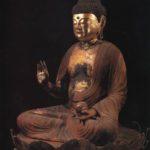
薬師如来 (やくしにょらい、梵: Bhaiṣajya-guru, バイシャジヤ・グル)、
あるいは薬師瑠璃光如来(やくしるりこうにょらい) Bhaiṣajya-guru-vaiḑūrya-prabhā-rāja, バイシャジヤ・グル・ヴァイドゥーリヤ・プラバー・ラージャは、

仏教における如来の一尊。薬師(瑠璃光)仏、薬師(瑠璃光)王、大医王仏とも称する。

三昧耶形は薬壺または丸薬の入った鉢。種字は尊名のイニシャルのバイ(भै、bhai)。青色の肌を持つとされる。

菩薩の時に12の大願を発し、この世門における衆生の疾病を治癒して寿命を延べ、災禍を消去し、衣食などを満足せしめ、かつ仏行を行じては無上菩提の妙果を証らしめんと誓い仏と成ったと説かれる。瑠璃光を以て衆生の病苦を救うとされている。無明の病を直す法薬を与える医薬の仏として、如来には珍しく現世利益信仰を集める。

釈迦如来の衆生救済の姿という二つの見方による。

小咒
オン コロコロ センダリ マトウギ ソワカ(oṃ huru huru caṇḍāli mātaṅgi svāhā)


Yakushi Nyorai to overcome coronavirus

Yakushi Nyorai (Bakuyajya-guru, Baishajia Guru),
Or, Bhaiṣajya-guru-vaiḑūrya-prabhā-rāja, Baishajia-guru Vaiduriya Prabha Raja,

Buddha’s reverence in Buddhism. Also known as Yakushi (Rurimitsu) Buddha, Yakushi (Rurimitsu) King, and Daimedou Buddha.

Sanmai-ya is a pot with a medicine pot or pills. The initial character is the initial of the honorable name (バ イ, bhai). It is said to have blue skin.

At the time of the Bodhisattva, he issued 12 petitions, healing the sickness of the sentient beings in this world, prolonging his life, eradicating the evils, satisfying his food, etc. It is preached that it has become a swearing Buddha. It is said that Rurimitsu will save the illness of sentient beings. As a Buddha of medicine that gives medicinal remedies for the illness of the dawn, it rarely gathers religions in this world.

It is based on two perspectives: the appearance of Buddha’s sentient rescue.

Small
On Koroko Sendari Matougi Sowaka (oṃ huru huru caṇḍāli mātaṅgi svāhā) [


火の洗礼

マタイ3:11「わたしは確かに悔い改めのために水であなたにバプテスマを施します。しかし、わたしの後に来る彼は、わたしよりも強く、その靴は耐えられません。彼は聖霊と火であなたにバプテスマ授けます」

常楽我浄 Joraku Gajo

常楽我浄


釈迦が出家した時、衆生の多くは人間世界のこの世が、

  • 無常であるのに常と見て、
  • に満ちているのに楽と考え、
  • 人間本位の自我は無我であるのに我があると考え、
  • 不浄なものを浄らかだ

と見なしていた。これを四顛倒(してんどう、さかさまな見方)という。 釈迦は成道した直後にまずこの四顛倒をただし、この世は無常・苦・無我・不浄であると説いた。これが諸行無常一切皆苦諸法無我などという仏教用語の基となっている。

しかし『涅槃経』に至って、如来は入滅してもこの世に常住し、涅槃こそ真の楽であり、人間我を超えた所に如来我(仏性)があり、浄らかであると説いた、とされている。

  • 常 – 仏や涅槃の境涯は、常住で永遠に不滅不変である
  • 楽 – 仏や涅槃の境涯は、人間の苦を離れたところに真の安楽がある
  • 我 – 仏や涅槃の境涯は、人間本位の自我を離れ、如来我(仏性)がある
  • 浄 – 仏や涅槃の境涯は、煩悩を離れ浄化された清浄な世界である

これが常楽我浄である。

When the Buddha came home, many of the sentient beings lived in this world of the human world,

Seeing to be always but always,

Thought to be painful but easy,

The human-oriented ego is selfless,

Purify the unclean

Was considered. This is called the four stories. Immediately after Buddha’s passage, the Buddha first wrote these four stories, but preached that the world was imperfect, painful, selfless, and unclean. This is the basis of the Buddhist terms such as impermanence, affliction, and lawlessness.

However, when the “Nirvana Sutra” was reached, even though Nyorai was extinct, he inhabited the world, preaching that nirvana was the real pleasure, and that Nyorai was (Buddhism) beyond human beings and pure. , And it is.

Everlasting-the life of Buddha and Nirvana is permanent and immortal

Raku-Buddha and Nirvana have a true comfort away from human suffering

I-Buddha and nirvana leave the self-oriented ego, there is Nyorai me (Buddha nature)

Pure-The life of Buddha and Nirvana is a pure world that has been purified away from anguish

This is Joraku Gajo.


輪宝

あらゆる障害を打ち破る輪宝

輪宝(りんぽう)は、輪法、法輪、宝輪、金剛輪、チャクラともいい、仏法の象徴です。千手観音、如意輪観音が輪宝を手にしているのをご覧になった方も多いと思います。仏像がまだ作られていなかった古代インドにおいては釈尊のシンボルとして彫刻されていました。

その形は刃を備えた車輪をかたどったもので、『長阿含経』に転輪聖王が遠征するとき輪宝が転進して、四方の敵を打ち破ったとあります。仏教で教えを説くことを転法輪というのは、仏法が俗悪の説を論破することを輪宝が敵を破ることになぞらえたものです。

密教の壇において輪宝は中央に安置されます。また密教の奥義を伝授し、阿闍梨の位を授ける伝法灌頂の儀式においては、受者に加持した輪宝を授け、両足の間に挟ませる秘儀が行われます。輪宝はたいへん重大な意味を持った密教法具であり、かつ強力な災厄除けの力を発揮します。


《「りんぽう」とも》転輪聖王(てんりんじょうおう)の所有する七宝の一。金・銀・銅・鉄の4種がある。もとは車輪の形をした古代インドの武器仏教に取り入れられ、の行くところ先行して四方を制するとされる。転じて、聖王をいう。

七宝  Cloisonne

七宝(しちほう、しっぽう、簡体字七宝繁体字七寶朝鮮語칠보サンスクリット語सप्तरत्नSaptaratnaサプタラットナパーリ語सत्तरतनSattaratanaサッタラタナ)は、仏教において、貴重とされる七種の宝のこと。七種ななくさの宝七珍ともいう。七宝焼七寶瑠璃)の語源になったという説もある。
無量寿経』においては「瑠璃るり玻璃はり硨磲しゃこ珊瑚さんご瑪瑙めのう」とされ、『法華経』においては「金、銀、瑪瑙、瑠璃、硨磲、真珠玫瑰まいかい」とされる。

  • 瑠璃は、サンスクリット語ではvaiḍūrya(バイドゥーリヤ、漢音写:吠瑠璃)、パーリ語ではveḷuriya(ヴェルーリヤ)、青色の宝玉で、アフガニスタン産ラピスラズリと推定されている。後に、青色系のガラスもさすようになった。
  • 玻璃は、サンスクリット語ではsphaṭika(漢意訳:水精)、無色(白色)の水晶、後に、無色のガラスを指す。
  • 硨磲は、シャコガイの殻、又は白色系のサンゴ。
  • 玫瑰は、詳細は不明であるが、赤色系の宝玉とされる


  • Cloisonne (Shichiho, tail, Simplified: Cloisonne; Traditional: Cloisonne, Korean: 칠보, Sanskrit: सप्तरत्न, Saptaratna, Sapparatna, Pali: सत्तरतन, Sattaratana, Sattaratana) are precious in Buddhism Seven kinds of treasure. It is also known as the Seven Kinds of Treasure, the Seven Chin. There is a theory that it was the origin of the cloisonne ware.
    In “Muless Life”, “gold, silver, Ruri, glass (glass), 硨 磲 (shako), coral (sango), agate (Menou)” and “Hokkaido” It is said to be “silver, agate, lapislazuli, 硨 磲, pearls, and roses.”
    Ruri is a vaiḍūrya in Sanskrit (baiduriya, kanonsha: barruri) and veḷuriya in Pali, a blue jewel, and is estimated to be Lapis lazuli from Afghanistan. Later, blue-colored glass came to the fore.
    In Sanskrit, glass refers to sphaṭika, a colorless (white) crystal, followed by a colorless glass.
    硨 磲 is a clam shell or white coral.
    The details of the rose are unknown, but it is a red jewel.


十句観音経  Jugaku Kannon Sutra

十句観音経』(じっくかんのんぎょう)は、仏教経典の一。別名を『延命十句観音経』(えんめいじっくかんのんぎょう)とも言う

観世音。南無仏。(かんぜおん。なむぶつ。)
与仏有因。与仏有縁。(よぶつういん。よぶつうえん。)
仏法僧縁[1]。常楽我浄[2]。(ぶっぽうそうえん。じょうらくがじょう。)
朝念観世音。暮念観世音。(ちょうねんかんぜおん。ぼねんかんぜおん)
念念従心起[3]。念念不離心[4][3]

(ねんねんじゅうしんき。ねんねんふりしん)— 『十句観音経

観世音菩薩に帰依します。

我々は仏と因縁でつながっています。
三宝の縁によって、「常楽我浄」を悟ります。[6]
朝にも夕べにも観世音菩薩を念じます。

観世音菩薩を念じる想いは我々の心より起こり、また観世音菩薩を念じ続けて心を離れません。


Jugaku Kannon Sutra is one of the Buddhist scriptures. Another name is “Enmei Jikku Kannon Sutra”.

bodhisattva. Southern Mubutsu. (Kanzeon. Nambutsu.)
Yose and Buddha cause. Associate with a Buddha. (Yobutsuin.)
Buddhist monk’s relationship [1]. Joraku Gajo [2]. (Bupou Soen. Jojo Rakujo)
Morning thought Kanze sound. Living thought Kanze sound. (Chain Kanbon)
Remembering [3]. Remember, [4] [3].

(Nenninjushinki)

Depend on Kanzeon Bodhisattva.

We are connected with the Buddha by connection.
The enlightenment of “Joraku Gajo” by the relationship of the three treasures. [6]
We remember Kanzeon Bodhisattva in the morning and evening.

The thoughts of Kanzeon Bodhisattva originate in our hearts, and we keep our hearts in mind of Kanzeon Bodhisattva.


 他人通   Ability to know others’ hearts

 他人通


他人の心を知る である。他人の態度や言葉や顔つきなどで相手の考えなり気持なりを察知してしまうことは、ふつう一般でもおこなわれている。が、これは、相手と会わず、相手に接触しなくても、相手の性格・性質はもちろん、その考えていることや思っていることをすべ他人の心を知る力て知ってしまう力である。遠距離にいる人でも、じっと定に入ってその人の顔を思い浮かべるだけで、その人がいまなにを考えているか、なにをしようと思っているかくらいのことを知ることができなければ、聖者とはいえないのである。


You know the hearts of others. It is common in the general public to detect the other person’s thoughts and feelings based on the attitude, words, and appearance of others. However, this is the ability to know all other people’s thoughts and thoughts as well as the character and nature of the other person without knowing or contacting the other person. is there. Even those who are far away can only find out what they are thinking and what they want to do by just staring at them and thinking about their faces. He is not a saint.