UA-135459055-1

Buddhism

Bonji 梵字 虚空蔵菩薩 Kokuzo Bodhisattva Ākāśagarbha

虚空蔵菩薩  Ākāśagarbha

 こくうぞうぼさつ
虚空蔵菩薩

梵名は、アーカーシャガルバ(ン回詮回ふご)。アーカーシヤは「虚空」、ガルバは「胎蔵」という意味です。

菩薩の福徳と仏智が大空(虚空)のように広大無辺であるところから、この名がつけられました。

その限りない福と智の徳を、必要とする人に必要なだけ与える、といわれています。「慈悲」の地蔵菩薩に対して「智慧」の仏として信仰されています。

この虚空蔵菩薩を本尊として修する「虚空蔵菩薩求聞持法」は、頭脳を明晰にし、記憶力を高める修法としてよく知られています。

同じく「虚空蔵菩薩念誦法」は、業障を除き、福徳円満にして物心両面の財宝を得ることができるとされています。丑年および寅年生まれの人の守り本尊とされています。

タラーハ・trah ・ 慣用音 たらあく

Void Bodhisattva  Ākāśagarbha

Kokuzo Bosatsu
Kokuzo Bodhisattva

Sanskrit name is Akashagarba (N times turn times Fugo). Akasha means ‘void’ and garba means ‘womb’.

It was given this name because the bodhisattva’s good fortune and wisdom are as vast and boundless as the sky (void).

It is said that the unlimited blessings and virtues of wisdom are bestowed on those who need them. It is worshiped as a Buddha of “wisdom” in contrast to Jizo Bodhisattva of “compassion”.

The “Kokuzo Bosatsu Gumonjiho”, which uses this Kokuzo Bosatsu as the principal image of worship, is well known as a training method that clears the mind and improves memory.

Similarly, the “Kokuzo Bosatsu Nenhoho” is said to remove karma obstacles, achieve good fortune, and obtain both material and spiritual treasures. It is considered the guardian deity of people born in the year of the ox and the year of the tiger.

tarah, trah, idiomatic sound taraku

虚空蔵菩薩

無限の智慧と慈悲の心を人々に与える菩薩

虚空蔵菩薩(こくうぞうぼさつ)とは?

虚空蔵とは宇宙のような無限の智慧と慈悲の心が収まっている蔵(貯蔵庫)を意味し、人々の願えを叶えるために蔵から取り出して智慧や記憶力、知識を与えてくれるとされています。


真言宗の開祖・弘法大師は虚空蔵菩薩の真言を100万遍唱えるという虚空蔵求聞持法(こくうぞうぐもんじほう)を行ったそうですよ。無限の記憶力がつき、仏の智慧を体得することができるといわれています。求聞持法の本尊像のほかに、増益(ぞうやく)や除災を願って行う修法の本尊である五大虚空蔵菩薩があります。これは虚空蔵菩薩の持つ智慧を5方に配し、金剛界五仏の変化した姿としたものです。

ご利益

成績向上、記憶力増進、頭脳明晰、商売繁盛、技芸向上のご利益があります。また、丑・寅年の守り本尊です。丑・寅年に生まれた人々の開運、厄除け、祈願成就を助けるといわれています。

虚空蔵菩薩(こくうぞうぼさつ)の像容

1つの顔に2本の腕を持つ、菩薩形の像です。右手に剣、左手に如意宝珠を持っているのが一般的です。五仏宝冠を戴いた坐像として表現されます。

有名寺院と像

・京都府:東寺

虚空蔵菩薩(こくうぞうぼさつ)の真言

オン・バサラ・アラタンノウ・オン・タラク・ソワカ

Kokuzo Bodhisattva
A bodhisattva who bestows infinite wisdom and compassion on people

What is Kokuzo Bosatsu?
Kokuzo means a storehouse (reservoir) that contains infinite wisdom and a compassionate heart like the universe, and it is said that it will be taken out of the storehouse and given wisdom, memory, and knowledge to fulfill people’s wishes. increase.


Kobo Daishi, the founder of the Shingon sect, is said to have performed the Kokuzo Gumonjiho, in which he recited the mantra of Kokuzo Bodhisattva one million times. It is said that you have infinite memory power and can experience the wisdom of Buddha. In addition to the principal image of Gumonjiho, there is also the Godai Kokuzo Bosatsu, which is the principal image of the ritual that is performed to pray for increased profits and warding off evil. The wisdom of Kokuzo Bodhisattva is arranged in five directions, and it is a transformed form of the Five Buddhas of the Vajra Realm.

benefit
There are benefits for improving grades, improving memory, sharpening the mind, prospering business, and improving arts and crafts. It is also the guardian deity of the Year of the Ox and Tiger. It is said to help people born in the year of the ox and tiger bring good luck, ward off evil, and fulfill their prayers.

Statue of Kokuzo Bosatsu
A Bodhisattva statue with one face and two arms. It is common to hold a sword in the right hand and a Nyoihoju in the left hand. It is represented as a seated statue with a crown of five Buddhas.

famous temples and statues
・Kyoto Prefecture: Toji Temple

Mantra of Kokuzo Bosatsu
On Basara Aratannou On Tarak Sowaka
脳の開発 brain development


、仏陀のクンダリニー・エネルギーの使いかたは、クンダリニー・ヨーガの 手法とまったく異なり、クンダリニーを完全にコントロールしつつ使うのである。つ まり、クンダリニー・エネルギーを「行らせる」という手法である。 それはどのようにして、なされるのだろうか?


ピンガラとイダーを使う仏陀の秘法

いい気持で眠っているゴジラを叩き起こすようなバカな真似はしないほうが賢明で あろう。

仏陀の法では、怪物クンダリニーを、ごくおだやかに、上機嫌(?)に目ざめさせ るのである。 どのように? 道教はクンダリニーを知らない。しかし、クンダリニーには到底およばないけれど も超常的な強い「気」のエネルギーを呼び起こす経穴(ツボ)を知ってこれを使っている。

これは道教の最極秘伝になっていて、これを知る人はごく稀である。(アンリ・マー スペロがその著書で、ちょっとこれにふれている)

この経穴(中国でツボと呼ぶ部位は、チャクラの一種であるとわたくしは考えてい る)は、クンダリニーのチャクラから、少し離れたところにある。道教は、いまいっ たように、このチャクラを使って強い「気」を呼び起こすのである。クンダリニーの 代わりといってよいだろう。クンダリニーそのものは、知らないのである。

いつしか消えてしまったのであろうかと、わたくしは考えている。いうならば、クン ダリニーという巨大モーターを起動させるための始動用小型モーターだけが、道教に 伝えられたと考えるわけだ。

クンダリニーという過激きわまるエネルギーを、みごとにコントロールして使う仏 陀のこの秘法には、ただただ感嘆するしかないのである。

だが、仏陀の秘法はこれだけではないのである。さらにおどろくべき秘技を、 仏陀はわれわれに教示するのである。

それは、ひと口にいうと、ピンガラとイダーの気道を、アクセルとブレーキに使う のだといったらよいであろう。ただし、これが、クンダリニー・ヨーガのピンガラ、 イダーそのものであるかどうかは、わからない。

或いは、仏陀があたらしくつくり出した気道であるのかも知れない。というのは、 クンダリニー・ヨーガのピンガラとイダーは、前にのべたように、脊柱を通るスシュ ムナー管の両側を上昇するのであるが、仏陀のこの二つの気道は、その反対側の、腹 部を上下するからである。しかし、わたくしは、この二つの気道の果たす機能からし

て、やはりこれはピンガラとイダーであって、仏陀がこのように変えられたのであろ うと思っている。したがって、この二つの気道を、やはり、ピンガラとイダーという 名称で呼ぶことにする。

いま、この二つの気道の機能からして、といったが、どういう機能を持っているの か?」 ピンガラ気道は、クンダリニー・エネルギーにたいし、発動・昂揚の機能を持つ。 イダーの気道は、沈静・凝縮の機能を持つ。 つまり、さきにいったように、アクセルとブレーキの役目を果たすのだ。 それは、つぎのように使われる。

二本のスシュムナー管

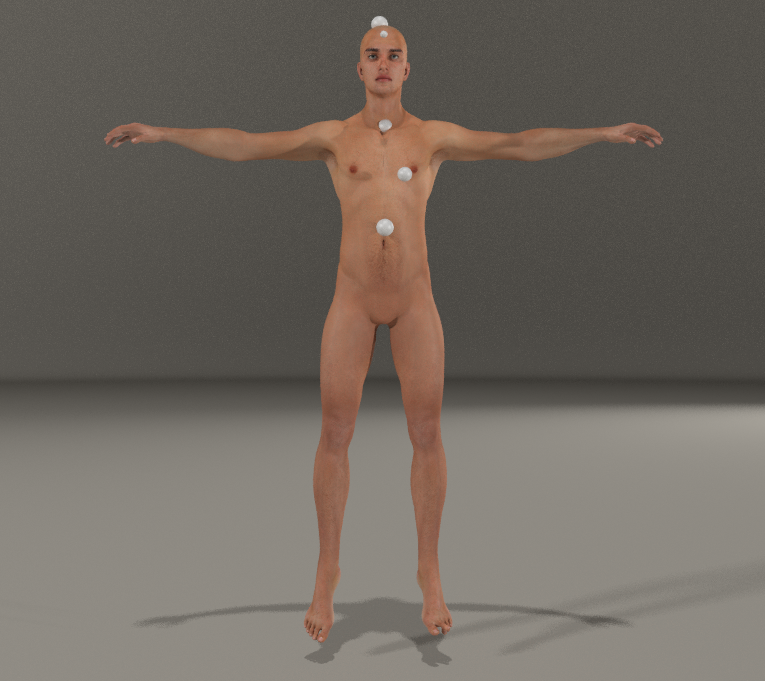
仏陀の法では、スシュムナー管がもう一本ある。つまり二本あるのだ。クンダリニ ー・ヨーガと正反対、尾祇骨から会陰を通って、腹部の正中線を真っ直ぐ、臍輪を経 て咽喉に至る気道である。目ざめたクンダリニーは、背部のスシュムナー管とともに、 この腹部スシュムナー管をも上昇する。(上昇するというより、上昇させるのだ)

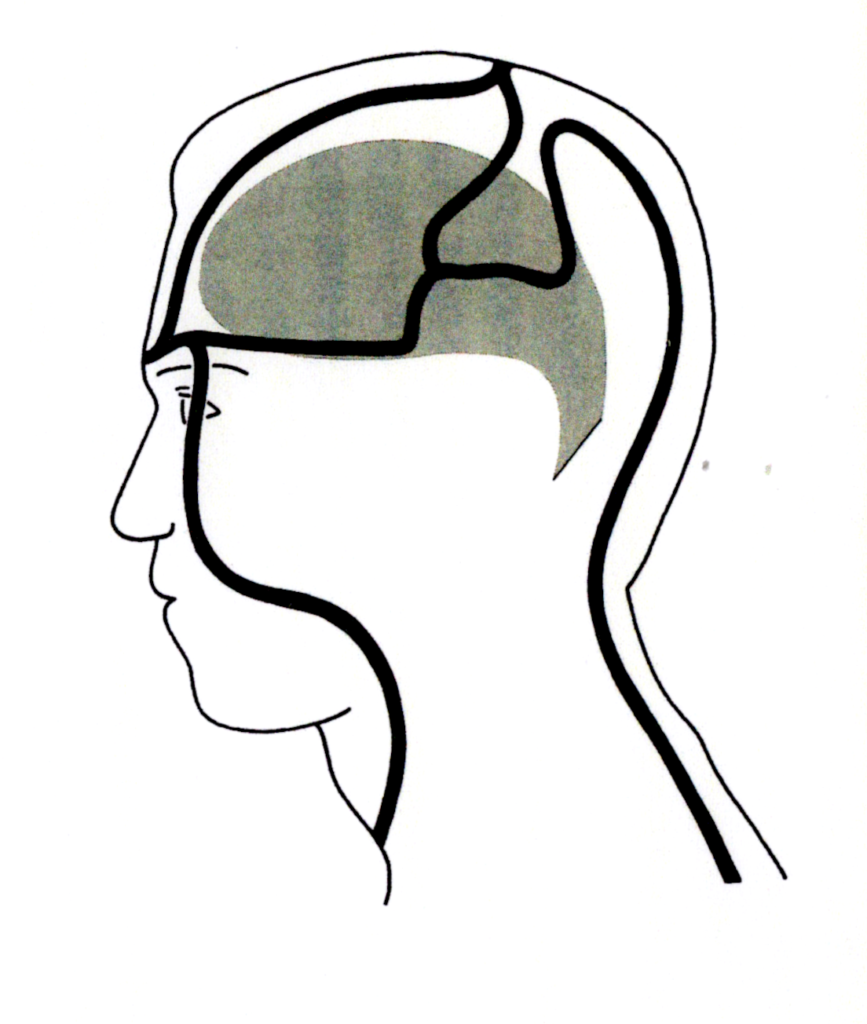
この腹部スシュムナーのクンダリニー・エネルギーを、コントロールしつつ、各チ ャクラを開発、覚醒するのが、仏陀のピンガラ、イダーの両気道である。 つまり、臍輪から約五ないし八センチ(人によって個人差がある)ほど下の辺で、 腹部スシュムナーから分岐し、各チャクラおよび関連臓器、神経を行って上昇し、ま た、下降する。あるいは、咽喉からさらに脳の内部を、鼻柱の奥ふかく、眉間の深部 へと上昇し、脳のチャクラ、神経経路等を行り、延髄の小脳部分で、背部スシュムナ ー管と合流する。

この二つの気道の技法は、チャクラの開発・覚醒にぜったい必要で、これなくして チャクラの完全な開発・覚醒は不可能といってもいいであろう。殊に、視床下部、間

脳の辺の神経経路の増強には、不可欠の技法である。 まさに、神技というしかない微妙きわまる技法である。 では、この神技ともいうべき仏陀の法の修行は、どのようになされるのであろうか。 それは大別して、三つの法から成り立つ。 1、クンダリニーを覚醒する修行法 2、チャクラを開発する修行法 3、ピンガラ、イダーの気道を開発する修行法 である。 それは、特殊な呼吸法、独特な瞑想・観想、マントラ詠唱、ムドラー(手印、ポー ズ) などから構成される。その一つ一つについて解説しよう。ただし、本書は教習書 ではないので、実技の詳細については、著者の別の本(『求聞持聡明法秘伝』その他) を参照、または、著者に就いて実際に習得してほしい。


Therefore, the usage of Buddha’s kundalini energy is completely different from the method of kundalini yoga, and it is used with complete control of kundalini. In short, it is a method of “making” Kundalini energy go. How is it done?

Buddha’s secret method using Pingala and Ida

He would be wise not to make a stupid imitation that would provoke a sleeping Godzilla with a good feeling.

In Buddha’s law, the monster Kundalini is awakened in a very gentle and good mood (?). How? Taoism doesn’t know Kundalini. However, although it is far from Kundalini, he also knows and uses acupuncture points that evoke paranormal strong “Qi” energy.

This is the most secret of Taoism, and very few people know it. (Henri Marr’s Spelo is a little touched on in his book)

This acupuncture point (I think that the part called acupuncture point in China is a kind of chakra) is a little away from the Kundalini chakra. Taoism, as he is now, uses this chakra to evoke a strong “Qi”. It’s a substitute for Kundalini. I don’t know Kundalini itself.

I am wondering if it has disappeared someday. In other words, Kun thinks that only a small starting motor for starting a huge motor called Darini was passed on to Taoism.

The Buddha’s secret method of using Kundalini, a radical energy that is brilliantly controlled, can only be admired.

However, this is not the only secret method of Buddha. The Buddha teaches us even more surprising secrets.

In a nutshell, it’s his use of the Pingala and Eider airways for accelerators and brakes. However, I don’t know if this is Kundalini Yoga’s Pingala, Ida itself.

Or it may be the airway newly created by the Buddha. For Kundalini Yoga’s Pingala and Ida, as mentioned earlier, ascend both sides of his Munner’s canal through the spinal column, but these two airways of the Buddha are on the opposite side. This is because the abdomen goes up and down. However, I am due to the function of these two airways.

And again, this is Pingala and Ida, and he wonders if the Buddha was changed in this way. Therefore, we will call these two airways by the names of Pingala and Ida.

Now, from the functions of these two airways, what kind of function does it have? ”The Pingara airway has the function of activating and raising the kundalini energy. Eider’s airways have the function of calming and condensing. In other words, as I said earlier, it acts as an accelerator and a brake. It is used as follows.

Two Sushmuner tubes

According to Buddha’s law, there is another Sushmuner tube. In other words, there are two. Opposite to Kundalini Yoga, it is the airway from the caudal bone through the perineum, straight through the midline of the abdomen, through the navel ring to the throat. The awakened kundalini ascends this abdominal Sschmuner’s canal as well as the dorsal Sushmuner’s canal. (Rather than rising, raise)

It is the Buddha’s Pingala and Ida airways that develop and awaken each chakra while controlling the kundalini energy of this abdominal sshmuner. That is, about 5 to 8 cm below the umbilicus (depending on the individual), it branches off from the abdominal sushmuner and rises and falls through each chakra and related organs and nerves. Alternatively, it rises further from the throat to the depths of the nasal column and deep between the eyebrows, follows the chakras of the brain, nerve pathways, etc., and joins the dorsal Sushmuner canal at the cerebellum part of the medulla oblongata.

These two airway techniques are absolutely necessary for the development and awakening of the chakra, and without it it would be impossible to fully develop and awaken his chakra. Especially in the hypothalamus, between

It is an indispensable technique for enhancing neural pathways around the brain. It is a delicate technique that can only be called a divine technique. Then, how is the practice of the Buddha’s law, which can be called this divine technique, done? It is roughly divided into three laws. 1. A training method to awaken the kundalini 2. A training method to develop chakras 3. A training method to develop the airways of Pingala and Ida. It consists of special breathing methods, unique meditations / ideas, mantra chanting, mudra (hand marks, poses), etc. Let me explain each one. However, since this book is not a training book, please refer to another book by the author (“Kumon Mochi Satoshi Hosekiden” and others) for details of the practical skills, or ask the author to actually learn it.

Bonji 梵字 降三世明王 Trilokya Vijaya トライローキヤ・ヴィジャヤ

降三世明王

降三世明王


シヴァは妻のパールヴァティーと共に「過去・現在・未来の三つの世界を収める神」として ヒンドゥー教 の最高神として崇拝されていたが、 大日如来 はヒンドゥー教世界を救うためにシヴァの改宗を求めるべく、配下の降三世明王を派遣し(或いは大日如来自らが降三世明王に変化して直接出向いたとも伝えられる)、頑強難化のシヴァとパールヴァティーを遂に超力によって降伏し、仏教へと改宗させた。


降三世明王の名はすなわち「三つの世界を収めたシヴァを下した明王」という意味なのである。

降三世明王は右の絵の通り三面八臂の姿をしており、二本の手で印象的な「降三世印」を結び、残りの手は弓矢や矛などの武器を構える勇壮な姿であるが、何より両足で地に倒れた大自在天(シヴァ)と妻烏摩妃(パールヴァティー)を踏みつけているのが最大の特徴である。

誰かを踏みつけた仏と言えば 四天王 がそれぞれ 邪鬼 を踏みつけているが、降三世明王は「異教とはいえ神を倒して踏みつけている」という点でひと際異彩を放つ仏である。

降三世はサンスクリット語で、トライローキヤ・ヴィジャヤ(三界の勝利者  Trailokyavijaya )といい、正確には「三千世界の支配者 シヴァ を倒した勝利者」の意味。

「オン・ソンバ・ニソンバ・ウン・バザラ・ウン・ハッタ」( Oṃ śumbha niśumbha hūṃ vajra hūṃ phaṭ )


Descending Third Myoo

Descending Third Myoo  Trilokya Vijaya

Along with his wife Parvati, Shiva was worshiped as the supreme deity of Hinduism as “the god who contains the three worlds of the past, present, and future”, but Dainichi Nyorai seeks Shiva’s conversion to save the Hindu world. In order to do so, he dispatched his subordinate Gosansei Myoo (or it is said that Dainichi Nyorai himself changed into Gosansei Myoo and went there directly), and finally surrendered Shiva and Parvati, who were becoming difficult to stubborn, by superpower and went to Buddhism. and converted.


The name of Gosansei Myo-o means ‘the Myo-o who brought down Shiva who contained the three worlds’.

As you can see in the picture on the right, Gozansei Myo-o has three faces and eight arms, with two hands tied in an impressive “Gosansei seal”, and the other hand holding a weapon such as a bow and arrow and a spear. However, above all, the greatest feature is that he tramples Shiva and his wife Parvati, who have fallen to the ground with both feet.

Speaking of the Buddha who trampled on someone, each of the four heavenly kings trampled on evil spirits, but Gozansei Myo-o is a Buddha that stands out in that “he defeats and tramples gods, even though he is a pagan.”

In Sanskrit, Gozansei is called Trailokyavijaya (Trailokyavijaya, the victor of the three worlds), and to be exact, it means “the victor who overthrew Shiva, the ruler of the three thousand worlds”.

“Oṃ śumbha niśumbha hūṃ vajra hūṃ phaṭ”


聖徳太子の活躍

聖徳太子の活躍推古天皇の皇太子となった聖徳太子は、国の政治に仏教の教えをとり入れました。太子は2歳の時にすでに「南無仏」と唱えたとされ、奈良県内には「聖徳太子2歳立像」のある寺がいくつかあります。また、太子は仏教を研究するため世俗と離れた斑鳩の宮に住まわれ、そこから飛鳥まで斜めに直線で結ぶ「太子道(たいしみち)」という当時のハイウェイを愛馬黒駒にまたがり日々通勤したといわれています。その太子は、我が国初の仏教注釈書を三冊書き上げたともいわれています(「三経義疏」)。太子の教えは、「世間は仮であり、ただ仏のみが真である」「諸悪をなさず、諸善を行え」といった、分かりやすい言葉で人々に伝えることに主眼があったようです。この考え方は、仏教の普及に大きな影響を与え、基本的には今日まで受け継がれています。

日本の仏教

6世紀の中頃(538年とする説が有力です)、欽明天皇の時に、百済の聖明王が仏像と経典を遣わしました。いわゆる仏教伝来です。受け取った仏像を見て、欽明天皇は「仏の顔キラギラし」と金メッキの仏像に大いに感嘆したとのことです。しかし、国家として、従来の土着の古神道に対し、「今来の神」としての仏教を受容するには紆余曲折がありました。やがて、国を二つに割るほどの争いとなり、排仏をとなえた物部氏を蘇我氏が破ることで仏教を公式にまつることに決定したのです。それによって、飛鳥地方には、飛鳥寺、橘寺、川原寺などが次々と建てられていきました。

和讃 仏舎利尊 Wasan Buddhist sarison 3

「宝生解脱のその力 功徳のほどを伝うべし」


福徳宝 生 の徳と因縁解脱の徳、この二つを仏舎利尊さまはご利 益として、わたくしたちにくださる。それはインドの昔から、数限 りない体験談によって証明されています。ですから「功徳のほどを 伝うべし」とあるのです。

像法の時代から末法の時代へ

「そもそも祀る宝塔は 仏の慈悲のかぎりなく

方便止まずして 末世の衆生救わんと 舎利をとどめ置き給う」


これは、お釈迦さまのご慈悲は実に限りないものであり、涅 槃 に入られたのちもなお、末世の衆生を救うために、この世に仏舎利 をとどめ置かれたのである、という意味です。つまり、仏舎利こそ が仏教の本尊であることを示したものです。ことに末法の世の本尊 は、仏舎利しかありません。

仏舎利の功徳に末法の世界の人間を救う、というのがあります。 昔から仏教では、正法の時代、像法の時代、末法の時代、この三 つがあると説かれております。正法というのは、お釈迦さまのお説 きになった教法が、そのまま、まちがいなく行なわれている時代で す。お釈迦さまがおなくなりになって五百年は、この正法の時代で ある、とされております。

それが過ぎますと、像法の時代です。像というのは、鏡に写る影 像のことですから、そのように真実ではない形ばかりの影像の時代 が、像法の時代です。実物ではないわけです。像法の時代は、お釈 迦さまの教えや法が行なわれているように見えるけれども、その内 容はまったく違ったものというわけです。

わたくしは、いまの世は、像法の時代から末法の時代に入ってき ていると思います。たとえばこれまでの日本の仏教が像法の仏教で したね。仏教といってはいますが、お釈迦さまがお說きになった真 実の仏法・七科三十七道品は影も形もない。またそれが説かれた『阿 含経』は、まったくかえりみられない。そうして、そういうものが 仏教という名前で説かれているのですから、まさに像法です。 この像法の千年が経つと、末法に入ります。末法の時代というのは、もう像法でさえ行なわれない時代ということです。仏舎利尊は、 この末法の世界の人たちを救う本尊なのです。末法時代の人という ものは、仏の教えなど真剣に聞こうとしませんから、とにかく、理 くつ抜きに救いの手に掬い上げてやらなければいけない。ですから まず、信じさえすれば必ずそれだけの力をスト レートにくださる、 という仏舎利尊でなければ末法の世は救われないのです。


現形された法爾無作の仏


「変化法身仏舎利尊 納め祀れる霊祠なり」


“The power of Hosho liberation, the degree of merit should be conveyed.”


The virtue of good fortune and the virtue of liberation from karma, these two are given to us by Buddha Sharison as a blessing. It has been proven by countless testimonials from ancient times in India. That’s why it says, “You should pass on your merits.”

From the age of the image law to the age of the end of the law

devil

“In the first place, the treasure pagoda enshrined is the limitless mercy of the Buddha.

In order to save the lives of people in the last world without stopping, please keep the reliquary.”


This means that Buddha’s mercy is truly limitless, and even after he entered Nirvana, he kept the Buddha’s ashes in this world in order to save sentient beings in the latter age. In other words, it shows that Buddha’s ashes are the principal image of Buddhism. In particular, the Buddha’s reliquary is the only principal object of worship in the world of the Latter Day of Law.

One of the merits of Buddha’s ashes is that they save people in the world of the Latter Day of Law. In Buddhism, it has been preached since ancient times that there are three eras: the age of the true law, the age of the image law, and the age of the final law. The right way is the age when the teachings taught by the Buddha are practiced without a doubt. It is said that the 500 years since Shakyamuni passed away is in this age of the true law.

After that, it will be the age of the Image Law. An image is an image reflected in a mirror, so the age of imagery that is not true and only a form of image is the age of image law. It’s not real. In the age of the image law, it seems that the Buddha’s teachings and laws were being practiced, but the content was completely different.

I believe that the present world is moving from the age of the image law to the age of the end of the law. For example, the Buddhism in Japan up to now is the Buddhism of the image law, and he did it. Although it is called Buddhism, there is no trace of the true Buddhism taught by the Buddha, the Thirty-seven Dharma of Seven Courses. Moreover, the Agon Sutra, in which it is preached, is completely irrelevant. And since this kind of thing is preached under the name of Buddhism, it is truly an image law. After the 1000 years of this Image Dharma, we will enter the end of the Dharma. The Age of the Dharma’s End means that even the Image Dharma will no longer be practiced. Butsusharison is the principal image that saves people in this world of the Latter Law. People in the age of the end of the law don’t listen to the Buddha’s teachings seriously, so anyway, I have to scoop them up in the hands of salvation without reason. Therefore, first of all, if he believes, he will surely give that much power to his rate.


Realized Buddha of Hōni


“The Transforming Dharma Body Buddha Sharison is a shrine to be enshrined”


和讃 仏舎利尊 Wasan Buddhist sarison 2


要するに、阿含宗こそ仏教の本道を歩んでいる教団である、とお 釈迦さまが自らお認めくださったということにほかならない。これ をみなさんに、まず最初によく認識していただきたいと思います。

礼拝の正しい心がまえ

たた

和讃というのは、日本語でできた、仏さまを讃える歌という意味 です。讃というのは、文字どおり、誉め讃えるということですね。 ふつう仏教で讃という場合、たいてい漢文のものをさしますので、 日本語でできた讃を和讃と呼ぶわけです。キリスト教でいう讃美歌 と思えばよいでしょう。

きみょうちょうらい

「帰命 頂 礼仏舎利尊」

要するに、阿含宗こそ仏教の本道を歩んでいる教団である、とお 釈迦さまが自らお認めくださったということにほかならない。これ をみなさんに、まず最初によく認識していただきたいと思います。

礼拝の正しい心がまえ

たた

和讃というのは、日本語でできた、仏さまを讃える歌という意味 です。讃というのは、文字どおり、誉め讃えるということですね。 ふつう仏教で讃という場合、たいてい漢文のものをさしますので、 日本語でできた讃を和讃と呼ぶわけです。キリスト教でいう讃美歌 と思えばよいでしょう。


「帰命 頂 礼仏舎利尊」


さて、どのような和讃でも、たいてい帰命頂礼ということばでは じまっております。

まず帰命というのは、「南無」の意訳で、命をかけて帰一する、 仏さまに心からお仕えする、という意味です。阿含宗の聖典に「南 無大慈大悲法身駄都如意宝珠尊」とありますが、あの南無です。こ の南無というのはサンスクリット語の「ナマス」をそのまま漢字に 音写したもので、さきほどお話ししたように、仏さまへの深い帰依 をあらわすことばです。 それから頂礼というのは、 頂 に礼するという意味で、五体投地

さて、どのような和讃でも、たいてい帰命頂礼ということばでは じまっております。

まず帰命というのは、「南無」の意訳で、命をかけて帰一する、 仏さまに心からお仕えする、という意味です。阿含宗の聖典に「南 無大慈大悲法身駄都如意宝珠尊」とありますが、あの南無です。こ の南無というのはサンスクリット語の「ナマス」をそのまま漢字に 音写したもので、さきほどお話ししたように、仏さまへの深い帰依 をあらわすことばです。 それから頂礼というのは、 頂 に礼するという意味で、五体投地

のことです。仏教のいちばん丁 重 な、仏さまの拝み方は五体投地 というものですが、これは右足、左足、右手、左手、額の順に五体 を地面につけて、そして自分の額に仏さまのおみ足をいただいてい ると観想して行なう礼のことで、またの名を仏足頂礼といいます。

みなさんが毎日の勤行のときに、 「オン サラバタタギャタ ハンナマンナノウ キャロミ」

と中腰で礼拝するのは略式であって、本来は、五体を地につけて 礼拝しなければいけない。現在は略式になってしまい、少し腰をか がめる程度で礼拝しておりますが、みなさんは五体投地の礼もとき にはきちんとやらなければいけませんね。

いまでも南伝仏教の人たちは、五体投地で礼拝しております。チ ベットなどでも、ラサの周囲何キロというところを、五体投地の礼

せいがん

をしながら三十回あるいは百回まわると誓願を立て、何か月もかけ て巡る修行者を見かけます。

南無、五体投地、仏足頂礼、そういったものをすべて含めて、「帰 命頂礼仏舎利尊」とあらわしているのです。わたくしたちは、仏舎 利尊を生けるお釈迦さまとして礼拝信仰しておりますから、その生 きたお釈迦さまのおみ足を額に受けて礼拝しているのだ、仏舎利尊 さまに命懸けで帰一するのだ、という気持ちで、「帰命頂礼仏舎利 尊」とお唱えしなければいけません。

「宝生解脱のその力 功徳のほどを伝うべし」


In short, it is nothing less than the fact that the Agon sect is the sect that pursues the true path of Buddhism, and that the Buddha himself acknowledged it. I would like everyone to be well aware of this first.

Correct mindset for worship

very much

Wasan means a song written in Japanese to praise the Buddha. Praise literally means to praise. In Buddhism, san usually refers to Chinese writing, so san written in Japanese is called Wasan. Think of it like a hymn in Christianity.

kimyouchorai

“Kimyo Chorei Butsu Sharison”

In short, it is nothing less than the fact that the Agon sect is the sect that pursues the true path of Buddhism, and that the Buddha himself acknowledged it. I would like everyone to be well aware of this first.

Correct mindset for worship

very much

Wasan means a song written in Japanese to praise the Buddha. Praise literally means to praise. In Buddhism, san usually refers to Chinese writing, so san written in Japanese is called Wasan. Think of it like a hymn in Christianity.


“Kimyo Chorei Butsu Sharison”


Now, in any kind of Wasan, he usually begins with the word kimei chorei.

First of all, Kimyō is a literal translation of “Namu”, which means to devote one’s life to return to oneness, to serve the Buddha from the bottom of one’s heart. In the scriptures of the Agon sect, it says, “Namu Daiji Daihi Hoshindatsu Nyoi Hojuson,” and that is Namu. The name namu is a transliteration of the Sanskrit word namasu, and as I mentioned earlier, it is a word that expresses a deep devotion to the Buddha. Chorei means bowing to the top,

Now, in any kind of Wasan, he usually begins with the word kimei chorei.

First of all, Kimyō is a literal translation of “Namu”, which means to devote one’s life to return to oneness, to serve the Buddha from the bottom of one’s heart. In the scriptures of the Agon sect, it says, “Namu Daiji Daihi Hoshindatsu Nyoi Hojuson,” and that is Namu. The name namu is a transliteration of the Sanskrit word namasu, and as I mentioned earlier, it is a word that expresses a deep devotion to the Buddha. Chorei means bowing to the top,

That’s what I mean. The most respectful way of worshiping the Buddha in Buddhism is the five-body throwing, in which the five bodies are placed on the ground in this order: right foot, left foot, right hand, left hand, and forehead, and then rest the Buddha’s feet on one’s forehead. It is a ritual that is performed while contemplating this, and is also called the Buddha’s feet.

When you go to the shrine every day, “On Sarabatata Gata Hannamannanou Caromi”

It is an informal form of worshiping with a kneeling position, and originally, one should worship with all five bodies on the ground. Currently, it has become informal, and we worship him by bending his hips a little, but you have to do the bow properly when you do the prostration.

Even today, people of Nanden Buddhism worship in a five-body prostration. Even in his bed, he would walk several kilometers around Lhasa in a ritual of prostration.

Seigan

I see a monk who makes a vow to go around thirty or a hundred times while doing this, and spends months following him.

Namu, five-body throwing, and Buddha’s foot chorei are all included in the expression ‘Kimeichorei Butsusharison’. Since we worship and believe in the Buddha as the living Shakyamuni, we are worshiping with the feet of the living Shakyamuni on our foreheads, risking our lives to return to the Buddha. With that in mind, we must chant “Kimei Chorei Butsari Son”.

“The power of Hosho liberation, the degree of merit should be conveyed.”

Bonji 梵字  准肌観音 Junhada Kannon

准肌観音

准胱観音真言
なう まく さ た なん さん みゃく さん ぼ だ く ち なん
た にや た おん しゃ れい しゅ れい じゅん でい そわ か

准服とは、梵名チユンデイ上の呂号の音写で「清浄無垢」という意味があり、さとりの道を歩ませる観音です。
別名、准服仏母、七倶服仏母とも呼ばれます。
七倶服とは「無量」を意味しますから、多くの諸仏の母となります。そのため観音菩薩ではないとの説もあります。経軌にも観音として説かれてい
ないことから、犬台密教では准肛如来として仏部の尊としますが、真言密教では観音の一つとして六観音の中に加えます。
求児・安産の本尊としてもまつられます。もとは水の神で、その姿は女身といわれています。
なお、胎蔵曼荼羅中台八葉院の観音の種子は、この准服観音のブ(回)字が記されています。

Kannon Mantra
Nau Maku Sato Nan Myaku San Bodaku Chi Nan
Taniyata Onsharei Junde Sowaka

Junfuku means “purity and innocence” in the transcription of the Sanskrit name Chiyundei Ueno, and is a Kannon who walks the path of enlightenment.
It is also known as Junfuku Butsumo and Shichikufuku Butsumo.
Shichigofuku means “infinite”, so she is the mother of many Buddhas. Therefore, there is also a theory that it is not Kannon Bodhisattva. It is also described as Kannon in the sutra.
Inudai Esoteric Buddhism regards it as Junko Nyorai, but in Shingon Esoteric Buddhism it is added to the Six Kannons as one of the Kannons.
It is also enshrined as the principal object of worship for child-seeking and safe childbirth. Originally a goddess of water, her appearance is said to be that of a woman.
In addition, the seed of Kannon in the Taizo Mandala Nakadai Hachiyoin has the v (kai) character of this Junfuku Kannon.