UA-135459055-1

仏教

「魚籃観音(ぎょらんかんのん)」とは、仏教の観音菩薩を祀る寺院において、魚や海産物の豊漁と漁業の安全を願う信仰の対象となる観音像のことを指します。


中国の時代、を扱う美女がおり、観音経金剛経法華経を暗誦する者を探し、めでたくこの3つの経典を暗誦する者と結婚したがまもなく没してしまった。この女性は、法華経を広めるために現れた観音とされ、以後、馬郎婦観音(魚籃観音)として信仰されるようになったという。


「魚籃観音(ぎょらんかんのん)」とは、仏教の観音菩薩を祀る寺院において、魚や海産物の豊漁と漁業の安全を願う信仰の対象となる観音像のことを指します。

「魚籃」という言葉は、観音菩薩が魚籃(ぎょらん)を持っている様子から来ています。この魚籃は、魚や貝などの海産物を収める籠のことで、漁業において大漁を願うシンボルとされています。

また、魚籃観音は、女性にも親しまれている観音像の一つで、女性の病気や安産、子育てなどの願いも叶えるとされています。

日本の有名な魚籃観音寺としては、神奈川県横須賀市にある高徳院や、鳥取県東伯郡琴浦町にある神峰寺があります。


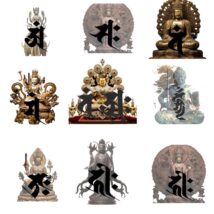
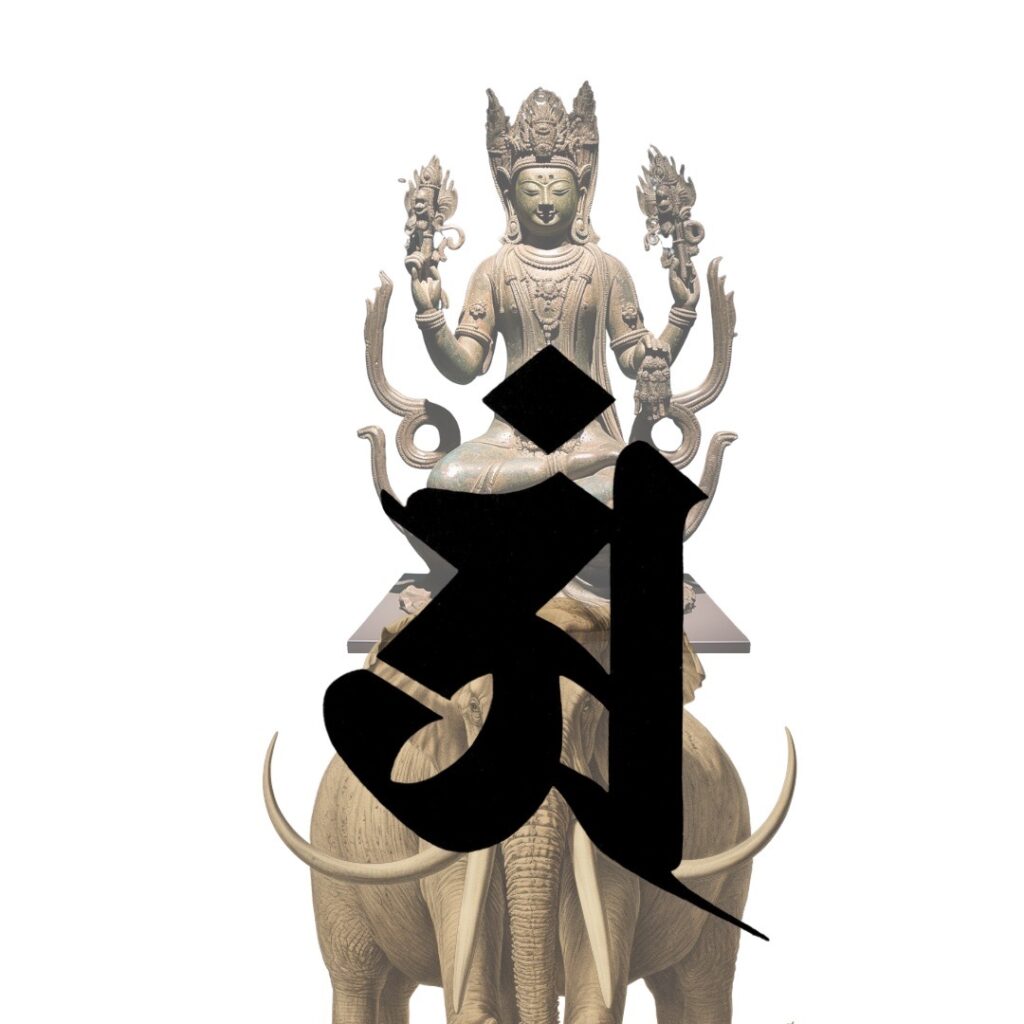
延命十句觀音經 普賢延命 普賢延命菩薩

大安楽不空真実菩薩は悟りを生み出す智慧を持つとされ、この菩薩が制定した禅定に入れば時の限界を超越した安楽な命が生成されるとされることから「普賢延命」と呼ばれるようになった[4]

普賢延命菩薩は、普賢菩薩釈迦如来の脇侍であり、独尊としても祀られる)から派生した密教系の菩薩像であり、除災、長寿などを祈念する修法「普賢延命法」の本尊として造像される。

  • オン・バザラユセイ・ソワカ (Oṃ vajrāyuṣe svāhā) [注 2][3]


延命十句觀音經


觀世音
南無佛
與佛有因 與佛有緣

じょうらくがじょう
ちょうねんかんせ
佛法僧綠
朝念觀世音
常樂我淨
暮念觀世音
ねんねんゆうしんき
念念從心起
ねんねん
念念不離心


準眠觀音經

準展功徳衆。寂静にして心常に
誦すれば一切諸々の大難能く是
の人を侵すこと無し。天上及び
人間福を受くること雌の如く掌
し、此の如意味に過は定んで無等等を得ん。

若し我誓願大悲の建一人として世の願を成ぜずんば我れ妄罪過の裡に喧し
て本覧に歸らず大悲を捨てん


観音われいま作るところの形相は、

觀音妙法實相仏物の相

思うところの想念は、觀音妙智
の大智恵。

となうるところの眞言は 觀
示現の大神呪

三密ことごとく具足して、われ
いままさに座す觀音光明世界一切の悪因を離れ、もろもろの惡業を捕って觀音妙法實相 の聖
あくこう
のんみょうほうじっそう心に一切の悪因なく、身の惡業なきゆえに、心に一切

悲しみなく、

怒りなく、

怖れなく、

傲りなく、

身に一切の痛みくるなく、

苦しみなく、

一切の魔障怨敵退散して内外ともにことごとくなく、

苦しみな怨敵退散して内外ともにことごとく無欠なり

光明遍照三昧行因
即諸惡之身願“因成成消佛就滅照
三味味味

御言(十唱)

如是我聞と阿含経 Nyoze Gamon and Agon Sutra

如是我聞と「阿含経」

如是我聞。一時仏住迦毘羅衛国尼拘 律園中。爾時釈氏摩訶男来詣仏所。 稽首仏足退坐一面。 白仏言。世尊。 何名優婆塞。仏告摩訶男。 優婆塞 在家清白。乃至尽寿帰依三宝為優 婆塞証知我。

  • 現代語訳
  • 一切


是の如く現れ聞きぬ。一時、仏、逆毘羅衛国狗律園

中に住まりたまえり。雨の時釈 氏摩訶男、仏の所に来 し、私の足にしたてまつり退いて一面に坐し、仏 に白してさく、「世尊よ、何が優婆塞と名づくるや」と仏、摩訶男に告げたまわく、「優婆塞とは在家清白乃至「寿尽くるまで三宝に帰依し、優婆塞と為らん 我れを証知したまえ』」 と。


このように私は聞きました。ある時、仏さまがカピラヴァットゥ (迦毘羅衛国)のニグローダ (拘律)園におとどまりになっておられました。そこへ、在家の弟子であり、仏さまの従兄弟 でもあるマハーナーマ (摩訶男)が、数人の在家信者を引き連れて現われ、仏足頂礼の礼をして 仏さまの前に座り、質問いたしました。

「世尊よ、優婆塞 (在家仏教徒) とは、どのような人に対して名づけられたものでありましょう

仏さまはマハーナーマに、

「在家の者が仏や師となる僧侶のもとに行き、「自分が生きているかぎり、死ぬまでの今後一生 を通して三宝に帰依いたします。 私を優婆塞としてお認めください」と申し出て、仏や僧侶がそ れを認めるならば、その者は優婆塞となります」

と告げられました。

解説

まず、最初に「姫是我(是の如く我れ聞きぬ)」という言葉があります。ほとんどのお経がこ の言葉で始まっておりますが、「私はこのように仏さまからうかがいました」という意味です。 この「私」とはだれか?

これは、お釈迦さまの十大弟子の一人で、記憶力第一といわれたアーナンダ(阿難であると されております。 アーナンダという方は、二十五年間にわたってお釈迦さまのおそば近くに仕え、 その説法の一言一句を残らず記憶していました。 お釈迦さまがお亡くなりになった直後、このア ナンダや大長老のマハーカッサパ(摩迦葉)を含めた五百人の仏弟子たちがラージャガハマハーカッサパが座長になり、アーナンダが自分の聞き覚えていたものを口述し、それを弟子たち全員で議論していくという形で、教法はまとめられていきました。

(王舎城)の七葉窟に集結し、お釈迦さまの教法の編纂を始めたわけです。

たとえばアーナンダが、

「私は祇園精舎でこのような教えを拝聴しました」

と話すと、それに異論のある者は手を挙げて、

「それは私の記憶とは違う・・・・・・」

と自分の記憶している内容を述べたわけです。すると座長のマハーカッサパが、

「みなさんはどのように記憶しておられますか?」

と、他の弟子たちに語り、それぞれが記憶をたどりながら、正しい答えを導き出してまとめて いったわけです(『南伝律」「小品」 十一秒)。そのようにして編纂されていった経典が「阿含経」 です。ですから、「阿含経」に「如是我聞」という言葉が使われているのは当然です。 ところが、仏 滅後数百年経ってから創作された経典、たとえば『法華経』や『華厳経』などの大乗経典も、 「阿含経」の形式をまねて「如是我聞」の四文字から始まっています。 これは言語道断です。 ほ とんどの経典がこの「如是我聞」から始まるために、後世の人たちはすべてのお経はお釈迦さま 一代の教説である、と思い込んでしまったのです。さらには、間違った教相判釈が立てられ、 「阿含経」は小乗経典という、まったく見当違いの評価を受けるようになってしまいました。

「如是我聞」 はたった四文字の言葉ですが、これほど重要な意味を持っています。わたくしたち は、「如是我聞」 を使うことのできるお経は「阿含経」だけなのだという真実をよく理解すると 共に、それを世間に広めていかなければなりません。

優婆塞とはなにか

それでは、お経の内容を解説いたしましょう。

ある時、お釈迦さまがカピラヴァットゥ (迦羅衛国)のニグローダ(尼拘律)園におられまし た。カピラヴァットゥというのはお釈迦さまの故郷で、現在のネパールのタライ地方付近である といわれております。そのカピラヴァットゥにニグローダ(サンスクリット語ではニヤグローダ。 バニヤンの樹)という樹木がたくさん生えている林があり、その中の精舎、つまり道場にお釈迦 さまは滞在されておられました。

そこへ、在家の弟子であり、またお釈迦さまの従兄弟でもあるマハーナーマ(摩訶男)が、数 人の在家信者を引き連れて現われ、仏足頂礼の礼をしてお釈迦さまの前に座り、質問いたしまし

仏門に帰依した者はすべてお釈迦さまの子であるという考えから、仏教徒を釈子あるいは釈氏 といいます。しかし、ここに登場するマハーナーマはお釈迦さまと同じ釈迦族の人ですから、こ ここでいう釈氏は「仏教徒の」と訳すだけではなく、 「釈迦族の」と訳してもよいでしょう。

「仏の足に稽首したてまつり」とは仏足頂礼といい、五体を地につけてお釈迦さまのおみ足を 額にいただく礼拝のことです。インドではこれがいちばん丁寧で、心からの帰依を表す礼とされ ております。仏足頂礼は五体を地につけて礼拝するので、五体投地とも呼びます。 スリランカな どの南伝仏教の国では、パーリ語で「ブッダム サラナム ガッチャーミ(われ、仏に帰依したてまつる)」と唱えて仏足頂礼の礼をします。 わたくしたちは勤行の時に膝をかがめて、

オサラバタタギャタ ハンナマンナノウ キャロミ」

礼拝いたしますが、これは五体投地を簡略化したものです。

しかし、形の上では簡略化してありますが、心の中では五体を地につけてお釈迦さまのおみ足をいただいてる、と観想して礼拝しなければいけません。

と質問したわけです。

マハーナーマもこの時、仏足を頂礼してお釈迦さまにご挨拶し、

「世尊よ、優婆塞とは、どのような人に対して名づけられたものでありましょうか?」

優婆塞とはパーリ語・サンスクリット語のウバーサカを漢字に音写したもので、普通は男性の 在家信者を指します。 これに対して女性の在家信者は優婆夷と呼び、同じくパーリ語・サンスク リット語でウバーシカーといいます。

それでは、マハーナーマはそのようなことも知らなかったのか、というとそうではありません。 逆に、彼は優婆塞の深い意味をよく知った上で、質問しているのです。それは、なぜでしょう か?

マハーナーマ自身は優婆塞についてよく知っているけれども、自分が連れてきた者たちはまだ よく分かっていない。 そこで、優婆塞の心構えを知ってもらうために、わざと自分自身も知らな ふりをしてお釈迦さまに質問しているわけです。このような質問の仕方を赴機間と呼びます。 仏教経典の中には、時々こういう赴機間が出てきます。


Nyoze Gamon and Agon Sutra

Just ask me. Temporarily resides in the Kabira Ekokuni Prison. This is the Buddhist temple where Mr. Jishakuji Makoto visited. One side of the practice head Buddha foot retreat. White Buddhism. World Honored One. What a good old lady. Buddhist monk. Yubasai is a layperson. From life to devotion to the three treasures, the mother knows me.

modern language translation
nothing at all


He appears and does not hear. Temporary Buddha

Maeri lived inside. When it rains, Ujimakao comes to the Buddha, puts his feet on my feet, recedes, sits down on one side, and bows to the Buddha, saying, “World-Honored One, what is the name of Yubasa?” Buddha said to Makoto, “A yubasai is a pure layman.


This is how I heard. Once upon a time, the Buddha was residing in the Nigroda Garden in Kapilavattu. There, a mahanama, a lay disciple and a cousin of the Buddha, appeared with several lay followers, and sat down in front of the Buddha, asking a question. did.
“World-Honored One, to what kind of person is the name ‘Yubasai’ (layout Buddhist)?
Buddha to Mahanama
“A layperson would go to a Buddhist monk who would become a Buddha or a teacher, and say, ‘As long as I live, I will devote myself to the Three Jewels throughout my life, until I die. If a Buddha or a monk recognizes this, he or she becomes a Yuwasai.”
I was told.

Commentary

First of all, there is the phrase, “Hime no kore ga”. Most of the sutras begin with this word, and it means, “I heard from the Buddha in this way.” Who is this “I”?

This is said to be Ananda, one of the ten great disciples of the Buddha and said to have the best memory. Immediately after Buddha passed away, 500 disciples of the Buddha, including this Ananda and the great elder Mahakassapa, were led by Rajagahamahakassapa. , Ananda dictated what he had heard, and all the disciples discussed it, and the teaching was summarized.

They gathered at the Seven Leaves Grotto (royal castle) and began to compile the Buddha’s teachings.

For example, Ananda

“I heard such teachings at Gion Shosha.”

and those who objected to it raised their hands,

“That’s not what I remember…”

I said what I remembered. Then the chairman, Mahakassapa, said,

“How do you all remember?”

He told the other disciples, and while each of them traced their memories, they all came up with the correct answer and summed it up (“Nandenritsu”, “Small Piece”, 11 seconds). The sutra compiled in this way is the Agon Sutra. Therefore, it is natural that the word “Nyoze Gamon” is used in “Agon Sutra”. However, the scriptures created several hundred years after the death of Buddhism, such as the Lotus Sutra and the Kegon Sutra, also imitate the format of the Agon Sutra and begin with the four characters “Nyozegamon”. . This is outrageous. Since most of his sutras begin with this “Nyoze Gamon”, people of later generations have been under the impression that all sutras are the teachings of the Buddha’s lifetime. In addition, the erroneous teaching interpretation was made, and the ‘Agon Sutra’ came to be evaluated as the Hinayana Sutra, which was completely misplaced.

“Nyoze Gamon” is only a four-letter word, but it has such an important meaning. We must understand the truth that the only sutra that can use ‘Nyoze Gamon’ is the ‘Agon Sutra’, and we must spread it to the world.

What is Yubasa

Now, let me explain the contents of the sutra.

One day, the Buddha was in the Nigroda Garden in Kapilavattu. Kapilavattu is said to be the hometown of Buddha, near present-day Tarai region of Nepal. In Kapilavattu, there is a forest with many trees called Nigroda (Niyagroda in Sanskrit, banyan tree).

There, a mahanama, a lay disciple and a cousin of the Buddha, appeared with several lay followers, bowed before the Buddha, and asked him a question. Better

Buddhists are called Shashi or Shashi because of the belief that all those who follow Buddhism are the children of Shakyamuni Buddha. However, since the Mahanama who appears here is a member of the Shakyamuni clan, like Shakyamuni, the Shakyamuni here can be translated not only as “of the Buddhists” but also as “of the Shakya clan.”

“Buddha’s Foot Training Festival” is called “Buddha Foot Chorei,” and it is a worship service in which all five bodies are placed on the ground and the Buddha’s foot is placed on the forehead. In India, this is the most polite and sincere gesture of devotion, he says. Buddha’s feet are worshiped with all five bodies on the ground, so it is also called five-body throwing. Sri Lankan, in any southern Buddhist country, he does the Buddha foot bow by chanting “Buddha Saranam Gatchami” in Pali. We bend our knees during the religious service,

Osarabatatagata Hannamannano Caromi”

I salute you, but this is an abbreviated form of prostration.

However, although the form is simplified, in your heart you must put your five bodies on the ground and worship while contemplating that you are receiving the feet of the Buddha.

I asked.

At this time, the mahanama also bowed to the Buddha and greeted the Buddha,

“World Honored One, what kind of person is Yubasa named for?”

Yubasa is a transcription of the Pali/Sanskrit word ubaasaka and usually refers to male lay believers. On the other hand, the female lay believer is called Yubai, and is also called Ubasika in her Lit language, which is Pali and Sansk.

So, did Mahanama not know such things? On the contrary, he asks the question after knowing the deep meaning of Yubasai. Why?

The Mahanama himself is well acquainted with Yubasai, but those whom he has brought with him still do not know him well. So, in order to let you know Yubasa’s attitude, he deliberately pretends to be ignorant of himself and asks the Buddha a question. This type of questioning is called sukikan. In the Buddhist scriptures, there are occasional statements like this.

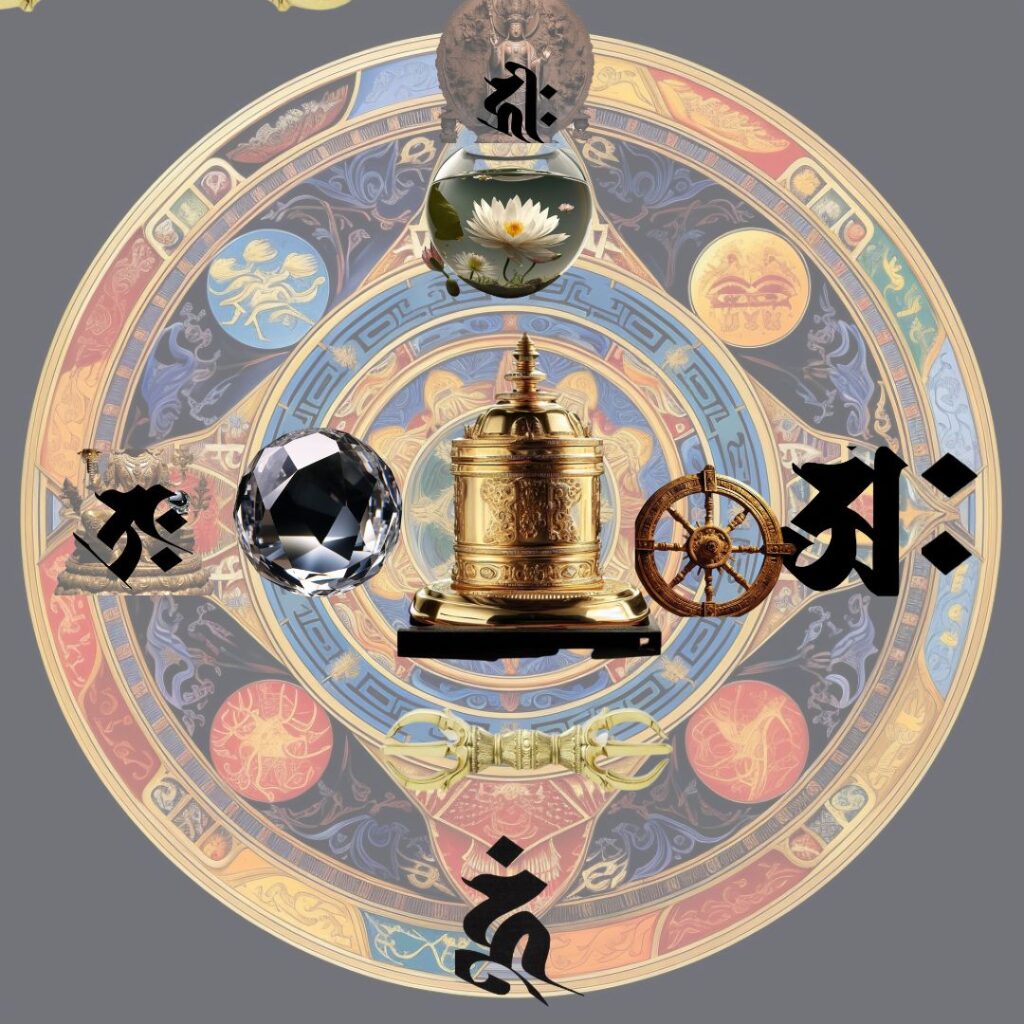
三昧耶会(さんまやえ) 成身会の内容を、諸尊それぞれの三昧耶形で表したもの。

.三昧耶会(さんまやえ)
成身会の内容を、諸尊それぞれの三昧耶形で表したもの

三昧耶会(三昧耶曼荼羅)
成身会の諸仏を、各仏を象徴する持ち物や印相など(三昧耶形)で表した集会図。
●四神は蓮華に、外郭内の四神・四摂の間に賢劫十六尊(三昧耶形)、賢劫の千仏は賢劫十六尊に置き換えられる。


成身会の諸仏を、各仏を象徴する持ち物や印相など(三昧耶形)で表した集会図。


●四神は蓮華に、外郭内の四神・四摂の間に賢劫十六尊(三昧耶形)、賢劫の千仏は賢劫十六尊に置き換えられる。


、仏陀のクンダリニー・エネルギーの使いかたは、クンダリニー・ヨーガの 手法とまったく異なり、クンダリニーを完全にコントロールしつつ使うのである。つ まり、クンダリニー・エネルギーを「行らせる」という手法である。 それはどのようにして、なされるのだろうか?


ピンガラとイダーを使う仏陀の秘法

いい気持で眠っているゴジラを叩き起こすようなバカな真似はしないほうが賢明で あろう。

仏陀の法では、怪物クンダリニーを、ごくおだやかに、上機嫌(?)に目ざめさせ るのである。 どのように? 道教はクンダリニーを知らない。しかし、クンダリニーには到底およばないけれど も超常的な強い「気」のエネルギーを呼び起こす経穴(ツボ)を知ってこれを使っている。

これは道教の最極秘伝になっていて、これを知る人はごく稀である。(アンリ・マー スペロがその著書で、ちょっとこれにふれている)

この経穴(中国でツボと呼ぶ部位は、チャクラの一種であるとわたくしは考えてい る)は、クンダリニーのチャクラから、少し離れたところにある。道教は、いまいっ たように、このチャクラを使って強い「気」を呼び起こすのである。クンダリニーの 代わりといってよいだろう。クンダリニーそのものは、知らないのである。

いつしか消えてしまったのであろうかと、わたくしは考えている。いうならば、クン ダリニーという巨大モーターを起動させるための始動用小型モーターだけが、道教に 伝えられたと考えるわけだ。

クンダリニーという過激きわまるエネルギーを、みごとにコントロールして使う仏 陀のこの秘法には、ただただ感嘆するしかないのである。

だが、仏陀の秘法はこれだけではないのである。さらにおどろくべき秘技を、 仏陀はわれわれに教示するのである。

それは、ひと口にいうと、ピンガラとイダーの気道を、アクセルとブレーキに使う のだといったらよいであろう。ただし、これが、クンダリニー・ヨーガのピンガラ、 イダーそのものであるかどうかは、わからない。

或いは、仏陀があたらしくつくり出した気道であるのかも知れない。というのは、 クンダリニー・ヨーガのピンガラとイダーは、前にのべたように、脊柱を通るスシュ ムナー管の両側を上昇するのであるが、仏陀のこの二つの気道は、その反対側の、腹 部を上下するからである。しかし、わたくしは、この二つの気道の果たす機能からし

て、やはりこれはピンガラとイダーであって、仏陀がこのように変えられたのであろ うと思っている。したがって、この二つの気道を、やはり、ピンガラとイダーという 名称で呼ぶことにする。

いま、この二つの気道の機能からして、といったが、どういう機能を持っているの か?」 ピンガラ気道は、クンダリニー・エネルギーにたいし、発動・昂揚の機能を持つ。 イダーの気道は、沈静・凝縮の機能を持つ。 つまり、さきにいったように、アクセルとブレーキの役目を果たすのだ。 それは、つぎのように使われる。

二本のスシュムナー管

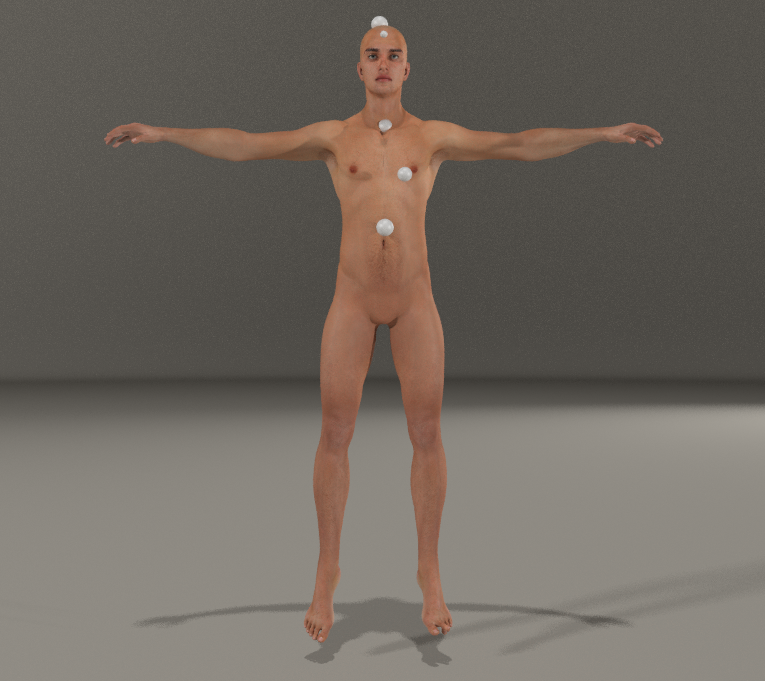
仏陀の法では、スシュムナー管がもう一本ある。つまり二本あるのだ。クンダリニ ー・ヨーガと正反対、尾祇骨から会陰を通って、腹部の正中線を真っ直ぐ、臍輪を経 て咽喉に至る気道である。目ざめたクンダリニーは、背部のスシュムナー管とともに、 この腹部スシュムナー管をも上昇する。(上昇するというより、上昇させるのだ)

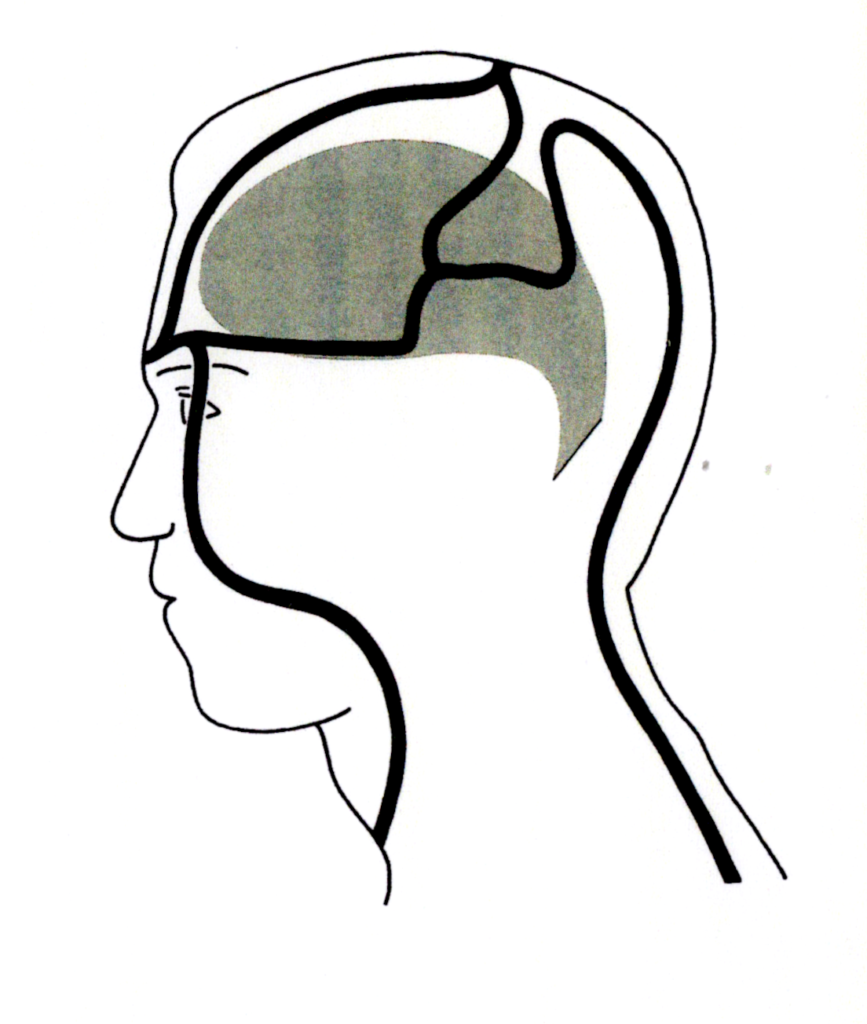
この腹部スシュムナーのクンダリニー・エネルギーを、コントロールしつつ、各チ ャクラを開発、覚醒するのが、仏陀のピンガラ、イダーの両気道である。 つまり、臍輪から約五ないし八センチ(人によって個人差がある)ほど下の辺で、 腹部スシュムナーから分岐し、各チャクラおよび関連臓器、神経を行って上昇し、ま た、下降する。あるいは、咽喉からさらに脳の内部を、鼻柱の奥ふかく、眉間の深部 へと上昇し、脳のチャクラ、神経経路等を行り、延髄の小脳部分で、背部スシュムナ ー管と合流する。

この二つの気道の技法は、チャクラの開発・覚醒にぜったい必要で、これなくして チャクラの完全な開発・覚醒は不可能といってもいいであろう。殊に、視床下部、間

脳の辺の神経経路の増強には、不可欠の技法である。 まさに、神技というしかない微妙きわまる技法である。 では、この神技ともいうべき仏陀の法の修行は、どのようになされるのであろうか。 それは大別して、三つの法から成り立つ。 1、クンダリニーを覚醒する修行法 2、チャクラを開発する修行法 3、ピンガラ、イダーの気道を開発する修行法 である。 それは、特殊な呼吸法、独特な瞑想・観想、マントラ詠唱、ムドラー(手印、ポー ズ) などから構成される。その一つ一つについて解説しよう。ただし、本書は教習書 ではないので、実技の詳細については、著者の別の本(『求聞持聡明法秘伝』その他) を参照、または、著者に就いて実際に習得してほしい。


Therefore, the usage of Buddha’s kundalini energy is completely different from the method of kundalini yoga, and it is used with complete control of kundalini. In short, it is a method of “making” Kundalini energy go. How is it done?

Buddha’s secret method using Pingala and Ida

He would be wise not to make a stupid imitation that would provoke a sleeping Godzilla with a good feeling.

In Buddha’s law, the monster Kundalini is awakened in a very gentle and good mood (?). How? Taoism doesn’t know Kundalini. However, although it is far from Kundalini, he also knows and uses acupuncture points that evoke paranormal strong “Qi” energy.

This is the most secret of Taoism, and very few people know it. (Henri Marr’s Spelo is a little touched on in his book)

This acupuncture point (I think that the part called acupuncture point in China is a kind of chakra) is a little away from the Kundalini chakra. Taoism, as he is now, uses this chakra to evoke a strong “Qi”. It’s a substitute for Kundalini. I don’t know Kundalini itself.

I am wondering if it has disappeared someday. In other words, Kun thinks that only a small starting motor for starting a huge motor called Darini was passed on to Taoism.

The Buddha’s secret method of using Kundalini, a radical energy that is brilliantly controlled, can only be admired.

However, this is not the only secret method of Buddha. The Buddha teaches us even more surprising secrets.

In a nutshell, it’s his use of the Pingala and Eider airways for accelerators and brakes. However, I don’t know if this is Kundalini Yoga’s Pingala, Ida itself.

Or it may be the airway newly created by the Buddha. For Kundalini Yoga’s Pingala and Ida, as mentioned earlier, ascend both sides of his Munner’s canal through the spinal column, but these two airways of the Buddha are on the opposite side. This is because the abdomen goes up and down. However, I am due to the function of these two airways.

And again, this is Pingala and Ida, and he wonders if the Buddha was changed in this way. Therefore, we will call these two airways by the names of Pingala and Ida.

Now, from the functions of these two airways, what kind of function does it have? ”The Pingara airway has the function of activating and raising the kundalini energy. Eider’s airways have the function of calming and condensing. In other words, as I said earlier, it acts as an accelerator and a brake. It is used as follows.

Two Sushmuner tubes

According to Buddha’s law, there is another Sushmuner tube. In other words, there are two. Opposite to Kundalini Yoga, it is the airway from the caudal bone through the perineum, straight through the midline of the abdomen, through the navel ring to the throat. The awakened kundalini ascends this abdominal Sschmuner’s canal as well as the dorsal Sushmuner’s canal. (Rather than rising, raise)

It is the Buddha’s Pingala and Ida airways that develop and awaken each chakra while controlling the kundalini energy of this abdominal sshmuner. That is, about 5 to 8 cm below the umbilicus (depending on the individual), it branches off from the abdominal sushmuner and rises and falls through each chakra and related organs and nerves. Alternatively, it rises further from the throat to the depths of the nasal column and deep between the eyebrows, follows the chakras of the brain, nerve pathways, etc., and joins the dorsal Sushmuner canal at the cerebellum part of the medulla oblongata.

These two airway techniques are absolutely necessary for the development and awakening of the chakra, and without it it would be impossible to fully develop and awaken his chakra. Especially in the hypothalamus, between

It is an indispensable technique for enhancing neural pathways around the brain. It is a delicate technique that can only be called a divine technique. Then, how is the practice of the Buddha’s law, which can be called this divine technique, done? It is roughly divided into three laws. 1. A training method to awaken the kundalini 2. A training method to develop chakras 3. A training method to develop the airways of Pingala and Ida. It consists of special breathing methods, unique meditations / ideas, mantra chanting, mudra (hand marks, poses), etc. Let me explain each one. However, since this book is not a training book, please refer to another book by the author (“Kumon Mochi Satoshi Hosekiden” and others) for details of the practical skills, or ask the author to actually learn it.


成身会(じょうじんね)とは大日如来の「智」の世界を表す金剛界曼荼羅における九つのブロックの中で中心


成身会(じょうじんね)とは大日如来の「智」の世界を表す金剛界曼荼羅における九つのブロックの中で中心にあり、行者の智慧が真理に目覚めていく過程を表しています。

金剛界曼荼羅の基本となる三十七尊を含む全1061尊が描かれていて、この会だけで完成された曼荼羅としての機能を持ち、羯磨会(かつまえ)あるいは根本会とも言います。


Jojinne is at the center of the nine blocks in the Kongokai Mandala, which represents the world of Dainichi Nyorai’s “wisdom,” and represents the process by which a practitioner’s wisdom awakens to the truth.

A total of 1,061 deities, including the 37 deities that form the basis of the Kongokai Mandala, are drawn, and it functions as a mandala completed only by this meeting, and is also called Katsumae or Nemotokai.


求間持歌明法秘伝

いるのです。だから、この部位がその設計の通りに活動していたら、人類は ケストラーのいうように“狂気”の症状をあらわさなかったでしょう。した がって、いまのような破壊に直面するようにはならなかったのです。 ところ が、この部位が進化の途中で閉鎖されてしまった。そのために、人類は超愚人になってしまったのです」

「ふうむ、これはおどろくべき発想ですね」

「発想じゃないのです。事実なのです」

その霊性の部位とはどこですか?」

脳の最も中心である脳の視床下部です。このいちばん奥に、その部 位があります。 ただし、これがはたらくためには、そのすぐそばにある松果 腺という内分泌腺の特殊なはたらきが必要です」

「それは大脳生理学者の説ですか?」

「いいえ、そうじゃありません。わたくしの修行体験による発見です。 イン ドのクンダリニー・ヨーガ、チベットの密教の修行などを参考に、わたくしが把握したものです。 脳生理学はまだそこまで到達しておりません。 ただし、 アメリカのホルモン分泌学の権威J・D・ラトクリフという学者は、その著 書『人体の驚異』(小学館)の中で、おもしろいことを言っております。

「その機能がようやくわかりかけてきた松果腺は、脳の下側にくっついて きゅうかけやいる小さな毬果形の腺で、人間が原始時代の祖先から受けついできた第三の目の残跡と推定されている」

というのです。

第三の目というのをご存じですか?」

ずうっと以前に、そういう題名の本を読んだことがあります。なんとかい 英国人が、チベットでラマ僧について密教の修行をし、眉間のあいだに、

四次元世界や霊界を見ることができる第三の目を持ったという内容で、ベス

トセラーになりましたね。もうほとんど内容を記憶しておりませんが、読ん だおぼえがあります」

そうですか、わたくしは、『密教・超能力の秘密』で、このラトクリフの

文章を引用して、こうのべております。『第三の目とホルモン」という文章

「おそらく、ひとは、「第三の目」などというと、いかにも空想的な、馬 鹿馬鹿しいことのように思うかも知れない。 しかし、ヒトは、たしかに第 三の目を持っていたのである。 いや、げんに持っているのだ。人間のから だのなかで最も重要なはたらきをする内分泌腺をくわしく調べてゆくと、 それがはっきりしてくるのである。

ヒトはまさしく第三の目を持ち、しかもそれはJ・D・ラトクリフのい うように、残跡”ではなく、いまでも、活用すれば、実際に“見る”こ とすら可能なのである。 最近の科学の実験がそれを証明している(一九八四 年三月・サイエンス誌)。その最近の実験を紹介する前に、ひとつ、この不思 議なはたらきをする内分泌腺というものを、もう少しくわしく調べてみよ うではないか」

と、こうのべております」

「その第三の目が、つまり、先生のおっしゃる霊性の部位というわけです

「いや、ちょっとちがいます。 密接な関係はあるが、ちょっとちがいます。 第三の目は、ラトクリフのいうように、松果腺です。 わたくしのいう霊性の 場は、それよりすこし深部の視床下部のそばです」

「それはどうちがうのですか?」

「なるほど」

「それは、ひと口でいうと、第三の目というのは、霊的次元のさまざまな現 象を知覚し、見聞する能力を持つ目、といったらよいでしょう。 視床下部の ほうはそれを動かす“場”です。それはつまり、いまわれわれが持つ普通の 目と脳との関係にあると思ったらよいでしょう」

視床下部がなぜ霊性の“場”であるかということについて、わたくしは、 『密教・超能力の秘密』で、脳生理学と、ホルモン分泌学と、酵素薬理学の 三つの面から解明しています。 この視床下部が第三の目として活動する

The Secret of Gummaji Utamyoho

there is. So if this part had worked as designed, mankind would not have exhibited the symptoms of “madness,” as Koestler puts it. However, he would not have faced the destruction he is now. However, this part of his body was closed during evolution. That’s why humans have become so stupid.”

“Hmm, this is an amazing idea.”

“It’s not an idea. It’s a fact.”

Where is that spiritual part?”

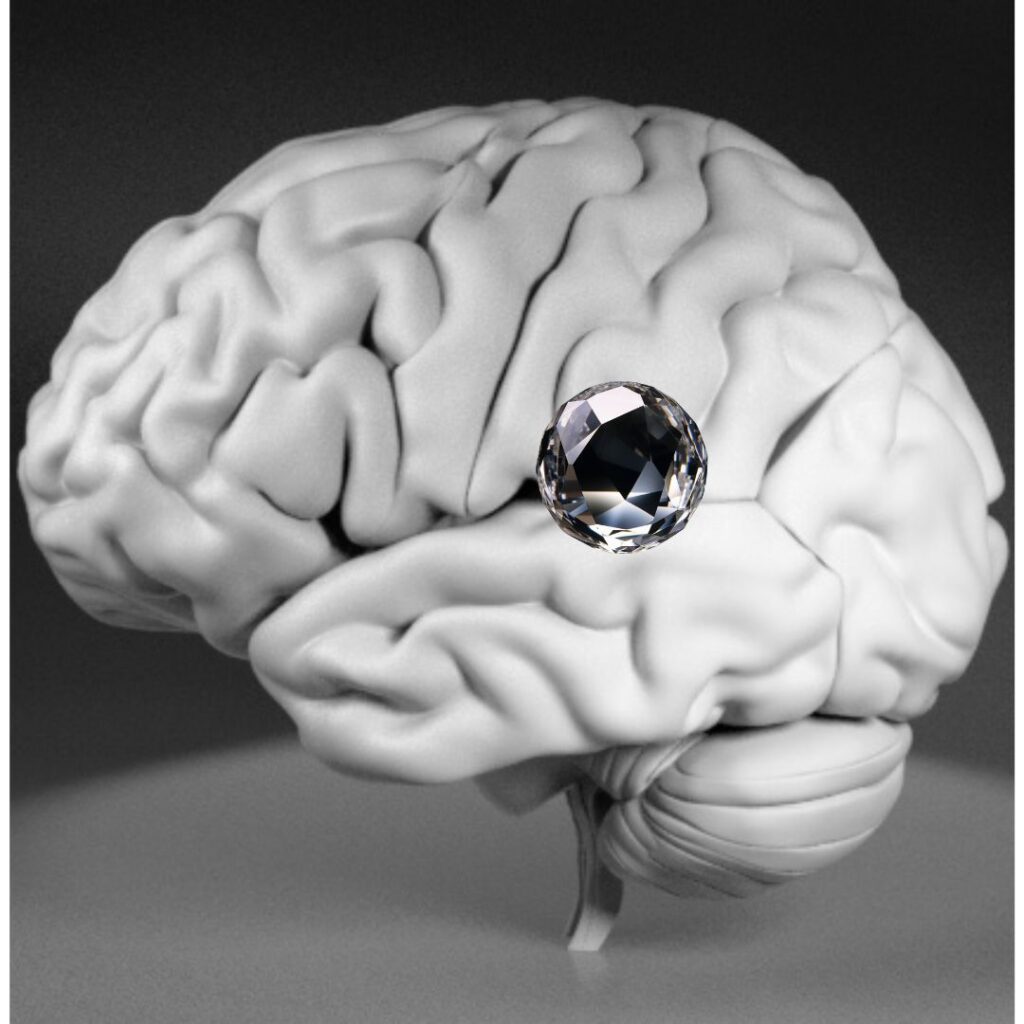
It is the hypothalamus of the brain, which is the center of the brain. In the very back of this, there is that part. However, in order for this to work, the pineal gland, an endocrine gland located right next to it, needs a special function.”

“Is that the theory of cerebral physiologists?”

“No, it’s not. It’s something I discovered through my own training experience. It’s what I’ve figured out with reference to Kundalini yoga in India and esoteric Buddhism training in Tibet. Brain physiology hasn’t reached that point yet. However, J.D. Ratcliffe, an American authority on hormone secretion, makes an interesting statement in his book The Wonders of the Human Body (Shogakukan).

“The pineal gland, the function of which we are only beginning to understand, is a small cone-shaped gland attached to the underside of the brain and attached to it, the third eye that humans inherited from their primitive ancestors. It is presumed to be a remnant

That’s what it means.

Do you know what a third eye is?”

I read a book with that title a long time ago. Somehow an Englishman did tantric training with a lama in Tibet, and between his eyebrows,

Beth said that he had a third eye that could see the four-dimensional world and the spirit world.

You’ve become a tosseller. I don’t remember most of the content anymore, but I do remember reading it.”

Is that so?

I am quoting the article as follows. The article “Third Eye and Hormones”

“Perhaps one might think that the ‘third eye’ is a very fanciful and absurd thing. However, humans do have a third eye. No, I do have it. A closer examination of the endocrine glands, which have the most important function in the human body, makes this clear.

Humans do indeed have a third eye, and it is not, as J.D. Ratcliffe puts it, a “remnant”, but even today, if we use it, we can actually “see.” Scientific experiments have proven this (Science, March 1984).Before introducing the latest experiments, let me tell you a little more about this mysterious endocrine gland. Let’s take a closer look, shall we?”

And this is what I’m talking about.”

“That third eye is the part of the spirituality that Sensei is talking about.

“No, it’s not. It’s closely related, but it’s a little different. The third eye, as Ratcliffe calls it, is the pineal gland. It’s near the bottom.”

“How is that different?”

“I see”

“In a nutshell, the third eye is the eye that has the ability to perceive, see and hear phenomena on the spiritual plane. The hypothalamus drives it. In other words, it can be thought of as the relationship between our ordinary eyes and brain.”

I clarified why the hypothalamus is a spiritual “place” from the three perspectives of brain physiology, hormone secretion, and enzyme pharmacology in “Esoteric Buddhism: The Secret of ESP”. increase. This hypothalamus acts as the third eye