UA-135459055-1

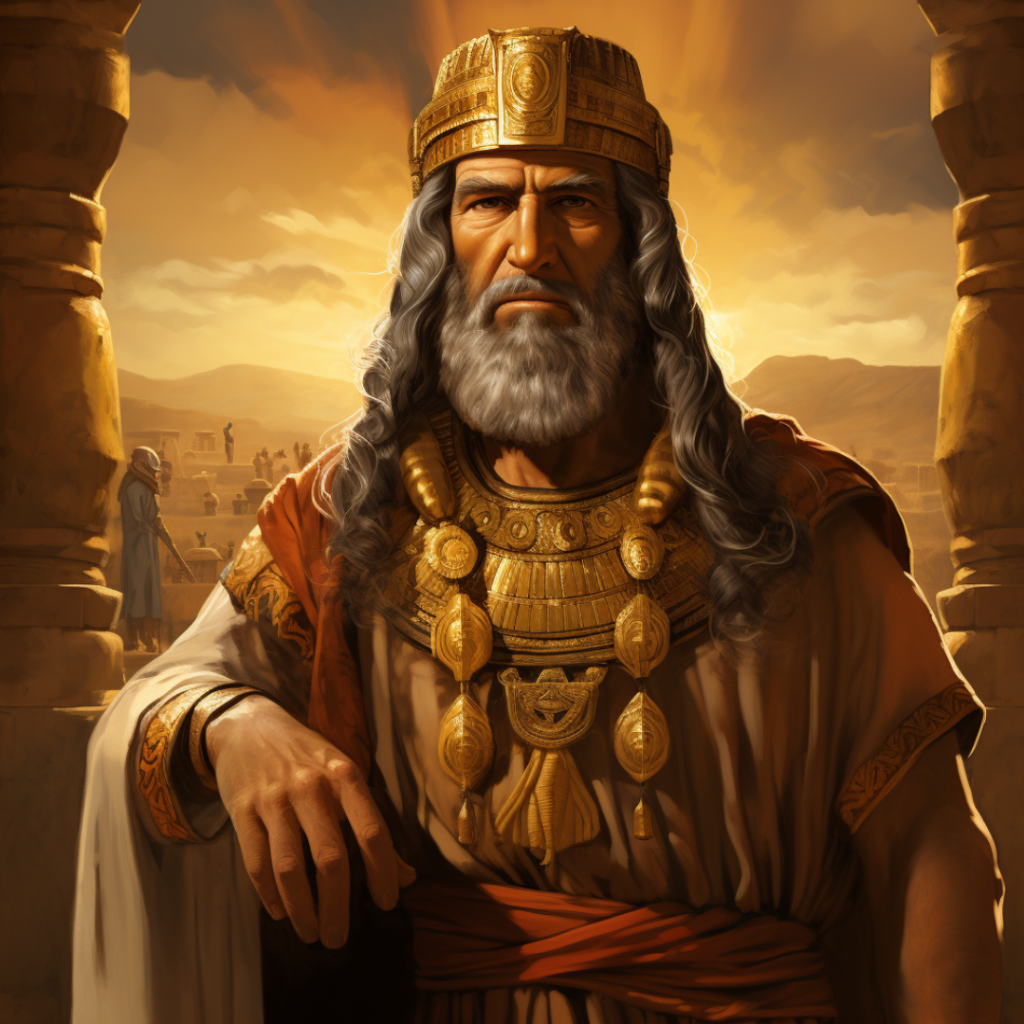
洗礼者ヨハネ


洗礼者ヨハネ(せんれいしゃヨハネ、ヘブライ語: יוֹחָנָן הַמַּטְבִּיל‎, Yōḥānān ha-Maṭbīl, : Ἰωάννης ὁ βαπτιστής, : Ioannes Baptista, : Giovanni Battista, : John the Baptist, : Johannes der Täufer, : Jean le Baptiste, 西: Juan el Bautista, : Johannes de Doper、紀元前6年から前2年頃 – 36年[要出典])は、『新約聖書』に登場する古代ユダヤの宗教家・預言者。個人の回心を訴え、ヨルダン川イエスらに洗礼バプテスマ)を授けた。『新約聖書』の「ルカによる福音書」によれば、父は祭司ザカリア、母はエリサベトバプテスマのヨハネ洗者ヨハネとも表記・呼称される。ヨハネは「יהוה(ヤハウェ)が深く恵む」という意味の名。正教会ではキリストの道を備えるものという意味の前駆Forerunner)の称をもってしばしば呼び、日本ハリストス正教会での呼称は前駆授洗イオアン(ぜんくじゅせんイオアン)。

阿弥陀如来 命あるものすべてを救うべく誓いを立て、極楽浄土に導く

阿弥陀如来

命あるものすべてを救うべく誓いを立て、極楽浄土に導く


阿弥陀如来(あみだにょらい)とは?

無限の寿命を持つことから無量寿如来ともいいます。限りない光(智慧)と限りない命を持って人々を救い続けるとされており、西方極楽浄土の教主です。四十八願(しじゅうはちがん)という誓いを立て、その中には「南無阿弥陀仏」と唱えたあらゆる人々を必ず極楽浄土へ導くとあり、広く民衆から信仰されました。ちなみに他力本願も四十八願の誓いから来ており、本来は阿弥陀様にすがって極楽に行こうという意味です。


阿弥陀三尊として聖観音と勢至菩薩と並ぶ姿が多いです。さらに二十五菩薩を従え、雲に乗って往生者を迎えにやってくるといわれています。そのほか来迎の様子をあらわす場合もあります。

ご利益

極楽往生、現世安穏のご利益があります。また、戌・亥年生まれ守り本尊です。

阿弥陀如来(あみだにょらい)の像容

釈迦如来と同じく装飾品は一切ないです。来迎印という印は、極楽浄土に迎えに来たことを意味していますよ。この印相は施無畏・与願印に似ていますが、第1指ともう1本の指をねじるのが特徴です。


特殊な例としては、宝冠阿弥陀像、裸形阿弥陀像、斜めうしろを振り返る姿をしている見返り阿弥陀などがあります。

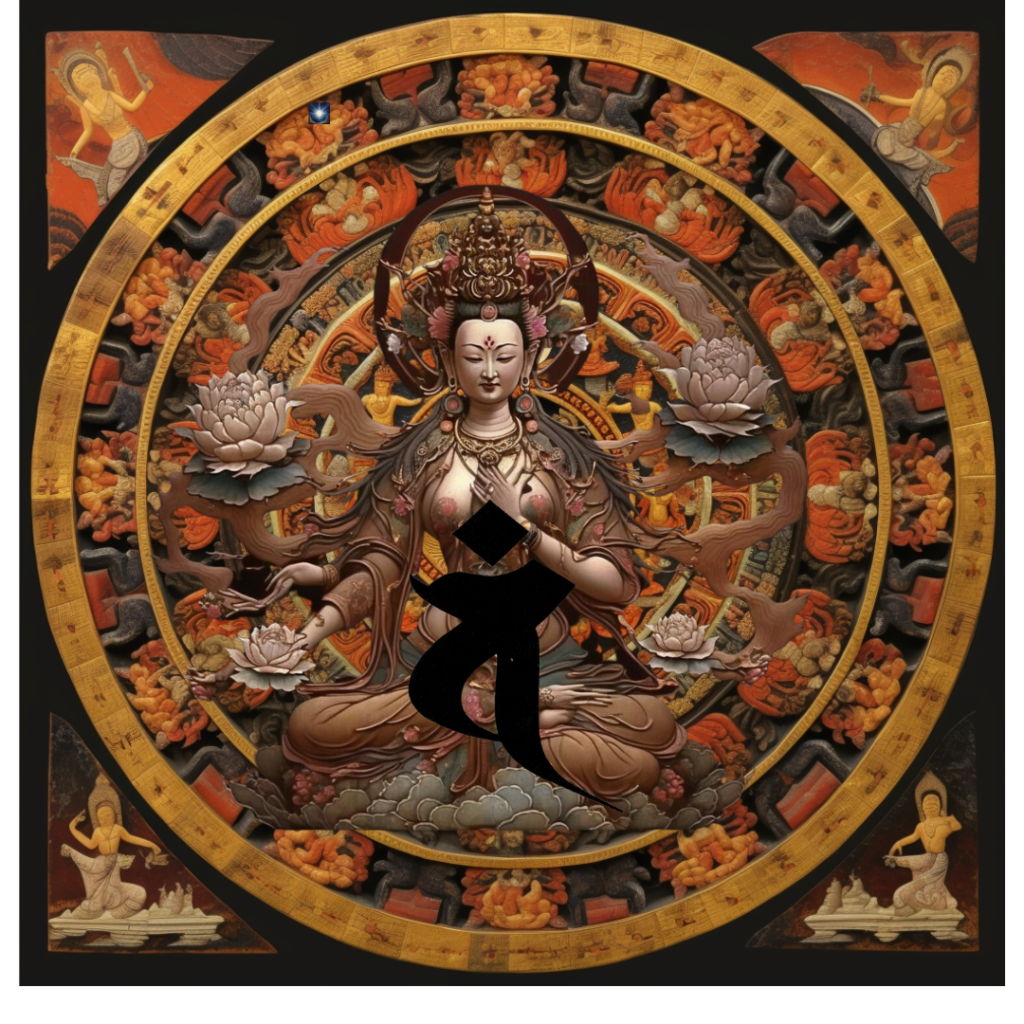
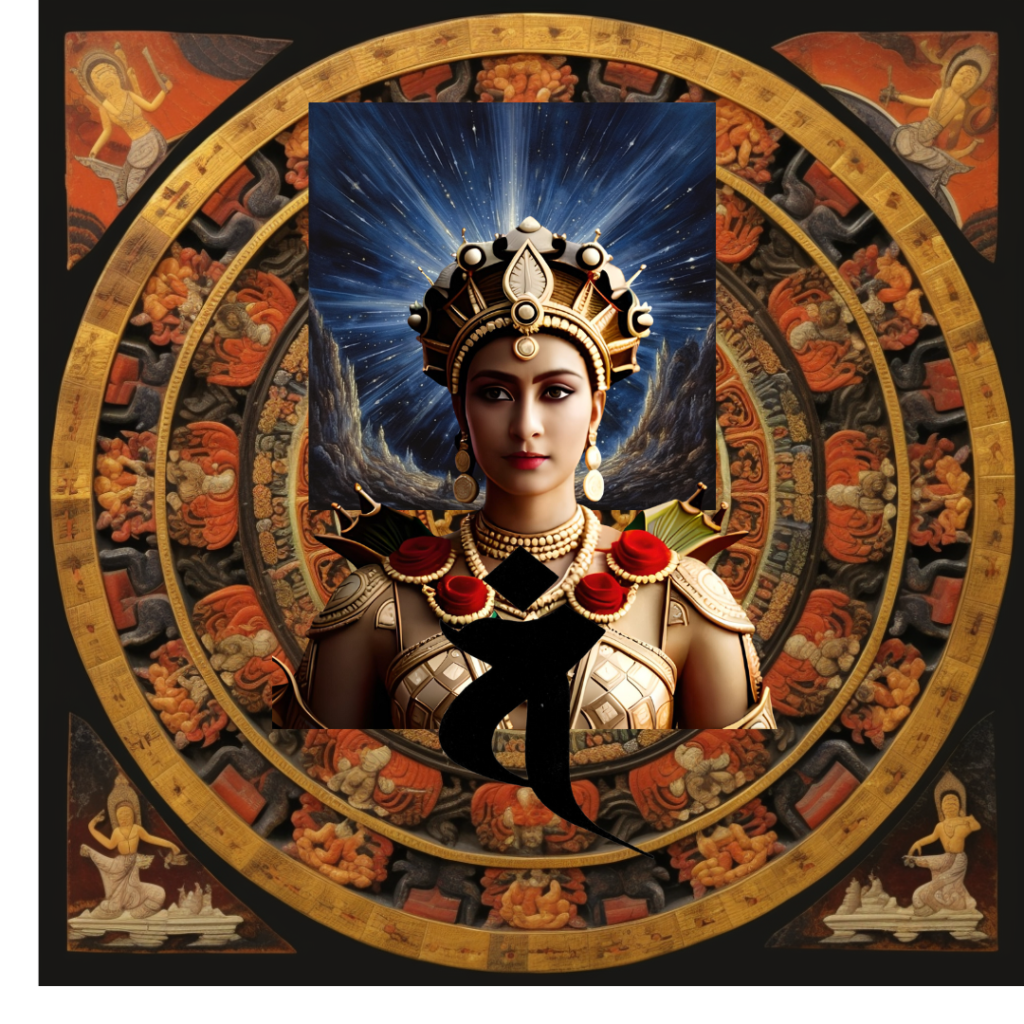
准胝観音

准胝観音

仏の母といわれ母性を象徴

准胝観音(じゅんていかんのん)とは?

准胝仏母(じゅんていぶつも)・七倶胝仏母(しちくていぶつも)ともいいます。もとはヒンドゥー教の女神であるドゥルガーで、シヴァ神の妃とされています。とても美しい姿ですが、神々の武器を持って魔族を倒した戦いの女神です。そのため本来は女尊であり、観音ではないという指摘もあります。しかし、ここでは観音として紹介しますね。


仏教に取り入れられてからは慈悲深い清浄をもたらす神とされ、七倶胝仏母(しちぐていぶつぼ)ともいわれています。これは遙か過去より多くの仏を誕生させた仏の母という意味です。そのため、真言宗系では人道を救済する六観音(聖観音・千手観音・十一面観音・如意輪観音・馬頭観音・准胝観音)に数えられますが、天台宗系では准胝仏母といわれ如来に分類されています。不空羂索観音と合わせて七観音と呼ばれることもあります。

ご利益

修道者守護、無病息災、延命のご利益があり、安産や子供が授かるなどの功徳があります。


空海の孫弟子にあたる理源大師(りげんだいし)聖宝は修験の僧として知られ、自ら霊木を刻んで祀ったのが准胝観音と如意輪観音でした。経典には、修験者が准胝陀羅尼を唱えれば身が清浄となり成仏できると説かれています。また聖宝は醍醐天皇の皇子誕生を准胝観音に祈願し、のちの朱雀、村上両天皇が誕生したといいます。そのため一般的には子授け、安産としての功徳が知られています。

准胝観音(じゅんていかんのん)の像容

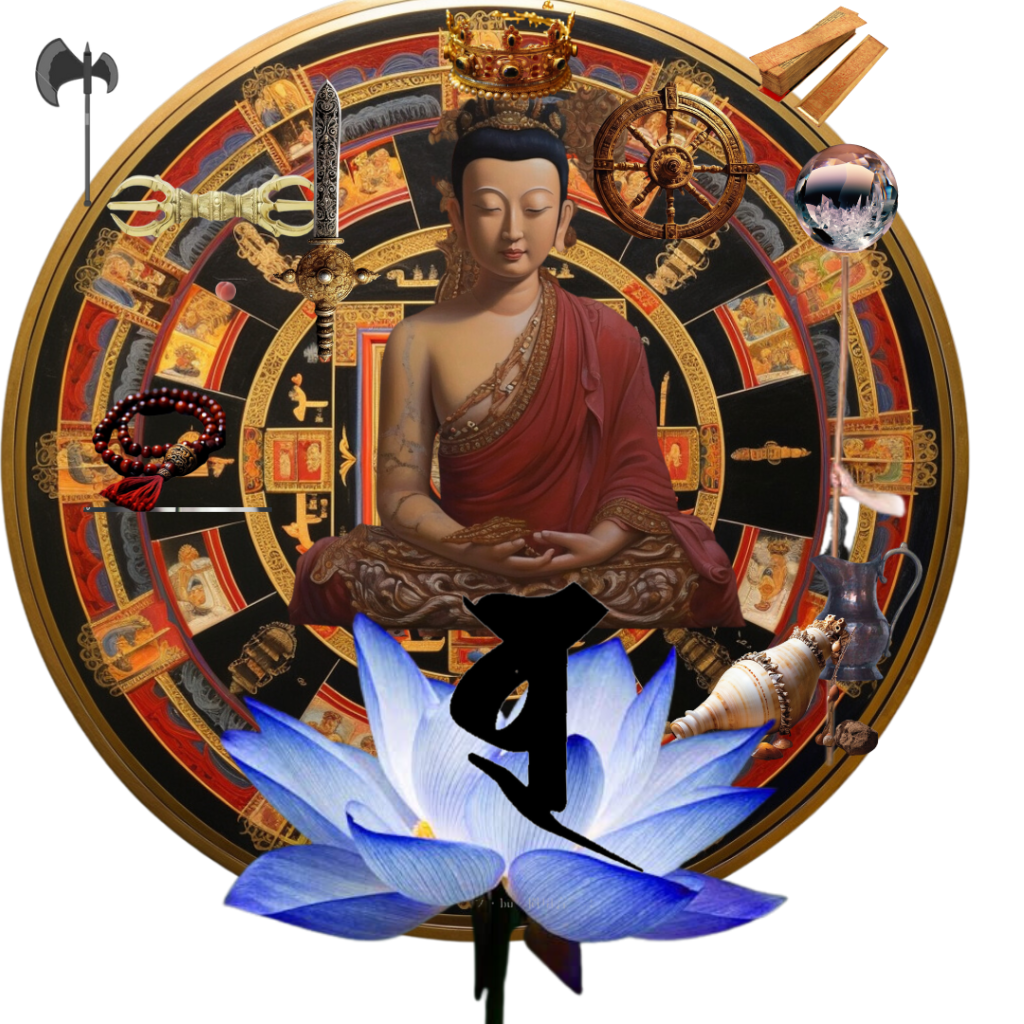
手は18本で3つ目の姿であることが多いです。中央の手は説法印と施無畏印をとります。また持ち物は武器や数珠、蓮華などを持っています。


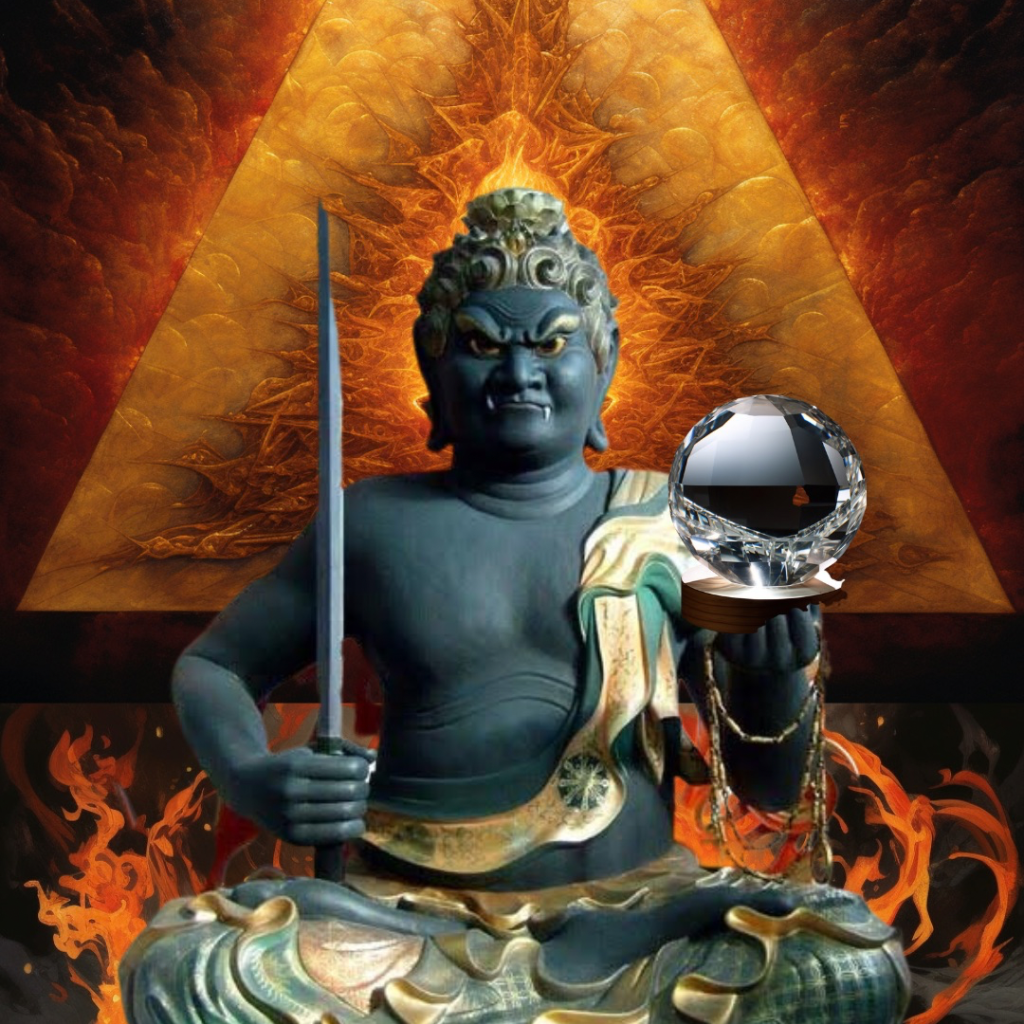
不動明王 破壊と再生を司り、悪を滅する


不動明王

破壊と再生を司り、悪を滅する

不動明王(ふどうみょうおう)とは?

語源は「動かない守護者」を意味し、インド神話のシヴァ神の別名です。シヴァは暴風雨の威力を神格化したもので、破壊的な災害を起こす半面、雨によって植物を育てます。その破壊と恵みの相反する面は不動明王にも受け継がれているのです。不動明王は仏法の障害となるものに対しては怒りを持って屈服させますが、仏道に入った修行者には常に守護をして見守ります。


大日如来の化身として、どんな悪人でも仏道に導くという心の決意をあらわした姿だとされています。特に日本で信仰が広がり、お不動様の名前で親しまれています。そして、五大明王の中心的存在です。五大明王とは、不動明王を中心に降三世明王(ごうざんぜみょうおう)・軍荼利明王(ぐんだりみょうおう)・大威徳明王(だいいとくみょうおう)・金剛夜叉明王(こんごうやしゃみょうおう)の5体のことを指し、不動を中心に東西南北に配されます。不動明王の脇侍として八大童子のうちの矜迦羅(こんがら)・制多迦(せいたか)の2童子が配されることも多いです。ちなみに不動明王の持っている龍が巻きついている炎の剣が単独で祀られている場合があります。不動明王の化身とされ、倶利伽羅竜王(くりからりゅうおう)などと呼ばれています。

ご利益

除災招福、戦勝、悪魔退散、修行者守護、厄除災難、国家安泰、現世利益のご利益があるとされる。また、酉年生まれ守り本尊です。酉年に生まれた人々の開運、厄除け、祈願成就を助けるといわれています。

不動明王(ふどうみょうおう)の像容

背の低い、ちょっと太めの童子型の造形が多く、怒りの表情をしています。目は天地眼(てんちげん)といって右目を天に向けて左目を地に向けていますよ。口は牙上下出といって右の牙を上に出して左の牙を下に出しています。炎の光背を背にし、手には剣と羂索(けんじゃく)を持っています。剣は大日如来の智慧の鋭さを表現しています。羂索とは煩悩を縛り悪の心を改心させる捕縛用の縄のことです。

阿含仏教・超能力の秘密 Agon Buddhism/Secrets of supernatural powers

阿含仏教・超能力の秘密

ところが、仏教の場合は、甚だ特殊であって、仏陀自身が弟子たちを教育して仏陀にして しまおうとするのである。ここのところが、キリスト教やイスラム教とまったく違うところ

われわれは、仏教のこの特殊性に注目しなければならない。

仏陀が生きておられた時代、このことは忠実に実践された。

仏陀のもとに集まった弟子たちは、仏陀の教えるまま、仏陀になることを目ざして、真剣 に修行した。 言葉をかえていえば、さきに記した「十号」に表現される超能力を身につける べく修行したわけである。そして、仏陀は真剣にかれらを指導した。

もし、今、こういう指導者が存在したら、われわれは、先を争ってその門下にせずる のではなかろうか?

ところが、仏陀の没後、仏陀の後継者たちは、方向を変えてしまったのである。 どう変えてしまったのか?

間違った方向に変えてしまったのである。

ご承知の通り、仏陀の僧院は、その没後、二つの大きな部派に分裂してしまった。

一つは「長老部」(テーラヴァーダ)とよばれる保守派であり、その反対派から「小乗仏教」

と称された僧院の継承者たちである。

もう一つは、「大衆部」(マハーサンギカ)とよばれる革新派で、自ら「大乗仏教」と称し て、仏陀直説の経典「阿含経」を否定し、新しい経典をつぎつぎと制作したグループである。 この二つの部派は、その後いくつにも分裂していくのであるが、そのいずれも、 間違った 道を歩んでしまったのである。

どう間違えたのかというと、「弟子」としての立場を放棄してしまったのである。つまり、 信者」オンリーとなってしまったのだ。

どうして、そういうことになったのか?

それを見る前に、われわれは、まず、仏陀が弟子たちになにを教えたかを知る必要があろ

仏陀は弟子たちに何を教えたか?

仏陀が弟子たちに教えたことは、三つのものに集約することができる。

である。

戒は、仏弟子として守らなければならぬ「戒律」である。

定は、特殊な練行や瞑想法で、要するに、仏陀となるための修行法である。

教学によって真理を学び、 智慧をみがくことである。

この三学は、いうならば、三位一体であって、一つといえども欠かしてはならぬものであ

しかし、強いていえば、その中心は「定」ということになろう。 戒と慧は、定を完成させ るための補助の行である。

そこで、「定」についてかんたんにのべることにする。

定 (samadhi) は、 定慮、三摩地、などと訳され、ふつうには、精神を統一し、集中して 想などをすること、というように解説されているが、仏陀の教えた「三学」の中では、成仏 法の修行を意味することになる。 仏陀の修行法は、整然とした体系を持っている。 それは、七つの科目と三十七種類の教程 に分けられる。ゆえに、「七科三十七道品」あるいは、「三十七菩提分法」と呼ばれる。


これは、菩提を成就する修行の構成部分であるから、菩提分法というわけで、アビダルマ仏教の論師たちによって、名づけられたものである。

私は、これを、わかりやすく、 「成仏のための七つのシステム・三十七種のカリキュラム」 と呼んでいる。

それは、つぎの通りである。

[システム]

[カリキュラム]


四念处法

身念処法・受念処法・


四正 断法

去法念処法

新新法・津義断法だんほう法


四神足法

鉄戦退去・新神足法・心神足法・観神足法

五根法。

五力法


信根法・精進法・根法・定根法・根法

信力法・精進力法・念力法・定力法・魅力法 法覚法・精進覚支法・喜覚支法・軽 ・中丸法・安覚支法・捨覚支法・

正法・正思惟法・正語法・正業法・正命法・正精進法・正念法・ 正定法

以上である。

1、瞑想

2、 実践

この七科目、三十七種のカリキュラムは、

3、 tapas (練行)

に分類できる。

四念処法・五根法は瞑想である。

四正断法・五力法・七覚支法・八正道は、実践と瞑想である。

四神足法は、特殊な tapas である。

「神足」とは神通力のことで、いまの言葉でいえば、「超能力」である。

いや、超能力なんて生やさしいものではない。その内容を仔細に検討すると、まさに、超

自然的能力 反自然的能力とでもいうよりほかないおどろくべき能力なのである。

ほんとうに、仏陀釈尊はこういう法を弟子たちに教えたのか? いや、仏陀自身、こうい 力を身にそなえていたのか? と、目を疑いたくなるのである。

では、四神足法とはどういう法か?

それは、四種の「神通力」「神変力」を身につける法である。

「その戦用のはかりがたいことを“神”という」とあるように、神通力についてことばで説 明することはむずかしい。 しかし、一応のべるならば、おおかたつぎの通りである。

神足=物質界における、無礙自在の力を持つ。

神足=業にたいする無礙自在の力をもつ。

心神足=精神界における無礙自在の力を持つ。

神足=究極の智慧をもって、最高度の禅定に入る力。

われわれには、想像するしかない力であるが、こういう神通力を持つからこそ、「仏陀」なのであろう。すなわち、「人間」ではないのである。


Agon Buddhism/Secrets of supernatural powers

However, the case of Buddhism is very special in that the Buddha himself educates his disciples and tries to make them into Buddhas. This is where Christianity and Islam are completely different.

We must pay attention to this particularity of Buddhism.

This was faithfully practiced during the Buddha’s lifetime.

The disciples who gathered under the Buddha earnestly practiced as taught by the Buddha with the aim of becoming a Buddha. In other words, he trained to become the man who acquired the superpower expressed in the “No. 10” mentioned earlier. And the Buddha seriously instructed them.

If such a leader existed today, wouldn’t we be the first to become his disciples?

However, after the Buddha’s death, his successors changed direction. How did you change it?

I had turned it in the wrong direction.

As you know, after his death, the Buddha’s monastery split into two major sects.

One is a conservative group called the “elders” (Theravada), and its opponents are called “Hinayana Buddhism.”

They are the successors of a monastery called

The other group was a reformist group called the “mahasangika,” which called itself “Mahayana Buddhism,” rejected the “Agon Sutra,” a sutra written directly by the Buddha, and produced new sutras one after another. be. These two sects later split into several groups, each of which ended up taking the wrong path.

What I did wrong was that I gave up my position as a “disciple.” In other words, it became only for “believers”.

How did this happen?

Before looking at that, we first need to know what Buddha taught his disciples.

What did Buddha teach his disciples?

What Buddha taught his disciples can be summarized into three things.

It is.

The precepts are the “precepts” that one must observe as a disciple of the Buddha.

Jo is a special practice or meditation method, in short, it is a method of training to become a Buddha.

It is to learn the truth and refine wisdom through teachings.

These three sciences are, so to speak, a trinity, and even though they are one, they are indispensable.

However, to put it bluntly, the center of this would be “determined.” Precepts and wisdom are auxiliary practices for completing the precepts.

Therefore, I will briefly write about “definition”.

Samadhi is translated as “consideration” or “samādhi,” and is usually explained as unifying the mind and concentrating on thoughts, but it also refers to “samadhi” as taught by Buddha. In “Three Learnings,” it means the practice of the Dharma for attaining Buddhahood. The Buddha’s training method has an orderly system. It is divided into seven subjects and thirty-seven types of curriculum. Therefore, it is called the “Seven Sciences, Thirty-Seven Ways,” or the “Thirty-Seven Bodhisattvas.”


Since this is a component of the training to attain Bodhi, it is called the Bodhi Dharma, and it was given the name by Abhidharma Buddhist commentators.

To make it easier to understand, I call this the “Seven Systems/37 Curriculum for Buddhahood.”

It is as follows.

[system]

[curriculum]


Four thoughts and prayers

Self-thought treatment method/Concept treatment method/


Four positive sections

evacuation method

New new law Tsugidanho Danpoho


Four god foot method

Tetsusen Retirement/Shinshin Ashiho/Shinshin Ashiho/Kanshin Ashiho

Five root law.

Five power method


Shinkon method, Shojin method, Radical method, Determined root method, Radical method

Shinto power method, Shojin power method, Psychokinesis method, Fixed power method, Charm method, Hokaku method, Shojin Gakucho method, Kikaku subho, Light, Nakamaru method, Ankaku subho, Sakukaku subho,

The right law, the right way of thinking, the right language method, the right work law, the right life law, the right devotion method, the right thought method, the right law

That’s all.

1. Meditation

2. Practice

These seven subjects and 37 types of curriculum are:

3, tapas (training)

It can be classified into

The Four Thought Treatment Methods and the Five Root Methods are meditation.

The fourfold path, the five powers, the seven enlightenment branches, and the eightfold path are practice and meditation.

Shigami Ashiho is a special type of tapas.

“Kami-ashi” refers to divine power, or in modern terms, “superpower.”

No, superpowers are not something to be taken lightly. If you examine the contents in detail, you will find that it is truly

Natural ability It is an amazing ability that can be called anti-natural ability.

One can’t help but wonder, did Buddha Shakyamuni really teach this kind of Dharma to his disciples? Or rather, did the Buddha himself possess this kind of power?

So, what kind of law is the Four God Foot Law?

It is a method to acquire four types of “divine powers” and “divine powers.”

It is difficult to explain divine powers in words, as the saying goes, “That incalculable thing in war is called “God”.” However, in general, it is as follows.

Divine feet = Possesses unparalleled power in the material world.

God’s foot = Has unrestricted power over karma.

Shinshinashi = Possesses unparalleled power in the spiritual world.

Divine foot = the power to enter the highest level of jhāna with ultimate wisdom.

It is a power that we can only imagine, but it is precisely because he has this kind of supernatural power that he is called a “Buddha.” In other words, they are not “human”.


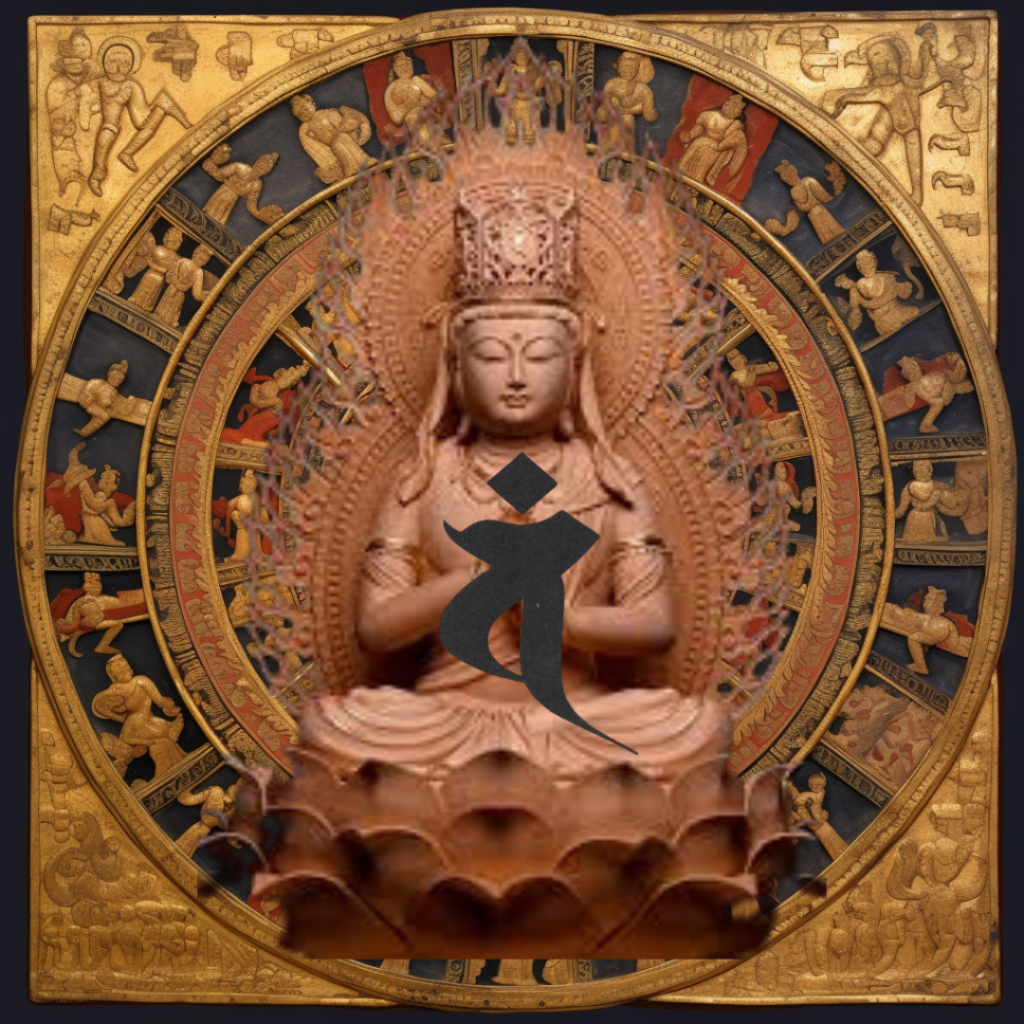
大日如来 すべての生き物の根本となる仏

大日如来

すべての生き物の根本となる仏


大日如来(だいにちにょらい)とは?

大日とは「大いなる日輪」という意味です。太陽を司る毘盧舎那如来がさらに進化した仏です。密教では大日如来は宇宙の真理を現し、宇宙そのものを指します。また、すべての命あるものは大日如来から生まれたとされ、釈迦如来も含めて他の仏は大日如来の化身と考えられています。


大日如来には悟りを得る為に必要な智慧を象徴する金剛界大日如来と、無限の慈悲の広がりを象徴する胎蔵界大日如来という2つの異なる捉え方があります。金剛とはダイヤモンドのことを指し、智慧がとても堅く絶対に傷がつくことがないことを意味しています。また、胎蔵とは母親の母胎のようにすべての森羅万象が大日如来の中に包み込まれている様を意味しています。この2つが揃って大日如来を本尊とする密教の世界観が出来上がるのです。

ご利益

現世安穏、所願成就。また、未・申年生まれ守り本尊です。

大日如来(だいにちにょらい)の像容

本来、如来は出家後の釈迦の姿をモデルとしているため装飾品は身に付けていませんが、大日如来だけは別格で豪華な装飾品や宝冠を付けています。また、螺髪(らほつ)ではなく、髪を結い上げています。


金剛界、胎蔵界の姿でそれぞれ印の形が違います。金剛界の大日如来は、左手の人差し指を立て、その人差し指を右手で包みこむ智拳印の印相をしています。一方、胎蔵界の大日如来は、腹の前で両手の全指を伸ばして組み合わせる定印です。

大日如来 すべての生き物の根本となる仏

大日如来だいにちにょらいサンスクリット語: Mahāvairocana[1])は、真言密教の教主であるであり、密教本尊


大日如来

すべての生き物の根本となる仏


大日如来(だいにちにょらい)とは?

大日とは「大いなる日輪」という意味です。太陽を司る毘盧舎那如来がさらに進化した仏です。密教では大日如来は宇宙の真理を現し、宇宙そのものを指します。また、すべての命あるものは大日如来から生まれたとされ、釈迦如来も含めて他の仏は大日如来の化身と考えられています。


大日如来には悟りを得る為に必要な智慧を象徴する金剛界大日如来と、無限の慈悲の広がりを象徴する胎蔵界大日如来という2つの異なる捉え方があります。金剛とはダイヤモンドのことを指し、智慧がとても堅く絶対に傷がつくことがないことを意味しています。また、胎蔵とは母親の母胎のようにすべての森羅万象が大日如来の中に包み込まれている様を意味しています。この2つが揃って大日如来を本尊とする密教の世界観が出来上がるのです。

ご利益

現世安穏、所願成就。また、未・申年生まれ守り本尊です。

大日如来(だいにちにょらい)の像容

本来、如来は出家後の釈迦の姿をモデルとしているため装飾品は身に付けていませんが、大日如来だけは別格で豪華な装飾品や宝冠を付けています。また、螺髪(らほつ)ではなく、髪を結い上げています。


金剛界、胎蔵界の姿でそれぞれ印の形が違います。金剛界の大日如来は、左手の人差し指を立て、その人差し指を右手で包みこむ智拳印の印相をしています。一方、胎蔵界の大日如来は、腹の前で両手の全指を伸ばして組み合わせる定印です。

勢至菩薩 偉大な智慧の光を持つ菩薩

勢至菩薩

偉大な智慧の光を持つ菩薩

勢至菩薩

偉大な智慧の光を持つ菩薩

勢至菩薩(せいしぼさつ)とは?

正しくは大勢至菩薩といいます。智慧の光ですべてのものを照らし、人々を迷いや苦しみから救うとされています。大勢至菩薩と表記されることもあります。智慧とは物事のあり方を正しく見極める力・判断力を意味します。


阿弥陀如来の右脇侍として観音菩薩と共に三尊で表され、独尊で祀られることはほとんどありません。


浄土信仰の高まりとともに流行する来迎形式の阿弥陀三尊の場合、観音菩薩が死者の霊をのせる蓮台を持ち、勢至菩薩が合掌をする姿でつくられます。その姿勢は、立像・坐像のほかにひざまずいた姿の跪像もみられます。

ご利益

智慧明瞭、家内安全、除災招福のご利益があるとされています。午年の人々を守る守護本尊であり、午年に生まれた人々の開運、厄除け、祈願成就を助けるともいわれています。

勢至菩薩(せいしぼさつ)の像容

手を合わせているか水が入っている水瓶(すいびょう)を持っている姿が一般的です。

有名寺院と像

・京都府:清水寺
・奈良県:法隆寺

勢至菩薩(せいしぼさつ)の真言

オン・サンザンサク・ソワカ


阿含仏教・超能力の秘密 Agon Buddhism/Secrets of supernatural powers

阿含仏教・超能力の秘密

とになるのだろう。だが、仏陀の前にぬかずいて、さまざまな祈願をするのもよいが、ひた すら御利益ばかりお願いするのではなく、仏陀釈尊がどうしてこのような超人的能力を持つ ようになったのかを、考えてみる必要もあるのではなかろうか。

考えてみると、日本の大乗仏教経典には、そこのところをくわしく説いた経典が一部もな いのである。 大乗経典に出てくる仏陀は、すでに完成されてしまった (創作された)仏さま であって、それが、前にのべた「十号」の仏さまである。

凡夫のシッダールタが、どのような過程を経て仏陀になったのかをくわしく記した経典が、 大乗経典にはないのである。

では、そういう経典はないのかというと、あるのである。 しかも、仏陀みずからが、自分 の修行過程をそのままのべた経典である。

どうしてそういう経典が日本では読まれないのか? 流布しないのか?

私はそれを非常に遺憾に思う。 なぜならば、それは正しい仏教のありかたを、全く曲げて しまっているからである。

どうしてそういうことがいえるのか?

仏陀とどう関わるか?

仏教徒として、仏陀と自分との関わりを、どこに求めるかという大切な問題がある。

二つの立場があるのである。

という立場である。

一つは、仏陀を「仏様」として讃仰し、もっぱら信仰の対象とするものである。 ひらたく いうと、仏陀をおがんで、ひたすら御利益をお願いする立場である。

もう一つは、仏陀を「教師」として、仏陀の教えたことを忠実に学び、勤勉に実践する、

そのどちらをとるか?

もちろん、その両者を併合する立場もあろう。 しかし、いずれにしても、仏教という宗教 の場合、このことは根本的に重大な問題なのである。

なぜかというと、仏教以外の宗教は、たとえばキリスト教にしても、イスラム教にしても、 「神」と「信者」という立場である。信者が修行して「神」になるということはぜったいにあ り得ない。(神悪かりの宗教は問題外)

ところが、仏教の場合は、甚だ特殊であって、仏陀自身が弟子たちを教育して仏陀にして しまおうとするのである。ここのところが、キリスト教やイスラム教とまったく違うところ である。

われわれは、仏教のこの特殊性に注目しなければならない。

仏陀が生きておられた時代、このことは忠実に実践された。

仏陀のもとに集まった弟子たちは、仏陀の教えるまま、仏陀になることを目ざして、真剣 に修行した。言葉をかえていえば、さきに記した「十号」に表現される超能力を身につける べく修行したわけである。 そして、仏陀は真剣にかれらを指導した。

もし、今、こういう指導者が存在したら、われわれは、先を争ってその門下にせずる

ところが、仏陀の没後、仏陀の後継者たちは、方向を変えてしまったのである。

どう変えてしまったのか?

間違った方向に変えてしまったのである。

ご承知の通り、仏陀の僧院は、その没後、二つの大きな部派に分裂してしまった。 一つは「長老部」(テーラヴァーダ)とよばれる保守派であり、その反対派から「小乗仏教」

と称された僧院の継承者たちである。

もう一つは、「大衆部」(マハーサンギカ)とよばれる革新派で、自ら「大乗仏教」と称し て、仏陀直説の経典「阿含経」を否定し、新しい経典をつぎつぎと制作したグループである。 この二つの部派は、その後いくつにも分裂していくのであるが、そのいずれも、間違った 道を歩んでしまったのである。

どう間違えたのかというと、「弟子」としての立場を放棄してしまったのである。つまり、

「信者」オンリーとなってしまったのだ。

どうして、そういうことになったのか?

それを見る前に、われわれは、まず、仏陀が弟子たちになにを教えたかを知る必要があろ

仏陀は弟子たちに何を教えたか?

仏陀が弟子たちに教えたことは、三つのものに集約することができる。

これを「三学」という。


「定」である。

戒は、仏弟子として守らなければならぬ「戒律」である。

定は、特殊な練行や瞑想法で、要するに、仏陀となるための修行法である。

慧は、教学によって真理を学び、 智慧をみがくことである。

いったい

この三学は、いうならば、三位一体であって、一つといえども欠かしてはならぬものであ

しかし、強いていえば、 その中心は「定」ということになろう。 戒と慧は、定を完成させ るための補助の行である。

そこで、「定」についてかんたんにのべることにする。

定 (samadhi) は、定慮、三摩地、などと訳され、ふつうには、精神を統一し、集中して瞑 想などをすること、というように解説されているが、仏陀の教えた「三学」の中では、成仏 法の修行を意味することになる。 仏陀の修行法は、整然とした体系を持っている。それは、七つの科目と三十七種類の教程 に分けられる。ゆえに、「七科三十七道品」あるいは、「三十七菩提分法」と呼ばれる。

だいぶんぼう

これは、菩提を成就する修行の構成部分であるから、菩提分法というわけで、アビダルマ

仏教の論師たちによって、名づけられたものである。

私は、これを、わかりやすく、 「成仏のための七つのシステム三十七種のカリキュラム」 と呼んでいる。

それは、つぎの通りである。

[システム]

カリキュラム]

ねんじょほう

しんねんじょほう

じゅあんじょほうし

ほうねんじょほう

四念处法

ししょうだんほう

四正 断法

身念処法・受念処法・心念処法・法念処法

しゃだんほう

断法・津議断法に法・修断法

ごんじんそくほう しんじんそくほう かんじんそくほう

神足法勤神足法・心神足法・観神足法

しじんそくほう

四神足法

五战法 五方法

しんこんぼう しょうじんこんほうねんこんほうじょうこんほう

えこんぼう

信根法・精進根法・念根法・定根法・法

しんりきほうしょうじんりきほう ねんりきほうじょうりきほう

りきぼう

信力法・精進力法・念力法・定力法・魅力法

ちゃくほうかくしほう しょうじんかくしほうきゆべしほう

老党支法

しゃかくしほうじょうかく

法覚法・精進覚支法・喜覚支法・あんかく支法・定覚支

ほうおんゆべし

法・念覚支法

二十一世紀へ仏教の常識を破壊せよ


Agon Buddhism/Secrets of supernatural powers

I guess it will be. However, it is good to bathe in front of the Buddha and make various prayers, but he does not just ask for blessings, but rather how could Buddha Shakyamuni have such superhuman abilities? Maybe we need to think about what happened.

If you think about it, there is not even a portion of the Japanese Mahayana Buddhist scriptures that explain this point in detail. The Buddhas that appear in the Mahayana sutras are already perfected (created) Buddhas, and these are the “tenth” Buddhas mentioned earlier.

There is no sutra in the Mahayana sutras that describes in detail the process by which Siddhartha, an ordinary man, became a Buddha.

So, are there no such scriptures? Well, there are. Moreover, it is a sutra in which the Buddha himself wrote down his own training process.

Why aren’t such scriptures read in Japan? Why aren’t they disseminated?

I very much regret that. This is because he completely distorts the correct way of Buddhism.

How can this be said?

How do we relate to Buddha?

As a Buddhist, there is an important question of where to seek the relationship between oneself and Buddha.

There are two positions.

This is the position.

One is to praise the Buddha as ‘Buddha’ and make it an object of worship. In other words, he is in the position of worshiping the Buddha and praying for his blessings.

The other is to treat the Buddha as a “teacher,” faithfully study what the Buddha taught, and diligently put it into practice.

Which one would you choose?

Of course, it is also possible to merge the two. But in any case, in the case of the religion of Buddhism, this is a fundamentally serious problem.

This is because religions other than Buddhism, such as Christianity and Islam, have a position of “God” and “believers.” It is absolutely impossible for a believer to become a “god” by training. (Religions that believe God is evil are out of the question)

However, the case of Buddhism is very special in that the Buddha himself educates his disciples and tries to make them into Buddhas. This is where Christianity and Islam differ.

We must pay attention to this peculiarity of Buddhism.

This was faithfully practiced during the Buddha’s lifetime.

The disciples who gathered under the Buddha practiced earnestly with the aim of becoming a Buddha, as taught by the Buddha. In other words, he trained to become the man who acquired the superpower expressed in the “No. 10” mentioned earlier. And the Buddha seriously instructed them.

If such a leader were to exist today, we would scramble to make him his disciple.

However, after the Buddha’s death, his successors changed direction.

How did you change it?

I had turned it in the wrong direction.

As you know, after his death, the Buddha’s monastery split into two major sects. One is a conservative group called the “elders” (Theravada), and its opponents are called “Hinayana Buddhism.”

They are the successors of a monastery called

The other group was a reformist group called the “Mahasangika,” which called itself “Mahayana Buddhism,” rejected the “Agon Sutra,” a sutra written directly by the Buddha, and produced new sutras one after another. be. These two sects later split into several groups, each of which ended up taking the wrong path.

What I did wrong was that I gave up my position as a “disciple.” In other words,

It became only for “believers”.

How did this happen?

Before looking at that, we first need to know what Buddha taught his disciples.

What did Buddha teach his disciples?

What Buddha taught his disciples can be summarized into three things.

This is called “Sangaku”.


It is “definite”.

The precepts are the “precepts” that one must observe as a disciple of the Buddha.

Jo is a special practice or meditation method, in short, it is a method of training to become a Buddha.

Wisdom is learning the truth through teaching and learning and polishing wisdom.

what the hell

These three learnings are, so to speak, a trinity, and not even one of them is essential.

However, if I were to force it, the center would be “fixed”. Precepts and Wisdom are supplementary practices to complete Dharma.

So, let’s talk briefly about “fixed”.

Samadhi is translated as meditation, meditation, etc., and is usually explained as unifying the mind and concentrating on meditation, etc., but it also refers to meditation as taught by the Buddha. In “Sangaku,” it means the practice of attaining Buddhahood. The Buddha’s practice has an orderly system. It is divided into seven subjects and thirty-seven courses. Therefore, it is called ‘Seven Departments 37 Dohin’ or ’37 Bodhi Bunpo’.

Quite dumb

Since this is a component part of the practice of attaining Bodhi, it is called the Abhidharma.

It was named by Buddhist scholars.

I call this, in an easy-to-understand manner, “Curriculum of 37 types of seven systems for attaining Buddhahood.”

It is as follows.

[system]

curriculum]

I’m sorry

Shinnenjohou

juanjohoushi

Honenjohou

Four thoughts and prayers

Shishodanhou

Four positive division method

Shinnen-sho, Sennen-sho, Shinnen-sho, Honen-sho

Shadanhou

Laws and revision methods

ginjin kuho shinjin kuho kanjin kuho

God foot method

how to work

four god foot method

five battle method five methods

shinkonbo

Ekonbou

Shinkon Law, Shojin Root Law, Nenkon Law, Fixed Root Law, Law

Shinriki Hojo Jinriki Ho

Rikibou

Faith method, diligence method, psychokinesis method, constant force method, charm method

broom

old party branch

Shakakushi Hojokaku

Hokaku method, Shojin Kaku method, Kikaku method, Ankaku method, Jokaku method

Hoon Yubeshi

Hou/Nenkakushiho

Destroy the common sense of Buddhism in the 21st century