UA-135459055-1

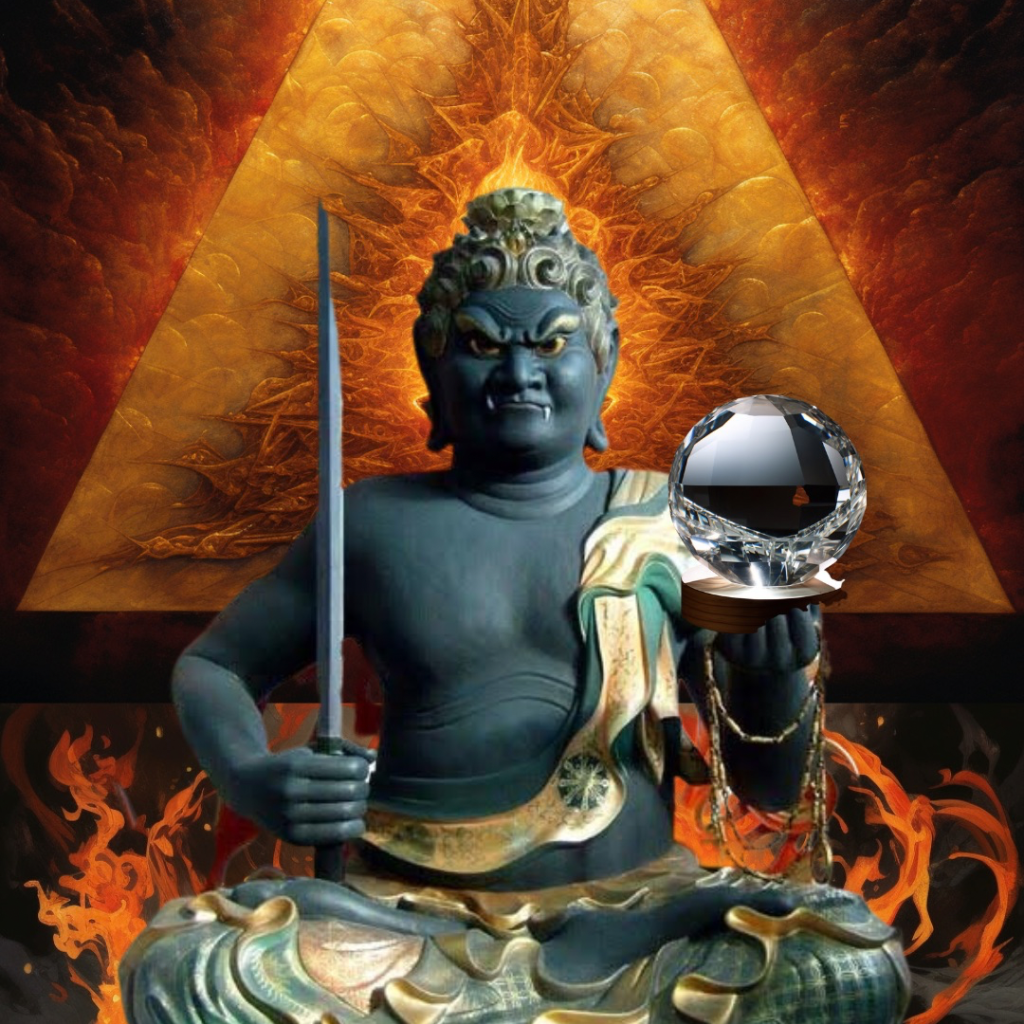
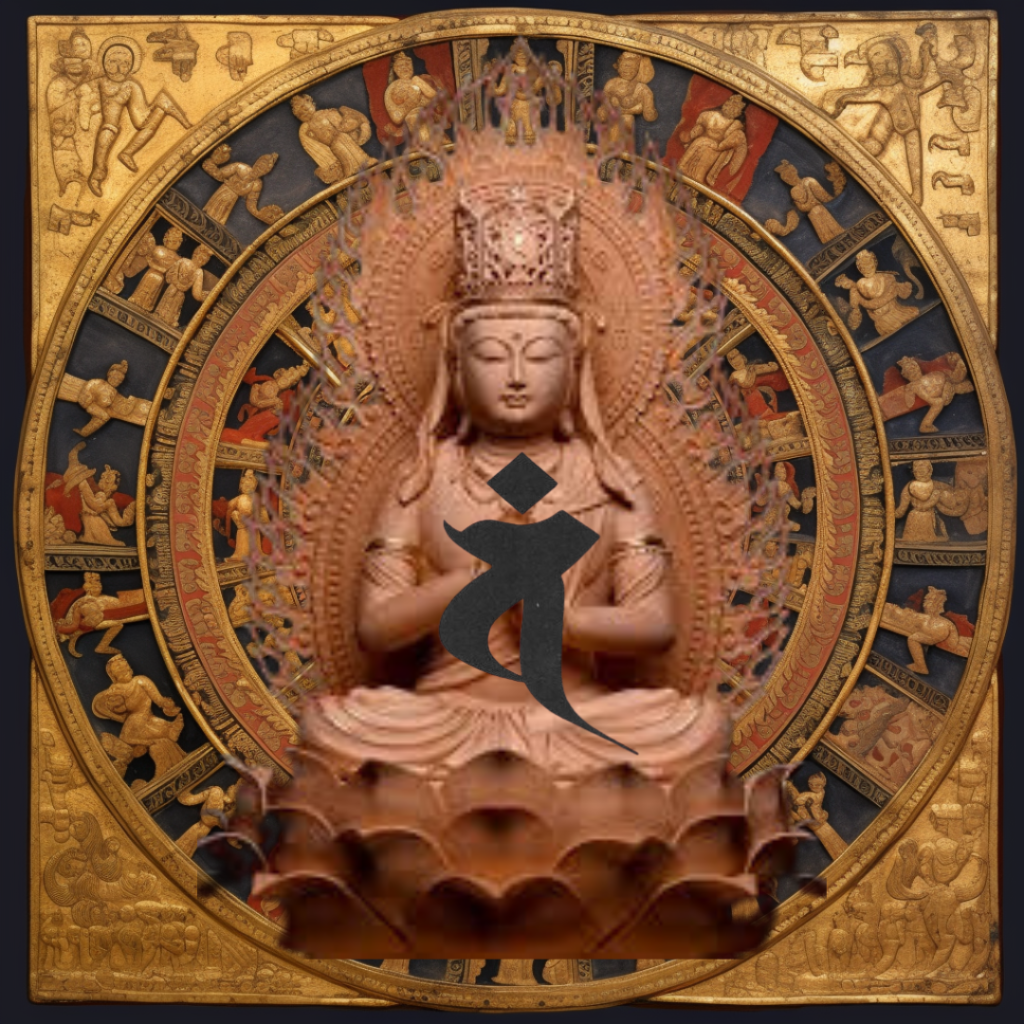
不動明王 破壊と再生を司り、悪を滅する


不動明王

破壊と再生を司り、悪を滅する

不動明王(ふどうみょうおう)とは?

語源は「動かない守護者」を意味し、インド神話のシヴァ神の別名です。シヴァは暴風雨の威力を神格化したもので、破壊的な災害を起こす半面、雨によって植物を育てます。その破壊と恵みの相反する面は不動明王にも受け継がれているのです。不動明王は仏法の障害となるものに対しては怒りを持って屈服させますが、仏道に入った修行者には常に守護をして見守ります。


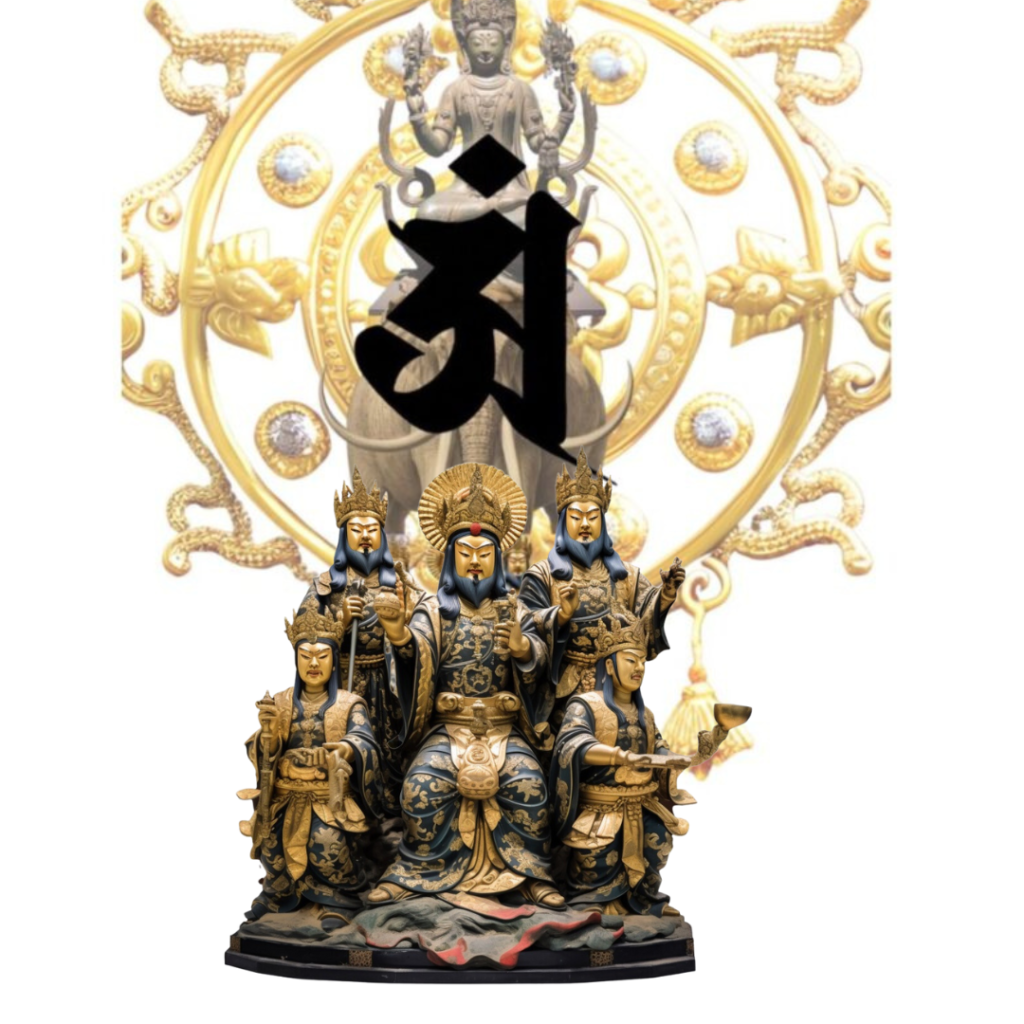
大日如来の化身として、どんな悪人でも仏道に導くという心の決意をあらわした姿だとされています。特に日本で信仰が広がり、お不動様の名前で親しまれています。そして、五大明王の中心的存在です。五大明王とは、不動明王を中心に降三世明王(ごうざんぜみょうおう)・軍荼利明王(ぐんだりみょうおう)・大威徳明王(だいいとくみょうおう)・金剛夜叉明王(こんごうやしゃみょうおう)の5体のことを指し、不動を中心に東西南北に配されます。不動明王の脇侍として八大童子のうちの矜迦羅(こんがら)・制多迦(せいたか)の2童子が配されることも多いです。ちなみに不動明王の持っている龍が巻きついている炎の剣が単独で祀られている場合があります。不動明王の化身とされ、倶利伽羅竜王(くりからりゅうおう)などと呼ばれています。

ご利益

除災招福、戦勝、悪魔退散、修行者守護、厄除災難、国家安泰、現世利益のご利益があるとされる。また、酉年生まれ守り本尊です。酉年に生まれた人々の開運、厄除け、祈願成就を助けるといわれています。

不動明王(ふどうみょうおう)の像容

背の低い、ちょっと太めの童子型の造形が多く、怒りの表情をしています。目は天地眼(てんちげん)といって右目を天に向けて左目を地に向けていますよ。口は牙上下出といって右の牙を上に出して左の牙を下に出しています。炎の光背を背にし、手には剣と羂索(けんじゃく)を持っています。剣は大日如来の智慧の鋭さを表現しています。羂索とは煩悩を縛り悪の心を改心させる捕縛用の縄のことです。


http://cyber-price.com/buddha/


Buddha Japan journal
日本の仏教を発信します
Send Japanese Buddhism

ニルヴァーナを智慧と慈悲をめざす。

“Nirvana aims for wisdom and compassion.”

求聞持明法秘伝 Gumon Jimyoho secret

密教によるヒトの改造

こころの統御と自在力

古代インドに技術があった。

ヒトのこころとからだに想像を絶する飛躍と昇華をあたえる技術であった。


それがどのような技術であるか、 つたえられる奥義書、神聖知識、聖典 秘密経典などのなかから、いくつかをえらんで紹介してみよう。

まず、 それは、感覚器官の増幅からはじまる。


一、三つの種類のこころを統 Samyamaすることになり、自分の転生のありさまを 過去および未来にわたって知ることができる。また、これを他人に応用すれば、ひとの過 去現在未来をくまなく知ることができる。(ヨーガ・スートラ、自在品 第16節) 二、 言葉と対象と観念に複合と混乱がある。 それらの区別に対して Samyama を向けることに より、あらゆる生き物の声を理解することができる。(自在品 第1節)仏教で、天正〟とよぶ名の神通力のひとつである、Samiyama というのは、ある分野におけるこころの御と集中と放射に関する特殊なトレーニングと思っていただきたい。そのトレー ニングから生ずる異常なエネルギーを考えればよい。

三 Samyama をもって他人の想念を直観することにより、他人のこころを知ることができ 自在 第10節)

仏教の他心通である。

四 わが行に Samyama を適用して直観するならば、前生のことがわかる。(作品 第18節)

佐保田治博士は、この一節を、つぎのように注釈される。

「行はこれまでの経験によって潜在意識へ投入された、残存印象 (Vasand である。この行 は、人の潜在意識内に蓄積されていて、記憶想念や業果となって顕現しないかぎり、永久に残存 するものであるから、この行に対して制(佐保田博士は Samyama をこのように訳しておられる) をほどこして、それを直観 (sakat-karana) することに成功するならば、自分の前生だけでなく、 他人の前生をも何生にもわたって知ることができる。この仏教は六神通のひとつにかぞえ とよんでいる。ブッダもりを開かれる この

という非常に遠い昔にまでさかのぼってくわしく たといわれている」(解説ヨーガ・スートラ、佐保田治計)

おなじ力を、べつの奥義書は、つぎのようにつたえる。

五第四のこころをもって目をひらき、相手を見るとき、いかなる相手も自分の過去をおおい かくすことはできない。(クンダリニー・ヨーガ・ウパニシャッド、 実 第1節) 六、自分の心を、他人の身体のなかに宿らせることもできる。自在品 第2節

これは、強力な念力により、他人の想念を自分の思うままに統御することである。 その力は、 「クンダリニー(Kupdalint) の力を発動させて、 相手の第二の心に向けて放射(集中)するこ とにより可能である。(クンダリニー・ヨーガ・ウパニシャッド・実篇 第3節)

Smayama を使って、ふかい心の発現にそなわる光をあてることにより、どんなに微細な ものでも、人目につかぬところにかくされているものでも、はるか遠くにあるものでも知る ことができる。(実作品 第3節)
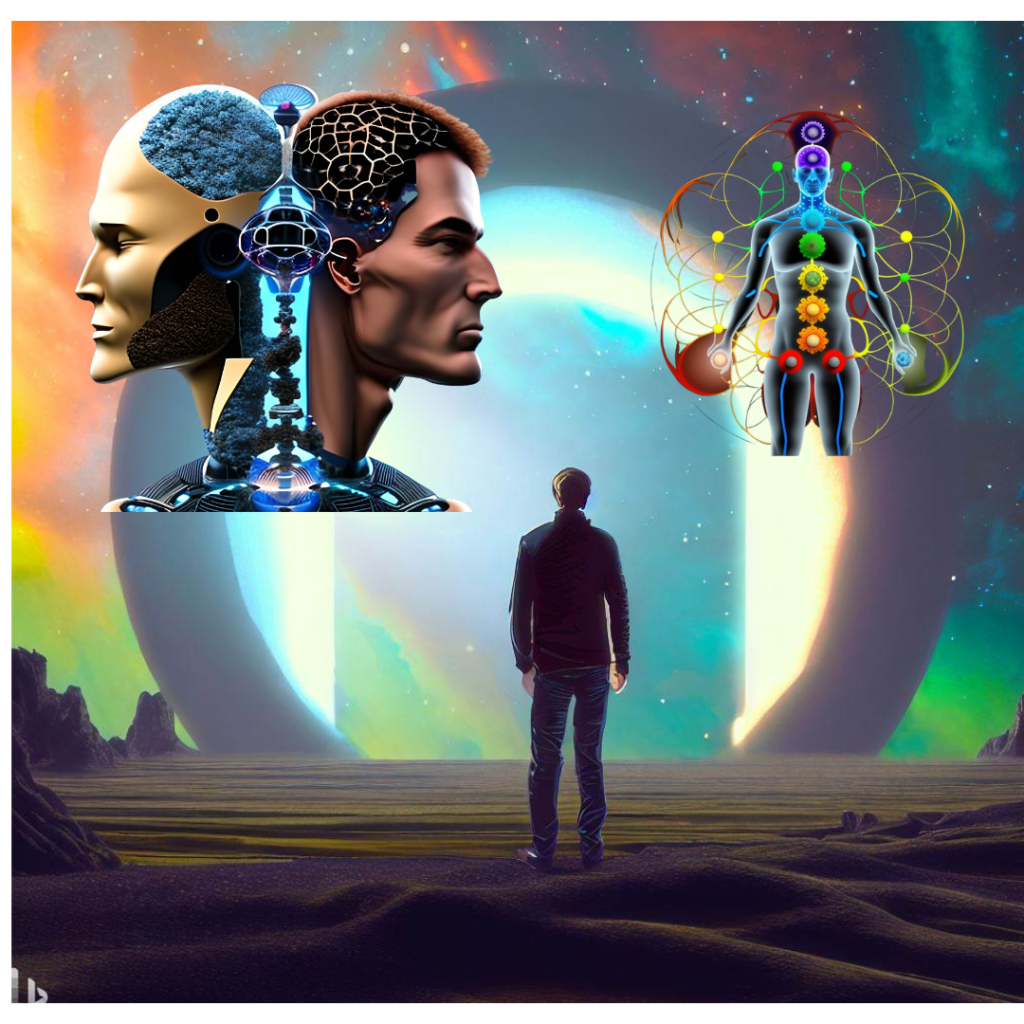


この章について、佐保田博士は、つぎのように注釈される。

「べつの章に、白光を帯びた心の発現のことが説かれている。制によって、照明性を強められ

心の発現にそなわっている光線を対象にあてることによって、分子や原子のような御さなもの でも、地中にかくされている宝でも、千里の遠くの出来事でも知ることができるのである。イン ドでは紀元前からアトム説(極論)がとなえられていたが、これはギリシャ人のように推理によ って到達したのではなくて、超自然的な力で極小なものを直した結果だといい伝えられてい る。インドの原子論は理論物理学的ではなくて、 実験物理学的な方法によって到達されたわけで ある。遠方のことがらを感じたり、ヴィジョンとして見たりするひとは今日でもいる。 千里眼と か、テレパシーとかいわれる心理現象は催眠術によって発現する場合もあって、あながちに否定 することはできない』(解説ヨーガ・スートラ)

光をはなつこころのことは、べつの聖典においても語られ、

第六のこころは白銀色にふるえる光をはなち、そのこころを目にむけて見るとき、この世界 透明である。 (すきとおってなにもかもはっきり見えるの意)』(クンダリニー・ヨーガ・ウバニ シャッド)

とある。 すぐれた透視力を持つ心の把握である。

八、自己のSayamaけることにより、さ

ーギーのからだはだれにも見えなくなる。

の術とか、かぐみかとかいわれる秘術を説明した文である。物の形や色が見えるの は、見るものの方に対象を見る能力があると同時に、見られる形態の方に見られる能力があると いう原理をふまえて、この経文は書かれている。 インドでは、偉大なヨーギー(ヨーガ行者)が自 由に自分の身体を見えなくするという話はありふれたものになっている。 佐保田治註釈)

九 Nabhi-cakra (輪) に Samyama を向けることにより、体内の配列、組織を知ることが できる。 第2節)

この章について、佐保田博士は、

というのは、実際のの孔ではなくて、そのあたりにあると想像される神秘な車輪状の 場所で、一六のをもっているといわれる。一説には、後世のハタ・ヨーガで説く六つのチャク ラのなかの下から三つ目にあるマニピューラ・チャクラ (Mapipara-cakra) のことであるともい いずれにせよ、肉眼で見える部分ではなく、常に属するものとされている。 チャクラにつ いては、ここで詳説する暇がない。輪は気体(生命エネルギーからなる身体)の中央にあるか ら、これにをおこなうと身体内の組織がわかる、というのである』解説ヨーガ・スートラ) 解説されておられるが、これは、多少ともちがう。

博士はそのあたりにある

な場所ではない。たしかに神秘的とも思われる偉大な力を発揮するけれど、哲学的

確認されているのである。

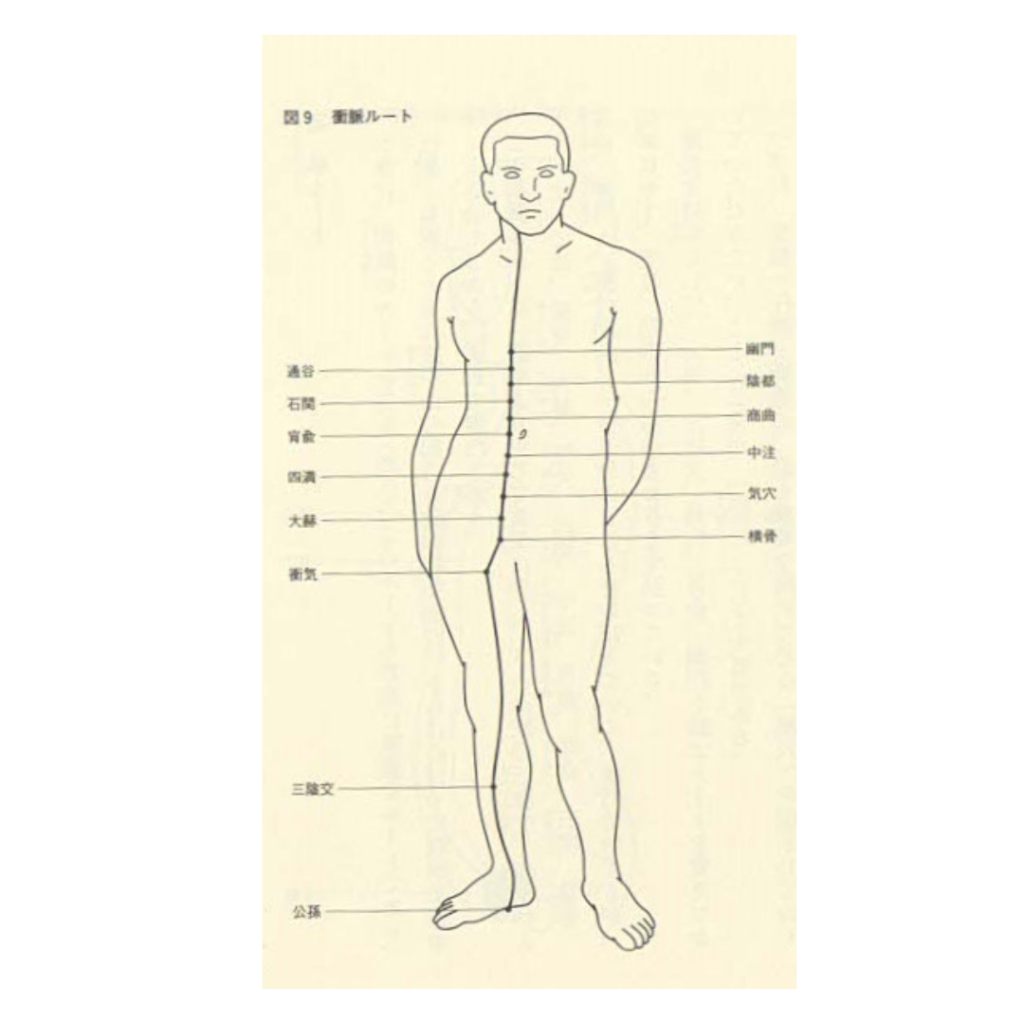
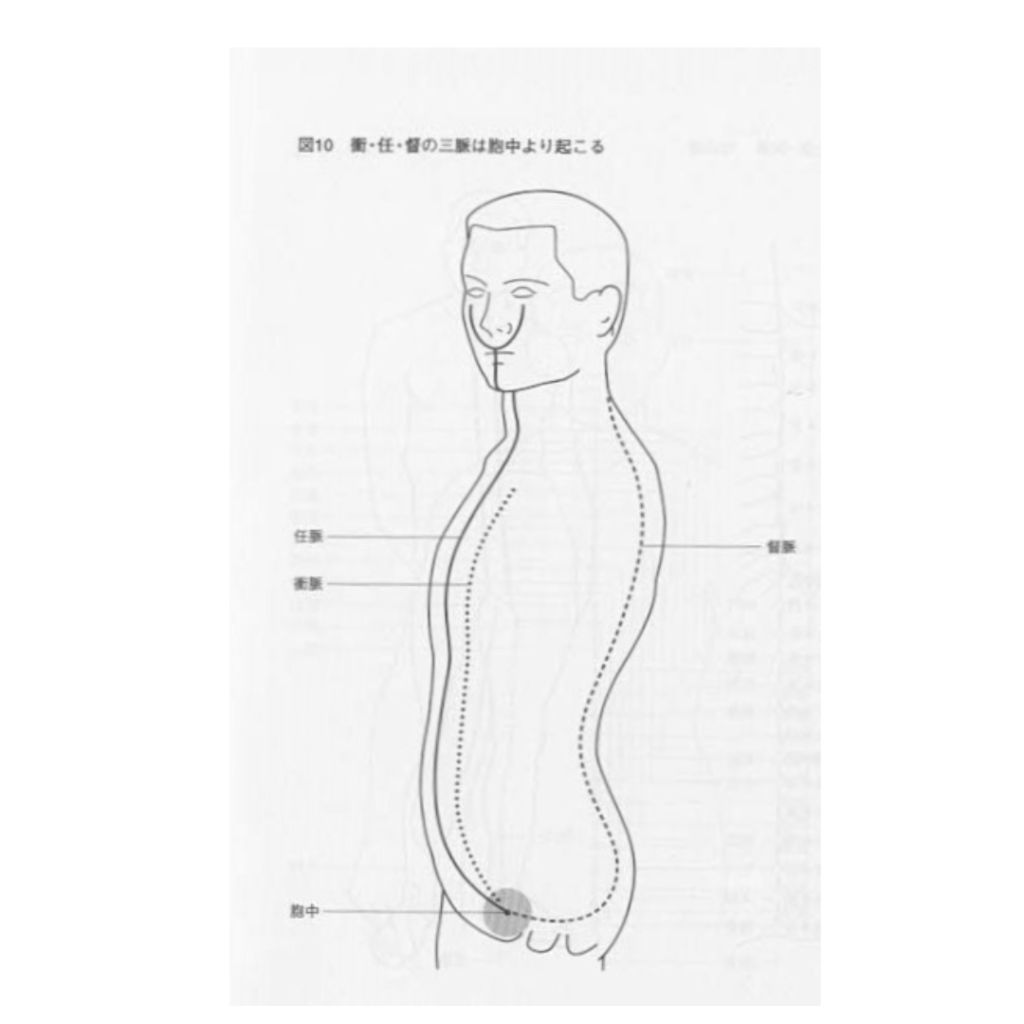
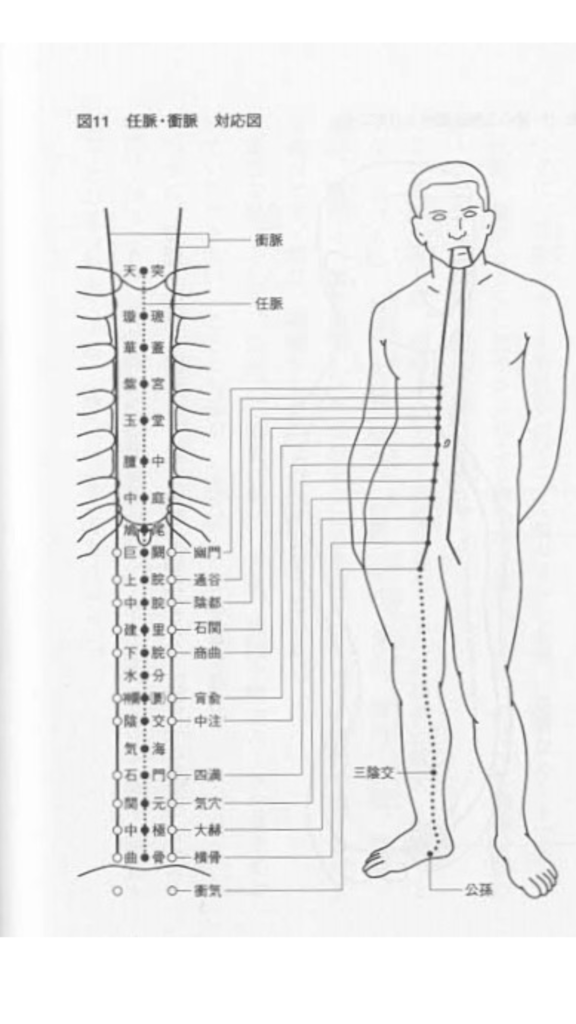
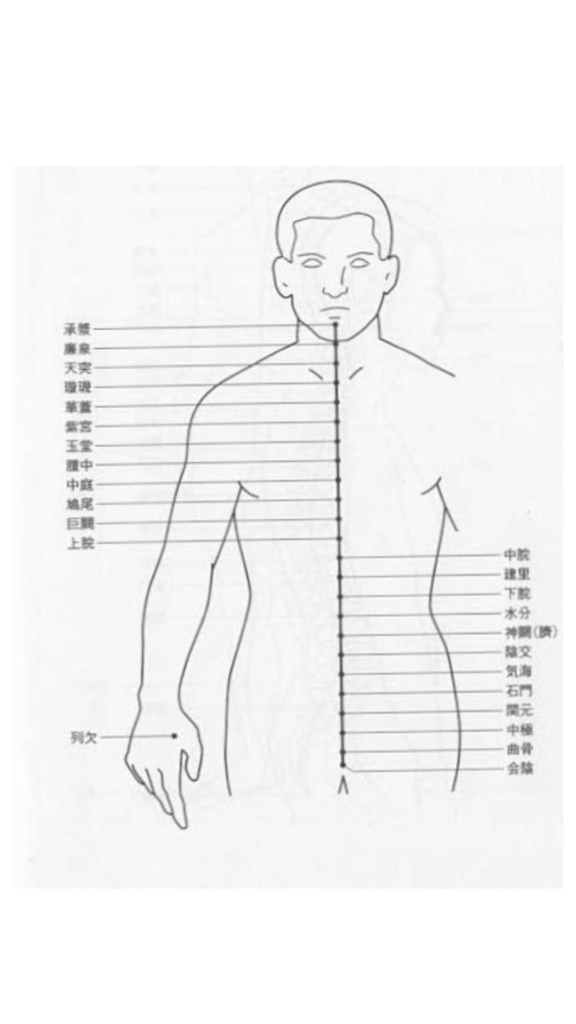
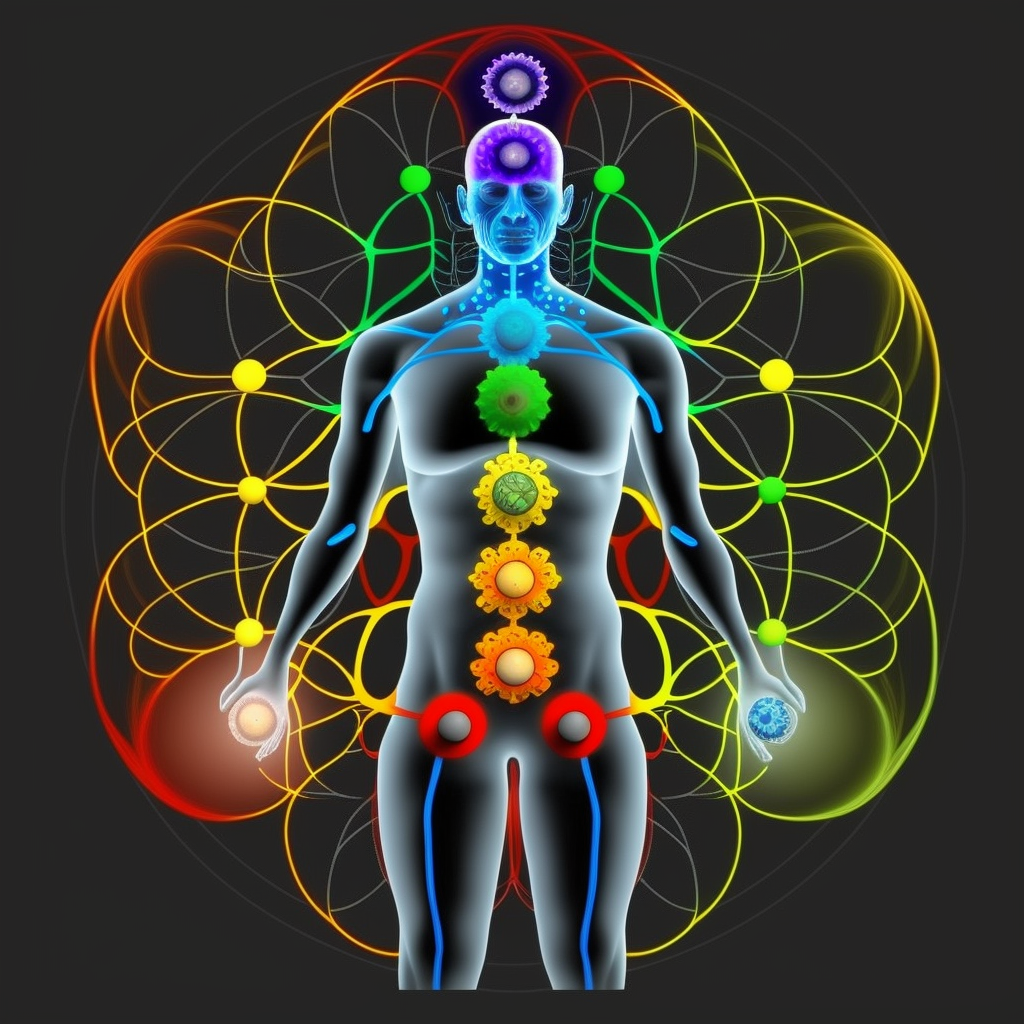
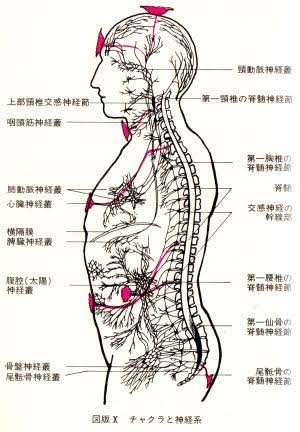
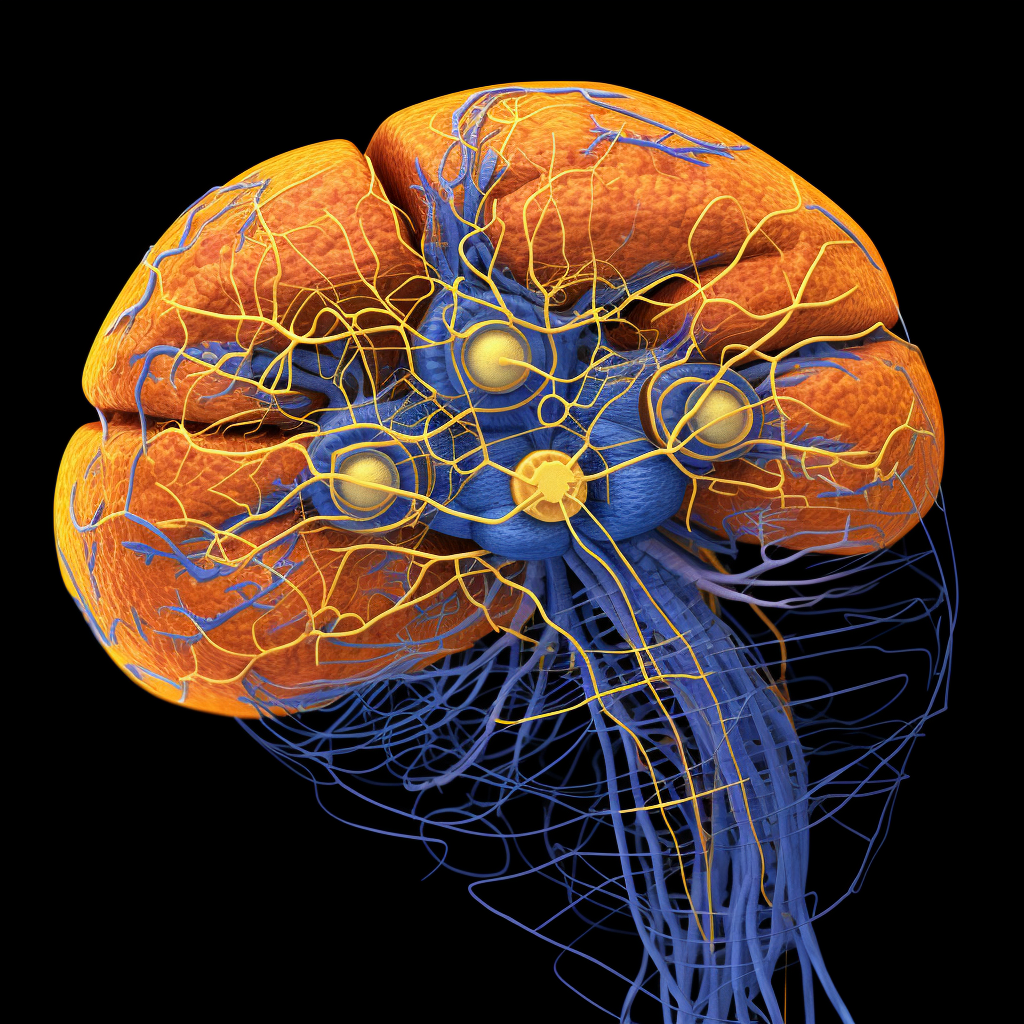
それは、医学的には Solar plexus と名づけられた「太陽神経叢」のことである。腹腔神経叢 内臓動脈ともいわれ、 腹腔動脈より出る上腸間膜動脈の起始部にある交感神経の大きい神経 である(図参照。 胃の裏がわにあってさながら太陽の光のごとくに神経を送って いるのでこの名前がつけられた。

すなわち、ここから出る神経は、食道、胃、腹部血管、肝 輪胆管膵臓、副腎、等に分布 している。また、この神経叢は大小内臓神経、迷走神経、第十二胸神経節、第一腰神経節などが 集まっており、内臓の神経としては最も重要である。

Human remodeling by esoteric Buddhism


Mind control and freedom

Technology existed in ancient India.

It was a technology that gave the human mind and body an unimaginable leap and sublimation.


What kind of technology it is, secret books, sacred knowledge, scriptures, secret scriptures

Let’s take a look at a few and introduce them.

First, it begins with the amplification of sensory organs.


One or three kinds of hearts will be unified Samyama, and you will be able to know the state of your reincarnation in the past and the future. Also, if you apply this to other people, you can know the past, present, and future of people. (Yoga Sutras, Freedom verse 16) 2. There is complexity and confusion in words, objects and ideas. Against those distinctions he is able to understand the voice of any creature, than to turn Samyama on. (Jizai-bon, Section 1) In Buddhism, Samiyama, one of the supernatural powers called Tensho,

Think of it as a special training in the control of the mind, concentration and radiation. Think of the extraordinary energy that results from that training.

By intuitively observing the thoughts of others with the third Samyama, you can know the hearts of others.

It is the other-mind of Buddhism.

If we intuitively apply his Samyama to the four lines, we can understand the previous life. (Op. 18)

Dr. Osamu Sabota comments on this passage as follows.

“The line is a residual impression (Vasand) that has been injected into the subconscious mind through previous experiences. This line is stored in the subconscious mind of a person, and unless it manifests itself as a memento-idea or a deed, it is permanent. If you apply a restraint to this line (Dr. It is possible to know not only previous lives, but also other people’s previous lives over many lifetimes.This Buddhism is one of the six divine passages.

It is said that he was born in detail going back to the very distant past.”

The same power is conveyed in another secret book as follows.

When you open your eyes with the fifth heart and look at the other person, no one can cover up your past and hide it from him. (Kundalini Yoga Upanishads, Truth verse 1) 6. You can also let your mind dwell in another person’s body. free item Section 2

This is the ability to control the thoughts of others to one’s own volition by means of powerful telekinesis. Its power is capable of activating the power of the Kundalini (Kupdalint) and radiating (concentrating) it towards the second mind of the other. section)

By using Smayama to shed light on the manifestation of the deepest heart, we can learn about him, no matter how subtle, hidden, or far away. can. (Actual work Section 3)

Regarding this chapter, Dr. Sabota comments as follows.

“In another chapter, the manifestation of the white-lighted mind is explained.

By directing the ray of the manifestation of the mind upon an object, one can perceive even the smallest things such as molecules and atoms, treasures hidden in the earth, and events a thousand miles away. In India, the atom theory (extreme theory) has been advocated since BC, but this was not arrived at by reasoning like the Greeks, but the result of repairing a very small thing with supernatural power. Good news. Indian atomic theory was arrived at by means of experimental physics rather than theoretical physics. Even today, there are people who perceive distant things and see them as visions. Clairvoyance and him, or psychological phenomena called telepathy can be manifested by hypnosis, and cannot be denied.” (Commentary on the Yoga Sutras)

Hearts that radiate light are spoken of in other scriptures,

The sixth heart emits a trembling light of silvery white, and when you look at that heart toward your eyes, this world is transparent. (It means to be clear and see everything clearly.) (Kundalini Yoga Ubani Shad)

a. It is the grasp of the mind with excellent clairvoyance.

Eight, by kicking your own Sayama,

No one can see Gee’s body.

It is a sentence that explains a secret technique called Kagumi Kagumi. He wrote this sutra based on the principle that the seer has the ability to see the object, and at the same time the form seen has the ability to be seen. ing. In India, stories of great yogis (yogis) voluntarily making themselves invisible have become commonplace. Osamu Sabota’s note)

By pointing his Samyama at the nine Nabhi-cakras (wheels) he is able to perceive the arrangements and organization within the body. Section 2)

Regarding this chapter, Dr. Sabota said,

For it is not an actual hole, but a mysterious wheel-like place which is imagined to be around it, said to have sixteen holes. One theory is that he is the Mapipara-cakra, the third from the bottom of Ra, which is one of the six chakras of later Hatha Yoga. rather than always belonging to it. As for his chakras, I don’t have time to go into detail here. Since the ring is in the center of the gas (the body composed of life energy), it is said that by doing this you can see the tissues in the body.’ different.

the doctor is around

not a place It is true that he exerts a great power that can be thought of as mystical, but his philosophical

It has been confirmed.

It is the “solar plexus,” which medically he named Solar plexus. Celiac plexus Also called the splanchnic artery, it is a nerve with large sympathetic nerves at the origin of the superior mesenteric artery that exits the celiac artery (see diagram. Located on the back of the stomach, the nerves act like sunlight). It was given this name because it sends

In other words, the nerves coming out from here are distributed to the esophagus, stomach, abdominal blood vessels, hepatic ring, bile duct, pancreas, adrenal glands, and so on. In addition, this nerve plexus gathers the large and small visceral nerves, the vagus nerve, the duodenum ganglion, the first lumbar ganglion, etc., and is the most important visceral nerve.


チャクラについては、べつに章をもうけてくわしく説明するが、いずれも、今まで、空想的 神秘的場所とのみ考えられてきたこれらの部位は、決してそういうものではなく、実際に、医学 的見地からも重要な場所であり、大切なはたらきをする場所であるのである。それを明らかにす ることが、本書の大きな目的のひとつでもあるのだ。

体内の組織を知ることができる」とあるが、これは組織を知るだけではなく、組織を自由にコ ントロールすることができるという意味である。 実際にこのナービチャクラに Sampyama を集 中すると、この太陽神経叢に属する内臓器官それは食道から胃、肝臓、膵臓、脾臓、副

腎にいたるまで、すべてを自分の思うようにコントロールできるのである。 これらの内臓器 官が、どんな状態にあるかをすぐに知り、 少しでも異常があるようであれば直ちに正常にもどし てしまう。そういう力の訓練が、このナービ・チャクラのトレーニングである。

からだに関するSamyama の力についてべつの経典、クンダリニー・ヨーガにつぎのような記 述がある。

「第六番目に成就したこころを以って病者を見るとき、その悪しき病める場所はすぐにわかる。 また、Samyama にさらに熟練すれば、将来、病むであろうところもはっきりわかる。そのと 熟者が、とこころに集中すれば、悪しき場所はすぐに据える』(同経典 第5節

超能力は、感覚的なものから次第に高度のものに上昇してゆく。

一〇、頭のなかの光明に Samyama を向けるならば siddha (神霊たちを見ることができる。

佐保田博士の注釈によれば、

「頭のなかの男 (mardha-jyotis) というのは、頭の頂上で、頭蓋骨の接合するところ、インド での目 brahma-randhra) とよばれている所にある光のことである。 しかし、この光明の 心であって、心からしていら

ここに到達して、強い光の塊りとなっているのだと考えられている。

れず

ここで霊というのは、高い地位の神々ではなく、霊よりは上位の体であって、天と地の 中間に住んでいると考えられている。 現代のインド学者は、これをマスター(主)と訳して いる。 マスターは初めのうちは修行者の夢のなかに現われて教育し、後にはその姿を現わし、自 分の名を修行者に告げる。 さらに修行者の霊性が高まると、修行者は自分の必要に応じていつ でもそのマスターに会うことができるし、その上、他のすべての神霊に会うこともできる、とい っている。もちろん、神霊を見られるだけでなく、それと話を交わすこともできるわけである」 (解説ヨーガ・スートラ

これは要するに霊性の発現であり、 四次元世界への接触ということであろう。頭のなかの光明 についてはあとでくわしく解説する。

一頭のなかの光明とよばれる智に Samyama を向けるとき照明智 (prätibha) が得られる。 照明は最高の智であり、あらゆることをあやまりなく知り、いかなることでも間違いを おかすことのない智である。(自在 第33節)

照明のことを、べつの経典では、つぎのように説明する。「第六と第七のこころの過程 において、光明 (prabha) とよばれる至上の智慧を獲得する。 それは光りかがやくであ

る。それは第一の段階において、すべての見聞するところを記憶にとどめて、いっさい忘れ ぬというかがやきを持つ。

第二の段階において、すべてのものは彼のこころのなかにおいて形と色とかがやきを変え る。(つまり、これは、ものの本質をさとるということであろう。いうなれば、三次元の感 と意識でこの物質世界、現象世界を見ているのと、そこを飛びこえて、四次元の立場から 見るのとでは、全然すべてのものが変わってしまうに違いない。 そう解釈すべきであろう) 第三の段階において、すべてのものは、かれの心のままに、形と色を変える。 (自在にな る)」(クンダリニー・ヨーガ・ウパニシャッド実篇・堤真寿雄訳)

二、 心臓 (hedaya) に Samyama を向けることによって、25″ (citta)を意識することができ 自在品 第36)

佐保田博士は、この章節を、

「心臓というのはもちろん、幽体的な心臓で、小さな

形をし、いつもは下向きになってい

このはの座である。あるいは、座とも、内部、我慢、覚)の座とも解釈さ れている。 ケアーンドーギア・ウパニシャッドには、「小さな白華の家」のなかにはアートマ ンがおさまっている、と歌われている。

心はこころの実体であって、それ自身

のぼらないのもあるが、

制操作をほどこす時には、この秘奥にひそむこころの実体さえも意識面に現われてくる、とい うのである。心が意識される以上、その現象形態は残らず意識できることになる。

ある註釈者は、自分の心だけでなく、他人の心をも知り得ることだと解し、自分の潜在意識に ひそむ行(これはの意であろう。)と、他人の心に浮ぶよろこび等とを知ることができるこ を意味するという』(解説ヨーガ・スートラ)

注釈されているが、ここのところはたいへん重要な箇所である。

この場所は、潜在意識、深層意識を動かす力の存在する場所で、こころ、すなわち潜在意識、 深層意識そのものが存在する場所ではない。ここは、そういうものを動かす力が存在する場所な のである。

今までの修行者は、ここのところをまちがえて解釈し、すべて失敗している。 これをまちがえ ると致命的なのである。ところがほとんどの修行者が、この聖典のこの文章にひっかかってしま って、心が心臓の位)にあると考え、もちろんその心臓とは解剖学的な心臓ではなく、その 近くにある心臓に関係のある細胞群と神経線維の群れのことであるが、それを動かすこと により、深層意識を動かすことができると考えて一心にトレーニングに賑む。それではダメなの である。 潜在意識 深層意識はここにはない。それは大脳のなかにある。これはたいへん重要な ことで、このことを私は、密教の記憶力増強法 「 法」を成就したときに気がついた。

私も最初それにひっかかってたいへん苦しんだのであったが、トレーニングを積んでいるうち に、ハッと気がついた。それは、そこに心があるのではなく、心を動かす力があるのである。こ のことについては、あとでくわしく解説する。 さて、超能力のトレーニングは、次第に、超能力 のみなもとである心のエネルギー(念力というべきか)におよんでゆく。

一三、Samyama のトレーニングによって、ウダーナの気を統御するならば、水、泥など にわずらわされず、また容易にそこから脱出することができる。(自在品 第38節)

ウダーナの気 (Udana) というのは、いわゆる五気のひとつである。このウダーナに対して Sam- yama するならば、海や泥沼のなかに落ちても沈まず、 とげを踏んづけても怪我をせず、らく らくとそこから脱出することができる。 というのは、ウダーナをコントロールして使いこなす と、からだを軽く浮き上らせることができるからである。 五気というのは、生命のもとになる五 つのエネルギーである。

1 プラーナ (Praya)

2 サマーナ (Samina)

頭から心臓までの間にとどまり、息をはこぶはたらきをする。

心臓からまでの間にとどまり、からだを使うからだじゅうにおちたく行き

体力気力のとなる。した

アバーナ (Apina)

ウダーナ (Udana)

5 ヴィアーナ (Vyana)

とにより、百目くらい食事をとらなくとも栄養になんら支障をきたさず、体力、気力にいき さかのおとろえをきたさない。

から足のうらまでの間をし、からだの不浄、けがれをとり去る。

頭から頭までの間にとどまり、上昇の原動力である。

全身にゆきわたって循環し、他の気を調節する。

以上の五気のなかで、プラーナは、ヨーガの修行のなかでもっとも重大視される呼吸調節に関 する生体調節の気であるから、五気を代表し、総称して、プラーナ(生)という。

さて、そのなかのウダーナは、上にあげるはたらきをするから、これを自由に使いこなせれ ば、からだをかるく浮き上らせることができるようになり、海や泥沼などからぬけ出すことが可 能になるというのである。

また、ダーナは、生命をひき上げて死を招くはたらきをするから、これを支配すれば、意の ままに死ぬこともできる、とされている。意のままに死ぬことができるとは妙な表現だが、これ は、解脱死、すなわち、 大往生、成仏死が自在にできるという意味である。解脱死とは輪から

Chakras will be explained in detail in a separate chapter, but these parts, which until now have been thought only as imaginary and mysterious places, are nothing like that. It is an important place and a place to do important work. Clarifying this is one of the main purposes of this book.

It is possible to know the tissues inside the body,” which means that it is possible not only to know the tissues but also to freely control them. When actually concentrating his Sampyama on this Navi Chakra, the visceral organs belonging to this solar plexus, from the esophagus to the stomach, liver, pancreas, spleen, vices,

You can control everything as you wish, down to your kidneys. It immediately knows what state these internal organs are in, and immediately restores them to normal if there is even the slightest abnormality. The training of such power is this Nabhi Chakra training.

Samyama’s power over the body is described in another text, Kundalini Yoga:

“When you look at the sick with the mind of the sixth fulfilled, you will immediately know where they are ill and sick. And if you become more skilled in Samyama, you will see clearly where they will be sick in the future. If one concentrates on one’s heart, the bad place will soon be set up.’

ESP gradually rises from sensory to advanced.

10. If he turns Samyama to the light in his head, he can see siddha (divine spirits.

According to Dr. Sabota’s notes,

“The man in the head (mardha-jyotis) is the light at the top of the head, at the junction of the skulls, called in India the eye (brahma-randhra). But, With this luminous heart, from the bottom of my heart

It is thought that it reaches here and becomes a strong mass of light.

can’t

The spirits here are not the gods of high rank, but are considered to be higher bodies than the spirits, living between heaven and earth. A modern Indologist translates this as Master (Lord), he says. At first the master appears in the dreams of the monk to educate him, and later he appears and announces his name to the monk. Furthermore, as a practitioner’s spirituality increases, he says that he can meet the master at any time according to his need, as well as all other divine spirits. ing. Of course, not only can he see spirits, but he can also communicate with them.” (Commentary on the Yoga Sutras

This is, in short, a manifestation of spirituality and contact with the four-dimensional world. I will explain more about the light in my head later.

Illumination wisdom (prätibha) is obtained when he turns Samyama to the wisdom called the light in one. Light is the supreme wisdom, the wisdom that knows all things without fail, and makes no mistake in anything. (Universal Section 33)

Another scripture describes lighting as follows. “In the course of the sixth and seventh minds, one acquires the supreme wisdom called enlightenment (prabha).

be. In the first stage, it has the impression of remembering everything it sees and hears and never forgets it.

In the second stage, all things change shape, color, and brightness in his mind. (In other words, this is to perceive the essence of things. In other words, you can see this material world and the phenomenal world with a three-dimensional sense and consciousness, and jump over it and see it from a four-dimensional standpoint. In the third stage, all things change form and color according to his will. (Be free)” (Kundalini Yoga Upanishads True Story, Translated by Masuo Tsutsumi)

Second, by directing his Samyama to the heart (hedaya), he can be conscious of the 25” (citta).

Dr. Sabota wrote this chapter,

“The heart, of course, is the astral heart, a small

shaped and always facing downwards

This is the throne. Alternatively, it is also interpreted as the seat of the interior, endurance, and enlightenment. In the Cairndogia Upanishads, it is sung that the Atman resides in the ‘Little White House’.

The mind is the substance of the mind and is itself

Some do not climb,

He says that when he exerts control, even the substance of this secret heart will appear on the conscious plane. As long as the mind is conscious, all of its phenomenal forms can be conscious.

One commentator understands that it is possible to know not only one’s own mind, but also the mind of another. It is said that it means being able to know floating joy, etc.” (commentary yoga sutra)

Although it is annotated, this part is very important.

This place is a place where the power to move the subconscious and deep consciousness exists, not a place where the heart, that is, the subconscious and deep consciousness itself exists. This is the place where the power to move such things exists.

Until now, practitioners have misinterpreted this point and failed. Getting it wrong is fatal. However, most practitioners get caught up in this passage of this scripture and think that the mind is at the heart level, and of course the heart is not related to the anatomical heart, but to the nearby heart. It is a group of cells and a group of nerve fibers, but by moving it, I think that I can move my deep consciousness, and I am enthusiastic about training. Then he is no good. The subconscious mind is not here. it is in the brain. This is a very important person, and I realized this when I completed the esoteric Buddhism method of memory enhancement.

I was also caught in it and had a lot of trouble at first, but I suddenly realized it while I was training. It is not that the mind is there, but that it has the power to move the mind. I will explain this in detail later. Now, the training of psychic powers gradually affects the energy of the mind (or should I say telekinesis), which is the source of psychic powers.

13. Through Samyama’s training, if one manages the udana qi, one will not be bothered by water, mud, etc., and will be able to escape from it easily. (Free Item Section 38)

Udana is one of the five so-called qi. If he gives Sam-yama to this udana, he will not sink if he falls into the sea or mud, and if he steps on a thorn he will not be injured, and he will be able to easily escape from there. This is because, by controlling and mastering the udana, the body can be lightly lifted. The five qi are the five energies that form the basis of life.

1 Prana (Praya)

2 Samina

It stays between the head and the heart and acts as a breather.

Stay between the heart and use the body and go all over the body

Physical strength and energy. bottom

Avana

Udana

5 Vyana

As a result, even if he does not eat a hundred meals, his nutrition will not be affected in any way, and his physical strength and energy will not be affected.

Removes impurities and impurities from the body.

It stays between the heads and is the driving force of the ascent.

It circulates throughout the body and regulates other qi.

Among the five qi mentioned above, prana is the qi that regulates the body and regulates respiration, which is considered the most important in yoga training. .

Now, Udana in it works to raise you up, so you can use it freely. It becomes.

It is also said that Dana raises life and invites death, so if you control it, you can die at will. It is a strange expression to say that one can die at will, but this is the meaning of liberation death, that is, the ability to attain great rebirth and attain Buddhahood at will. Emancipation and death is from the circle


http://cyber-price.com/buddha/


Buddha Japan journal
日本の仏教を発信します
Send Japanese Buddhism

ニルヴァーナを智慧と慈悲をめざす。

“Nirvana aims for wisdom and compassion.”


今日の運命

一白水星の日

この日には不遇、失意気味の来訪者が多いものです。自分自身も、憂い事で憂鬱になるものです。 部下や子供の問題も出る。この日は特に陰徳に心がけることが大切です。


大日如来 すべての生き物の根本となる仏

大日如来(だいにちにょらい)とは?

大日とは「大いなる日輪」という意味です。太陽を司る毘盧舎那如来がさらに進化した仏です。密教では大日如来は宇宙の真理を現し、宇宙そのものを指します。また、すべての命あるものは大日如来から生まれたとされ、釈迦如来も含めて他の仏は大日如来の化身と考えられています。


大日如来には悟りを得る為に必要な智慧を象徴する金剛界大日如来と、無限の慈悲の広がりを象徴する胎蔵界大日如来という2つの異なる捉え方があります。金剛とはダイヤモンドのことを指し、智慧がとても堅く絶対に傷がつくことがないことを意味しています。また、胎蔵とは母親の母胎のようにすべての森羅万象が大日如来の中に包み込まれている様を意味しています。この2つが揃って大日如来を本尊とする密教の世界観が出来上がるのです。

 駄如求聞持明法 memorization ability and intelligent system 呼吸法  チャクラの機能  Breathing method Chakra function 6 メシア ( 仏陀 ) の法 Messiah (Buddha) Law system of Dharma

完璧な仏陀の気道法
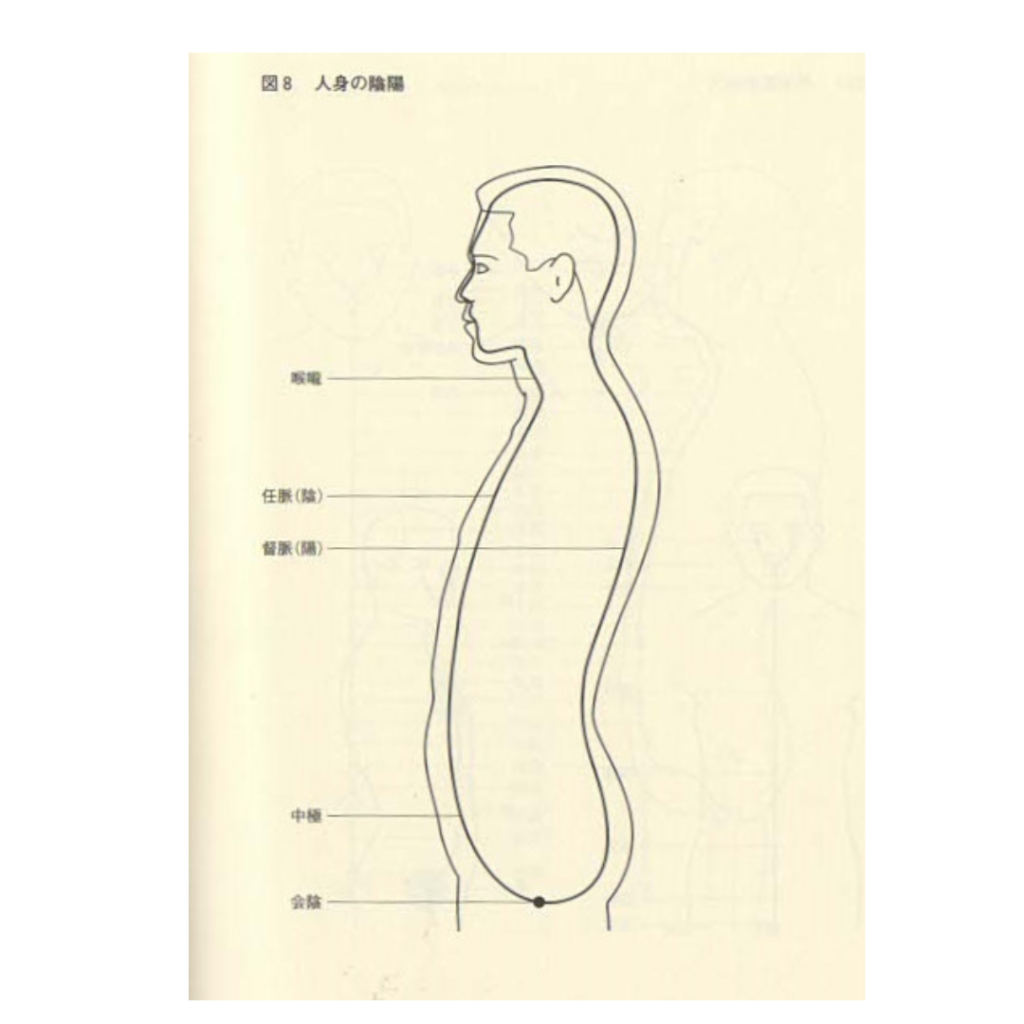
ところで、わたくしは、前の節で、仏陀の気道の法は、クンダリニー・ヨーガの気道法の不十分な部分を補足したものであるとのべた。
それはどういうことか?


クンダリニー・ヨーガの気道は三本ある。

一つはスシュムナー管、他の二つは、ピンガラ、イダーの気道である。

中心となる気道はスシュムナー管である。これは、さきにものべたように、尾獣骨から始まって、延髄に至っている。

特殊な意念の力でクンダリニーが目ざめると、そのエネルギーは爆発的な勢いで、スシュムナー管を延髄まで上昇する。同時に、クンダリニーは、ピンガラ、イダーの気道をも上昇し、クンダリニーのエネルギー調節その他補助的なはたらきをする。

脊髄の右側にあるピンガラは、太陽の気道と呼ばれ、熱を統御する気道とされる。

左側のイダーは、月の気道と呼ばれ、冷気の流れを統御する。もし誤ってピンガラを通ってクンダリニーが目ざめると、外から全くコントロールのきかないすさまじい体内熱のために、修行者は、最悪の場合、文字通り真っ黒になって焼け死んでしまうことがあるという。

『クンダリニー』の著者、ゴーピ・クリシュナは、この過ちのためにかれ自身、危うく死をまぬがれた体験を記している。

わたくしが、仏陀を、クンダリニー・ヨーガの完成者であると断定するのは、このさきにあげたミラクルの池、伝や、雑阿含経に説かれる仏陀、奇蹟ら大を出し、下半身から水き出すという奇蹟は、このビオライダーを使ってのエネルギー対なのである。

この奇蹟は、クンダリニー・ヨーガ完成者独特のものなのさて、クンダリニーが目ざい、スムーズにエネルギーが気道を上下するうちに、修行が順書に進むと、クンダリニーはサハスラーラ・チャクラに到達し、ここで修行がする。(ただし、ここまで到達できる行者は、古今、稀である)

このように、サンドリニーは、運試骨から延髄にまで到達し、それからさらに上昇して、然的には頭頂のサハニーニ・チャクラにまで到達することになっているのだが、選、さきや、サハスラーに至る経路がどのようになっているのか、明瞭さでは、各社が送っていて、いうならば一本道であるから、はっきしている。しかし、これらさき、サハスラーラに至るルートは、一体どう

わたくしは、さきに、仏陀が弟子たちにクンダリニー・ヨーガを用いさせなかったのは、過激すぎるからだといったけれども、それはそれだけではなかったのである。

クンダリニー・ヨーガのチャクラ開発法は、不安定であり、不確実だったのである。仏陀は完璧な成仏法を作製して、弟子たちに教えたのである。


The perfect Buddha airway
By the way, I mentioned in the previous section that the Buddhist airway law supplemented the inadequate part of the Kundalini Yoga airway method.
What does that mean?


There are three airways in Kundalini Yoga.

One is the Sushmuner tube and the other two are the Pingala and Eider airways.

The central airway is the Sschmuner’s canal. It starts with the Tailed Beast bone and reaches the medulla oblongata, as mentioned earlier.

When the Kundalini awakens with the power of a special idea, the energy explosively rises the Sschmuner’s canal to the medulla oblongata. At the same time, the kundalini also rises in the airways of Pingala and Ida, and acts as an energy regulator and other auxiliary functions for the kundalini.

The pingala on the right side of the spinal cord is called the airway of the sun and is the airway that controls heat.

The ider on the left, called the lunar airway, controls the flow of cold air. If the kundalini wakes up accidentally through Pingala, the practitioner can literally turn black and burn to death in the worst case due to the tremendous internal heat that is completely out of control.

The author of Kundalini, Gopi Krishna, describes his own nearly deadly experience due to this mistake.

I conclude that the Buddha is the perfector of the Kundalini Yoga by putting out the miracle pond, the biography, the Buddha, the miracle, etc. The miracle of putting out is a pair of energy using this biorider.

This miracle is peculiar to the kundalini yoga perfector. Now, as the kundalini awakens and the energy moves up and down the airway smoothly, as the training progresses, the kundalini reaches the Sahasrara chakra, where I will practice. (However, the people who can reach this point are rare nowadays)

Thus, Sandriny is supposed to reach from the luck test bone to the medulla oblongata, then ascend further, and eventually to the top of the Sahanini chakra. In terms of clarity, what the route to is is is clear because each company is sending it, so to speak, it is a straight road. But what about the route to Sahaslara?

I said earlier that the Buddha did not let his disciples use Kundalini Yoga because it was too radical, but that was not the only thing.

The Kundalini Yoga chakra development method was unstable and uncertain. The Buddha created the perfect Buddhahood method and taught it to his disciples.


to be continued. Buddha’s practice is not yet


Kundalini prana

I said earlier that the Buddha did not incorporate Kundalini yoga into his training.

That’s true. The Buddha did not incorporate Kundalini Yoga into the Iddhipada method. However, Kundalini energy was taken in.

The energy of human beings is not as powerful as Kundalini. There is no comparable driving force for remodeling humans. No, without using this energy, it would be impossible to remodel humans. Therefore, the Buddha used this.

The breath that the Buddha uses in the Iddhipada method, that is, prana, is the energy generated from the kundalini. It’s not just breathing or willingness.

In the early stages of meditation, it is a willful misunderstanding. When the practitioner has enough will to awaken the kundalini, the power of the strengthened will is directed towards the awakening of the kundalini. There are two parts to awaken the kundalini. There was a correct stimulus there
When you get it, Kundalini wakes up. This practice must be carried out meticulously and boldly according to the guru.

In Agama, there are some Buddhist dragons or vipers that exert great power by subduing poisonous snakes, but the poisonous dragons and poisonous snakes can be thought of as representing kundalini.

Since ancient times, Landriny has been represented in the form of a three-headed dragon or a nine-headed snake. The fairy tale of the poisonous snake, which is told in Agama, reveals that the Buddha has succeeded in controlling the kundalini energy, which is intense and burns for everyone, rather than a simple poisonous snake liquor.

It is not clear whether it will take the road. As long as the kundalini awakens, the awakened kundalini is supposed to reach the Sahasrara chakra automatically, and the practitioner himself does not know the route at all.

What about the Buddha’s airway?

The Buddha’s airway also has something in common with Kundalini Yoga.

It is the airway through the part of the spinal column from the caudal hypobone to the medulla oblongata. It is an airway that is almost the same as the Sushmuner tube. However, while the Kundalini Yoga Sushmuner’s canal ends in the medulla oblongata, the Buddha’s airway goes further into the neocortex, old cortex, and paleocortex of the cerebrum.
It reaches from the diencephalon to the hypothalamus. And it has that clear route.

That is not all. The route goes further to the forehead, from the eyebrows, through the back of the nose, from the chin to the throat. In other words, the prophecies that are effective because they reach the anterior pituitary gland and the posterior pituitary gland over the neural pathways from Sahaslara to Ajnya and the surrounding area can be understood even by beginner practitioners.

It goes without saying which one is better.

This is basically due to the difference in training between the Kundalini practice and the Buddhahood Buddhahood practice.

The Buddha’s method is to “go” prana. This means that the practitioner does it according to his own will. Therefore, the practitioner must know the route that leads Prana. Burana’s goodness,
Instead of leaving it to Blur, the practitioner decides and proceeds. Therefore, the practitioner must know the path.

The Kundalini Yoga Tower is completely different.

In order to awaken the kundalini, the power of the practitioner’s will is required, but once the kundalini is awakened, the kundalini explosively aims at the Sushmuner airway regardless of the practitioner’s will. It is not something that the author says “Megurasu”.
And, with that, it’s Kundalini Kise.


Therefore, the way to use the kundalini energy of the mind is completely different from the Sandriny Yoda method, and it is a method of “using, mari, kundalini energy!”


クンダリニー・プラーナ

わたくしは、さきに、仏陀は修行法にクンダリニー・ヨーガをとり入れなかったといった。

たしかにその通りである。仏陀は四神足法にクンダリニー・ヨーガをとり入れなかった。しかし、クンダリニー・エネルギーはとり入れていたのである。

人間の持つエネルギーで、クンダリニーほど強大なエネルギーはない。人間を改造する原動力として、これに匹敵するものはない。いや、このエネルギーを使わなかったら、人間の改造など不可能といっていいだろう。だから、仏陀はこれを用いた。

仏陀が四神足法において用いる気息、すなわちプラーナとは、クンダリニーから生ずるエネルギーなのである。単なる呼吸の息、あるいは意念だけではない。

初期の瞑想の段階では、意志による誤想である。修行者が、クンダリニーを覚醒するに十分なだけの意志を持つと、強力になった意念の力は、クンダリニー覚醒に向けられる。クンダリニーを覚醒するための部位が二カ所ある。そこに正しい刺激があた
えられると、クンダリニーは目ざめる。この修行は、導師にしたがって、細心大胆におこなわれなければならない。

阿含経の中に、いくつか、仏陀が毒龍、あるいは毒蛇を調伏して偉大な力を発揮する武が出てくるが、その毒龍、毒蛇は、クンダリニーをあらわしているものと思ってよい。

古来、ランドリニーは、三つの頭を持った龍、あるいは九つの頭を持った蛇の姿で表されているのである。阿含経で語られる毒龍調伏の説話は、単純な毒蛇退酒、語ではなく、仏陀が、強烈で、だれもが手を焼くクンダリニー・エネルギーのコントロール化に成功したことを明かしているのである。

道を通るのか、明確ではないのである。クンダリニーが目ざめさえすれば、目ざめたクンダリニーは、自動的にサハスラーラ・チャクラに到達することになっているのであって、修行者自身には、その経路はまったくわからないわけである。

これにたいし、仏陀の気道はどうであろうか。

仏陀の気道も、クンダリニー・ヨーガと共通する部分がある。

それは、尾低骨から延髄に至る脊柱の部分を通る気道である。スシュムナー管とほとんど変わらない気道である。しかし、クンダリニー・ヨーガのスシュムナー管は延髄で終わっているが、仏陀の気道はさらに進んで、大脳の新皮質、旧皮質、古皮質を
めぐって、間脳から視床下部にまで到達しているのである。そして、そのはっきりしたルートを持っているのである。

それだけではない。ルートはさらに前額部に進み、眉間から鼻柱の奥を通って顎から喉にくだる。つまり、サハスラーラからアージュニャー、そしてその周辺の神経経路をめぐって脳下垂体前葉、下垂体後葉に至っているのであ効いう予言」ば、初心の修行者でも把握が可能である。

どちらがすぐれているかは、いうまでもないことであろう。

これは、基本的に、クンダリニーの行法と、仏陀の成仏法の、修行方法の違いによるものである。

仏陀の方法は、プラーナを「行らせる」という方法である。これは、修行者が自分の意志(意志)によっておこなうことを意味する。したがって、修行者は、プラーナを導いていくルートを知っていなければならないわけである。ブラーナのいくささを、
ブラーにまかせるのではなく、修行者が決定して進めていくのである。だから、修行者はその道すじを知っていなければならないのである。

クンダリニー・ヨーガの塔合はこれとまったく違っている。

クンダリニーを目ざめさせるためには行者の意志の力を必要とするが、一旦めざやたクンダリニーは、修行者の意志にかかわりなく、一気にスシュムナー気道を爆発的に意していくのである。それは、作者が「めぐらす」などというものではない。
そして、とも、クンダリニーきせということになる。


だから、心のクンダリニー・エネルギーの使いかたは、サンドリニー・ヨーダ法とまったく異なり、ランドリニーまさにコントロードし、「使うのである、まり、クンダリニー・エネルギ!「ボトせる」という手法である。


kundalini prana

I said earlier that the Buddha did not incorporate Kundalini Yoga into his ascetic practices.

That’s certainly true. Buddha did not incorporate Kundalini Yoga into the Four Gods. However, he did incorporate Kundalini energy.

There is no energy in humans as powerful as Kundalini. There is nothing comparable to this as a driving force for modifying humans. No, you could say that without using this energy, it would be impossible to modify humans. That’s why Buddha used this.

The breath, or prana, that the Buddha uses in the Four Gods’ Footwork is the energy that arises from Kundalini. It is not just a breath of breath or a thought.

In the early stages of meditation, it is a willful delusion. When the practitioner has enough will to awaken the kundalini, the power of the now powerful intention is directed towards the awakening of the kundalini. There are two parts to awaken Kundalini. The right stimulus is there
Kundalini awakens when it is awakened. This training must be performed with great care and boldness in accordance with the master.

In the Agon Sutra, there are several martial arts in which the Buddha displays great power by subduing poisonous dragons or snakes, and these dragons and snakes can be thought of as representing Kundalini.

In ancient times, Landrinni was represented as a three-headed dragon or a nine-headed serpent. The story of the poisonous dragon’s obedience told in the Agon Sutra is not just a simple story about getting rid of a poisonous snake; it reveals that the Buddha succeeded in controlling Kundalini energy, which is intense and difficult to deal with.

It is not clear whether it will take the road or not. Once Kundalini is awakened, it is supposed to automatically reach Sahasrara Chakra, and the practitioner himself is completely unaware of the path.

In contrast, what about the Buddha’s airways?

The Buddha’s airway also has something in common with Kundalini Yoga.

It is the airway that runs through the part of the spinal column from the coccyx to the medulla oblongata. The airway is almost the same as the Sushumna tube. However, while Kundalini Yoga’s Sushumna channel ends in the medulla oblongata, the Buddha’s airway goes further and connects the neocortex, old cortex, and paleocortex of the cerebrum.
It goes around and reaches from the diencephalon to the hypothalamus. And it has a clear route.

That is not all. The route continues to the forehead, from between the eyebrows to the back of the bridge of the nose, down to the chin and down to the throat. In other words, even a novice practitioner can grasp this prediction as it goes from Sahasrara to Ajna and the surrounding neural pathways to the anterior pituitary gland and the posterior pituitary gland.

It goes without saying which one is better.

This is basically due to the difference in the training methods of Kundalini and the Buddha’s Buddhahood method.

The Buddha’s method is to “let the prana go.” This means that the practitioner does what he or she does according to his or her own will. Therefore, a practitioner must know the route through which prana can be guided. The beauty of Burana,
Instead of leaving it up to Blur, the practitioner decides and moves forward. Therefore, practitioners must know the path.

The experience of Kundalini Yoga is completely different.

Awakening the kundalini requires the practitioner’s will power, but once the kundalini has awakened, it explodes into the Sushumna airway at once, regardless of the practitioner’s will. It is not something that the author “megurasu”.
And this means that it is kundalini-like.


Therefore, the way to use the kundalini energy of the mind is completely different from the Sandrini-Yoda method, and it is a method of controlling the Landrini and saying, “Use, kundalini energy!


http://cyber-price.com/buddha/


Buddha Japan journal
日本の仏教を発信します
Send Japanese Buddhism

ニルヴァーナを智慧と慈悲をめざす。

“Nirvana aims for wisdom and compassion.”


新のゲーム PC カメラ 家電 健康

http://cyber-price.com/cyber/

goo

https://blog.goo.ne.jp/gomabonshop

ゴマボンSHOP/インターネット通販

https://fanblogs.jp/gomabon/

ゴマボンショップ

https://twitter.com/home

http://diji.seesaa.net/


大日如来 すべての生き物の根本となる仏

大日如来

すべての生き物の根本となる仏


大日如来(だいにちにょらい)とは?

大日とは「大いなる日輪」という意味です。太陽を司る毘盧舎那如来がさらに進化した仏です。密教では大日如来は宇宙の真理を現し、宇宙そのものを指します。また、すべての命あるものは大日如来から生まれたとされ、釈迦如来も含めて他の仏は大日如来の化身と考えられています。


大日如来には悟りを得る為に必要な智慧を象徴する金剛界大日如来と、無限の慈悲の広がりを象徴する胎蔵界大日如来という2つの異なる捉え方があります。金剛とはダイヤモンドのことを指し、智慧がとても堅く絶対に傷がつくことがないことを意味しています。また、胎蔵とは母親の母胎のようにすべての森羅万象が大日如来の中に包み込まれている様を意味しています。この2つが揃って大日如来を本尊とする密教の世界観が出来上がるのです。

ご利益

現世安穏、所願成就。また、未・申年生まれ守り本尊です。

大日如来(だいにちにょらい)の像容

本来、如来は出家後の釈迦の姿をモデルとしているため装飾品は身に付けていませんが、大日如来だけは別格で豪華な装飾品や宝冠を付けています。また、螺髪(らほつ)ではなく、髪を結い上げています。


金剛界、胎蔵界の姿でそれぞれ印の形が違います。金剛界の大日如来は、左手の人差し指を立て、その人差し指を右手で包みこむ智拳印の印相をしています。一方、胎蔵界の大日如来は、腹の前で両手の全指を伸ばして組み合わせる定印です。

メシアの法 求間持聪明法秘伝 The Law of the Messiah: The Secret of the Law of the Law of the Messiah


基本的な生命の具現である「生きている」 すがたは、脳幹の脊髄系が分担し、 「たくましく」生きてゆくすがたは、大脳辺縁系が分担し、「うまく」生きてゆ くすがたと、われわれ人間だけが身につけている「よく」生きてゆくすがたと は、新皮質が分担しているのである。

そこで、人間が生きてゆくということは、「たくましく」 「うまく」 「よ 生きてゆこうということになるのだが、この三つのものは、いずれにも片 よってはならぬということである。 藤が

この三つのものが、よく統合され、調整され、うまくバランスがとれている とき、人は、 そして、社会も、安定し、幸福と平和がたもたれているわけで、 このバランスがくずれると、人は不幸になり、社会は不安につつまれることに なるわけである。

それでは、はたしてこの三つのものは、つねにバランスがもたれているで あろうか?


脳のスター・前頭連合野

その答えはすでに、ポール・マクリーン博士が、人間の脳の中には、ワニと ウマが同居しているという表現で、答を出してしまっている。

かれによると、人間の脳は、進化の過程で古い脳をすべて脱ぎ捨ててき たのでもないし、また、それらの古い脳がヒトの進化にともなって新しい 脳を補助するという役割を果たしてきたのでもない、と言う。わたくしたちの

持つ三つの脳は、相互に連絡し合っているのだけれども、それぞれの部位は固有の知能、主体性、記憶、 空間・時間認識を持ちつづけており、それらの古い 脳は古い脳のやり方で、それぞれが独自に(つまり、勝手に) 外界からの情報 処理対応しているというのである。

したがって、現在のホモ・サピエンスにまで進化したヒトの新皮質脳がおこ

なっているはずの思考や行動にも、他の二つの古い脳がおこなっている原初的 活動パターンが現われていることになる。マクリーンは、人類が爬虫類や原始 哺乳類から引き継いでいるはずのそうした行動様式を「古代心理学的過程」と 呼んだ。 そして、動物行動の観察から、その原始的な行動様式 を割り出し、 それを現代人の行動にあてはめてみる研究を半世紀にわたってつづけてきた。 その結論が、ヒトの脳の中にワニとウマが同居しているという有名な発言にな ったのである。

つまり、これが、シャルル・リシェの言った。超人”という部分なの である。

だが、これでは全く救いがないではないか。 人間の未来はお先真っ暗で ある。これからヒトがいくら進化したとしても、その脳の中に永久に進化しな ワニやウマが同居してハバをきかし、勝手なことをするというのでは、全く 絶望的である。一体、ホモ・サピエンス (聡明なヒト)の部分はどうなってい るのか? この新しく進化した脳は、なんとか古くから住みついているこの古

怪物どもを退治してしまうことができないのか? これでは本当に設計ミス があったとしか思われないことになってしまう。 本当に設計ミスはあったのか。 ヒトの脳の部分をもう少し掘り下げて見てみよう。

著名な脳生理学者である時実利彦氏は、人間の脳のはたらきを、コンピュー タのハードウエアとソフトウェアになぞらえて、わかりやすく、適切な解説を されている。

それによると、われわれの生のいとなみを分担する脳の統合系のうち、脳 幹・脊髄系と大脳辺縁系は、古い記憶と本能にささえられて、それぞれ反射的、 絞きり型のはたらきかたをしているので、これは、ハードウエアということに なる(ハードウエアとはコンピュータの機械そのものをいう。これにたいしソ フトウエアとはコンピュータをより高度により容易に利用することを目的とし プログラムの体系をいう。 コンピュータは、機械だけでは利用者がプログラ ムをつくるのが非常に困難で、効率のよい利用ができない。どうしてもソフト ウエアなしでは運転することが不可能である)。

これにたいし、それでは、おなじ統合系の仲間である新皮質系のほうはどうか?

じつは、この人間においてすばらしく分化発達している新皮質系に、コンピ ュータなど比較にならぬ精巧なハードウエアと、われわれ人間だけが持ってい 賢明なソフトウエアとその両方がそなわっているのである。

つまり、脳幹・脊髄と大脳辺縁系はハードウエア、新皮質系は、おなじくハ ードウエアとソフトウエア、とこういうことになっているのである。

前頁の図は、左の大脳半球をおおう新皮質の分業地図である。

前頭葉の前端部で点のうってある場所を「前頭連合野」というが、この部分 と、それ以外の部分と二つに分けて、この「前頭連合野」がソフトウエアであ り、それ以外の部分がハードウエアということになる。

そこで、その役わりを説明すると、まえのほうで人間の「生きてゆく」生の いとなみを、三つのすがたに分けて表現したが、その、

「たくましく」生きてゆくすがたが、大脳辺縁系と、脳幹・脊髄系のハードウ

「うまく」生きてゆくのが、新皮質系のなかのハードウェア (頭頂後頭連合

野、および運動野、側頭葉の記憶領域)

「よく」生きてゆくのが、新皮質系のなかのソフトウエア(前頭連合野)

ということになるのである。

ところで、この三つのなかで、まずわれわれの注目をひくのは、ソフトウエ

アであるところの、この前頭連合野である。

というのは、すべての動物の中で、この前頭連合野を持っているのは、人間 だけなのである。ほかの動物にはほとんどみることがないのである。たとえば、 ネズミやネコのような動物は痕跡程度で、サルやチンパンジーにいたってはご

くわずか見られるが、そのはたらきはとるにたらぬ微弱なものである。

このことは、いったいなにを意味するか。

じつは、最近まで、その意味はよくわからずにいたのである。これがはっき

りしたのは一九四九年にノーベル医学生理学賞を受賞したポルトガルの神経学

者モニスが、 不安神経症やソウウツ病の患者に前頭葉切除の手術をおこなうよ うになって、はじめてその意味がわかるようになったのである。

前頭葉切除の手術をうけると、知能指数や記憶力にはほとんど変化はみられ ないが、無頓着、無感動、自発運動の減退、意欲の喪失、情操の貧困、不安の 解消などが起きる。 これは、思考力や創造性や意志力や情操の精神の減退ある は消失を意味するものにほかならない。

つまり、この部分は、人間の心のいとなみの中で、思考、判断推理、 創造、 情操 よろこび、かなしみなどというもっとも高度のはたらきがなされている のだということがわかってきたのである。つまり、この部分こそが、 ソフトウ エアであるということがわかったわけである。

だからこそ、この部分のないネズミやネコやサルは、模倣や、たんなる試行 錯誤の方法によって、自分の持っている本能や記憶のハードウエアを動かして うまく生きてゆくことを習得しているだけで、それ以上のものではないと いうことになるわけだ。

「ソフトウエアがないから、せっかく持っているハードウエアを開発し、それ を「よりよい」 高度のものに高め貯蓄してゆくことができないのである。 サル はいつまでたってもサルである。イルカに芸当を教えると、すっかりおぼえこ んで実にすばらしい芸当をわれわれに見せてくれる。 あれだけの脳のはたらき を持っているのに、覚えている芸当を組みかえて新しい芸当をつくり出すよう なことは決してしない。 また、イルカどうしでは、あれだけの芸当を開発する こともできない。だから海の中に何万年経とうともイルカの文明はない。ハー ドウエアを使いこなすソフトウエアである創造の座、前頭連合野がないためで ある。

ところが、われわれはこのソフトウエアを持っている。

ソフトウェアとは、ハードウエアの持つ潜在能力を最高度に発揮させるシス テムであり、これを持つわれわれは、この前頭連合野というひとにぎりにも足

ぬ肉片ゆえに、猿人から原人、旧人へと進化をし、ついに、現在のような、

ホモ・サピエンスといわれる現世人類にまで到達した。

ある著名なコンピュータ学者は、

「ハードウエアの開発は、もはやギリギリのところにきている。 これからはソ

フトウェアの開発だ。ソフトウエアの開発にこそ無限の未来がある」

と語っているが、この言葉は、そのまま、われわれ人類にあてはまるのでは ないか?

太古の洞窟に棲む原始人が、火の使用をおぼえ、車輪を考案し、文字をつく 内燃機関を発明し、ついに原子力の解放にまで到達した。 この偉大なる進 化!その原動力であるソフトウエアを、われわれは、自分自身の脳の中に持 っているのである! ソフトウエアは無限の可能性を秘め、われわれは無限の 未来を持つ。人間はこれからどれほど高度な文明をきずきあげることであろう か? 洋々たるその未来! ばんざい!「にんげん」ばんざい! 「ぜんと うれんごうや」 ばんざい!

ちょ、ちょ、ちょっと待っていただきたい。そんなところでいい気になって おどっていてもらっては困るのだ。

ジェキル博士とハイド氏

ものごとにはすべて二つの面があり、この世の中に、すべてよい事ずくめと いうものは絶対ないのだ。おもしろい話がある。

皮肉屋で有名だった英国の文豪バーナード・ショウに、あるパーティーで同

席した有名な女優サラ・ベルナールが、こうはなしかけた。

「先生とわたしが結婚したら、理想的な子供が生まれることでしょうね。 先生

そのすぐれた頭脳と、私のこの美しい容姿をあわせ持ったすばらしい子供で

す。いかが? 結婚しましょうか?」

そうに答えた。

といたずらっぽい目つきでいう女優に、ショウは、にこりともせず、ぶあい

「まっぴらごめんだね。君のそのおそまつな頭脳と、私のこの貧弱な肉体をいっしょにした子供が生まれるかもしれんと思うとぞっとするよ」 まわりの人々は、例によって例のごときショウの毒舌にわっと手をたたき、 美しい女優は口あんぐり、というエピソードがつたわっている。

さすがにショウで、ものごとにはすべて二つの面があることくらい、だれで も知っていることだが、とっさの間にこう軽く出てくるところが、ショウのシ ョウたるところであろう。

ホモ・サピエンス

ところで、この前頭連合野もその通り、私がこれまで述べてきたのは良い方の部分、聡明なヒトの部分なのだ。だがこの前頭連合野には、なんと、もう一つ、悪い方の面、趙・悪人類の部分があったのだよ。悪い面は、旧皮質、古皮質だけだと思ったのに、なんと新皮質の部分にもあったのだ。ブルータス、汝 もかである。

つまり、もっともすぐれたるよきものと、もっとも愚かな劣れるものと、こ の二つの極端に矛盾したものが、二つながら存在しているのがこの前頭連合野 なのだ。つまりそこにはジェキル博士とハイド氏がいっしょに住み、神と悪魔、

ホトケとオニが同居しているのだ。

さきに、私は、前頭連合野こそ、人間の心のはたらきの中で、もっとも高度 な心のはたらき 「思考」「判断」「推理」「創造」「意志」「情操」が活動すると ころであると述べた。

ところが、そういう心のはたらきと同時に、そこには、「競争意識」「欲望 物欲、名誉欲、権力欲)」「情操(ねたみ、うらみ、嫉妬)」などの精神がいっ しょにいとなまれていることがわかったのである。

The spinal system in the brain stem is responsible for the form of “living”, which is the embodiment of basic life, and the limbic system of the brain is responsible for the form of living “strongly”, and the role of living “well”. The neocortex is responsible for the ability to live a “well” life that only we humans have acquired.

Therefore, for a human being to live, it means to live “strongly”, “well”, and “well”, but these three things should not depend on any one of them. but

When these three things are well integrated, coordinated, and well balanced, people and society are stable, happy, and peaceful, and when this balance is disrupted, He believes that people will become unhappy and society will be filled with anxiety.

So, are these three things always in balance?


Star of the brain: frontal association cortex

The answer has already been given by Dr. Paul MacLean, who said that a crocodile and his horse live together in the human brain.

According to him, the human brain has shed all its old brains during the process of evolution, and that these old brains have played a role in supporting the new brain as humans evolved. No, I say. Our

The three brains we have are interconnected, but each part continues to have its own intelligence, independence, memory, and spatial and temporal awareness, and these older brains continue to use the old brain’s methods. , each independently (in other words, automatically) processes information from the outside world.

Therefore, the neocortical brain of humans, which evolved into modern Homo sapiens,

Even in our thoughts and actions, the primitive activity patterns of the other two older brains are appearing. MacLean called the behavioral patterns that humans must have inherited from reptiles and primitive mammals “ancient psychological processes.” For half a century, he has been researching animal behavior to determine its primitive behavioral patterns and apply them to modern human behavior. This conclusion led to the famous statement that a crocodile and a horse live together in the human brain.

So this is what Charles Richet said. He is the superhuman part.

However, this is not a relief at all. The future of humanity is dark for him. No matter how much humans evolve in the future, it would be completely hopeless if a crocodile or a horse were to coexist with a crocodile and a horse, making their own noises and doing whatever they wanted. What on earth is going on with Homo sapiens (intelligent humans)? This newly evolved brain somehow manages to adapt to its ancient home.

Isn’t it possible to get rid of the monsters? This would make it seem like there was a real design error. Was there really a design error? Let’s take a closer look at the parts of the human brain.

Toshihiko Tokizane, a famous brain physiologist, compares the functioning of the human brain to the hardware and software of a computer, giving an easy-to-understand and appropriate explanation.

According to this theory, among the brain’s integrated systems that share the burden of our lives, the brainstem/spinal system and the limbic system are supported by old memories and instincts, and each function in a reflexive and focused manner. (Hardware refers to the computer itself.Software, on the other hand, refers to programs that are designed to make the computer more advanced and easier to use.) (This refers to the system of computers. It is very difficult for users to create programs for computers if they are machines alone, and it is not possible to use them efficiently. It is impossible to operate them without software.)

On the other hand, what about the neocortical system, which is also a member of the integrative system?

In fact, the neocortical system, which is wonderfully differentiated and developed in humans, is equipped with both incomparably sophisticated hardware such as computers and clever software that only humans possess.

In other words, the brain stem, spinal cord, and limbic system are hardware, and the neocortical system is the same hardware and software.

The figure on the previous page is a map of the division of labor in the neocortex, which covers the left cerebral hemisphere.

The area at the front end of the frontal lobe where the dots are located is called the “frontal association area.” It is divided into two parts: this area and the other area.This “frontal association area” is the software, and the other areas That part is the hardware.

So, to explain its role, I expressed the behavior of humans in their “living” life divided into three forms.

Living a “strong” life depends on the limbic system, brain stem, and spinal cord system.

Living “successfully” depends on the hardware within the neocortical system (parieto-occipital association).

motor cortex, memory area of the temporal lobe)

It is the software in the neocortical system (frontal association cortex) that allows us to live “well”.

That is what it means.

By the way, among these three, the one that attracts our attention first is software.

This is the frontal association area where A is located.

Of all animals, humans are the only ones that have this frontal association cortex. It is rarely seen in other animals. For example, animals such as rats and cats only have traces, while monkeys and chimpanzees have only traces.

Although it can be seen very little, its function is insignificant and weak.

What exactly does this mean?

In fact, until recently, I didn’t really understand what it meant. This is clearly

It was the Portuguese neurologist who won the Nobel Prize in Medicine and Physiology in 1949.

It wasn’t until Monis, a doctor like him, performed frontal lobectomies on patients with anxiety and neuropathy that I began to understand their meaning.

After frontal lobectomy, there is almost no change in intelligence or memory, but symptoms such as indifference, apathy, decreased locomotor activity, loss of motivation, poor emotional state, and resolution of anxiety occur. This means nothing but a decline or disappearance of thinking power, creativity, willpower, and emotional spirit.

In other words, I have come to understand that this part of the human mind is where the most advanced functions such as thinking, judgment, reasoning, creation, emotional joy, and compassion are performed. In other words, it turns out that this part is the software itself.

That’s why mice, cats, and monkeys who lack this part only learn how to survive by imitating their own instincts and memory hardware through imitation and simple trial and error. So he ends up saying it’s nothing more than that.

“Because we don’t have software, we can’t develop the hardware we already have, make it “better” and more advanced, and save it. A monkey will always be a monkey. If you teach a dolphin a trick, it will memorize it and then show you some really amazing tricks. Even though he has such a powerful brain, he never rearranges the tricks he knows to create new ones. Also, the dolphins can’t do what he can do with his talent. Therefore, no matter how many tens of thousands of years pass, there is no dolphin civilization in the ocean. He is because he does not have the frontal association cortex, the seat of creation, which is the software that masters doware.

But we have this software.

Software is a system that maximizes the potential of hardware, and those of us who own this software can even reach the frontal association cortex.

Because of this piece of flesh, we evolved from ape-man to hominid to archaic man, and finally, we became what we are today.

It has reached the level of modern humans known as Homo sapiens.

A famous computer scientist said,

“Hardware development has reached its limit.

This is software development. There is an unlimited future in software development.”

But don’t these words apply directly to us humans?

Primitive humans living in ancient caves learned to use fire, devised the wheel, invented the internal combustion engine that could write, and finally achieved the release of nuclear power. This great evolution! We have the software that is the driving force in our own brains! Software has infinite possibilities, and we have an infinite future. How advanced a civilization will humans be able to develop in the future? A glorious future! Hurray! “Good luck!” “He’ll be happy!” Hurray!

Hey, hey, please wait a moment. I don’t want him to get carried away and dance around in a place like that.

Dr. Jekyll and Mr. Hyde

There are two sides to everything, and there is absolutely nothing in this world that is all good. I have an interesting story.

Bernard Shaw, the British literary giant who was famous for his cynicism, met him at a party.

The famous actress Sarah Bernhardt, who was sitting at the table, was about to say this.

“If Sensei and I get married, I’m sure we’ll have an ideal child. Sensei.

She is a wonderful child with a brilliant mind and a beautiful appearance.

vinegar. How about it? Shall we get married?”

She answered yes.

said the actress with a mischievous look in her eyes, and Shou didn’t even smile.

“I’m so sorry. I shudder to think that a child might be born with that slow brain of yours and this meager body of mine.” As usual, the people around him reacted to Shou’s vicious words. There are stories of beautiful actresses clapping their hands and mouths hanging open.

Of course, he knows that there are two sides to everything, but the fact that he comes out so casually like this is probably the best part of the show.

homo sapiens

By the way, the frontal association cortex is exactly the same, and what I have been talking about so far is the good part, the part of intelligent people. However, in this frontal association cortex, there was another bad side, the part of Zhao/evil humanity. I thought that the bad side was only in the old cortex, but it turned out that it was also in the neocortex. Brutus, thou art also.

In other words, it is in this frontal association cortex that two extremely contradictory things exist, the most excellent and the most foolish, and the most foolish and inferior. In other words, Dr. Jekyll and Mr. Hyde live there together, God and the devil,

Hotoke and Oni live together.

First, I believe that the most advanced functions of the human mind, “thinking,” “judgment,” “reasoning,” “creation,” “will,” and “emotions” are active in the frontal association cortex. He said that.

However, along with this functioning of the mind, spirits such as “competitiveness”, “desire (lust for material things, desire for honor, desire for power)”, and “emotions (envy, envy, jealousy)” are also being consumed together. That’s what I found out.


http://cyber-price.com/buddha/


Buddha Japan journal
日本の仏教を発信します
Send Japanese Buddhism

ニルヴァーナを智慧と慈悲をめざす。

“Nirvana aims for wisdom and compassion.”


新のゲーム PC カメラ 家電 健康

http://cyber-price.com/cyber/

goo

https://blog.goo.ne.jp/gomabonshop

ゴマボンSHOP/インターネット通販

https://fanblogs.jp/gomabon/

メシアの法 3 システムとしての求聞持法 Messiah’s Law 1 Inquisition Law as a System

私は警告する。 私は警告する。

物理学の天才博士よ、 おなじく丁博士、また、すばらしい感覚の十二行詩を書く詩人A君、 おなじくつぎのノーベル賞作品を書くであろうといわれているH氏よ、さてまた華麗なるコンチ フェルトを得意とする作曲家のG君、企業の天才Z氏、その他すべてのエリート諸君、私は諸君に 警告する。諸君は、知識欲旺盛な若ものたちに頭から食べられてしまわぬよう、至急ガードマン の手配をせよ!

諸君は、現実に近い未来において、モリモリと頭から喰われてしまう恐れが多分にあるので す!

実際に、この私だって、いつなんどき、あなた方のなかのある人をふと食べてしまおうかと思 い立たぬともかぎらないのだ!

おそろしい世のなかになったものである。だれかの脳髄を食べてしまうことによってその人の 頭のなかにある記憶をそっくりこちらにいただいてしまうことができる可能性が発見されつつあ る。人なみすぐれた脳を持つ者は、いつなんどき誘拐されて、その脳を抜きとられてしまうか知 れぬ恐怖に、うかうか町も歩けぬことになる。アイデアにゆきづまったり、試験に落ちてばかり いることから抜け出すために人の脳をねらう殺人者で地球はおおわれてしまうかも知れない。 まくやって世界的なを手に入れしかしまた。 そんな血なまぐさい事件は警察にしっかりたのんでおいて、たのしいレジャーに 応用することもできる。 百獣の王ライオンになってジャングルをさまよい歩いたり、巨大な畑へ どになって、熱帯の樹の上で居ねむりする感覚や記憶をたのしむこともできる。

さて、本題にもどろう。

いや、これは決して空想小説ではない。脳の記憶の構造をしらべているうちに、じっさい 科学者たちはそれが実現する可能性につきあたってびっくりしたのである。

われわれの日々の体験、いいかえれば情報”だが、これは脳の一部に痕跡として残り、痕跡 は反復によって強められる。これを「記銘」といい、記銘されたものは必要に応じて再現も、想 起することもできる。 この生体の仕組みを「記憶」といい、反復によって記銘を強めることを 「学習」するという。 以上が、記憶というものの一連の作業のすがたである。 では、記銘はどの ようにしてなされるか?

大脳皮質頁の図の太線で示された「新しい皮質」と、斜線で示された「古い皮質」の、厚 ミリメートルの表面には、約一四〇億の神経細胞(ニューロン)がぎっしりとならんでい る。 次頁の上図はひとつのニューロンであるが、これらは、 模式的に書くと下図のように、おた がいがからみ合っている。 その仕組みは、最初のニューロンの樹枝状突起(デンドライト)に、受容器または他のニューロンにつながる神経線維からひとつの情報パルスが入ると(頁参照)、それによって細胞体の電位がわずかに変化する。 細胞にはたくさんのデンドライトがあり、ひと つのデンドライトにはたくさんの神経線維がつながっているので(このつながりのところがシナブスである) (頁参照)、この細胞体にあたえられるパルス電圧はプラスであることもマイナス であることもあるけれども、とにかく合計してある電圧にまで高まると、はじめてこの細胞体は 輪に一発のパルスを送り出し、これが、つぎのニューロンのデンドライトにつたえられる。こ のようにして情報はつぎつぎと のに亡くなった偉大な神経生理学者、シェリントンにとって、脳はとてつもない配電盤であった。 彼と彼の後継者たちは、脳を電気的な面からだけ理解しようと努力した。記憶の保持は、モール 信号のように情報をつたえるパルスの行列が、複雑な神経細胞の連鎖がつくる回路のなかを無 に廻っている状態だと考えられた。そうして、想起とはそれが必要に応じてとり出されること だと考えた。しかし、現在は、きまったパターンの回路を、パルスがいつでもすぐに廻りうるよ うになっている状態だと考えられている。

そのためには、回路を組立てている神経細胞連鎖のシナプスが、ほかのシナプスよりも、パル スをより伝達しやすいようになっていなければならない。 つまり、シナプス抵抗の減少である。 この仕組みについて、いくつかの考えが出されている。

まず第一は、あるシナプスをパルスがたびたび通ると、そこに構造的な変化がおこるだろうと いうのである。ちょうど、筋肉をきたえると、筋肉細胞が肥大するように、シナプスを形成して いる神経線維の末端の終末ボタンが大きくなったり、数がふえたりして、その結果、シナプス抵 抗が減少するというのである。この考えを支持する事実として、近年、ヘップ (D.O. Hebb) た ちが、刺激によってニューロン終末ボタンの数がふえたり、大きくなったりする現象を報告して いる。

第二は、シナプス伝達の実体であるアセチルコリンのような伝達物質が、よりたくさん分泌さ

れるようになるのだろうという考えである。 最近、シナプスに、電気刺激によってパルスをたく さん送りこむと、シナプス前部膜にある伝達物質をふくんだシナプス小胞が、膜の表面に移動し てくることが観察されている。 また、その逆に、ウサギの網膜で、双極細胞と錐状体、杆状体(光

容器との間のシナプスにあるシナプス小胞が、数日間完全な暗闇におくことによって減少 するという。脳のはなし・時実利彦著) つまり、 シナプスをたびたびパルスが通ると、より多くの 伝達物質が分泌されるようになるから、シナプス伝達の抵抗は減少することになるわけである。 こうして全く電気器機だと考えられていた脳は、次第に化学の面から見直されるようになって

ことに、分子生物学の進歩によって、遺伝情報が分子の長い鎖状高分子にきざみこまれている ことが明らかにされた結果、記憶もまた分子のなかにたくわえられているのではないかという考 え方が出てきて、それがひろくとり上げられるようになった。

RNA (リボ核酸、リポースを含む核酸で、タンパク質と結合して細胞質中のリポゾームの重 要成分をなし、タンパク質の合成に関係がある) がその問題の分子であるという考えを、スウェ ーデンのホルガー・ヒデン教授が発表した。

教授は、いろいろな行動を学習したネズミの脳をとって分析したところ、学習したネズミはし ないネズミにくらべて、神経細胞中のRNA量が増加し、核RNAのアデニンとウラシルとの比 増加していることを発見した。

る。さらに別の実験では、迷路を刺激された神経細胞はRNAおよびタンパクが増加し チトクローム酸化酵素の活性も増加するが、神経細胞に接して存在するニューログリア細胞では 反対の傾向がみとめられた。 それゆえ、もしこの変化が記憶痕跡をつくるのに関係するものであ れば、神経細胞とニューログリヤ細胞は一体となって、記憶をつくるのに参加していることにな

冷却、ショック、薬品、その他多くの手段をつかって、脳の電気的活動を一時的に停止させた のちも、記憶がさまたげられないで残っているということが実験でたしかめられた。このことは 記憶の究極の本質が、電気的なものではなくて、化学的なものであるという考えをつよく支持す 基礎になっている。けれども、電話のダイヤルをまわすときに電話番号をちょっとおぼえるの に使うような短い記憶は、本来、電気的なものであろうと考えられている。この種の記憶は、た いてい、すぐ消えてしまう。(ただし無くなってしまったのではない)もしそうでなかったら、 われわれは、どうでもいいようなこまごました記憶の大群のなかで、にっちもさっちもゆかなく なり、必要な情報など見つけ出すことができなくなってしまう。

動物について行なわれている多くの実験は、”記憶” が長期的な記憶にプリントされるに は数時間かかることを示している。 学習がおこなわれても、脳の神経細胞ですぐに長期的な記憶 がつくられるのではない。記憶ができるためには一定の時間が必要であって、もしこの間に脳の

神経細胞に混乱を生じるような活動をおこすと、記憶は固定されないで消えてしまう。 記憶の固 定時間が必要であるということは、記憶痕跡をつくるのに物理化学的なメカニズムがはたらい ているということである。学習直後は、学習に参加した神経回路のなかを、まだパルスが循環し ていると考えられ、それが短期記憶である。 固定に必要な時間が経過したのちに短期記憶が長期 記憶にかわるのであるが、もしこの間に脳に電気を通して学習回路の興奮がみたされると、 学習 効果が残らないで、長期記憶ができない。要するに、記憶の跡”は、最初は電気的な形で維持 されるが、最後には、永久の記憶として、化学物質のかたちで貯蔵されるということである。

たしかに、分子レベルで記憶が貯蔵されるという考えかたによって、はじめて、人間の知識や 事実を記憶する莫大な能力を説明することができる。 コンピューターがひとりの人間の記憶に対 抗するだけの記憶をもつためには、地球の全表面にひとしい面積の磁気テープを必要とすると推 定されている。

「分子神経学」という、まだあまりなじみのない名称が、MITのフランシス・シュミット によって、この新しく生まれた分野に名づけられた。

記憶に対する化学的なアプローチがつぎつぎとはじまった。

そのなかで、まず、テキサス大学のロバート・トムソンと、ジェムス・V・マッコーネルがあ たらしい道をひらいた。

脳とよべるたぐいのものを持つ最も単純な生物である。だが、分割して分かるような生 のなかでは、最も複雑な生物である。 一匹を二つに切ると、頭の方に新しい尾が生ずるばかり か、尾の方にも新しい頭が生じてくるという生物である。

トムソンとマッコーネルは、光または音と電気ショックを使って防御条件反射をつくった。 プ ラナリアは光をあてただけで縮むようになった。 光は、”あとからショックがくるぞという意 味であることを、プラナリアが学習したことはあきらかになった。次いで、学習した経験を れるようにしたあとで、前より少ない訓練でふたたび覚えるようになることを確認した。

そこで、この訓練したプラナリアを二つに切り、その両方を再生させた。その結果、頭の方の 半分から再生されたプラナリアが、以前より少ない訓練でふたたび習得したばかりか、尾の方の 半分から再生したものも同じように習得した! 脳を持っていないほうに、どうして記憶が残っ ていたのであろうか?

さきに述べた通り、DNAのなかに遺伝の情報がたくわえられるとおなじように、RNA分子 のなかに記憶がたくわえられるのではないかという考えかたが、すでに、ホルガー・ヒデンによ って発展させられていた。

そこで、 ロチェスター大学のコーニングとジョーンは、訓練されたプラナリアを二つに切り、 RNAを分解する酵素 リボヌクレアーゼの溶液中で再生させてみた。すると、頭のほうから再

生させたプラナリアには記憶が残っていたが、尾の方から再生したプラナリアには記憶がぜんぜ ん残っていなかった!

それでプラナリアの尾部に残っていた記憶物質は多分リポ酸(RNA) であって、これが尾部 から頭が再生するときに記憶物質が頭へ移らないで、分解酵素によって破壊され、記憶を失った のであろうと考えられるのである。 しかしまた反対意見がないでもない。このことがただちに、 RNAが記憶をたくわえている証明にはならないというのである。RNAは刺激としてはたらく に過ぎないといっている。

けれども、これらの実験によって、記憶に関連して、RNA問題が非常に興味ぶかくなってき たのはたしかである。

その後、これらのチームは様々な実験をしたが、もっともセンセーショナルな結果は、学習し プラナリアをすりつぶして、学習していないプラナリアにたべさせると、学習していない動物 に記憶をつたえることができたという報告である。 食べたほうは、食べられたほうの記憶を実際 獲得したのであろうか?

G・R・ティラーは、この例を報告したとき、こういうユーモアをとばしている。

「心理学の先生たちは、なかばまじめに、クラスの生徒たちが教師を食べて、必要な学を学ぶ 日を心にえがいた」

おなじように、KN A

て皿に近づき、餌をとるが、第二群のネズミは光に反応して近づくようにして 群のネズミの脳からRNAをとり出し、学習していないネズミにあたえた。第一群のネズミの脳 のRNAを腹腔内に注射されたネズミは音に対してつよい反応を示したが、光にはそうではな く、また、第二群のネズミの脳のRNAを注射されたネズミは光に対して特に反応したが、音に たいしては注意をはらわなかった。

また、ガンの薬(8アザグアニン)をあたえると、これがRNAにとりいれられて、RNA 生物活性を失い、その結果は、動物は新しい学習ができないという報告もある。 この場合、古 記憶は残っている。

ヒトにおいては、つぎのような報告がある。 なにかの原因で脳がきずつけられると、それが原 因となって、てんかんがおきることがある。 このはてんかん焦点とよばれるが、その部分を切 とっても、てんかんはなおらない。その理由は大脳半球の一側にある焦点から常にパルスを送 っていると、対側の半球の対称の点にもてんかん焦点ができるからであって、これを焦点と いう。この さて、この焦点はその周囲 点もいっしょにとり除くとてんかんはなおる。

の組織にくらべていちじるしくRNAが増加しているのである。この現象は、いいかえると、い つもパルスをうけて、てんかんの鏡像点がつくられるということは学習の単純化されたモデル とも考えられるのであり、そこにRNAが増加するということは、学習とRNAとの関係を示す

しょうこがヒトでも得られたということになる。また、記憶障害のある脳の病気の患者にRNA

イーストの形であたえて、記憶がよくなったという報告もある。

またジャコブソンは、学習させたハムスターのRNAをネズミに注射したら、ネズミの学習行 動は改善されたと新しい報告をしている。

すると、記憶は種を越えて移ることができるのだろうか? 記憶はあらゆる生物を通じて同一 の符号でつづられているのだろうか? タンパク質合成の際の遺伝暗号は、動物界を通じて本質 的に同一と見られるが、記憶もまた、おなじように普遍的なものなのであろうか? そうだとす ると、ライオンの記憶を持ちたいときにはライオンの脳を食べればよいが、同時に、 子豚の脳を 食べることはあまり賢明なことではないということになる。

もっとも、記憶に関係する分子が、消化作用をのがれてそのままで残るということはプラナリ アでは可能かも知れないが、もっと高等な生物ではできそうもない。

しかし、いずれにせよ、結論は、記憶をつかさどる物質が存在することを示している。ただ、 それがRNAであるかどうかはまだはっきりしていない。実際のところ、いまの段階では、 記憶 はある特異的なタンパク質にきざみこまれている、と考えるのが真実のようである。神経細胞 が、他の細胞よりもずっとはやくタンパク質をつくり出すことは以前からよく知られていること だ。ある学者は、記憶をのこす物質は、小さな可溶性タンパクまたはペプチッドであり、分子 五千程度であるから、NAではないだろう

おけるリが記憶物質であろうとしている。

記憶物質がなんであるか、まだ明らかではないけれども、それは次の性質を持った物質で

ればならないと、大阪大学の吉井直三郎教授は指摘する。

1、記憶体験によって分子の状態が変わることができるものである。

2、記憶が証明されるかぎり、その物質は証明される。

3 これが破壊されると記憶が失われる。

私は思うのだ。

以上の条件をみたさなければ記憶物質とはいえないのであるが、そのような物質はまだ知られ

科学が、脳のはたらきについて脳それ自体にのみ目を向けているあいだは、いくらしらべても おそらくそれを知ることはできないであろう、と。

脳は非常に複雑なはたらきをする化学装置である。 最近ようやく知れわたってきたことである が、脳の各部はそれをひたしている液体中の物質の影響に敏感に反応する。 脳をひたしている 体中のなかには、特殊な化学物質、 ガングリオンド、セレブロンド、スヒンゴミエリンその他ま だよく成分のわからない物質がいくつもふくまれており、それらのはたらきはまだほとんどわか っていないのだ。脳はこういう未知の成分をたくさんふくんだ液体につつまれているのである。 そうしてその液体の持つさまざまな成分に敏感に反応する。それだけではない。脳はその反応によって、脳自身さまざまな神経液を分泌する。 それらの成分の化合や反応については全く知られ,


私は思う。脳の実質やそのなかでおこなわれている変化だけをいくらしらべても、脳の本当の はたらきを知ることはできぬ。脳をつつんでいるこれらの液体の成分の作用、脳の特殊な部分か 分される分泌液に着眼せよ。そこに脳の秘密がある。 げんに、ある著名な研究グループは、 ある脳細胞が脳のべつの部分を刺激したり、 鎮静したりする制物質や、あるいは神経液を分泌 することについて報告している。 ここにひとつの神秘を解くカギがある。

脳の専門家でもない者がなぜそんなことをいえるのだ、とあなたはいうのか?

教がそれをやっているのである。

密教はそういう物質がどういう化学成分で成り立っているのかということをあきらかにする技 は持っていない。 しかし、その物質を脳のなかにつくり出して、それを利用する技術は持って いるのだ。その特殊な脳の開発技術こそ、求聞持法にはじまる密教の一連の秘密技術なのだ。 では、その密教の秘密技術とはどんな技術か?

I warn you. I warn you.

Dr. Ding, a genius in physics, Mr. A, a poet who writes twelve-line poems with a wonderful feeling, and Mr. H, who is said to be the next Nobel Prize winner. Composer G, corporate genius Z, and all other elites, I warn you. Everyone, please arrange a guard as soon as possible so that the young people with a strong desire for knowledge will not eat you from the top!

In the near future, everyone is likely to be eaten from the head down, so he is!

In fact, even I, at some point in my life, have the thought of eating one of you!

We are in a terrifying world. It is being discovered that by eating someone’s brain, it is possible to give them all the memories in their head. People with brains as good as humans will be kidnapped at any moment, and they will be unable to walk through the city, fearing that their brains will be taken out. The earth could be overwhelmed with killers who target people’s brains to get out of being stuck in ideas or failing exams. Got a world wide by doing so, but also. Such a bloody incident can also be applied to a fun leisure activity after making a firm request to the police. You can become a lion king of beasts and wander through the jungle, or you can become a roar to a huge field and enjoy the sensations and memories of sleeping on a tropical tree.

Now, let’s get to the point.

No, this is by no means a fantasy novel. In studying the structure of memory in the brain, scientists were indeed astonished at the possibility of it becoming a reality.

Our daily experiences, in other words “information”, remain as traces in a part of the brain, and the traces are strengthened by repetition. can also be recalled. This biological mechanism is called “memory”, and it is said that “learning” strengthens memorization through repetition. The above is the state of a series of operations called memory. So how is the inscription made?

About 14 billion nerve cells (neurons) are densely packed on the millimeter-thick surface of the “new cortex” indicated by the thick line and the “old cortex” indicated by the diagonal line in the figure on the cerebral cortex page. I’m reading. The upper diagram on the next page shows a single neuron, but these are intertwined with each other as shown in the diagram below. The mechanism is that the dendrites of the first neurons receive

A single pulse of information from a nerve fiber leading to a vessel or other neuron (see page) causes a small change in the electrical potential of the cell body. A cell has many dendrites, and one dendrite is connected to many nerve fibers (this connection is the synapse) (see page), so the pulse voltage applied to this cell body must be positive. can be negative, but when the total voltage reaches a certain level, the cell body first sends out a single pulse to the annulus, which is transmitted to the dendrites of the next neuron. In this way, one after the other, the brain was a tremendous switchboard for Sherrington, the great neurophysiologist who died before him. He and his successors sought to understand the brain only in its electrical aspects. Memory retention was thought to be a state in which a matrix of pulses conveying information, like Mohr signals, circulates in vain in a circuit formed by a complex chain of nerve cells. Thus, I thought that recollection was to be taken out as needed. However, it is now believed that he is in a state where the pulse can circulate in a fixed pattern circuit at any time.

To do this, the synapses of the neuronal chains that make up the circuit must be more amenable to transmitting pulses than other synapses. That is, a decrease in synaptic resistance. There are several ideas about this mechanism.

First, he says, if a pulse passes through a synapse frequently, structural changes will occur there. Just as muscle cells expand when a muscle is trained, the terminal buttons at the ends of the nerve fibers in which they form synapses become larger and more numerous, resulting in a decrease in synaptic resistance. That’s what it means. In support of this idea, D.O. Hebb recently reported a phenomenon in which the number and size of neuron terminal buttons increase and grow in response to stimulation.

Second, more transmitter substances such as acetylcholine, which is the entity of synaptic transmission, are secreted.

The idea is that it will become possible to do so. Recently, it has been observed that when many pulses are sent to synapses by electrical stimulation, synaptic vesicles containing transmitters in the presynaptic membrane migrate to the surface of the membrane. Conversely, in rabbit retinas, bipolar cells, cones, and rods (light

Synaptic vesicles at the synapse between the container and the container are said to be reduced by putting them in complete darkness for several days. Brain Story, Toshihiko Tokizane) In other words, when the pulse passes through the synapse, more transmitter substances are secreted, so the resistance of synaptic transmission decreases. In this way, the brain, which was thought to be a completely electrical device, gradually came to be reconsidered from a chemical point of view.

In particular, as advances in molecular biology have revealed that genetic information is inscribed in long chain macromolecules, memory is also not stored in molecules. I came up with the idea of ​​that, and it came to be widely taken up.

Holger of Sweden introduced the idea that RNA (a ribonucleic acid, a nucleic acid containing a lipose that binds to proteins and forms an important component of liposomes in the cytoplasm and is involved in the synthesis of proteins) was the molecule in question. ・Professor Hiden made a presentation.

The professor took and analyzed the brains of mice that had learned various behaviors, and found that the amount of RNA in the nerve cells increased in mice that had learned, compared to mice that did not, and that the relationship between nuclear RNA adenine and uracil increased. We found that the ratio increased.

be. In yet another experiment, labyrinth-stimulated neurons had increased RNA and protein, and he also had increased cytochrome oxidase activity, whereas neuroglial cells that were adjacent to neurons showed the opposite trend. . Therefore, if this change is related to the formation of memory traces, then neurons and neuroglial cells are participating in the formation of memories in unison.

Experiments have shown that his memories remain uninterrupted even after the electrical activity of his brain has been temporarily shut down by means of colds, shocks, drugs, and many other means. This provides a strong support for the idea that the ultimate nature of memory is chemical rather than electrical. But short memories, such as those used to memorize phone numbers while dialing, are thought to be electrical in nature. Memories of this kind usually fade quickly. (But it’s not gone.) Otherwise, we’d be lost in a horde of irrelevant bits and pieces of memory, unable to find the information we needed. put away.

Many experiments conducted on animals show that it takes several hours for “memories” to be printed into long-term memory. Learning does not immediately produce long-term memory in the neurons of the brain. It takes a certain amount of time to be able to memorize, and if during this time the brain

When you cause an activity that causes confusion in nerve cells, the memory disappears without being fixed. The fact that memory consolidation time is necessary means that a physico-chemical mechanism is working to create memory traces. Immediately after learning, it is thought that pulses are still circulating in the neural circuits that participated in learning, which is short-term memory. Short-term memory turns into long-term memory after the time required for fixation has passed. In short, the “memory trace” is initially maintained in electrical form, but is finally stored in chemical form as permanent memory.

Indeed, the idea that memory is stored at the molecular level only explains the vast capacity of humans to store knowledge and facts. It is estimated that a computer would require an area of magnetic tape equal to the entire surface of the earth in order to have enough memory to rival that of a single human being.

The still-unfamiliar name “molecular neurology” was given to this emerging field by MIT’s Francis Schmidt.

Chemical approaches to memory began one after another.

Among them, Robert Thomson of the University of Texas and James V. McConnell paved the way for him.

They are the simplest creatures with something of the sort called a brain. However, in life that can be divided and understood, it is the most complicated organism. If you cut one animal in two, not only will a new tail grow on the head, but he will also grow a new head on the tail.

Thomson and McConnell used light or sound and electric shocks to create defensive conditioned reflexes. Her lanaria began to shrink when exposed to light. Hikaru said, “It became clear that the planaria had learned what it means to be shocked later. Then, after allowing him to experience the learned experience, he learned it again with less training than before.” I confirmed that it will be like this.

Therefore, we cut this trained planarian in two and regenerated both of them. As a result, not only did planarians regenerated from the head half learn again with less training than before, but so did those regenerated from the tail half! How could it have been remembered?

As mentioned earlier, Holger Hiden had already developed the idea that memory might be stored in RNA molecules, just as genetic information is stored in DNA. I was forced to

So Corning and Joan at the University of Rochester cut a trained planarian in half and regenerated it in a solution of ribonuclease, an enzyme that breaks down RNA. Then, from the head again

The regenerated planaria had memories, but the planaria regenerated from the tail had no memory at all!

Therefore, the memory substance that remained in the planaria’s tail was probably lipoic acid (RNA). It is conceivable. But it’s also not without objections. This does not immediately prove that RNA stores memory. He says that RNA only acts as a stimulus.

However, these experiments have certainly made the RNA question very interesting in relation to memory.

Afterwards, these teams conducted various experiments, but the most sensational result was that when she grinded up her planaria, which were learned, and fed them to non-learned planarians, they were able to pass on memories to non-learned animals. It is reported that Did the eater actually acquire the memory of the eaten?

When G.R. Tiller reported this example,

求聞持明法秘伝 Gumon Jimyoho secret メシアの法 システムとしての求聞持法 Messiah’s Law Inquisition Law as a System


ヒトの脳の設計には致命的なミスがあった?

開明法秘伝

生のいとなみ

生きている

反射活動・調節作用

脳幹・脊髄系

生きてゆく

たくまし

うまく

本能行動・情動行動 -邁店行動

大脳辺縁系

-新皮質素

製造行動

脳の機能

るようになる。

これは、おおざっぱにいって、旧皮質、 古皮質は、ふるい記憶や体験をたくわえる ところで、いうなれば本能の心の座であり、 新皮質は、あたらしい経験や知識をたくわ え、適応力、創造力を生み出す知の精神の 座であり、動物が進化すればするほど新皮 質の増大するのはそのためである。じっさ いに、われわれ人間の脳では、旧皮質は大 脳半球の底面でわずかに見られ、古皮質は、 「海馬」「歯状回」という名まえで、大脳半 球の内部にうずもれている。 そして、 大脳 半球の表面のほとんどが「新皮質」で占め られているのである。

さて、そこで、こんどは、脳を機能の面からみてみよう。

脳は、さきにもいったように、人間の生きるいとなみである伝導・情報処 理・運動発現創造という三つの役わりを、統合的に行っている。

その統合作用は、脳のどの部分でなされているかというと、まえに述べた古 皮質、旧皮質、新皮質の「三つの皮質」と「脳髄」と「脊髄」である。

そこで、これら三つの皮質と脳髄と脊髄と、それらに連結する神経路をいっ しょにして「統合系」とよぶのであるが、そういうわけで、新皮質系 古皮質 系 旧皮質系、脳幹系、 脊髄系の五つの統合系が区別できるわけである。

しかし、前にいったように、古皮質と旧皮質はいっしょにして辺縁皮質とよ んでいるので、古皮質と旧皮質をいっしょにして、「大脳辺縁系」とよび、脳

ヒトの脳の設計には致命的なミスがあっ


幹系と脊髄系をいっしょにして「脳幹・脊髄系」とよんでいる。 以上のように、人間をあやつる脳・神経系は、はたらきの上からみると、 「新皮質系」と「大脳辺縁系」と「脳幹・脊髄系」によって組みたてられてい るから、われわれの生きる姿は、この三つの統合系が分担しているわけである。 それでは、どのような分担になっているのか?

それについて、まず「生きる」という生命のありかたを考えてみよう。

それは、大きく分けて、二つのものに分けられる。

一つは、まず「生きている」というすがであり、

もう一つは「生きてゆく」というすがたである。

「生きている」というすがたは、いわば、生命のもっとも基本的・基礎的なす がたで、一連の反射活動と調節作用によって生命活動がいとなまれる、いわば 植物的な生きかたである。意識のない静的な生命現象だ。

「生きてゆく」というすがたは、この「生きている」という基本的なものを土 台にして展開される生命活動で、多分に意識的創造的な、いうならば、 動物

的・人間的な生きかたである。

そうして、また、この「生きてゆく」 すがたは、三つの段階に表現される。 第一は、生まれながらにしてそなわっている心、すなわち、学習しなくとも 身についている心によって操作される本能行動と情動行動である。これらのも のによって、個体維持と種族保存という基本的な生命活動が保障されて、それ によってわれわれは「たくましく」生きてゆくことができるのである。

第二は、学習によって経験をつみ、つぎつぎと変化する外部環境に適切に対 処してゆく適応行動であって、これにより、われわれは技術的存在者として 「うまく」生きていっているのである。

そして第三は、未来に目標を設定し、価値を追求し、その実現をはかろうと する創造行為であって、これによって、われわれは、人格的存在者として、

「よく」生きてゆこうとしているのである。

分担されている。


この四つの生きるすがたは、表に示すごとく、三つの統合系によって


Was there a fatal mistake in the design of the human brain?

Kaimeiho secret

The spirit of life

alive

Reflex activity/adjustment effect

Brain stem/spinal system

live on

Takumashi

successfully

Instinctual behavior/emotional behavior – Ikuten behavior

limbic system

-Neocortex element

manufacturing behavior

brain function

Become so.

Roughly speaking, the old cortex stores memories and experiences, and is the seat of the instinctual mind, and the neocortex stores new experiences and knowledge, giving rise to adaptability and creativity. It is the seat of the intellectual spirit, and that is why the neocortex increases as animals evolve. In fact, in our human brains, the paleocortex is slightly visible at the bottom of the cerebral hemisphere, and the paleocortex is located inside the cerebral hemisphere under the names of the hippocampus and dentate gyrus. It’s leaking. Most of the surface of the cerebral hemispheres is occupied by the neocortex.

Now, let’s look at the brain from a functional perspective.

As mentioned earlier, the brain performs the three functions of human life: conduction, information processing, and creation of motor expression in an integrated manner.

The parts of the brain that carry out this integration are the three cortices, the old cortex, the old cortex, and the new cortex, the “cerebral cord,” and the “spinal cord.”

Therefore, these three cortices, the brain and spinal cord, and the neural pathways that connect them are collectively called the “integrated system.” That is why the three systems are the neocortical system, the paleocortical system, the old cortical system, the brainstem system, Five integrated systems of the spinal cord system can be distinguished.

However, as mentioned earlier, the old cortex and the old cortex are collectively called the limbic cortex, so the old cortex and the old cortex are together called the “limbic system,” and the brain

There are fatal mistakes in the design of the human brain.


The trunk system and spinal cord system are collectively called the “brainstem/spinal cord system.” As mentioned above, the brain/nervous system that controls humans is made up of the “neocortical system,” “cerebral limbic system,” and “brain stem/spinal system,” from a functional perspective. The way we live our lives is shared by these three integrated systems. So what is the division of labor?

Regarding this, let’s first consider the way of life called “living”.

It can be broadly divided into two types.

The first is the state of being “alive,”

The other is the state of “living.”

The state of being “alive” is, so to speak, the most basic and basic form of life, a so-called plant-like way of life in which life activities are regulated by a series of reflex activities and regulatory actions. be. It is a static life phenomenon without consciousness.

The form of “living” is a life activity that develops based on this basic thing of “being alive”, and is probably conscious and creative, so to speak, an animal.

It is a humane way of life.

In addition, this form of “living” is expressed in three stages. The first is instinctive behavior and emotional behavior that are operated by the mind that we are born with, that is, the mind that is attached to us without being learned. These things ensure the basic life activities of individual maintenance and species preservation, which enable us to live “strongly”.

The second is adaptive behavior in which we gain experience through learning and appropriately deal with the ever-changing external environment, and this is how we live “successfully” as technological beings.

The third is the creative act of setting goals for the future, pursuing values, and trying to realize them. Through this, we, as personal beings,

They are trying to live a “well” life.

It is shared.


As shown in the table, these four ways of living are achieved through three integrated systems.


http://cyber-price.com/buddha/


Buddha Japan journal
日本の仏教を発信します
Send Japanese Buddhism

ニルヴァーナを智慧と慈悲をめざす。

“Nirvana aims for wisdom and compassion.”
メシアの法 求間持聪明法秘伝 The Law of the Messiah: The Secret of the Law of the Law of the Messiah

システムとしての求聞持法


「変身の原理」で、私は、カナダの著名な神経外科学の大家、W・ペンフィールドの発見 密教の持つすぐれた知能開発法寺聴法」のメカニズムの一端を解説した。 私はそのとき、「ひとたび修身するや、目はカメラになり、耳はテープレコーダーに変化し て、ひとたび目にし、ひとたび耳にしたことは永久に忘れなくなる技術である」と説明した。 たしかにその通りであるが、そのためにこの法を、一種の記憶力増強法、いわゆる記憶術の一 のようにうけとったひともあるようである。ページ数の関係その他の事情から十分に説明でき ず、それも無理のないことであったが、この技法が単なる記憶術のようなものであるのなら、た いした価値のないつまらないものといわればならない。なぜならば、ただ単に記憶がよくものお ぼえがよいというだけでは、ひとはよい仕事をすることができない。 ただたんにもの知りだけで はすぐれた業績をのこすことはできない。問題は、多量に持っている知識(情報)を、いかに活 用してあたらしいものを生み出すかというところにある。

い子とのよい子のちがい

ギャラップは、そるべき技術である。 知能とはなにか。 ごく大ざっぱに分けるならば、二つのであろう。記憶と創造である。 特聡明法は、この二つのはたらきをするメカニズムに、あた らしいメカニズムをつけくわえて、あたらしい力と効果を発揮する。

この技法が、ジョージ・ギャラップや、オルダス・ハックスリーのいうように教育にとり入れ られたならば、人類のうける利益は想像することもできないほどのものである。 ギャラップのい うように、ヒトは、まさに、未来に向かって数百年の飛躍をすることができるであろう。 そういうと、そんなすばらしい技術がどうして今まで世のなかにあらわれなかったのかと、あな たは疑問に思うかも知れない。

これほどの技術が、なぜ密教寺院の片すみに埋没してしまったのか、いくつかの理由があげら れるだろうが、その最大の理由はこうである。

すぐれた古い方法がまったく見落とされてきたということは奇妙なことだ。 それに、あと になって全く忘れ去られてしまっている非常に重要な技術を発達させた個人、あるいは文化がよ くあるのだ。しかし、それらはやはり大きな価値を持ちつづけているのだ』

といっているが、この大きな価値を持ちつづけているすぐれた方法が忘れられてしまったわけ は、それにつづくギャラップのおなじ文章のなかに見出すことができる。

システムとしての間あって、思い出される記憶と、思い出せない記憶の二つがあることを、私は、「変身の原理」 で説明した。脳の記憶のメカニズムはたいへん複雑で、それはまだ脳生理学でも十分に解明され ていないのだが、一応、その仕組みを見てみよう。

経験というのはひとつの刺激である。その刺激が記憶になるまでには、だいたいつぎのような 段階を経る刺激を感じるのは、俗にいう「五感」である。 五感とは、視覚、聴覚、味覚、嗅覚、触覚をい うが、こまかくかぞえればまだ多くの「感覚」があり、おなかが空いたとか、なんとなくけだ るく気分がよくない、とか、そういう身体の内部におこっていることを知ることもできる。つま り、われわれの身体の内部、外部におきていることがわれわれ自身にひとつの影響をおよぼす。 これが、「刺激」である。

こういう刺激があると、身体にある「感覚器」または「受容器」というものがこれに反応し電気的パルスを送り出す。 たとえば、 赤い花があれば、そこから反射された光が目のレンズ を通して受容器としての視神経を刺激し、視神経がパルスを送り出す。 これはパルスであって、 刺激の強さが大きければその数がふえるだけで、電圧が大きくなるわけではない。おなじよう に、皮膚になにかが触れれば、皮膚にある受容器が圧力を感じ、その圧力に応ずる数のパルスを 神経に送りこむ 次頁の上図は、このような受容器のいくつかの例である。

さて、このようにして受容器にあたえられた


Q&A as a system

In “Principles of Metamorphosis,” I described some of the mechanisms behind W. Penfield’s discovery of the remarkable intellectual development of esoteric Buddhism. At that time, I explained, “Once you practice, your eyes become cameras, your ears become tape recorders, and once you see them, and once you hear them, you never forget them.” This is certainly true, but for this reason, some people seem to have accepted this method as a kind of memory enhancement method, a so-called memory technique. Due to the number of pages and other factors, it was not possible to fully explain it, and it was understandable, but if this technique is just a memorization technique, it must be said that it is worthless and trivial. For one cannot do a good job simply by having a good memory and a good memory. Mere knowledge alone does not enable him to leave behind outstanding achievements. The problem lies in how to utilize the vast amount of knowledge (information) we possess to create something new.

The difference between a good child and a good child

Gallup is

Sanna

It is a technology that should be improved. What is intelligence? Roughly speaking, there are two

Will. memory and creation. In addition to the mechanisms that perform these two functions, the Tokusōmei method adds a mechanism that is unique to her, and exerts new powers and effects.

If this technique were introduced into education, as George Gallup and Aldous Huxley say, the benefits to mankind would be unimaginable. Like Gallup’s man, humans could just leap hundreds of years into the future. With that said, you may wonder why such a wonderful technology has not appeared in the world until now.

There are several reasons why such a technology has been buried in a corner of Esoteric Buddhism temples, but the biggest reason is this.

It is strange that the good old method has been so overlooked. Moreover, there are many individuals, or cultures, who have developed very important skills that have since been completely forgotten. But they still have great value.”

However, the reason why this superior method of continuing great value has been forgotten can be found in the same Gallup passage that follows.

between as a system

I explained in “The Principle of Metamorphosis” that there are two types of memories: memories that can be recalled and memories that cannot be recalled. The mechanism of memory in the brain is extremely complex, and it has not yet been fully elucidated even in brain physiology, but let’s take a look at its mechanism.

Experience is a stimulus. Before the stimulus becomes a memory, it goes through the following stages.

It is commonly known as the “five senses” to feel stimuli. The five senses are visual, auditory, gustatory, olfactory, and tactile, but there are still many more “senses” if you count them in detail, and you can also know what is happening inside your body, such as when you are hungry, or when you feel sluggish and unwell. In other words, what is happening inside and outside our bodies has an effect on us. This is the “stimulus”.

When there is such a stimulus, the “sensory organs” or “receptors” in the body react to it.

Sends out electrical pulses. For example, if there is a red flower, the light reflected from it stimulates the optic nerve as a receptor through the lens of the eye, and the optic nerve sends out pulses. These are pulses, and the greater the intensity of the stimulus, the greater the number, not the greater the voltage. Similarly, when something touches the skin, the receptors in the skin feel pressure and send out a number of pulses to the nerve corresponding to that pressure.

Now, given to the receptor in this way


れる。脳はその働きによって、それがなんであるかを知ることになる。これを「知覚」したとい う。つまり、赤い花の場合には、視神経をつたわって脳の後頭葉にある視覚野に達したパルス は、そこではじめて「赤い花」ということを知覚するわけである。 「聞く」という場合は、ひと つの空気振動があって、それが、鼓膜ふきんの受容器からのパルスとなって脳に達し、側頭葉の つけ根のあたりの聴覚と名づけられる部分によって、「音」としての知覚を持つということに なるのである。現在までにわかっていることは、受容器からのパルスは、それ以後の神経伝達機 構においては受容器の種類にはぜんぜん関係がなく、純粋に、パルスだけの問題になってしま う。つまり、パルスがいくつ出ているか、または出ていないか、というだけによるので、もし も、なんらかの方法で、聴覚神経と視神経とを結びかえてしまうと、われわれは光を聞き、音を 見ることができるということになるわけである。 さて、 そこで、この「知覚」されたものが、わ れわれにとって、ひとつの「情報」ということになる。

刺激(経験)→知覚→情報

と、つまり、ここまですすんできたわけである。

こういうことになる。

ところが、ここでひとつたいへん重要なことがおきる。

それは、その知覚が「意識」されない場合もある、ということである。 受容器がパルスを送り 出してそれが届いて知覚されてもそれが必ずしも、かならず意識されるとはかぎらないという とである。「見れども見えず、聞けど いったがあん、しない。 つまり、知覚しても意識していないということである。

では、そういう意識されない信号は、情報にはならないのか?

刺激 経験ということばは、意識がともなう必要があるように思われる。つまり、意識されな 刺激は経験にならないのではないかということである。 どうであろうか。しかし考えてみると われわれは日常の行動において、 それがありふれた動作の場合、意識をはたらかせることは非常 にすくない。手なれた動作や作業の場合、ほとんど無意識でおこなっている。たとえば「道を歩 「く」というようなごくありふれた動作をする場合に、われわれはほとんど意識せずに歩くという 動作をおこなっている。いちいち足のウラの感覚器官からの情報を意識していたら、たまったも のではない。しかし、足がなにかにつまずくというような、異常な状態が起きると、間髪をいれ ず意識がはたらきだす。 ということは、それまでわれわれは異常なしという情報をうけとりつづ けていたのであるが、意識はそれに注意をはらわずにおり、異常が起きた瞬間、ただちにそちら へ意識を向け直したということであろう。

そこで考えられることは、われわれがうけとる情報は、常に一時にひとつということでなく、 いつも多数の情報が同時にかさなって入ってくるので、われわれの意識はそのなかでももっとも 大きな、ということはもっとも注意をひく情報に向けられているということであろう。 電子計算 機の父といわれる故ノイマン博士の計算によれば、人間が一秒間に受けとる情報の量は一四〇〇ビットぐらいだといわれる。一ピッドというのは、イエスかノーかという情報単位であるが、 これは、われわれが知っているもっとも大きな電子計算機の記憶一〇〇万ビッドの十四万倍と いう大量のものである。これだけ大量の情報をいちいち意識することはとうてい不可能であり、 そこでわれわれの意識は、そのなかから注意を要する情報にだけ意識を向けているというわけで ある。だから、意識されなくても情報はつねに入っており、意識されない情報もあるということ になる。

そこでいままでのところをとりまとめると、こういうことになる。


1意識されない情報

2刺激経験知覚情報 2意識された情報

さて、つぎに、これらの情報が「記憶」になるわけだが、われわれは、たとえ知覚したり、感 じたりすることができても、これが記憶に残らなかったら、 「情報」として活用することはでき ない。つまり、ほんとうの情報にはなり得ないということである。 そこで問題になるのは、意識 された情報は論外として、意識されない情報はどうなのか、それも記憶になるものかということ である。しかし、これも考えてみると、スキーや水泳のように、いちいち意識しない動作でも、 練習による繰り返しを肉体がおぼえていて、これの積み重なりが熟練になるわけだから、つまり は、意識されない情報も、記憶のなかにくりこまれるということになる。そこでもっとも簡単な いい方をすれば、見たり、聞いたり、さらにそのほかのあらゆるかわ

によって感知され、これらを

新しい事態が発生すると、われわれの感覚器官は、その事によってひきされた

送り、脳はこれらの信号を感知することによって情報を得る。 これは、いうなれば「外部情報」 というべきだろう。

つぎに、脳は、以前から持っていた記憶を「内部情報」としてひきだし、外部情報と照らしあ わせることによって、はじめてこの事態を判断することになる。だから、もし、われわれが 生まれてからこのかた、ずっと感覚器官のはたらきが不完全であったら、われわれの脳のなかに ある記憶は非常に貧弱なものとなり、したがってわれわれの判断は正確を欠くことになる。だか ら、感覚器官の錬磨洗練ということは非常に大切なことであり、このことはあとになって関連す ることが出てくるから、よく記憶しておいてほしい。

さて、そこで、今までのところを総括すると、こういうことになる。

刺激(経験) 知覚情報

意識されない情報」 意識された情報

記憶

前世の記憶

では、記憶は脳のどこにたくわえられるのであろうか?

それは、大脳の側頭葉と、海馬を中心とした領域でなされるようである。

そこで、

実際に、海馬や側頭葉がこわされると、いろいろな型の記憶障害がおこることが、動物や人間 についてたしかめられている。また、側頭葉の電気刺激で過去の体験を再現することに成功した ペンフィールド博士の実験(旧)や、ネズミの海馬をこわすと判別能力がわるくなるという 条件行動の実験も、側頭葉や海馬が記憶やそれにもとづく判断のはたらきに直接関係しているこ とを示している。ただし、それは、側頭葉と海馬だけが記憶の貯蔵所という意味ではなく、記憶 はある程度、脳全体に分布しており、側頭葉と海馬は、その中心としてはたらく機能を持ってい る場所であるというように考えられている。

側頭葉は記憶の機能に密接な関連をもつ。記憶に、海馬を中心とした辺縁系が重要であること は前にものべたが、それを含む側頭葉切除では、古くたくわえられた記憶は失われないが、新し い情報を記憶に組みこみ、早期にそれを固定し、必要に応じてそれを引き出して用いるはたらき <記銘と回想)に重要な障害をきたすことが、脳外科的手術の経験の増すとともに確かめられた。 前頭葉の破壊によって古い記憶障害されにくいところをみると、記憶は広く全脳にたくわえら れるものであって、側頭葉はその出し入れと照合(解釈)に主役を演ずるものらしい』(脳のはた らき・島崎敏樹 宮坂松術著) そしてそれは海馬もおなじようなはたらきをするものと考えられる。 『記憶は多分、視床の連合や、大脳皮質では第二次運動野、第二次知覚野および連合野でたく わえられる。 触覚性の行動の 身体の部分に対応した 、

また、側頭葉表面の刺激で、短期記憶がさまたげられることや、見れているものが自覚的 初めて見るごとく感じ(未体験)、または反対に、これまでに見たことのないものが、以前に 見たごとく感じる(既視体験など、側頭葉と記憶との密接な関係はよく知られているところで あるが、刺激によって長期記憶を再生するのも側頭葉であるが、それは多分、側頭葉深部の 海馬が刺激されて、記憶貯蔵所を興奮させ、記憶されたときと同様な型の興奮を生じ、記憶が再 生されるのである。海馬を中心とする大脳辺縁系のニューロンは、知覚系、 運動系、覚醒系、動 制御系その他の機能系を連合して記憶と結合する道であり、記憶をたくわえ、または再 生する有力な道である』(脳のはたらき・吉井直三郎著)

記憶の所在は、粗大な分類にしたがえば、大脳皮質と間脳との間の広汎な領域にある。 その領 城の神経連鎖にニューロンの活動の型が記憶として残されるのであろうが、これを細胞レベルで 考えると、運動系、知覚系、覚醒系、睡眠系、動因系、制御系のいずれにあっても、その主回路 他にあると考えられる多数の副回路のなかに反射化された学習回路が残されるのであろう。 そ 故、大脳にひろく記憶が保持されているといえるであろう』(脳のはたらき 吉井直三郎著) 以上の専門学者の説明を参照した上で、私の求聞持法の体験をあわせ判断すると、記憶の場 半球内側面で間をかこむ部分、つまり「帯状回」のあたりであると私は思う。


be The brain will know what it is by its function. He says he “perceived” this. In other words, in the case of a red flower, the pulse that travels through the optic nerve and reaches the visual cortex in the occipital lobe of the brain first perceives the “red flower”. When we say “hear,” there is an air vibration that is pulsed from the receptors in the eardrum and reaches the brain, where it is “sounded” by the area at the base of the temporal lobe called hearing. It means that we have the perception as What we know so far is that the pulse from the receptor has nothing to do with the type of receptor in the subsequent neurotransmission mechanism, and becomes purely a matter of the pulse. In other words, it depends only on how many pulses are emitted or not. It means that it can be done. Now then, this “perceived” thing becomes one piece of “information” for us.

Stimulus (experience) → Perception → Information

In other words, we’ve made it this far.

This is what happens.

However, there is one very important thing here.

That is, the perception may not be “conscious”. He said that even if a receptor sends out a pulse that reaches and is perceived, it is not necessarily conscious. “I see, but I do not see, I hear, he said, but he does not. In other words, he perceives, but he is not conscious.

Then, do such unconscious signals not become information?

The word stimulus experience seems to have to be accompanied by consciousness. In other words, unconscious stimuli cannot become experiences. What do you think? However, if you think about it, he said that in our daily actions, when it is a common action, it is very rare for us to exercise our consciousness. In the case of familiar movements and tasks, most of them are done unconsciously. For example, when we perform a very common action such as “walking down the street”, we are doing the action of walking almost unconsciously. If he was conscious of the information from the sensory organs on the back of his feet, he would not be able to do it. However, when an abnormal condition occurs, such as tripping over something, consciousness kicks in immediately. In other words, until then, we had been receiving information that there was no abnormality, but our consciousness did not pay attention to it, and the moment an abnormality occurred, we immediately turned our attention back to that. deaf.

What can be thought of here is that the information we receive is not always one at a time, but rather a large amount of information comes in at the same time. It is likely that it is aimed at attracting information. According to the calculations of the late Dr. Neumann, who is known as the father of electronic computers, the amount of information that humans receive per second is said to be about 1,400 bits. A pid is a unit of yes or no information, which he says is 140,000 times the memory of the largest electronic computer we know of, 1,000,000 bids. . He argues that it is impossible to be conscious of such a large amount of information one by one, and that our consciousness is focused only on the information that requires our attention. Therefore, even if we are not conscious of it, we always have information, and there is also information that we are not conscious of.

Summarizing what has been said so far, we have the following.

1 Unconscious information
2 stimulus experience perceptual information 2 conscious information

Now, next, this information becomes “memory”. Can not. In other words, it cannot be real information. The question then becomes whether the conscious information is out of the question, and what about the unconscious information, and whether it becomes a memory. However, if you think about it, you will find that even if you are not consciously doing something like skiing or swimming, your body will remember the repetitions of practice, and the accumulation of these will make you skilled. It’s going to be stuck in your memory. So, in his simplest terms, seeing, hearing, and all sorts of other

are sensed by

When a new event occurred, our sense organs were triggered by it.

The brain obtains information by sensing these signals. This should be called “external information”.

Next, the brain draws out the memory it has had for a long time as “internal information” and compares it with external information to make a judgment about the situation. If, therefore, our sense organs have been imperfect all our lives, our memories of her in our brains will be very poor, and our judgments will therefore be inaccurate. will be lacking. Therefore, the training and refinement of the sense organs is very important, and I would like you to remember this well, as it will be related later.

So, to summarize what has happened so far, this is what happens.

Stimulus (experience) Perceptual information
Unconscious information Conscious information
Memory
memory of previous life

Where in the brain are memories stored?

It seems to be done in the temporal lobe of the cerebrum and the area centered on the hippocampus.

Therefore,

In fact, it has been confirmed in animals and humans that damage to the hippocampus and temporal lobes can lead to various types of memory impairment. In addition, Dr. Penfield’s experiment (old), in which he succeeded in reproducing past experiences by electrical stimulation of the temporal lobe, and an experiment on conditioned behavior, in which the hippocampus of rats was damaged, their discriminative ability deteriorated, were also conducted in the temporal lobe. and the hippocampus are directly related to memory and judgment based on it. However, this does not mean that the temporal lobe and the hippocampus are the only storage areas for memory. Memories are distributed to some extent throughout the brain, and the temporal lobe and the hippocampus are places that function as the center of memory. It is thought that there is

The temporal lobe is closely related to memory functions. I mentioned earlier that the limbic system centered on the hippocampus is important for memory. Temporal lobectomy, which includes the hippocampus, does not lose old memories, but it does not lose new information. It was confirmed with increasing experience of neurosurgical operations that the function of incorporating it, fixing it at an early stage, and pulling it out and using it when necessary causes important obstacles to the function (memorization and recollection). Looking at the fact that old memories are less likely to be damaged by destruction of the frontal lobe, it seems that memories are widely stored throughout the entire brain, and that the temporal lobe plays a major role in the retrieval and collation (interpretation) of memories. Taraki, Toshiki Shimazaki, Matsujutsu Miyasaka) And it is thought that Kaiba also works in the same way. “Memories are probably stored in associations in the thalamus and, in the cerebral cortex, in the secondary motor, secondary sensory and association areas. corresponding to body parts of tactile behavior,

In addition, stimulation of the surface of the temporal lobe may interfere with short-term memory, subjective feeling that what is being seen is as if it is the first time (unexperienced), or, conversely, that something that has never been seen before may be subjective. (Although the close relationship between the temporal lobe and memory, such as déjà vu experience, is well known, it is also the temporal lobe that reproduces long-term memory by stimuli. The hippocampus in the deep part of the temporal lobe is stimulated, excites the memory storage, produces the same type of excitement as when memorized, and recalls the memory. Neurons are pathways that link sensory, motor, arousal, dynamic control, and other functional systems with memory, and are powerful pathways for storing and reproducing memories. by Naosaburo Yoshii)

Memory is located in a broad area between the cerebral cortex and diencephalon according to coarse classification. The type of neuron activity is probably left as memory in the neural chain of that territory. Even if there is, it will leave the learning circuit reflected in the many possible sub-circuits of the main circuit. Therefore, it can be said that the brain retains a wide range of memories.” Then, I think that it is around the cingulate gyrus, which is the area surrounding the medial hemisphere of the memory field.


http://cyber-price.com/buddha/


Buddha Japan journal
日本の仏教を発信します
Send Japanese Buddhism

ニルヴァーナを智慧と慈悲をめざす。

“Nirvana aims for wisdom and compassion.”