UA-135459055-1

Buddhism

今日の運勢 1月11日 Today’s fortune January 11th


五黄土星の日

小さな自我は破れやすい。絶望的な思いの人の来訪を受けたりする。名利を離れ天を相手にの心境を養え

対人関係、特に恋愛において良好な日。
気持ちの面でもリラックスでき余裕がもてる日なのでデートに最適です。
新しい交友関係を広げるのにも適しているので、積極的に外出し興味のあることにどんどんチャレンジしましょう。

● Five Yellow Saturn Day

The small ego is easy to break. We receive visits from people who are desperate. Leave your name and cultivate your feelings toward heaven

A good day in interpersonal relationships, especially in romance.
It’s a perfect day for a date as it’s a relaxing and relaxing day.
It is also suitable for expanding new friendships, so let’s actively go out and challenge more and more what you are interested in

今日の運勢  1月10日  Today’s fortune January 10


六白金星の日

新しい企画を持った人との接触あり。気が高ぶり争いが起りやすい。負けるは勝ち。怒ったら損、自己を誇るなかれ。心豊かにほのぼのと。

対人関係が良好な日。
周囲と積極的にコミュニケーションをとることで、課題や問題が解決に向かいます。
ただし相手への余計な干渉や詮索は避けて、同調する姿勢を重視することが大切です


Six Platinum Star Day

There was contact with a person who had a new project. It’s easy to get upset and fight. Losing is winning. If you get angry, lose yourself, don’t be proud of yourself. Heartwarming and heartwarming.

A day with good interpersonal relationships.
By actively communicating with those around you, problems and problems will be resolved.
However, it is important to avoid unnecessary interference and snooping with the other party and emphasize the attitude of synchronization.

今日の運勢  1月9日  Today’s fortune January 9th

七赤金星の日

人より協力の依頼を受けたりする日。金運、喜び事あるも調子に乗って酒色に乱れぬよう心すべき日。小利に迷わず自他喜びを共にする心掛けも大切。

様々な災難に見舞われる日。
物事は上手くいかず、気分も落ち込み、喪失感や不安感に襲われます。
現状を変えようと躍起になっても空回りするだけです。
この日は全て受け身に徹して、周りに流されるくらいの気持ちで過ごしましょう


Seven Red Venus Day

The day when a request for cooperation is received from a person. It’s a day when you should be careful not to get disturbed by the color of sake, even if you have good luck and joy. It is also important to try to share the joy of yourself and others without hesitation.

A day of various disasters.
Things don’t go well, you feel depressed, and you feel lost and anxious.
Even if you try to change the status quo, it just spins idle.
Let’s spend all this day passively and feel like being swept away

大黒天  マハーカーラ  Daikokuten Mahakala

大黒天(摩利支天と同一種子)

梵名をマハーカーラといい、「大いなる暗黒」との意味があります。

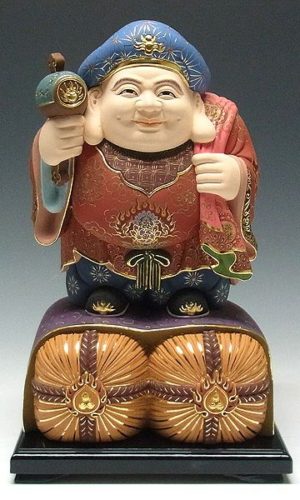
わが国では七福神の一つに数えられ、頭巾をかぶり、大きな袋を背負い、右手に打出の小槌を待った姿で親しまれています。

しかし、本来は、シヴア神の化身とされ、戦闘をつかさどるほか、冥府の神ともされています。

仏教では施福の神として寺院の台所にまつられ、僧侶たちが食べ物の心配をしないで修行に励かことができるように、必要なものが手にはいるように寺院を守護します。

大黒天を食厨の柱にまつったところから、家をささえる最も太い柱や一家のあるじを「大黒柱」というようになりました。一般には福徳の神として、商売繁昌など
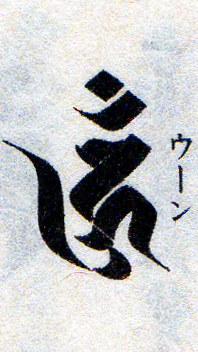
ます。おん ま ら か きや や そわ か

日本には密教の伝来とともに伝わり、天部と言われる仏教の守護神達の一人で、軍神・戦闘神、富貴爵禄の神とされたが、特に中国においてマハーカーラの3つの性格のうち、財福を強調して祀られたものが、日本に伝えられた。密教を通じて伝来したことから初期には主に真言宗や天台宗で信仰された。インドでも厨房・食堂の神ともされていたが、日本においては最澄が毘沙門天・弁才天と合体した三面大黒を比叡山延暦寺の台所の守護神として祀ったのが始まりという。後に大国主神と習合した。室町時代になると日蓮宗においても盛んに信仰された。「大黒さん」として親しまれている。

袋を背負っているのは、大国主が日本神話で最初に登場する因幡の白兎の説話において、八十神たちの荷物を入れた袋を持っていたためである。また、大国主がスサノオの計略によって焼き殺されそうになった時に鼠が助けたという説話(大国主の神話#根の国訪問を参照)から、鼠が大黒天の使いであるとされる。

シヴァ([ˈʃivə]; サンスクリット: शिव, Śiva、「吉祥者」の意)はヒンドゥー教の神である。現代のヒンドゥー教では最も影響力を持つ3柱の主神の中の1人であり、特にシヴァ派では最高神に位置付けられている[1][2]。

トリムルティ(ヒンドゥーの理論の1つ)ではシヴァは「破壊/再生」を司る様相であり、ブラフマー、ヴィシュヌとともに3柱の重要な神の中の1人として扱われている[3][4]。また、シヴァ派では世界の創造、維持、再生を司る最高神として位置づけられている[5][6][7]。デーヴィ(ヒンドゥーの女神)らを重視するシャクティ派では女神らが最高神として位置づけられている一方で、シヴァもヴィシュヌ、ブラフマーとともに崇拝の対象となっている。このシャクティ派では女神らがシヴァやそれぞれの神の根源であると考えられており、パールヴァティー(女神)がシヴァに対応する相互補完的なパートナーであるとされている[8][9]。スマールタ派のパンチャヤタナ・プージャ(英語版)(儀式)ではシヴァは礼拝の対象となる5柱の中の1人に数えられる[1]。

最も賞揚される文脈では、シヴァは形の無い、無限の、超越的な、不変絶対のブラフマンであり[10]、同時に世界の根源的なアートマン(自我、魂)であると語られる[11][12][5]。シヴァに関する神話では慈悲深い様を示す描写がある一方で、対照的に恐ろしい性質を見せるエピソードも多く語られ、曖昧さとパラドックスの神などとも表現される[13]。また、アディヨーギー・シヴァ(Adiyogi、第一の修行者)とも呼ばれ、ヨーガ、瞑想、芸術の守護神でもある[14][15][16]。

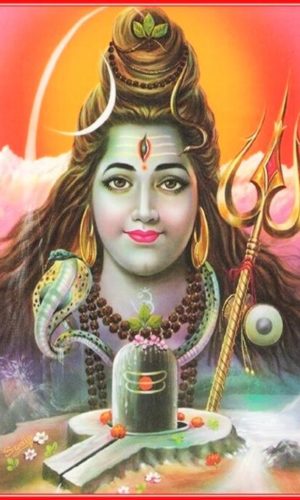
偶像上のシヴァの特徴としては、額の第三の目(英語版)、首に巻かれた蛇、三日月の装飾具、絡まる髪の毛から流れるガンジス川、武器であるトリシューラ(三叉の槍)、ダマル(英語版)(太鼓)が挙げられる。シヴァは通常リンガという形に象徴化され信仰される[17]。また、シヴァは地域によらずインド、ネパール、スリランカなど全土で信仰されている
Daikokuten (same seed as Marici)

The name of Sanskrit is Mahakala, which means “great darkness.”

In Japan, it is counted as one of the Seven Lucky Gods, and is familiar with wearing a hood, carrying a large bag on its back, and waiting for a gavel to be launched in the right hand.

However, originally, it is considered to be the incarnation of Shiva, who is in charge of battle and is also the god of the Netherworld.

In Buddhism, the god of blessing is enshrined in the temple kitchen and protects the temple so that the monks can get what they need so that they can practice without worrying about food.

From the place where Daikokuten was wrapped around the pillars of the food kitchen, the thickest pillars that support the house and the pillars of the family came to be called “Daikokuten”. Generally, as a god of good fortune, business prosperity, etc.
I will. Onmaraka Kiya or Sowaka

It was introduced to Japan with the introduction of esoteric Buddhism, and was one of the guardian gods of Buddhism called Tenbe, and was regarded as a god of war, a battle god, and a god of wealth, but especially in China, among the three characteristics of Mahakala, fortune What was emphasized and enshrined was passed on to Japan. Since it was introduced through esoteric Buddhism, it was worshiped mainly in the Shingon sect and Tendai sect in the early days. In India, it was also regarded as the god of kitchens and restaurants, but in Japan, Saicho enshrined Sanmen Daikoku, which was united with Bishamonten and Benzaiten, as the guardian deity of the kitchen of Hieizan Enryakuji Temple. Later, he learned from Okuninushi. In the Muromachi period, it was widely worshiped in the Nichiren sect. It is popular as “Mr. Daikoku”.

The reason for carrying the bag is that Okuninushi carried a bag containing the luggage of the eighty gods in the tale of Inaba’s white rabbit, which first appeared in Japanese mythology. Also, from the tale that the mouse helped when the Okuninushi was about to be burned down by Susanoo’s scheme (see Okuninushi’s Myth #Visit to Ne-no-kuni), it is said that the mouse is the messenger of Daikokuten.

Shiva ([ˈʃivə]; Sanskrit: शिव, Śiva, meaning “auspicious”) is a Hindu god. It is one of the three most influential main gods in modern Hinduism, and is positioned as the supreme deity, especially in the Shaivists. [1] [2]

In Trimurti (one of the Hindu theories), Shiva is in charge of “destruction / regeneration” and is treated as one of the three important gods along with Brahma and Vishnu [3] [4]. Also, in the Shaivists, it is positioned as the supreme deity that controls the creation, maintenance, and regeneration of the world [5] [6] [7]. While the Shaktists who emphasize Davi (the goddess of Hinduism) and others are positioned as the supreme deities, Shiva is also the object of worship along with Vishnu and Brahma. In this Shaktism, the goddesses are considered to be the roots of Shiva and their respective gods, and Parvati (goddess) is considered to be a complementary partner to Shiva [8] [9]. In the Smarta tradition of Panchayatana Puja (ritual), Shiva is one of the five pillars of worship. [1]

In the most exalted context, Shiva is said to be an infinite, infinite, transcendental, immutable Brahman [10] and at the same time the fundamental Atman (ego, soul) of the world [11]. [12] [5]. While the myths about Shiva have depictions of benevolence, many episodes show terrifying qualities in contrast, and are also described as the god of ambiguity and paradox. [13] Also known as Adiyogi (first practitioner), he is also the guardian deity of yoga, meditation, and art [14] [15] [16].

The features of Shiva on the idol are the third eye on the forehead, the snake wrapped around the neck, the crescent decoration, the Ganges river flowing from the entwined hair, the weapon Trishula, and Damaru. (English version) (Taiko) can be mentioned. Shiva is usually symbolized and worshiped in the form of a lingam. [17] In addition, Shiva is worshiped throughout India, Nepal, Sri Lanka, etc., regardless of region. [18] [19]
仏教とマヤの合統法養   Buddhist and Maya joint legal education

あらゆるものに神を見いだす汎神的な世界観をもち、世界の四隅に住み異なる姿を持つ神チャクなどのほか、13の天に住む13の神、9の暗黒に住む9の神がいる。このほか、自然のエレメント(元素)、太陽や月などの天体、嵐や雨などの気候、トウモロコシ、ジャガー、自殺、など様々なものに固有の神々がおり、マヤ文明圏におけるそれら事象の重要性が示されている。

16世紀にスペインがマヤ地域を植民地化する際、同行した修道士ディエゴ・デ・ランダが現地の宗教を異端として、古代の神々への信仰を捨てさせるべくマヤ文字絵文書をことごとく焚書した[2]ため、現存するマヤ神話のオリジナル史料は非常に少ない。一方、征服者側のスペイン語によるマヤ地域の探検記録などは数も残っており、その中でグアテマラ地域にいた有力部族キチェ族の伝承や来歴について記された『ポポル・ヴフ(Popol Wuj)』が、現在まで伝わるマヤ神話の数少ない貴重な文献となっている。

『ポポル・ヴフ』では、始まりの神テペウとクグマッツが試行錯誤しながら人間の創造を果たすという創世神話と、伝説的英雄の双子フンアフプーとイシュバランケーが、悪しき神々を討伐していく英雄譚が収められている[3]。この創世神話と英雄譚がマヤ神話の根幹となっており、話をモチーフとした彫刻もマヤ遺跡(チチェン・イッツァほか)で見られる。

マヤ遺跡からは生贄の儀式があったと思しき痕跡が複数見つかっている[4]が、その裏付けとなる背景の一つに、生贄として自殺した者の魂を楽園に導くという女神イシュタムがマヤ神話の中に存在する。

マヤ神話の文献『ポポル・ヴフ』では、テペウとクグマッツ(翼がある蛇の姿をした神。ククルカンとも呼ばれる)という2柱の神が、この世界や人間を創った創造主、最初から「在りて在る者」である。

天の心フラカンに遭遇したのち、2柱の神は話し合って大地を創ることにした。「水よ去れ、大地よ現れろ」と叫ぶと、水の中から地面が現れて山となり、谷や川が形成された[5]。続いて二柱の神は動植物を創り上げた。しかし動物たちは言葉を話せず、神を崇めたり敬うこともしなかったので、神は自分たちを崇拝してくれる知性の高い種族、人間づくりに取りかかった[5]。

最初に泥から人間を創ろうとしたが、柔らかくて目鼻も水に溶けてしまい失敗に終わった。木を素材にして創ると人間の形になったが、魂や知恵を持たない失敗作だったので、神は洪水を起こして彼らを滅ぼしてしまった[6]。三番目にトウモロコシから創った男女4組は、テペウとクグマッツが望む叡智を備えていた。ただ世界の全てをも見通してしまうため、神々はあえて人間の目を曇らせて遠くまで見通せないようにした[6]。

この最初の人類にキチェ族の始祖4人が含まれているという話が『ポポル・ヴフ』の内容で、人間の彼らが伝説の地トゥランを旅立って以降は、神話よりもキチェ族の歴史が主な記述となる。


There are 13 gods who live in 13 heavens and 9 gods who live in the darkness, in addition to Chaku, a god who has a pan-god view of finding gods in everything and lives in the four corners of the world. In addition, there are gods unique to various things such as natural elements, celestial bodies such as the sun and moon, climate such as storms and rain, corn, jaguar, suicide, etc., and the importance of these events in the Maya civilization. It is shown.

When Spain colonized the Maya region in the 16th century, the accompanying monk Diego de Landa burned all Maya scriptures to abandon his faith in the ancient gods, with the local religion as a heretic. [ 2] Therefore, there are very few original sources of Maya mythology that still exist. On the other hand, there are many records of exploration of the Maya region in Spanish on the conqueror’s side, among which “Popol Wuj” describes the tradition and history of the influential tribe K’iche in the Guatemala region. However, it is one of the few valuable documents of Maya mythology that has been handed down to date.

In Popol Vuh, the creation myth that the beginning gods Tepeu and Kugumatz accomplish human creation through trial and error, and the legendary heroes Maya Hero Twins and Ishbaranke, the hero Tan who subdues the evil gods. It is contained [3]. This creation myth and hero Tan are the basis of Maya mythology, and sculptures with story motifs can also be seen at the Mayan ruins (Chichen Itza and others).

Several traces of sacrificial rituals have been found in the Mayan ruins [4], but one of the supporting backgrounds is the goddess Ixtab, who leads the soul of the person who committed suicide as a sacrifice to paradise. Exists in.

In the Maya mythological literature Popol Vuh, the two gods, Tepeu and Kugumatz (a snake-shaped god with wings, also known as Kukurkan), are the creators of this world and human beings. Those who are. ”

After encountering the heavenly heart Furakan, the two gods decided to discuss and create the earth. When he shouted, “Leave the water, appear the earth,” the ground emerged from the water and became mountains, forming valleys and rivers. [5] Subsequently, the two pillar gods created animals and plants. However, the animals did not speak the language and did not worship or respect God, so God set out to create an intelligent race, a human being, who worshiped them. [5]

At first he tried to create a human from mud, but it failed because it was soft and his eyes and nose dissolved in water. When made from wood, it became a human form, but because it was a failure without soul or wisdom, God caused a flood and destroyed them. [6] Third, the four pairs of men and women made from corn had the wisdom that Tepeu and Kugumatz wanted. However, the gods dared to cloud the human eye so that they could not see far, because they could see the whole world. [6]

The story of Popol Vuh is that this first human being includes four K’iche’s ancestors, and since they left the legendary land of Turan, the history of the K’iche is more than myth. This is the main description.

五大明王

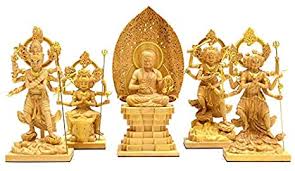
五大明王(ごだいみょうおう)は、仏教における信仰対象であり、密教特有の尊格である明王のうち、中心的役割を担う5名の明王を組み合わせたものである。本来は別個の尊格として起こった明王たちが、中心となる不動明王を元にして配置されたものである。


五大明王の配置


今日の運勢 1月8日   Today’s fortune January 8th


八白土星の日

 内輪もめが起こりやすい。格別慈悲心が大切の日。もうけ話は損失となりやすい。

万事思い通りに進まない日。
あちこちの地雷を自ら踏んでしまうような日になります。
何をするにも十分な余裕をもって行うことで、傷は浅く、不運からの素早いリカバリーが可能です。
こういう日もあるさ、と割り切るくらいの心の余裕を持つことが大切です


Yashiro Saturn Day

Inner ring wrinkles are likely to occur. A day when special mercy is important. Making money is easy to lose.

A day when everything doesn’t go as planned.
It will be a day when you will step on land mines here and there.
If you do everything with plenty of room, the wounds will be shallow and you will be able to recover quickly from bad luck.
It’s important to have enough leeway to think that there are days like this.

今日の運勢 1月7日 Today’s fortune January 7th


九紫火星の日

金銭問題、女性にかかわる苦労あり。人に背反されることあり。派手な苦労をする日。

何かとトラブルに縁のある日。
勘違いや誤算、ちょっとした気の緩みから、人とぶつかることも多く、空回りしてしまいます。
他人への十分な気遣いを忘れずに。
ビジネス面ではこの日の決断は大きな賭けとなりそうです。
十分に検討を重ねたうえで判断してください。

Nine purple Mars day

There are financial problems and difficulties related to women. It may be contrary to people. A day of flashy hardships.

A day when something goes wrong.
Due to misunderstandings, miscalculations, and a little looseness, I often collide with people and run idle.
Don’t forget to be considerate of others.
On the business side, this day’s decision is likely to be a big bet.
Please make a decision after careful consideration.

降三世明王  Trilokya Vijaya

五大明王、または八大明王の一つ。東方に配される。阿閦如来(あしゅくにょらい)の化身。貪瞋痴(とんじんち)の三毒と煩悩、所知の二つの障りを降伏(ごうぶく)し断ずるもの。その形像には、八臂像、四臂像、二臂像があるが、多くは八臂像で、これに三面と四面とがある。足下に大自在天とその妃である烏摩を踏みつけ、剣や杵(しょ)を手に持つ。功能としては、調伏、勝軍、除病、敬愛などがあげられている。降三世。


降三世はサンスクリット語で、トライローキヤ・ヴィジャヤ(三界の勝利者 Trailokyavijaya)といい、正確には「三千世界の支配者シヴァを倒した勝利者」の意味。

経典によっては、そのまま、孫婆明王(そんばみょうおう)とも、後期密教の十忿怒尊ではシュンバ・ラージャ (Śumbharāja)とも呼ばれる。 その成立は、古代インド神話に登場するシュンバ (Śumbha)、ニシュンバ (Niśumbha) というアスラの兄弟に関係し、密教の確立とともに仏教に包括された仏尊である。

同体とされる勝三世明王は、降三世と起源を同じくするものの、「一面二臂タイプのトライローキャヴィジャヤ」として近年インドでも出土しており、ヴァジュラ・フーンカーラ菩薩 (Vajrahūṃkāra) とも言われる


シヴァは妻のパールヴァティーと共に「過去・現在・未来の三つの世界を収める神」としてヒンドゥー教の最高神として崇拝されていたが、大日如来はヒンドゥー教世界を救うためにシヴァの改宗を求めるべく、配下の降三世明王を派遣し(或いは大日如来自らが降三世明王に変化して直接出向いたとも伝えられる)、頑強難化のシヴァとパールヴァティーを遂に超力によって降伏し、仏教へと改宗させた。降三世明王の名はすなわち「三つの世界を収めたシヴァを下した明王」という意味なのである。

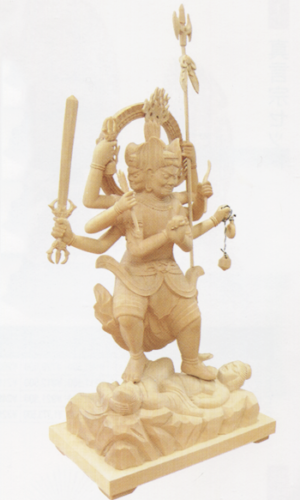
降三世明王は右の絵の通り四面八[11]の姿をしており、二本の手で印象的な「降三世印」を結び、残りの手は弓矢などの武器を構える勇壮な姿であるが、何より両足で地に倒れた大自在天(シヴァ)と妻烏摩妃(パールヴァティー)を踏みつけているのが最大の特徴である。誰かを踏みつけた仏と言えば四天王がそれぞれ邪鬼を踏みつけているが、降三世明王は「異教とはいえ神を倒して踏みつけている」という点でひと際異彩を放つ仏である。


真言

  • オン・ニソムバ・バサラウンパッタ
  • Oṃ śumbha niśumbha hūṃ gṛhṇa gṛhṇa hūṃ gṛhṇāpaya hūṃ ānaya ho bhagavan vajra hūṃ phaṭ.
    • (オーン、シュンバよ、ニシュンバよ、フーン、捕えよ、捕えよ、フーン、捕えしめよ、フーン、引き入れよ、ホー、世尊よ、金剛よ、フーン、パット
  • One of the Five Great Meiou or the Eight Great Meiou. It is distributed to the east. An incarnation of Akshobhya. It surrenders and refuses the three poisons and anxieties of Tonjinchi, and the two obstacles of knowledge. There are eight-armed, four-armed, and two-armed statues, but most are eight-armed, and there are three and four sides. He tramples on Daijuten and his princess, Karasuma, and holds a sword and a pestle in his hand. Benefits include subjugation, victory, illness, and respect. Trailokyavijaya.Trailokyavijaya is a Sanskrit word for Trailokyavijaya, which means “the victor who defeated Shiva, the ruler of the three thousand worlds.”

    Depending on the scriptures, it is also called Sonba Myouou or Shumba Raja in the late esoteric Buddhism. Its formation is related to the Asura brothers Śumbha and Niśumbha, who appear in ancient Indian mythology, and is a Buddhist priest who was included in Buddhism with the establishment of esoteric Buddhism.

    Although it has the same origin as Trailokyavijaya, it has been excavated in India in recent years as a “one-sided, two-armed type trilo cavijaya,” and is also known as the Vajrahūṃkāra.


    Shiva was worshiped as the supreme god of Hinduism as “the god that houses the three worlds of the past, present and future” with his wife Parvati, but Dainichi Nyorai calls for the conversion of Shiva to save the Hindu world. In order to do so, he dispatched his subordinate, Trailokyavijaya (or it is said that Dainichi Nyorai himself changed to Trailokyavijaya and went directly), and finally surrendered the stubborn Shiva and Parvati by super power and went to Buddhism. Was converted. The name of the descending third generation Myo is, in other words, “the Myo who defeated Shiva containing the three worlds.”

    As shown in the picture on the right, the trailokyavijaya has the appearance of four sides and eight arms [11], with two hands tying the impressive “Trailokyavijaya”, and the remaining hands holding weapons such as bows and arrows and halberds. It is a brave figure, but the biggest feature is that it is trampling on Shiva and Parvati, who have fallen to the ground with both feet. Speaking of Buddha who trampled someone, the four heavenly kings are trampling on evil spirits, but the King of the Third King is a Buddha that stands out in that “although it is pagan, it is trampling on God.”


    Mantra
    On Nisomba Basaraunpatta
    Oṃ śumbha niśumbha hūṃ gṛ hṇ a gṛ hṇ a hūṃ gṛ hṇāpaya hūṃ ānaya ho bhagavan vajra hūṃ phaṭ.
    (Oh, Shumba, Nishumba, Hoon, Catch, Catch, Hoon, Catch, Hoon, Pull in, Ho, Seiko, Kongo, Hoon, Pat)

Buddha  Training for the dissolution of the cause and the Buddha  因縁解脱・戌仏のための修行

この「梵行」というのが、因縁解脱・戌仏のための修行なのです。では、梵行とはなにか。

それは、
きよめること

たかめること
の行です。

まず、きよめる行とは、自分の、身.心・霊の三境にわたって、浄化してゆく行です。
具体的にいいますと、ヽ

この経文のなかに、「梵行すでに立ち、所作すでにがし」そうしてもう輪廻転生の献の中か
ら脱して未来の生は滅してしまった、とあります。この「梵行}というのが、それなのです。
この‘「梵行」というのが、因縁解説・成仏のための修行なのです。
では、梵行とはなにか。

それは、

きよめること たかめること
の行です。

まず、きよめる行とは、自分の、身・心`・霊の三境にわたって、浄化てゆく行です。
具体的にいいますと、ト              j
l八前生から持ちこしているところの、身体の悪しき業を浄化する。
2、前生からのこころの悪しき業、すなわち煩悩を浄化する。
3、不成仏霊や霊障を浄化して、霊的存在としての自分を浄化する、以上がきよめる行です。

これにたいし、高める行とは、徳を積んで、福を身につける行です。
わるい因縁を持つひとほど不徳で、徳がない。いや、徳がないから、わるい因縁を持って苦しむわけです。
できるかぎり徳を積んで、自分を高めなければいけない。因縁解脱の窮極は、自分自身、仏陀になるということです。徳なくして仏陀になれますか? わかりきったことではありませんが。なんとしてでも徳を積まなければいけない。しかし、いくら徳を積みたくても、身・心・霊の三業の悪因縁をきよめなければ、徳などとうてい希めるものでない。

不徳のものほど、すべてにおいて低いのです。精神的にも、霊的にも低い。徳のあるひとを、’高徳のひと’と申します。’徳が高い’というでしょう。徳のないものほど、人間が低では、きよめる行、高める行、つまり、浄化の行と積徳の行を、どのようにしてすすめてい
`つ¨たらよいのか? むずかしいことです。

それを、だれでもができるように編成したのが、因縁解脱準訳尊千座行あります。

This “Brahmacharya” is a training for the liberation of the cause and the Buddha. So what is Brahmacharya?

that is,
Cleansing

To stiffen
It is a line of.

First of all, the cleansing line is the line that purifies your body, mind, and spirit.
Specifically, ヽ
..

In this sutra, “I’ve already stood up, and I’ve already peeled off my actions.”
It is said that the future life has disappeared. That is what this “Brahmachaarya” is.
This ‘“ Bonko ”is a training for the explanation of the cause and the Buddhahood.
Then, what is Brahmacharya?

that is,

Cleansing and warming
It is a line of.

First of all, the cleansing line is the line that purifies your body, mind, and spirit.
To be more specific, to j
l Purify the bad work of the body that has been brought in from the previous life.
2. Purify the bad karma from the previous life, that is, the worldly desires.
3. Purify the unborn Buddhahood spirits and spiritual disorders, and purify yourself as a spiritual being.

On the other hand, the line that enhances is the line that accumulates virtue and acquires good fortune.
It is as unscrupulous as a person with a bad connection and has no virtue. No, because there is no virtue, we suffer with a bad connection.
You must improve yourself by accumulating virtue as much as possible. The hardest part of breaking the ties is to become a Buddha yourself. Can I become a Buddha without virtue? It’s not obvious. You have to accumulate virtue at all costs. However, no matter how much virtue you want to accumulate, virtue is not rare unless you cleanse the bad causes of the three works of body, mind, and spirit.

The more unscrupulous it is, the lower it is in everything. It is low both mentally and spiritually. A person with virtue is called a person with high virtue. It will be called “high virtue”. The less virtuous, the lower the human being, the lower the cleansing line, the enhancing line, that is, the purifying line and the product line.
What should I do? It’s difficult.

It was organized so that anyone could do it.