
宮沢賢治の傑作は永訣の朝
宮沢賢治の傑作は永訣の朝(訳あり)
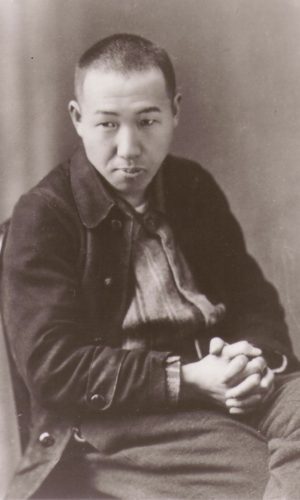
宮沢賢治と言えば銀河鉄道の夜、雨にも負けずなどが有名であるが、私が一番好きで傑作だと思っている詩は春と修羅に収められている永訣(えいけつ)の朝である。
永訣という言葉はあまり使われないが、永遠の別れを意味する。
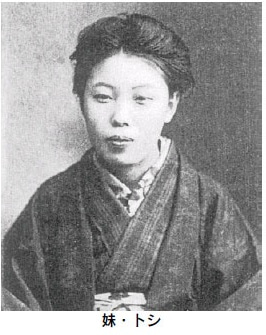
この詩は賢治の最大の理解者であると共に、最愛の妹だったトシ(作中ではとし子)が24歳の若さでこの世を去る折の心情を綴ったものである。
トシがどのような人物だったかについてだが、大正7年トシが母に宛てた手紙の一節にこうある。
私は人の真似はせず、できるだけ大きい強い正しい者になりたいと思います。
御父様や兄様方のなさることに何かお役に立つように、そして生まれた甲斐の一番あるように求めていきたいと存じて居ります。
かなり真っ直ぐな心の持ち主だったことが伺われる。
学生時代は秀才と言われた兄よりも学業が優秀なほどで、小学校の同級生によると容貌もやさしくにこやかで、だれに向かっても親切でていねいで、ものを話すときの声も実に澄んでいてきれいな人でしたという証言もある。
また教師時代の生徒は、物静かでしたが朗らかでユーモアのわかる優しい先生でしたと述べている。
長い詩なのだが、是非一度は読んでいただきたい詩である。
現代語訳はおこがましいのだが、時間が無い人の一助になれば。
永訣の朝(えいけつのあさ)
けふのうちに
今日のうちに
とほくへ いってしまふ わたくしの いもうとよ
遠くへ行ってしまう私の妹よ
みぞれがふって おもては へんに あかるいのだ
みぞれが降って、表は変に明るいのだ
(あめゆじゅ とてちて けんじゃ)
※( )内は妹の言葉、一般的には雨雪(みぞれ)取ってきてください(ほしいな)という意味。
最後のけんじゃが賢治を指すという説は間違いだそうです。
うすあかく いっさう 陰惨(いんざん)な 雲から
薄赤く、いっそう陰惨な雲から
みぞれは びちょびちょ ふってくる
みぞれはびちょびちょ降ってくる
(あめゆじゅ とてちて けんじゃ)
( 雨雪 取ってきてください )
青い蓴菜(じゅんさい)の もやうのついた
青いじゅんさいの模様のついた
これら ふたつの かけた 陶椀に
これら二つの欠けた陶椀に
おまへが たべる あめゆきを とらうとして
おまえが食べる雨雪を取ろうとして
わたくしは まがった てっぽうだまのやうに
私は曲がった鉄砲玉のように
この くらい みぞれのなかに 飛びだした
この暗いみぞれの中に飛び出した
(あめゆじゅ とてちて けんじゃ)
( 雨雪 取ってきてください)
蒼鉛(そうえん)いろの 暗い雲から
蒼鉛色の暗い雲から
みぞれは びちょびちょ 沈んでくる
みぞれはびちょびちょ沈んでくる
ああ とし子
ああ、とし子
死ぬといふ いまごろになって
死ぬという今頃になって
わたくしを いっしゃう あかるく するために
私を一生明るくするために
こんな さっぱりした 雪のひとわんを
こんなさっぱりした雪の一椀を
おまへは わたくしに たのんだのだ
おまえは私に頼んだのだ
ありがたう わたくしの けなげな いもうとよ
ありがとう、私の健気な妹よ
わたくしも まっすぐに すすんでいくから
私も真っ直ぐに進んでいくから
(あめゆじゅ とてちて けんじゃ)
( 雨雪 取ってきてください )
はげしい はげしい 熱や あえぎの あひだから
激しい、激しい、熱や喘ぎの間から
おまへは わたくしに たのんだのだ
おまえは私に頼んだのだ
銀河や 太陽、気圏(きけん)などと よばれたせかいの
銀河や太陽、気圏などと呼ばれた世界の
そらから おちた 雪の さいごの ひとわんを……
空から落ちた雪の最後の一椀を
…ふたきれの みかげせきざいに
二切れの御影石材に
みぞれは さびしく たまってゐる
みぞれは寂しく溜まっている
わたくしは そのうへに あぶなくたち
私はその上に危なく立ち
雪と 水との まっしろな 二相系(にそうけい)をたもち
雪と水との真っ白な二相系を保ち
すきとほる つめたい雫に みちた
透き通る冷たい雫に満ちた
このつややかな 松のえだから
この艶やかな松の枝から
わたくしの やさしい いもうとの
私の優しい妹の
さいごの たべものを もらっていかう
最後の食べ物を貰っていこう
わたしたちが いっしょに そだってきた あひだ
私たちが一緒に育ってきた間
みなれた ちやわんの この 藍のもやうにも
見慣れた茶碗のこの藍の模様にも
もう けふ おまへは わかれてしまふ
もう、今日おまえは別れてしまう
(Ora Orade Shitori egumo)
私は私で一人逝くから
ほんたうに けふ おまへは わかれてしまふ
本当に今日、おまえは別れてしまう
ああ あの とざされた 病室の
ああ、あの閉ざされた病室の
くらい びゃうぶや かやの なかに
暗い屏風や蚊帳の中に
やさしく あをじろく 燃えてゐる
優しく青白く燃えている
わたくしの けなげな いもうとよ
私の健気な妹よ
この雪は どこを えらばうにも
この雪はどこを選ぼうにも
あんまり どこも まっしろなのだ
あんまりどこも真っ白なのだ
あんな おそろしい みだれた そらから
あんな恐ろしい乱れた空から
この うつくしい 雪が きたのだ
この美しい雪が来たのだ
(うまれで くるたて
こんどは こたに わりやの ごとばかりで
くるしまなあよに うまれてくる)
(生まれてくるにしても
今度はこんなに自分のことばかりで
苦しまないように生まれてくる)
※人様の役に立って苦労したい
おまへが たべる この ふたわんの ゆきに
おまえが食べるこの二椀の雪に
わたくしは いま こころから いのる
私は今、心から祈る
どうか これが兜率(とそつ)の 天の食(じき)に 変わって
どうかこれが兜率の天(仏教用語で天界の一つ)の食に変わって
やがては おまへとみんなとに 聖い資糧を もたらすことを
やがてはおまえとみんなとに聖い資糧をもたらすことを
わたくしの すべての さいはひを かけて ねがふ
私のすべての幸いを懸けて願う
個人的な解釈だが、
この雪はどこを選ぼうにも
あんまりどこも真っ白なのだ
あんな恐ろしい乱れた空から
この美しい雪が来たのだ
の部分は
私の妹はどこを選んでも
あんまりどこも純粋なのだ
こんな恐ろしい世の中にも関わらず
この純粋な妹は生まれてきたのだ
とも読み取れるかも。
蓮は泥の中にも関わらず美しい花を咲かせるにリンク
Ora Orade Shitori egumo だけなぜローマ字表記なのかについて
文字では無く音として留めたかったから。
あまりに辛い言葉で、その現実を受け入れたくないという抵抗を示している。
聞こえてはくるのだが、 まるで機械語のように頭に入ってこない様をローマ字を使うことで暗に示している。
など考えられるが人により解釈が異なるところだろう。
また作中に あめゆじゅ とてちて けんじゃ と4度繰り返されているのは賢治自身がその言葉を何度も思い出す様を表していると思われる。(この作品は妹の死後に書かれたもの)
発せられた言葉は痛いでも辛いでも苦しいでもありがとうでも無くて雨雪を取ってきてくださいだった。
それは妹が何もしてあげられないと悶々とする賢治に頼みごとをして、それを賢治が叶えることによって少しでもその後の悲しみを和らげたかった節があるのではないか。
死に際に飲み物や食べ物を頼んで満足したように旅立った人たち。
もしかしたら親や兄弟の気持ちを考えてのことだったのだろうか(実際そんな余裕は無いのかもしれないが)
そうすることで少なからず救われた人がいるのもまた事実である。
私は死に瀕した経験が無いのでどういう心情だったのか本当のところは分からないのだが、看取るほうは何かできることがあってよかったと思えるのではないだろうか。
人物[
秀才さと相まって、真面目で淑やかな性格をしていたとされる。
日本女子大学校進学後、夏休みに帰郷した際には賛美歌をきょうだいに教えて合唱したことが、清六の文章に記されている
母校の高等女学校の教員を務めた当時は「人のためになりたい、郷土のために働きたい」という思いを抱いていたとされ、同校の後身に当たる岩手県立花巻南高等学校では、2018年に制定した「グランドデザイン」の「中長期ビジョン」にこの言葉を(トシの理念として)採用している。
賢治に与えた影響
トシが日本女子大学校、賢治が盛岡高等農林学校に進学して離れて生活した時期には、トシは週に一度は手紙を賢治に送っていたという]。現存する賢治宛の手紙には自身の将来の相談に加え、賢治の将来についてその「天職」と宮沢家の方針の一致を望む内容が記されている。一方、現存する賢治からのトシ宛書簡にも、トシの学業に対する不満の訴えに答える内容のもの(1915年10月21日付)がある。トシが1915年に学校に提出した「夏期休暇中ノ体験」という課題答案には「敬愛する兄より或暗示を得た」(原文はカタカナ)という文章が見られる。このようにトシは賢治を敬愛し、親密に相談する間柄だった。
賢治の生前唯一の詩集『春と修羅』は、トシの晩年から死後にかけての時期に執筆された(各作品に日付が付され、その日付順に配列されている)。その中で1922年3月20日の日付を持つ「恋と病熱」には「妹」や「つめたい青銅(ブロンヅ)の病室で透明薔薇の火に燃される」「あいつ」が登場する。そして、トシ死去の日付を持つ3つの作品(「永訣の朝」「松の針」「無声慟哭」)でその臨終に至る模様が描かれた。トシが死去した直後、賢治は押し入れに頭を入れて「とし子、とし子」と号泣し、乱れた髪を火箸ですいた。2日後の葬儀に賢治は宗旨の違いを理由に出席しなかった[64]。出棺の際に路上に現れてともに棺を運び、火葬場(焼失していたため、野辺焼きであった)では棺が燃えつきるまで読経して、遺骨の一部を持参した缶に入れた。遺骨は翌年国柱会本部(当時は静岡県三保に所在)に分骨した。『春と修羅』における詩作品は、「無声慟哭」のあとは1923年6月3日の日付を持つ「風林」まで7ヶ月飛んでいる[65]。同年7月から8月にかけて、賢治は農学校生の就職斡旋の目的で樺太に旅行するが、一方でこの旅行でトシの魂との「交信」を求め、その心理を綴った詩を残した(「青森挽歌」「津軽海峡」「宗谷挽歌」「オホーツク挽歌」「噴火湾(ノクターン)」)[66]。天沢退二郎は、『春と修羅』における「とし子」の存在は「恋と病熱」において「暗示・予告されて、以後『永訣の朝』に至るまで、決して詩句の水準に現れてこないこの病熱に燃されている妹の存在を各詩篇各詩句の背後に隠しつつ、隠すことによって示しつづけている」と指摘している[62]。
山根知子は、トシの生前には既存の特定宗教に帰属する信仰が強かった賢治が、トシの死後に執筆したとされる著作(『銀河鉄道の夜』や「農民芸術概論綱要」)や手紙では、「宗教の根底で通じ合う価値観」や「宇宙意志」といった、トシが成瀬仁蔵やモーリス・メーテルリンク(『自省録』に著書からの引用がある)を通じて形成した宗教観・死生観に接近したとしている[67]。また、童話集『注文の多い料理店』の広告チラシにおける「テパーンタール砂漠」というタゴールの詩「新月」からの引用などの賢治のタゴールへの関心に、トシが直接タゴールと接した体験が反映している可能性も指摘している。
賢治の残した「菩薩像」と呼ばれる水彩画(原画は戦災により焼失)は、トシの肖像写真と似た顔立ちを持つと指摘されている[7

Kenji Miyazawa’s masterpiece is a permanent morning
Kenji Miyazawa’s masterpiece is the morning of Eiji (in translation)
Speaking of Kenji Miyazawa, it is famous for the night of the Galactic Railroad and the ability to withstand rain, but the poems that I like most and think of as masterpieces are the morning of Eikitsu, which is contained in spring and shura. Is.
The word “Eiji” is rarely used, but it means an eternal farewell.
This poem describes Kenji’s greatest comprehension and his beloved younger sister, Toshi (Toshiko in the work), who died at the age of 24.
Regarding the character of Toshi, in a passage written by Toshi to his mother in 1918,
I don’t imitate people, but I want to be as big and strong as possible.
I would like to ask for something useful for what my father and brother do, and for being the most rewarding of all.
It seems that he had a fairly straight heart.
When he was a student, he was better at studying than his brother, who was said to be a talented person. According to his classmates at elementary school, his appearance was gentle and friendly, he was kind to anyone, and his voice when speaking was really clear and beautiful. There is also a testimony that it was.
He also said that the students in his teacher days were quiet, cheerful, and gentle teachers with a sense of humor.
It’s a long poem, but it’s a poem you should read at least once.
Modern translations are horrifying, but if it helps someone who doesn’t have the time.
The morning of eternity
In the middle of
Within today
Tohokuhe Itoshimafu’s younger sister
My sister who goes far away
The sleet touches the front and is light.
The sleet is falling and the table is strangely bright.
(Ameyuju Totetite Kenja)
*() indicates the words of my sister, and generally means that you want to get rain/snow.
It seems that the last theory that Kenja refers to Kenji is wrong.
From a cloud that is lightly dark
From the light red, more gruesome clouds
The sleet is bichobicho
The sleet is falling down
(Ameyuju Totetite Kenja)
(Please pick up the rain and snow)
The blue sardines with moyamoya
Blue Junsai pattern
In these two bowls
On these two missing pots
Trying to catch Ameyuki, who eats
Trying to catch the rain and snow you eat
I’m a fluffy Teppo Udamanoyu
I like a bent bullet
About this time, I jumped into the sleet
I jumped into this dark sleet
(Ameyuju Totetite Kenja)
(Please pick up the rain and snow)
Soen no Iro from the dark clouds
From the dark blue cloud
The sleet is sloppy
The sleet is sinking
Oh Toshiko
Oh, Toshiko
When I die
It’s about time to die
To make me cheerful
To make me brighter for the rest of my life
This refreshing snow bowl
A bowl of snow like this
I’m enjoying myself in Omae
You asked me
Thank you, my lonely younger sister
Thank you, my dear sister
I’m also going straight
I’ll go straight
(Ameyuju Totetite Kenja)
(Please pick up the rain and snow)
It’s a terrible heat, and it’s gasping.
Between intense, intense, fever and gasping
I’m enjoying myself in Omae
You asked me
Of the world called the galaxy, the sun, the atmosphere, etc.
Of the world called the galaxy, the sun, the atmosphere
From the sky, a small bowl of snow snow…
The last bowl of snow that fell from the sky
…With a double lid
For two pieces of granite
The sleet is lonely and accumulates
The sleet is lonely
I’m Abuneku and the others
I stand on top of it
It has a pure two-phase system of snow and water.
Maintaining a pure white two-phase system of snow and water
Sukito Horu Mishita
Filled with clear, cold drops
Because this shiny pine tree
From this shiny pine branch
My gentle younger sister
Of my gentle sister
Let’s get the last food
Let’s get the last food
Ahida that we came together with
While we grew up together
Mina Chiawan’s this indigo oyster
Even the familiar indigo pattern in the bowl
Already, Kefu Omae will be separated
You’re parting today
(Ora Orade Shitori egumo)
I’m going alone
Really Kefu Omae is separated
Really today, you’re parting
Ah, in the sick room
Oh, in that closed room
In the middle of Byabuya and Kaya
In a dark screen or mosquito net
Gently burn and burn
Gently burning pale
My gentle younger sister
My lovable sister
Where is this snow
No matter where you choose this snow
It’s not very much anywhere
It’s so white everywhere
Such a terrifying miserable sky
From such a horrible disturbed sky
This beautiful snow came
This beautiful snow has come
(Uruma is freshly made
This time, I’m just using Kotani
(I’m born to Ayo Kuruma)
(Even if you are born
This time it’s all about me
Born without suffering)
*I want to have a hard time helping people
Omagae eats the snow of this double dog
In the snow of the two bowls you eat
I am now from the heart
I pray now
Please change this to a heavenly meal with a helmet rate
Please change this to the food of heavenly helmet (one of the heavens in Buddhist terms)
Eventually we will bring sacred resources to you and everyone.
Eventually to bring holy resources to you and everyone
I’ll put all the daisies on it
Wish all my luck
Personal interpretation,
No matter where you choose this snow
It’s so white everywhere
From such a horrible disturbed sky
This beautiful snow has come
Part of
Wherever my sister chooses
Everywhere is pure
Despite this terrifying world
This pure sister has been born
May be read.
The lotus links to bloom beautiful flowers in the mud
Ora Orade Shitori egumo only about why it is written in Roman letters
I wanted it to be a sound, not a letter.
It’s too painful words to show resistance not to accept the reality.
Although you can hear it, I use the Roman alphabet to imply that it doesn’t come into my head like a machine language.
It may be possible, but the interpretation may differ depending on the person.
Also, it is thought that Kenji himself remembers the word many times because it is repeated four times as “Ameyuju” and “Tetechi Kenken” in the work. (This work was written after the death of my sister)
The words that came out were no pain, no pain, no pain, no thank you, please get the rain and snow.
I think that there is a clause where I asked Kenji, who was angry that my sister couldn’t do anything, and wanted Kenji to fulfill his wishes, so that he could alleviate the sadness that followed.
People who left for desperately asking for drinks and food when they died.
Maybe it was because I was thinking about my parents and brothers’ feelings (though I may not have that much room).
It is also true that some have been saved a little by doing so.
I have no dying experience, so I don’t really know what it was like, but I think it would be nice to have something to do with it.
person[
It is said that he had a serious and refreshing personality in combination with his talent.
Seiroku wrote that after returning to Japan Women’s University, when he returned home during the summer vacation, he taught hymns to a sibling and sang.
It was said that at the time when I was a teacher at a high school for my alma mater, I had a desire to “help people, work for my hometown”, and at the Iwate Prefectural Hanamaki Minami High School, which is the successor of the school, in 2018 This word (as Toshi’s philosophy) is adopted in the “medium- and long-term vision” of the “Grand Design” established in.
Impact on Kenji
It was said that Toshi sent a letter to Kenji once a week when Toshi went to Japan Women’s University and Kenji went to Morioka Higher Agriculture and Forestry School to live apart. The existing letter addressed to Kenji, in addition to his own future counseling, states that he hopes that the “priesthood” and the Miyazawa family’s policies will be consistent with regard to Kenji’s future. On the other hand, an existing letter to Toshi from Kenji has a content (on October 21, 1915) that responds to Toshi’s complaints about his academic work. Toshi’s submission to the school in 1915, “Experience during summer vacation,” includes a sentence “I got some hint from my beloved brother.” In this way, Toshi respected Kenji and was in close contact with him.
Kenji’s only poetry collection, “Spring and Shura,” was written between Toshi’s later years and his death (each work is dated and arranged in order of date). Among them, “love and sickness” dated March 20, 1922, “sister” and “flame burned by a transparent rose in a bronze sick room”, “Aitsu” will appear. Toshi’s death dates were depicted in three works with the date of his death (“Eternal Morning”, “Pine Needle”, and “Silent Cry”). Immediately after Toshi’s death, Kenji put his head in the closet and cried, “Toshiko, Toshiko,” and scrambled his disorganized hair. Kenji did not attend the funeral two days later because of differences in religion.[64] At the time of the casket, they appeared on the street and carried the casket with them, and at the crematorium (it was Nobeyaki because it was burnt down), they read it through until the casket burned down, and put it in a can with some of their remains. The remains were divided into the National Pillar Society headquarters (then located in Miho, Shizuoka Prefecture) the following year. The poetry works in “Spring and Shura” flew seven months to “Fu Lin,” which has a date of June 3, 1923, after “Silent Cry” [65]. From July to August of the same year, Kenji traveled to Karafuta for the purpose of finding employment for agricultural school students, but on the other hand, he asked for “communication” with Toshi’s soul and left a poem that spelled out his psychology ( “Aomori Waka”, “Tsugaru Straits”, “Soya Waka”, “Okhotsk Waka”, “Fukawan (Nokutan)”) [66]. Akizawa Kojiro said that the existence of “Toshiko” in “Spring and Shura” was “implied and foretold” in “Love and sickness”, and never appeared in the level of poetry until “Eternal Morning”. He keeps showing the existence of his heat-burning sister by hiding behind each verse of each psalm,” he points out.[62]
Tomoko Yamane wrote and wrote that Kenji, who had a strong belief in existing specific religions before Toshi’s life, wrote after Toshi’s death (“Galaxy Railroad Night” and “Summary of Peasant Art”) and letters. Now, let’s look at the views of religion and life and death that Toshi formed through Nizo Naruse and Maurice Maeterlink (quoted from his book in his own book), such as “Values that communicate at the root of religion” and “Space will.” It is said to have approached [67]. Also, Kenji’s interest in Tagore, such as a quote from Tagore’s poem “New Moon” in the advertisement leaflet of the fairy tale collection “Most Ordered Restaurant” reflects Toshi’s direct contact with Tagore. It also points out the possibility.
It has been pointed out that the watercolor painting called the “Bodhisattva statue” left by Kenji (the original painting was burnt down due to the war disaster) has a feature similar to the portrait photograph of Toshi [7].


