UA-135459055-1

瞑想

マインドフルネスの旅:仏教の知恵の七つの道を探る A Mindfulness Journey: Exploring the Seven Paths of Buddhist Wisdom


– **修行法の概要:**
– ニルヴァーナの智慧を獲得するための「七科三十七道品」または「三十七菩提分法」が存在する。
– これは七種類のシステムと三十七種類のカリキュラムから成り立つ神聖な修行法である。

– **修行法の発見:

– 阿含の経典には、ブッダによって説かれたニルヴァーナの智慧を得る修行法が明示されている。
– これを「神聖なる智慧を獲得するための七種のシステムと、三十七種類のカリキュラム」とも呼ばれる。

– **具体的な修行法:**
– **四念住法:** 身念住、受念住、心念住、法念住の四つの内観・瞑想法。
– **四正断法:** 断断、律儀断、随護断、修断の四つの修行。
– **四神足法:** 欲神足、勤神足、心神足、観神足の四つの神通力を得るための修行法。
– **五根法:** 信根、精進根、念根、定根、慧根の五つの修行。
– **五力法:** 信力、精進力、念力、定力、慧力(または智力)の五つの修行。
– **七覚支法:** 択法覚支、精進覚支、喜覚支、軽安覚支、捨覚支、定覚支、念覚支の七つの修行。
– **八正道法:** 正見、正思惟、正語、正業、正命、正精進、正念、正定の八つの修行。

-修行法の種類

– **瞑想修行:** 四念住法・五根法。
– **実践と瞑想:** 四正断法・五力法・七覚支法・八正道法。
– **特殊な練行:** 四神足法。


ニルヴァーナの智慧を獲得する修行法
「七科三十七道品」あるいは「三十七菩提分法(ぼだいぶんぽう)」

神聖なる智慧を獲得するための七種類のシステムと、三十七種類のカリキュラム
ブッダの説かれた阿含の経典群の中には、ニルヴァーナを表現したと思われる経典、仏典を見出すことができるのです。
それどころか、ニルヴァーナの智慧を獲得する修行法までも、発見できるのです。
その修行法とは、「七科三十七道品」あるいは「三十七菩提分法」と名づけられた修行法です。これは、七科目・三十七種類にわたる教科目であり、桐山管長は、これを「神聖なる智慧を獲得するための七種のシステムと、三十七種類のカリキュラム」と呼んでいます。世の人々は、大乗仏教だけしか知らないために、仏教にこういう経典のあることをほとんど知りません。
パーリ文「中阿含」第百三の kinti sutta につぎのように述べられています。
ここに比丘らよ、われによりて法は悟られ、汝らに説かれたり。すなわち四念住・四正断・四神足・五根・五力・七覚支・八正道これなり。それゆえにすべての比丘らは相和し相欣び、争うことなくして、これを学ばざるべからず。
ブッダによってさとられた智慧の獲得の修行法、実践法が、ここに明らかにのべられています。
阿含経に説かれたこの七科目の修行法は、アビダルマ論師によって「七科三十七道品」あるいは「三十七菩提分法」と名づけられました。さとりにいたる三十七の修行法という意味です。

四念住法(しねんじゅうほう)
旧訳では四念処(しねんじょ)といいます。四念処観ともいいます。さとりを得るための四種の内観・瞑想法です。身念住(しんねんじゅう)・受念住(じゅねんじゅう)・心念住(しんねんじゅう)・法念住(ほうねんじゅう)の四つです。

四正断法(ししょうだんほう)
旧訳では四正勤といいます。断断(だんだん)・律儀断(りつぎだん)・随護断(ずいごだん)・修断(しゅだん)の4つの修行。

四神足法(しじんそくほう)
四如意足とも訳す。
四つの自在力を得るための根拠となるもの。超自然的な神通力を得るための4種『欲神足(よくじんそく)・勤神足(ごんじんそく)・心神足(しんじんそく)・観神足(かんじんそく)』の修行法。

五根法(ごこんほう)
信根(しんこん)・精進根(しょうじんこん)・念根(ねんこん)・定根(じょうこん)・慧根(えこん)の五つ。根とは自由にはたらく能力をいう。仏法僧の三宝にたいする信と、精進・念・禅定(瞑想)・智慧が、ニルヴァーナに向かって高い能力を発揮する修行。

五力法(ごりきほう)
信力(しんりき)・精進力(しょうじんりき)・念力(ねんりき)・定力(じょうりき)・慧力(えりき)(または智力)。ニルヴァーナに至る高度な力を得る修行。

七覚支法(しちかくしほう)
択法覚支(ちゃくほうかくし)・精進覚支(しょうじんかくし)・喜覚支(きかくし)・軽安覚支(きょうあんかくし)・捨覚支(しゃかくし)・定覚支(じょうかくし)・念覚支(ねんかくし)の七つをいう。ニルヴァーナへみちびく七つの修行。

八正道法(はっしょうどうほう)(八聖道とも書く)
理想の境地に達するための八つの道『正見(しょうけん)・正思惟(しょうしゆい)・正語(しょうご)・正業(しょうごう)・正命(しょうみょう)・正精進(しょうじん)・正念(しょうねん)・正定(しょうじょう)』

以上が、「七科三十七道品」です。
四念住法・五根法、これは、瞑想です。
四正断法・五力法・七覚支法・八正道法は、実践と瞑想です。
四神足法は、特殊な tapas( 練行)です。神足とは、神通力(超人的能力)のことで、この四神足法は、超自然的な神通力を得るための四種の修行法です。


– **Summary of training method:**
– There are “Seven Sciences and Thirty-Seven Ways” or “Thirty-Seven Bodhisattvas” to acquire the wisdom of Nirvana.
– This is a sacred training method consisting of seven systems and thirty-seven curricula.
– **Discovery of training method:

– The Agon scriptures clearly state the training method for attaining the wisdom of Nirvana as taught by the Buddha.
– This is also called the “Seven Systems and Thirty-Seven Curriculum for Acquiring Divine Wisdom.”

– **Specific training method:**
– **Four Nenju methods:** Four introspection/meditation methods: body-nen-ju, sen-nen-ju, heart-nen-ju, and Dharma-nen-ju.
– **Four correct methods of cutting:** The four practices of cutting, discipline, zuigodan, and shudder.
– **Four God Foot Methods:** A training method to obtain the four divine powers of Desire God Foot, Kinshin Foot, Shinshin Foot, and Kanshin Foot.
– **Five Roots Method:** Five practices: Shingen, Shojinkon, Nengen, Sadane, and Keignen.
– **Five Power Method:** Five training methods: faith, diligence, psychokinesis, fixed power, and wisdom (or intellect).
– **Seven Gakusho:** Seven trainings: Selective Gakusho, Shojin Gakusho, Ki Gakusho, Light Ans Gakusho, Saku Gakusho, Jo Gakusho, and Nen Gakusho.
– **Eightfold Path:** The eight practices of right view, right thought, right speech, right karma, right destiny, right devotion, right thought, and right determination.

-Types of training methods

– **Meditation training:** Four thoughts and meditation methods and five root methods.
– **Practice and Meditation:** The Fourfold Dharma, the Five Powers, the Seven Awakenings, and the Eightfold Dao.
– **Special practice:** Shigami Ashiho.


Training method to acquire the wisdom of Nirvana
“Seven Courses and Thirty-Seven Ways” or “Thirty-seven Bodhisattvas”

Seven types of systems and 37 types of curriculum for acquiring divine wisdom
Among the Agon sutras that the Buddha preached, we can find sutras and Buddhist scriptures that seem to express Nirvana.
In fact, you can even discover the training methods to acquire the wisdom of Nirvana.
This training method is called the “Seven Sciences, Thirty-Seven Ways,” or the “Thirty-Seven Bodhisattvas.” This consists of seven subjects and 37 types of subjects, which Abbot Kiriyama calls “seven systems and 37 types of curriculum for acquiring divine wisdom.” People in the world only know about Mahayana Buddhism, so they hardly know that Buddhism has such sutras.
The kinti sutta in the 103rd chapter of the Pali text “Naka Agon” states as follows.
Here, O bhikkhus, the Dharma has been understood and preached to you by Me. In other words, the fourfold meditation, the four right decisions, the four divine feet, the five roots, the five powers, the seven enlightenments, and the eightfold path. Therefore, all bhikkhus should learn this in harmony and without conflict.
The training and practice methods for acquiring wisdom as taught by the Buddha are clearly described here.
The method of training in these seven subjects taught in the Agon Sutra was named by Abhidharma theorist the “Seven Sciences and Thirty-Seven Ways” or the “Thirty-Seven Bodhisattvas.” It means 37 training methods that lead to satori.

Four thoughts and thoughts (Shinenjuho)
In the old translation, it is called Shinenjo. It is also called the four thoughts. Four types of introspection and meditation methods for achieving enlightenment. There are four types: shin-nen-ju (self-reflection), sen-en-ju (sensation), mind-remension (shin-nen-ju), and honen-ju (honen-ju).

Shishodanho
In the old translation, it is called shijokin. There are four types of training: Dandan, Ritsugidan, Zuigodan, and Shudan.

Shijinsokuho
It is also translated as shiruyi-sho.
The basis for obtaining the four free powers. A training method for four types of “Yokujinsoku”, “Gonjinsoku”, “Shinjinsoku”, and “Kanjinsoku” to obtain supernatural power.

Gokonho
There are five roots: Shinkon, Shojinkon, Nenkokon, Jokon, and Ekon. Root refers to the ability to work freely. A Buddhist monk’s faith in the Three Treasures, as well as diligence, thought, jhana (meditation), and wisdom, are practices that demonstrate high ability toward Nirvana.

Gorikiho
Faith (Shinriki), Devotion (Shojinriki), Psychokinesis (Nenriki), Fixed power (Joriki), Wisdom (Eriki) (or Wisdom). Training to gain advanced power that will lead to Nirvana.

Shichikakushiho
Chakuhokakushi, Shojinkakushi, Kikakushi, Kyoankushi, Shakakushi, Jokakushi ) and the seven Nenkakushi. Seven trainings that lead to Nirvana.

The Eightfold Path (also written as the Eightfold Path)
Eight paths to reach the ideal state: “Shoken”, “Shoshiyui”, “Shogo”, “Shogo”, “Shogo”, “Shomyo”, and “Shojin””. )・Shonen・Shojo”

The above is the “Seven Departments and Thirty-Seven Ways and Principles.”
The four-spirited meditation method and the five-root method are meditation.
The Fourfold Dharma, the Five Powers, the Seven Awakenings, and the Eightfold Dao are practices and meditations.
Shigami Ashiho is a special type of tapas (training). Kamiashi refers to divine power (superhuman ability), and these four Kamiashi methods are four types of training methods to obtain supernatural power.


http://cyber-price.com/buddha/

Buddha  Japan Journal

Buddha Japan journal

日本の仏教を発信しますSend Japanese Buddhis

Buddha 2Japan journal

日本の仏教を発信しますSend Japanese Buddhis   sサイト

大日如来の智慧を表現した「金剛界」 .一印会 “Kongokai” expressing the wisdom of Dainichi Nyorai.Ichiinkai


胎蔵界曼荼羅 たいぞうかい Womb Realm Mandala Taizokai


“仏法の奥深さ:如来を礼拝する意味とは? “The depth of Buddhism: What is the meaning of worshiping the Tathagata?


http://cyber-price.com/buddha/

Buddha  Japan Journal

Buddha Japan journal

日本の仏教を発信しますSend Japanese Buddhis

Buddha 2Japan journal

日本の仏教を発信しますSend Japanese Buddhis   sサイト

大日如来の智慧を表現した「金剛界」 .一印会 “Kongokai” expressing the wisdom of Dainichi Nyorai.Ichiinkai


胎蔵界曼荼羅 たいぞうかい Womb Realm Mandala Taizokai


仏陀の秘密:エネルギーの星座でたどるクンダリニー覚醒法” Buddha’s Secret: Kundalini Awakening Method Followed by Energy Constellations”

クンダリニー覚醒法

  1. 修行者はクンダリニー覚醒の予備チャクラの場所を知り、導師から教示を受ける必要がある。
  2. 予備チャクラにムドラーと思念を集中し特殊な観想を続け、物理的な刺激を加えて覚醒を完了させる。
  3. 登録とエネルギーの生成後、気道を介してクンダリニーの部位にエネルギーを送り込み、周囲に行わせる。
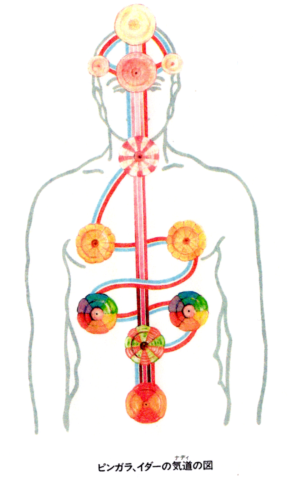
  4. クンダリニー・ヨーガではピンガラ、イダーの気道の開発が困難であるが、仏陀の法では予備チャクラを使用しやすい。
  5. ピンガラ、イダーの気道の開発はアクセルとブレーキの機能を持つものであり、これを開発しないと各チャクラを目覚めさせたりコントロールすることができない。
  6. ビンガラ、イダーの開発法では特殊な振動を体内に作り出し、声帯、横隔膜、胸腔、腹腔を使用して増幅させる。
  7. チャクラには「大チャクラ」と「小チャクラ」があり、小チャクラは敏感で星のように体内に点在している。
  8. チャクラの星座をたどりながら気道を開発し、修行者は星の海を航海する船長のように進む。
  9. ピンガラ、イダーの気道は星の航跡をたどることで形成され、修行者はその航路を知ることができる。
  10. 形成された気道にはアクセルとブレーキの機能を持たせる難関があり、これを越えるために「最上深秘の呼吸法」が必要である


まず、修行者は、クンダリニー覚醒の予備チャクラの場所を、正確に知らねばならない。さきに、わたくしが、始動用小型モーターだといった経穴である。

これを導師から教示してもらう。チャクラの場所は、個人差があるので、導師から教えてもらうしかないのである。

この予備チャクラにムドラーと共に思念を集中して特殊な観想をつづけていると、チャクラに独特の感覚が生じてくる。これに、さらに物理的な或る刺激を加えると、完全に覚保する。

登録してしだいにエネルギーが生ずるようになると、このエネルギーを、気道によってクンダリニーの部位に送りこみ、また、その周囲に行らせる。指導の通り、正しく行すれば、時間的な違いはあるが、だれでもクンダリニーは目ざめるようになる。

クンダリニー・ヨーガのやりかたでは、クンダリニーの覚醒は非常に困難であり、

したがって成功した例は稀であるとされているが、仏陀の法では、予備チャクラを使うので、それほど至難なものではないのである。仏陀の法のすぐれたところである。

むずかしいのは、ピンガラ、イダーの両気道の開発である。

これはたいへんむずかしい。しかし、どうしてもなしとげなければならぬ修行である。

というのは、仏陀の法におけるピンガラ、イダーの気道は、ただたんなる気道では
なく、前にのべたように、アクセルとブレーキの機能を持つものである。この両気道を開発しなければ、各チャクラを目ざめさせることも出来なければ、コントロールすることも出来ない。脳のチャクラ、神経経路の増強なども、このピンガラ、イダーの
はたらきによるものであるから、これは仏陀の法の眼目ともいうべき法である。その法について解説しよう。

ビンガラ、イダーの開発法

そのテクニックをひと口でいうと、特殊な振動を体内につくり出して、これを吏うのである。
その特殊な振動は、横隔膜、胸腔、腹腔を使い、秘密マントラの特殊な詠唱法によ
って思っす。ムドラー、体位もこれに加わる。
この運動は、最初、声帯を使う。声帯で、正しい振動を声として発生させる。この
秋動ん、胸総、横臓、腹腔へと響かせてゆく。胸腔、腹腔は、いうならば太鼓であ
る。こで共鳴させ、増幅させるのである。
しい動を起こせるようになったら、今度は、発声しないで、おなじ振動を起こ
小劇練に入る。無音声になるが、振動は起こしているのである。というのは、体の内
常に向けて発声しているのである。体の内部に向けて振動を送っているわけだ。体の
内とは、いまのべたように、胸腔、腹腔である。まず、胸腔が、送りこまれた動
あ、で鳴せ戦させる。
さらにこれる、横隔膜が、腹腔の中で増幅させる。
非常に強いエネルギーが、体内に生じることを理解されるであろう。この強いエネ
ルギーが、ピンガラ の気道を開発し、形成するのである。

どのようにして?


ここで、わたくしは、最極秘伝の一つを明かさねばならない。

それは、チャクラに、「大チャクラ」と「小チャクラ」の二種類あるということである。このことは、誰れも知らない。わたくししか知らない秘伝である。クンダリニー・ヨーガと道教、そして仏陀の呼吸法の総合修行からわたくしが発見体得した秘伝
である。そのわたくしが、今度はじめて、今まで秘していた最極秘伝を公開するのである。


チャクラの星座をたどる


「大チャクラ」とは、さきにのべたように、ムーラーダーラ・チャクラ、スヴァーディシューターナ・チャクラ、マニプーラ・チャクラ、アナーハタ・チャクラ、ヴィシュッダ・チャクラ、アージュニャー・チャクラ、サハスラーラ・チャクラの七つであ

「小チャクラ」は、これとは別のものである。人間の体には、おおよそ三百数カ所の小チャクラがある。中国の道教で、「経穴」と称している部位と同一のものもあるし、
まったく違うものもある。小チャクラは、そうでない部分にくらべて、知覚が非常に敏感である。導師のわたくしが、思念をこめて、二、三〇センチくらいの距離から指先で示しただけで、相手はピリピリと感ずるほどである。凝視されただけで感ずるほど敏感な部位もある。

それはちょうど、人間の体、という宇宙に点在する星のように思われる。じっさいに、星座のように、共通する系を以て一つの座を形成しているチャクラの群れもある。

気道を開発するとき、わたくしはこの星たちを利用する。腹部、背部、頭部、どの部分の気道も、この星のチャクラを利用することによって、比較的、らくに道をひらいてゆけるのである。

わたくしは、さながら、この星の海を航海する船長である。どの星からどの星へとたどっていったら、目的地(チャクラ、また、神経叢など)に到達できるのか、わたくしは明確に指示することが出来る。星をたどったその航跡が気道になるのである。
この法によれば、少々鈍感な修行者でも、気道の経路を知ることが出来るであろう。

ピンガラ、イダーの両気道も、そのようにして開発、形成される。

この秘法を知らぬ修行者たちは、羅針盤も持たず、星座で航路を読むことも知らない昔の航海者のように、闇夜の海にただよのみである。

もうお分りであろう。前の節でのべた体内の強い振動エネルギーが、星から星をたどって、ピンガラ、イダーの気道を形成してゆくのである。

これで、最大の難関は突破された。やれやれ、と、ひと息つきたいところであるが、じつは、もう一つ、越さねばならぬ難関があるのである。それはなにか?

それは、このようにして形成されたピンガラ、イダーの気道に、どのようにして、前にのべた、アクセルとブレーキの機能を持たせるか、ということである。これが非常にむずかしいのだ。
どのようにして、それはなされるのか?

最上深秘の呼吸法」


Kundalini Awakening Method

First, the practitioner must know exactly where the kundalini awakening reserve chakra is located. Earlier, I was acupuncture points such as a small motor for starting.

Ask the guru to teach this. The location of the chakras varies from person to person, so there is no choice but to ask the guru to tell you.

If you concentrate your thoughts on this spare chakra with Mudra and continue to have a special idea, the chakra will have a unique sensation. When a certain physical stimulus is added to this, it is completely awakened.

When the energy is gradually generated after registration, this energy is sent to the part of Kundalini by the airway and is made to go around it. As instructed, if done correctly, there will be a time lag, but everyone will wake up to Kundalini.

Kundalini yoga is very difficult to awaken,

Therefore, it is said that successful cases are rare, but the Buddhist law uses a spare chakra, so it is not so difficult. It is an excellent place in the Buddha’s law.

Difficult is the development of both the Pingala and Eider airways.

This is very difficult. However, it is a practice that must be accomplished.

Because the airways of Pingala and Ida in the Buddha’s law are just airways.
Instead, as mentioned earlier, it has accelerator and brake functions. Without developing these two airways, each chakra cannot be awakened or controlled. The chakras of the brain, the enhancement of nerve pathways, etc.
This is the eye of the Buddha’s law because it works. Let me explain the method.

How to develop Bingara and Ida
In a nutshell, the technique creates a special vibration inside the body and barks at it.
The special vibration uses the diaphragm, thoracic cavity, and abdominal cavity, and is based on a special chanting method of the secret mantra.
I think. Mudra and position are also added to this.
This exercise initially uses the vocal cords. Generates correct vibration as voice in the vocal cords. this
It resonates with autumn movement, chest total, side viscera, and abdominal cavity. The thoracic cavity and abdominal cavity are, so to speak, drums.
To. It resonates and amplifies here.
If you can make a new movement, do not speak, but make the same vibration.
Enter into a small drama. It becomes silent, but it is vibrating. Because inside the body
He is always speaking towards him. It is sending vibrations toward the inside of the body. of a body
The inside is the thoracic cavity and abdominal cavity, as we have just mentioned. First, the movement of the chest cavity
Oh, let’s make a fight.
In addition, the diaphragm amplifies in the abdominal cavity.
It will be understood that very strong energy is generated in the body. This strong energy
Ruggy develops and forms the Pingala airway.
how?


Here, I must reveal one of the most secrets.

That is, there are two types of chakras, “large chakra” and “small chakra”. No one knows this. It is a secret that only I know. A secret that I discovered and learned from the comprehensive training of Kundalini yoga, Taoism, and the Buddhist breathing method.
Is. For the first time, I will release the secret story that I have kept secret until now.


Follow the constellations of the chakras


As mentioned earlier, the “large chakras” are the seven chakras of Mueller Dara Chakra, Svadi Shootana Chakra, Manipula Chakra, Anahata Chakra, Vishudda Chakra, Ajnya Chakra, and Sahasrara Chakra. Ah

The “small chakra” is something else. There are about 300 small chakras in the human body. In Chinese Taoism, there are some parts that are called “acupuncture points”,
Some are completely different. Small chakras are much more sensitive to perception than those that are not. I, the gurus, thoughtfully showed it with my fingertips from a distance of about a few centimeters, and the other person felt a tingling sensation. Some parts are so sensitive that you can feel it just by staring at it.

It just seems like the human body, the stars scattered in the universe. In fact, there are also groups of chakras, such as constellations, that form a constellation with a common system.

When developing the airways, I use these stars. The abdomen, back, head, and airways of any part can be opened relatively easily by using the chakra of this star.

I am, just like, the captain who sails the sea of ​​this star. I can clearly indicate from which star to which star I can reach my destination (chakra, nerve plexus, etc.). The wake that traces the stars becomes the airway.
According to this law, even a slightly insensitive practitioner will be able to know the route of the airway.

Both the Pingala and Ida airways are also developed and formed in this way.

The practitioners who do not know this secret are only in the dark sea, like the old navigators who do not have a compass and do not know to read the route in the constellations.

You already know. The strong vibrational energy in the body mentioned in the previous section traces the stars from star to star, forming the airways of Pingala and Ida.

With this, the biggest obstacle has been overcome. I want to take a break, but in fact, there is another difficulty that must be overcome. What is it?

It is how to give the airways of Pingala and Ida thus formed the functions of accelerator and brake mentioned above. This is very difficult.
How is it done?

The most secret breathing method ”


http://cyber-price.com/buddha/

Buddha  Japan Journal

Buddha Japan journal

日本の仏教を発信しますSend Japanese Buddhis


大日如来の智慧を表現した「金剛界」 .一印会 “Kongokai” expressing the wisdom of Dainichi Nyorai.Ichiinkai


胎蔵界曼荼羅 たいぞうかい Womb Realm Mandala Taizokai


瞑想のcyber–price


Buddha Japan journal

日本の仏教を発信しますSend Japanese Buddhis 2


運命学


成仏法って何?仏教の秘密に迫る冒険」 「お釈迦様の教えがわかる!仏教の魅力とは?」 What is Buddhahood Law? “An adventure that approaches the secrets of Buddhism” “Understand the teachings of Buddha! What is the charm of Buddhism?”

  1. 仏教の「成仏陀教法」の略である「仏陀に成るための教えと法」において、「法」とは修行法や成仏法を指し、「教え」とは学問的なものを表す。
  2. お釈迦様は「阿含経」において「七科三十七道品」を通じた最も重要な修行法、成仏法を説かれ、これが仏陀に成るための法そのものであるとされる。
  3. 大乗仏教は成仏法を隠ぺいし、菩薩の概念を作り出して他力本願の概念を強調し、これが現代の日本仏教において中心となっている。
  4. 阿含経にはお釈迦様が成仏法を編成し、その場で決定した状況が詳細に記載されており、大乗仏教がこれを理解していないと主張されている。
  5. 大乗仏教が成仏法を変化させるという考えは根拠がなく、阿含経には仏が常に「七科三十七道品」による修行法を教えると明記されている。
  6. 実践的な修行は「安那般那念法」を含む阿含経の成仏法から始まり、これが大乗仏教が理解していない真理であると述べられている。
  7. 成仏法を習得しない限り絶対に成仏できないと主張され、その中でも「安那般那念法」が重要であり、これが大乗仏教が理解していない点の一つであると指摘されている。

In “Teachings and Laws for Becoming a Buddha,” which is an abbreviation for the Buddhist teachings for attaining Buddhahood, “Dharma” refers to training methods and Buddhahood methods, and “Teachings” refers to academic matters.
In the “Agon Sutra,” the Buddha taught the most important training method, the method of attaining Buddhahood, through the “Seven Courses and Thirty-Seven Ways,” and this is said to be the very method for becoming a Buddha.
Mahayana Buddhism conceals the Buddhahood method, creates the concept of a bodhisattva, and emphasizes the concept of the Vow of Other Power, which is central to modern Japanese Buddhism.
The Agon Sutra contains detailed descriptions of the circumstances in which Shakyamuni Buddha organized the Dharma for attaining Buddhahood and made decisions on the spot, and it is argued that Mahayana Buddhism does not understand this.
The idea that Mahayana Buddhism changes the method of attaining Buddhahood is groundless, as the Agon Sutra clearly states that the Buddha always teaches a method of training based on the “Seven Sciences and Thirty-Seven Paths.”
Practical training begins with the Agon Sutra’s Buddhist attainment method, which includes “Annahanna Nendharma,” which is said to be a truth that Mahayana Buddhism does not understand.
It is argued that one will never be able to attain Buddhahood unless one learns the Dharma of attaining Buddhahood, and among these, “Annahanna Nendharma” is important, and it has been pointed out that this is one of the points that Mahayana Buddhism does not understand.


仏教とは、「成仏陀教法」の略です。「仏陀に成るための教えと法」という意味です。ここで、「教え」とは別の概念である「法」というものについて、着目してみたいと思います。法、仏法とは、修行法、成仏法という意味です。学問的な「教え」とは、別の概念です。


それでは、お釈迦様は、どのような修行法、成仏法をお説きになられたのでしょうか?

お釈迦様は、いくつもの修行法、成仏法を残して下さいました。その中で、最も重要な修行法、成仏法をご紹介したいと思います。

最も重要な修行法は、釈尊直説の唯一の経典「阿含経」(あごんきょう)に書かれている「七科三十七道品」(しちかさんじゅうしちどうほん)あるいは 「三十七菩提分法」(さんじゅうしちぼだいぶんぽう)あるいは、単に「道品法」(どうぼんほう)と呼ばれている修行法です。

成仏法とは、人が仏陀に成ることができる修行法のことです。他の修行法は、人を高めることはできますが、仏陀にまでは成ることはできません。ここが、単なる修行法と、成仏法の違いです。成仏法は、釈尊直説の唯一の経典「阿含経」(あごんきょう)にしか書かれていません。 「七科三十七道品」は、7科目37種類の修行法があります。詳しくは、阿含宗のこちらのページをご覧下さい。

この成仏法が、仏教にとって、最も重要であることは、言うまでもありません。仏陀に成るための法そのものなのですから。ところが、大乗仏教は、この成仏法を隠ぺいし、黙殺してしまったのです。

後世の大乗仏教は、仏教を大衆化するため、その障害となる、真の成仏法が書かれている阿含経を「小乗仏教」とさげすみ、厳しい、難しい修行法は、どんどん削除していきました。そうして、最終的には、菩薩という概念を作り出し、菩薩の慈悲におすがりすれば、修行は不要という他力本願の概念まで作り出してしまったのです。その大乗仏教が、今日の日本仏教の中心となってしまっているのです。もちろん、密教や禅宗は、他力本願ばかりではないので、多少とも違うというご意見がおありかと思いますが、それでも、阿含経を隠ぺい、黙殺し、阿含経に唯一書かれている肝心の成仏法を修行していない点には、変わりは無いのです。こうして大乗仏教は、大衆化のために、成仏法を隠ぺい、黙殺したニセの仏教となっていったのです。

「成仏法」が、どのようにしてできたのか、そのいきさつについても、きちんと阿含経に書かれています。阿含経には、お釈迦様が「成仏法」をお作りになられた状況が、克明に記載されているのです。 ご紹介します。

このお経は、お釈迦さまが、ご自分の成道の経緯をお説きになられた経典です。

<中阿含経 羅摩経>

お釈迦さまは、心機一転して、それまでの六年麻麦(まばく)の苦行を離れ、ネーランジャラー河において、村長の娘スジャータの乳ガユの供養を受け、聖地 ガヤーのピッパラ樹(菩提樹)の下に瞑想の座を定めました。ここでお釈迦さまは、悟りを開き、仏陀と成なれるのですが、その時の、状況が記されたお経です。

『我、すなわち座を解かずして、漏尽を得るに至れり。
我、無病無上安穏涅槃を求めて、すなわち、無病無上安穏涅槃を得、
無老無死無愁憂慼(むしゅううせき)無穢汚(むえわ)無上安穏涅槃を求めて、すなわち、無老無死無愁憂慼無穢汚無上安穏涅槃を得、
知を生じ、見を生じ、「道品法」を定む。

生すでに尽き、 梵行すでに立ち、所作すでに弁じて、更に有を受けずと如真を知りぬ。』

大意

「私は、菩提樹の下で、瞑想を数十日間(50日間近く。)つづけ、ついに、漏尽解脱することができたのである。
涅槃を得ることが出来たのである。
これにより、智慧が生じ、解脱したという自覚(解脱知見)が生じた。
さらに、成仏するための修行方法の体系、 成仏法(七科三十七道品)を決定した。

涅槃を得て、成仏したことにより、私は、この生涯が最後のものとなって、もう二度とこの迷いの世界に生を受けることのないことを、はっきり知ったのである。」

このお経は、当然ながら非常に重要です。それはなぜかと言いますと、読んでお分かりの通り、お釈迦さまは、成道後、即座に、その場で、「成仏法」を定めているということがわかるお経だからです。

大乗仏教は、この点を、全く理解していません。  「道品法(どうぼんほう)を定む」とあります。お釈迦さまは、成道後、即座に、その場で、成仏法を編成し、完成させていたのです。人間がどうすれば成仏することができるのか、このとき、すでに、修行法を、決定、完成されていたので す。したがって、成仏法は、この時、確立された、この「道品法」以外にはあり得無いのです。阿含経のこの「七科三十七道品」以外に成仏法は絶対に無いのです。

この他に、仏陀が、あとから二つも三つも、成仏法を追加されるわけが無いからです。あるとすれば、間違いなく後世の偽作です。仏教徒は、このことを一番に考えなくてはならないと思います。

この成仏法を修行しない限り、絶対に成仏はできないのです。
パーリ文「中阿含」第百三の kinti sutta につぎのように述べられています。

「 ここに比丘らよ、われによりて法は悟られ、汝らに説かれたり。 すなわち四念住・四正断・四神足・五根・五力・七覚支・八正道これなり。 それゆえにすべての比丘らは相和し相欣び、争うことなくして、これを学ばざるべからず。」

「学ばざるベからず」とあります。絶対に修行しなさいという意味です。大乗仏教のかたがたは、この意味が分かっていないのです。

「雑阿含経(ぞうあごんぎょう) 応説経(おうせつきょう)」
においては、つぎのようにのべられています。

「釈尊:いろいろな方法を駆使して修行を行っても成就しないものが、もろもろの煩悩が尽き、心に解脱を得たいと思っても、あの修行者たちは、ついに漏尽解脱を得ることはできない。
弟子:それはなぜでしょうか。
釈尊:修行していないからである。
弟子:何を修行していないのでしょうか。
釈尊:いわゆる、七科三十七道品を修行していないからである。
弟子たちよ。七科三十七道品を修行し、成就する者がいたならば、その修行者が、漏尽解脱をしたいと思わなくても自然に漏尽解脱を得るのである。
弟子:それはなぜでしょうか。
釈尊:修行したからである。
弟子:何を修行したのでしょうか。
釈尊:いわゆる七科三十七道品である。(後略)」

いろいろな方法を駆使しても無駄である、 阿含経の七科三十七道品を修行しない限り、絶対に成仏できないと説かれています。

ですから、仏教徒は、全員、七科三十七道品を修行しなければいけないのです。それ以外に、方法はないのです。どんなに厳しくても、何度生まれ変わってでも、七科三十七道品を修行する以外に方法はないのです。

大乗仏教が説くよう に、修行法を捨て、仏の慈悲にすがるだけでは、冥土などにはいけるかもしれませんが、絶対に、成仏はできないのです。

上記のように、成仏法は、七科三十七道品しかありません。しかし、この七科三十七道品は出家者用のプロ用の修行法であり、大乗仏教が言うように、厳しく、難解であることは、事実です。

しかし、お釈迦様は、この成仏法 七科三十七道品へ至るまでの、その橋渡しとなる修行法も、きちんと用意してくださっていたのです。その修行法の一つが、「安那般那念法」(あんなぱんなねんほう)と呼ばれる呼吸法、瞑想法です。この瞑想法は、七科三十七道品の中の瞑想法の一つと考えてよいと思います。

お釈迦様が、「最高の呼吸法・瞑想法」と呼ばれるものです。

この法は、空海弘法大師様が、伝えて下さった、人を天才にする秘法といわれる、密教の「求聞持聡明法」(ぐもんじそうめいほう)とも密接に関係しています。

この法の習得が、成仏法 七科三十七道品への足がかりとなります。安那般那念法とは、「雑阿含経 安那般那念経」に書かれている、初歩から最高奥儀に至るまでの呼吸法・瞑想法のことです。10数種類の呼吸法・瞑想法が説かれています。

さらに、「雑阿含経 止息経」には、「勝止息、奇特止息、上止息、無上止息」の4つの呼吸法が説かれており、「この4つの呼吸法は、すべての呼吸法において、これ以上のものはない最上の呼吸法である。」とお説きになられています。この4つの呼吸法は、安那般那念法の最上のものということです。お釈迦様が、「最上の呼吸法・瞑想法」であるとおっしゃられているのですから、当然のことながら、この呼吸法・瞑想法をマスターしなければ成仏はできないということです。

大乗仏教は、この点も、全く理解していません。単なる呼吸法とは、わけが違うのです。仏教の実践的な修行は、この安那般那念法から始まるといっても過言ではないのだそうです。「息」とは、「生き」なのです。詳しくは、阿含宗管長 故 桐山靖雄大僧正猊下 ご著書「仏陀の法」をご覧ください。実践法は、「求聞持聡明法秘伝」に書かれています。

安那般那念法は、密教の求聞持聡明法、ヨーガのチャクラ覚醒法、道教の導引気功法、そして、神道の呼吸法とも密接に関係しています。また、ノストラダムスは、これらの法が、人類を救う法だと言うことを予言しています。そのこともこの「仏陀の法」に書かれています。

大乗仏教は、釈尊直説の唯一の経典 阿含経を小乗仏教とけなし、以上のことを隠ぺい、黙殺し、まるで理解していません。これでは、絶対に成仏はできないのです。ノストラダムス氏が言われる通り、これらの法が、人類を救うのです。お釈迦様は、そのために、修行法、成仏法を残して下さったのですから。不老長寿、超人類社会への道は、ここに開かれているのです。すべての実践的な修行は、安那般那念法、求聞持聡明法の習得から始まるのです。

正法を知っていただくため、参考になれば幸いです。
合掌

追記

大乗仏教の特に、法華経系の宗派に、時代によって修行法、成仏法が変化するというような教えを解く教団があります。本尊や、時代(正、像、末の三時)などの違いによって、成仏法が変化するというのです。

しかし、これも全くのでっちあげです。真理は、いつの世も一つであって、その真理を体得するための方法、成仏法も、絶対に変化するはずがないのです。大乗仏教は、いろいろな簡略化した成仏法を作り出しましたが、全て偽作です。

その根拠を示します。釈尊直説の経典は、阿含経しか存在しませんが、阿含経には、上記のとおり、釈尊直説の唯一の成仏法、「七科三十七道品」が書かれています。 さらに、阿含経には、いつの世でも、どんな如来でも、如来は弟子たちを、「七科三十七道品」によって、修行させ、成仏させると書かれた経典が存在するのです。

「雑阿含経 石柱経」 です。

「過去にあらわれた仏も、未来にあらわれる仏も、また、いま現在あらわれている仏も、仏はすべて、五つの煩悩の心を断滅して涅槃を得、仏になったのであり、 仏は真実の智慧をみがく能力弱くして、自ら涅槃を得ることができないものたちをして、七科三十七道品の修行をさせて、阿耨多羅三藐三菩提を得さしめ、それによって成仏させるのである。」

したがって、過去仏も、未来仏も、現在仏も、すべての仏は、「七科三十七道品」を修行して成仏し、また、弟子たちを修行させ、成仏させるのです。本尊や、正、像、末の三時の違いなどによって、成仏法は変化しないのです。正法は、一つしかないのです。

また、次のような阿含経もあります。

「中阿含経・七宝経」 です。

『よく憶えておきなさい。転輪王がこの世に出現するときは、まず七宝がこの世に出現するのである。
七宝とはなにか? それは輪宝・象宝・馬宝・珠宝・女宝・居士宝・主兵臣宝の七つである。
転輪王がこの世に出現するときには、まずこの七宝が出現するのである。

同様に、如来・無所著・等正覚がこの世に出現するときには、 七覚支(法という)宝が、まずこの世に出現するのである。 なにをもって七覚支法とするのか? 念覚支(という)法をはじめとして、択法覚支・精進覚支・喜覚支・息覚支・定覚支・捨覚支(という)宝の七つが七覚支法である。
如来・無所著・等正覚がこの世に出現するときは、この七覚支法がこの世に出現するのである。』

七覚支法とは、七科三十七道品の中の一科目です。如来が出現するときは、必ずあらわれるとされているのです。しかし、大乗仏教では、この点が、まったく言及されていません。虚偽の証拠なのです。

以上、「末世成仏本尊経講義」を参照しました。正法を知っていただくために、参考になれば幸いです。


Buddhism is an abbreviation for “Buddhism”. It means “teaching and law to become a Buddha”. Here, I would like to pay attention to the concept of “law,” which is different from “teaching.” Law and Buddhist law mean training law and Buddhist law. Academic “teaching” is a different concept.

Then, what kind of training method and Buddhahood method did Shaka-sama preach?

Mr. Shaka left behind a number of training methods and Buddhahood methods. Among them, I would like to introduce the most important training method, the Buddhahood method.

The most important training method is “Shichikasanjushichidohon” or “Three” written in the only scripture “Agonkyo” of Shason’s theory. It is a training method called “Seventeen Bodhipakkhi” (Sanju Shichibo Daibunpo) or simply “Dobonho”.

The Buddhahood method is a training method that allows a person to become a Buddha. Other practices can elevate people, but they cannot even become Buddhas. This is the difference between the mere training method and the Buddhahood method. The Buddhahood method is written only in the only scripture of the Shason direct theory, “Agama Sutra”. There are 37 types of training methods in 7 subjects for “Seven Departments Thirty-Seven Doshin”. For details, please see this page of Agon Shu.

It goes without saying that this Buddhahood method is of paramount importance to Buddhism. It’s the law itself to become a Buddha. However, Mahayana Buddhism concealed this Buddhahood law and silently killed it.

In order to popularize Mahayana Buddhism in posterity, Agama, which describes the true Buddhahood method, was despised as “Hinayana Buddhism”, and the strict and difficult training methods were deleted steadily. .. In the end, I created the concept of a bodhisattva, and even the concept of this application that training is unnecessary if I follow the mercy of the bodhisattva. Mahayana Buddhism has become the center of today’s Japanese Buddhism. Of course, esoteric Buddhism and Zen Buddhism are not limited to other power applications, so I think there is an opinion that they are a little different, but even so, they hide the Agama sutra, silently kill it, and the only essential Buddhahood written in the Agama sutra. There is no difference in not practicing the law. In this way, Mahayana Buddhism became a fake Buddhism that concealed the Buddhahood law and silently killed it in order to popularize it.

How the “Buddhahood Law” was created and how it came about are also properly written in Agama. In Agama, the situation in which Shaka-sama created the “Buddhahood Law” is described in Katsuaki. I will introduce you.

This sutra is a scripture in which Buddha explained the history of his own career.

<Naka Agama Rama Sutra>

Shaka changed his mind and left the penance of hemp for six years, and received a memorial service for the village chief’s daughter Sujata’s milk gayu on the Nerangjara River, and the Pippara tree (Bodhisattva tree) in the sanctuary Gaya. I have set up a seat of meditation under. Here, Buddha becomes enlightened and becomes a Buddha, but the situation at that time is described.

“I, that is, I came to get an exhaustion without releasing the seat.
I seek a disease-free and peaceful nirvana, that is, obtain a disease-free and peaceful nirvana.
No old, no death, no melancholy, no filth, no filth, no filth, no mercy, no mortality, no mercy, no mercy, no mercy
It gives rise to knowledge, gives rise to seeing, and establishes the “Doshin Law”.

I have already run out of life, I have already stood up, I have already spoken about my actions, and I do not know the truth without receiving further existence. 』\

Meaning

“Under the Bodhi tree, I continued to meditate for dozens of days (nearly 50 days), and finally I was able to get rid of the leak.
I was able to get nirvana.
As a result, wisdom was generated, and the awareness of liberation (dissolution knowledge) was raised.
In addition, the system of training methods for the Buddhahood, the Buddhahood Law (Seven Departments, Thirty-Seven Ways) was decided.

By gaining nirvana and becoming a Buddhahood, I knew clearly that this life would be the last and that I would never be born again in this world of wonder. ”

This sutra is, of course, very important. The reason for this is that, as you can see from the reading, Shaka-sama knows that he has established the “Buddhahood Law” on the spot immediately after the Buddhahood.

Mahayana Buddhism does not understand this point at all. It says, “Determine the Dobonho.” Buddha-sama organized and completed the Buddhahood Law on the spot immediately after the Buddhahood. He wonders how humans can become Buddhahood, because at this time the training method had already been decided and completed. Therefore, the Buddhahood Law can only be established at this time, this “Doshin Law”. There is absolutely no Buddhahood method other than this “Seven departments and thirty-seven doctrines” of Agama.

In addition to this, there is no way for the Buddha to add two or three Buddhahood laws later. If so, it’s definitely a forgery of posterity. I think Buddhists have to think about this first.

Unless you practice this Buddhahood method, you can never become a Buddhahood.
The Pali sentence “Naka-Agama”, the 103rd kinti sutta, states as follows.

“Here, Bhikkhu et al., The law is understood by me and preached to you. That is, Satipatthana, Four Right Exertions, Iddhipada, Indriya, Five Strengths, Seven Factors of Awakening, Noble Eightfold Path. Therefore, all the Bhikkhus have to learn this without conflict and reconciliation. ”

It says, “I have to learn.” It means that you should definitely practice. Mahayana Buddhists do not understand this meaning.

“Zoua Gongyo (Ousetsukiyo)”
In, it is stated as follows.

“Sakuson: Things that cannot be achieved even if you practice using various methods, but all the troubles are exhausted and you want to get liberation in your heart, but those practitioners finally get liberation. Can’t.
Disciple: Why is that?
Shason: Because I haven’t practiced.
Disciple: What are you not practicing?
Shason: This is because he has not practiced the so-called seven departments and thirty-seven dojos.
Disciples. If there is a person who practices the seven departments and thirty-seven arts and fulfills them, the practitioner will naturally obtain the extinction even if he does not want to do it.
Disciple: Why is that?
Shason: Because I practiced.
Disciple: What did you practice?
Shakuson: It is a so-called seven departments and thirty-seven items. (Omitted) ”

It is said that unless you practice the seven departments and thirty-seven doctrines of Agama, which is useless even if you make full use of various methods, you will never be able to become a Buddhahood.

Therefore, all Buddhists must practice the seven departments and thirty-seven doctrines. There is no other way. No matter how strict or how many times you are reborn, there is no other way but to practice the seven departments and thirty-seven dojos.

As Mahayana Buddhism preaches, you may be able to go to the dark soil just by abandoning the practice and following the mercy of the Buddha, but you can never become a Buddhahood.

As mentioned above, the Buddhahood Law has only seven departments and thirty-seven doctrines. However, it is a fact that this bodhipakkhi is a professional training method for priests, and as Mahayana Buddhism says, it is strict and difficult.

However, Shaka-sama also prepared a training method that would serve as a bridge to the Buddhahood method, which led to the seven departments and thirty-seven doctrines. One of the training methods is the breathing method and meditation method called “Anapanasati”. This meditation method can be considered as one of the meditation methods in the seven departments and thirty-seven doctrines.

Shaka-sama is called “the best breathing and meditation method”.

This law is also closely related to the esoteric Buddhist esoteric Buddhist priest Gumonji Someiho, which is said to be a secret method that makes people a genius, which Kukai Kobo Daishi told us.

The acquisition of this method will be a stepping stone to the Buddhahood Law, the Seven Departments and the Thirty-Seven Ways. The Anapanasati method is a breathing method and meditation method from the beginning to the highest secret, which is written in “Samsati Anapanasati”. Over a dozen types of breathing and meditation methods are explained.

Furthermore, the four breathing methods of “winning breathing, strange special breathing, upper breathing, and no upper breathing” are explained in “Samsung Sutra”, and “these four breathing methods are used in all breathing methods. , The best way to breathe is nothing more than that. ” These four breathing methods are the best of the Anapanasati method. Since Shaka-sama is said to be the “best breathing and meditation method,” it goes without saying that the Buddhahood cannot be achieved without mastering this breathing and meditation method.

Mahayana Buddhism does not understand this point at all. It’s not just a breathing exercise. It is no exaggeration to say that the practical training of Buddhism begins with this Anapanasati method. “Breath” is “living”. For details, please refer to the book “The Law of the Buddha” by the late President Agon Shu, Seiyu Kiriyama, Hisashi Eminence. The practice method is written in “Gumonji Satoshi Homeiho Hidden”.

The Anapanasati method is also closely related to the esoteric Buddhist esoteric Buddhism, the yoga chakra awakening method, the Taoist Qigong method, and the Shinto breathing method. Nostradamus also predicts that these laws are the ones that save humanity. That is also written in this “Buddha’s Law”.

Mahayana Buddhism does not understand the only scripture of Shason’s theory, Agama Sutra, as Hinayana Buddhism, concealing the above and silently killing it. With this, the Buddhahood can never be made. As Nostradamus says, these laws save humanity. For that reason, Shaka-sama left behind the training method and the Buddhahood method. The road to immortality and superhuman society is open here. All practical training begins with the acquisition of Anapanasati and Gumonji Satoshi.

I hope it will be helpful for you to know the law.
Gassho

Postscript

In Mahayana Buddhism, especially in the Lotus Sutra denominations, there are denominations that solve the teachings that the training method and the Buddhahood method change with the times. It is said that the Buddhahood method changes depending on the principal image and the times (correct, statue, last three o’clock).

However, this is also a complete fabrication. The truth is always one in the world, and the method of learning the truth, the Buddhahood method, cannot change. Mahayana Buddhism has created various simplified Buddhahood laws, all of which are forgery.

I will show you the rationale. There is only Agama sutra in the scripture of Shason Nao theory, but as mentioned above, the only Buddhahood method of Shakuson Nao theory, “Seven departments and thirty-seven dojos,” is written in Agama. In addition, there is a scripture in Agama that states that in any world, in any Tathagata, Tathagata trains his disciples by means of “Seven Departments and Thirty-Seven Doshin”.

It is “Samsung Sutra Stone Pillar Sutra”.

“The Buddhahood that appeared in the past, the Buddhahood that appeared in the future, and the Buddhahood that appears now, all of them broke the hearts of the five worldly desires and gained nirvana and became Buddhahood. Weakened the ability to polish the true wisdom, did those who could not obtain nirvana by themselves, trained the seven departments and thirty-seven doctrines, and obtained the Ayatara Sansho Sanbosho, which To make the Buddhahood. ”

Therefore, all Buddhas, including the past Buddhas, the future Buddhas, and the present Buddhas, practice the “Seven Buddhas and Thirty-Seven Doshin” to become Buddhahoods, and also train their disciples to become Buddhahoods. The Buddhahood method does not change depending on the principal image, the positive, the statue, and the difference between the last three o’clock. There is only one law.

There are also the following Agama sutras.

It is “Naka ​​Agama / Cloisonne”.

“Remember well. When Chakravarti appears in this world, the cloisonne first appears in this world.
What is a cloisonne? There are seven treasures: ring treasure, elephant treasure, horse treasure, jewel treasure, female treasure, resident treasure, and main soldier treasure.
When Chakravarti appears in this world, this cloisonne first appears.

Similarly, when Nyorai, Musho, and Issei are appearing in this world, the Seven Factors of Awakening (called law) treasure first appears in this world. What is the Seven Factors of Awakening? Including the method of consciousness

システムとしての求聞持法 脳と記憶の仕組み:わかりやすく解説   Inquisition Law as a System How the Brain and Memory Work: Easy-to-understand explanation Messiah’s Law 1 Inquisition Law as a System

. “脳と記憶の仕組み:わかりやすく解説”
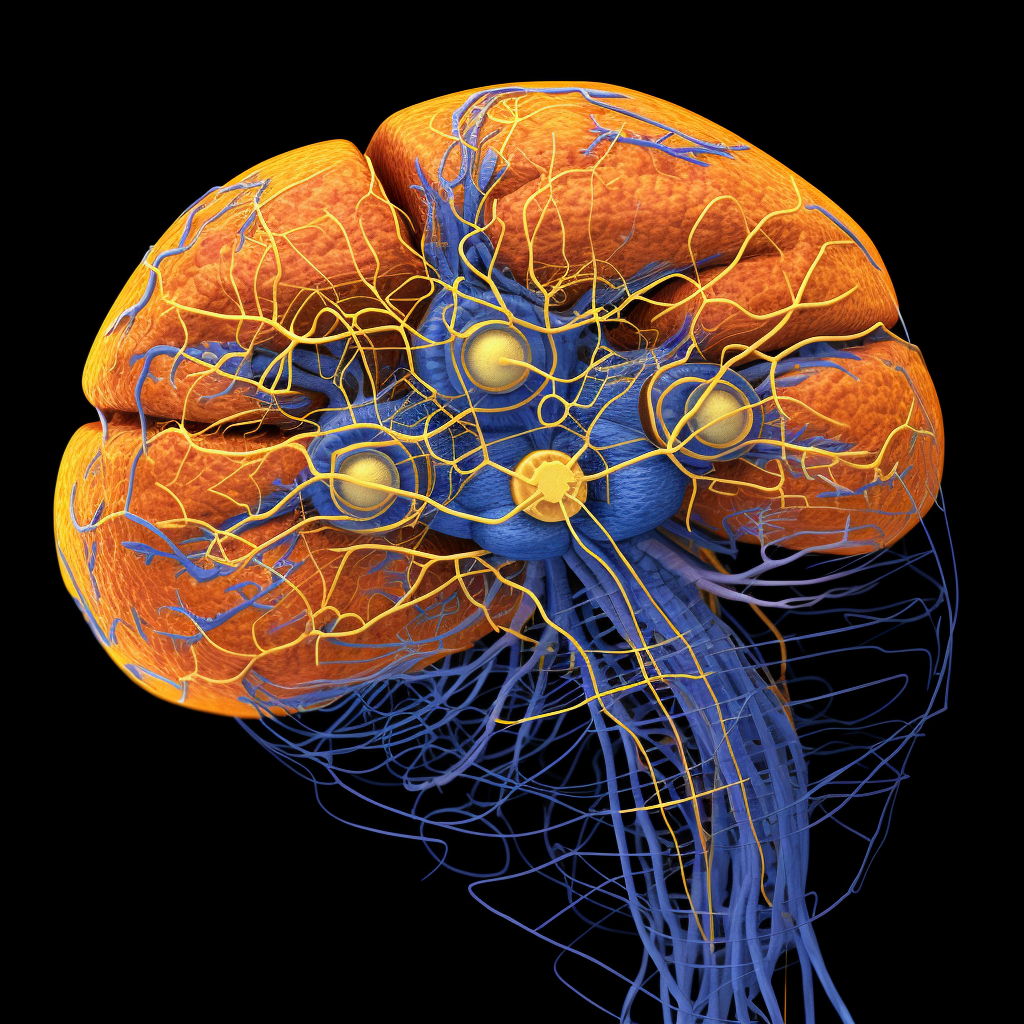
1. 意識されない情報と刺激経験知覚情報は記憶の基本要素である。
2. 意識されない情報も記憶に取り込まれる例として、スキーや水泳の練習が挙げられる。
3. 脳は外部情報と内部情報を組み合わせて事態を判断し、感覚器官の訓練が重要である。
4. 記憶は主に大脳の側頭葉と海馬を中心とした領域にたくわえられる。
5. 側頭葉と海馬は記憶の貯蔵所であると同時に、解釈や判断にも関与している。
6. 記憶は大脳全体に分布し、側頭葉と海馬はその中心的な機能を果たす場所である。
7. 第一信号系(第一情報)と第二信号系(第二情報)に基づく条件反射の理論が存在し、記憶の場所が異なる。
8. 第一信号系は意識されない情報が大脳辺縁系に、第二信号系は意識された情報が新皮質の側頭葉にたくわえられる。
9. 脳の出力は過去の経験に基づいて判断や行動を行い、条件反射の理論により記憶の材料が利用される。
10. 密教は第三の信号系を持ち、求聞持法を通じて頭のよさを訓練できるとされている。


Subconscious information and stimulus experience Perceptual information is the basic element of memory.
2. Skiing and swimming practice are examples of unconscious information being incorporated into memory.
3. The brain combines external and internal information to judge situations, so training the sense organs is important.
4. Memories are stored primarily in the temporal lobe and hippocampus of the brain.
5. The temporal lobe and hippocampus are memory stores and also involved in interpretation and judgment.
6. Memory is distributed throughout the cerebrum, and the temporal lobe and hippocampus are the places that perform its central functions.
7. There is a theory of conditioned reflexes based on the first signal system (first information) and the second signal system (second information), and the locations of memory are different.
8. The first signal system stores unconscious information in the limbic system, and the second signal system stores conscious information in the temporal lobe of the neocortex.
9. Brain output makes judgments and actions based on past experiences, and memory materials are used according to the theory of conditioned reflexes.
10. Esoteric Buddhism has a third signal system, and it is said that one can train one’s intelligence through the practice of gyomonjiho.


システムとしての求聞持

「変身の原理」で、私は、カナダの著名な神経外科学の大家、W・ペンフィールドの発見 密教の持つすぐれた知能開発法寺聴法」のメカニズムの一端を解説した。 私はそのとき、「ひとたび修身するや、目はカメラになり、耳はテープレコーダーに変化し て、ひとたび目にし、ひとたび耳にしたことは永久に忘れなくなる技術である」と説明した。 たしかにその通りであるが、そのためにこの法を、一種の記憶力増強法、いわゆる記憶術の一 のようにうけとったひともあるようである。ページ数の関係その他の事情から十分に説明でき ず、それも無理のないことであったが、この技法が単なる記憶術のようなものであるのなら、た いした価値のないつまらないものといわればならない。なぜならば、ただ単に記憶がよくものお ぼえがよいというだけでは、ひとはよい仕事をすることができない。 ただたんにもの知りだけで はすぐれた業績をのこすことはできない。問題は、多量に持っている知識(情報)を、いかに活 用してあたらしいものを生み出すかというところにある。

い子とのよい子のちがい

ギャラップは、そるべき技術である。 知能とはなにか。 ごく大ざっぱに分けるならば、二つの

であろう。記憶と創造である。 特聡明法は、この二つのはたらきをするメカニズムに、あた らしいメカニズムをつけくわえて、あたらしい力と効果を発揮する。

この技法が、ジョージ・ギャラップや、オルダス・ハックスリーのいうように教育にとり入れ られたならば、人類のうける利益は想像することもできないほどのものである。 ギャラップのい うように、ヒトは、まさに、未来に向かって数百年の飛躍をすることができるであろう。 そういうと、そんなすばらしい技術がどうして今まで世のなかにあらわれなかったのかと、あな たは疑問に思うかも知れない。

これほどの技術が、なぜ密教寺院の片すみに埋没してしまったのか、いくつかの理由があげら れるだろうが、その最大の理由はこうである。

すぐれた古い方法がまったく見落とされてきたということは奇妙なことだ。 それに、あと になって全く忘れ去られてしまっている非常に重要な技術を発達させた個人、あるいは文化がよ くあるのだ。しかし、それらはやはり大きな価値を持ちつづけているのだ』(

といっているが、この大きな価値を持ちつづけているすぐれた方法が忘れられてしまったわけ は、それにつづくギャラップのおなじ文章のなかに見出すことができる。

システムとしての間あって、思い出される記憶と、思い出せない記憶の二つがあることを、私は、「変身の原理」 で説明した。脳の記憶のメカニズムはたいへん複雑で、それはまだ脳生理学でも十分に解明され ていないのだが、一応、その仕組みを見てみよう。

経験というのはひとつの刺激である。その刺激が記憶になるまでには、だいたいつぎのような 段階を経る刺激を感じるのは、俗にいう「五感」である。 五感とは、視覚、聴覚、味覚、嗅覚、触覚をい うが、こまかくかぞえればまだ多くの「感覚」があり、おなかが空いたとか、なんとなくけだ るく気分がよくない、とか、そういう身体の内部におこっていることを知ることもできる。つま り、われわれの身体の内部、外部におきていることがわれわれ自身にひとつの影響をおよぼす。 これが、「刺激」である。

こういう刺激があると、身体にある「感覚器」または「受容器」というものがこれに反応し電気的パルスを送り出す。 たとえば、 赤い花があれば、そこから反射された光が目のレンズ を通して受容器としての視神経を刺激し、視神経がパルスを送り出す。 これはパルスであって、 刺激の強さが大きければその数がふえるだけで、電圧が大きくなるわけではない。おなじよう に、皮膚になにかが触れれば、皮膚にある受容器が圧力を感じ、その圧力に応ずる数のパルスを 神経に送りこむ 次頁の上図は、このような受容器のいくつかの例である。

Gumonjiho as a system

In “Principles of Transformation,” I explained part of the mechanism behind W. Penfield, a famous Canadian neurosurgical expert, who discovered esoteric Buddhism’s excellent intelligence development method. At that time, I explained, “Once you cultivate yourself, your eyes become cameras and your ears become tape recorders, and once you see and hear something, it is a technique that you will never forget.” This is certainly true, but for this reason some people seem to have taken this method as a kind of memory enhancement method, a so-called memorization technique. Due to the number of pages and other circumstances, it was not possible to fully explain it, which is understandable, but if this technique was just a memorization technique, it would be said to be of little value and boring. Must be. This is because a person cannot do a good job simply by having a good memory and remembering things well. Mere knowledge alone will not enable him to produce outstanding results. The problem is how to utilize the large amount of knowledge (information) we have to create something new.

The difference between a good child and a good child

Gallup is a technology to be reckoned with. What is intelligence? If we can roughly divide it into two

Will. It is memory and creation. The Tokuseiho method adds a mechanism that is unique to her to the mechanisms that perform these two functions, and exerts new power and effects.

If this technique were incorporated into education as George Gallup and Aldous Huxley suggested, the benefits to mankind would be inconceivable. As Gallup’s guy says, humans could indeed take a leap of several hundred years into the future. You may wonder why such wonderful technology has not appeared in the world until now.

There are several reasons why such technology was buried in the corners of esoteric Buddhist temples, but the biggest one is as follows.

It is strange that a good old method has been completely overlooked. Moreover, there are many individuals and cultures who developed very important techniques that have since been completely forgotten. However, they still continue to have great value.”

However, the reason why this excellent method that continues to have great value has been forgotten can be seen in the same article from Gallup that follows.

I explained in “Principle of Transformation” that there are two types of memories that exist as a system: memories that can be recalled and memories that cannot be recalled. The memory mechanism of the brain is extremely complex and has not yet been fully elucidated in brain physiology, but let’s take a look at how it works.

Experience is a stimulus. It is what is commonly called the “five senses” that sense a stimulus, which goes through roughly the following stages before it becomes a memory. The five senses refer to sight, hearing, taste, smell, and touch, but if you take a closer look, there are many more sensations, such as feeling hungry or feeling sluggish or not feeling well. You can also find out what’s going on inside your body. In other words, what happens inside and outside of our bodies has an impact on us. This is “stimulus.”

When such a stimulus is received, the body’s “sensory organs” or “receptors” respond by sending out electrical pulses. For example, if there is a red flower, the light reflected from it passes through the eye’s lens and stimulates the optic nerve, which acts as a receptor, and the optic nerve sends out pulses. These are pulses, and the greater the stimulus intensity, the more the number of pulses increases, but the voltage does not increase. Similarly, when something touches the skin, receptors in the skin sense the pressure and send a corresponding number of pulses to the nerves. The diagram above on the next page shows some examples of such receptors. It is.

さて、このようにして受容器にあたえられた
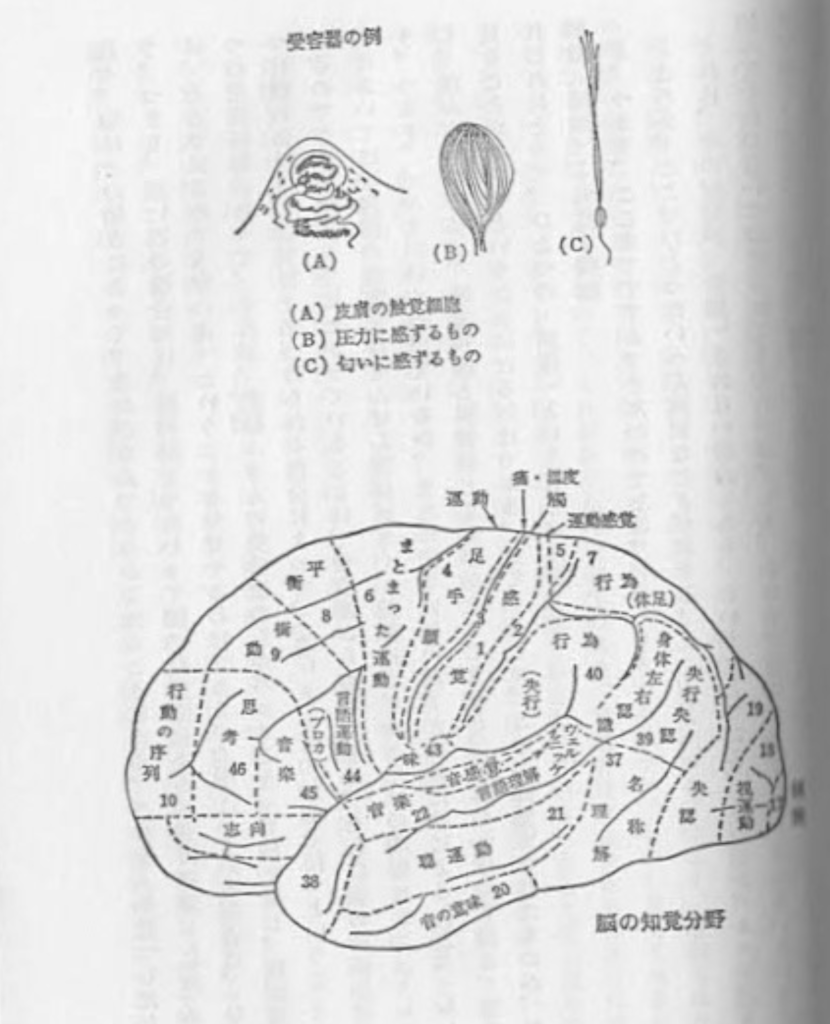


れる。脳はその働きによって、それがなんであるかを知ることになる。これを「知覚」したとい う。つまり、赤い花の場合には、視神経をつたわって脳の後頭葉にある視覚野に達したパルス は、そこではじめて「赤い花」ということを知覚するわけである。 「聞く」という場合は、ひと つの空気振動があって、それが、鼓膜ふきんの受容器からのパルスとなって脳に達し、側頭葉の つけ根のあたりの聴覚と名づけられる部分によって、「音」としての知覚を持つということに なるのである。現在までにわかっていることは、受容器からのパルスは、それ以後の神経伝達機 構においては受容器の種類にはぜんぜん関係がなく、純粋に、パルスだけの問題になってしま う。つまり、パルスがいくつ出ているか、または出ていないか、というだけによるので、もし も、なんらかの方法で、聴覚神経と視神経とを結びかえてしまうと、われわれは光を聞き、音を 見ることができるということになるわけである。 さて、 そこで、この「知覚」されたものが、わ れわれにとって、ひとつの「情報」ということになる。

刺激(経験)→知覚→情報

と、つまり、ここまですすんできたわけである。

こういうことになる。

ところが、ここでひとつたいへん重要なことがおきる。

それは、その知覚が「意識」されない場合もある、ということである。 受容器がパルスを送り 出してそれが届いて知覚されてもそれが必ずしも、かならず意識されるとはかぎらないという とである。「見れども見えず、聞けど いったがあん、しない。 つまり、知覚しても意識していないということである。

では、そういう意識されない信号は、情報にはならないのか?

刺激 経験ということばは、意識がともなう必要があるように思われる。つまり、意識されな 刺激は経験にならないのではないかということである。 どうであろうか。しかし考えてみると われわれは日常の行動において、 それがありふれた動作の場合、意識をはたらかせることは非常 にすくない。手なれた動作や作業の場合、ほとんど無意識でおこなっている。たとえば「道を歩 「く」というようなごくありふれた動作をする場合に、われわれはほとんど意識せずに歩くという 動作をおこなっている。いちいち足のウラの感覚器官からの情報を意識していたら、たまったも のではない。しかし、足がなにかにつまずくというような、異常な状態が起きると、間髪をいれ ず意識がはたらきだす。 ということは、それまでわれわれは異常なしという情報をうけとりつづ けていたのであるが、意識はそれに注意をはらわずにおり、異常が起きた瞬間、ただちにそちら へ意識を向け直したということであろう。

そこで考えられることは、われわれがうけとる情報は、常に一時にひとつということでなく、 いつも多数の情報が同時にかさなって入ってくるので、われわれの意識はそのなかでももっとも 大きな、ということはもっとも注意をひく情報に向けられているということであろう。 電子計算 機の父といわれる故ノイマン博士の計算によれば、人間が一秒間に受けとる情報の量は一四〇〇ビットぐらいだといわれる。一ピッドというのは、イエスかノーかという情報単位であるが、 これは、われわれが知っているもっとも大きな電子計算機の記憶一〇〇万ビッドの十四万倍と いう大量のものである。これだけ大量の情報をいちいち意識することはとうてい不可能であり、 そこでわれわれの意識は、そのなかから注意を要する情報にだけ意識を向けているというわけで ある。だから、意識されなくても情報はつねに入っており、意識されない情報もあるということ になる。

そこでいままでのところをとりまとめると、こういうことになる。


Stimulus (experience) → perception → information

In other words, we have made it this far.

This is what happens.

However, one very important thing happens here.

This means that the perception may not be “conscious”. He says that even if a receptor sends out a pulse and it reaches us and is perceived, it does not necessarily mean that we are conscious of it. “I see, but I don’t see; I hear, but I don’t do it.”In other words, even though I perceive it, I am not conscious of it.

So, aren’t such unconscious signals considered information?

It seems that the word stimulus experience must be accompanied by consciousness. In other words, a stimulus that is not conscious may not become an experience. What do you think? However, if you think about it, he says that in our daily actions, we rarely use our consciousness when the actions are commonplace. Most familiar movements and tasks are done unconsciously. For example, when we perform a very common action such as “walking” down a street, we do it almost unconsciously. If he was conscious of the information from the sensory organs on the back of his feet, he wouldn’t be able to tell. However, when an abnormal situation occurs, such as tripping over something, consciousness immediately begins to function. This means that until then we had been receiving information that there was no abnormality, but our consciousness did not pay attention to it, and the moment an abnormality occurred, we immediately redirected our attention to it. Dew.

What we can think of is that the information we receive is not always one piece of information at a time, but a large number of pieces of information are always coming in at the same time, and the most important thing to remember is that our consciousness is the largest of all of these pieces of information. It is likely that the information is aimed at obtaining information. According to calculations by the late Dr. Neumann, who is said to be the father of electronic computers, the amount of information that humans receive in one second is said to be about 1,400 bits. One bit is a unit of information that indicates yes or no, but this is a large amount, which he says is 140,000 times the memory of the largest electronic computer we know of, which is 1 million bits. . It is simply impossible to be conscious of such a large amount of information, so our consciousness focuses only on the information that requires our attention. Therefore, information is always present even if we are not conscious of it, and there is also information that we are not conscious of.

So, to summarize what has happened so far, it is as follows.
1意識されない情報

2刺激経験知覚情報 2意識された情報

さて、つぎに、これらの情報が「記憶」になるわけだが、われわれは、たとえ知覚したり、感 じたりすることができても、これが記憶に残らなかったら、 「情報」として活用することはでき ない。つまり、ほんとうの情報にはなり得ないということである。 そこで問題になるのは、意識 された情報は論外として、意識されない情報はどうなのか、それも記憶になるものかということ である。しかし、これも考えてみると、スキーや水泳のように、いちいち意識しない動作でも、 練習による繰り返しを肉体がおぼえていて、これの積み重なりが熟練になるわけだから、つまり は、意識されない情報も、記憶のなかにくりこまれるということになる。そこでもっとも簡単な いい方をすれば、見たり、聞いたり、さらにそのほかのあらゆるかわ

によって感知され、これらを

新しい事態が発生すると、われわれの感覚器官は、その事によってひきされた

送り、脳はこれらの信号を感知することによって情報を得る。 これは、いうなれば「外部情報」 というべきだろう。

つぎに、脳は、以前から持っていた記憶を「内部情報」としてひきだし、外部情報と照らしあ わせることによって、はじめてこの事態を判断することになる。だから、もし、われわれが 生まれてからこのかた、ずっと感覚器官のはたらきが不完全であったら、われわれの脳のなかに ある記憶は非常に貧弱なものとなり、したがってわれわれの判断は正確を欠くことになる。だか ら、感覚器官の錬磨洗練ということは非常に大切なことであり、このことはあとになって関連す ることが出てくるから、よく記憶しておいてほしい。

さて、そこで、今までのところを総括すると、こういうことになる。

刺激(経験) 知覚情報

意識されない情報」 意識された情報

記憶

前世の記憶

では、記憶は脳のどこにたくわえられるのであろうか?

それは、大脳の側頭葉と、海馬を中心とした領域でなされるようである。

そこで、

実際に、海馬や側頭葉がこわされると、いろいろな型の記憶障害がおこることが、動物や人間 についてたしかめられている。また、側頭葉の電気刺激で過去の体験を再現することに成功した ペンフィールド博士の実験(旧)や、ネズミの海馬をこわすと判別能力がわるくなるという 条件行動の実験も、側頭葉や海馬が記憶やそれにもとづく判断のはたらきに直接関係しているこ とを示している。ただし、それは、側頭葉と海馬だけが記憶の貯蔵所という意味ではなく、記憶 はある程度、脳全体に分布しており、側頭葉と海馬は、その中心としてはたらく機能を持ってい る場所であるというように考えられている。

側頭葉は記憶の機能に密接な関連をもつ。記憶に、海馬を中心とした辺縁系が重要であること は前にものべたが、それを含む側頭葉切除では、古くたくわえられた記憶は失われないが、新し い情報を記憶に組みこみ、早期にそれを固定し、必要に応じてそれを引き出して用いるはたらき <記銘と回想)に重要な障害をきたすことが、脳外科的手術の経験の増すとともに確かめられた。 前頭葉の破壊によって古い記憶障害されにくいところをみると、記憶は広く全脳にたくわえら れるものであって、側頭葉はその出し入れと照合(解釈)に主役を演ずるものらしい』(脳のはた らき・島崎敏樹 宮坂松術著) そしてそれは海馬もおなじようなはたらきをするものと考えられる。 『記憶は多分、視床の連合や、大脳皮質では第二次運動野、第二次知覚野および連合野でたく わえられる。 触覚性の行動の 身体の部分に対応した 、

また、側頭葉表面の刺激で、短期記憶がさまたげられることや、見れているものが自覚的 初めて見るごとく感じ(未体験)、または反対に、これまでに見たことのないものが、以前に 見たごとく感じる(既視体験など、側頭葉と記憶との密接な関係はよく知られているところで あるが、刺激によって長期記憶を再生するのも側頭葉であるが、それは多分、側頭葉深部の 海馬が刺激されて、記憶貯蔵所を興奮させ、記憶されたときと同様な型の興奮を生じ、記憶が再 生されるのである。海馬を中心とする大脳辺縁系のニューロンは、知覚系、 運動系、覚醒系、動 制御系その他の機能系を連合して記憶と結合する道であり、記憶をたくわえ、または再 生する有力な道である』(脳のはたらき・吉井直三郎著)

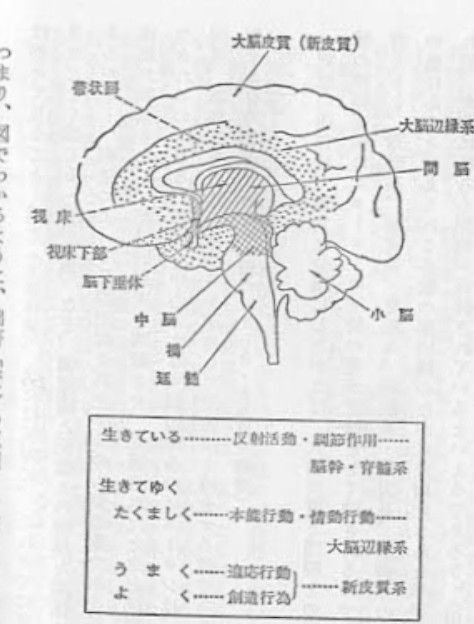
記憶の所在は、粗大な分類にしたがえば、大脳皮質と間脳との間の広汎な領域にある。 その領 城の神経連鎖にニューロンの活動の型が記憶として残されるのであろうが、これを細胞レベルで 考えると、運動系、知覚系、覚醒系、睡眠系、動因系、制御系のいずれにあっても、その主回路 他にあると考えられる多数の副回路のなかに反射化された学習回路が残されるのであろう。 そ 故、大脳にひろく記憶が保持されているといえるであろう』(脳のはたらき 吉井直三郎著) 以上の専門学者の説明を参照した上で、私の求聞持法の体験をあわせ判断すると、記憶の場 半球内側面で間をかこむ部分、つまり「帯状回」のあたりであると私は思う。


私は、海馬それ自体の奥ふかくに、ごく古い記憶(深層記憶がたくわえられているものと信ず る。 それは、動物実験で、人間におこなわれた側頭葉表面の刺激(ペンフィールド博士の実験)と おなじ効果が得られることから、 それは、間違いないものと思われるのである。

すなわち、電極針を動物の頭のなかに入れて、海馬を刺激したとき、注意を集中する注意 集中反応 なにかを探索する探求反応が顕著にあらわれる。

これは何物かの記憶がよび起こされ、 “幻覚が起こったのだともいわれる」(脳のはたらき・島 敏樹宮松術著)のである。それはちょうど、 ペンフィールド博士の実験で側頭葉の表面に電 針をあてられた被験者が、なん年ものまえの出来事をそのまま想起してびっくりしている状態 そのものである。 そこで、この実験を動物ではなく、 なんらかの方法で生きている人間の海馬の 中心を刺激すれば、彼の前世、前々世の記憶がよみがえるのではないか?(教は特殊な方法で それをやるのである)

第一信号系と第二信号系

さてそこで、話は前にもどるのであるが、記憶のもとになる 「情報」に、二種類あることをさ きに述べた。

すなわち、意識された情報と、意識されない情報である。 これから、意識されない情報を第一情報”意識された情報を第二情報” とよぶことにする。 第一情報も第二情報も、ともに記憶 の で、この二つが記憶になるわけである。

ただし、第一情報と第二情報とでは、その記憶の場所がちがうのである。

第一情報は古い皮質の海馬の表面あたりに記憶される。これはどうしてかというと、海馬には 大脳辺縁系の中心で、本能行動、情動行動を支配する。 本龍行動というのはほとんど意識されな 行動である自律的なはたらきの領分であって、痛みや痒みなどの感覚にたいして、パッと無 意識のうちになされる動作のたぐいである。だから、情報も、無意識の情報はここに集まって、 それに対する反応も無意識のうちに対応されるように準備されるのだと考えればよい。

これに対して、第二情報は新しい皮質の側頭葉にたくわえられる。

脳の「解釈上の錯覚」について実験をくりかえしたウィリアム博士の実験により、側頭葉の全 領域が、ものの解釈をする部分であることがわかった。 この領域を刺激することにより現実のも の事の解釈のまちがいが生じ、この領域以外ではそういうことが見られぬことがあきらかになっ た。脳は、その一連の情報をまとめながら、過去の経験の記憶をひき出して適切な照合を行な 現在の経験を解釈して、状況に応じた適切な行動をおこさねばならない。この、記憶をひき 出し、現実を解釈する機能に側頭葉がもっとも重要な役わりをはたすわけで、ペンフィールド博 「解釈する質」とよんでいる。

一種の解釈であるのだ。 そこで第二情報は解釈する皮質である頭にされ、そこでに、多くくりかえされた記憶は旧古皮質の奥の海馬のほうに移っていってそこにたくわえられる ようである。ペンフィールド博士の実験でも、電気刺激をあたえた側頭葉表面の皮質を削除して も、そういう記憶はなくならなかったという報告があるから、上部(表面)の新皮質のほうに入 った記憶も次第に辺縁系のほうにしまいこまれてゆくのであろう。 それは、たとえば、タイプラ イターの練習などでもよくわかる。タイプの練習に際して、「上手になろうと思ったら、 キーボ ートは見ないほうがよい」といわれる。 最初、それにしたがって、「Aの字は? あれは下から 二段目の、一番左の端だったな。 小指で打つこと」などとアタマで考えながら打とうとす る。アタマというのは「新しい皮質」であるから意志的である。そして運動の皮質がはたらいて 小指を動かす。目は印字をよみ、その形を見て「たしかにAの字だ」 と判断する。 こういうこと

ん回もくりかえして練習していると、そのうちに、いちいちこんなことを考えなくても打 てるようになる。このことは、つまり、「新しい皮質」にたん回もん回もくり返して入れ たことは、だんだん「古い皮質」に入りこんでゆく。 そして 「本能的」にできるようになる、と いうことだ。自動車の運転などもそのよい例のひとつである。

この第一情報、第二情報を、脳の重要なはたらきである「条件反射」の理論に基づき、脳の第 一信号系、第二信号系として発表したのが、ロシアの有名な生理学者I・P・パブロフである。 つまり、第一信号系とは、第一情報のことで、意識されない情報を主にした、感覚器官からの そのままの情報である。だから、これは動物でも人間でもおなじである。

それがそのままのかたちで記憶されてゆく感覚そのままの旅の情報で、

れるものもあるが、多くは意識されないまま送りこまれる。 それに対する反応もまた無意識のま 反射的に送り出されることが多い。まぶしいという感覚にただちにクシャミが反応するという などその典型的なものである。 そしてそのとき、まぶしくてクシャミをしたという経験(情報) は、そのまま記憶になる。

これに対し、第二信号系は、人間にしかない。なぜかというと、この信号系はコトバによって 成り立つものだからである。 第二信号系は、感覚器官からの情報をいったん意識を通してコトバ でひとつのかたちにまとめた情報である。ナマの情報ではない。そういうかたちにして記憶領域 におくりこんだり、論理的判断、思考をする機能である。

人間の知的進歩は、コトバの発見によるこの第二信号系の発達によるもので、 これあるがため に、人間は、外部のあらゆる雑然たる情報を、自分の内部で、論理的、系列的、抽象的におきか えたり、積み重ねたり、他にそれをつたえたりすることができるようになったわけである。

しかし、もちろん、こういったからといって、この二つのものは、おのおのべつべつに動いて いるのではなく、この両者がそれぞれ独立しているというのは、相対的な意味においてであっ で、第二信号系はコトバ、第一信号系は感覚として、両者は結局第二信号系にみちびかれる完全 にひとつのものとして一緒に活動しているのである。そこで今までのところを総括すると、こう

いうことになる。

刺激(経験)―知覚情報 1意識されない情報第一信号系旧古皮質の大脳辺縁系 意識された情報第二信号系新皮質の側頭葉

海馬(記憶)

密教は第三の信号系を持つ

さて、今までは、もっぱら、「大」の面を考えてきたわけであるが、今度は入ったものをも とにしておこなわれる「出る」のほうを考えてみなければならない。

われわれがひとつの出来事に直面して、 それに対し、判断したり、計画を立てたり、行動をお こしたりするのがアウトプットであるが、それはどのようにしておこなわれるか?

今までにうけ入れてあるすべての情報、できるだけして、それをもとに、判 断 決定 行動の材料にするわけである。だから、このいちばん重要なことは、その材料が豊 富であることである。判断はそれが貧弱なほどあやまりをおかしやすいし、豊富なほど正しい判 断をする率が高い。ちょうど、むずかしい局面に直面した棋士が、過去に記憶(経験したすべ

定石や変化を思い浮かべて、それをもとに、もっとも有利で正確な手を打とうとするのと同 じことで、そういう場合、力の弱い者ほど経験(記憶)が少ないということである。この場合、 経験というのは、長年たくさん数を打っているというだけのことではなく、どれだけ定石やそ の変化が頭に入っていて、必要に応じてそれがきれるかということである。

いせつなことは、できるだけくのをき

信号系の記憶を可能なかぎりひき出す、 つまり思い出すという作業である。 ところがこの作 の難点は、第一信号系の再生である。 第二信号系のコトバによる記憶は比較的 (比較的であ 容易であるが、第一信号系の記憶は非常にひき出しにくい。というのは、第二信号系の記憶 は、一応、コトバによって整理されたり統合されたりしているから、それに対するテーマが決定 すれば、それに関連して系統的に、論理的に出してくる可能性がつよい。 中山正和教授によれ ば、それは「線の記憶」 カンの構造・中山正和)であって、連絡しているからである。 これに対 し、第一信号系の記憶は点の記憶で、脈絡なしに断続的に入ってきたものであるから、つながり がない。 しかし、情報源としては第一信号系の方が圧倒的に多いし、また、昼だけではなく、質 的にも非常に役に立つ場合が少なくないのである。

ことに、なにか新しい事物を創造するという場合にそのことがいえる。 創造には飛躍が必要で あるが、飛躍とは論理や論理的思考の積み重ねだけでは得られないもので、論理や説明をはなれ たところから生ずることが多い。ただし、論理をはなれたといっても全くはなれてしまうのでは なく、ひとつの主要目的はたえず追いつづけながら、一方でそれに関連するなにかのすべてを模 してゆくということであり、それがどこかで交接触した刹那、ひらめきが飛んで、それがつ まり、ひとつの創造か、創造の種子が芽生えたということなのだ。これは、記憶再生の場におき かえていうと、第二信号系が絶えず第一信号系の記憶をまさぐりつつ、からみ合いつつ創造を目ざして進んでゆくすがただということである。


1Unconscious information
2 Stimulus experience perceptual information 2 Conscious information

Now, next, this information becomes “memory”, but even if we can perceive or feel it, if it does not remain in our memory, we cannot use it as “information”. Can not. In other words, it cannot be real information. The question then becomes, leaving conscious information out of the question, what about information that is not conscious, and whether it can also become memory? However, if you think about this, like skiing or swimming, even if you are not consciously conscious of each action, your body remembers the repetition through practice, and the accumulation of these actions will lead to mastery.In other words, even unconscious information can be… It means that it becomes embedded in one’s memory. The simplest person there is, to put it bluntly, can see, hear, and do all sorts of other things.

These are detected by

When a new situation arises, our sense organs are triggered by it.

The brain obtains information by sensing these signals. This could be called “external information.”

Next, the brain draws out previously held memories as “internal information,” and compares them with external information to judge the situation for the first time. Therefore, if our sense organs have been incompletely functioning since we were born, the memories we have in our brains will be very poor, and our judgments will therefore be less accurate. It will be missing. Therefore, training and refining your sense organs is extremely important, and you should remember this carefully, as it will come into play later on.

So, to sum up what has happened so far, this is what we get.

Stimulus (experience) Perceptual information
Unconscious information” conscious information
Memory
memory of previous life

So where in the brain are memories stored?

This seems to occur in areas centered on the temporal lobe and hippocampus of the cerebrum.

Therefore,

In fact, it has been confirmed in animals and humans that various types of memory impairment occur when the hippocampus or temporal lobe is damaged. Additionally, Dr. Penfield’s experiment (old), which succeeded in reproducing past experiences through electrical stimulation of the temporal lobe, and experiments on conditioned behavior, in which disrupting the hippocampus of rats impairs their discrimination ability, have also been conducted in the temporal lobe. This shows that the brain and hippocampus are directly involved in memory and the functions of judgment based on memory. However, this does not mean that the temporal lobe and hippocampus are the only storage areas for memory; memory is distributed to some extent throughout the brain, and the temporal lobe and hippocampus have the function of acting as the center of memory. It is thought that there is.

The temporal lobe is closely related to memory functions. I mentioned earlier that the limbic system, centered on the hippocampus, is important for memory, and temporal lobe resection that involves the limbic system does not result in the loss of old stored memories, but it does impair new information. With increasing experience in neurosurgery, it has been confirmed that this causes important problems in the ability to incorporate, fix early, and then pull out and use it as needed (memorization and recollection). Looking at the fact that old memories are less susceptible to damage due to destruction of the frontal lobe, it appears that memories are widely stored throughout the brain, and the temporal lobe plays a leading role in accessing, retrieving, and comparing (interpreting) them. (Taraki, Toshiki Shimazaki, Shōjutsu Miyasaka) It is thought that the hippocampus functions in a similar way. “Memories are probably stored in associations in the thalamus, and in the cerebral cortex in secondary motor, secondary sensory, and association cortices. Corresponding to body parts of tactile behavior,

In addition, stimulation of the surface of the temporal lobe can disrupt short-term memory, and things that are being seen may feel as though they are seeing them for the first time (unexperienced), or conversely, things that have never been seen before may be It is well known that there is a close relationship between the temporal lobe and memory, such as the experience of déjà vu (déjà vu), but it is also the temporal lobe that regenerates long-term memories through stimulation. The hippocampus, located deep in the temporal lobe, is stimulated to excite the memory storage area, producing the same type of excitement as when it was memorized, and the memory is replayed. Neurons are a pathway that connects the sensory system, motor system, arousal system, motor control system, and other functional systems to connect memories, and are a powerful pathway for storing and reproducing memories.” (How the Brain Works) Written by Naozaburo Yoshii)

According to a general classification, memory is located in a wide area between the cerebral cortex and the diencephalon. The type of neuron activity will be left behind as memory in the neural chain of the territory, but if we consider this at the cellular level, it will affect whether it is the motor system, perceptual system, arousal system, sleep system, drive system, or control system. Even if there is, there will probably be a reflected learning circuit left among the many sub-circuits that are thought to exist in addition to the main circuit. Therefore, it can be said that memories are widely held in the cerebrum.” (The Functions of the Brain, written by Naozaburo Yoshii) After referring to the explanations of the experts above, I made a judgment based on my own experience with the Gumonji method. Then, I think that the place of memory is the part that surrounds the inner surface of the hemisphere, that is, the cingulate gyrus.


I believe that very old memories (deep memories) are stored deep within the hippocampus itself.It is based on stimulation of the surface of the temporal lobe in humans in animal experiments (Dr. Penfield’s experiment). Since the same effect as his is obtained, it seems certain that this is the case.

In other words, when an electrode needle is inserted into an animal’s head and the hippocampus is stimulated, the attention, concentration response, and exploration response, which involves searching for something, are prominent.

This is said to be the result of some kind of memory being recalled and a hallucination occurring (How the Brain Works, written by Toshiki Shima and Miyamatsu). This is exactly the state in which the subjects in Dr. Penfield’s experiments, who had an electric needle applied to the surface of their temporal lobes, were astonished as they remembered exactly what had happened many years ago. So, if this experiment were not done on animals, but by stimulating the center of the hippocampus of a living human in some way, wouldn’t it be possible to bring back memories of his previous life and the life before that? That’s what we do)

First signal system and second signal system

Now, going back to the previous topic, he mentioned that there are two types of “information” that form the basis of memory.

In other words, there are conscious information and unconscious information. From now on, we will refer to information that is not conscious as primary information and information that is conscious as secondary information. Both the first information and the second information are memories, and these two become memories.

However, the first information and the second information are stored in different locations.

Primary information is stored in the old cortex, around the surface of the hippocampus. The reason for this is that the hippocampus is the center of the limbic system and controls instinctual and emotional behavior. Honryu behavior is a type of autonomous function that is almost unconscious behavior, and is a type of action that is performed unconsciously in response to sensations such as pain or itching. Therefore, you can think of information as unconscious information gathering here, and reactions to it being prepared to be responded to unconsciously.

In contrast, secondary information is stored in the new cortex, the temporal lobe.

Dr. William’s repeated experiments on the brain’s “interpretive illusion” revealed that the entire temporal lobe is the part that interprets things. It became clear to him that by stimulating this area, he misinterpreted things in reality, and that such things could not be seen outside of this area. The brain must compile this series of information, pull out memories of past experiences, make appropriate comparisons, interpret current experiences, and take appropriate actions according to the situation. The temporal lobe plays the most important role in this function of retrieving memories and interpreting reality, which Hiroshi Penfield calls “the quality of interpretation.”

It’s a kind of interpretation. Therefore, the second information is sent to the brain, which is the interpreting cortex, and the memories that are repeated many times there are transferred to the hippocampus deep in the archaic cortex and stored there. In Dr. Penfield’s experiments, he reported that even though he deleted the cortex on the surface of the temporal lobe where electrical stimulation was applied, such memories did not disappear, so it seems that the upper (superficial) neocortex was not erased. It seems that the memories we have are gradually stored away in the limbic system. This can be clearly seen, for example, when he practices Taipra and Ita. When practicing typing, people say, “If you want to become good at typing, it’s better not to look at the keyboard.” At first, he tries to hit the letter A while thinking in his head, “What’s the letter A? That’s the second row from the bottom, on the far left. Hit it with your little finger.” The head is a “new cortex,” so it is volitional. The motor cortex then works to move the little finger. Your eyes read the print, look at its shape, and decide that it’s definitely the letter A. Such a thing

If you practice over and over again, you will eventually be able to hit the ball without thinking about it every time. This means that what he has repeatedly put into the “new cortex” will gradually enter into the “old cortex.” He says that he becomes able to do it “instinctively.” Driving a car is one good example.

The famous Russian physiologist I ・This is P. Pavlov. In other words, the first signal system is the first information, which is the information directly from the sense organs, mainly information that is not conscious. Therefore, this is the same for both animals and humans.

It is the information of the trip that feels exactly as it is remembered in the same form,

Some are sent there, but many are sent unconsciously. Reactions to this are often unconscious or reflexive. He is a typical example of this, as he reacts immediately to the sensation of being dazzled by sneezing. At that time, the experience (information) of sneezing because of the bright light becomes a memory.

In contrast, the second signal system is unique to humans. This is because this signal system is based on words. The second signal system is information that is compiled from the sense organs into a single form through the conscious mind. This is not raw information. This is the function of storing information in memory, making logical judgments, and thinking.

Human intellectual progress is due to the development of this second signal system through the discovery of words. Because of this, humans are able to internally process all kinds of external information in a logical, sequential, and logical manner. It became possible to transpose abstractly, accumulate them, and pass them on to others.

However, of course, this does not mean that these two things are moving independently, but that they are independent in a relative sense; The signal system is words, and the first signal system is sensation, and the two are ultimately guided by the second signal system and work together as one entity. So, to summarize what has happened so far:

That’s what I’m saying.

Stimulus (experience) – Perceptual information 1 Unconscious information, the first signal system, limbic system of the old cortex Conscious information, the second signal system, the temporal lobe of the neocortex

hippocampus (memory)

Esoteric Buddhism has a third signal system

Now, up until now, we have been thinking exclusively about the “big” aspect, but now we must consider the “coming out”, which takes into account what goes in.

Output is when we face an event and make a judgment, make a plan, or take action in response to it, but how is this done?

All the information I’ve accepted so far, I can do it.

よく、直感とかインスピレーションとかいうけれども、それはよくしらべてみると、第一信号 系の情報記憶とむすびついて生じたことが多いのである。 第一信号系は、脈絡がなく、意識され ていないから気がつかないだけのことなのだ。もっとも、このことは、あえて創造に関すること だけにかぎらず、すべての発想に際してあてはめられることといわねばならない。

ところで、この発想の作業は、考えてみると、すべての記憶を思い出そうという意志が、第二 信号系とむすんで、第一信号系の記憶、ならびに全脳にわたる記憶の領域を、その表面から深部 にいたるまで掘りおこそうというのである。それは新皮質である側頭葉の表面から次第に内部 におよんで間脳、帯状回の中間皮質から、 旧古皮質の中心、海馬にいたるまでの全領域にわたっ ての作業ではないか。まことに気の遠くなるようなこの作業が、 それではいったい通常どのよう にしてなされているのかというと、それはまったくその人の脳の自動的な機能にまかせておくよ りほかないのである。

ということは、それがうまくゆくかどうかの決定は、そのときそのときの運次第か、または、 そういう作業が先天的にすぐれているか、おとっているかという、つまり「素質」の問題になっ てしまい、最後はその人間の頭がよいか悪いかというところに帰着してしまうということではな いか。おそらくは最終的には運と素質だということになるのだろうが、しかし、まるでツルギの わたりのようなこ とができて、第一を自由自在にコントロール

第二信号系がコトバを使って第一信号系を自由に構築するごとく、ある力をつかって、一 号系、第二信号系の記憶を、海のふかい奥から発掘してきて、自由に構築することができた としたら、その力に属するあたらしい系は、いったいなんと呼ばれるべきであろうか? それは まさしく「第三の信号系」と呼ばれるべきものではなかろうか?

だが、ひとは、そんなことは不可能だというであろう。

が、宗教はそれをやるのである。それをやる”ある力を持っているのである。すなわち、密 教は「第三の信号系」を持つ。

頭のよいことが、 ぜったいに「素質」だけによるもので、ほかになんのなすべき方法がな いというのであったら、求聞持法の出る幕はない。しかし密教は求聞持法を持つ。頭のよいのは 「質」だけではなく、この技法によって訓練すれば、それは得られるということである。

その技法の原理を知るためには、もうひとつの記憶のメカニズムを知ることが必要である。 そ れを説こう。


http://cyber-price.com/buddha/

Buddha  Japan Journal

Buddha Japan journal

日本の仏教を発信しますSend Japanese Buddhis

Buddha 2Japan journal

日本の仏教を発信しますSend Japanese Buddhis   sサイト

大日如来の智慧を表現した「金剛界」 .一印会 “Kongokai” expressing the wisdom of Dainichi Nyorai.Ichiinkai


胎蔵界曼荼羅 たいぞうかい Womb Realm Mandala Taizokai