
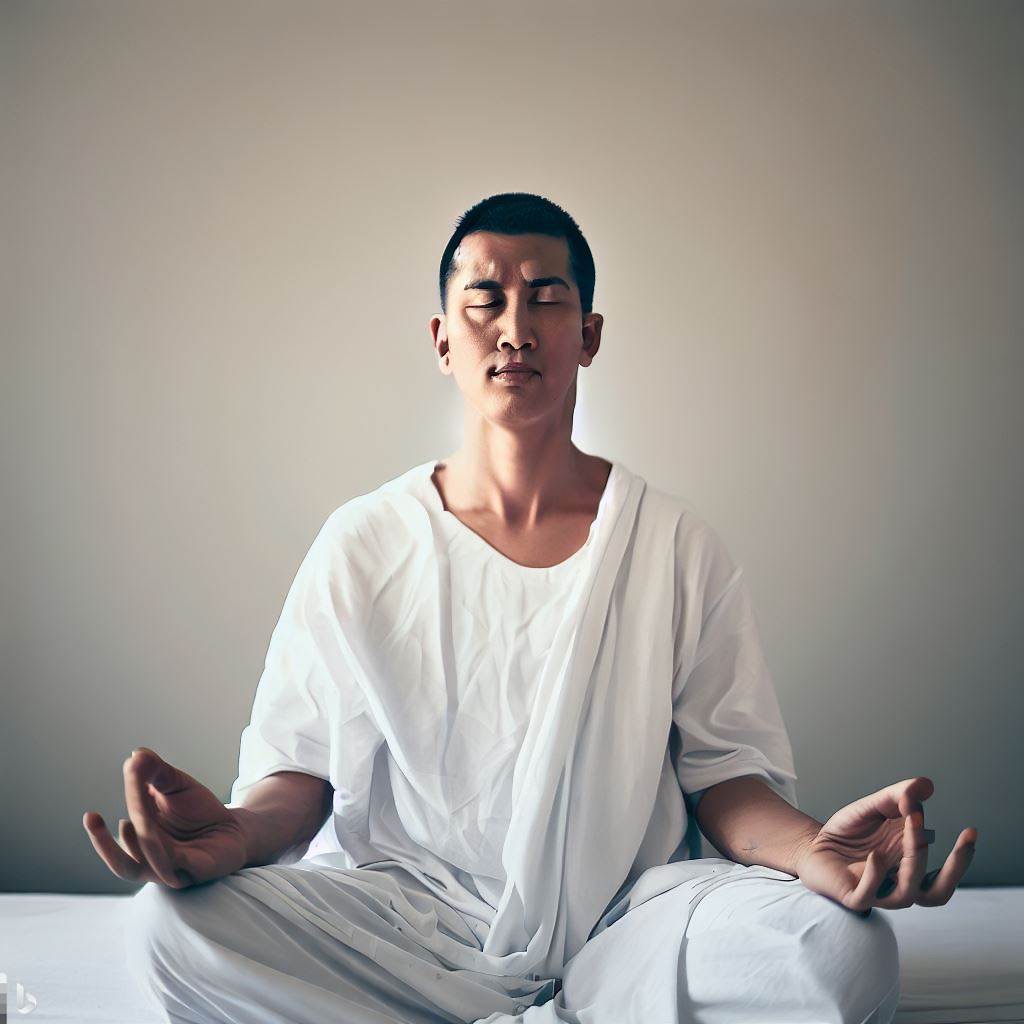
「マインドフルネス」
過去の経験や先入観といった雑念にとらわれることなく、身体の五感に意識を集中させ、「今この瞬間の気持ち」「今ある身体状況」といった現実をあるがままに知覚して受け入れることです。
マインドフルネスの概念は仏教由来
マインドフルネスという言葉を広めた創始者は、米国マサチューセッツ大学医学部の教授で、同大学のマインドフルネスセンター創設所長のジョン・カバットジン博士です。
カバットジン博士はマインドフルネスの定義にあたり、「宗教性の排除」を目指しました。そのことがマインドフルネスに科学の光をあて、医療分野に広がっていくカギとなったとされています。
そもそもマインドフルネスの概念は仏教由来とされ、その考え方は日本では約1500年以上前から存在しています。そのため、日本人には「マインドフルネスと禅はどう違うのか」と混乱する方も多いようです。
マインドフルネスとは「今この瞬間に集中している心の状態」であり、マインドフルネス技法のルーツである禅や仏教瞑想(めいそう)は「マインドフルネス状態になるためのトレーニング法」とも定義できます。つまり、よく知られている数々の瞑想法は、マインドフルネスという心理状態に至る方法である、ともいえるのです。
その効果が少しずつ明らかに
カバットジン博士が提唱して以降、マインドフルネスは多くの医療機関で実践され、またその効果を研究した論文が数多く執筆されました。その結果、マインドフルネスの効果が次第に認知されていくと同時に、米国では多くの瞑想センターが設立され、知的好奇心が旺盛な起業家やアーティストといった人々に取り入れられるようになっていきました。
2000年代に入り、脳科学の発展とともに、マインドフルネスがメンタルヘルスや生産性の向上に効果があることも、科学的に明らかになってきました。
では、マインドフルネスの効果とはどのようなものがあるのでしょうか。
一つ目は身体面。免疫力の改善、血圧の低下、血中コレステロールや血糖値の低下などが検証されており、交感神経と副交感神経のバランスが整い、よく眠れるようになるとされています。
二つ目は精神面です。緊張・うつ状態の緩和、不安の軽減、ストレス耐性の向上が実証されています。
三つ目の脳機能面では、集中力・記憶力が向上し、複数の仕事を並行して進めている状況下でも一つひとつのことに集中することができるようになり、仕事や勉強での質の高いパフォーマンスにつながります。
毎日40分以上の瞑想を何年も続けていた方は、脳の中で知覚・思考・推理・記憶をつかさどる部位である大脳皮質の厚みが増加した、という研究結果もあります。
呼吸から実践してみる
マインドフルネスの効果を実証する論文はたくさん出てきていますが、日本ではまだまだなじみが薄く、「今この瞬間に集中する」と言われても、どうしたらいいのかわからない、という人も多いのではないでしょうか。
マインドフルネスの状態にはどうしたらなれるのか、ここではマインドフルネスの基本とされる「呼吸」を使った呼吸瞑想のやり方のひとつを、簡単にご説明します。
まずは姿勢を整えます。
椅子に浅く座り両足を少し開いて、頭の上から一本の糸で引っ張られているイメージで背筋を伸ばしてください。両手はひざの上に置き、手のひらを上に向け、目を閉じ、体の力を抜いてリラックスします。
次に、ありのままの呼吸を意識します。
基本は鼻から吸って鼻から出す「鼻呼吸」で、いつもの自然な呼吸を心がけてください。鼻から流れる空気とおなかの膨らみに意識を集中してください。
雑念がわいたことに気づいたら、呼吸に注意を戻してください。
瞑想を行う場所ですが、睡眠を連想させる自宅のベッドや布団、ソファなどは避け、それ以外の場所で自分が安心できる場所を選ぶことが理想です。
時間は、最初は短くても構いません。短くても毎日決まったルーチンワークの中に取り入れて、継続していくことが大切です。慣れてきたら毎日20分~30分を目指してみてください。
姿勢を正して呼吸に集中することによって思考の乱れが鎮まり、過去の苦しい体験や未来への不安から離れる時間を増やすことができます。
1日に3万回程度している呼吸。そのほとんどが無意識に行われています。
日々忙しく、交感神経が優位になりがちな現代人の多くは、呼吸が浅くなりがちで、自分らしいパフォーマンスが発揮しづらい状態に陥っているともいわれています。
だからこそ、まずは「呼吸に意識を向けること」から始めることが重要です。
呼吸と姿勢でウェルビーイングに
呼吸は、無意識のもとに休むことなく働く自律神経を、意識的にコントロールできるたったひとつの方法です。呼吸を深くゆっくりすることで、副交感神経を働かせ、気分を落ち着かせることも可能です。
みなさんも、緊張した時には「深呼吸」をしたり、ストレスを感じた時には「ため息」をついたりしていませんか? 実はこの行動も、呼吸と自律神経の関係から説明することが可能なのです。
少し間を置いて、過去や未来にとらわれず、息を吐くこと、吸うことに意識を向けるようにする呼吸は、瞑想やマインドフルネスに代表される「今ここに意識を向ける」簡単なテクニックでもあり、アンチエイジング的、予防医学的な観点からも人生を豊かにする取り組みといえます。
呼吸は、吸うときは交感神経、吐く時は副交感神経に支配されています。自律神経は自分の意思で動かすことができないものですが、呼吸法によってある程度支配することができます。
吐く息を吸う息よりも長くすると、副交感神経を優位にすることができるので、緊張しているときやリラックスしたいときはぜひ、吐くことに意識を集中してみてください。
“Mindfulness”
Rather than being bogged down by distractions such as past experiences or preconceived notions, we focus on the five senses of our bodies, and perceive and accept reality as it is, such as our feelings at this moment and our current physical situation.
The concept of mindfulness comes from Buddhism
The person who popularized the term “mindfulness” is Dr. Jon Kabat-Zinn, a professor at the University of Massachusetts Medical School and founding director of the university’s Mindfulness Center.
In defining mindfulness, Dr. Kabat-Zinn aimed to “eliminate religiosity.” This is said to be the key to shedding scientific light on mindfulness and spreading it into the medical field.
The concept of mindfulness is said to originate from Buddhism, and the idea has been around in Japan for over 1,500 years. For this reason, many Japanese people seem to be confused about the difference between mindfulness and Zen.
Mindfulness is a state of mind that is focused on the present moment, and the roots of mindfulness techniques, such as Zen and Buddhist meditation, are also said to be training methods for achieving a state of mindfulness. Can be defined. In other words, many well-known meditation methods can be said to be ways to reach the psychological state of mindfulness.
The effect becomes clear little by little
Since Dr. Kabat-Zinn proposed mindfulness, it has been practiced in many medical institutions, and many papers have been written researching its effects. As a result, the benefits of mindfulness became increasingly recognized, and at the same time many meditation centers were established in the United States, and it began to be adopted by intellectually curious entrepreneurs and artists.
In the 2000s, with the development of brain science, it has become scientifically clear that mindfulness is effective in improving mental health and productivity.
So, what are the effects of mindfulness?
The first one is physical. It has been proven to improve immunity, lower blood pressure, lower blood cholesterol and blood sugar levels, and is said to balance the sympathetic and parasympathetic nerves, helping you sleep better.
The second is the mental aspect. It has been proven to relieve tension and depression, reduce anxiety, and improve stress tolerance.
Thirdly, in terms of brain function, concentration and memory have improved, allowing you to concentrate on each task even when you are working on multiple tasks at the same time, and improving the quality of your work and study. This leads to high performance.
Research has shown that people who meditated for 40 minutes or more every day for many years experienced an increase in the thickness of their cerebral cortex, the part of the brain that is responsible for perception, thinking, reasoning, and memory.
Try practicing with breathing
Although many papers have been published demonstrating the effects of mindfulness, it is still relatively unfamiliar in Japan, and many people may not know what to do even if they are told to “focus on the present moment.” Is it not?
How can you achieve a state of mindfulness? Here we will briefly explain one method of breathing meditation that uses “breathing,” which is the basis of mindfulness.
[STEP1]
First, adjust your posture.
Sit shallowly in a chair, spread your legs slightly apart, and stretch your back by imagining that a string is being pulled from above your head. Place your hands in your lap, palms facing up, close your eyes, and relax your body.
[STEP2]
Next, focus on breathing as you are.
The basics are “nasal breathing,” in which you inhale through your nose and exhale through your nose, and try to breathe normally. Concentrate on the air flowing through your nose and the swelling of your belly.
[STEP3]
When you notice your thoughts wandering, return your attention to your breathing.
Ideally, you should avoid places like your bed, futon, or sofa that are associated with sleep, and choose a place where you feel safe while meditating.
The time can be short at first. It is important to incorporate this into your daily routine, even if it is short, and continue to do so. Once you get used to it, try aiming for 20 to 30 minutes every day.
By correcting your posture and focusing on your breathing, you can calm your thoughts and give yourself more time to distance yourself from past painful experiences and worries about the future.
We breathe approximately 30,000 times a day. Most of this is done unconsciously.
It is said that many people today, who are busy every day and whose sympathetic nervous system tends to dominate, tend to have shallow breathing, making it difficult to perform in a way that suits them.
That’s why it’s important to start by focusing on your breathing.
Improve your well-being through breathing and posture
Breathing is the only way to consciously control the autonomic nervous system, which works without rest in an unconscious state. By breathing deeply and slowly, you can activate the parasympathetic nervous system and calm your mood.
Don’t you all take deep breaths when you’re nervous or sigh when you feel stressed? In fact, this behavior can also be explained from the relationship between breathing and the autonomic nervous system.
Breathing, where you pause for a moment and focus on breathing out and breathing in without worrying about the past or future, is a simple technique to “focus your attention on the here and now,” as exemplified by meditation and mindfulness. Therefore, it can be said to be an effort to enrich lives from an anti-aging and preventive medicine perspective.
Breathing is controlled by the sympathetic nervous system when we inhale, and the parasympathetic nervous system when we exhale. The autonomic nervous system cannot be controlled by one’s will, but it can be controlled to some extent through breathing techniques.
If you make your exhalation longer than your inhalation, your parasympathetic nervous system will become dominant, so if you’re feeling nervous or want to relax, try focusing on your exhalation.