UA-135459055-1

密教法具の一種である金剛杵について About Vajrayana, a type of esoteric Buddhist tool

密教法具の一種である金剛杵について


金剛杵(こんごうしょ)は、密教の儀式のときに使用する仏具であり、真言宗・天台宗・禅宗の日本仏教で修法のときに使用します。インドのヒンドゥ教の雷神インドラが持っていたといわれ、神話上の武器がモチーフにもなっています。その種類や効果についてご紹介します。

法具の意味

法具の意味のサムネイル画像

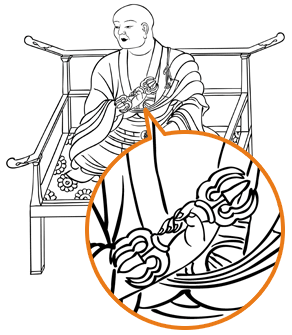
金剛杵は仏像や肖像画で弘法大師空海の右手に握られた仏具なので、見たことがあるという方も多いです。金剛は、ダイヤモンドのような非常に硬い物質(金剛石)を意味しており、人間の心の中の煩悩を打ち砕くと考えられています。


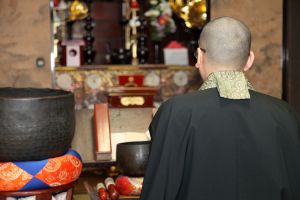
密教法具の金剛杵の使い方は、真言密教の秘儀とされているため仏門にはいり、阿闍利(あじゃり)から伝授されます。一般の方が使う場合は、精神統一をしながら、それを両手で包みこむように持ってください。自分の意識と肉体とが統一されることをイメージします。


もし、雑念が起きた場合は金剛杵で切る真似をすることで、雑念を切るができると考えられています。基本的な利用方法は誰でもすぐに行うことができます。精神統一をしたいときに、利用することで集中力を高めることもできます。

金剛杵は密教仏具の一種ですが、お守りや厄除けの効果があるため、アクセサリーで身に着けている方やインテリアの置物として自宅に飾っている方も多いです。「願いを実現する強力な力」があると考えられており、身近に置いておく方が多いです。


私たちが信じているお守りのように、願いをかなえてくれるアイテムですから私たちの身近で使用することができます。スピリチュアルなどを信じている方でしたら、パワーストーンのような感覚で使用することができます。


寺ガールといわれている趣味の人におすすめのアイテムですし、非常に力強く縁起も良い効果があるならお部屋のインテリアにも取り入れやすいです。種類も多いため、気になった金剛杵を身近に置いて願いをかなえてみましょう。

金剛杵は、「鈷」の本数によって呼称が変わるためデザインも異なります。刃が1本のものが独鈷杵(どっこしょ)と言い、念仏を唱えて祈りを捧げる人が仏様と一体になることを表現しています。刃の数は奇数のみになっています。


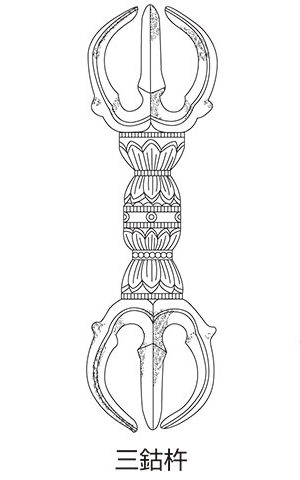
他に、刃が3本のものは三鈷杵(さんこしょ)で、祈る人の三業が、仏の三密にそのまま通ずることを表しているのが特徴です。刃が5本のものは五鈷杵(ごこしょ)と言い、五智が本来一体であることが、シンメトリーな形になっています。


片側だけ刃の代わりに鈴の形になっているものを金剛鈴と言い、修法の時に神仏と一体化になるために鳴らすものです。柄に鬼の顔の飾りがついた鬼面金剛杵があったり、金剛杵天珠など金剛杵の形によって危険や災厄を打ち払う魔除けといった意味を付加しています。

金剛杵(こんごうしょ、サンスクリット語वज्र vajra ヴァジュラ、ヴァジラ[要出典]チベット語རྡོ་རྗེワイリー方式rdo rje ドルジェ)は、日本仏教の一部宗派(天台宗真言宗禅宗[1]チベット仏教の全宗派で用いられる法具

仏の教えが煩悩を滅ぼして菩提心悟りを求める心)を表す様を、インド神話上の武器に譬えて法具としたものである。


About Vajrayana, a type of esoteric Buddhist tool


Kongosho is a Buddhist tool used during esoteric Buddhist rituals, and is used during Buddhism in Shingon, Tendai, and Zen Buddhism. It is said to have been possessed by Indra, the Hindu thunder god of India, and has a mythical weapon as a motif. Introducing the types and effects.

Meaning of legal tools

Many people have seen the Vajra because it is a Buddhist tool held in the right hand of Kobo Daishi Kukai in Buddhist statues and portraits. Kongo means a very hard substance (golden stone) such as diamond, and is thought to crush the anxieties in the human mind.


Since the usage of the esoteric Buddhist esoteric Buddhist esoteric Buddhism is considered to be the mystery of Shingon esotericism, it is taught by Acharya when he enters the Buddhist gate. When used by the general public, hold it with both hands while unifying the spirit. Imagine that your consciousness and body are unified.


If you have any thoughts, it is thought that you can cut them by imitating cutting with a Vajra. Anyone can do the basic usage immediately. When you want to unify your mind, you can use it to improve your concentration.


Vajrayana is a type of esoteric Buddhist esoteric Buddhist esoteric Buddhist esoteric Buddhist esoteric Buddhist esoteric Buddhist esoteric Buddhist esoteric Buddhist esoteric Buddhist esoteric Buddhist esoteric Buddhist esoteric Buddhist esoteric Buddhist esoteric Buddhism. It is thought that there is “a powerful power to realize wishes”, and many people keep it close to them.


Like the amulet we believe in, it is an item that fulfills your wishes, so you can use it close to us. If you believe in spirituality, you can use it like a gemstone.


This item is recommended for people who have a hobby called a temple girl, and if it is very powerful and has a good auspicious effect, it is easy to incorporate it into the interior of the room. There are many types, so let’s put the Vajra that you are interested in close to you and make your wish come true.

seed

The design of the Vajra is different because the name changes depending on the number of “鈷”. The one with one blade is called Dokkosho, which expresses that the person who sings the Nembutsu and prays becomes one with the Buddha. The number of blades is only odd.


In addition, the one with three blades is Sankosho, which is characterized by the fact that the three works of the prayer can be directly connected to the Three Cs of the Buddha. The one with five blades is called Gokosho, and the fact that Gochi is originally one is a symmetric shape.


The one that has a bell shape instead of a blade on only one side is called a Kongo bell, and it rings to become one with the gods and Buddha during the training. There is a demon-faced Vajra with a demon’s face decoration on the handle, and the shape of the Vajra, such as the Vajra pearl, adds the meaning of a talisman to dispel danger and disaster.

Kongosho, Sanskrit: वज्र vajra Vajra, Vajra [Source], Tibetan: རྡོ་ རྗེ; Wiley method: rdo rje ] And the legal tools used in all denominations of Tibetan Buddhism.

The Buddhist teachings destroy the worldly desires and express the bodhicitta spirit (the spirit of seeking enlightenment), which is likened to a weapon in Indian mythology.


今日の運勢  6月11日  Today’s fortune June 11th

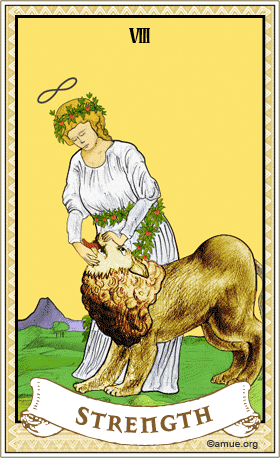
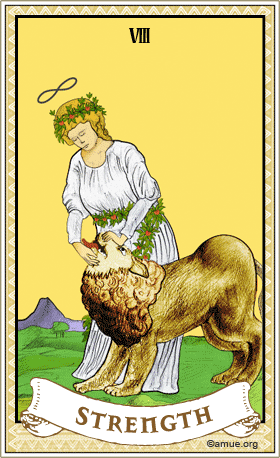
剛毅、もしくは力
正位置・・・勇気。自己犠牲。念力。インスピレーション。不可能を成し遂げる力。常識や社会通念の打破。偉大な精神的指導力。忍耐。努力と忍耐による愛の勝利。理想へ向かう。相手の醜い欲望をなくさせる。危険を恐れない勇気をもつなら計画を実行に移すことが出来る。
逆位置・・・獣性や強いものに負ける。常識や法に負ける。力の乱用。忍耐の欠如。弱さ。チャンスを逃がす。
ウェイト解説
正位置・・・力。エネルギー。行動。勇気。寛大。完全な成功と名誉。
逆位置・・・独裁。力の乱用。弱さ。不一致。時には不名誉。

三碧木星の日
 望み事を持った人が来訪する。思い掛けない事が起こる。善因善果。神、親、社会、衆生、物のご恩をかみしめ精神本位で行動すべき日 今まで9日間の行動の善悪によって思いがけない吉凶が生じま

心身共に安定した日。
突発的な出来事や急な感情の変化とは無縁の日なので、自然体でリラックスした時間を持つことができるでしょう。
焦らずゆったり構えていれば、幸運は向こうからやってきます。

Tsuyoshi or power
Positive position … Courage. Self-sacrifice. Psychokinesis. Inspiration. The power to accomplish the impossible. Breaking down common sense and common sense. Great spiritual leadership. Patience. Victory of love through effort and patience. Go to the ideal. Eliminate the ugly desires of the other party. If you have the courage to not be afraid of danger, you can put the plan into practice.
Reverse position: Loses to beasts and strong ones. Lose to common sense and law. Abuse of force. Lack of patience. weakness. Miss the chance.
Weight commentary
Normal position … force. energy. Action. courage. Generous. Complete success and honor.
Reverse position … dictatorship. Abuse of force. weakness. Mismatch. Sometimes disgraceful.

Three blue Jupiter day
A person with a desire visits. Something unexpected happens. Good cause and good effect. The day when we should act in a spiritual manner with the grace of God, parents, society, sentient beings, and things.

A day when both body and mind are stable.
It’s a day free from sudden events and sudden emotional changes, so you’ll have a natural and relaxing time.
If you don’t rush and hold yourself relaxed, good luck will come from the other side.

4GスマートウォッチメンズAndroid2.4インチスクリーンフェイスID2000mAh 3GB32GBデュアル8MPカメラGPSBluetooth 2020 (黒)

新品価格
¥15,900から
(2021/6/11 06:17時点)

密教 法 密教法具 Esoteric Buddhism Esoteric Buddhism Tools


密教法具の種類

「密教法具」は密教の儀式で使われる仏具の総称で、「金剛杵」(こんごうしょ)「金剛鈴」(こんごうれい)などがあります。


【金剛杵】(こんごうしょ)とは

サンスクリット語で「ヴァジュラ(ヴァジラ とも)」といい、もともとは古代インドの神々が持つ武器でした。
この武器を「煩悩を打ち払う菩提心(ぼだいしん)」のシンボルとして、密教法具に取り入れました。

中央に柄があり、尖った部分は槍の刃で、刃の数により名称が違います。

刃が1本のもの 独鈷杵(どっこしょ)
刃が3本のもの 三鈷杵(さんこしょ)
刃が5本のもの 五鈷杵(ごこしょ)

【金剛鈴】(こんごうれい)とは

金剛杵の片側が鈴の形になったものを、金剛鈴といいます。
金剛鈴も、金剛杵と同様に「独鈷鈴(とっこれい)」「三鈷鈴(さんこれい)」「五鈷鈴(ごこれい)」といった種類があります。

仏教美術と密教法具

空海と金剛杵

一番有名な空海の肖像画をご存知ですか?
あの絵には、左手にお数珠、右手に何かを持った空海の姿が描かれていますね。
空海が右手に持っているものが、金剛杵なのです。

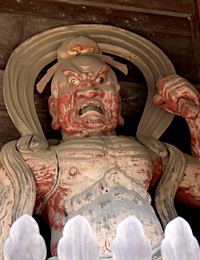
金剛力士像

独鈷杵をもつ金剛力士像お寺の入り口で見かける「金剛力士像」も、金剛杵と深い関わりがあります。
金剛力士はサンスクリット語で「ヴァジュラダラ」。
ヴァジュラ(=金剛杵)+ダラで「金剛杵を持つもの」という意味なのです。
お寺の入り口で見かけたときには、ぜひ手に持っている金剛杵を確認してみましょう。

ブータン王国の国章

チベット仏教を国教とする唯一の国家 ブータン王国の国章には、1対の雷龍、蓮の花、そして中央に十字に組み合わされた金剛杵が描かれています。

密教法具の使い方

密教法具(金剛杵・金剛鈴など)の使い方については真言密教の秘儀とされています。仏門にはいり、阿闍利(あじゃり)から伝授されるものです。

でも、「煩悩を打ち払う菩提心(ぼだいしん)」のシンボルという意味合いから、金剛杵を仏具・密教儀式の道具ではなく、お守り・厄除けとして身に付けたり、自宅に飾る人もみられます。

密教法具 紹介

今日の運勢 6月10日 Today’s fortune June 10


太陽
正位置・・・幸運。成功。物質的にも幸福な姿。到達。獲得。幸福な結婚。恋愛の成熟。情熱。出産。期待した妊娠。繁栄。有名人。人気。出世。再会。仲直り。生命力。古い観念にとらわれない人物。自然児。大自然。南国への旅。新婚旅行。
逆位置・・・結婚生活のトラブル。婚約破棄。仕事上や家庭内の損失。中絶。流産。難産。孤独。独裁。わがままからくる人間関係の失敗。
ウェイト解説
正位置・・・物質的な幸福。幸運な結婚。満足。
逆位置・・・正位置と同じだが、意味が弱くなる。

二黒土星の日
仕事の事、旅行の事、病人の事、などが出やすい日。こみいった事が多い。いそがしい割に成果は少ない。 短慮は禁物。いやな仕事も進んで引き受ける位の気持ちが大切

気持ちが不安定で、体調もすぐれないことが多い日。
ネガティブな感情にとらわれやすく、病気や怪我を招いてしまうことも。
メンタルの不安定さから甘言に騙される心配も。
どんなにうまい話でもこの日に決断するのは避けましょう。

Sun
Positive position … Good luck. success. A physically happy figure. Reached. Acquired. Happy marriage. Maturity of romance. passion. birth. Expected pregnancy. prosperity. Celebrity. Popular. Advancement. Reunion. Reconciliation. Vitality. A person who is not bound by old ideas. Natural child. Nature. A trip to a tropical country. Honeymoon.
Reverse position: Trouble in marriage. Engagement abandoned. Loss at work or at home. abortion. abortion. Difficult delivery. Solitude. Dictatorship. The failure of selfish relationships.
Weight commentary
Positive position … Material happiness. Lucky marriage. Satisfied.
Reverse position: Same as normal position, but the meaning is weaker.

Nikuro Saturn Day
A day when work, travel, sick people, etc. are easy to come out. There are many things that are complicated. Although it is busy, there are few results. Don’t be short-sighted. It’s important to be willing to take on unpleasant work

Days when feelings are unstable and often unwell.
It is easy to get caught up in negative emotions and can lead to illness and injury.
There is also concern that you will be fooled by sweet words due to mental instability.
Avoid making decisions on this day, no matter how good the story.


SOY Concept ( ソイコンセプト ) ヴィーガン プロテインバー 高タンパク 低カロリー 植物性 自然派 ナチュラル 大豆プロテイン 大豆イソフラボン配合 国産 素材にこだわる8つのFREE (1箱12本入(アーモンド))

新品価格
¥3,240から
(2021/6/10 09:05時点)

チベット密教 Tibetan Buddhism

チベット密教

チベット仏教は、所作タントラ、 行タントラ瑜伽タントラ無上瑜伽タントラなど初期密教から後期密教にいたる密教経典と、それに基づく行法を継承している。

漢地ではモンゴル系のの朝廷内でチベット系の密教が採用され、支配者階級の間でチベット密教が流行した。漢民族王朝のにおいてもラマ僧を厚遇する傾向があったが、満州民族王朝のに至って、王室の帰依と保護によってチベット仏教は栄え、北京の雍和宮など多くのチベット仏教寺院が建立された。ただし、漢地におけるチベット仏教の存在が当時の中国人社会にどの程度の影響力を持ったかについては十分な解明がなされていない[28]

チベット動乱や、特に文革期に激烈であった中国共産党による宗教弾圧を乗り越えて、チベット自治区やチベット人を中心に現在もチベット密教の信仰が続いている。文革終了後の中国大陸では、漢人の間でもチベット密教(蔵密)が流行。法輪功問題を契機に気功がブーム終息した頃、チベット密教の行法を信仰から切り離して気功法として行う「蔵密気功」が各地で宣伝された[29]台湾の仏教にはチベット密教も伝わっており、清朝末期に創設された「西蔵学会」もある。モンゴルでは中世のモンゴル帝国でチベット仏教が国教であった流れから、現在までチベット密教の信仰が続いている。カンボジアアンコール朝にも密教は伝来しており、密教で用いられる祭具や、特にヘーヴァジュラを象った銅像や祭具が出土している。

欧米での展開も起き、チベットにおける1950年から1951年のチベット侵攻 から1959年のチベット動乱という大混乱の後は、ダライ・ラマ14世をはじめとする多くのチベット僧がチベット国外へと出て活動したことにより、ヨーロッパや米国で広範囲に布教がなされるようになり、欧米の思想界にもさまざまな影響を与えた。アメリカ合衆国ニューヨークでは、ダライ・ラマ14世と親交のあるロバート・サーマンにより1987年にチベットハウスが設立・運営され、チベット密教も含めチベットの思想や文化が広報されている。その経緯から、欧米諸国で Esoteric Buddhism と言う場合には、主にチベット密教を指す。


チベット仏教(チベットぶっきょう)は、チベットを中心に発展した仏教の一派。根本説一切有部律の厳格なに基づく出家制度、仏教の基本である四聖諦の教えから[1]大乗顕教の諸哲学や、金剛乗密教までをも広く包含する総合仏教であり、独自のチベット語訳の大蔵経を所依とする教義体系を持つ。中国、日本、チベットなどに伝わる北伝仏教[2]のうち、漢訳経典に依拠する東アジア仏教と並んで、現存する大乗仏教の二大系統のひとつをなす。

教義としては、智慧方便を重視する。インド後期密教の流れを汲む無上瑜伽タントラが実践されている。ニンマ派カギュ派サキャ派ゲルク派の4宗派が存在するが、いずれも顕教と密教の併修を柱とする。7世紀から14世紀にかけて、インドから仏教が直接チベットに伝来したので、インド仏教の伝統が途絶える寸前の時代に伝来した後期密教が継承されている。


特徴

密教に限らず、中期・後期中観派の著作・思想なども含め、総じて8世紀以降の、イスラーム勢力の台頭によって中国にまで伝達されにくくなった(そしてやがて滅ぼされることになる)インド大乗仏教の系譜を、ヒマラヤ山脈を挟んで目と鼻の先という地の利を活かし、(ネパールのネワール仏教を除けば)事実上世界で唯一継承してきた。

中国中央アジアの仏教との相互影響は、その地理的な隣接に比して、比較的弱いといえる。一方、特にニンマ派や民間信仰のレベルではチベット独自の要素も見られるが、チベットでは仏教を取り入れるにあたって、サンスクリット語の原典からチベット語へ、原文をできるだけ意訳せず、そのままチベット語に置き換える形の逐語訳で経典を翻訳したため、チベット語の経典は仏教研究において非常に重要な位置を占める。

特に密教については、中国仏教では漢訳経典を通じて主に前期・中期密教が伝えられ、後期密教の漢訳と受容は限定的であったのに対し、チベット仏教は8世紀-12世紀にかけて後期密教無上瑜伽タントラ等)の教えを中心としたインド密教を広範に受け入れ、独自に消化した点にも大きな特徴がある。


基盤となる顕教の教え

タシルンポ寺の大弥勒殿(典型的なチベット仏教寺院)

エンドレス・ノットの意匠は象徴のひとつ

どの宗派においても、一切有情が本来持っている仏性を「基」とし、智慧空性を正しく理解すること)と方便(信解・菩提心・大慈悲などの実践)の二側面を重視し、有情が大乗菩薩となり六波羅蜜を「道」として五道十地の階梯を進み、「果」として最終的に仏陀の境地を達成することを説く。哲学的には龍樹の説いた中観派の見解を採用しており、僧院教育の現場においては、存在・認識についての教学・論争による論理的思考能力と正確な概念知の獲得を重視している。その思想の骨格となる重要な論書としては、シャーンティデーヴァの著した『入菩薩行論』 (Bodhisattvacaryāvatāra)、マイトレーヤの著した『究竟一乗宝性論』 (Uttaratantra Śāstra) と『現観荘厳論』 (Abhisamayālamkāra) などがあるほか、アティーシャ(アティシャ)が伝えたとされるロジョン(blo sbyong, 和訳:心の訓練法)の教えが重視され、全宗派で修習されている。

密教的実践

また、仏陀の境地を速やかに達成するための特別な方便として、各宗派においてインド後期密教の流れを汲む無上瑜伽タントラの実践が行われている。一般的に新訳派では無上瑜伽タントラを、本尊の観想を中心とした生起次第を重視する父タントラ、身体修練によって空性大楽の獲得を目指す究竟次第を重視する母タントラ、それらを不可分に実践する不ニタントラの三段階に分類する。密教の最奥義に相当するものにはニンマ派ゾクチェン(大究竟)、サキャ派ラムデ(道果)、カギュ派マハームドラー(大印契)などがあり、各派に思想的特徴が見られる。

これら顕密併習の修道論として、最大宗派のゲルク派にはツォンカパの著した『菩提道次第』(ラムリム)と『秘密道次第論』(ンガクリム)があるが、各宗派においてもそれらとほぼ同種の修道論が多数著されている。

無上瑜伽タントラの実践においては、タントラ文献の記述や後述のヤブユムのイメージなどから、一部でセックスを修行に取り入れているという道徳的観点からの批判もあるが、これは在家密教修行者集団内でのことである。中世にはカダム派英語版を中心とした出家者集団の復興が行われて以降、性的実践を行なわずに密教を修行する傾向が強まった(後述)。その影響が各派に及び、現在の出家僧団においてはあくまで観念上の教義として昇華され、なおかつ一般の修行と教学を修得した者のみに開示される秘法とされた。このような呪術的、性的な要素については、出家僧団内においては実際的な行法としては禁止されたものの、その背景にある深遠な哲学自体は認められたため、教学および象徴的造形としては残されたということに留意すべきである。現在では顕教を重視するゲルク派が最大宗派となっていることからも、全体として密教的な修行法よりも、「教理問答」のような言語的コミュニケーションと、仏教教学の厳密な履修が重要視される傾向が高まっているといえる。

信仰形態

チベット仏教の僧侶(ルムテク僧院・シッキム

現在、大きく分けて4宗派が存在するが、いずれも顕教と密教の併修を柱とする点では共通し、宗派間の影響を及ぼしあって発展してきたこともあって、各宗派の信仰形態に極端な差異は無くなっている。

恐ろしい形相を表す忿怒尊(ヘールカ)や、男女の抱擁する姿を表すヤブユムが特徴的であり、これらがことさらクローズアップされがちであるが、他にも阿弥陀如来十一面観音文殊菩薩といった、大乗仏教圏では一般的な如来菩薩も盛んに信仰されている。を中心に独自の発展を遂げた中国の仏教では廃れてしまった仏が、日本(特に奈良・平安系仏教)とチベットでは共通して信仰され続けているケースも多い。一方、最高位の仏としてチベットでは釈迦如来大日如来よりも、後期密教の特徴である本初仏を主尊とする点が独特である。ターラー仏母やパルデン・ラモ(忿怒形吉祥天)といった女神が盛んに信仰されることも特徴的である。

文化面では、タンカと呼ばれる仏画の掛軸や砂曼荼羅、楽器を用いた読経などが有名である。民間の信仰形態として特徴的なものは、マニ車タルチョー(経旗)、鳥葬などが挙げられる。また、観音菩薩真言である六字真言が盛んに唱えられる。

諸国への伝播

チベット仏教はチベット本国だけでなく、チベットからの布教により仏教を受け入れた諸民族の間で広く信仰される。チベット系民族では国連加盟国のブータンの他、インドシッキム州ラダック地方、アルナーチャル・プラデーシュ州メンパ族ネパール北部ヒマラヤ地帯のムスタンドルポシェルパ族、タマン族など、またチベット系以外ではモンゴル国中国領南モンゴル(内モンゴル自治区)モンゴル人ロシア連邦内のブリヤート人(モンゴル系)やカルムイク人(同)、トゥバ人(モンゴルの影響が強いテュルク系)といったモンゴル文化圏でも支配的な宗教であった。他に満州族ナシ族族などが伝統的にチベット仏教を信仰してきた。満州族から出た清朝の影響で、北京五台山東北部(満州)など中国北方にもチベット仏教寺院がある。また、中国においては明朝の11代皇帝である正徳帝も即位直後からチベット仏教に傾倒し、「豹房」という邪淫の寺を作ってラマ僧らと秘技に明け暮れていたとの記録がある。

モンゴルは伝統的にチベット仏教第二の中心地であるが、チベット仏教の直輸入的なものであって、地域的な特色はあっても「モンゴル仏教」として区別するほど独立的な要素は強くない。チベットにおける宗派がそのままモンゴルにも存在し、近代化以前はモンゴルからチベットへの留学が盛んに行われていた。他方、ネパールでは北部のチベット系民族にチベット仏教が信仰され、さらに近年では中央部でもチベット仏教の進出が見られるが、元来中央部のネワール族などの間にはチベット仏教とは異なる独自の大乗仏教の系譜が伝えられている。


四大宗派

ニンマ派カギュ派サキャ派ゲルク派を、チベット仏教の四大宗派と呼ぶ。

Tibetan Buddhism

Tibetan Buddhism inherits the esoteric Buddhist scriptures from early esoteric Buddhism to late esoteric Buddhism, such as the tantra, the tantra, the tantra, and the Anuttarayoga tantra, and the practices based on them.

In Hanchi, Tibetan esoteric Buddhism was adopted in the former Mongolian imperial court, and Tibetan esoteric Buddhism became popular among the rulers. Even in the Ming Dynasty of the Han dynasty, there was a tendency to treat lamas priests, but in the Qing dynasty of the Manchu dynasty, Tibetan Buddhism prospered due to the devotion and protection of the royal family, and many Tibetan Buddhist temples such as the Lama Temple in Beijing were built. It was. However, the extent to which the existence of Tibetan Buddhism in Hanchi had an influence on Chinese society at that time has not been fully elucidated [28].

Overcoming the Tibetan turmoil and the religion crackdown by the Chinese Communist Party, which was particularly fierce during the Cultural Revolution, the Tibetan Buddhist religion continues to this day, especially in the Tibetan Autonomous Region and Tibetans. Tibetan esoteric Buddhism (Kuraden) is popular among Han Chinese in mainland China after the Cultural Revolution. Around the end of the Qigong boom triggered by the Falun Gong issue, “Kuramitsu Qigong,” which separates the practice of Tibetan esoteric Buddhism from faith and practices it as Qigong, was advertised in various places. [29] Tibetan esoteric Buddhism is also transmitted to Buddhism in Taiwan, and there is also the “Saizo Society” founded in the late Qing dynasty. In Mongolia, the belief in Tibetan esoteric Buddhism continues from the flow that Tibetan Buddhism was the national religion in the medieval Mongol Empire to the present. Esoteric Buddhism has also been introduced in the Angkor dynasty in Cambodia, and esoteric Buddhist esoteric Buddhist esoteric Buddhist esoteric Buddhist esoteric Buddhist esoteric Buddhist esoteric Buddhist esoteric Buddhist esoteric Buddhism have been excavated.

After the turmoil of the Tibetan invasion of Tibet from 1950 to 1951 to the Tibetan turmoil of 1959, many Tibetan monks, including the 14th Dalai Lama, went out of Tibet. Through his activities, he became widely spread in Europe and the United States, and had various influences on the Western ideological world. In New York, USA, the Tibetan House was established and operated in 1987 by Robert Thurman, who has a close relationship with the 14th Dalai Lama, and the ideas and culture of Tibet, including Tibetan esoteric Buddhism, are publicized. For that reason, when we say Esoteric Buddhism in Western countries, we mainly refer to Tibetan esotericism.


Tibetan Buddhism (Tibetan Buddhism) is a Buddhist sect that developed around Tibet. It is a comprehensive Buddhism that broadly covers the priesthood system based on the strict rules of the Aribe law, the teachings of the Four Noble Truths, which is the basis of Buddhism [1], the philosophies of Mahayana, and the esoteric Buddhism of Kongo. , Has its own esoteric system based on the Tibetan translation of the Okura Sutra. Among the Northern Buddhisms [2] that have been handed down in China, Japan, Tibet, etc., along with East Asian Buddhism that relies on the Chinese translation scripture, it is one of the two major systems of Mahayana Buddhism that still exist.

The doctrine emphasizes wisdom and expedients. Anuttarayoga Tantra, which follows the tradition of late Indian esoteric Buddhism, is practiced. There are four denominations, Nyingma, Kagyu, Sakya, and Gelug, all of which focus on the combined practice of esoteric Buddhism and esoteric Buddhism. Since Buddhism was introduced directly from India to Tibet in the 7th and 14th centuries, it inherits the late esoteric Buddhism that was introduced at a time when the Indian Buddhist tradition was about to cease.


Features

Not only esoteric Buddhism, but also the writings and ideas of the mid- and late Madhyamaka, the rise of the Islamic forces after the 8th century made it difficult (and eventually destroyed) to be transmitted to China. It has inherited the genealogy of the world virtually the only one in the world (except for Newar Buddhism in Nepal), taking advantage of the location just a stone’s throw from the Himalayas.

Mutual influence with Buddhism in China and Central Asia is relatively weak compared to its geographical adjacency. On the other hand, especially at the level of Nyingma and folk beliefs, there are some elements unique to Tibet, but in Tibetan, when incorporating Buddhism, the original Sanskrit text is translated into Tibetan as much as possible, and the original text is replaced with Tibetan as it is. The Tibetan scriptures occupy a very important position in Buddhist studies because they were translated verbatim.

Especially for esoteric Buddhism, in Chinese Buddhism, early and middle esoteric Buddhism was mainly transmitted through the Chinese translation scripture, and the Chinese translation and acceptance of late esoteric Buddhism was limited, while Tibetan Buddhism was late esoteric Buddhism from the 8th to the 12th centuries. Another major feature is that it widely accepted Indian esoteric Buddhism centered on the teachings of (Anuttarayoga Tantra, etc.) and digested it independently.


The teaching of the foundational teaching


Maitreya Temple at Tashilhunpo Monastery (typical Tibetan Buddhist temple)


The endless knot design is one of the symbols

In all denominations, the Buddha-nature inherent in sentient beings is the “base”, and the two aspects of wisdom (correct understanding of emptiness) and expedient (practice of belief, bodhisattva, mahayana, etc.) are emphasized. It is explained that the sentiment becomes a Bodhisattva of Mahayana and advances through the steps of the five roads and ten lands with Rokubaramitsu as the “road” and finally achieves the state of Buddha as the “fruit”. Philosophically, it adopts the view of the Madhyamaka that Tatsuki preached, and in the field of monastery education, it emphasizes the acquisition of logical thinking ability and accurate conceptual knowledge through teaching and controversy about existence and cognition. There is. The important books that form the basis of this idea are “Bodhisattvacaryāvatāra” by Shauntideva, “Ratnagotravibler” (Uttaratantra Śāstra) by Maitreya, and “Abhisamayalan”. 』(Abhisa mayālamkāra), and the teaching of Rojon (blo sbyong, Japanese translation: mental training method), which is said to have been conveyed by Atisha, is emphasized and is practiced in all denominations.

Esoteric practice

In addition, as a special expedient to quickly reach the border of Buddha, each denomination is practicing Anuttarayoga Tantra, which follows the tradition of late Indian esoteric Buddhism. In general, in the new translation school, Anuttarayoga Tantra is divided into the father Tantra, who emphasizes the origin of the idea of ​​the principal image, and the mother Tantra, who emphasizes the research aiming to acquire empty paradise through physical training. It is classified into three stages of non-Nitantra to practice. The mysteries of esoteric Buddhism include the Nyingma Dzogchen, the Sakya Ramde, and the Kagyu Mahamudra. Be done.

The Gelug denominations of the largest denominations include Je Tsongkhapa’s “Bodhisattva Lamrim” (Ramlim) and “Secret Lamrim” (Ngacrim), but they are almost the same in each denomination. Many religious theories have been written.

In the practice of Anuttarayoga Tantra, there are criticisms from the moral point of view that some of them incorporate sex into their training from the description in the Tantric literature and the image of Yab-Yum described later, but this is a group of esoteric Buddhist practitioners. It is within. Since the reconstruction of the priesthood group centered on the Kadam school in the Middle Ages, there has been an increasing tendency to practice esoteric Buddhism without sexual practice (see below). The influence spread to each sect, and in the current priesthood priesthood, it was sublimated as an ideological doctrine, and it was made a secret method that is disclosed only to those who have acquired general training and teaching. Although such magical and sexual elements were prohibited as a practical practice within the Buddhist priesthood, the profound philosophy itself behind them was recognized, so as an academic and symbolic form. It should be noted that it was left behind. Nowadays, the Gelug sect, which emphasizes catechism, is the largest sect, so linguistic communication such as “catechism” and strict study of Buddhist studies are more important than esoteric training as a whole. It can be said that the tendency to be done is increasing.

Form of faith


Tibetan Buddhist monks (Rumtek Monastery, Sikkim)

Currently, there are four major denominations, but all of them have the common feature of co-education of esoteric Buddhism and esoteric Buddhism. The extreme difference is gone.

Heruka, which represents a terrifying appearance, and Yab-Yum, which represents the embrace of men and women, are characteristic, and these tend to be highlighted, but there are also Amida Nyorai, Eleven-faced Kannon, and Manjushri. In the Mahayana Buddhist sphere, the Bodhisattva is also popularly worshiped. In many cases, Buddhism, which has become obsolete in Chinese Buddhism, which has developed independently centered on Zen, continues to be worshiped in common in Japan (especially Nara / Heian Buddhism) and Tibet. On the other hand, as the highest-ranking Buddha, Tibet is unique in that it has the main honor of the Adi-Buddha, which is a characteristic of late esoteric Buddhism, rather than Shaka Nyorai and Dainichi Nyorai. It is also characteristic that goddesses such as Thaler Buddha and Palden Lamo (Kisshoten) are actively worshiped.

In terms of culture, hanging scrolls of Buddhist paintings called tanka, sand mandalas, and sutra chanting using musical instruments are famous. Characteristic forms of folk religion include prayer wheels, prayer flags, and sky burial. In addition, the six-character mantra, which is the mantra of the Kannon Bodhisattva, is actively chanted.

Propagation to countries

Tibetan Buddhism is widely worshiped not only in Tibet’s home country, but also among the peoples who accepted Buddhism through missions from Tibet. Among Tibetan people, in addition to Bhutan, a member of the United Nations, the Monpa people in Sikkim, Radak, Arnachar Pradesh, Mustan in the Himalayan region of northern Nepal, Dolpo, Sherpa, Taman, etc., and Mongolia other than Tibetan people. Dominant in Mongolian cultural spheres such as Mongolians in the country and southern Mongolia (Inner Mongolian Autonomous Region), Buryats (Mongolians) and Karmuiks (same) in the Russian Federation, and Tubans (Turk who are strongly influenced by Mongolia) It was a religion. Others such as Manchu, Nakhi, and Qiang have traditionally worshiped Tibetan Buddhism. Due to the influence of the Qing dynasty from the Manchu people, there are Tibetan Buddhist temples in northern China such as Beijing, Mt. Godai, and northeastern China (Manchuria). In China, the 11th emperor of the Ming dynasty, Zhengde Emperor, was also devoted to Tibetan Buddhism immediately after his coronation, and there is a record that he built an evil temple called “Banbo” and was devoted to secret techniques with lamas.

Mongolia is traditionally the second center of Tibetan Buddhism, but it is a direct import of Tibetan Buddhism, and although it has regional characteristics, it has a strong independent element to distinguish it as “Mongolian Buddhism”. Absent. The sect in Tibet still exists in Mongolia, and before modernization, study abroad from Mongolia to Tibet was popular. On the other hand, in Nepal, Tibetan Buddhism is worshiped by Tibetan people in the north, and in recent years Tibetan Buddhism has also advanced in the central part, but originally among the Newar people in the central part, it is unique and different from Tibetan Buddhism. The genealogy of Mahayana Buddhism is handed down.


Four major denominations

The Nyingma, Kagyu, Sakya, and Gelug denominations are called the four major denominations of Tibetan Buddhism.

Nyingma-meaning “old school” [13]. It is based on the ancient translations of the Tantrics (Nyingma) and the Buried Scriptures (Therma), which are said to have been introduced during the ancient dynasty, with Padmasambava as the ancestor [Note 4].
Kagyu (Kagyu)-Malpa (Chinese version, English version), Milarepa is the ancestor. It is divided into many branches such as Karma, Zerpa Kagyu, Dikun Kagyu, Drukpa, and Phagmodrupa. See the Kagyu section for details.
Sakya-In the Yuan dynasty, the government was established in Tibet, and Sakya Pandita and Kublai Khan’s emperor Pakpa came out.
The Gelug school-Tsongkhapa is the ancestor, and the secret rally Tantra is emphasized. The Dalai Lama and Panchen Lama belong to it. The most mainstream school since the early modern period.
Kadam (English version) (Kadam) -A movement centered on Atisha. The Gelug sect recognizes itself as the successor to this sect. After influencing all four major denominations, the Gelug sect was organized as the New Kadampa Tradition, the Ganden school. Currently this sect does not exist.

今日の運勢  6月9日  Today’s fortune June 9th


世界
正位置・・・最も強く、最も良い意味(78枚のタロットカードの中で…)。目的の達成。念願の成就。結婚。恋愛。職業などの成功。世界一周のような大旅行。完全。成功。人格者。精神の高揚。超能力や霊力の会得。名声。極楽往生。
逆位置・・・挫折。不完全。物質への未練。旅や変革への不安。婚約破棄。
ウエイト解説
正位置・・・約束された成功。報酬。旅。出国。飛行。場所の移動。
逆位置・・・惰性。固定。頑迷。永続。


何かを始めるのに適した日。
リスクのあることや、躊躇していたことにも果敢にチャレンジすることで、良い結果が現れます。
想像力が増し、直感が冴える日なので、全く未知の分野であっても積極的に挑戦してください。


一白水星の日

この日には不遇、失意気味の来訪者が多いものです。自分自身も、憂い事で憂鬱になるものです。 部下や子供の問題も出る。この日は特に陰徳に心がけることが大切です。


world
Positive position … the strongest and best meaning (out of 78 tarot cards …). Achievement of purpose. Fulfillment of long-cherished desire. marriage. love. Success such as profession. A big trip like a round the world. Perfect. success. Personality person. Uplifting spirit. Acquiring supernatural powers and spiritual power. fame. Paradise mortality.
Reverse position … Frustrated. incomplete. Unexplored to the substance. Anxiety about travel and change. Engagement abandoned.
Weight commentary
Positive position … Promised success. Reward. Journey. Departure. Flying. Move location.
Reverse position … inertia. Fixed. stubbornness. Permanent.


A good day to start something.
Good results can be achieved by boldly challenging things that are at risk or hesitant.
It’s a day when your imagination grows and your intuition becomes clear, so even if you’re in a completely unknown field, take on the challenge.


Ichihaku Mercury Day

There are many unlucky and disappointed visitors on this day. I myself am also depressed by melancholy. There are also problems with subordinates and children. It is especially important to keep in mind the immorality on this day.


空気清浄機 【アメリカ第1位ブランド 父の日ギフト】 Levoit くうきせい空気清浄機 スマホ アレクサ対応 プラズマ イオン 花粉モード搭載 18畳 タバコ 2重除菌 花粉 ペット 消臭 ほこりとり 小型 カビ取り ウイルス ハウスダスト PM2.5 殺菌 hepa フィルター 卓上 静音 コンパクト 持ち運び 軽量 省エネ 睡眠モード タイマー ナイトライト付き 微細粒子99.97%除去 5段階風量設定 Core 200S 【24ヶ月品質保証】 ホワイト

新品価格
¥10,980から
(2021/6/9 08:39時点)

日本の密教  2  Japanese Esoteric Buddhism 2

日本の密教

密教の伝来

日本で密教が公の場において初めて紹介されたのは、から帰国した伝教大師最澄によるものであった。当時の皇族や貴族は、最澄が本格的に修学した天台教学よりも、現世利益を重視する密教、来世での極楽浄土への生まれ変わりを約束する浄土教念仏)に関心を寄せたが、天台教学が主であった最澄は密教を本格的に修学していたわけではなかった。

本格的に日本へ伝来されることになるのは、唐における密教の拠点であった青龍寺において密教を本格的に修学した空海(弘法大師)が806年に日本に帰国してからであった。日本に伝わったのは中期密教で、唐代には儒教の影響も強かったので後期密教はタントラ教が性道徳に反するとして唐では受け入れられなかったという説もある[注 5]

天台宗の豪潮律師[注 6]長崎出島で中国僧から直接、中国密教と「出家戒」や、大系的な戒律である小乘戒・大乘戒・三昧耶戒を授かり、時の光格天皇の師として尊敬を集めるとともに、南海の龍と呼ばれた尾張・大納言齊朝候の庇護を受け、尾張と江戸で「準提法」(准胝観音法)を広めて多くの弟子を養成した。豪潮の残した資料の一つ『準提懺摩法 全』は明代の中国の資料と内容が一致する。この時期、戒律復興運動で有名な人物としては、「如法真言律」を提唱し、生涯において三十数万人の僧俗に灌頂と授戒を行なった霊雲寺浄厳覚彦と、「正法律」を唱えた慈雲が挙げられる。

密教の宗派[編集]

日本の密教は霊山を神聖視する在来の山岳信仰とも結びつき、修験道など後の「神仏習合」の主体ともなる。熊野で修行中の山伏

日本密教の伝統的な宗派としては、空海が唐の青龍寺恵果に受法して請来し、真言密教として体系付けた真言宗即身成仏鎮護国家を二大テーゼとしている)と、最澄によって創始され、円仁、円珍、安然らによって完成された日本天台宗の継承する密教に分類される。真言宗が密教専修であるのに対し、天台宗は天台・密教・戒律・禅の四宗相承である。真言宗は東密とも呼ばれ、日本天台宗の密教は台密とも呼ばれる。東密とは「東寺(教王護国寺)の密教」、台密は「天台宗の密教」の意味である。この体系的に請来されて完成された東密、台密を純密(じゅんみつ)というのに対し、純密以前に断片的に請来され信仰された奈良時代に見る密教を雑密(ぞうみつ)という。

日本の密教は、空海、最澄以前から存在した霊山を神聖視する在来の山岳信仰とも結びつき、修験道などの「神仏習合」の主体ともなった。各地の寺院権現に伝わる山岳曼荼羅にはそれらや浄土信仰の影響が認められる。


空海(くうかい、774年宝亀5年〉- 835年4月22日承和2年3月21日〉)は、平安時代初期の弘法大師(こうぼうだいし)の諡号で知られる真言宗の開祖である。俗名佐伯 眞魚(さえき の まお[1][2]

日本天台宗の開祖最澄と共に、日本仏教の大勢が、今日称される奈良仏教から平安仏教へと、転換していく流れの劈頭(へきとう)に位置し、中国より真言密教をもたらした。能書家としても知られ、嵯峨天皇橘逸勢と共に三筆のひとりに数えられている。

仏教において、北伝仏教の大潮流である大乗仏教の中で、ヒンドゥー教ゾロアスター教の影響も取り込む形で誕生・発展した密教シルクロードを経て中国に伝わった後、中国で伝授を受けた奥義や経典・曼荼羅などを、体系立てた形で日本に伝来させた人物でもある。

今日の運勢  6月8日  Today’s fortune June 8


太陽
正位置・・・幸運。成功。物質的にも幸福な姿。到達。獲得。幸福な結婚。恋愛の成熟。情熱。出産。期待した妊娠。繁栄。有名人。人気。出世。再会。仲直り。生命力。古い観念にとらわれない人物。自然児。大自然。南国への旅。新婚旅行。
逆位置・・・結婚生活のトラブル。婚約破棄。仕事上や家庭内の損失。中絶。流産。難産。孤独。独裁。わがままからくる人間関係の失敗。
ウェイト解説
正位置・・・物質的な幸福。幸運な結婚。満足。
逆位置・・・正位置と同じだが、意味が弱くなる。
九紫火星の日
金銭問題、女性にかかわる苦労あり。人に背反されることあり。派手な苦労をする日。


自らの宿命の日。
落ち着きがなくなり、物事に集中できない日です。
この日に決断したことや実行したことは、良くも悪くも後々になって大きな影響を与えます。
衝動的な言動は避けて、控えめに慎重に行動することが大切です。


Sun
Positive position … Good luck. success. A physically happy figure. Reached. Acquired. Happy marriage. Maturity of romance. passion. birth. Expected pregnancy. prosperity. Celebrity. Popular. Advancement. Reunion. Reconciliation. Vitality. A person who is not bound by old ideas. Natural child. Nature. A trip to a tropical country. Honeymoon.
Reverse position: Trouble in marriage. Engagement abandoned. Loss at work or at home. abortion. abortion. Difficult delivery. Solitude. Dictatorship. The failure of selfish relationships.
Weight commentary
Positive position … Material happiness. Lucky marriage. Satisfied.
Reverse position: Same as normal position, but the meaning is weaker.


Nine purple Mars day

There are financial problems and difficulties related to women. It may be contrary to people. A day of flashy hardships.


The day of my destiny.
It’s a day when I feel restless and can’t concentrate on things.
What you decide and do on this day will have a big impact later on, for better or for worse.
It is important to avoid impulsive behavior and act sparingly and cautiously.


伊藤園 1日分の野菜 30日分BOX (紙パック) 200ml×30本

新品価格
¥2,257から
(2021/6/8 08:45時点)


密教   Esoteric Buddhism

密教

密教(みっきょう)は、秘密の教えを意味しする]大乗仏教の中の秘密教[2]で、秘密仏教の略称[3]金剛乗金剛一乗教金剛乗教ともいう]

意味と位置づけ

日本では真言宗東密天台宗での台密を指すが、インドチベットにおける同種の仏教思想も含めて総称することもある[5]仏教学は密教を「後期大乗」に含めるが、中には後期大乗と密教とを区別しようとする考え方もある[6]真言宗においては顕教と対比されるところの教えであるとされる[7]。インド仏教の顕教と密教を継承したチベット仏教においても、大乗を顕教と真言密教とに分ける形で顕密の教えが説かれている。密教の他の用語としては金剛乗(vajrayāna、ヴァジュラヤーナ)、真言乗(mantrayāna、マントラヤーナ)などとも称される。

金剛乗という用語

金剛という言葉はすでに部派仏教時代の経論からみられ[8]、部派仏典の論蔵アビダルマ)の時代から、菩提樹下に於ける釈迦の(降魔)成道は、金剛(宝)座でなされたとする記述がみられるが[9][10]、金剛乗の語が出現するのは密教経典からである[11]。金剛乗の語は、金剛頂経系統のインド密教を、声聞乗・大乗と対比して、第三の最高の教えと見る立場からの名称であるが、大日経系統も含めた密教の総称として用いられることもあり[12]、欧米でも文献中に仏教用語として登場する。

英語における訳語

英語では、欧米の学者によって密教(秘密仏教)にしばしばEsoterismの訳語があてられる。Esoterismとされる理由としては、大別して二通りの解釈が与えられている。第一に密教は、入門儀礼(潅頂)を通過した有資格者以外に示されない教えであること、第二には、言語では表現できない仏の悟りを説いたものだからということが挙げられている[13]

概説

密教は「阿字観」に代表される視覚的な瞑想を重んじ、曼荼羅や法具類、灌頂の儀式を伴う「印信」や「三昧耶形」等の象徴的な教えを旨とし、それを授かった者以外には示してはならない秘密の教えとされる[注 1]空海(弘法大師)は、密教が顕教と異なる点を『弁顕密二教論』の中で「密教の三原則」として以下のように挙げている。

  1. 法身説法(法身は、自ら説法している。)
  2. 果分可説(仏道の結果である覚りは、説くことができる。)
  3. 即身成仏(この身このままで、仏となることができる。)

密教は老若男女を問わず今世(この世)における成仏である「即身成仏」を説き、「伝法灌頂」の儀式をもって「瀉瓶(しゃびょう)の如し」[注 2]と師が弟子に対して教義を完全に相承したことを証し、受者に阿闍梨(教師)の称号と資格を与える。インド密教を継承したチベット密教がかつて「ラマ教」と称されたのは、チベット密教では師資相承における個別の伝承である血脈を重んじ、自身の「根本ラマ」(師僧)に対して献身的に帰依するという特徴を捉えたゆえである。

インド密教

部派仏教

パーリ仏典の長部・『梵網経』には、迷信的な呪術や様々な世間的な知識を「無益徒労の明」に挙げて否定する箇所があり、原始経典では比丘が呪術を行うことは禁じられていたが、律蔵においては(世俗や外道で唱えられていた)「治歯呪」や「治毒呪」[14][15][16] といった護身のための呪文(護呪)は許容されていた[17]。そうした特例のひとつに、比丘が遊行の折に毒蛇を避けるための防蛇呪がある(これが大乗仏教において発展してできたのが初期密教の『孔雀王呪経』とされる[18])。密教研究者の宮坂宥勝の考察によれば、本来は現世利益的な民間信仰の呪文とは目的を異にするもので、蛇に咬まれないためには蛇に対する慈悲の心をもたねばならないという趣旨の偈頌のごときものであったとも考えられるが、社会における民衆への仏教の普及に伴って次第に呪術的な呪文へと転じていったのでないかという[19]

また意味の不明瞭な呪文ではなく、たとえば森で修行をするにあたって(木霊の妨害など)様々な障害を防ぐために慈経を唱える[20]、アングリマーラ経を唱えることで安産を願う[21]など、ブッダによって説かれた経典を唱えることで真実語(sacca-vacana)によって祝福するという習慣が存在する。 こうした祝福や護身のために、あたかも呪文のように経典を読誦する行為は、パーリ仏教系統では「パリッタ(paritta 護経、護呪)」と称され、現代のスリランカや東南アジアの上座部仏教でも数々のパリッタが読誦されている[22]

インドの錬金術が密教となり、密教は錬金術そのものであったとの仮説[23]があるが、一般的な見解ではないし、また仏教学の研究でも検証されていない。

初期密教編集

呪術的な要素が仏教に取り入れられた段階で形成されていった初期密教(雑密)は、特に体系化されたものではなく、祭祀宗教であるバラモン教マントラに影響を受けて各仏尊の真言陀羅尼を唱えることで現世利益を心願成就するものであった。当初は「密教経典」なるものがあったわけではなく、大乗経典に咒や陀羅尼が説かれていたのに始まる。大乗仏教の代表的な宗派である禅宗では「大悲心陀羅尼」・「消災妙吉祥陀羅尼」等々、日本でも数多くの陀羅尼を唱えることで知られているが、中でも最も長い陀羅尼として有名な「楞厳呪」(りょうごんしゅ)は大乗仏典の『大仏頂首楞厳経』に説かれる陀羅尼であり、中国禅では出家僧の「女人避けのお守り」ともされている。

中期密教編集

新興のヒンドゥー教に対抗できるように、本格的な仏教として密教の理論体系化が試みられて中期密教が確立した。中期密教では、世尊 (Bhagavān) としての釈尊が説法する形式をとる大乗経典とは異なり、別名を大日如来という大毘盧遮那仏 (Mahāvairocana) が説法する形をとる密教経典が編纂されていった。『大日経』、『初会金剛頂経』 (Sarvatathāgatatattvasaṃgraha) やその註釈書が成立すると、多様な仏尊を擁する密教の世界観を示す曼荼羅が誕生し、一切如来[注 3]からあらゆる諸尊が生み出されるという形で、密教における仏尊の階層化・体系化が進んでいった。

中期密教は僧侶向けに複雑化した仏教体系となった一方で、却ってインドの大衆層への普及・浸透ができず、日常祭祀や民間信仰に重点を置いた大衆重視のヒンドゥー教の隆盛・拡大という潮流を結果的には変えられなかった[注 4][24]。そのため、インドでのヒンドゥー教の隆盛に対抗するため、シヴァを倒す降三世明王ガネーシャを踏むマハーカーラ(大黒天)をはじめとして、仏道修行の保護と怨敵降伏を祈願する憤怒尊や護法尊が登場した。

後期密教編集

インドにおいてヒンドゥー教シャークタ派タントラシャクティ(性力)信仰から影響を受けたとされる、男性原理(精神・理性・方便)と女性原理(肉体・感情・般若)との合一を目指す無上瑜伽の行も無上瑜伽タントラと呼ばれる後期密教の特徴である。男性名詞であるため男尊として表される方便と、女性名詞であるため女尊として表される智慧が交わることによって生じる、密教における不二智象徴的に表す「歓喜仏」も多数登場した。無上瑜伽タントラの理解が分かれていた初期の段階では、修行者である瑜伽行者がしばしばタントラに書かれていることを文字通りに解釈し、あるいは象徴的な意味を持つ諸尊の交合の姿から発想して、女尊との性的瑜伽を実際の性行為として実行することがあったとされる。そうした性的実践が後期密教にどの時期にいかなる経緯で導入されていったかについてはいくつかの説があるが、仏教学者の津田真一は後期密教の性的要素の淵源として、性的儀礼を伴う「尸林の宗教」という中世インドの土着宗教の存在を仮定した[25]。後にチベットでジョルと呼ばれて非難されることになる性的実践[26]は主に在家の密教行者によって行われていたとも考えられているが、出家教団においてはタントラの中の過激な文言や性的要素をそのまま受け容れることができないため、譬喩として穏当なものに解釈する必要が生じた[27]。しかし、時には男性僧侶が在家女性信者に我が身を捧げる無上の供養としてそれを強要する破戒行為にまで及ぶこともあった。

さらには、当時の政治社会情勢から、イスラム勢力の侵攻によるインド仏教の崩壊が予見されていたため、最後の密教経典である時輪タントラ(カーラチャクラ)の中でイスラムの隆盛とインド仏教の崩壊、インド仏教復興までの期間(末法時代)は密教によってのみ往来が可能とされる秘密の仏教国土・理想郷シャンバラの概念、シャンバラの第32代の王となるルドラ・チャクリン(転輪聖王)、ルドラ・チャクリンによる侵略者(イスラム教徒)への反撃、ルドラ・チャクリンが最終戦争での王とその支持者を破壊する予言、そして未来におけるインド仏教の復興、地上における秩序の回復、世界の調和と平和の到来、等が説かれた。

インド北部におけるイスラム勢力の侵攻・破壊活動によってインドでは密教を含む仏教は途絶したが、後期密教のさらに発展した体系は今日もチベット密教の中に見ることができる。

Esoteric Buddhism
Esoteric Buddhism (Mikkyo) means secret teaching] Secret Buddhism in Mahayana Buddhism [2], abbreviation for Secret Buddhism [3]. Also known as Kongo Ryo, Kongo Ichijo Kyo, Kongo Ryokyo].

Meaning and positioning
In Japan, it refers to the Shingon sect of Tokon and the Tendai sect, but it may also be collectively referred to as the same type of Buddhist thought in India and Tibet. [5] Buddhist studies includes esoteric Buddhism in “late Mahayana”, but some also try to distinguish between late Mahayana and esoteric Buddhism [6]. In the Shingon sect, it is said to be a teaching that contrasts with the teaching [7]. Even in Tibetan Buddhism, which inherited Indian Buddhism’s esoteric Buddhism and esoteric Buddhism, Mahayana is divided into esoteric Buddhism and Shingon esoteric Buddhism. Other terms of esoteric Buddhism are also referred to as vajrayāna (vajrayāna) and mantrayāna (mantrayāna).
The term Kongo

The word Kongo has already been seen in the Buddhist era of the Buddhist School [8], and from the time of the Buddhist School of Buddhism (Abhidharma), the Buddha’s (Demon) Narudo under the Bodhi tree was made in the Kongo (treasure) seat. Although there is a description that it is [9] [10], the word Kongo power appears from the esoteric Buddhist scriptures [11]. The word Kongojo is a name from the standpoint of seeing the Indian esoteric Buddhism of the Vajrasekhara Sutra system as the third best teaching in comparison with the voice-hearing and Mahayana system, but as a general term for esoteric Buddhism including the Dainichikei system. Sometimes used [12], it appears as a Buddhist term in the literature in Europe and the United States.

Translated in English

In English, esotericism (secret Buddhism) is often translated into Esoterism by Western scholars. There are two main interpretations of the reason for Esoterism. First, esoteric Buddhism is a teaching that can only be shown to qualified persons who have passed the introductory ritual (abhisheka), and second, it preaches Buddha’s enlightenment that cannot be expressed in language. [13].


Overview
Esoteric Buddhism emphasizes visual meditation represented by “Ajikan”, and is given symbolic teachings such as “Inshin” and “Sanmai Yagata” accompanied by mandalas, legal tools, and rituals of abhisheka. It is a secret teaching that should not be shown to anyone other than the person [Note 1]. Kukai (Kobo Daishi) cites the differences between esoteric Buddhism and esoteric Buddhism as the “three principles of esoteric Buddhism” in “Benken Esoteric Buddhism” as follows.
Dharmakaya preaching (Dharmakaya preaches himself.)
The theory of fruit (the awakening that is the result of Buddhism can be preached.)
Immediately grown Buddha (You can become a Buddha as it is.)

Esoteric Buddhism preaches the “immediate Buddhahood”, which is the Buddhahood in this world (this world), regardless of age or sex. On the other hand, it proves that the doctrine has been completely accepted, and gives the recipient the title and qualification of Acharya (teacher). Tibetan esoteric Buddhism, which inherited Indian esoteric Buddhism, was once called “Rama religion”. This is because it captures the characteristic of being devoted to.


Indian Esoteric Buddhism
Buddhist School

In the head of the Pali Canon, “Brahmajāla”, there is a place to deny mythical spells and various worldly knowledge as “Ming of useless labor”, and in the primitive scripture, Bhikkhu performs spells. Was forbidden, but in Ritsuzo, spells for self-protection (protective spells) such as “tooth curse” and “poison curse” [14] [15] [16] Was allowed [17]. One such special case is the snake-proof curse to avoid poisonous snakes when Bhikkhu travels (this was developed in Mahayana Buddhism as the early esoteric Buddhist “Peacock King Sutra” [18]). .. According to the consideration of Buddhist researcher Masakatsu Miyasaka, the purpose is different from the spell of folk religion that is profitable in this world, and in order not to be bitten by a snake, you must have mercy for the snake. It is thought that it was a reminder to the effect, but it seems that it gradually turned into a magical spell with the spread of Buddhism to the people in society. [19]

Also, it is not a spell whose meaning is unclear, for example, when practicing in the forest (such as obstruction of the tree spirit), chanting the charity to prevent various obstacles [20], chanting the Angrimara sutra, etc. , There is a custom of blessing with the true word (sacca-vacana) by chanting the scriptures preached by Buddha. The act of reading the scriptures as if they were spells for such blessings and self-protection is called “paritta” in the Pali Buddhist system, and is also numerous in modern Sri Lanka and Theravada Buddhism in Southeast Asia. Paritta has been read. [22]

There is a hypothesis that Indian alchemy became esoteric Buddhism, and esoteric Buddhism was alchemy itself [23], but this is not a general view and has not been verified in Buddhist studies.

See “Tatsuki” for details
Early esoteric editing

Early esoteric Buddhism (miscellaneous), which was formed when magical elements were incorporated into Buddhism, was not particularly systematized, and was influenced by the ritual religion Brahmanism mantra. By chanting the true word of “Dharani”, the interests of this world were fulfilled. At first, there was no “esoteric Buddhist scripture”, but it started even though the Mahayana scriptures preached 咒 and Dharani. Zen Buddhism, which is a representative sect of Mahayana Buddhism, is known for chanting many Dharani in Japan, such as “Great Sadness Dharani” and “Disaster Mysterious Dharani”, but among them, “Dharani” is famous as the longest Dharani. “Ryogonshu” is a Dharani described in the Mahayana Buddhist scripture “Dharani Sutra”, and in Chinese Zen, it is also called “a guardian of women’s avoidance”.

Mid-term esoteric editing

Medium-term esoteric Buddhism was established by attempting to systematize the theory of esoteric Buddhism as a full-fledged Buddhism so as to compete with the emerging Hinduism. In the mid-term esoteric Buddhism, unlike the Mahayana scripture, which was preached by Buddha as Buddha, a esoteric Buddhist scripture was compiled, which was preached by Mahāvairocana, also known as Dainichi Nyorai. When “Dainichikei”, “Hatsukai Kongochokyo” (Sarvatathāgata tattvasaṃgraha) and their annotations were established, a mandala showing the world view of esoteric Buddhism with various Buddhist priests was born. The stratification and systematization of Buddhist priests in esoteric Buddhism progressed in the form of being created.

While mid-term esoteric Buddhism became a complicated Buddhist system for monks, it could not spread and spread to the masses of India, and the rise and expansion of mass-oriented Hinduism with an emphasis on daily rituals and folk beliefs. As a result, the trend was not changed [Note 4] [24]. Therefore, in order to counter the rise of Hinduism in India, the wrath and Dharmapala who prayed for the protection of Buddhist training and the surrender of enemies appeared, including the King of Shiva and Mahakala (Daikokuten) who stepped on Ganesha. ..

Late Esoteric Buddhism Editing

Aiming to unite the male principle (spirit, reason, expedient) and the female principle (physical, emotional, prajna), which are said to have been influenced by the Hindu Shaktist tantra and Shaktist (sexual power) beliefs in India. The line of Anuttarayoga is also a feature of the late esoteric Buddhism called Mujou Anuttarayoga Tantra. Many “joyful Buddhas” that symbolize Fuji in esoteric Buddhism, which are caused by the intersection of the masculine noun, which is represented as a male honor, and the wisdom, which is a female noun and therefore represented as a female honor, have also appeared. .. In the early stages when the understanding of Anuttarayoga Tantra was divided, the practitioner, the practitioner, often interpreted what was written in Tantra literally, or from the appearance of the union of the gods with symbolic meaning. It is said that he sometimes performed sexually explicit yoga with a woman as an actual sexual act. There are several theories as to when and how such sexual practices were introduced into late esoteric Buddhism, but Buddhist scholar Shinichi Tsuda accompanies sexual rituals as the source of the sexual elements of late esoteric Buddhism. It assumed the existence of a medieval Indian indigenous religion called “Charnel Ground Religion”. [25] It is believed that the sexual practice [26], which was later criticized in Tibet as Jor, was mainly carried out by esoteric esoterics at home, but in the priesthood cult, the radical wording in Tantra. And because the sexual element could not be accepted as it was, it became necessary to interpret it as a metaphor. [27] However, at times, male monks even extorted it as a supreme memorial service dedicated to female believers at home.

Furthermore, because the political and social situation at that time predicted the collapse of Indian Buddhism due to the invasion of Islamic forces, the rise of Islam and the collapse of Indian Buddhism in the last esoteric Buddhist scripture, Kalachakra. The secret Buddhist land, the ideal town of Shambhala, which can only be visited by esoteric Buddhism during the period until the reconstruction of Indian Buddhism (the end of the law), Rudra Chakravarti, the 32nd king of Shambhala, Rudra・ Chakravarti’s counterattack against invaders (Muslims), the prediction that Rudra Chakravarti will destroy the evil king and his supporters in the final war, and the reconstruction of Indian Buddhism in the future, the restoration of order on earth, the harmony of the world The arrival of peace, etc. was explained.

Buddhism, including esoteric Buddhism, was disrupted in India due to the invasion and sabotage of Islamic forces in northern India, but a more developed system of late esoteric Buddhism can still be seen in Tibetan esoteric Buddhism.

今日の運勢 6月5日  Today’s fortune June 5th

剛毅、もしくは力
正位置・・・勇気。自己犠牲。念力。インスピレーション。不可能を成し遂げる力。常識や社会通念の打破。偉大な精神的指導力。忍耐。努力と忍耐による愛の勝利。理想へ向かう。相手の醜い欲望をなくさせる。危険を恐れない勇気をもつなら計画を実行に移すことが出来る。
逆位置・・・獣性や強いものに負ける。常識や法に負ける。力の乱用。忍耐の欠如。弱さ。チャンスを逃がす。
ウェイト解説
正位置・・・力。エネルギー。行動。勇気。寛大。完全な成功と名誉。
逆位置・・・独裁。力の乱用。弱さ。不一致。時には不名誉。

六白金星の日
新しい企画を持った人との接触あり。気が高ぶり争いが起りやすい。負けるは勝ち。怒ったら損、自己を誇るなかれ。心豊かにほのぼのと。

何事も控えめに慎重に過ごしたい日。
トラブルに発展しがちなので、冷静に落ち着いて物事に対処することが大切です。
自分の事よりも他人のために尽くしてあげることで、災難は回避できます

Tsuyoshi or power
Positive position … Courage. Self-sacrifice. Psychokinesis. Inspiration. The power to accomplish the impossible. Breaking down common sense and common sense. Great spiritual leadership. Patience. Victory of love through effort and patience. Go to the ideal. Eliminate the ugly desires of the other party. If you have the courage to not be afraid of danger, you can put the plan into practice.
Reverse position: Loses to beasts and strong ones. Lose to common sense and law. Abuse of force. Lack of patience. weakness. Miss the chance.
Weight commentary
Normal position … force. energy. Action. courage. Generous. Complete success and honor.
Reverse position … dictatorship. Abuse of force. weakness. Mismatch. Sometimes disgraceful.

Six Platinum Star Day
There was contact with a person who had a new project. It’s easy to get upset and fight. Losing is winning. If you get angry, lose yourself, don’t be proud of yourself. Heartwarming and heartwarming.

A day when you want to spend everything modestly and carefully.
It’s easy to get into trouble, so it’s important to stay calm and deal with things.
You can avoid disasters by doing more for others than for yourself.


アイリスオーヤマ 衣類乾燥除湿機 スピード乾燥 サーキュレーター機能付 デシカント式 ホワイト IJD-I50

アイリスオーヤマ 衣類乾燥除湿機 スピード乾燥 サーキュレーター機能付 デシカント式 ホワイト IJD-I50

新品価格
¥18,399から
(2021/6/5 09:28時点)