Buddhism
随眠という名の無意識層 Unconscious layer named sleep
随眠という名の無意識層
第三章
欲求不満と危惧に対してはげしい怒りを発する心である。
瞑は、わが心に背く事あれば(それが)善事にても必ず怒る心なり。(唯識大意)
三、無明上凝ともいう。
無智のこと。愚迷。もろもろの道理に迷う愚癈の心作用。ものの道理のわからぬこと。われわれの
存在の根底にある根本的な無智。すべての煩悩の生ずる根源とされる。
境を照らす明なしというところから無明と名づけ、事物の道理を決断する智なしというところから
無智と名づけ、事物の道理を彰了する顕なしというところから無顕とも名づける。
三、慢
自分に傲って他を軽蔑する心。
慢というは、わが身を侍んで人を役り、少しも謙下(へりくだる)なき心なり。(唯識大意)
なお、慢には、七慢・八慢・九慢などの分類がある。つぎに七慢をあげておく。
’七慢
1 慢=自分より劣った者に対してすぐれていると自負し、同等な者には同等であると高ぶる。
2 過慢=同等の者に対してはすぐれていると慢じ、すぐれた者には同等であると慢ずる。
3 慢過慢=自分よりすぐれた者に対し、逆に自分がすぐれているとする。
4 我慢=自分の身心を永遠不変の我であるとたのむ。
5 増上慢=さとりを得ないのに得たとする。学問・知識などその奥に達していないのに達したと
幻
随眠という名の無意識層
第三章
欲求不満と危惧に対してはげしい怒りを発する心である。
瞑は、わが心に背く事あれば(それが)善事にても必ず怒る心なり。(唯識大意)
三、無明上凝ともいう。
無智のこと。愚迷。もろもろの道理に迷う愚癈の心作用。ものの道理のわからぬこと。われわれの
存在の根底にある根本的な無智。すべての煩悩の生ずる根源とされる。
境を照らす明なしというところから無明と名づけ、事物の道理を決断する智なしというところから
無智と名づけ、事物の道理を彰了する顕なしというところから無顕とも名づける。
三、慢
自分に傲って他を軽蔑する心。
慢というは、わが身を侍んで人を役り、少しも謙下(へりくだる)なき心なり。(唯識大意)
なお、慢には、七慢・八慢・九慢などの分類がある。つぎに七慢をあげておく。
’七慢
1 慢=自分より劣った者に対してすぐれていると自負し、同等な者には同等であると高ぶる。
2 過慢=同等の者に対してはすぐれていると慢じ、すぐれた者には同等であると慢ずる。
3 慢過慢=自分よりすぐれた者に対し、逆に自分がすぐれているとする。
4 我慢=自分の身心を永遠不変の我であるとたのむ。
5 増上慢=さとりを得ないのに得たとする。学問・知識などその奥に達していないのに達したと
幻さて、いま、根本誌眠(根本煩悩)について解説した。
日常生活の上に、日夜たえまなく生起するわれわれのこころの動きについて、じつに詳細かつ精緻に
観察していることにおどろきを感じるのは、わたくしだけではなく、おそらくあなたも同感であろう。
しかし、古代仏教における人間のこころの観察分析は、この程度のものではないのである。
根本煩悩に附随してつぎつぎと起きるこころを「随煩悩」という名でとらえて、さらに精密に論ず
るのである。
さきで、「煩悩の十事L(十の性質)が説かれている。すなわち、一、根本を堅くすること。二、相
続を立すること。三、自田を治めること。四、等流を引くこと。五、自具を摂すること。六、識流を
導くこと。すべて、(根本)煩悩がひとたび目ざめて動きはじめると、つぎつぎといくつかの煩悩が連
鎖反応を起こす性質のあることを示している。この連鎖的に起動する煩悩を「随煩悩Lといい、論の
随 煩 悩
第四章、随煩悩でこう説き明かす。
『随眠は、既に説きつ。随煩悩は云何。
頌にいわく、
随煩悩は、此の余の、染の心所の行羅なり。
論じていわく、この諸の煩悩を、亦た随煩悩と名く。皆、心に随って、悩乱の事を為すを以ての故なり。
復た、此の根本煩悩の外に、余の
ヽ諸の根本煩悩に異なる染汗の心所の、行蔭に摂するものあ タ
り。根本煩悩に随って起るが故に、亦随煩悩と名け、煩悩とは名けず。根本に非ざるが故なり。』
その随煩悩をあげてみよう。
ただし、随煩悩の種類のあげかたはいくつかあって、一概にはさだめがたい。ここでは、倶舎の「五
位七十五法Lによるものと、後世の唯識大乗によるものとの二つをあげて、解説したい。
倶舎では十九種類である。
大煩悩地法として、
放逸・服怠・不信・悟沈・棹挙の五、
大不善地法として、
むざん む考ヽ ’
無噺・無情の二、
小煩悩地法として、
ふん ぷく けん しっ のう がい こん てん おう きよう
忿・覆・樫・嫉・悩・害・恨・諮・匝・僑の十、
不定地法として、
睡眠・悪作の二、
以上である。
唯識においては、
わ
随眠という名の無意識層
第三章
忿・恨・悩・覆・脱・諮・僑・害・嫉・樫の十を「小随惑」とよび、
無晰・無愧の二を「中随惑L、
不信・爾怠・放逸・悟沈・棹挙・失念・不正知・散乱の八をI「大随惑」とよび、この三種二十の惑
を、随煩悩と名づけるのである。
わたくしは、倶舎の不定地法による睡眠と悪作を除いて、唯識の失念・不正知・散乱を入れて、
「二十随煩悩Lとする。なぜかというと、不定地法は、かならずしも煩悩とはいわれないからである。
睡眠は善・不善・無記の三性に共通するものであるし、悪作も善・不善の二性に共通して善性のもの
もあるからである。もちろん、倶舎が随煩悩にとりあげている睡眠と悪作は、睡眠の不善・有覆性
と、悪作の不善性の、煩悩といわれ得るものをとりあげているのであるが、わたくしは、考えるとこ
ろあって右のようにするのである。
では、随煩悩を解説しよう。
随煩悩解説
1 忿
いかり。
自分の心にかなわぬ対象に対して怒りの情をいだき、刀杖等をとるにいたる、いわゆる短気の心作
用をいう。このこころは、根本煩悩の「賦」の等流(つづいてのちにあらわれ出た同類のもの)、つ
まり瞑にしたがって出てくるこころなので、眠は先払いのごとく、忿は後押しの如し、といわれる。 タ
忿というは腹を立てて杖をとって人を打たんと思うほど怒る心なり 0(唯識大意)
2 恨
うらみ。
敵意がひき続くこと。
先に忿怒したことに恨みをむすんでいつまでも解けず忘れぬ心作用をいう。
恨というは、人を恨むる心なり。恨みを結ぶ人の、残念口惜しとて押さえ忍ぶこと能わずして心の
内つねに悩むなり。(唯識大意)
3 諮
へっらう。
自分の意志をまげてこびへつらい、人にとり入ったり、あるいは理屈をつけて他をおとしいれたり
する。
諮曲といって、心を曲げて実の心をあらわさず、他を籍絡せんがため・に表面柔順をよそお、うなどす
の心を取り、あるいはわか
り。(唯識大意)
過
だま かた
諮というは、人を隔くらかし迷わさんために、時に随い事にふれて奸ましく方便をめぐらし、人
あやまち
をかくす心なり。世の中に詔曲の者というは、この心の増せる人な
4嫉
ねたみ。嫉妬。
他人の幸福や成功を喜ばず、妬忌して憤酒する心。
嫉というは我身の名利を求むるが故に人の栄えたるを見問して深くねたましきことに思うて喜ばざ
る心なり。(唯識大意)
5 悩
なやむ。
憤憑や怨恨や憂悶にとらわれて使悩する。
また、自分の考えを固執して捨てず、他人の忠告や諌めを入れぬ頑迷な心をいう。原語呂ぼ回
を、真諦は「不捨Lと訳しているが、これは、自分勝手なせまい見解を固執して捨てず、そのために
いろいろと悩みの生ずることをいうのであろう。 タ
悩というは腹を立て人を恨むに依って僻み戻り、心の中つねに安からず、ものを言うにその言かまびすくして険しくいやしく腹ぐろく毒毒しき心なり。(唯識大意)
6 覆
責任のがれ。
自分のおかした罪やあやまちをおおいかくして偽陥する心。
自分の地位や名誉、あるいは体面を失うことを恐れて、自分の非を隠蔽する心。
覆というは名利を失わんことをおそれて、わが罪あやまちを覆いかくす心なり。隠す人は必ず後に
悔み悩みあるいは悲しむことあり。(唯識大意)
7 樫
ものおしみ。むさぽり。樫惜。樫貪。吝嗇。
ものや知識、技術などすべて自分の持っているものに執着して、他に頒つことを吝しか心。
樫というは財宝に敗着して人に施す心なく、いよいよ貯えんとのみ思う心なり。(唯識大意)
8 唐
欺隔。他人をあざむきたぶらかすこと。
無徳なのに有徳のように、下劣のものを優秀なもののように装って、他人を惑わす詐偽の心作用を
いう。裏切り、設計の能力。徳がないのに敬われようと欲する人。
斑というは、名利を得んがために、心に異なる謀をめぐらして、矯ましく徳ありと現わす偽りの
心なり。世の中に証惑者というはこの心の増せる人なり。(唯識大意)
たぶらかす、不実の語をいうなり。(『無門紗』)
9 僑
おごり高ぶり。自らおごり高ぶること。自己満足。
自分の財産・地位・才能・学力・容姿などをほこり高ぶる心。
僑も幔もともにおごり高ぶる心であるが、僑は自分の性質(美貌や若さや才能や血統、学識など)
をすぐれたものと考えて、自己に執着する心のおごりであるのに対し、幔は、自分は他人よりもすぐ
れていると妄想して、他人に対して誇りたがる心のおごりである。要するに、慢は他人を意識して起
こすが、僑は他人を意識せずに起こすものである。
僑というは、わが身をいみじく盛なる者に思うておごり高ぶる心なり。(唯識大意)
ただ自分のよきことのみをおもい人を見くらべず、なにごともおのれがよいとはこるが僑なり。
(『香月』)
1 害
傷害。害意。人をきずつける心。
生けるものに危害をくわえることを快しとする心作用。
同情心に欠け、人の行動や生活をきずつけ妨害する。
害というは、人を哀れむ心なく情なき心なり。世の中に慈悲性もなき者というは、この心の増せる
人なり。(唯識大意)
1
無
晰
反省心のないこと。はじらいのないこと。自分自身にたいして、罪を罪として恥じないこと。さか
うらみ。
自分自身に対し罪や過失や不徳を恥ずる心のないこと。(自ら省みて恥じるのを噺・他に対して恥
じるのを愧という。無晰・無愧はその反対である)
無噺というは、身にも法にも恥じずして、善根を軽しめ諸の罪をつくる心なり。(唯識大息)
12 無愧
恥じ入る心のないこと。破廉恥なこと。他人に対して恥じないこと。・
無愧というは、世間の見聞にも恥じずして、諸の罪を崇むる心なり。(唯識大意)
13 棹挙
軽噪。がるはずみ。とりとめのない心。心が浮動して静まりのないこと。心が寂静でないこと。軽
挙妄動してつねに落ちつかず燥泄の生活を送る。
棹挙というは、動きやすくさわかしき心にて物にのりやすくおだてられやすい心なり。(唯識大意)
14 悟沈
沈唇。心のめいること。ふさぎこむこと。
不活発な気質、心の不活動性。心を暗く沈ませる心作用をいう。気分が陰唇で善事をなすにたえら
れない性である。人をして憎惰、怠慢ならしめる。要するに気分が重く暗くてやる気がおこらない。
ことをおこなうにあたって、心が巧みでない。適応性がないのである。
悟沈というは、重く沈み溺れたる心なり。9 重として目のくらむようになるなり。(唯識大意)
無明と悟沈と相似てわきまえ難し。無明は閤く迷えり。重く沈み溺れたるにあらず、悟沈はただ闇
く迷えるにあらずして重く沈み溺れたるなり。(唯識大意)
15 不信
信のないこと。
実有・有徳・有能であることに対するヤ儲ず。
心が乱れさだまらず集中できない。知能がはたらかない。
心乱というは、心を散らし乱す心なり。この故に散乱と名づく。(唯識大意)
心がきよらかでなく、よいことや正しいことを見聞しても、邪推したり歪曲してとって、信解しな
い。したが’つて悪行や邪行を楽しむ。
不信というは、貴き目出たき事を見聞しても忍び願う心なくして、稿れ濁れる心なり。かかる人は
多く御怠なり。(唯識大意)
16 謝怠
怠惰。怠り。なまけて励まないこと。やる気を起こさない心性。
仏道を修行するのに力を尽くして励まないこと。台心って教えを奉じないこと。釈尊の臨終のことば
は「つつしんで御怠することなかれLであった。
世間のなぐさみ、囲碁将棋などして、善事をおこたるはみな謝怠なり。すべて善事をおこたるを脚
怠という。(『香月』)
俗怠は諸の善事の中に解り嘲き心なり。かかる人は又多く不信なり。(唯識大意)
17 放逸
わがまま。放縦。なおざり。気ままに遊ぶこと
責任感に欠け、勝手気ままに行動する。
不注意で軽率、心が散役である。
放逸というは、罪を防ぎ善を修する心なくして、ほしいままに罪を遣る心なり。(唯識大意)
18 失念
飲酒などのためにぼうっとして自制心を失うこと。
飲酒だけに限らず、趣味・道楽・かけごと・異性などのために心を散乱させて自制心を失ったり、
対境をはっきり記憶できなくなるのは、みなこの心である。
失念というは、取りはずし物を忘るる心なり。かかる人は多く散乱なり。(唯識大意)
19 不正知
正しい認識ができない心。不完全な認識。
不完全な自覚―-なすべきこと、あるいはなすべからざることをわきまえない。
対象を正しく把握・理解せず、歪曲したり誤解しながら、それが正しいと思っている。
不正知というは、知るべきことをあやまって解す。かかる人は事を毀ち犯すなり。(唯識大意)
20 散乱
心の拡散。心が乱れ定まらないこと。
凡夫の心がつぎつぎと絶えまなくその対象に移し流され、一刹那もとどまらないこと。
どうであろうか?
まことにくわしく分析し尽くしたものではないか。
わたくしは、むかし、はじめてこれを目にしたとき、一読、思わず、心から赤面したことをおぼえ
ている。ここにあげられているこころがすべて自分のなかにあり、しかもそのうちのいくつかは現に
動いていて、自分がそれに動かされつつあることをはっきり自覚したからであった。それを自覚した
刹那、そのこころのままに動かされて行動したとき、その結果がどういうかたちになってあらわれる
かが直感され、わたくしはそのこころをなんとかおししずめ、他のべつな方向に向けるべく努力し
た。それがわたくしの人生の一つの転機をなした。以来、わたくしはこの随煩悩の一覧表を作製して
所持し、時にふれ、目にすることにした。とくに自分の持つ因縁と相応してつよくあらわれやすいこ
ころは赤字でしるした。不徳のわたくしはこれにより少しでも自分を改造しようと決心したのである
(根絶する修行をはじめたのはもっとあとのことである)。
しかしいまでもわたくしはこの一覧表を目にするとき、内心憤死たることしばしばである。
あなたはどうであろうか?
これらのこころがわれわれを形成しているのである。
これらのこころにみたされ、これらのこころの動くままに行動したとき、その結果がどのようなか
たちであらわれてくるか、どう考えても、それは決して「このましくよきものLであるとは考えられ
まい。自分にとっても周囲にとってもそれはけっしてこのましくよきものを形成しはしない。しかし
われわれはこのこころに日夜動かされつつあるのである。大なり小なりこれらのこころがわれわれを
動かし、それの累積がわれわれの人生となり、われわれの環境をかたちづくっているのである。それ
はだれしも否めない事実ではないか。それを仏陀は「業」とよぶのである。
根本煩悩に十、随煩悩に二十、じつに精緻に分析したものである。
しかしこれは決して単なる心理論や心理学ではないのである。それはわれわれの存在の構造を示す
ものなのだ。この構造をどう改革するか? それが仏陀の教法である。この構造を改革し、さらには
この構造を大きく飛越しようとするのが仏陀の教法なのである。だから精緻きわまる心理分析も単な
る心理論ではないのである。そこでI-、重大な一つの論争がなされている。
それは、煩悩と随眠との関係についてである。
ひとロにいうと、煩悩はすべて意識的であるのか、それとも、習気(習慣的余力)としての無意識的
煩悩もあるのかという問題である。専門用語でいうと、随眠はこころと相応するのか、しないのか、
という問題である。
それはアビダルマ教学史上に有名なヴァスバンドウ(世親)とサンガバドラ(衆賢)との論争で、
世親のあらわした『阿毘達磨倶舎諭』に対し、衆賢は『阿毘達磨順正理論』を以て世親の説を論破し
ようとしたのである。
世親の立場は、随眠は心と相応するのでもなく、不相応でもない。煩悩の眠る状況、すなわち無意識
的状態が随眠であり、それが覚曜して意識的状況にあるとき、貳とよばれるのだとする(前出の通り)。
これに対し、衆賢は、随眠と煩悩とはおなじであるとする。たとえば、貪随眠を貪即随眠と考え、
貪なる煩悩と離れて存在する貪の随眠とは考えないのである。その論拠は煩項になるからここには挙
げないけれども、要するに、衆賢は随眠を以てどこまでも意識的であるとみるわけである。それは、
われわれの生活活動をもっぱら意識的活動とみることになる。これにたいし、煩悩を、意識的活動と
しての纒と、無意識状態としての随眠とに分けて考える世親の立場は、人間の無意識的心理活動に大
きな意味をみとめようとするものであり、この両者には決定的な相違があるわけである。
それはまさに決定的な相違であった。
そんなことくらいどっちにしてもたいしたことはないじゃないかと思われるかも知れないけれど
も、そうではないのだ。この相違はまさに決定的な相違であったのだ。
というのは、この論争の結論は、ただちに、仏教における実践法1-つまり修行法にかかわってく
ることになるものだったからである。
たしかにこの両者では修行法がまったくちがってくる。だからそれはまさに決定的な相違であった
のだ。事実、仏教はここから大きく分かれて、べつべつの道を歩むことになるのである(世親のこの
立場はやがて種子論となり、つづいてアーラヤ識を生み出し、最後に唯識大乗をうち立てることにな
る。一方、衆賢の立場は、ついに、小乗といわれる「薩婆多部L〔一切有部〕のワクから一歩も出る
ことなくおわるのである)。だから、この、世親と衆賢のそれぞれの立場は、仏教の二つの立場をそ
のまま代表することになるわけである。と、そういうと、あなたはここで首をひねるかも知れない。
それはおかしい、二人の意見の相違は相違として、いったい仏陀ご自身のご意見はどうなのか?
仏陀はどう教示されているのか?
それほど重大な問題にたいして、仏陀はなにも教示されておられぬのか? と。
それはたしかにその通りだ。はっきりした仏陀の御教示があれば、世親も衆賢も論争して意見が二
つに分かれたままということはないはずである。では、仏陀は明確な教示をなされていなかったのか?
ひと口でそれに答えることはむずかしい。教示されていたともいえるし、教示されていなかったと
もいえるのである。
そういうと、あなたはまたいうであろう。
仏陀の教法、仏陀の教法、というが、それでは、仏陀の教法とはいったいなにをよりどころにした
ものなのか? と。われわれはなにを以て仏陀の教法とすればよいのか、と。
たしかにそれはこの上なく重大なことである。それを明確にしないかぎり、仏陀の教法などと口に
することはできまい。では、根本に立ちもどって、それをはっきりしようではないか。
Unconscious layer named sleep
Chapter 3
It is a heart that gives off angry anger against frustration and anxiety.
Meditating is always angry if it goes against my heart, even if it is good. (Consciousness)
Third, it is also called Mumei Josei.
It’s ignorance. Stupidity. The mental action of foolishness that gets lost in various reasons. I don’t understand the reason. Our
The fundamental ignorance that underlies existence. It is the source of all worldly desires.
We named it Avidyā because there was no light to illuminate the border, and from the point that there was no wisdom to decide the reason for things.
It is named ignorance, and it is also called ignorance because it does not reveal the reason for things.
Three, pride
A heart that mourns oneself and looks down on others.
Pride is a samurai who serves people and has no humble heart. (Consciousness)
In addition, there are classifications such as seven pride, eight pride, and nine pride. Next, I’ll give you seven pride.
‘Seven pride
1 Pride = I am proud that I am superior to those who are inferior to me, and I am proud that I am equivalent to those who are equivalent.
2 Pride = boast that it is excellent for those who are equivalent, and boast that it is equivalent to those who are excellent.
3 Pride = I am superior to those who are superior to me.
4 Patience = Enjoy your body and mind as an eternally immutable self.
5 Suppose that you got it even though you didn’t get Satori. I have reached the point where I have not reached the depths of my studies and knowledge.
Phantom
Unconscious layer named sleep
Chapter 3
It is a heart that gives off angry anger against frustration and anxiety.
Meditating is always angry if it goes against my heart, even if it is good. (Consciousness)
Third, it is also called Mumei Josei.
It’s ignorance. Stupidity. The mental action of foolishness that gets lost in various reasons. I don’t understand the reason. Our
The fundamental ignorance that underlies existence. It is the source of all worldly desires.
We named it Avidyā because there was no light to illuminate the border, and from the point that there was no wisdom to decide the reason for things.
It is named ignorance, and it is also called ignorance because it does not reveal the reason for things.
Three, pride
A heart that mourns oneself and looks down on others.
Pride is a samurai who serves people and has no humble heart. (Consciousness)
In addition, there are classifications such as seven pride, eight pride, and nine pride. Next, I’ll give you seven pride.
‘Seven pride
1 Pride = I am proud that I am superior to those who are inferior to me, and I am proud that I am equivalent to those who are equivalent.
2 Pride = boast that it is excellent for those who are equivalent, and boast that it is equivalent to those who are excellent.
3 Pride = I am superior to those who are superior to me.
4 Patience = Enjoy your body and mind as an eternally immutable self.
5 Suppose that you got it even though you didn’t get Satori. I have reached the point where I have not reached the depths of my studies and knowledge.
Now, I have explained about Nemoto Magazine Sleep (Nemoto Kleshas).
The movements of our hearts that occur day and night in our daily lives are truly detailed and precise.
It’s not just me who is surprised at what you’re observing, but you probably agree.
However, the observational analysis of the human mind in ancient Buddhism is not at this level.
The heart that accompanies the fundamental worldly desires and occurs one after another is grasped under the name of “Kleshas”, and it is not discussed more precisely.
It is.
Earlier, “The ten things L (ten properties) of worldly desires are explained. That is, one, to solidify the roots, two, the phase.
To stand up. Third, governing your own rice fields. Fourth, draw an equal flow. Fifth, take your own jig. Six, the wisdom
To guide. All, once the (fundamental) worldly desires awaken and begin to move, there are several worldly desires one after another.
It shows that it has the property of causing a chain reaction. This chain of worldly desires is called “Kleshas L,” and the theory
Annoying troubles
Chapter 4, I will explain this with anxiety.
“Sleep is already preached. What is the annoyance?
According to the story,
The worldly desires are the rest of the ergonomics of dyeing. ‥
As we discuss, these various worldly desires are referred to as the worldly desires. It’s because everyone follows their hearts and does things of trouble.
In addition to this fundamental worldly desires
ヽ What you take in the spirit of dyeing and sweating, which is different from the fundamental worldly desires.
the law of nature. Because it occurs along with the fundamental worldly desires, it is called “Kleshas” and not “Kleshas”. It’s because it’s not fundamental. 』\
Let’s raise the worldly desires.
However, there are several ways to raise the types of worldly desires, and it is difficult to make a general decision. Here, “Five” of Kusha
I would like to explain two things, one is based on the 75th rank method L and the other is based on Mahayana consciousness in posterity.
There are nineteen types in the club.
As a worldly desires law,
Five of divergence, negligence, distrust, enlightenment, and oar
As a great bad land law,
Muzanmu thought ヽ
Rakugo and ruthless two 、
As a small worldly desires law,
Fun Puku Ken Shitsu no Ugai Konten Oukiyo
Krodha, cover, oak, 嫉, trouble, harm, resentment, advisory, 匝, 僑
As an indefinite land method,
Sleep / bad work 、
That is all.
In consciousness,
circle
Unconscious layer named sleep
Chapter 3
The ten of Krodha, grudge, worries, overturning, de-advisory, 僑, harm, 嫉, and oak are called “small confusion”.
Anapatrapya and Anapatrapya were called “Middle Confused L,
The eight of distrust, negligence, expulsion, enlightenment, oar, forgetfulness, injustice, and scattering are called I “great confusion”, and these three types and twenty delusions.
Is called the worldly desires.
Except for sleep and bad harvests due to the Kusha-shu’s indefinite land law, I put in the forgetfulness, injustice, and scattering of consciousness.
“Twenty worldly desires L. The reason is that the indefinite land method is not always said to be an annoyance.
Sleep is common to the three sexes of good, bad, and blank, and bad works are also good to the two sexes of good and bad.
Because there is also. Of course, the sleep and bad crops that Kusha has taken up in the worldly desires are bad sleep and covertness.
I am taking up what can be said to be annoyance of the bad works of bad works, but I think about it.
It’s just like the one on the right.
Let’s explain the worldly desires.
Explanation of worldly desires
1 Krodha
anchor.
A so-called short-tempered heartwork that leads to anger at an object that does not match one’s heart and to take a sword stick, etc.
I say something. This heart is the same flow of “fu” of the fundamental worldly desires (the same kind that appeared later).
It is said that sleep is like prepaid, and Krodha is like a boost because it is the heart that comes out according to Mari meditation. rice paddy
Krodha is so angry that he gets angry and takes a cane and hits a person.
2 grudge
Envy.
The hostility continues.
It is a mental effect that you will never forget because you have a grudge against being angry first.
A grudge is a grudge against a person. The person who ties a grudge, unfortunately, can’t hold back and hold his heart
I’m always worried about it. (Consciousness)
3 Consultation
Hell.
It was difficult to get rid of one’s will, to take in people, or to make sense and to calm others.
do.
It’s called an advisory song, it doesn’t bend the heart and show the real heart, and it’s because of the other things being registered.
Take the heart of
the law of nature. (Consciousness)
Over
Dama, Dama,
Counseling is a person who sometimes touches on occasions and goes around the expedients in order to get lost.
Ayamachi
The heart to hide. The person who is a song in the world is this person who can increase his heart.
4 嫉
Envy. envy.
A heart that is jealous and indignant, not happy with the happiness and success of others.
Because 嫉 seeks self-interest, I am pleased to think that I am deeply jealous of people’s prosperity.
The heart. (Consciousness)
5 troubles
No, no.
Being caught up in resentment, resentment and anguish, he was annoyed.
Also, it is a stubborn heart that does not abandon one’s thoughts and does not give advice or resignation to others. Original pun
, Paramartha said, “I translate it as unrequited L, but this is because I stick to my selfish and narrow opinion and do not abandon it.
It may mean that various troubles occur. rice paddy
Trouble is angry and regained by resenting the person, and is always uneasy in the heart, and when he says something, he is stubborn, stern, angry, and poisonous. (Consciousness)
6 cover
Responsibility.
The heart of misrepresenting one’s sins and mistakes.
A heart that hides one’s fault for fear of losing one’s position, honor, or physical condition.
Covering is a heart that covers my sins, fearing that it will lose its name. Be sure to hide later
May be worried or sad. (Consciousness)
7 Kashi
It’s a stain. Musapori. Kashi regret. Kashi greed. Stingy.
I am obsessed with everything I have, such as things, knowledge, and technology, and I am only willing to distribute it to others.
Kashi is a heart that is finally saved, without the heart of losing to treasure and giving it to people. (Consciousness)
8 Tang
Deception. To ridicule others.
Immoral but virtuous, pretending to be inferior as excellent, misleading others
Say. Betrayal, design ability. A person who wants to be respected even though he has no virtue.
The spot is a false act that reveals virtue in a different way in the heart in order to gain a good reputation.
Heart. A witness in the world is this person who can increase his heart. (Consciousness)
It’s a foolish word. (“Mumonsa”)
9 僑
It was very expensive. Be proud of yourself. Self-satisfaction.
A heart that raises dust on one’s property, position, talent, academic ability, appearance, etc.
Although both the 僑 and 幔 are very proud hearts, the 僑 is his own nature (beauty, youth, talent, pedigree, scholarship, etc.)
While it is a treat to be attached to oneself, thinking that it is excellent, 幔 is sooner than others.
It is a treat of the heart that delusions that it is being done and wants to be proud of others. In short, pride is conscious of others
I rub it, but I wake it up without being aware of others.
A 僑 is a heart that is very proud of a person who is enthusiastic about himself. (Consciousness)
I can’t compare people who think only of their own good things, and I’m afraid that everything is good.
(“Katsuki”)
1 Harm
Injury. Harmfulness. A heart that hurt people.
Mental action that makes it pleasant to add harm to living things.
Lacking sympathy, it hinders and interferes with people’s behavior and life.
Harm is a heartless and compassionate heart. Those who have no mercy in the world can increase this heart
As a person. (Consciousness)
1
Nothing
Akira
There is no remorse. Don’t be afraid. Don’t be ashamed of your sins against yourself. slope
Envy.
Do not be ashamed of guilt, negligence or injustice to yourself. (Shame on yourself and be ashamed of others
Apatrapya is called apatrapya. Anapatrapya and anapatrapya are the opposite)
Rakugo is a heart that is not ashamed of the body and the law, lightens the good roots, and creates various sins. (Breath of consciousness)
12 Anapatrapya
Don’t be ashamed. Shameless. Don’t be ashamed of others.・
Anapatrapya is a heart that worships various sins without being ashamed of the public opinion. (Consciousness)
13 Oar
Light. Momentum. A rambling heart. The mind is floating and there is no calm. The heart is not quiet. Light
He is delusional and always restless and leads a life of dry excretion.
Oaring is a heart that is easy to move and has a refreshing heart, and it is easy to stick to things and to be flattered. (Consciousness)
14 Goshin
Lips lips. Be heartbroken. To block.
Inactive temperament, mental inactivity. It is a heart action that darkens the mind. Feeling good with labia
It is a sex that cannot be done. Make people hate and neglect. In short, I feel
Buddhajapanjournal
阿含宗について About Agon Shu
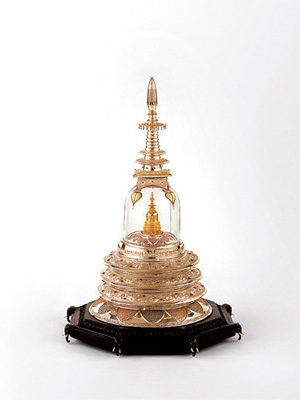
真正仏舎利を本尊とし、
釈尊直説の成仏法を修行する
ヒトはみな、環境(国や時代、家族等)や性別、容貌、体質、性格等において、それぞれ異なる条件を持って生まれます。
さらに、これらの条件の他に、生涯の流れの中で運命を決定するような条件もあるのです。
それはたとえば必ずガンを発症する、離婚をする、横変死する、といったものです。
このような生まれつき持った人生上の条件を「因縁」と呼びます。
仏陀の法は、これらの「因縁」を断ち切ってヒトを自由にし、同時に最高の運命を創造する究極の力(成仏力)を修行者にもたらします。その究極の状態が「完全なる因縁解脱を成就する=仏陀になる」ことです。
お釈迦さまはまずご自身が修行によって仏陀になられ、その後、八十歳で入滅されるまでの生涯を、人々に仏陀になる教えと方法(成仏法)を布教して歩かれたのです。
アゴン 基礎
真正仏舎利を本尊とし、
釈尊直説の成仏法を修行する
ヒトはみな、環境(国や時代、家族等)や性別、容貌、体質、性格等において、それぞれ異なる条件を持って生まれます。
さらに、これらの条件の他に、生涯の流れの中で運命を決定するような条件もあるのです。
それはたとえば必ずガンを発症する、離婚をする、横変死する、といったものです。
このような生まれつき持った人生上の条件を「因縁」と呼びます。
仏陀の法は、これらの「因縁」を断ち切ってヒトを自由にし、同時に最高の運命を創造する究極の力(成仏力)を修行者にもたらします。その究極の状態が「完全なる因縁解脱を成就する=仏陀になる」ことです。
お釈迦さまはまずご自身が修行によって
人はどんな因縁を持つか 家運衰退の因縁 What kind of connection do people have? The cause of the decline in family luck
ソンディは、その中間にある家族的無意識の層を発見したのである。
つまり、個人と群衆のあいだに「宗族」を発見したのだ。これは、当然、出ずべくして出でたものである。個人
にしても群衆にしても、だれひとりとして「家族」でなかったものはない。とすると、当然そこにひとつの無意識司が存在(または形成)されるはずである。
では、その無意識層の中に、ゾンデ″はなにを発見したか?
かれは、「家族的無意識」と名づける無意識層の中に、特殊な抑圧意識を発見したのである。
それは、ひと口でいうならば、
「個人のなかに抑圧されている祖先の欲求が、恋愛・友情・職業・疾病および死亡における無意識的選択行動とたって、個人○運命を決定する」
というのである。
。
ソンディはこういう。
「恋愛・友情・職業・疾病および死亡における選択の分析にもとづいて、選択の根源はこの家族的欲求」
つまり、ひとの、恋愛、友情、職業、病気、死にかたまで、すべて、それらを決定するのは、そのひとのこころの深奥にひそんでいる祖先の抑圧された意識である、というのである。
これは、個人の運命を形成するこれらの選択行動は、意識的・理性的な考慮の上に立つ決断にょって決定されるのではなく、(もちろん表面的にはそれがなされるが、実際には)選択行動は衝動行為であり、衝動的に選択する無意識的なものによって動かされるのだということである。(ここまではフロイトもほとんどおなじである。フロイトとちがうのは、その衝動が、その宗族-祖先-にふかい関連、かおるというのである
人はどんな因縁を持つか
これから、人の持つ因縁について解説するが、それでは、そういう母縁というものが、どうして人間にあるのか、ここでは、あるからある、というよりほかない。強いて聞かれるならば、それならあなたはどうしてそういう顔をしているのであるか寸9 かれた場合、あなた
は何と答えるか?・ こういう顔をして生まれてきたのだから、こういう顔をしているのである、とでも答えるほかないではないか。原因はともあれ、人間は、それぞれ様々な因縁を持って生まれて来、様々な因縁を持って生きているのである。その因縁という現象を分析、解説
してみよう。理屈は抜きにして、一読するならば、必ず、思いあたることがあろう。卵が先に生じたのか、鶏が先に生じたのか、それを知らなくても、卵を食べ、鶏肉を賞味するにはこと欠かぬのである。詳しくはあとの方で説明する。ここでは、まず、人間が誰でも持っている「因縁」の種類についてのべう。
○家運衰退の因縁
この因縁は、家運、つまり家の運気が次第におとろえてきている家系に生まれている人が持つ因縁である。
こういう人は、父、あるいは祖父の代までは、かなりの生活をした家に生まれている人が多い。祖父か父の代あたりから、次第に家運が傾いてきている。そうして、自分の代になってからは、なお一層はっきりと運が悪くなっている。相当の力量、才能、手腕があるのだが、
それを発揮する場を持つこと、が出来ない。そういうチャンスを持つことが出来ない。そうして、自分よりも劣った者が追い越してゆくのを、みすみす歯ぎしりしながら見送ることになる。
たまにチャンスがめぐって来そうになると、人の妨害、邪魔に遭ったり、或いは自分の思わぬミスや病気などで、せっかくのチャンスを失ってしまう。要するに、二昌でいうと運、か悪いのである。実力がありな、がら、妙にめぐり合わせが悪く、ウダツがあがらない。年をとるほど運気がおとろえ、生活が悪くなっていく。
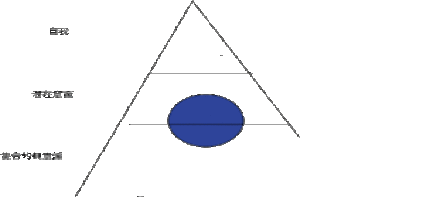
Sondy discovered a layer of family unconsciousness in between.
In short, he discovered a “sect” between the individual and the crowd. This, of course, was something that was not possible. Individual
No one in the crowd was not a “family”. Then, of course, one unconscious boss should exist (or be formed) there.
Then, what did the sonde “discover in that unconscious layer?”
He discovered a special repressive consciousness in the unconscious layer named “family unconscious”.
It is, in a nutshell,
“The desires of ancestors that are suppressed in the individual determine the fate of the individual as an unconscious selection behavior in love, friendship, occupation, illness, and death.”
That is.
..
Sondy is like this.
“Based on an analysis of choices in romance, friendship, occupation, illness and death, the source of choices is this family desire.”
In other words, it is the oppressed consciousness of the ancestors hidden in the depths of the person’s heart that determines them, from love, friendship, occupation, illness, to death.
This is because these choice behaviors that shape an individual’s destiny are not determined by decisions that are based on conscious and rational considerations (of course, on the surface, they are, but in fact). The choice behavior is an impulse act, which is driven by the unconscious one who chooses impulsively. (Up to this point, Freud is almost the same. What is different from Freud is that his impulsivity is related to his sect-ancestors-.
What kind of connection does a person have?
From now on, I will explain the ties that human beings have, but then there is nothing but the reason why such mother ties exist in humans, here because they exist. If you are forced to ask, then why do you look like that? If you are asked, you
What do you answer?・ Because I was born with this kind of face, I have no choice but to answer that I have this kind of face. Regardless of the cause, human beings are born with various causes and live with various causes. Analyzing and explaining the phenomenon of the cause
Let’s try this. If you read it without theory, you will surely come up with it. Even if you don’t know whether the egg was born first or the chicken was born first, it is essential to eat the egg and taste the chicken. Details will be explained later. Here, first, let’s talk about the types of “fate” that every human being has.
○ The prisoner of the decline of family luck
This fate is the fate of a person born in a family whose luck is gradually declining.
Many of these people were born in a house where they lived a considerable amount of life until their father’s or grandfather’s generation. From around my grandfather’s or father’s generation, my family’s luck is gradually leaning. Then, after taking my place, I’m even more clearly out of luck. I have considerable ability, talent, and skill,
It is not possible to have a place to demonstrate it. I can’t have such a chance. Then, I will see off the person who is inferior to me overtaking while bruxing my teeth.
Occasionally, when chances come around, people lose their chances due to interference, obstacles, or unexpected mistakes or illnesses. In short, in Nisho, it’s luck or bad. I don’t have the ability, but it’s strangely bad to meet, and I can’t get rid of it. The older you get, the less fortunate you are and the worse your life becomes.
運命学から見た 心理学ーソンディ学 Psychology from the perspective of fate-Sondy
ソンディは子孫が祖先から先祖代々継承している意識(衝動)のことを『衝動感情(衝動意識)』と呼び、『人間の運命とは選択である』といった。
人間は祖先から受け継いだ衝動感情(衝動意識)をベースにして、
『結婚選択・職業選択・疾患の選択・死亡形式の選択』という4つの人生の分野で重大な選択をしていくというのがソンディの理論である。
結婚選択
恋愛も含め 、結婚を先祖から決定させる。
とくに女性とって深刻ある。
職業選択
どのような職業が選びとるか?
疾患の選択
病気の選択
ガン 心臓 脳 その他の
病の選択
死亡形式
自殺 事故 他殺 の運命
Sondy calls the consciousness (impulse) that offspring inherit from their ancestors from generation to generation, “impulsive emotion (impulsive consciousness),” and says that “human destiny is a choice.”
Humans are based on the impulsive emotions (impulsive consciousness) inherited from their ancestors.
Sondy’s theory is to make important choices in the four areas of life: marriage choice, occupation choice, disease choice, and death form choice.
Marriage choice
Let your ancestors decide on marriage, including romance.
Especially for women.
Occupation selection
What kind of profession will you choose?
Disease selection
Disease choice
Cancer Heart Brain Other
Disease selection
Death form
Suicide Accident Fate of homicide
〔3}ソンディは、その中間にある家族的無意識の層を発見したのである。
つまり、個人と群衆のあいだに「宗族」を発見したのだ。これは、当然、出ずべくして出でたものである。個人
にしても群衆にしても、だれひとりとして「家族」でなかったものはない。とすると、当然そこにひとつの無意識司が存在(または形成)されるはずである。
では、その無意識層の中に、ゾンデ″はなにを発見したか?
かれは、「家族的無意識」と名づける無意識層の中に、特殊な抑圧意識を発見したのである。
それは、ひと口でいうならば、
「個人のなかに抑圧されている祖先の欲求が、恋愛・友情・職業・疾病および死亡における無意識的選択行動とたって、個人○運命を決定する」
というのである。
。
ソンディはこういう。
「恋愛・友情・職業・疾病および死亡における選択の分析にもとづいて、選択の根源はこの家族的欲求」
つまり、ひとの、恋愛、友情、職業、病気、死にかたまで、すべて、それらを決定するのは、そのひとのこころの深奥にひそんでいる祖先の抑圧された意識である、というのである。
これは、個人の運命を形成するこれらの選択行動は、意識的・理性的な考慮の上に立つ決断にょって決定されるのではなく、(もちろん表面的にはそれがなされるが、実際には)選択行動は衝動行為であり、衝動的に選択する無意識的なものによって動かされるのだということである。(ここまではフロイトもほとんどおなじである。フロイトとちがうのは、その衝動が、その宗族-祖先-にふかい関連、かおるというのである)
それはなにかというと、ひとの運命を決定するものが、抑圧された祖先の欲求ばかりではないということである。それがすべてではないということだ。それは非常に大きな要因ではある、が、そればかりではないということである。
なぜかというと、密教占星術によれば、運命の「時期」まで決定されているからである。ソンディ理論によれば、「形式」の形成の説明はつくけれども、「時期」が決定される説明はつかない。それは先祖の抑圧意識のほかにも要因、かおるからである。それについてのわたくしの理論と意見はここでは述べない。べつな機会にゆずることにする。かなりに厖大な址となるからである。
ソンディ理論は「平面彬成」(空間)の理論であり、このほかに「立体構成」(時間)の理論かおる。㈲の理論は、ソンディのごとく、心理学的方法でなされるが、時間の理論は数学的方法でなされ、かなりに難解なものになる。これはまたべつな一冊の書物となるであろう。
3} Sondy discovered a layer of family unconsciousness in between.
In short, he discovered a “sect” between the individual and the crowd. This, of course, was something that wasn’t done. Individual
No one in the crowd was not a “family”. Then, of course, one unconscious boss should exist (or be formed) there.
Then, what did the sonde “discover in that unconscious layer?”
He discovered a special repressive consciousness in the unconscious layer named “family unconscious”.
It is, in a nutshell,
“The desires of ancestors that are suppressed in an individual determine the fate of the individual as an unconscious selection behavior in love, friendship, occupation, illness, and death.”
That is.
..
Sondy is like this.
“Based on an analysis of choices in romance, friendship, occupation, illness and death, the source of choices is this family desire.”
In other words, it is the oppressed consciousness of the ancestors hidden in the depths of the person’s heart that determines them, from love, friendship, occupation, illness, to death.
This is because these choice behaviors that shape an individual’s destiny are not determined by decisions that are based on conscious and rational considerations (of course, on the surface, they are, but in fact). The choice behavior is an impulse act, which is driven by the unconscious one who chooses impulsively. (Up to this point, Freud is almost the same. The difference from Freud is that the impulse is related to the sect-ancestor-and is Kaoru.)
It is that it is not only the desires of oppressed ancestors that determine a person’s destiny. That’s not all. That’s a huge factor, but it’s not the only one.
The reason is that according to esoteric astrology, the “time” of fate is determined. According to Sondy’s theory, the formation of “form” can be explained, but the “timing” cannot be determined. This is because there are other factors besides the oppressive consciousness of our ancestors. My theory and opinion about it is not mentioned here. I will give it to another opportunity. This is because it will be a fairly large site.
Sondy’s theory is the theory of “plane formation” (space), and in addition to this, it is the theory of “three-dimensional composition” (time). The theory of ㈲ is made by a psychological method like Sondy, but the theory of time is made by a mathematical method, which is quite esoteric. This
密教占星術 4 肉親血縁相剋の因縁 Esoteric Astrology 4 Fellowship of Relatives
肉親血縁相剋の因縁
これも、根本は、家運衰退の因縁から出てきているものである。
この因縁は、肉親の者同士、血縁の者同士が、たがいに運気生命力を損ねあい、傷つけあって分散してゆくのである。
毛利元就の「三本の矢」の教訓を逆にいって、おたがいに助けあい、協力しあってゆくべき肉親血縁の者が、離散し、孤立して、次第に没落してゆく。
まさに、家運衰退のあらわれである。
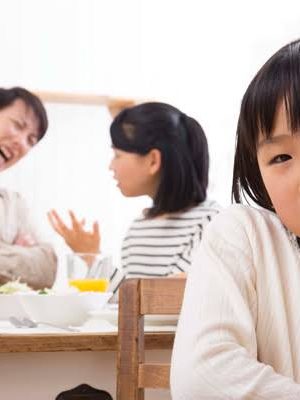
この因縁があると、同居している親子、兄弟など、血縁の噺が、年中不和で詐が絶えない。これは、血縁の者同士でお互いの運気(生命力)を損ねあい、傷つけあっているので、無意識のうちに反発しあって争うのである。この場合、運気を傷つけあうといっても、必ずしも表面立って争いをするとは限らない。ただ同じ屋根の下に住んでいるというだけで、相手の運気(生命力)を損ねるのである。それはちょうど、何か目に見えない光線のようなものを放射しあって、相手の生命力を傷つけるように思われる。人間の生命というものは、自分を守るという自衛本能を持っているから、その本能がはたらいて、無意識のうちに生命力を結集して相手に反発する。その結果として、相手の何でもないような動作や一言一句が非常に気にさわる(神経が立っているので)。そこで静が始まるのである。肉親同士で異常に仲が悪いのぱこのためである。それに加えて財産などの利害関係がからむと、非常に深刻な争いに進展してく。
この因縁のある家庭で、もし、同居の肉親同士が不和でなければ、家族の中に誰か一人、年中病気で苦しむ者か、極端に不運で運の開かぬ不遇の者が必ず出る。
相当の才能、手腕がありながら、常にチャンスを逸したり、チャンスに恵まれない不遇の人、あるいは長年病弱の人は、前記の「中途挫折の因縁」か、または、この「肉親血縁相剋の因縁」によって運気(生命力)を剋害されているのではないかを疑ってみるべきである。どちらかの因縁があったら、それを断ち切らぬ限り、いくら努力しても一生空転するばかりなのだ。
この因縁を持つ人、(あるいはこの因縁のある家系)には、必ず、といっていいほど、霊的な障害がある。つまり、三代か四代前に、その家(またぱ人)を強く恨んで亡くなった怨念のホトヶがいるのである。
また、横変死した人の霊障を受けている場食がほとんどである。
Intimacy of relatives
Again, this is basically attributable to the decline of family luck.
The cause of this relationship is that relatives and relatives hurt each other
They are dispersed.
元 Reverse the lessons of Mori Motonari’s “Three Arrows”, help each other and cooperate
Those with close relatives should be separated, isolated, and gradually fall.
This is exactly the appearance of the declining family.
Because of this connection, the story of blood relatives, such as parents and siblings living together, is inconsistent throughout the year and fraud is constant.
No. This is because the relatives lose their fortune (life force) and hurt each other,
They repel each other unconsciously and fight. In this case, it is necessary to
It is not always the case that fights are superficial. Just living under the same roof,
This impairs the opponent’s fortune (life force). It’s just like something invisible rays
It seems to hurt the opponent’s vitality by radiating something unusual. Human life
Have a self-defense instinct to protect themselves,
To rebound against the opponent. As a result, actions or actions
The words are very disturbing (because they are nervous). That is where the quiet begins. Relatives
He is unusually unfriendly with him because of this. In addition, if there are interests such as property,
It is a very serious battle.
家庭 In a family with this connection, if the family members living together do not conflict, there will always be somebody in the family who suffers from illness all year long, or who is extremely unfortunate and unlucky.
な が ら Although you have considerable talent and skill, you always miss a chance,
The person who has been sick for a long time, or the person who has been sick for a long time
You should be suspicious that your fortune (life force) is being harmed by “the cause of conflict”
is there. If you have either kind of connection, you will keep spinning no matter how much effort you make unless you cut it off
It just gets.
人 Everyone who has this connection (or a family with this connection) must be
There is a serious obstacle. In other words, before the third or fourth generation, he died strongly against the house (also ぱ)
There is a photo of a grudge.
場 In addition, most of the eclectic meals are affected by the death of a person who has died sideways.
恵比寿様
にも、少数の意見として、大国主命(オオクニヌシノミコト)と共に国造りをしたスクナヒコナノミコト(少彦名命)という海の向こうからやってきたと表記される神様が恵比寿様の由来とする説もあります。
スクナヒコナノミコト(少彦名命)についてはこちらで詳しく解説しています。
人はどんな因縁を持つか 2 What kind of connection does a person have?
家運衰退の因縁 肉親血縁相剋の因縁
これは、肉親血縁相剋の因縁の変形で、親がわが子の生命力を害するのである。そのため もし、そのが非常に生命力が強ければ、素行が乱れるようになって、幼少にして、家を飛び出す。これは親のそばにいると生命力を削られて、危険なので親のもとを飛び出すようになるのである(もちろん、本人はそのことを知らないが)。
最近、少年少女の非行問題についていろいろと対策が練られようとしているが、世の親は、こういう因縁のあることに気がついて欲しい。
因縁なんて迷信じゃないかなどとバカげたことをいっていないで、自分自身にそういうものがないかどうか、よくよく考えてもらいたい。
父親にしても母親にしても、この因縁があると、子供が必ず異常に反抗する。もちろん、子供の成長期間中に反抗期という一時期があることは事実だが、この因縁による反抗は異常なのである。これは、前記の肉親血縁相剋の因縁の場合と同じように、自分の生命力を侵害してくるものに対して自衛本能がはたらき、我が生命力を結集して反撃しようとするゆえに一言一句、ことごとく反抗反発するのだ。わが身を守るかわいそうな姿なのである。
私は、いつも、この因縁をもつ親と子を見ると、毛をさか立てキバをむき出して、敵に噛みつこうと必死になっている仔犬の姿を思い出す。
成功者の家庭に素行不良の子がわりに多いのは、他に原因はあるけれども、運気のつよい親はえてしてその運気のつよさが同時に子を剋する因縁をも伴ないやすいため、そういう結果を生じやすいのである。
素行不良の子を持つ親、異常に親の言うことをきかぬ子を持つ親は、根本的な対策の一つとしてこの因縁の有無をまず調べてみよ。この因縁がなければ比較的容易に直るが、この因縁あるかぎり、絶対に直らぬのである。
この因縁は水子の霊障から生じていることが多い。
これは恩を仇で返す因縁である。
これも家運衰退の因縁に根ざすものである。
要するに、恩を受けた人(主人、師、上長、取引先、先輩など)をだましたり、傷つけたり、とにかく川rに何かしら損申‥をあたえる。μだしいのは(もしその者が刑獄の囚縁を併せ持っていたなら)殺して金品を奪ったりする。そこまでいかなくとも必ず恩義のある人を裏切りそむく。
因縁というものは、必ずしも性格的なものとは限っておらぬので、「恩を仇で返す因縁」を待った者が必ずしも恩を仇で返すような性格を持っているとは限らない。中途挫折の因縁を持っている者が必ずしも薄志弱行型の性格を持っているとは限らぬ、と先に書いた通りである(もちろん、持っている因縁がそのままその人の性格になっている人もかず多いが)。
この逆恩の因縁の場合も、性格としては、恩を仇で返すというようなものと反対に、∵心
に恩義にむくいようとする心がけを持っていて、そのように努力をしながら、かえって結果的には、その恩義を仇にして返すようなことになってしまうことがよくある。例えば、主人(会社)に忠実でT心に尽くすのだが、それがかえって主人(会社)のためにならぬような結果を生む。努力してお得意や取引先をつくると、その取引先が何千万、何億円という不渡り手形を出したり、倒産してしまったりして、主人(会社)に大きな迷惑をかけてしまう、というようなことになる。
大体、自分にとって恩義のある人というのは、自分に好意を持ち、あるいは信用して、自分を引き立て、力になってくれる人である。こういう相手に、無意識とはいえそういう損害をあたえたり、そむいたりするということは、自分で自分の手足をもぐことである。自分の有力な味方を失うことになる。そこで孤立無援となり、人生の失敗者となってゆく。
人を使う人、使われる人も、ともにこの因縁には注意が必要である。
夫婦縁破れる因縁 色情の因縁
女性が持つ因縁である。
夫の運気(生命力)を目に見えぬ力で損ね、削る。といっても、必ずしも、日常生活において夫を尻の下に敷いたり、夫を虐待するというのではない。もちろん、そういう場合もな
いことはないが、前にも書いたように、因縁というものは性格にあらわれる場合と性格にまったくあらわれぬ場合とがある。この因縁の場合もその通りで、むしろこの因縁を持つ女性はマメマメしく夫につかえる良妻賢母型に多いので始末に困る。江戸川柳に、
「次の間で毒が薬を煎じてる」
という句があるが、これは、まさにこの囚級を持つ女性をズバリと句にしていろものと感心させられる。
この句の意味は、亭主が年中病弱で寝ている、その家をたずねてみると、亭主の寝ている次の部屋で、若い美しい細君が、甲斐々々しく薬を煎じている。しかし実際は、この美しい
細君が病身の亭主にとっては毒なのだ、というところから、細君が薬を煎じているのを、毒が薬を、と皮肉っているわけである。
この因縁を持つ女性を妻に持つと、その夫は年中病弱となるか、または仕事がうまくいかず、年中失敗したり、渋滞しがちとなる。生命力を削られるところから、運が非常に悪くなるのである。いかに才能、手腕があろうとも、必ず何か一つの不運につきまとわれる。細君が心につかえればつかえるほど、夫の運気が悪くなるのであるから厄介である。
Fate of the decline of family luck: Fate of relatives and blood relatives
This is a variant of the kinship of relatives, and the parent impairs the vitality of his or her child. Therefore, if the f has a very strong vitality, the behavior will be disturbed, and he will leave the house as a child. If you are near your parents, you will lose your vitality and you will jump out of your parents because it is dangerous (though you do not know that, of course).
Recently, various measures have been devised for the delinquency problem of boys and girls, but I would like parents in the world to be aware of this connection.
Don’t say that the cause is a superstition, I want you to think carefully about whether or not you have such a thing.
Whether it is a father or a mother, if there is this connection, the child will always rebel abnormally. Of course, it is true that there is a period of rebellion during the child’s growth, but the rebellion caused by this cause is unusual. This is because the self-defense instinct works against something that infringes one’s vitality and tries to mobilize my vitality to counterattack, as in the case of the above-mentioned relatives and relatives. Everything is rebellious and repulsive. It is a poor figure that protects me.
Whenever I see a parent and a child with this connection, I remember the appearance of a puppy desperately trying to bite an enemy by raising his hair and exposing his kiba.
There are other reasons why there are many poorly behaved children in successful families, but fortunate parents are likely to have a connection with having a child at the same time. It is easy to occur.
Parents with poorly behaved children and parents with children who do not understand what their parents say abnormally should first investigate the existence of this cause as one of the fundamental measures. Without this cause, it can be fixed relatively easily, but as long as this cause is present, it will never be fixed.
This connection often results from the spiritual disorder of Mizuko.
This is the cause of giving back the favor.
This is also rooted in the cause of the decline in family luck.
In short, it tricks or hurt the beneficiaries (master, teacher, superior, business partner, senior, etc.), and gives the river r some kind of loss. What’s wrong is killing (if the person also has a prison affair) and robbing money. Even if you don’t go that far, you will always betray those who are indebted.
Because a fate is not always a personality, a person who waits for a “fate to return a favor” does not necessarily have a personality to return a favor. As I wrote earlier, a person who has a frustration in the middle does not necessarily have a weak-minded personality (of course, the fate that he has becomes that person’s personality as it is. There are many people who do it).
In the case of the cause of this reverse grace, as a personality, contrary to the thing of returning the grace with a grace, ∵ heart
It is often the case that they have the intention of trying to get rid of their grace, and while making such efforts, they end up giving back their grace as a result. For example, I am loyal to my husband (company) and do my best, but on the contrary, it produces results that are not good for my husband (company). If you make an effort to create a specialty or a business partner, the business partner will issue a non-sufficient bill of tens of millions or hundreds of millions of yen or go bankrupt, causing a great deal of trouble to the owner (company). It will be something like that.
Generally, a person who is indebted to oneself is a person who likes or trusts oneself, enhances oneself, and helps oneself. To inflict or repel such damage, albeit unconsciously, to such a person is to take your own limbs. You will lose your strong ally. There, he becomes isolated and unsupported, and becomes a failure in his life.
Both people who use people and people who use people need to be careful about this cause.
Fate of breaking the relationship between husband and wife
It is a cause that women have.
Husband’s luck (life force) is damaged by invisible power and scraped. However, it does not necessarily mean that the husband is laid under his hips or abused in daily life. Of course, that is also the case
There is nothing wrong with it, but as I wrote before, there are cases where the fate appears in the personality and cases where it does not appear at all in the personality. The same is true for this connection, and rather, many women with this connection are good wives and wise mothers who can be used by their husbands, so it is difficult to get rid of them. In Edogawa Yanagi,
“Poison is decocting medicine between the next”
There is a phrase, but this impresses me with the phrase “a woman with this prison class”.
The meaning of this phrase is that the owner is sick all year round, and when he asks the house, the young beautiful Hosono is brewing the medicine in the next room where the owner is sleeping. But in reality, this beautiful
It is ironic that Hosono is decocting the medicine because Hosono is poisonous to the sick husband.
If a wife has a woman with this connection, her husband will be sick all year round, or his job will not go well, and he will tend to fail or be congested all year round. Luck is very bad because of the loss of vitality. No matter how talented or skillful you are, you will always be caught up in one misfortune. The more you can use it in your heart, the worse your husband’s luck will be, which is troublesome.
お名前com

ロリポップ

クリエイターがたくさん使ってる、ロリポップ!
独自ドメインやデータベース、PHP・CGI・SSIはもちろん
大人気WordPressなどの簡単インストールをはじめ、
カート機能、cron、SSH、共有/独自SSLなど機能満載。
メールアドレスはいくつでも作成可能!
容量最大1TBで月額110円から。

サプリメント
