UA-135459055-1

中途挫折因縁  

中途挫折の因縁

この因縁を持つ人は、何をやっても、一応、七、八分通りまでは順調に進むが、あとも
う一、二分というところで必ずダメになる。決して実らないのである。この因縁を、一名、「虚花の命」というのは、「七重八重、花は咲けども山吹の、実のひとつだになきぞ悲しき」という古歌の山吹の花と同様、花咲けども実らず、すべてムダ花であるというところからきているのである。よそ目には華やかに見えて、内実は空しいのである。苦労した
あげく、さいごの収穫はごっそりと人に持ってゆかれてしまう。
この因縁を持つ人は、わりあい運気(生命力)の強い人が多く、中途で挫折しては、また立ち上って仕事をし、また七、八分通りで挫折して、そのままになるかと思うとまた立ち上って、また挫折する、というように、七転八起の起伏のはげしい人生を送る人が多い。
そうして、結局は、挫折したままで終るのである。
大体、因縁のあらわれ方には二通りあるのであって、その囚縁が、そのままその人の恍格にあらわれている場合と、性格には全然あらわれない場合とがある。
この中途挫折の因縁の場合も、この因縁がそのまま性格にあらわれて、非常に気の弱い意志薄弱の型と、逆に、非常に気のつよい意志強固の型がある。
意志薄弱のタイプは、何をやってもすぐにあきてしまって、ながつづきしない。気うつりがぱげしい。学業、職業、すべてがそうで、転々とする。文字通りの中途挫折、薄志弱行の型である。
もう一つのほうは、これと全く反対で、性格もつよく、意志も強固で、努力家でもある。
然るに、かえってその強さが人と相容れず、上の者と衝突したり、同僚と円満に協調出来なかったりして、失敗し、挫折する。あるいは、ここ一番という大事なところで、きまってつまらぬミスをしたり、人の誤解をうけたり、妨害をうけたりする。また、病気や怪我などで手違いが生ずる、というように、必ずなにかしら障害が発生して、チャンスをつぶ
すのである。

薄志弱行タイプの場合は、すぐにあきたり、気移りしたりして白分から会社を転々とするが、意志強固タイプの場合は、自分でぱ一心に努力をして会社を変わるつもりはさらさらないのだが、他動的に転々と変わらざるを得ないようになってしまうのである。その人の思劣、心構えなどに関係なく、結果は結きょくおなじことになが、因縁というものの、こわいところである。精神一到何小か成さざ‘ら人や、と気胆劣てみたところで、この因縁を持っていては、所詮、ダメなのだ。外的条件が許さないのである。
つねに転々として挫折する。

この中途挫折の因縁が、そのようにして一段と強くなった場合、

運気不定・浮沈の因縁

という因縁になる。

これは、運気に根が生じないので、そのため、浮沈変転してとどまらないのである。
いわば、根無し草の人生である。居住、職業が定まらず、転々とする。一的に幸運を得ることがあっても、永続しない。一生、ホームレスか、それに近い境界となる。
女性の場合、ちゃんとした結婚生活をつづけることが出来ない。再婚、三婚し、しかしいくら結婚を繰り返しても、決して安定した夫婦生活を持つことは出来ない。
「色情の因縁」のある場合は、不倫の関係に陥ったり、あるいは売春をする悲惨な因縁である。


The cause of frustration

人 No matter what you do with this connection, no matter what you do, it will go smoothly until seven or eight minutes,
It’s always useless at one or two minutes. It never grows. One of the reasons for this connection is that the life of the imaginary flower is the same as the flower of Yamabuki, an old song that says, “ Nana, Yae, flowers are blooming, but Yamabuki is one of the fruits. Instead, they all come from waste flowers. It looks gorgeous to the eyes, and the inside is empty. Struggled
After all, the harvest of the ladder is secretly brought to the people.
Many people with this connection have strong luck (life force), and if they fail on the way, they will get up and work again, and they will be frustrated on the 7th and 8th streets, Many people live up and down their lives, rising and frustrating.
And in the end, you end up frustrated.
Generally, there are two ways in which the connection can be expressed. There are cases where the prisoner appears in the person’s ecstasy as it is, and cases where it does not appear in the character at all.
も In the case of the cause of this halfway frustration, the character of this cause is manifested in its own character, and there is a very weak-willed and weak-willed type.
薄 The weak-willed type is immediately open to whatever you do and does not continue. I feel sick. Academic, occupation, everything is so and it changes. It is a type of literally frustrated, weakly weak line.
On the other hand, the opposite is completely opposite, with a strong personality, a strong will, and a hard worker.
However, their strength is incompatible with others, they collide with the superiors and cannot cooperate harmoniously with their colleagues, failing and frustrating. Or, in the most important places here, we make mistakes that are always stupid, misunderstood, and hindered. In addition, there will always be some obstacles, such as sickness or injury resulting in a mistake
It is.

In the case of the light-weaker type, the company changes from one company to another immediately because of a sudden change or a change, but in the case of the strong-willed type, it is more likely that you will work hard to change the company yourself. It is not, but it has to be passively changed. Regardless of the person’s inferiority, attitude, etc., the result is almost the same, but it is scary, though related. I’m sorry to be a bit of a spiritual person, and I’m sorry to have this connection. External conditions do not allow.
Always frustrated.

場合 If the cause of this halfway failure is further strengthened in this way,

Causes of uncertainty and ups and downs

It becomes the connection.

This is because there is no root in fortune, so it does not stay up and down.
It is a life of rootless grass. The residence and occupation are not determined, and they change. Even if you get good luck, it is not permanent. Lifelong, homeless or near-boundary.
Women cannot keep a proper marriage. No matter how many remarriages, marriages, or marriages, you can never have a stable married life.
If there is a “kin of emotions”, it is a miserable cause of falling into an affair or prostitution.

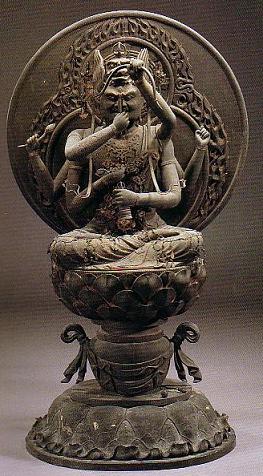
maitreya

maitreya

Maitreya is a bodhisattva (practitioner) who has been promised to be the next Buddha after Gautama Buddha (Buddha of Shakyamuni), who is now a Buddha. He appears to be enlightened and saves many people. Until then, it is said that he trained (or preached) at Kabutoten,

脳と心革命瞑想瞑想 

Brain and mind revolution meditation meditation

Ascetic monks. These two are laws belonging to the class of mystery.

な ん What are those two?

Shamata and Vipashyanah. Ascetic monks. If you have completed Shamata,

Will it embody

So, what is the purpose of mere heart training? Any greed can be cut off. If you have studied Bipasjana, it will embody any purpose

Do you?修 Teach wisdom. If you have learned wisdom,

Will it embody? You can be cut off by any dumb.

The training monks. The greedy heart does not break away. Wisdom spent in the unknown

I can’t. Ascetic monks. Thus, leaving the greed can lead to liberation of the mind.

Liberation of wisdom from leaving the dawn


脳と心革命瞑想瞑想


修行僧らよ。これらの二つは明知の部類に属する法である。

 その二つとはなんであるか?

 シャマタとビパシュヤナーである。修行僧らよ。シャマタを修したならば、

いかな体現すであろうか

 では、心  修しかならば、いかなる目的を体現するであろうか? いかなる貪欲でも断ぜられるのである。ビパシュヤナーを修したならば、いかなる目的を体現するであろ

うか? 智慧を修するのである。では、智慧を修したならば、いかなる目的を

体現するであろうか? いかなる無明でも断ぜられるのである。

 修行僧らよ。貪欲によごされた心は解脱しない。無明によごされた智慧は修

せられない。修行僧らよ。このように、貪欲を離れることから心の解脱が起こ

り、無明を離れることから智慧の解脱が起こるのである。(雑阿含経

リサ・ランドール博士  「余剰次元」という5次元の存在を提唱

「我々の世界は3次元と時間(4次元)、そして空間の因子を追加した5次元目が存在している」

というのが彼女の理論です。

それを確かめる為に、スイスのジュネーブにあるLHC(大型ハドロン衝突型加速器)で”7兆電子ボルトの亜光速まで加速された陽子”を衝突させる実験が計画されています。

この衝突実験によって粒子が姿を消したことが確認されたなら、姿を消した先が異次元の世界であると考えられ、異次元の存在が立証されたことになるそうです。

 求闘持聡明法


 求闘持聡明法はたんなる記憶力増強法ではない。それは、脳のメカニズムをI変してしまうおそるべき技術である。知能とはなにか。ごく大ざっぱに分けるならば、二つのものに分けられるであろう。記憶と創造である。求聞持聡明法は、この二つのはたらきをするメカニズムに、あたらしいメカニズムをつけくわえて、あたらしい力と効果を発揮する。

 この技法が、ジョージーギャラップや、オルダスーハックスリーのいうように教育にとり入れられたならば、人類のうける利益は想像することもできないほどのものである。ギャラップのいうように、ヒトは、まさに、″未来に向かって数百年の飛躍をすることができるであろう.

そういうと、そんなすばらしい技術がどうして今まで世のなかにあらわれなかったのかと、あなたは疑問に思うかも知れない。

 これほどの技術が、なぜ密教寺院の片すみに埋没してしまったのか、いく1つかの理由があげら

れるだろうが、その最大の理由はこうである。

 ギャラップは、すぐれた古い方法がまったく見落とされてきたということは奇妙なことだ。それに、あとになって全く忘れ去られてしまっている非常に重要な技術を発達させた個人、あるいは文化がよくあるのだ。--しかし、それらはやはり大きな価値を持ちつづけているのだ』()

 といっているが、‐この大きな価値を持ちっづけているすぐれた方法が忘れられてしまったわけは、それにっづくギャラップのおなじ文章のだかに見出すことができる。ギャラップはこういう。

 『こういった方法に対してあまり注意がはらわれていない理由は、目的と手段が非常に混乱していて、熱心に行なわれる鍛練を通じての集中力のトレーニングが、宗教的な儀式という色どりを持っているからである。精神のコントロールというものが、宗派と結びっいているために、しばしば、今日と明日の世界で実際に必要なものというよりも、むしろ神秘的な儀式に結びついた超

自然的な技術とみなされているのである』

求闘持聡明法こそ、そのもっとも典型的な例のひとつなのだ。

 求闘持聡明法とは、真言密教によって編成された法である。真言密教とは仏教の一派であり、それは宗教であるために、すべての法は宗教的儀式、宗教的様式のもとに編成される。求闘持法もそのように編成された。

 最初、知能開発の技術があった。それは、その技術自体、単独で存在するひとつの手法であっだ。これが、秘密仏教にとり入れられて、秘密仏教のなかの知能開発法に編成された。求間持法と命名された。ギャラップ式にいえばぷぶ教的な色どりが濃くなった”というわけだが、要する

に、技術が、宗教的様式のなかに郷就されたわけである。かくして技術が儀式化され様式化された。

 ″目的と手段の混乱”がここにはしまる。宗教的儀式のなかに、秘められた。技術”を摂取することのできる才能と力量を持つ指導者があるうちは混乱が避けられたが、ひとたび断絶すると、

その断層は決定的なものになった。技術は見失われてしまった。技術は意味不明のものとなり、

それはかえって宗教的に″不純″なものと見なされ、とりはずされて追放された。あとに儀式と様式のみが残った。

 儀式と様式になんの力があろう。かくして求間持法は名のみとなった。いや、それは、宗教儀式としての求間特法である。知能開発法としての求闘持法はまたべつにさがし出されなければならない。

 それは、真言密教の求聞特法とはちょうど正反対に宗教儀式の衣裳をすっかりかなぐり捨てた、技術そのものの法である。それを、私は、密教の原点にさかのぼり、混沌のなかから発見

した。 私のいう「求聞特法」はそれである。かくして求間特法はよみがえった。これから、その知能開発法としての求聞持法を解説する。その原理と技術を紹介しよう。


《記憶》のメカニズム

 「記憶」とは、なんらかの「経験」が、脳の記憶の場にたくわえられ、それが必要に応じて再生されることをいう。つまり、記憶とはひとつの経験が貯蔵され、ある時間経過ののち必要に際し

て思い出されることをいうので、思い出されなければ記憶は「無い」のだから、つまり記憶とは思い出すことによってはじめて成り立つものだということになるのだが、実際は、記憶には二種類あって、思い出される記憶と、思い出せない記憶の二つがあることを、私は、「変身の原理」

で説明した。脳の記憶のメカニズムはたいへん複雑で、それはまだ脳生理学でも十分に解明されていないのだが、一応、その仕組みを見てみよう。

 経験というのはひとつの刺激である。その刺激が記憶になるまでには、だいたいつぎのような段階を経る。

 刺激を感じるのは、俗にいう「五感」である。五感とは、視覚、聴覚、味覚、嗅覚、触覚をいうが、こまかくかぞえればまだ多くの、「感覚」かおり、おなかが空いたとか、なんとなくけだるく気分がよくない、とか、そういう身体の内部におこっていることを知ることもできる。つまり、われわれの身体の内部、外部におきていることがわれわれ自身にひとつの影響をおよぼす。

これが、「刺激」である。

 こういう刺激があると、身体にある「感覚器」または「受容器」というものがこれに反応して、電気的パルスを送り出す。たとえば、赤い花があれば、そこから反射された光が目のレンズを通して受容器としての視神経を刺激し、視神経がパルスを送り出す。これはパルスであって、刺激の強さが大きければその数がふえるだけで、電圧が大きくなるわけではない。おなじよう

に、皮膚になにかが触れれば、皮膚にある受容器が圧力を感じ、その圧力に応ずる数のパルスを神経に送りこむ。次頁の上図は、このような受容器のいくつかの例である。

 さて、このようにして受容器にあたえられた刺激は、パルスに変換され、脳の皮質につたえら


The Wrestling Motivation Method is not just a memory enhancement method. It is a terrifying technology that alters the brain mechanism. What is intelligence? If you divide it roughly, it will be divided into two things. Memory and creation. The Tokumon Gumonjimo method exerts new powers and effects by adding a new mechanism to these two working mechanisms.

If this technique were incorporated into education, such as Georgie Gallup and Aldous Huxley, the benefits to humanity would be unimaginable. Like Gallup, humans could, for example, “leap for hundreds of years into the future.

So you might wonder why such a wonderful technology has never appeared in the world until now.

が One of the reasons why such technology was buried in the corner of the esoteric temple

This is the main reason.

It’s strange that Gallup has completely overlooked good old methods. And there are often individuals or cultures that have developed very important techniques that have been completely forgotten later on. -But they still have great value. ”

I say-the forgotten way of this great value is forgotten in the same sentence of Gallup. Gallup is like this.

“The reason that little attention has been paid to these methods is that the purpose and the means are so confused that the training of concentration through dedication is a religious ritual. Because it is. Because the control of the soul is linked to the religion, it is often associated with mystical ordinances rather than what is actually needed in today and tomorrow’s world.

It is considered a natural technology. ”

The Wrestling Sophistication Act is one of the most typical examples.

The Gutai Mochi Satoshi Act is a law organized by Shingon Esoteric Buddhism. Shingon esotericism is a branch of Buddhism, and because it is a religion, all laws are organized in religious rituals and styles. The Fought and Hold Act was so organized.

First, there was the technology of intelligence development. It is a technique that exists on its own. This was incorporated into Secret Buddhism and organized into the intelligence development method within Secret Buddhism. It was named the law. In the Gallup style, the spiritual color has deepened. ”

Second, technology was relocated in a religious style. Thus the technology was ritualized and stylized.

“Confusion of purpose and means” is here. It was hidden in a religious ceremony. The confusion was avoided while there were talented and competent leaders who could ingest the “technology,” but once cut off,

The fault became decisive. Technology has been lost. The technology becomes meaningless,

It was instead considered religiously “impure” and removed and exiled. Only the ceremony and style remained.

What power is in ceremony and style? Thus, the law was the name only. No, it is a special ritual as a religious ritual. The wrestling law as a method of intelligence development must also be found separately.

It is a law of technology itself, in which the costumes of religious ceremonies have been completely discarded, just as opposed to the special law of asking for truth. I found it in the chaos, dating back to the origins of esotericism

did. That’s what I mean by the “Guarantee Special Law”. Thus, the special law was revived. From now on, I will explain the Hearing and Asking Act as that intelligence development method. Let me introduce its principle and technology.

《Memory》 mechanism

“Memory” means that some “experience” is stored in the memory of the brain and is reproduced as needed. In other words, memory is an experience that can be stored and used after a certain period of time

If you do not remember, there is no memory, so it means that memory can only be realized by remembering, but in fact, there are two types of memory, remembered I think that there are two kinds of memories, memories and memories that I cannot remember,

Explained. The memory mechanism of the brain is very complicated, and it is not fully understood even in brain physiology, but let’s take a look at how it works.

Experience is a stimulus. Until the stimulus is remembered, it goes through the following steps.

The stimulus is the so-called “five senses”. The five senses are the sense of sight, hearing, taste, smell, and touch, but in detail, there are still many “ feelings ”, such as stomach vacancies, stomach vacancies, and somehow feeling uncomfortable. You can also know what is happening. In other words, being inside or outside our body has one effect on ourselves.

This is “stimulation”.

When there is such a stimulus, the “sensory organ” or “receptor” in the body responds to this and sends out an electric pulse. For example, if there is a red flower, the light reflected from it stimulates the optic nerve as a receptor through the lens of the eye, and the optic nerve sends out a pulse. This is a pulse. If the intensity of the stimulus is large, the number of the stimulus only increases, but the voltage does not increase. Same

Then, when something touches the skin, a receptor in the skin feels pressure and sends a number of pulses corresponding to the pressure to the nerve. The upper figure on the next page shows some examples of such receptors.

The stimulus given to the receptor in this way is converted into a pulse, which is transmitted to the cortex of the brain.

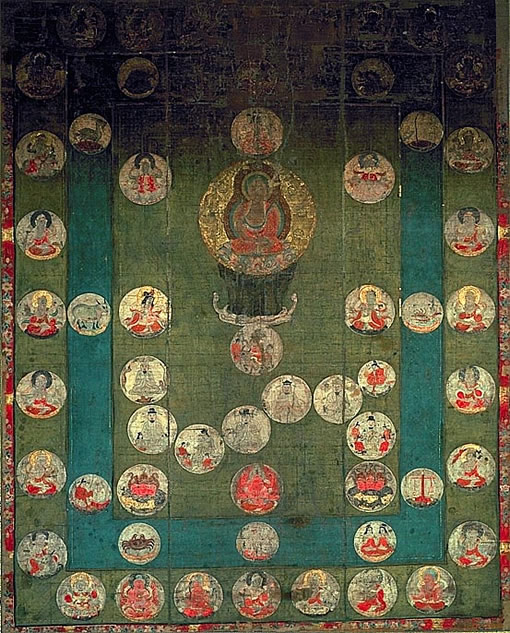
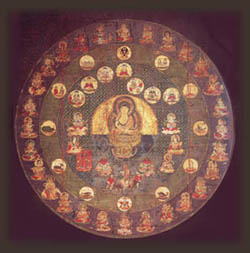
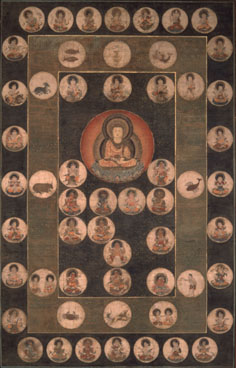
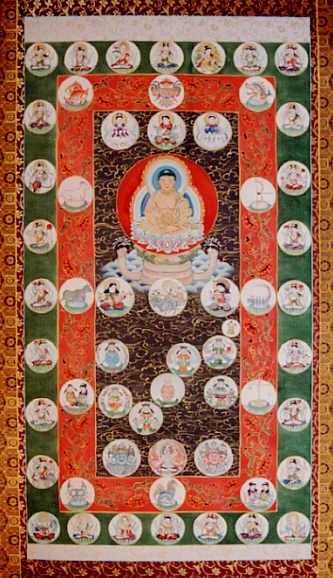
12天

編集

十二天編集

諸尊 真言 サンスクリット語
帝釈天 ノウマク・サマンダ・ボダナン・インダラヤ・ソワカ namaḥ samanta-buddhānāṃ indrāya svāhāナマハ サマンタブッダーナーン インドラーヤ スヴァーハー


帰命したてまつる。あまねき諸仏に。インドラ神よ。スヴァーハー。
ノウマク・サマンダ・ボダナン・シャカラヤ・ソワカ namaḥ samanta-buddhānāṃ śakrāya svāhāナマハ サマンタブッダーナーン シャクラーヤ スヴァーハー


帰命したてまつる。あまねき諸仏に。強力な神よ。スヴァーハー。
オン・バザラユダ・ソワカ oṃ vajrāyudha svāhāオーン ヴァジュラーユダ スヴァーハー


オーン。金剛武器よ。スヴァーハー。
火天 ノウマク・サマンダ・ボダナン・アギャナウエイ・ソワカ namaḥ samanta-buddhānāṃ agnaye svāhāナマハ サマンタブッダーナーン アグナイェー スヴァーハー


帰命したてまつる。あまねき諸仏に。アグニ神に。スヴァーハー。
オン・バザラナラ・ソワカ oṃ vajranala svāhāオーン ヴァジュラナラ スヴァーハー


オーン 金剛火よ スヴァーハー。
焔摩天 ノウマク・サマンダ・ボダナン・ヤマヤ・ソワカ namaḥ samanta-buddhānāṃ yamāya svāhāナマハ サマンタブッダーナーン ヤマーヤ スヴァーハー


帰命したてまつる。あまねき諸仏に。ヤマ神よ。スヴァーハー。
羅刹天 ノウマク・サマンダ・ボダナン・ニルリテイ・ソワカ namaḥ samanta-buddhānāṃ nirṛtye svāhāナマハ サマンタブッダーナーン ニルリティェー スヴァーハー


帰命したてまつる。あまねき諸仏に。ニルリティ女神に。スヴァーハー。
オン・バザラ・ダンダ・ソワカ oṃ vajradaṇd.a svāhāオーン ヴァジュラ ダンダ スヴァーハー


オーン 金剛刑杖よ。スヴァーハー。
水天 ノウマク・サマンダ・ボダナン・バロダヤ・ソワカ namaḥ samanta-buddhānāṃ varuṇāya svāhāナマハ サマンタブッダーナーン ヴァルナーヤ スヴァーハー


帰命したてまつる。あまねき諸仏に。ヴァルナ神に。スヴァーハー。
ノウマク・サマンダ・ボダナン・アハンハタエイ・ソワカ namaḥ samanta-buddhānāṃ apāṃpataye svāhāナマハ サマンタブッダーナーン アパーンパテイェー スヴァーハー


帰命したてまつる。あまねき諸仏に。水の主に。スヴァーハー。
オン・ボダシリ・ソワカ oṃ budhaśri svāhāオーン ブダシュリ スヴァーハー


オーン めでたき水曜よ スヴァーハー。
オン・ノウギャバザラ・ソワカ oṃ nāgavajra svāhāオーン ナーガヴァジュラ スヴァーハー


オーン 龍金剛よ スヴァーハー。
風天 ノウマク・サマンダ・ボダナン・バヤベイ・ソワカ namaḥ samanta-buddhānāṃ vāyave svāhāナマハ サマンタブッダーナーン ヴァーヤヴェー スヴァーハー


帰命したてまつる。あまねき諸仏に。ヴァーユ神よ。スヴァーハー。
オン・バザラニラ・ソワカ oṃ vajrānila svāhāオーン ヴァジュラニラ スヴァーハー


オーン 金剛風よ スヴァーハー。
毘沙門天多聞天 ノウマク・サマンダ・ベイシラマンダヤ・ソワカ namaḥ samanta-buddhānāṃ vaiśravaṇāya svāhāナマハ サマンタブッダーナーン ヴァイシュラヴァナーヤ スヴァーハー


帰命したてまつる。あまねき諸仏に。ヴィシュラヴァスの御子よ。スヴァーハー。
毘沙門天呪:アリ・ナリ・トナリ・アナロ・ナビ・クナビ aṭṭe taṭṭe vanaṭṭe anade nāḍi kunaḍi svāhāアッテー タッテー ヴァナッテー アナデー ナーディ クナディ スヴァーハー


富裕者よ。曲芸者よ。讃歌によって踊る者よ。火神よ。歌神よ。醜悪な歌神よ[注 53]。スヴァーハー。
ノウマク・サマンダ・ヤキシャシバラ・ソワカ namaḥ samanta-buddhānāṃ yakṣeśvara svāhāナマハ サマンタブッダーナーン ヤクシェーシュヴァラ スヴァーハー


帰命したてまつる。あまねき諸仏に。薬叉の主よ。スヴァーハー。
オン・バザラバイラバ・ソワカ oṃ vajrabhairava svāhāオーン ヴァジュラバイラヴァ スヴァーハー


オーン 金剛怖畏尊よ スヴァーハー。
伊舎那天 ノウマク・サマンダ・ボダナン・イシャナヤ・ソワカ namaḥ samanta-buddhānāṃ īśanāya svāhāナマハ サマンタブッダーナーン イーシャーナーヤ スヴァーハー


帰命したてまつる。あまねき諸仏に。イシャーナ神に。スヴァーハー。
ノウマク・サマンダ・ボダナン・ロダラヤ・ソワカ namaḥ samanta-buddhānāṃ rudrāya svāhāナマハ サマンタブッダーナーン ルドラーヤ スヴァーハー


帰命したてまつる。あまねき諸仏に。ルドラ神に。スヴァーハー。
梵天 ノウマク・サマンダ・ボダナン・ボラカンマネイ・ソワカ namaḥ samanta-buddhānāṃ brahmaṇe svāhāナマハ サマンタブッダーナーン ブラフマネー スヴァーハー


帰命したてまつる。あまねき諸仏に。ブラフマー神よ。スヴァーハー。
オン・モウノウバザラ・ソワカ oṃmanunavajra svāhāオーン マヌナヴァジュラ スヴァーハー


オーン。寂黙金剛よ。スヴァーハー。
地天 ノウマク・サマンダ・ボダナン・ハラチビエイ・ソワカ namaḥ samanta-buddhānāṃ pṛthiviye svāhāナマハ サマンタブッダーナーン プリティヴィイェー スヴァーハー


帰命したてまつる。あまねき諸仏に。プリティヴィー女神よ。スヴァーハー。
日天 ノウマク・サマンダ・ボダナン・アニチャヤ・ソワカ namaḥ samanta-buddhānāṃ ādityāya svāhāナマハ サマンタブッダーナーン アーディティヤーヤ スヴァハー


帰命したてまつる。あまねき諸仏に。アーディティヤ神よ。スヴァーハー。
オン・バザラクンダリ・ソワカ oṃ vajrakuṇd.ali svāhāオーン ヴァジュラクンダリ スヴァーハー


オーン。金剛瓶よ。スヴァーハー。
月天 ノウマク・サマンダ・ボダナン・センダラヤ・ソワカ namaḥ samanta-buddhānāṃ candrāya svāhāナマハ サマンタブッダーナーン チャンドラーヤ スヴァーハー


帰命したてまつる。あまねき諸仏に。チャンドラ神よ。スヴァーハー。
オン・バザラハラバ・ソワカ oṃ vajraprabha svāhāオーン ヴァジュラプラバ スヴァーハー


オーン。金剛光よ。スヴァーハー。

その他諸天

諸尊 真言 サンスクリット語
昴宿 ノウマク・サマンダ・ボダナン・キリチキヤ・ダキシャタラ・ソワカ namaḥ samantabuddhānāṃ kṛttikā nakṣatra svāhāナマハ サマンタ ブッダナーン クリッティカー ナクシャトラ スヴァーハー

帰命したてまつる。あまねき諸仏に。クリッティカーよ。スヴァーハー。
畢宿 ノウマク・サマンダ・ボダナン・ロウキニ・ダキシャタラ・ソワカ namaḥ samantabuddhānāṃ rohiṇī nakṣatra svāhāナマハ サマンタ ブッダナーン ローヒニー ナクシャトラ スヴァーハー

帰命したてまつる。あまねき諸仏に。ローヒニーよ。スヴァーハー。
觜宿 ノウマク・サマンダ・ボダナン・モリガシャラ・ダキシャタラ・ソワカ namaḥ samantabuddhānāṃ mṛgaśiro nakṣatra svāhāナマハ サマンタ ブッダナーン ムリガシロー ナクシャトラ スヴァーハー

帰命したてまつる。あまねき諸仏に。ムリガシラスよ。スヴァーハー。
参宿 ノウマク・サマンダ・ボダナン・アルドラ・ダキシャタラ・ソワカ namaḥ samantabuddhānāṃ ārdrā nakṣatra svāhāナマハ サマンタ ブッダナーン アーッルドラ― ナクシャトラ スヴァーハー

帰命したてまつる。あまねき諸仏に。アールドラ―よ。スヴァーハー。
鬼宿 ノウマク・サマンダ・ボダナン・ホシャヤ・ダキシャタラ・ソワカ namaḥ samantabuddhānāṃ puṣya nakṣatra svāhāナマハ サマンタ ブッダナーン プシヤ ナクシャトラ スヴァーハー

帰命したてまつる。あまねき諸仏に。プシヤよ。スヴァーハー。
井宿 ノウマク・サマンダ・ボダナン・ホダラバソ・ダキシャタラ・ソワカ namaḥ samantabuddhānāṃ punarvasu nakṣatra svāhāナマハ サマンタ ブッダナーン プナルヴァス ナクシャトラ スヴァーハー

帰命したてまつる。あまねき諸仏に。アールドラ―よ。スヴァーハー。
柳宿 ノウマク・サマンダ・ボダナン・アシレイシャ・ダキシャタラ・ソワカ namaḥ samantabuddhānāṃ āśleṣa nakṣatra svāhāナマハ サマンタ ブッダナーン アーシュレーシャ ナクシャトラ スヴァーハー

帰命したてまつる。あまねき諸仏に。アーシュレーシャよ。スヴァーハー。
星宿 ノウマク・サマンダ・ボダナン・マギャ・ダキシャタラ・ソワカ namaḥ samantabuddhānāṃ maghā nakṣatra svāhāナマハ サマンタ ブッダナーン マガー ナクシャトラ スヴァーハー

帰命したてまつる。あまねき諸仏に。マガーよ。スヴァーハー。
軫宿 ノウマク・サマンダ・ボダナン・カシタ・ダキシャタラ・ソワカ namaḥ samantabuddhānāṃ hastā nakṣatra svāhāナマハ サマンタ ブッダナーン ハスター ナクシャトラ スヴァーハー

帰命したてまつる。あまねき諸仏に。ハスターよ。スヴァーハー。
亢宿 ノウマク・サマンダ・ボダナン・サバチ・ダキシャタラ・ソワカ namaḥ samantabuddhānāṃ svātī nakṣatra svāhāナマハ サマンタ ブッダナーン スヴァーティー ナクシャトラ スヴァーハー

帰命したてまつる。あまねき諸仏に。スヴァーティーよ。スヴァーハー。
張宿 ノウマク・サマンダ・ボダナン・ホロバホツログダ・ダキシャタラ・ソワカ namaḥ samantabuddhānāṃ pūrvaphalgunī nakṣatra svāhāナマハ サマンタ ブッダナーン プールヴァパルグニー ナクシャトラ スヴァーハー

帰命したてまつる。あまねき諸仏に。プルヴァパルグニーよ。スヴァーハー。
翼宿 ノウマク・サマンダ・ボダナン・ウッタラホツログダ・ダキシャタラ・ソワカ namaḥ samantabuddhānāṃ uttaraphalgunī nakṣatra svāhāナマハ サマンタ ブッダナーン ウッタラパルグニー ナクシャトラ スヴァーハー

帰命したてまつる。あまねき諸仏に。ウッタラパルグニーよ。スヴァーハー。
角宿 ノウマク・サマンダ・ボダナン・シッタラ・ダキシャタラ・ソワカ namaḥ samantabuddhānāṃ citrā nakṣatra svāhāナマハ サマンタ ブッダナーン チットラー ナクシャトラ スヴァーハー

帰命したてまつる。あまねき諸仏に。チットラーよ。スヴァーハー。
氐宿 ノウマク・サマンダ・ボダナン・ビシャカ・ダキシャタラ・ソワカ namaḥ samantabuddhānāṃ viśākhā nakṣatra svāhāナマハ サマンタ ブッダナーン ヴィシャーカー ナクシャトラ スヴァーハー

帰命したてまつる。あまねき諸仏に。ヴィシャーカーよ。スヴァーハー。
女宿 ノウマク・サマンダ・ボダナン・シラマダ・ダキシャタラ・ソワカ namaḥ samantabuddhānāṃ śravaṇā nakṣatra svāhāナマハ サマンタ ブッダナーン シュラヴァナ― ナクシャトラ スヴァーハー

帰命したてまつる。あまねき諸仏に。シュラヴァナ―よ。スヴァーハー。
斗宿 ノウマク・サマンダ・ボダナン・オッタラシャダ・ダキシャタラ・ソワカ namaḥ samantabuddhānāṃ uttarāṣādhā nakṣatra svāhāナマハ サマンタ ブッダナーン ウッタラーシャーダー ナクシャトラ スヴァーハー

帰命したてまつる。あまねき諸仏に。ウッタラーシャーダーよ。スヴァーハー。
尾宿 ノウマク・サマンダ・ボダナン・モラ・ダキシャタラ・ソワカ namaḥ samantabuddhānāṃ mūla nakṣatra svāhāナマハ サマンタ ブッダナーン ムーラ ナクシャトラ スヴァーハー

帰命したてまつる。あまねき諸仏に。ムーラよ。スヴァーハー。
箕宿 ノウマク・サマンダ・ボダナン・ホロバアシャダ・ダキシャタラ・ソワカ namaḥ samantabuddhānāṃ pūrvāṣādha nakṣatra svāhāナマハ サマンタ ブッダナーン プールヴァーシャーダー ナクシャトラ スヴァーハー

帰命したてまつる。あまねき諸仏に。プールヴァーシャーダーよ。スヴァーハー。
房宿 ノウマク・サマンダ・ボダナン・アドラダ・ダキシャタラ・ソワカ namaḥ samantabuddhānāṃ anurādhā nakṣatra svāhāナマハ サマンタ ブッダナーン アヌラーダー ナクシャトラ スヴァーハー

帰命したてまつる。あまねき諸仏に。アヌラーダーよ。スヴァーハー。
心宿 ノウマク・サマンダ・ボダナン・セイシッタ・ダキシャタラ・ソワカ namaḥ samantabuddhānāṃ jyeṣṭhā nakṣatra svāhāナマハ サマンタ ブッダナーン ジェーッシュター ナクシャトラ スヴァーハー

帰命したてまつる。あまねき諸仏に。ジェーシュターよ。スヴァーハー。
虚宿 ノウマク・サマンダ・ボダナン・ダンニシタ・ダキシャタラ・ソワカ namaḥ samantabuddhānāṃ dhaniṣṭhā nakṣatra svāhāナマハ サマンタ ブッダナーン ダニッシュター ナクシャトラ スヴァーハー

帰命したてまつる。あまねき諸仏に。ダニシュターよ。スヴァーハー。
危宿 ノウマク・サマンダ・ボダナン・サタビシャ・ダキシャタラ・ソワカ namaḥ samantabuddhānāṃ śatabhiṣā nakṣatra svāhāナマハ サマンタ ブッダナーン シャタビシャー ナクシャトラ スヴァーハー

帰命したてまつる。あまねき諸仏に。シャタビシャーよ。スヴァーハー。
室宿 ノウマク・サマンダ・ボダナン・ホロババダラハダ・ダキシャタラ・ソワカ namaḥ samantabuddhānāṃ pūrvabhadrapadā nakṣatra svāhāナマハ サマンタ ブッダナーン プールヴァバドラパダー ナクシャトラ スヴァーハー

帰命したてまつる。あまねき諸仏に。プールヴァバドラパダーよ。スヴァーハー。
奎宿 ノウマク・サマンダ・ボダナン リバチ・ダキシャタラ・ソワカ namaḥ samantabuddhānāṃ revatī nakṣatra svāhāナマハ サマンタ ブッダナーン レーヴァティー ナクシャトラ スヴァーハー

帰命したてまつる。あまねき諸仏に。レーヴァティーよ。スヴァーハー。
壁宿 ノウマク・サマンダ・ボダナン・ウッタラバダラハダ・ダキシャタラ・ソワカ namaḥ samantabuddhānāṃ uttarabhadrapadā nakṣatra svāhāナマハ サマンタ ブッダナーン ウッタラバドラパダー ナクシャトラ スヴァーハー

帰命したてまつる。あまねき諸仏に。ウッタラバドラパダーよ。スヴァーハー。
胃宿 ノウマク・サマンダ・ボダナン・バラジ・ダキシャタラ・ソワカ namaḥ samantabuddhānāṃ bharaṇī nakṣatra svāhāナマハ サマンタ ブッダナーン バラニー ナクシャトラ スヴァーハー

帰命したてまつる。あまねき諸仏に。バラニーよ。スヴァーハー。
婁宿 ノウマク・サマンダ・ボダナン・アシャバジイ・ダキシャタラ・ソワカ namaḥ samantabuddhānāṃ aśvinī nakṣatra svāhāナマハ サマンタ ブッダナーン アシュヴィニー ナクシャトラ スヴァーハー

帰命したてまつる。あまねき諸仏に。アシュヴィニーよ。スヴァーハー。

12

諸天総呪 オン・ロキャロキャ・キャラヤ・ソワカ oṃ lokālola-kārāya svāhāオーン ローカーローカカーラーヤ スヴァーハー


オーン。世間、非世間の創造主よ。スヴァーハー。

九曜編集

諸尊 真言 サンスクリット語
土曜 オン・シャニシシャラ・シセイテイ・ソワカ oṃ śanaiścaraśceṭe svāhāオーン シャナイシュチャラシュチェーテー スヴァーハー


オーン。めでたき歩み遅き星[注 56]。スヴァーハー。
日曜 オン・アニチヤ・シリ・ソワカ oṃ ādityaśri svāhāオーン アーディッティヤシュリ スヴァーハー


オーン。めでたき太陽よ。スヴァーハー。
月曜 オン・ソマ・シリ・ソワカ oṃ somaśri svāhāオーン ソーマシュリ スヴァーハー


オーン。めでたきよ。スヴァーハー。
火曜 オン・アギャラカ・シリ・ソワカ oṃ aṅgārakaśri svāhāオーン アンガーラカシュリ スヴァーハー


オーン。めでたき熒惑星[注 57]よ。スヴァーハー。
水曜 オン・ボダ・シリ・ソワカ oṃ budhaśri svāhāオーン ブダシュリ スヴァーハー


オーン。めでたき智者星よ。スヴァーハー。
オン・ボダ・ダキシャタラ・ソワミナン・ケイトマ・ソワカ oṃ budhanakṣatrasvāminaṃ ketuman svāhāオーン ブダナクシャトスヴァーミナン ケートゥマン スヴァーハー


オーン。智者の宿の首長に。光り輝くものよ。スヴァーハー。
木曜 オン・ボラカサハチシリ・ソワカ oṃ bṛhaspatiśri svāhāオーン ブリハスパティシュリ スヴァーハー


オーン。めでたき大主星[注 58]よ。スヴァーハー。
金曜 オン・シュキャラ・シリ・ソワカ oṃ śukraśri svāhāオーン シュックラシュリ スヴァーハー


オーン。めでたき明星よ。スヴァーハー。
羅睺 ノウマク・サマンダ・ボダナン・オン・ラカベイ・アソララジャヤ・ソワカ namaḥ samantabuddhānāṃ oṃ rāhave asurarājāya hūṃ svāhāナマハ サマンタブッタナーン オーン ラーハヴェー アスララージャーヤ フーン スヴァーハー


帰命したてまつる。あまねき諸仏に。オーン。アスラの王たるラーフ[注 59]に。フーン。スヴァーハー。
計都 ノウマク・サマンダボダナン・ケイトシリ・ソワカ namaḥ samantabuddhānāṃ ketuśri svāhāナマハ サマンタブッダターナーン ケートゥシュリ スヴァーハー


帰命したてまつる。あまねき諸仏に。めでたき計都[注 60]よ。スヴァーハー。

十二宮編集

諸尊 真言 サンスクリット語
双女宮 ノウマク・サマンダ・ボダナン・カンニヤハタエイ・ソワカ namaḥ samanta-buddhānāṃ kanyāpataye svāhāナマハ サマンタブッダーナーン カニヤーパタイェー スヴァーハー


帰命したてまつる。あまねき諸仏に。乙女の主に。スヴァーハー。
獅子宮 ノウマク・サマンダ・ボダナン・シンカハタエイ・ソワカ namaḥ samanta-buddhānāṃ siṃhapataye svāhāナマハ サマンタブッダーナーン シンハパタイェー スヴァーハー


帰命したてまつる。あまねき諸仏に。獅子の主に。スヴァーハー。
巨蟹宮 ノウマク・サマンダ・ボダナン・キャラカタカハタエイ・ソワカ namaḥ samanta-buddhānāṃ karkaṭākapataye svāhāナマハ サマンタブッダーナーン カルカターカパタイェー スヴァーハー


帰命したてまつる。あまねき諸仏に。蟹の主に。スヴァーハー。
男女宮 ノウマク・サマンダ・ボダナン・ミタナハタエイ・ソワカ namaḥ samanta-buddhānāṃ mithunapataye svāhāナマハ サマンタブッダーナーン ミトゥナパタイェー スヴァーハー


帰命したてまつる。あまねき諸仏に。夫婦の主に。スヴァーハー。
牛密宮 ノウマク・サマンダ・ボダナン・ビリシャハタエイ・ソワカ namaḥ samanta-buddhānāṃ vṛṣapataye svāhāナマハ サマンタブッダーナーン ヴリシャパタイェー スヴァーハー


帰命したてまつる。あまねき諸仏に。牡牛の主に。スヴァーハー。
白羊宮 ノウマク・サマンダ・ボダナン・メイシャハタエイ・ソワカ namaḥ samanta-buddhānāṃ meṣapataye svāhāナマハ サマンタブッダーナーン メーシャパタイェー スヴァーハー


帰命したてまつる。あまねき諸仏に。牡羊の主に。スヴァーハー。
双魚宮 ノウマク・サマンダ・ボダナン・ミナハタエイ・ソワカ namaḥ samanta-buddhānāṃ mīnapataye svāhāナマハ サマンタブッダーナーン ミーナパタイェー スヴァーハー


帰命したてまつる。あまねき諸仏に。双魚の主に。スヴァーハー。
摩竭宮 ノウマク・サマンダ・ボダナン・マキャラハタエイ・ソワカ namaḥ samanta-buddhānāṃ makarapataye svāhāナマハ サマンタブッダーナーン マカラパタイェー スヴァーハー


帰命したてまつる。あまねき諸仏に。マカラの主に。スヴァーハー。
賢瓶宮 ノウマク・サマンダ・ボダナン・クンバハタエイ・ソワカ namaḥ samanta-buddhānāṃ kumbhapataye svāhāナマハ サマンタブッダーナーン クンバパタイェー スヴァーハー


帰命したてまつる。あまねき諸仏に。賢瓶の主に。スヴァーハー。
弓宮 ノウマク・サマンダ・ボダナン・ダンハタエイ・ソワカ namaḥ samanta-buddhānāṃ dhanu pataye svāhāナマハ サマンタブッダーナーン ダヌタイェー スヴァーハー


帰命したてまつる。あまねき諸仏に。天弓の長に。スヴァーハー。
蝎虫宮 ノウマク・サマンダ・ボダナン・ビリシャシカハタエイ・ソワカ namaḥ samanta-buddhānāṃ vṛścikapataye svāhāナマハ サマンタブッダーナーン ヴリシュチカパタイェー スヴァーハー


帰命したてまつる。あまねき諸仏に。天蝎の主に。スヴァーハー。
秤宮 ノウマク・サマンダ・ボダナン・トラハタエイ・ソワカ namaḥ samanta-buddhānāṃ tūlāpataye svāhāナマハ サマンタブッダーナーン トゥーラーパタイェー スヴァーハー


帰命したてまつる。あまねき諸仏に。秤量の長に。スヴァーハー。

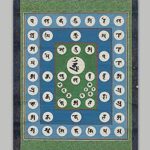
二十七宿

梵字に親しむ 安田梵字教室

内容紹介
本書は「梵字を学んで書いてみよう」という方のための入門書です。 まず、梵字の五十音図から自分の名前を梵字で書いてみることから始めて、インドで生まれた梵字の歴史や日本に伝えられたいきさつ、佛教とのつながりを学び、干支や回忌の「守護梵字」や寺社でみかける梵字の意味を知って、梵字を書くときの心得手順に進みます。
【目次内容】
はじめに
第一章 日本人のための梵字入門
    名前を梵字で書いてみよう/自分の名前を梵字で書くと/三尊帳の佛さまを書いてみよう/五佛 金剛界と胎蔵界の佛さま/よくみられる五輪塔/卒塔婆の梵字/板碑の梵字/御朱印にみられる梵字/梵鐘の梵字/梵字で書かれる曼荼羅の世界/唐招提寺の団扇撒き
第二章 知っておきたい梵単語小字典
第三章 私たちを守って下さる梵字
   守護梵字とは/ 干支による守護梵字/ 毎日唱える年忌十三佛の御真言/六観音の種子と御真言/ 光明真言の世界
第四章 安田梵字教室へようこそ
    あらためて梵字と密教について/梵字の略歴/梵字を書くということ/梵字に親しむ/
 真言暗唱による脳の活性化/梵字を書くときの心得と手順
資料編
参考資料

Shamata and Vipassiana  シャマタとヴィパシヤナ


In Buddhism, meditation is broadly divided into two types: stop and view. To stop (Shamata: Satsuma, etc.) is to live in the truth of the source, keeping your heart upset. In addition, the view (Vipashiyana, Hachiboshina) is the observation of things correctly in accordance with the truth, with the immovable heart serving as wisdom.

In general, in Buddhism, Samata meditation (巴: samathabhāvanā) for fostering concentration and Vipassana meditation (巴: vipassanā-bhāvanā) for observing things as they are are repaired. But it doesn’t change.

Traditionally, theravada Buddhism has taken the steps of first practicing Samata meditation and then proceeding to Vipassana meditation. In order to perform vipassana meditation, it is necessary to enter at least the first Zen ritual (maximum 4th zen meditation), and for that purpose Samata meditation must be performed.

This is the second ability of the brain.

仏教では瞑想を止と観の二つに大別する。(シャマタ:奢摩他)とは、心の動揺をとどめて本源の真理に住することである。また(ヴィパシヤナ、毘鉢舎那)とは、不動の心が智慧のはたらきとなって、事物を真理に即して正しく観察することである。


一般に仏教においては、集中力を育てるサマタ瞑想(samathabhāvanā)と、物事をあるがままに観察するヴィパッサナー瞑想(vipassanā-bhāvanā)とが双修され、この点は南伝仏教でも北伝仏教でも変わらない。

伝統的に上座部仏教においては、サマタ瞑想を先に修行して、それからヴィパッサナー瞑想へと進むという階梯がとられてきた。ヴィパッサナー瞑想を行なうためには少なくとも第一禅定(最高で第四禅定)に入っている必要があるとされ、そのためにはサマタ瞑想を行なわねばならないのである。

脳に2つ目の能力と言える。