UA-135459055-1

buddha ブッダのことば Buddha’s words こよなき幸せ unparalleled happiness

Buddha’s words

わたたしが聞いたところによると、──あるとき尊き師(ブッダ)はサーヴァッティー市のジェータ林、<孤独な人々に食を給する長者>の園におられた。そのとき一人の容色麗しい神が、夜半を過ぎたころジェータ林を隈なく照らして、師のもとに近づいた。そうして師に礼して傍らに立った。そうしてその神は、師に詩を以て呼びかけた。

「多くの神々と人間とは、幸福を望み、幸せを思っています。最上の幸福を説いて下さい。」

諸々の愚者に親しまないで、諸々の賢者に親しみ、尊敬すべき人々を尊敬すること、──これがこよなき幸せである。

深い学識あり、技術を身につけ、身をつつしむことをよく学び、ことばがみごとであること、──これがこよなき幸せである

父母につかえること、妻子を愛し護ること、仕事に秩序あり混乱せぬこと、──これがこよなき幸せである

施与と、理法にかなった行いと、親族を愛し護ることと、非難を受けない行為、──これがこよなき幸せである

尊敬と謙遜と満足と感謝と(適当な)時に教えを聞くこと、──これがこよなき幸せである。

耐え忍ぶこと、ことばのやさしいこと、諸々の(道の人)に会うこと、適当な時に理法について聞くこと──これがこよなき幸せである

修養と、清らかな行いと、聖なる真理を見ること、安らぎ(ニルヴァーナ)を体得すること、──これがこよなき幸せである

世俗のことがらに触れても、その人の心が動揺せず、憂いなく、汚れを離れ、安穏であること、──これがこよなき幸せである

これらのことを行うならば、いかなることに関しても敗れることがない。あらゆることについて幸福に達する。──これがこよなき幸せである


Buddha’s words

I have heard that—once upon a time the Blessed One (Buddha) was in the Jeta Forest, in the city of Savatti, in the Garden of the Elder Who Feeds the Lonely. At that time, after midnight, a beautiful god illuminated the jeta forest and approached the teacher. Then he bowed to his teacher and stood by his side. Then the god addressed his master with a poem.


“Many gods and humans desire happiness and think of happiness. Please preach the highest happiness.”

Not to be familiar with fools, but with wise men, and with honorable people–this is the greatest happiness.

Being deeply learned, acquiring skills, learning to be self-disciplined, and being fluent in language—this is the ultimate happiness.

Being able to serve your parents, loving and caring for your wife and children, being orderly and not chaotic at work—this is the ultimate happiness.

Giving, lawful conduct, loving and caring for one’s relatives, and not being blamed—this is the ultimate happiness.

Respect, humility, contentment, gratitude, and hearing instruction at the right time—this is the ultimate happiness.

To persevere, to be kind in words, to meet people of the way, to hear about the law at the right time—this is the ultimate happiness.

Discipline, pure deeds, seeing the divine truth, attaining peace (nirvana)—this is the ultimate happiness.

Even when one comes into contact with worldly things, one’s mind is not disturbed, one is not worried, one is free from dirt, one is at peace—this is the ultimate happiness.

If you do these things, you will not be defeated in anything. Reach happiness in all things. ──This is the ultimate happiness

buddha ブッダのことば Buddha’s words .サーリプッタ . sariputta

.サーリプッタ . sariputta

修行者は世を厭(いと)うて、人のいない座所や樹下や墓地を愛し、山間の洞窟の中におり、

または種々の座所のうちにいるのであるが、そこにはどんなに恐ろしいことがあるのだろう。──修行者は音のしないところに坐臥(ざが)していても、それらを恐れて震えてはならないのだが。

師(ブッダ)は答えた、
「サーリプッタよ。世を厭い、人なき所に坐臥し、さとりを欲する人が楽しむ境地および法にしたがって実践する次第を、わたくしの知り究めたところによって、そなたに説き示そう。

しっかりと気をつけ分限を守る聡明な修行者は、五種の恐怖におじけてはならない。すなわち襲いかかる虻と蚊と爬虫類と四足獣と人間(盗賊など)に触れることである。

異った他の教えを奉ずる輩を恐れてはならない。──たといかれらが多くの恐ろしい危害を加えるのを見ても。──また善を追求して、他の諸々の危難にうち勝て。

病いにかかり、餓えに襲われても、また寒冷や酷暑をも耐え忍ぶべきである。かの<家なき人>は、たといそれらに襲われることがいろいろ多くても、勇気をたもって、堅固に努力をなすべきである。

盗みを行なってはならぬ。虚言を語ってはならぬ。弱いものでも強いものでも(あらゆる生きものに)慈しみを以て接せよ。心の乱れを感ずるときには、「悪魔の仲間」であると思って、これを除き去れ

すなわち『わたしは何を食べようか』『わたしはどこで食べようか』『(昨夜は)わたしは眠りづらかった』『今夜はわたしはどこで寝ようか』──家を捨て道を学ぶ人は、これら(四つの)憂いに導く思慮を抑制せよ。

適当な時に食物と衣服とを得て、ここで(少量に)満足するために、(衣食の)量を知れ。かれは衣食に関して恣(ほしい)ままならず、慎しんで村を歩み、罵(ののし)られてもあらあらしいことばを発してはならない。

眼を下に向けて、うろつき廻ることなく、瞑想に専念して、大いにめざめておれ。心を平静にして、精神の安定をたもち、思いわずらいと欲のねがいと悔恨とを断ち切れ

他人からことばで警告されたときには、心を落ちつけて感謝せよ。ともに修行する人々に対する荒んだ心を断て。善いことばを発せよ。その時にふさわしくないことばを発してはならない。人々をそしることを思ってはならぬ

またさらに、世間には五つの塵垢(ちりあか)がある。よく気をつけて、それらを制するためにつとめよ。すなわち色かたちと音声と味と香りと触れられるものに対する貪欲を抑制せよ

修行僧は、よく気をつけて、心もすっかり解脱して、これらのものに対する欲望を抑制せよ。かれは適当な時に理法を正しく考察し、心を統一して、暗黒を滅ぼせ。」
──と師(ブッダ)はいわれた。


. sariputta


Ascetic practitioners hate the world and love deserted places, under trees and cemeteries, in mountain caves,

Or in the various seats, what dreadful things there are! ──Even though a trainee sits in silence, he should not be afraid of them and tremble.

The Buddha replied,
“O Sariputta, I will explain to you, based on what I have learned, the state of being enjoyed by those who loathe the world, sit in a deserted place, and desire enlightenment, and how to practice according to the Dharma.

A wise practitioner who is vigilant and observant should not be intimidated by the five kinds of terrors. That is, to touch the attacking horseflies, mosquitoes, reptiles, quadrupeds, and humans (bandits, etc.).

He must not be afraid of those who hold different teachings. –even if you see them do many terrible harms. —Seek goodness again, and overcome other perils.

You should endure sickness and hunger, and you should endure cold and heat. That Homeless Man should be courageous and steadfast in his efforts, even though he is often attacked by them.

Do not steal. Do not lie. Treat all living things with kindness, whether they are weak or strong. When you feel turmoil, think of yourself as a “companion of the devil” and get rid of it.

“What shall I eat?” “Where shall I eat?” “I had a hard time sleeping (last night)” “Where shall I sleep tonight?” Restrain the thoughts that lead to (four) sorrows.

Get food and clothing at the right time, and know the quantity (of food and clothing) in order to be satisfied here (in small amounts). He should not arbitrarily choose food and clothing, walk through the village with restraint, and should not utter harsh words even if he is insulted.

Keep your eyes down, don’t wander around, concentrate on meditation, and be very awake. He keeps his mind at peace, maintains a stable mind, and cuts off cares, greed, desires, and remorse.

Be calm and grateful when others warn you with words. Cut off the rough hearts of those who practice together. Speak good words. Do not utter words that are not appropriate at the time. do not think of reviling people

Furthermore, there are five dusts in the world. Be careful and work to control them. In other words, suppress your greed for colors, sounds, tastes, scents, and things you can touch.

Ascetic monks, take great care, completely liberate your mind, and restrain your desires for these things. Let him consider the law correctly at the appropriate time, unite his mind, and destroy the darkness. ”
── said the teacher (Buddha)

buddha ブッダのことば Buddha’s words 老い old

老い old

ああ短いかな、人の生命よ。百歳にたっせずせして死す。たといそれよりも長く生きたとしても、また老衰のために死ぬ。

人々は「わがものである」と執著(しゅうじゃく)した物のために悲しむ。(自己の)所有しているものは常住ではないからである。この世のものはただ変滅するものである、と見て、在家にとどまってはならない。

人が「これはわがものである」と考える物、──それは(その人の)死によって失われる。われに従う人は、賢明にこの理(ことわり)を知って、わがものという観念に屈してはならない。

わがものとして執著したものを貪(むさぼ)り求める人々は、憂いと悲しみと慳(ものおし)みとを捨てることがない。それ故に諸々の聖者は、所有を捨てて行って安穏をみたのである。

遠ざかり退いて行する修行者は、独り離れて座所に親しみ近づく。迷いの生存の領域のうちに自己を現さないのが、かれにふさわしいことであるといわれる。

聖者はなにものにもとどこおることなく、愛することもなく、憎むこともない。悲しみも慳(ものおし)みもかれを汚すことがない。譬(たと)えば(蓮の)葉の上の水が汚されないようなものである。

邪悪を掃(はら)い除いた人は、見たり学んだり思索したどんなことでも特に執著して考えることがない。かれは他のものによって清らかになろうとは望まない。かれは貪らず、また嫌うこともない。


 old


Oh short, human life. He dies without being a hundred years old. Even if they live longer than that, they will die again due to senility.

People are saddened by what they have written as “my own.” This is because what you own (yourself) is not permanent. Don’t stay at home, seeing that things in this world are just going to change.

What one thinks “this is my own” -it is lost by (the person’s) death. Those who obey us must not wisely know this reason and give in to the idea of ​​ourselves.

Those who devour what they have written as their own do not abandon their sorrows, sorrows, and sorrows. Therefore, the saints abandoned their possessions and saw peace.

The practitioner who goes away and retreats gets closer to the seat by himself. It is said that it is appropriate for him not to reveal himself in the realm of lost survival.

The saint is nothing, loves, or hates. Neither sadness nor stinginess will pollute him. It’s like the water on the (lotus) leaves isn’t polluted.

The person who wipes out the wickedness does not write or think about anything he sees, learns, or thinks about. He does not want to be purified by others. He doesn’t devour him and he doesn’t hate him.

2022年7月28日 今日の運勢 矢 2 Arrow 2


人が悲しむのをやめないならば、ますます苦悩を受けることになる。亡くなった人のことを嘆くならば、悲しみに捕らわれてしまったのだ。

見よ。他の(生きている)人々はまた自分のつくった業にしたがって死んで行く。かれら生あるものどもは死に捕らえられて、この世で慄えおののいている。

ひとびとがいろいろと考えてみても、結果は意図とは異なったものとなる。壊れて消え去るのは、このとうりである。世の成りゆくさまを見よ。

たとい人が百年生きようとも、あるいはそれ以上生きようとも、終には親族の人々すら離れて、この世の生命を捨てるに至る。

だから(尊敬されるべき人)の教えを聞いて、人が死んで亡くなったのを見ては、「かれはもうわたしの力の及ばぬものなのだ」とさとって、嘆き悲しみを去れ。

たとえば家に火がついているのを水で消し止めるように、そのように知慧ある聡明な賢者、立派な人は、悲しみが起こったのを速やかに滅ぼしてしまいなさい。──譬えば風が綿を吹き払うように。

已が悲嘆と愛執と憂いとを除け。已が楽しみを求める人は、已が(煩悩の)矢を抜くべし。

煩悩の)矢を抜き去って、こだわることなく、心の安らぎを得たならば、あらゆる悲しみを超越して、悲しみなき者となり、安らぎに帰する


If people do not stop mourning, they will suffer more and more. If he lamented the deceased, he was trapped in sorrow.

Look. Other (living) people also die according to the work they have created. Those who are alive are captured dead and terrified in this world.

Even if people think about it, the result will be different from what they intended. It is this melon that breaks and disappears. See how the world goes.

Whether a person lives for a hundred years or more, he eventually leaves even his relatives and abandons the life of the world.

So, when you hear the teachings of (a person to be respected) and see that a person has died, he says, “He is beyond my power,” and leave the grief.

Just as a house is set on fire with water, such a wise and intelligent wise man, a good man, should quickly destroy the grief. ──Like the wind blows away cotton.

Except for grief, affection, and sorrow. If you are looking for fun, you should pull out the arrow.

If you get rid of the arrow (of anxiety) and get peace of mind without sticking to it, you will transcend all sorrows, become a sad person, and return to peace.

脳と心の革命想 息呼吸法は4つの部分になる。 1 Revolutionary thoughts of the brain and mind 1 The breathing method has four parts.


息呼吸法は4つの部分になる。

一、長出入息呼吸法
二、長出息呼吸法
三、反式呼吸法
四、強短息呼吸法 (火の呼吸法)
である。


かんたんに説明すると、一の長出入息呼吸法は、出る息、入る息、どちらも、で
きるだけ細く長く深く呼吸する。一呼吸に二〇秒から三〇秒、一分くらい、時間を
かける。
二の長出息呼吸法は、出る息のみをできるかぎり細く長く吐いて、吸う息はふつ
うに吸う。
三の反式呼吸法は、ふつうの呼吸とちがって、息を吸うとき、腹部をひっこめ、
息を吐くとき、腹部をふくらませる。ちょうど逆になるわけである。
四の強短息呼吸法は、「火の呼吸」と呼び、片方の鼻孔を指で押さえて閉じ、片
方の鼻孔で強く短く呼吸する。


1、長出入息呼吸法の訓練
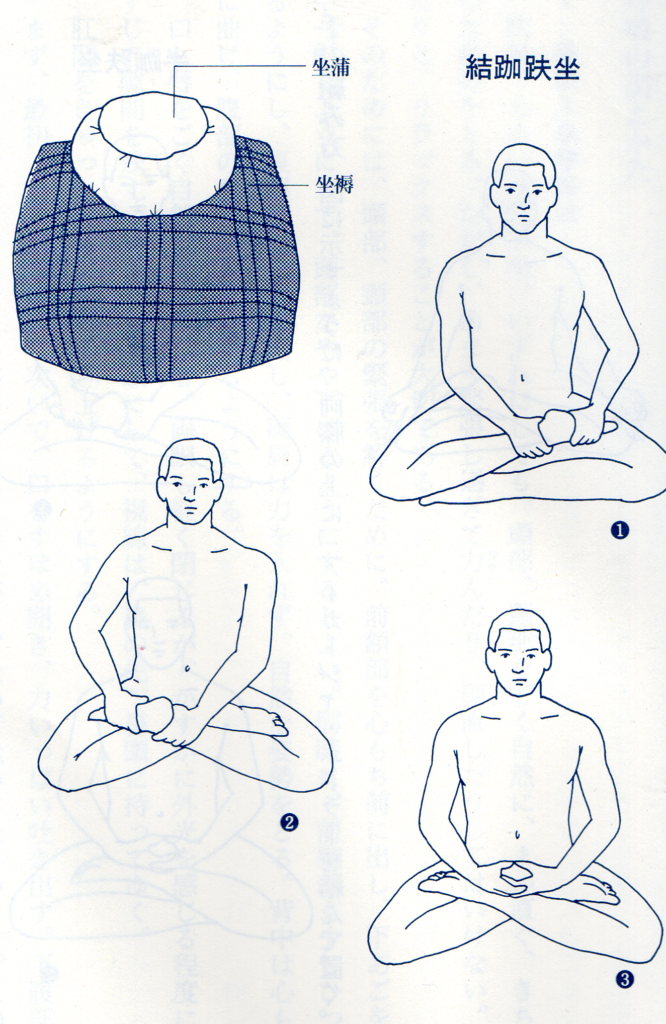
結珈談座、あるいは半跏咲座、いずれにしても、頭部、頭部をごく自然に、まっ
直ぐ、きちんとした姿勢をとる。ただし、あまり緊張し過ぎて力んだり、硬直した
りしてはいけない。ゆったりと、リラックスすることが大切である。

そのためには、頭部、頸部の緊張を解くために、前額部を心もち前に出し、下あ
ごを少し中へ引くようにして、頭部をやや下げるようにするとよい。

同時に、前胸部お小しひっこめるようにし、腹部は少し前に出し、両肩は力を入れず、自然な姿をとる。背中は心もち前に曲げ、腹部の容積を大きくするようにする。

口と営はごく自然に軽く閉じる。両眼も軽く閉じるが、かすかに外光を感じる程
庭にひとすじの間を残す。すなわち、半眼にして、視線は、鼻の先、鼻頭に持っ
肛門さぎゅっと締め、上へ引き上げるようにする。

まず、最初、軽く息を吸い、次いで、口をすぼめ開き、力いっぱい吐き出す。下道部に力をこめ、上体も少し東に祭りながめるようにしながら、はいて吐いてき
このとき、前に書いたように、体じゅうので、不浄の気をことごとく吐き出してしまう気持ちで、おち、背中にかっついてしまうに、はるのである。吐き
つくしたら、また大きく吸い、こ、これをくり返す。

大事なことは、呼吸法るとどめるには、必ず、まず最初に感くことである。まずいて、うずに曇り時から一回の呼吸がはじまるのである。

舌はかるく噛み合わ世て、嘘み合わせた陸の間通して、ゆっくりと息を吐く。

は下がくれるかれない夜陰で、決してつま嘆み合わせてはいけない。

自然に、長出入意呼吸法に移る。

まず、軽く息を吸う。(接入呼盛である。

園の間を通してゆっくりと息を吐き終ったら、今度はダを閉じ、いきちんと合
わせて、からゆっくりと扱うのである。

「少しずつ時間をかける、鼻から該う。

ようかく
このとき、鼻から入ってくる空気の量をできるだけ少なくするために、いをす
めて鼻腔をせまくする。こうすると、入ってくる空気の量が少なくなるだけではな
く、せまくなった鼻腔の壁が空気でマサツされて、その刺激が脳にったり、脳の
昂奮をしずめる効果もあるのである。

また、息を吸いこむとき、舌の先を、上顎部(上の正面の歯ぐきのやや上部、
「眼交」と呼ぶ部位)につける。

そして、ごく自然に息を吸いこんでゆく。

息を吸い終わったら、もう一度、軽く息をのみ、みぞおちは充分に落とし、川門
をぐっと閉じ、下腹に軽くウムと力を入れる。

この力を入れるとき、同時に必ず鼻からちょっと息を漏らす。これが非常に大切
で、これをやらないと、胸から頭部にかけて圧がかかり、体を痛める恐れが出てく
る。腹式呼吸をやって、頭痛を起こしたり、内臓下垂で苦しんだりするのは、これ
を知らないからである。
禅宗の原田祖岳老師が、原坦山和尚の極端な下腹入力神をやったところ、頭が鳴
と心の。また鳩の位階が的になって知をしたい本に書いておられ
このきしめて、上にウムを入れると、二、三回おこなう。
ついで、出典にる。
下に、設定こめ、下部を収させながら、どこまでも腹の力をもってお
かには出してゆくからんでいた下腹がしだいにしはらり、収してい
このとき、息をはき出しながら、それまで、1部につけていた話をし、山き
山中温せるような気持で、低い声でマントラをする。
「オーム
ントの新しながら息を出してゆく。
「」
でき。
都かに、ゆっくりと、できるだけ細く長く吐き出してゆく。息がすっかり出てし
まうと、下限はくばみ、限歴が背骨にひっつくような気持ちになる。つまり、そう
なるような気持ちで吐き出してゆくのである。

吐き出し終わったら、また、静かに鼻で息を吸う。吸う時は、舌を上顎につける
ン、前と同じである。

吸いこんだら、前と同じ動作で吐き出してゆく。前とおなじように吐き出しなが
ら、マントラを誦する。

この提出入息呼吸法は、一呼吸についての時間は問わない。できるだけ細く、長
く、長出入息させるのである。

2、長出息呼吸法の訓練
前の、長出入息呼吸法は、出る息、入る息、ともにできるだけ長く細く呼吸する
ものである。できるだけ細く長く、というだけで、どれほどの時間をかけて細く長
く呼吸するのか、という時間は問わない。

しかし、今度の長出息呼吸法は、時間が目ヤスになる。
だいたい、成人の呼吸は、健康な人の平静な状態で、ふつう一分間に一回とさ


There are four breathing methods.


1. Long breathing method
Second, long-breathing breathing method
Third, anti-breathing method
4. Strong and short breathing method (fire breathing method)
Is.


To put it simply, one long-breathing breathing method is to breathe out and breathe in, both.
Breathe as thin, long and deep as possible. Take 20 to 30 seconds, 1 minute, time for one breath
times.
The second long-breathing breathing method exhales only the exhaled breath as thin and long as possible, and inhales normally.
Sea urchin sucks.
The third anti-breathing method, unlike normal breathing, retracts the abdomen when inhaling.
Inflate your abdomen when you exhale. It’s just the opposite.
The four strong and short breathing methods are called “fire breathing”, and one nostril is pressed with a finger to close it, and one piece
Breathe strongly and shortly through your nostrils.


1, long breathing and breathing training
In any case, the head and the head are very natural.
Immediately take a proper posture. However, I was too nervous and overpowered or stiff.
Don’t do it. It is important to relax and relax.

To do this, in order to relieve tension in the head and neck, put the forehead forward and lower it.
It’s a good idea to pull your head in a little and lower your head a little.

At the same time, the precordium should be slightly retracted, the abdomen should be slightly forward, and both shoulders should be relaxed to take a natural appearance. Bend your back forward to increase the volume of your abdomen.

The mouth and sword close naturally and lightly. Both eyes close lightly, but the outside light is faintly felt.
Leave a streak in the garden. That is, with a half-eye, hold the line of sight at the tip of the nose and the tip of the nose.
Tighten the anus tightly and pull it up.

First, take a light breath, then pursed your mouth and exhale with all your might. While putting all your strength into the lower road and looking at the festival to the east a little, you spit it out.
At this time, as I wrote before, I feel like I’m all over my body, and I feel like I’m exhaling all the unclean feelings, and I’m sick of sticking to my back. Vomiting
Once you’ve made it, suck it up again and repeat this.

The important thing is to always feel the first thing to stop breathing. First of all, one breath begins when it is cloudy.

The tongue meshes lightly, passing through the lying land and slowly exhaling.

In the shade of the night, you should never mourn.

Naturally, it shifts to the long-entry breathing method.

First, take a light breath. (It is a call for reception.

When you have finished exhaling slowly through the garden, close Da and join properly.
Let them handle it slowly.

“Slowly take time, squeeze through your nose.

By the way
At this time, in order to reduce the amount of air coming in from the nose as much as possible,
Make the nasal cavity narrow. This will not only reduce the amount of incoming air
The narrow wall of the nasal cavity is crushed by air, and the stimulus is sent to the brain or the brain.
It also has the effect of calming excitement.

Also, when inhaling, the tip of the tongue should be on the upper jaw (slightly above the upper front gums).
Attach it to the part called “eye contact”).

Then, I breathe in naturally.

When you have finished inhaling, take a light breath again, drop the epigastrium enough, and Kawamon
Close tightly and lightly apply force to the lower abdomen.

When you apply this force, be sure to breathe a little through your nose at the same time. This is very important
If you don’t do this, pressure will be applied from your chest to your head, which may hurt your body.
To. This is what causes abdominal breathing and causes headaches and suffers from visceral ptosis.
Because I don’t know.
When Zen Buddhist master Harada Daiun Sogaku did the extreme lower abdomen input god of Hara Tanzan, his head rang.
And of the heart. Also, it is written in a book that I want to know because the rank of the pigeon is the target
If you squeeze this and put um on top, it will be done a couple of times.
Next, let’s go to the source.
Set it down and put it in the bottom, and keep your stomach strong.
The lower abdomen that had been entwined with the crab gradually began to grow and was collected.
At this time, while breathing out, I talked about what I had been doing in the first part, and I went to the mountains.
With a feeling of warming up in the mountains, he plays a mantra with a low voice.
“Ohm
I’m going to breathe out while I’m new.
“”
You can.
Slowly spit out as thin and long as possible into the city. I’m out of breath
When I do, the lower limit is dented, and I feel like my history is sticking to my spine. I mean, yes
It spits out with such a feeling.

After exhaling, gently inhale with your nose again. When sucking, put your tongue on your upper jaw
It is the same as before.

After inhaling, exhale with the same movement as before. Exhale like before
Then, recite the mantra.

This submitted breathing method does not matter the time for one breath. As thin and long as possible
It makes you breathe in and out for a long time.

2, long-breathing breathing training
In the previous long-breathing breathing method, both the exhaled breath and the inhaled breath are breathed as long and thin as possible.
It is a thing. Just because it’s as thin and long as possible, how long does it take to make it thin and long?
It doesn’t matter how long you breathe.

However, the long-breathing breathing method this time is time-consuming.
Generally, adult breathing is usually once a minute in a healthy person’s calm state.


Bonji 梵字   種子のもっ深遠な哲理 Profound Tetsuri of seeds

種子のもっ深遠な哲理

無量無辺の意義と徳をそなえる種子
一字をもって各尊をあらわす象徴的な梵子を種子といいます。
ふつう、各尊の尊名、あるいは真言のなかからとった一宇がその種子となっています。
あたかも植物の種子から多くの果実が得られるように、仏の象徴であり真言である梵字から仏の尊形や仏智、さとりといった仏果を得ることができるので、種子と名づけられたといわれています。

 このように、猪尊をあらわす種子は無量無辺の意義と徳をそなえているので、ヴ]れを唱え、心に念じて、書写すれば、すみやかに菩提を得るとされています。


仏教の瞑想法

さて、古代インドでは、仏教が興る以前から、バラモンの修行法のひとつとして瞑想法がありました。

釈尊はの瞑想によって最高のさとりを得たと伝えられています。仏教の瞑想法は、真
理にめざめ、真の智慧を体得する行法ですから、仏道修行の基本的かつ最も高度な行法といえるかもしれません。


種子観法の種類

密教では、この瞑想法を観法といい、必修の行法として行なわれています。仏の象徴を眼前にして修するのが特徴ですが、その仏の象徴として用いるものの一つに、梵字種子があります。
種子を用いた代表的な観法が[阿息観] です。これは、氷轍(満月)の中にヽ森羅万象の始源とされ大日如来の種子でもある阿(アご字を描いた画像を仏の象徴として用います。またヽ出息、大息するときに、ひたすら阿字を観ずるのを[阿息観]、出息に阿字、大息に吽字を観ずるのを耶牢俳響といいます。

Profound Tetsuri of seeds

Seeds with innumerable meaning and virtue
A symbolic bonko that represents each honor with a single letter is called a seed.
Usually, the seed is Ichiu, which is taken from the name of each honor or the mantra.
It is said that it was named as a seed because it is possible to obtain Buddha’s precious shapes, Buddha’s wisdom, and Satori from the Buddha’s symbol and mantra, which is the symbol of Buddha, just as many fruits can be obtained from the seeds of plants. ..

In this way, the seeds that represent the wild boar have an infinite amount of meaning and virtue, so it is said that if you chant the vue, keep in mind, and copy it, you will get a bodhi promptly.


Buddhist meditation

By the way, in ancient India, meditation was one of the practices of Brahmin even before the rise of Buddhism.

Shason is said to have gained the best satori through his meditation. Buddhist meditation is true
It may be said that it is the basic and most advanced practice of Buddhist training because it is a practice of awakening to reason and acquiring true wisdom.


Types of seed viewing

In Mikkyo, this meditation method is called observing and is practiced as a compulsory practice. The feature is to repair with the symbol of the Buddha in front of you, and one of the things used as the symbol of the Buddha is the Sanskrit seed.
A typical way of viewing using seeds is [Asukan]. This uses the image of A (the image depicting the Ago character), which is the origin of all things in the ice rut (full moon) and the seed of Dainichi Nyorai, as a symbol of the Buddha. When you do, watching Aji earnestly is called [Abukikan], and watching Aji in breath and Vairocana in Vairocana is called Yajuku Haikyo.


l

buddha ブッダのことば Buddha’s words つとめはげむこと To work hard


ネーランジャラー河の畔(ほとり)にあって、安穏を得るために、つとめはげみ専心し、努力して瞑想していたわたくしに、

(悪魔)ナムチはいたわりのことばを発しつつ近づいてきて、言った、「あなたは痩(や)せていて、顔色も悪い。あなたの死が近づいた。

あなたが死なないで生きられる見込みは、千に一つの割合だ。きみよ、生きよ。生きたほうがよい。命があってこそ諸々の善行をもなすこともできるのだ。

あなたがヴェーダ学生としての清らかな行いをなし、聖火に供物(そなえもの)をささげてこそ、多くの功徳を積むことができる。(苦行に)つとめはげんだところで、何になろうか。

つとめはげむ道は、行きがたく、行いがたく、達しがたい。」
この詩を唱えて、悪魔は目ざめた人(ブッダ)の側に立っていた。

かの悪魔がこのように語ったときに、尊師(ブッダ)は次のように告げた。──
「怠け者の親族よ、悪しき者よ。汝は(世間の)善業を求めてここに来たのだが、

わたしはその(世間の)善業を求める必要は微塵もない。悪魔は善業の功徳を求める人々にこそ語るがよい。

わたしには信念があり、努力があり、また知慧がある。このように専心しているわたしくしに、汝はどうして生命をたもつことを尋ねるのか?


On the banks of the Nerangjara River, I was devoting myself to meditating in order to gain peace.

(Devil) Namuchi approached, uttering a kind word, and he said, “You are thin and pale. Your death is approaching.

The chances of you living without dying are one in a thousand. You, live. You had better live. Only with life can we do various good deeds.

Many merits can only be achieved if you do pure deeds as a Vedic student and offer offerings to the torch. What will happen to the place where I have been struggling (for penance)?

The road that is hard to reach is hard to reach, hard to do, and hard to reach. ”
Reciting this poem, the devil stood beside the awakened man (Buddha).

When the devil said this, the guru (Buddha) said: ──
“Lazy relatives, bad guys. You came here in search of good deeds.

I don’t have to seek that (public) good work. The devil should speak only to those who seek the merit of good works.

I have belief, effort, and wisdom. Why do you ask me, who is so devoted, to have life?

buddha ブッダのことば Buddha’s words  矢 arrow

buddha ブッダのことば Buddha’s words

矢 arrow


この世における人々の命は、定まった相(すがた)なく、どれだけ生きられるかも解らない。惨(いた)ましく、短くて、苦悩をともなっている。

生まれたものどもは、死を遁(のが)れる道がない。老いに達しては、死ぬ。実に生ある者どもの定めは、このとうりである

熟した果実は早く落ちる。それと同じく、生まれた人々は、死なねばならぬ。かれらにはつねに死の怖れがある。

たとえば、陶工のつくった土の器が終りにはすべて破壊されてしまうように、人々の命もまたそのとおりである。

若い人も壮年の人も、愚者も賢者も、すべて死に屈服してしまう。すべての者は必ず死に至る。

かれらは死に捉えられてあの世に去って行くが、父もその子を救わず親族もその親族を救わない。

見よ。見まもっている親族がとめどもなく悲嘆にくれているのに、人は屠所(としょ)に引かれる牛のように、一人ずつ、連れ去られる。

見よ。見まもっている親族がとめどもなく悲嘆にくれているのに、人は屠所(としょ)に引かれる牛のように、一人ずつ、連れ去られる。

汝は、来た人の道を知らず、また去った人の道を知らない。汝は(生と死の)両端を見きわめないで、わめいて、いたずらになき悲しむ。

迷妄にとらわれて自己を害なっている人が、もしも泣き悲しんでなんらかの利を得ることがあるならば、賢者もそうするがよかろう。

泣き悲しんでは、心の安らぎは得られない。ただかれにはますます苦しみが生じ、身体がやつれるだけである。

泣き悲しんでは、心の安らぎは得られない。ただかれにはますます苦しみが生じ、身体がやつれるだけである。

人が悲しむのをやめないならば、ますます苦悩を受けることになる。亡くなった人のことを嘆くならば、悲しみに捕らわれてしまったのだ。

見よ。他の(生きている)人々はまた自分のつくった業にしたがって死んで行く。かれら生あるものどもは死に捕らえられて、この世で慄えおののいている。

ひとびとがいろいろと考えてみても、結果は意図とは異なったものとなる。壊れて消え去るのは、このとうりである。世の成りゆくさまを見よ

たとい人が百年生きようとも、あるいはそれ以上生きようとも、終には親族の人々すら離れて、この世の生命を捨てるに至る。

だから(尊敬されるべき人)の教えを聞いて、人が死んで亡くなったのを見ては、「かれはもうわたしの力の及ばぬものなのだ」とさとって、嘆き悲しみを去れ。

たとえば家に火がついているのを水で消し止めるように、そのように知慧ある聡明な賢者、立派な人は、悲しみが起こったのを速やかに滅ぼしてしまいなさい。──譬えば風が綿を吹き払うように。

已が悲嘆と愛執と憂いとを除け。已が楽しみを求める人は、已が(煩悩の)矢を抜くべし。

煩悩の)矢を抜き去って、こだわることなく、心の安らぎを得たならば、あらゆる悲しみを超越して、悲しみなき者となり、安らぎに帰する。


buddha Buddha ’s words

Arrow arrow

People’s lives in this world do not have a fixed phase, and we do not know how long they can live. It’s miserable, short, and distressing.

Those born have no way to survive death. When you reach old age, you die. This is the rule of those who are really alive.

Ripe fruits fall quickly. Similarly, those born must die. They are always in danger of death.

For example, just as all the earthenware made by potters is destroyed at the end, so is the life of the people.

Young people, middle-aged people, fools and wise men all succumb to death. Everyone will die.

They are caught dead and go away to the world, but neither the father nor the relatives save the relatives.

Look. People are taken away one by one, like cows pulled to a slaughterhouse, even though their relatives are endlessly mourning.

Look. People are taken away one by one, like cows pulled to a slaughterhouse, even though their relatives are endlessly mourning.

You do not know the way of those who came, and you do not know the way of those who left. Thou shalt not see both ends (life and death), but scream and mourn mischievously.

If a person who is trapped in a delusion and harms himself may cry and gain some benefit, so should the wise man.

Weeping does not give you peace of mind. However, he suffers more and more, and his body is only sick.

Weeping does not give you peace of mind. However, he suffers more and more, and his body is only sick.

If a person does not stop mourning, he will suffer more and more. If he lamented the deceased, he was trapped in sorrow.

Look. Other (living) people also die according to the work they have created. Those who are alive are captured dead and terrified in this world.

Even if people think about it, the result will be different from what they intended. It is this melon that breaks and disappears. See how the world goes

Whether a person lives for a hundred years or more, he eventually leaves even his relatives and abandons the life of the world.

So, when you hear the teachings of (a person to be respected) and see that a person has died, he says, “He is beyond my power,” and leave the grief.

Just as a house is set on fire with water, such a wise and wise wise man, a good man, should quickly destroy the grief. ──Like the wind blows away cotton.

Except for grief, affection, and sorrow. If you are looking for fun, you should pull out the arrow.

If you get rid of the arrow (of anxiety) and get peace of mind without being particular about it, you will transcend all sorrows, become a sad person, and return to peace.

buddha ブッダのことば Buddha’s words 宝 Treasure

buddha ブッダのことば Buddha’s words

Treasure

ここに集まった諸々の生きものは、地上のものでも、空中のものでも、すべて歓喜せよ。そうしてこころを留めてわが説くところを聞け。

それ故に、すべての生きものよ、耳を傾けよ。昼夜に供物をささげる人類に、慈しみを垂れよ。それ故に、なおざりにせず。かれらを守れ。


この世または来世におけるいかなる富であろうとも、天界における勝れた宝であろうとも、われらの全き人(如来)に等しいものは存在しない。この勝れた宝は、目ざめた人(仏)のうちに存する。この真理によって幸せであれ。


最も勝れた仏が讃嘆したもうた清らかな心の安定を、「ひとびとは(さとりに向かって)間をおかぬ心の安定」と呼ぶ。この(心の安定)と等しい者はほかに存在しない。このすぐれた宝は理法(教え)のうちに存する。この真理によって幸せであれ。


善人のほめたたえる八輩の人はこれらの四双の人である。かれらは幸せ人(ブッダ)の弟子であり、施与を受けるべきである。かれらに施したならば、大いなる果報をもたらす。

この勝れた宝は<つどい>のうちにある。この真理によって幸せであれ。


ゴータマ(ブッダ)の教えにもとずいて、堅固な心をもってよく努力し、欲望がなく、不死に投入して、達すべき境地に達し、代償なくして得て、平安の楽しみを享けている。この勝れた宝<つどい>のうちにある。この真理によって幸せであれ。


われら、ここに集まった諸々の生きものは、地上のものでも、空中のものでも、神々と人間のつかえるこのように完成した<目ざめた人>(ブッダ)を礼拝しょう。幸せであれ。


われら、ここに集まった諸々の生きものは、地上のものでも、空中のものでも、神々と人間とのつかえるこのように完成した<教え>を礼拝しよう。幸せであれ。


われら、ここに集まった諸々の生きものは、地上のものでも、空中のものでも、神々と人間とのつかえるこのように完成した<つどい>を礼拝しよう。幸せであれ。


buddha Buddha ’s words

Treasure


Rejoice in all the creatures gathered here, whether on earth or in the air. Then keep your mind and listen to what I preach.

Therefore, listen to all creatures. Give mercy to the human race who offers offerings day and night. Therefore, don’t neglect it. Protect them.


No wealth in this world or in the afterlife, or a winning treasure in heaven, is equal to our perfect man (Nyorai). This winning treasure exists in the awakened person (France). Be happy with this truth.


The pure and pure mental stability that the most victorious Buddha praised is called “people’s mental stability (towards Satori).” No one else is equal to this (stability of mind). This excellent treasure exists in the law (teaching). Be happy with this truth.


The eight people who praise the good people are these four people. They are disciples of the happy man (Buddha) and should be given. If given to them, it will bring great rewards.

This winning treasure is in the gathering. Be happy with this truth.


Based on the teachings of Gautama (Buddha), he strives hard with a firm heart, has no desire, immortally throws in, reaches the point where he should reach, gains without compensation, and enjoys the enjoyment of peace. .. It is in this winning treasure. Be happy with this truth.


Let us worship the completed <Awakened Person> (Buddha) that can be used by gods and humans, whether the creatures gathered here are on earth or in the air. Be happy.


Let us worship the completed <teachings> that we can use with the gods and humans, whether the creatures gathered here are on earth or in the air. Be happy.


Let us worship the completed “gatherings” that we can use with the gods and humans, whether the creatures gathered here are on earth or in the air. Be happy.

buddha ブッダのことば Buddha’s words 最上についての八つの詩句 Eight verses about the best


世間では、人は諸々の見解のうちで勝(すぐ)れているとみなす見解を「最上のも」のであると考えて、それよりも他の見解はすべて「つまらないものである」と説く。それ故にかれは諸々の論争を超えることがない。


かれ(=世間の思想家)は、見たこと・学んだこと・戒律や道徳・思索したことについて、自分の奉じていることのうちのみすぐれた実りを見、そこで、それだけに執著して、それ以外の他のものをすべてつまらぬものであると見なす。


ひとが何か或ものに依拠して「その他のものはつまらぬものである」と見なすならば、それは実にこだわりである、と<真実に達した人々>は語る。それが故に修行者は、見たこと・学んだこと・思索したこと、または戒律や道徳にこだわってはならない。


智慧に関しても、戒律や道徳に関しても、世間において偏見をかまえてはならない。自分を他人と「等しい」と示すことなく、他人より「劣っている」とか、或いは「勝れている」とか考えてはならない。


かれは、すでに得た(見解)[先入見]を捨て去って執著することなく、学識に関しても特に依拠することをしない。人々は(種々異なった見解に)分かれているが、かれは実に党派に盲従せず、いかなる見解をもそのまま信ずることがない。

かれはここで、両極端に対し、種々の生存に対し、この世についても、来世についても、願うことがない。諸々の事物に関して断定を下して得た固執の住居は、かれには何も存在しない


かれはこの世において、見たこと、学んだこと、あるいは思索したことに関して、微塵ほどの妄想をも構えていない。いかなる偏見をも執することのないそのバラモンを、この世においてどうして妄想分別させることができるであろうか?


かれらは、妄想分別をなすことなく、(いずれか一つの偏見を)特に重んずるということもない。かれらは、諸々の教義のいずれかをも受け入れることもない。バラモンは戒律や道徳によって導かれることもない。このような人は、彼岸に達して、もはや還ってこない

The public considers the view that one considers to be the “best” of the views, and preaches that all other views are “boring.” Therefore he does not go beyond all the controversies.


He (= the thinker of the world) sees the best fruit of what he is doing about what he sees, what he learns, what he sees, what he learns, what he disciplines, morals, and what he thinks. Consider everything else as boring.


If one relies on something and considers “others to be boring,” it is really obsessive, says “people who have reached the truth.” Therefore, the practitioner must not stick to what he sees, learns, thinks, or disciplines or morals.


There must be no prejudice in the world regarding wisdom, discipline or morality. He must not consider himself “inferior” or “superior” to others without showing himself “equal” to others.


He does not abandon the (opinion) [prejudice] he has already obtained and does not write, nor does he make any particular reliance on scholarship. People are divided (in different views), but he is not really blind to the factions and does not believe in any views.

He here has no wishes for the two extremes, for the various survivals, for this world or for the afterlife. He has no insistence dwelling that he has made assertions about things.


He has no delusions in the world about what he sees, learns, or thinks about. How can he delusionally discriminate the Brahmin, which has no prejudice, in this world?


They do not delusionally discriminate and do not particularly value (one of the prejudices). They do not accept any of the doctrines. Brahmin is not guided by discipline or morality. Such a person has reached the equinoctial week and no longer returns