UA-135459055-1

阿含宗 Agon Shu: You Can be Buddha 3  Agonshu Agon Shu: You Can be Buddha 3 

井上誠
井上誠
3 か月前
管長猊下、心より尊敬しております。

1

返信

nactan
nactan
10 年前
which statement are you referring to? he said a lot of things.

1

返信

Dinuka Sampath
Dinuka Sampath
1 年前
子供の頃、とても貧しい家庭に生まれ、幸運にもスリランカの阿含宗友好財団奨学金を受給しました。 それは私が私の学業で成功することを可能にしました。 最も由緒ある桐山靖湯とスリランカ阿含宗友好財団のスタッフに感謝します。(DinukaSri Sampath)

As a child, I was born into a very poor family and was fortunate enough to receive a scholarship from the Agonshu Friendship Foundation of Sri Lanka. It enabled me to succeed in my studies. I would like to thank the most venerable Seiyu Kiriyama and the staff of the Sri Lanka Agon Shu Friendship Foundation. (Dinuka Sri Sampath)

返信

黒田博子
黒田博子
2 年前
にほんごにやくしていだきたいせかいのひとびとにみていだだきたいとおもいます

返信

集中(止)と瞑想(観) 瞑想の呼吸法は、四種の呼吸法から成り立つ。 The meditation breathing method consists of four types of breathing methods. Concentration (stop) and meditation (view)

集中(止)と瞑想(観)


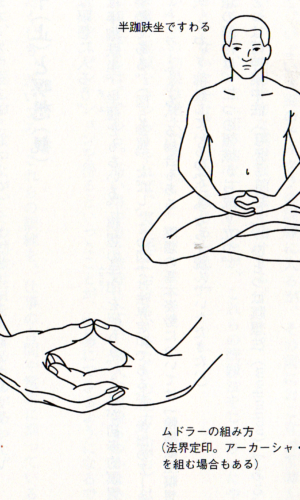
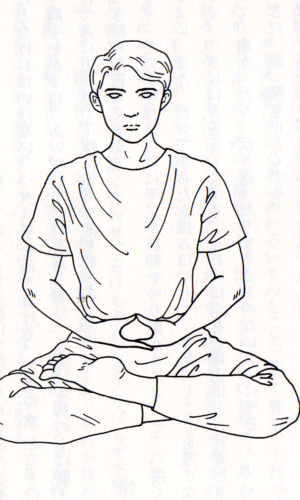
 では瞑想に入ろう。

 坐は半珈鉄坐。坐蒲をもちいる。瞑想の手印を組もう。これが初歩的瞑想の

基本姿勢である。(この図では法界定印であるが、後出のアーカーシャームドラーをもちいる場合もある。瞑想の基本姿勢については『輪廻転生瞑想法』に、くわしく解説しているので、かならず読んでいただきたい)

 瞑想の修行は、二つの領域から成り立つ。

 ひとつは精神集中法(である。

心を集中するとは

 これについて少し解説しよう。まず、シャマタ(止)である。、禅における公案、また、祈りを捧げるとか、経文を読む、真言を唱えるなども、精神集中法のひとつである。要はひとつのことに心を集中し、そこに〃止”まり、動かないことである。

これは、ひとっのことに心を集中するのである。

数息観がそ‘の代表であるが、、とで’‐ ことてことに意識を集申し、他のものに心を向けない、これを積極的に意識的におこなうのであるひこれは修行のはじめの過程として、だれでも通るものである。

この精神集中の状態は二つに分けることができる。

ひとつはこ息識的精神集中」で、ひとつのことにつぎの段階が、「無意識的精神集中しの状態である。これは、高度のもので、

意識的精神集中をつづけているうちに、習練によって条件づけられ、ついに、とくに意識しないでもひとつのことに心を集中することができるようになる。

 これによって無意識の意識層をつうでは絶対に統御できない無意識の意識を、ある特定の対象に向けることができるようになるのである。

心の流れにまかせるとは

 つぎに、ビパシャナ(観)である。

 これは、ひとつのことに注意をとどめない。心の動きのひとつひとつに心を

向けていくが、ひとつのことにとどまっていない。心の流れにまかせるのである。

 これにも、「意識的瞑想」と「無意識的瞑想」がある。

 「意識的瞑想」は、表面意識が心の流れを観ている。

 「無意識的瞑想」は、深層意識の心の流れそのものになっている。

 では、その深層意識の流れを観ているものはなにか? だれが深層意識の流

れを観ているのか? それは「無意識的精神集中」の心である。

 だから、「止」と「観」は密接な関係があるのである。いまおこなわれている瞑想のほとんどは、「止」か「観」か、どちらかにかたよっている。禅は「止」にウェイトがかかり、瞑想(としてやっているもの)は、「観」が主である。しかし、「止」を完成した「観」でなければほんとうの瞑想ではなく、「止」でとどまって「観」に入らない定は、これまたほんとうの瞑想ではないのである。

 「止」と「観」はおなじように修せられなければならない。そうして、非常に高度の瞑想(観)をするためには、おなじように非常に高度の巣中(止)が体得されていなければ不可能なのである。

 では「意識的瞑想」と「無意識的瞑想」とはどうちがうのか?

 ひと口でいうならば、

 意識的瞑想は「個の世界」を観、無意識的瞑想は「全の世界」を観る。 ・

 といったらよいであろう。

 意識的瞑想は「自分だけの世界の流れ」を観るのである。

 無意識的瞑想は「人類そのものの(世界の)流れ」を観るのである。いや、

もっと拡大した世界だ。「宇宙そのものの流れを観る」といったらよいであろう。

無意識の意識層には、原初からの人類の記憶がすべておさめられている。いや、人類以前からの記憶がすべて秘められている。

 わたくしは、『輪廻転生瞑想法I』で、このことについてのべている。「個体発生」と「系統発生」の意識と記憶について語った第二章を、もう一度読み返してみていただきたい。


瞑想の呼吸法は、四種の呼吸法から成り立つ。

 一、長出入息呼吸法

 二、長山息呼吸法

 三、反式呼吸法

 四、強短息呼吸法(火の呼吸法))

 である。
四種の呼吸法

 この本で教える瞑想の呼吸法は、四種の呼吸法から成り立つ。

 一、長出入息呼吸法

 二、長山息呼吸法

 三、反式呼吸法

 四、強短息呼吸法(火の呼吸法))

 である。

 簡爪に説明すると、一の長出入息呼吸法は、出る息、入る息、どちらも、できるだけ細く長く深く呼吸する。一呼吸に二十秒から三十秒、一分くらい、時間をかける。

 二の長出息呼吸法は、出る息のみをできるかぎり細く長く吐いて、吸う息はつうに吸う。

 三の反式呼吸法は、ふつうの呼吸とちかって、息を吸うとき、腹部をひっこ

め、息を吐くとき、腹部をふくらませる。ちょうど逆になるわけである。

 四の強短息呼吸法は、「火の呼吸法」とよび、片方の鼻孔を指で押さえて閉

じ、片方の鼻孔で強く短く呼吸する。

 それでは、四種の呼吸法の訓練を説明しよう。


長出入息呼吸法の訓練

 鉄坐、あるいは椅子坐、いずれにしても、頭部、頚部をごく自然に、まっす

ぐ、きちんとした姿勢をとる。ただし、あまり緊張しすぎて力んだり、硬直し

たりしてはいけない。ゆったりと、リラックスすることが大切である。

 そのためには、頭部、頭部の緊張を解くために、前頭部を心もち前に出し、

ド顎を少し中へ引くようにして、頭部をやや下げるようにするとよい。同時

に、前胸部も少しひっこめるようにし、腹部は少し前に出し、両肩は力を入れ

ず、自然な盗勢をとる。背中は心もち前に曲げ、腹部の容積を大きくするよう

にする。


 口と唇はごく自然に軽く閉じる。両眼も軽く閉じるが、かすかに外光を感じ

る程度にひとすじの隙間を残す。すなわち半眼にして、視線は、鼻の先、鼻頭

に持っていく。

 肛門をきゅっと締め、ヒヘ引き上げるようにする。

 まず、最初、帷く息を吸い、ついで口をすぼめ開き、力いっぱい吐き出す。

下腹部に力をこめ、ヒ体を少し前に折りかがめるようにしながら、吐いて吐い

て叶き尽くす。このとき、前に書いたように、体中の悪気、不浄の気をことご

とく叶き川してしまう気持ちで、鳩尾が背骨にくっついてしまうくらいに、吐

くのである。吐き尽くしたら、また大きく吸い、二、三回、これをくり返す。

 大事なことは、呼吸法をはじめるときには、かならず、まず最初に息を吐く

ことである。まず吐いて、つぎに吸うときから第一回の呼吸がはじまるのであ

る。

 歯は軽くかみ合わせて、かみ合わせた歯の間を通して、ゆっくりと息を吐

く。歯は上下が軽く2  れるか2  れない程度で、決して強くかみ合わせてはいけ

ない。

 自然に、長出大息呼吸法に移る。

 まず、軽く息を吸う。

 歯の間を通してゆっくりと息を吐き終わったら、今度は唇を閉じ、歯をきち

んと合わせて、鼻からゆっくりと吸うのである。

 少しずつ、時間をかけて、鼻から空気を吸う。このとき、鼻から大ってくる

空気の量をできるだけ少なくするために、鼻をすぼめて鼻腔をせまくする。こ

うすると、大ってくる空気の量が少なくなるだけではなく、せまくなった鼻腔

の壁が空気でマサツされて、その刺激が脳に伝わり、脳の興奮を静める効果も

あるのである。

 よた、息を吸い込むとき、舌の先を、上顎部(上の正面の歯ぐきのやや上部、つり、竹脈ルートの願文のところである)につける。なぜっけるのかというと、わ

たくしけ、さきに、任脈と督脈のニルートは、元来一本の線であるとのべた。

しかし、じっは、口のところでとぎれているのである。これを、舌の先で接続

させるのである。これによって、じっさいに、任脈・督脈のニルートは、一本

のルートとなるのであ今(ここから意念との共同訓練に入っていくのだ)

 そこで、ごく自然に息を吸い込んでいく。

 このとき、息を吸い込む鼻の奥から、(任脈ルートの)鳩尾、中胱、神闘(臍)

を通って、田刀性は気海(臍の下約四センチ)、女性は関元(臍の下約八センチ)のと

ころまで、一本の気管(プラーナ管)が通じていると観想せよ。太さは細めのストローくらいで、赤色である。

 この気管の根本、つまり根管部(気海、関元)に、胞宮という三センチ四方くらいの特殊な細胞の場のあることを意識せよ。胞嚢という、うすいオレンジ色を帯びた透明の袋と考えてもよい。鍛錬によって収縮・拡大するから、嚢と考えたほうが把握しやすい。

 静かに深く息を吸い込んでいく。気管を通じて息はまっすぐに胞嚢に吸い込

まれていく。吸い込む最初、鳩尾は軽くひっこみ、このとき、胞宮に強く意識

をかけ、少し力を入れる。息が吸い込まれるにしたがって、鳩尾は2くらみ、収縮していた胞嚢もふくらんでいく。(注意。あとでのべる「反式呼は、この逆になる)

 息を吸い終わったら、もう一度、軽く息をのみ、鳩尾は十分に落とし、肛門をぐっと閉じ、胞宮にウムと力を入れる。この力を入れるとき、同時にかならず鼻からちょっと息を漏らす。これが非常に大切で、これをやらないと、胸から頭部にかけて圧がかかり、体を痛めるおそれが出てくる。腹式呼吸をやって、頭痛を起こしたり、内臓下垂で苦しんだりするのは、これを知らないからである。禅宗の原田祖岳老師が、原坦山和尚の極端な下腹人力禅をやったとこ

ろ、頭が鳴って苦しくなった。また腸の位置が変則的になって難病をしたと本

にいておられる。注意が必要である。

 この肛門を締めて、胞宮にウムと力を入れる動作を、二、三回おこなう。、長山息呼吸に移る。

 胞官に。役と力をこめ、下腹部を収縮させながら、どこまでも腹の力をもって静かに息か叶き出していく。  くらんでいた胞嚢がしだいにしぼられ、収縮していく。

 このとき、息を吐き出しながら、それまで、上顎部につけていた舌を離し、

吐き出す息に乗せるような気持ちで、低い声で真言を誦する。

 「オン」

 真言を誦しながら息を吐き出していく。静かに、ゆっくりと、できるだけ細

く長く吐き川していく。がすっかり出てしまうと、下腹はくぼみ、腹壁が背

骨にくりつくような気持ちになる。つまり、そうなるような気持ちで吐ていくのである。

 吐き出し終わったら、また、静かに鼻で吸う。吸うときは、舌を上顎につけ

ること。前とおなじである。

 吸い込んだら、前と同じ動作で吐き出していく。前とおなじように、吐き出

しながら、真言を誦する。

 真言はつづいて、

 「シンタマニ」

「ダト」

「ウン」

 で、これを、それぞれ、吐くひと息ごとに、一句ずつ、唱える。

 「オン、シンタ。マニ、ダト、ウン」

 この真言は、守護仏、仏舎利尊(輪廻転生瞑想法の本尊、準胆尊の本体)の真言

である。深く念ずることにより、守護仏の加護を得て、魔境に陥ることなく、

無事、修行を成就するのである。

 この長出人1 呼吸法は、一呼吸についての時間は問わない。できるだけ細く長く、長出入息させるのである。

長出息呼吸法の訓練

 前の、長山人1 呼吸法は、出る息、入る息、ともにできるだけ長く細く呼吸するものである。できるだけ細く長く、というだけで、どれほどの時間をかけて細く災く岬吸するのか、という時間は問わない。


Concentration (stop) and meditation (view)


Let’s get into meditation.

The seat is a half-iron seat. Use zafu. Let’s set a sign of meditation. This is a rudimentary meditation

This is the basic posture. (Although it is a legal seal in this figure, it may also use the Aker Shamdler described later. The basic posture of meditation is explained in detail in “Reincarnation Meditation Method”, so please be sure to read it. )

Meditation practice consists of two areas.

One is the mental concentration method.

To concentrate on your mind

Let’s explain this a little. First is Shamata (stop). , Koan in Zen, praying, reading sutras, chanting mantras, etc. are also one of the methods of concentration. The point is to focus on one thing, stay there, and not move.

This focuses on one thing.

The view of several breaths is the representative of that, but in and out, it is a practice that attracts attention to things, does not pay attention to other things, and actively and consciously does this. As the first process of, anyone goes through.

This state of mental concentration can be divided into two.

One is this sensible concentration, and the next stage is the “unconscious state of concentration. This is a high degree.

As you continue to concentrate consciously, you will be conditioned by practice, and finally you will be able to concentrate on one thing without being particularly conscious.

This makes it possible to direct the unconscious consciousness, which cannot be controlled by the unconscious consciousness layer, to a specific object.

To leave it to the flow of the heart

Next is Bipashana (view).

This does not stop at one thing. Put your heart into each movement of your heart

I’m going, but it’s not just one thing. Leave it to the flow of your heart.

There are also “conscious meditation” and “unconscious meditation”.

In “conscious meditation”, surface consciousness is watching the flow of the mind.

“Unconscious meditation” is the flow of the mind of deep consciousness.

Then, what is watching the flow of deep consciousness? Who is the flow of deep consciousness

Are you watching this? It is the mind of “unconscious concentration”.

Therefore, “stop” and “view” are closely related. Most of the meditations that are being practiced now depend on either “stop” or “view.” In Zen, “stop” is weighted, and in meditation (what is done as), “view” is the main. However, if it is not a “view” that completes the “stop”, it is not a true meditation, and a decision that stays at the “stop” and does not enter the “view” is not a true meditation either.

“Stop” and “view” must be mastered in the same way. Then, in order to perform a very high degree of meditation (view), it is impossible without mastering a very high degree of nesting (stopping) as in the same way.

Then, what is the difference between “conscious meditation” and “unconscious meditation”?

In a nutshell,

Conscious meditation sees the “individual world”, and unconscious meditation sees the “whole world”.・ ・

It would be nice to say.

Conscious meditation sees “the flow of your own world”.

Unconscious meditation sees the “flow of mankind itself (in the world)”. no,

It’s a more expanded world. It would be nice to say, “Watch the flow of the universe itself.”

The unconscious conscious layer contains all the memories of humankind from the beginning. No, all the memories from before humankind are hidden.

I mentioned this in “Reincarnation Meditation Method I”. Please reread Chapter 2, which talks about the consciousness and memory of “ontogeny” and “pharmaceutical development.”


The meditation breathing method consists of four types of breathing methods.

1. Long breathing method

2. Nagayama breathing method

Third, anti-type breathing method

4. Strong and short breathing method (fire breathing method))

It is.

Four breathing methods

The meditation breathing method taught in this book consists of four types of breathing methods.

1. Long breathing method

2. Nagayama breathing method

Third, anti-type breathing method

4. Strong and short breathing method (fire breathing method))

It is.

To explain to the simple claws, one long breathing method is to breathe as thin, long and deep as possible for both the breathing out and the breathing in. Take 20 to 30 seconds, 1 minute for each breath.

The second long-breathing breathing method exhales only the exhaled breath as thinly and long as possible, and inhales as much as possible.

The third anti-breathing method is different from normal breathing, and when inhaling, the abdomen is pulled.

Therefore, when you exhale, your abdomen is inflated. It’s just the opposite.

The four strong and short breathing methods are called “fire breathing methods”, and one nostril is pressed with a finger to close it.

Breathe strongly and shortly through one nostril.

Let’s explain the training of four types of breathing methods.


Long breathing training

Whether it’s an iron seat or a chair seat, the head and neck are straightened very naturally.

Take a proper posture. However, I’m too nervous and I’m too nervous or stiff.

Don’t do it. It is important to relax and relax.

For that purpose, in order to release the tension of the head and head, put the frontal part forward with the heart.

It is advisable to pull the chin slightly inward and lower the head slightly. simultaneous

Also, the precordium should be slightly retracted, the abdomen should be slightly forward, and both shoulders should be strengthened.

Instead, take a natural steal. Bend your back forward to increase the volume of your abdomen

To.


Mouth and lips close naturally and lightly. Both eyes close lightly, but I feel a faint outside light

Leave a gap of one streak to the extent that it is. That is, with half an eye, the line of sight is the tip of the nose and the tip of the nose.

Bring it to.

Tighten the anus tightly and pull it up.

First, inhale a sigh, then squeeze and open your mouth, and exhale with all your might.

Spit and vomit while exerting force on the lower abdomen and bending the body slightly forward.

It will be exhausted. At this time, as I wrote before, all the bad and unclean feelings in my body.

Vomiting to the extent that Hatoo sticks to the spine with the feeling that it will finally come true

It is. When you have exhausted, suck again and repeat this a couple of times.

The important thing is that when you start breathing, you always exhale first.

That is. The first breath begins when you exhale first and then inhale.

To.

The teeth are lightly engaged and slowly exhale through the meshed teeth.

nine. The upper and lower teeth should be lightly 2 or not, and should never be strongly engaged.

do not have.

Naturally, move to the long-breathing breathing method.

First, take a light breath.

After slowly exhaling through the teeth, close your lips and close your teeth.

In addition, it sucks slowly through the nose.

Slowly, take time to breathe air through your nose. At this time, it comes from the nose

Squeeze your nose and narrow your nasal passages to reduce the amount of air as much as possible. child

Not only does this reduce the amount of air that comes in, but it also narrows the nasal passages.

The wall is crushed by the air, and the stimulus is transmitted to the brain, which also has the effect of calming the excitement of the brain.

There is.

When inhaling, attach the tip of the tongue to the upper jaw (slightly above the upper front gum, the suspension, and the application for the bamboo vein route). The reason is

Takushike, earlier, I mentioned that the Ren Meridian and the Du Meridian are originally a single line.

However, in fact, it is interrupted at the mouth. Connect this with the tip of your tongue

Let me do it. As a result, there is actually only one Niroute for Ren Meridian and Du Meridian.

Now (from here, we will start joint training with the idea)

Therefore, breathe in very naturally.

At this time, from the back of the nose where you breathe in, the pigeon tail (of the Ren Meridian route), the middle bladder, and the epigastrium (umbilical cord)

Through, the tato is Kikai (about 4 cm below the navel), and the woman is Sekimoto (about 8 cm below the navel).

Imagine that one trachea (Prana tube) is open until the time. The thickness is about a thin straw, and it is red.

Be aware that at the root of this trachea, that is, the root canal (Kiumi, Sekimoto), there is a special cell field of about 3 cm square called the spore palace. You can think of it as a sac, a transparent bag with a light orange tinge. Since it contracts and expands due to training, it is easier to understand if you think of it as a sac.

Inhale quietly and deeply. Breath straight through the trachea into the cyst

I’m going to get caught. At the beginning of inhaling, Hatoo retracts lightly, and at this time, he is strongly conscious of the spore palace.

And put a little effort. As the breath is inhaled, the dovetail swells twice and the contracted epigastrium also swells. (Caution. “Anti-formal call is the opposite of this,” which will be described later.)

After inhaling, take a light breath again, drop the Hatoo enough, close the anus tightly, and put a lot of effort into the spore palace. When you apply this force, you must breathe a little through your nose at the same time. This is very important, and if you don’t do this, pressure will be applied from your chest to your head, which can hurt your body. I don’t know this because I do abdominal breathing, causing headaches and suffering from visceral ptosis. The Zen Buddhist priest Harada Daiun Sogaku performed the extreme lower abdominal human power Zen of Hara Tanzan Osho.

My head rang and it became painful. In addition, the book says that the position of the intestine became irregular and he had an intractable disease.

I’m here. Caution must be taken.

Tighten this anus and perform the action of exerting force on the spore palace a couple of times. , Nagayama Breathing.

To a cell officer. With the power of the abdomen, the lower abdomen is contracted, and the force of the abdomen is used to quietly breathe out. The sac that had been squeezed gradually squeezed and contracted.

At this time, while exhaling, release the tongue that had been attached to the upper jaw until then.

Recite the mantra in a low voice with the feeling of breathing out.

“On”

Exhale while reciting the mantra. Quiet, slow, as fine as possible

It spits for a long time. When it comes out completely, the lower abdomen is dented and the abdominal wall is back.

I feel like I’m clinging to my bones. In other words, I vomit with that feeling.

After spitting out, gently inhale with your nose again. When sucking, put your tongue on your upper jaw

That. It is the same as before.

After inhaling, exhale with the same operation as before. Exhale as before

While doing so, he recites the mantra.

The mantra continued,

“Shinta Mani”

“Dato”

“Un”

So, chanting this one phrase for each breath you exhale.

“On, Shinta. Mani, Dato, Eun”

This mantra is the mantra of the guardian Buddha, Toshison Buddhist priest (the main idol of the reincarnation meditation method, the main body of the quasi-bold meditation).

Is. By thinking deeply, with the blessing of the guardian Buddha, without falling into the devil’s border,

The training is accomplished safely.

This long-term person 1 breathing method does not matter the time for one breath. Make it as thin and long as possible and let it breathe in and out for a long time.

Long-breathing breathing training

Before, Nagayamajin 1 breathing method is to breathe as long and thin as possible for both out and in. Just because it is as thin and long as possible, it doesn’t matter how long it takes to suck the cape.
因縁

因縁解脱(いんねんげだつ)とは、根本仏教系新宗教阿含宗において説かれる、人の持つ悪い因縁を無くしてしまう(解脱する)ということを意味する用語である。
阿含宗において、因縁とは人間の運命を成り立たせるものであるとされる。「因」とは、結果を生ぜしめる内的な直接原因、「縁」とは外から因を助ける間接原因(条件)のことを指し、この二つが合わさり、一つの結果(運命)が生じると説く。
具体的には因の要素として、次のようなことが言われる。先祖親類に不慮の死を遂げた人物がいると、その人の死に際の念が残り、残った念が、縁のある現世に生きている人間に(死んだ人と)同じような運命を繰り返させる。また、先祖に人の怨みをかった人物がいると、その家系の子孫の運命に悪い影響がおよぶ可能性があるとされる。阿含宗では、因縁の成り立ちを2種類に分けて、縦の因縁と横の因縁とに分類している。先祖から継承されるものを縦の因縁、自分の前世に為した悪業の報いとして生じるものを横の因縁と呼ぶ。縦横の因縁が、交わったところのものが自分であるという。
これを解消するには成仏力という特殊な能力による解脱供養という供養儀式の申込みが必要であるとする。一体10万円で戒名を付けると共に、施主にかかわる先祖の怨念を解消解脱させたのち、永代供養を行っているようである。阿含宗では、悪い因縁を無くし、幸福な人生を歩むことを因縁解脱と呼び、すべての因縁を解脱した人をブッダと呼んでいる。
因縁と解脱の二つの仏教用語を「因縁解脱」という四文字熟語にして説いているのは阿含宗以外では確認されておらず、因縁解脱とは、阿含宗の教祖の体験に基づいて表現されたものである。阿含宗では、解脱すべき(=切ってなくしてしまう)因縁として、次の「因縁の種類」の項で示したような具体的な不幸な運命の星を提示している。また、これらを切らない(なくさない)と不幸な運命は避けられないとしている。

因縁の種類編集

以下の因縁の種類は阿含宗が説く運命を因縁に置き換えた時の分類である。日本の伝統的仏教は、因縁という言葉をつかって以下のような分類をすることはない。運命学の星の内容を仏教用語を使って表現した阿含宗独特のものである。

  •  肉体障害の因縁

怪我 手術など、肉体に障害を持つ運命をとなる。  これがさらに強くなると

  •  横変死の因縁

事故、他殺、自殺のいづれかで亡くなる不幸な運命となる。

  •  刑獄の因縁

犯罪などに係わり服役処罰を受ける運命

  •  肉親血縁の因縁

肉親同士がお互いを憎しみ合い、争う運命。酷い場合は殺しあうことにもなる。

  • 家運衰退の因縁

家の運気が衰退し、活気がなくなる・没落する

  •  癌の因縁

文字通りガンになる運命

  •  循環器系障害の因縁

心臓、肝臓、腎臓など循環器に障害を持つ運命

  •  呼吸器系障害の因縁

肺や気道など呼吸器に障害を持つ運命

  •  脳障害の因縁

脳に病気や障害を持つ運命 精神病(者)も含まれる

  •  中途挫折の因縁

ものごと7,8分で挫折する 男性に多い

  •  夫婦縁障害の因縁

結婚生活が不運である

  •  後家の因縁

30代くらいには、夫と生死別する

  •  色情の因縁

男女間の問題で苦しむ 恋愛で、苦労する。

  •  運気不定浮沈の因縁

一生根無し草のような人生をあゆむ 路上生活 売春

  •  夫(妻)の運気を剋する因縁

配偶者の運気をはなはだしく悪くする

  •  逆恩の因縁

恩人にはなはだしく迷惑をかけ 孤立する

  •  財運水の因縁

金は入るがそれ以上に出て行く 無理に貯めると破綻する

運命上の因縁として

  •  偏業の因縁

特定の職業以外では成功できない 芸能人 水商売 芸術家など

  •  頭領運の因縁

人の上に立つ運命をもつ

  •  番頭運の因縁

補佐にまわることにより成功する運命  等がある

思念の相承と四神足法 Inheritance of Thoughts and the Four God Foot Method


思念の相承と四神足法


 いよいよ、釈尊の成仏法の中心の法である、四神足法の解説に入る。これが

「輪廻転生瞑想法」の根幹となる法である。


釈尊の成仏法の中でも、最高難度の法である。


 いままでの訓練をこなしてきた修行者であれば、なんとか歯が立つのではないかとは思うが、決して容易ではない。いままでの訓練でさえ、むずかしいのに、これ以上の訓練はできるだろうかと、不安に思う方も多いのではないだろうか?


霊界の法の世界において、法の完成者タターガタ(如来)が常恒に法を説いている。

「思念による王者の相承」とは、この法身タターガタが、言葉や象徴という媒介なしに、直接相手の心に自分の心を伝達するものである。


この場合、心、というのは単なる思念の心ではなく、パワーを主としたものと思うべきである。これによって、相手はたちどころに仏陀として完成するのである。


 これは最高であり、理想的なものであること、もちろんである。「王者の」、という所以である。


 とのべた。つまり、仏陀となって成仏するためには、この「思念による王者の相承」を受けることが、理想とされているのである。


 しかし、これには条件があるのだ。


どのような条件か?


 わたくしは、つぎのようにのべている。

だが、そういうと、一 (「思念による王者の相承」)は最高理想のものなのであるから、他のなにものも必要ないのではないかといわれるかもしれない。そうではないのである。その最高理想のものを受けるために、tapasは必要なのである。


 また、同章で、インドのサヘートーマヘートにおける強烈な霊的バイブレーションについて、つぎのようにものべている。


 賢明な読者はすでにお気づきであったろう。これが、チベット密教のいう「思念による王者の相承」であることをI―。思念による王者の相承とは、じつに、霊的バイブレーションによる伝達だったのである。


 わたくしは、これによって、解脱に至る四つの階梯のうちの、第三の境地に達したことを自覚したのであるが、これは、間脳開発の練行taPasを成就していなかったら、絶対に得られなかったものである。丙なる受容の態勢がととのって初めて、外よりの王者の相承が発せられるのである。


 つまり、仏陀となる、あるいは仏陀の境界に近づくためには、「思念による王者の相承」が必要なのであるが、その王者の相承を受けるためには、間脳開発の練行taPasを成就していることが必須なのである。


 わたくしは、この王者の相承を受けて、阿那含の境地に達し、このとき、死ぬまでにかならず仏陀になると強く自覚したが、それはわたくしが、tapasを成就した上で、インドのサヘートーマヘート、ミラクルの池に行ったからこそ、白銀のバイブレーションを受けることができたのである。


 したがって、「思念による王者の相承」を受けるためには、tapasを成就していることが、絶対条件なのである。


 では、その練行tapasとはなにか?


このこそが、四神足法なのである。


いい換えれば、四神足法を成就していなければ、仏陀になるために必要な「思念による王者の相承」を受けられないのである。しかしながら、四神足法は、釈尊の成仏法の中でも最高度にむずかしい法である。だれでも容易に修行できる内容ではない。

 釈尊のむずかしい成仏法を修行しなければ、いつまでたっても思念の相承を受けられず、間脳が開かず、霊性開顕が不可能であるならば、いったいどれは

どの人が、霊性開顕をすることができるであろうか?


 ごく限られた、わずかなエリートしか、到達することができないであろう。

当然のことながら、釈尊の成仏法を発展させた輪廻転生瞑想法も成就できないことになるのだ。


 だが、そうではないのである。

 わたくしは、永年の修行により、この問題点を解決し、だれでも比較的容易

に成仏法の修行を進めていける法を完成することができたからである。


 それは、「水晶龍神瞑想法」という法である。

 この瞑想法は単なる瞑想法ではない。

 じつは、この水晶龍神瞑想法は、釈尊の成仏法の真髄である、

「四神足法そのもの」 なのである。

 そして、この水晶龍神瞑想法の最大の特長は、

「瞑想法自体が思念の相承である。」

 ということなのである。

 修行者は、この法にのっとって修行を進めていくことにより、本来であれ

ば、tapasである四神足法を成就しないかぎり、絶対に受けられない思念の相承を、修行をはじめる最初の段階から受けながら、四神足法に必要な、チャクラの開発訓練を進めていくことができるのである。

ことに、クンダリニー・ヨーガでは、最も危険とされる脳内のチャクラの開発を、安全に、おだやかに進めていくことができるのだ。


あなたは、この水晶龍神瞑想法(四神足法)を修行することによって、神通力

を得ることができるであろう。

 ただし、この法は、最極秘伝に属する法なので、すべてを筆にすることはでない。


Kechimyaku and Iddhipada


Finally, we will begin to explain the Iddhipada method, which is the central law of Shaka Nyorai’s Buddhahood method. This is

It is the basis of the “reincarnation meditation method”.


It is the most difficult law in Shakyamuni’s Buddhahood law.


If you are a practitioner who has done the training so far, I think that you will somehow get a tooth, but it is not easy at all. Even though the training so far is difficult, many people may be worried that more training will be possible.


In the world of law in the spirit world, the perfector of law, Tatagata (Nyorai), constantly preaches the law.

“Kechimyaku of the King by Thought” means that this Dharmakaya Tatagata directly conveys one’s heart to the other person’s heart without the mediation of words or symbols.


In this case, the mind should be thought of as power, not just a mind of thought. As a result, the opponent is immediately completed as a Buddha.


This is the best and ideal, of course. That is why it is “the king”.


It was said that. In other words, in order to become a Buddha and become a Buddha, it is ideal to receive this “consensus of the king by thought”.


However, there are conditions for this.


What are the conditions?


I wrote as follows.

However, in that case, it may be said that one (“the consensus of the king by thought”) is the highest ideal, so nothing else is needed. That is not the case. Tapas is necessary to receive the highest ideal.


Also, in the same chapter, the intense spiritual vibration in Saheto-Maheto, India is described as follows.


The wise reader would have already noticed. I- that this is what Tibetan Buddhism calls “the consensus of the king by thought.” The thoughtful consensus of the king was, in fact, a transmission by spiritual vibration.


I realized that I had reached the third of the four steps leading up to liberation, but this would definitely be the case if I had not fulfilled the diencephalon development practice tapas. It was not obtained. Only when the system of acceptance is established will the consensus of the king from the outside be issued.


In other words, in order to become a Buddha or approach the boundary of the Buddha, “the consensus of the king by thought” is necessary, but in order to receive the consensus of the king, the diencephalon development practice tapas is achieved. It is essential that you do.


With the consent of this king, I reached the border of Ana, and at this time I strongly realized that I would become a Buddha by the time I died, but after fulfilling tapas, I was in Sahe, India. It was because I went to Tohmahet and Miracle Pond that I was able to receive the silver vibration.


Therefore, in order to receive the “consensus of the king by thought”, it is an absolute requirement that tapas be fulfilled.


Then, what is the training tapas?


This is the Iddhipada method.


In other words, if you do not fulfill the Iddhipada method, you will not be able to receive the “consideration of the king by thought” necessary to become a Buddha. However, the Iddhipada method is the most difficult method among the Buddhahood methods of Shason. It is not something that anyone can easily practice.

If you do not practice Shaka Nyorai’s difficult Buddhahood method, you will never be able to accept your thoughts, your diencephalon will not open, and spiritual manifestation will not be possible.

Who can do spiritual manifestation?


Only a very limited number of elites will be able to reach it.

As a matter of course, the reincarnation meditation method, which is a development of Shaka Nyorai’s Buddhahood method, cannot be achieved.


However, that is not the case.

I have solved this problem through many years of training, and it is relatively easy for anyone to do it.

This is because we were able to complete a law that would allow us to practice the Buddhahood law.


It is a method called “Crystal Dragon God Meditation Method”.

This meditation method is not just a meditation method.

In fact, this crystal dragon god meditation method is the essence of Shason’s Buddhahood method.

It is “Iddhipada itself”.

And the biggest feature of this crystal dragon god meditation method is

“The meditation method itself is a consensus of thought.”

That is to say.

The practitioner should be able to proceed with the training in accordance with this law.

For example, if you do not fulfill the tapas Iddhipada method, you will receive the consensus of thoughts that you will never receive from the first stage of training, and proceed with the development training of the chakra necessary for the Iddhipada method. Can be done.

In particular, Kundalini Yoga can safely and gently proceed with the development of the most dangerous chakras in the brain.


By practicing this crystal dragon god meditation method (Iddhipada method), you have the power of magic.

Will be able to be obtained.

However, since this law belongs to the most secret, it is not possible to write everything.


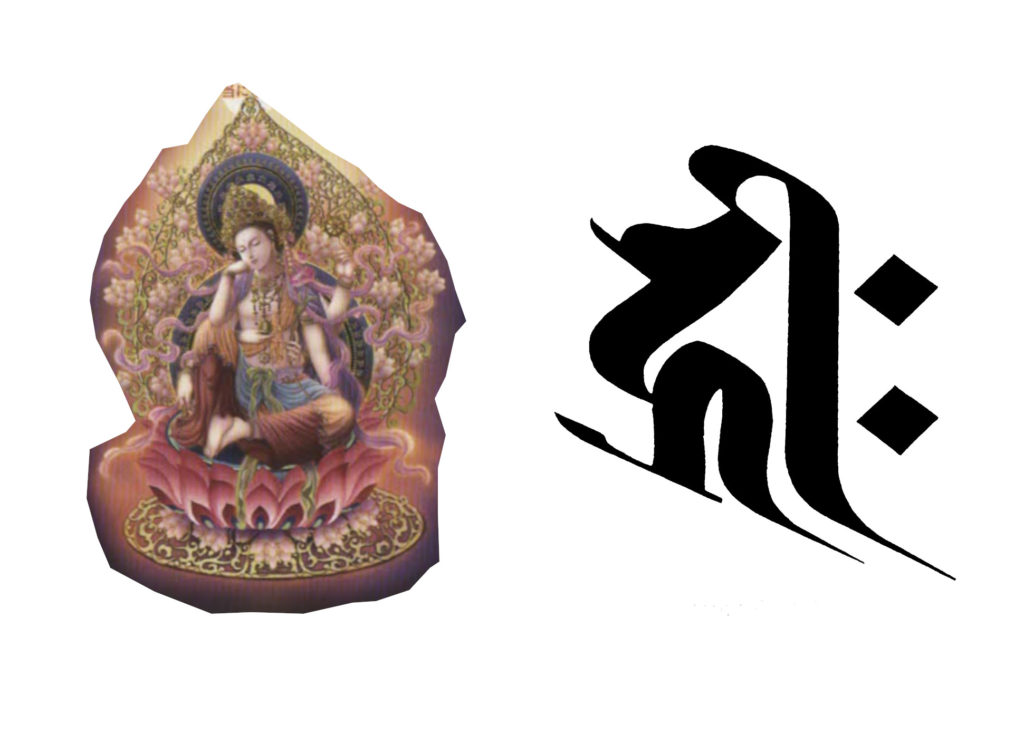
如意輪観音    Cintāmaṇicakra、チンターマニチャクラ

如意輪観音


日本では「如意輪観音菩薩」、「如意輪観世音菩薩」、「大梵深遠観音」などさまざまな呼び方があるが、重要文化財等の指定名称は「如意輪観音」となっている。また「救世菩薩」とも呼ばれる。

如意とは如意宝珠(チンターマニ)、輪とは法輪(チャクラ)の略で、如意宝珠の三昧(定)に住して意のままに説法し、六道の衆生の苦を抜き、世間・出世間の利益を与えることを本意とする。如意宝珠とは全ての願いを叶えるものであり、法輪は元来古代インドの武器であったチャクラムが転じて、煩悩を破壊する仏法の象徴となったものである。

人々を苦悩から救い、あらゆる願いを叶える観音菩薩

如意輪観音(にょいりんかんのん)とは?

「如意」とは意のままに智慧や財宝、福徳もたらす如意宝珠という宝の珠のことで、「輪」は煩悩を打ち砕く法輪を指しています。その2つを手に持った観音菩薩ということで如意輪観音といいます。


六観音の1つに数えられ、天界道に迷う人々を救うとされますが、6本の手で六道すべてに救いの手を差し伸べるともいわれています。

ご利益

智慧、財福、福徳授与、安産、延命のご利益があるとされています。

如意輪観音(にょいりんかんのん)の像容

片膝を上げ、そこに肘をかけて指先を頬に当てている思惟の姿です。足裏は両方を合わせており、輪王座と呼ばれる姿勢が如意輪観音の特徴です。どうすれば人々を救えるのかと悩んでいる姿だとされています。ほとんどが6本の手の六臂像で造られており、手には如意宝珠と法輪(輪宝)を持っています。

有名寺院と像

・大阪府:観心寺

如意輪観音(にょいりんかんのん)の真言

オン・ハンドマ・シンダマニ・ジンバラ・ウン

Nyoirin Kannon


In Japan, there are various names such as ‘Nyoirin Kannon Bosatsu,’ ‘Nyoirin Kannon Bosatsu,’ and ‘Daibon Shinto Kannon,’ but the designated name for important cultural properties is ‘Nyoirin Kannon.’ It is also called ‘Kyusebosatsu’.

Nyoi is an abbreviation of Cintamani, and Rin is an abbreviation of chakra, dwelling in the sanmai (satisfaction) of Nyoihoju, preaching at will, removing the suffering of the sentient beings of the six realms, and leaving the world and the world. with the intention of giving the benefit of Nyoi Hoju is something that grants all wishes, and Dharma Wheel is a symbol of Buddhism that destroys earthly desires by transforming Chakram, which was originally an ancient Indian weapon.

Kannon Bodhisattva who saves people from suffering and grants all wishes

What is Nyoirin Kannon?

“Nyoi” is a jewel called “Nyoi Hoju” that brings wisdom, treasure, and good fortune at will, and “Rin” refers to the wheel of the law that destroys worldly desires. It is called Nyoirin Kannon because it is Kannon Bodhisattva holding two of them.


It is counted as one of the Six Kannons and is said to save those who are lost in the heavenly path, but it is also said that it reaches out to all six paths with its six hands.

benefit

It is said that there are benefits of wisdom, wealth, good fortune conferment, safe delivery, and life extension.

Statue of Nyoirin Kannon

It is a thoughtful figure with one knee raised, an elbow resting on it, and a fingertip on the cheek. The soles of Nyoirin Kannon’s feet are put together, and the posture called Rin Oza is characteristic of Nyoirin Kannon. It is said that he is worried about how he can save people. Most of them are made of six-handed, six-armed statues, holding a wishing jewel and a dharma wheel.

famous temples and statues

・Osaka Prefecture: Kanshinji Temple

Mantra of Nyoirin Kannon

On Handma Sindamani Jimbara Un

クンダリニー・ヨーガの第一歩は、修行者の体内にあるパドマ・マッガに光 を発せしめるところからはじまる   The first step in kundalini yoga begins with making the Padma Magga in the body of the practitioner emit light.

The first step in Kundalini Yoga is to light the Padma Magga inside the practitioner’s body.

It starts from the place where it emits.

クンダリニー・ヨーガの第一歩は、修行者の体内にあるパドマ・マッガに光

を発せしめるところからはじまるのである。

パドマ・マッガが一度目ざめて発光すると、瞑想に入るやすぐにパドマ・マ ツガは光を放ちはじめる。それは、思念を強めると、光も強く放たれる。

修行者は必要に応じて、パドマ・マッガを各チャクラに移動させ、光を強 め、ホルモンの分泌をうながすのである。それは、クンダリニーの覚醒にも欠

くことのできない力を持つ。

・ヨーガの修行をしてある程度の力を持った者が、この定に入っている修行者 の体を見ると、発光体が修行者の体内を移動するさまを外部からはっきり見る ことができる。それは決して修行者の観想による主観だけのものではないので ある。神智学協会には、インドの熟達した導師による実験写真が数枚ある。 パドマ・マッガの発光は、熱心な修行者で、およそ一、二年かかるとされる。

パドマ・ マツガ

ヨーガ秘伝,明珠の発光、

パドマ・マツが

つぎに、ヨーガ秘伝として伝わる明 珠 の発光”を伝授しよう。

まず、火の呼吸法を適宜。 火の呼吸法が終わったら、基本姿勢をとって、心と呼吸を調える。 つぎに、眼を閉じ、眉間の、アージュニャー・チャクラの部分に心を集中す る。心をしだいに内部に移す。

聖語「オーム・オン」を心にくり返し、集中をつづける。 やがて、頭蓋の内部のアージュニャー・チャクラの部分に、半透明のピンポ ン玉よりやや小さい球体があらわれるようになる。

それは最初、その部分に固定しているが、やがて、そこから離れて、(頭蓋の 中で) 浮揚するようになる。浮揚するようになったら、それを徐々に眼窩の奥に

がんか

移動させていく。眼窩の奥に移動させ終わったら、眼球をぐるりと後方に旋回 させて、(心)眼を体の内部に向ける。 以後、この眼は、浮揚している球体といっしょに移動するのである。

浮揚する球体が眼窩の奥に達したら、ごく静かに吸収しつつ、これを頭蓋骨 の底に移す。頭蓋骨の底に達したら、背柱の中にあるスシュムナー管にそっ て、静かに垂直に下降させていく。そして、最後に臍と一線上にある体の中心 に到達させる。

臍の裏側に到達したら、聖語を約百唱する間そこに置き、それから、二横指 上のところに移す。ここに球を置いたら、そこに心を集中し、聖語をくり返し 心に唱える。

そうしていると、ついに、半透明であった球体が、しだいに光を発するよう になる。

これが「パドマ・マッガの発光」である。 (パドマ・マッガとは、じつは「○○○」である。極秘伝のため、


The first step in Kundalini Yoga is to light the Padma Magga inside the practitioner’s body.

It starts from the place where it emits.


The first step in Kundalini Yoga is to light the Padma Magga inside the practitioner’s body.

It starts from the place where it emits.

Once Padma Magga wakes up and glows, Padma Ma begins to shine as soon as he enters meditation. When you strengthen your thoughts, the light is also strongly emitted.

The practitioner moves Padma Magga to each chakra as needed to increase the light and encourage the secretion of hormones. It is also lacking in the awakening of Kundalini

Has power that cannot be achieved.

・ When a person who has practiced yoga and has a certain amount of power sees the body of the practitioner who is included in this rule, he can clearly see from the outside how the illuminant moves inside the practitioner’s body. can. He is because it is by no means just the subjectivity of the practitioner’s ideas. The Theosophical Society has several experimental photographs by a skilled Indian guru. Padma Magga’s luminescence is an avid practitioner and is said to take about a year or two.


Padma Matsuga

The secret of yoga, the emission of pearls,

Padma Matsu

Next, let’s teach “the light emission of the pearls, which is transmitted as a secret yoga secret.”

First, use the fire breathing method as appropriate. When you have finished breathing fire, take a basic posture and adjust your mind and breathing. Next, close your eyes and focus on the part of the Ajnya chakra between the eyebrows. Gradually move your mind to the inside.

Repeat the sacred word “Ohm on” in your heart and keep your concentration. Eventually, a sphere slightly smaller than the translucent ping-pong ball will appear in the Ajnya chakra inside the skull.

It is initially fixed to that part, but eventually moves away from it and floats (in the skull). When it begins to levitate, gradually move it to the back of the orbit.

Is it cancer?

I will move it. After moving it to the back of the orbit, rotate the eyeball backwards and turn the (heart) eye toward the inside of the body. After that, this eye moves with the floating sphere.

When the floating sphere reaches the depths of the orbit, it is transferred to the bottom of the skull, absorbing very gently. Once you reach the bottom of the skull, gently descend vertically along the Sschmuner’s canal in the dorsal column. Finally, reach the center of the body, which is in line with the navel.

When you reach the back of the navel, place it there for about a hundred chantings of the sacred word, then move it to the top of your two fingers. If you put a ball here, concentrate on it and repeat the scriptures to your heart.

At last, the translucent sphere gradually emits light.

This is the “light emission of Padma Magga”. (Padma Magga is actually “○○○”. It’s a secret story, so I’ll keep it secret here, but it’s wise.


Buddha の  三十七道品の七科  四念住  Buddha’s thirty-seven dozen seven departments, four satipatthana

四念住


四神足法(しじんそくほう)
四如意足とも訳す。
四つの自在力を得るための根拠となるもの。超自然的な神通力を得るための4種『欲神足(よくじんそく)・勤神足(ごんじんそく)・心神足(しんじんそく)・観神足(かんじんそく)』の修行法。

全て 名詞
4 の例文 (0.00 秒)
  • 正しい念は、三十七道品のなかの四念住などにおける念とあるように、基本概念の一つである。 
  • 四念住・四正断・四神足・五根・五力・七覚支・八正道の七科に分かれる。 

四念処の内容は以下の通り[1]

  • 身念処(身念住) – 身体の不浄を観ずる(不浄観
  • 受念処(受念住) – 一切の受は苦であると観ずる(一切皆苦
  • 心念処(心念住) – の無常を観ずる(諸行無常
  • 法念処(法念住) – 諸法無我を観ずる(諸法無我


四念処(しねんじょ)・四念住(しねんじゅう)

「四念処・しねんじょ」は(玄奘以降の新しい漢訳では「四念住・しねんじゅう)とも呼ばれます。

真理とは真逆の間違った考え方の、四顛倒(してんどう)の

「常楽我浄」(じょうらくがじょう)を打破する瞑想です。

ありのままに自分を観察する瞑想で、

気づきの瞑想、観察する瞑想、ヴィパッサナー瞑想のことになります。

この、四念処の瞑想は、経典の中では、

「身受心法」(しんじゅしんほう)の教えで、

ブッダの説法がよくでてきます。

次に、身受心法を見ていきましょう。

身受心法(しんじゅしんほう)

・身念処(しんねんじょ)・身念住(しんねんじゅう)

「身体について」からだをよく観察をして、

「身体は不浄」であることをみる(気づく)瞑想です。

これは、「不浄観」(ふじょうかん)と表現されていて、

自分の身体は五蘊(ごうん)から成り立つ存在で、

身体で接触して感受するものすべて、

はかない「一切皆苦」(いっさいかいく)の煩悩になることを、

観察の瞑想をして洞察していきます。

その自分の身体の五識(ごしき)「目、耳、鼻、舌、身体」を如実に観察します。

五蘊(ごうん)

・受念処 (じゅねんじょ)・受念住(じゅねんじゅう)

「感受について」、感受をよく観察して、
「感受は苦」であることをみる(気づく)瞑想です。

これは、

五蘊で成り立つ自分の感受する「受」(じゅ)を如実に観察していきます。

感受するものはすべて、「快・不快・どちらでもない」の3パターンのいづれかで判断して感受します。

「目で見るもの、耳で聞くもの、鼻で嗅ぐもの、舌で味わうもの、身体で触れるもの、こころで感じること」すべて「快・不快・どちらでもない」の3パターンいづれかで感受して、すべてはかない「苦」になることを観察します。

その自分の五識(ごしき)「目、耳、鼻、舌、身体」で感受することを如実に観察します。

・心念処 (しんねんじょ)・心念住(しんねんじゅう)

「心について」、心をよく観察して、
「心は無常」であることをみる(気づく)瞑想です。

これは、

五蘊で成り立つ自分の考え方を形成していく「行」(ぎょう)は常に変化するものである「諸行無常」(しょぎょうむじょう)であると如実に観察します。

その自分の心を如実に観察します。

経典では、

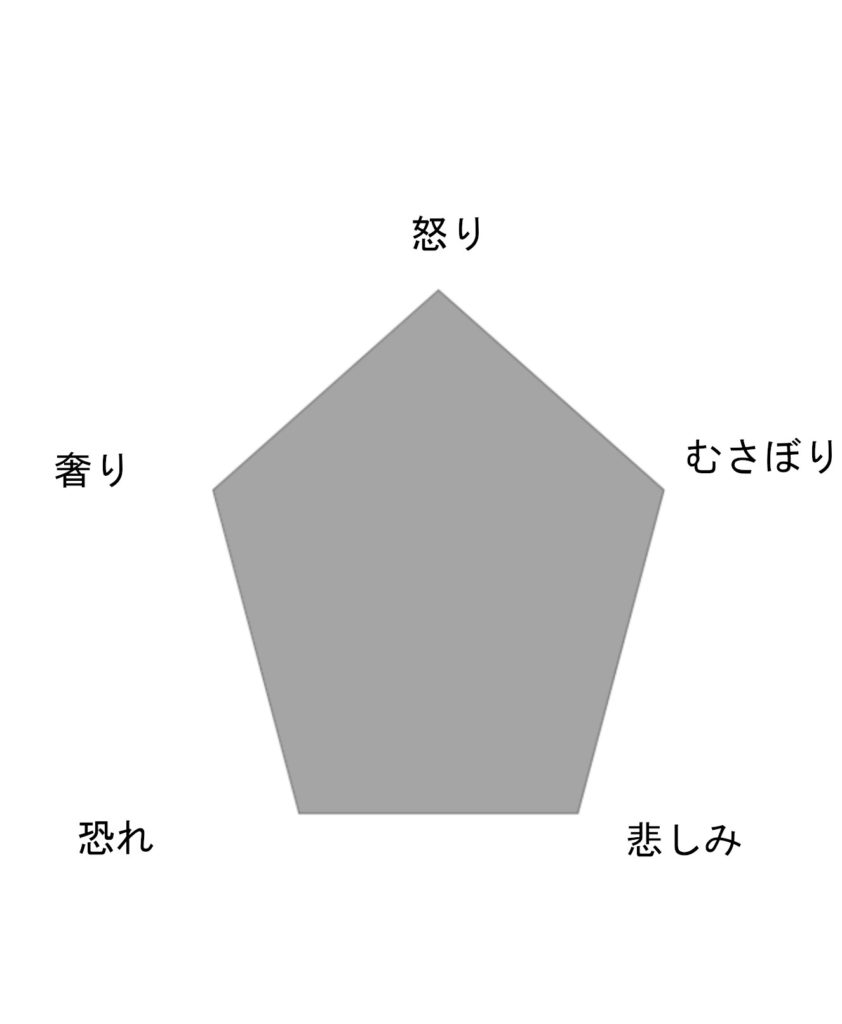
貪りのある心を「わたしの心は貪りをもっている」と知る。
貪りを離れた心を「わたしの心は貪りを離れた」と知る。

怒りのある心を「わたしは怒りの心をもっている」と知る。
怒りを離れた心を「わたしは怒りの心を離れた」と知る。

と表現されています。

・法念処 (ほうねんじょ)・法念住(ほうねんじゅう)

「もろもろの事象・法について」、
もろもろの事象・法をよく観察して、
「あらゆる物質は無我」であることをみる(気づく)瞑想です。

これは、

三法印(さんぼういん)の「諸法無我」(しょほうむが)を如実に観察することです。

三法印・四法印 「図解」

経典での表現のされかた

四念処・四念住の「身受心法」は原始仏典には、

「よく気を付け、
熱心に正しく自覚し、
落ち着いて過ごし、
世間の貪り憂いを克服すべき」

とでてきます。

「念」(ねん)はパーリ語でサティ(sati)で
①記憶(教えを)する。
②心が散漫になったりしないように注意力を促す。
③四念処(サティパッタ-ナ)の常に無常・苦・無我を念頭に置く
の意味があります。

ぼーさん

この「身受心法」の瞑想では、まだ「受」も、想う気持ちの「想」も 存在している色界の瞑想です。受も想もない境地が「想受滅」でさらにもっと上の瞑想の境地です。

ちなみに、「身」のからだは欲望を支配する欲界の世界で、
身体の欲望をなくした純粋な物質の色界の世界で「受」を観察していく瞑想です。
(参考):「三界」(さんがい)輪廻する世界

四顛倒(してんどう)

ブッダが見た「真理」の三法印は、
普通の人々にはみえなくて、わからないので、

普通の人々はまったく逆のことを思って日々過ごして生きている考えが、四顛倒(してんどう)の、四つの真理がたおれて見えている教えです。

その四つの真理が、「常楽我浄」になります。

常楽我浄(じょうらくがじょう)

人は無常であるのに、「常である」とみて、
苦に満ちあふれているのに、「楽である」とみて、
縁起(えんぎ)と五蘊(ごうん)で成りたつ無我の自分なのに、「自我がある」とみて
不浄(ふじょう)なことを、「清らかである」とみて過ごしています。
これを「常楽我浄」(じょうらくがじょう)と言って、

ブッダが見た「真理」とは、まったくさかさまな四つの見方をして、
苦しみの世界に生きているのがわたくしたち普通の人間の教えになります。

ぼーさん

大乗仏教での「常楽我浄」(じょうらくがじょう)は涅槃の境地を表した意味で用いられることがあります。

涅槃の覚りの徳は絶対の永遠の常であり、
楽しみであり、
能動的な自在者の我であり、
きよらかな浄である、

四つの徳で、四徳(しとく)と呼ばれます。

しかし、
三法印を理解していないままだと、
四顛倒になるので注意が必要ですね。

原始仏典にでてくる「四念処・しねんじょ」

長部経典 第2経「沙門果経」(しゃもんかきょう)では

「小・中・大の戒律の教え」→「感覚器官の防護」→《注意力・明瞭な意識》の観察する瞑想の教えがでてきます。そして、→「満足」→「五蓋の除去」→「色界の四禅」→「無我の洞察」→「神通力を得て」→「漏尽智」の煩悩が消滅して『四諦』を理解するとでてきます。

《注意力・明瞭な意識》

ブッタは修行者はどんな行動するときも明瞭な意識をもって行動します。衣を着るときも、鉢を持つときも、食べるときも、飲むときも、排便するときもどんな時も自分が今何をしているのかを明瞭な意識を自覚して行動し身につけています。


ぼーさん
瞑想というと難しいかんじですが、テレビを見ながら、スマホをさわりながらとかではなく、自分の行いを意識を持って行うことですね!

長部経典 第22経「大念処経」(だいねんじゅきょう)では

「身体について(身体は不浄)」
・髪・毛・血・歯・皮・肉・筋・骨・骨髄・腎臓・心臓・血液・小便、等々自分の細部までを観察する
・地水火風の要素を観察する
・死体の瞑想、墓場に捨てられた死体がカラスや犬に食べられ腐っていくのを観察する

「感覚について(感受は苦)」
・楽しみ、苦しみ、非肉体的の感受が生起し消滅するのを観察する

「心について(心は無常)」
・貪り、怒り、迷妄、心の統一、広大な心が生起し消滅するのを観察する

「もろもろの存在(事象・法)について(あらゆる物質は無我)」
・五蓋について、生起と消滅を観察する
・六識の束縛の生起と消滅を観察する

「呼吸の仕方」は
◇念ずることを目の前に据えて坐る、気を付けながら息を吸い、息を吐く、
◇身体の活動を静めて、私は息を吐こうと思い実修する。
◇自分の内に、他人の外の身体について観察、身体の中で生起してくるもの、
消滅する現象を観察する。
◇ただ「身体のみが存在する」と思い、依存がなく、執着がなくなる。

と表現されてでてきます。

えん坊
ねぇ、ぼーさん!最初の瞑想がこんなに難しいの、、、。
ぼーさん
えん坊は、ご飯食べ終わった後も、米つぶが顔についてるのも気づかないからね、、、。でも大丈夫だよ!ブッダはきちんと瞑想の教えを教えてくれているからね!瞑想の実践や修行内容が書かれているお経を紹介しますね!


「明瞭な意識」で観察の瞑想がでてくる↓

Satipatthana


Iddhipada method
Translated as Iddhipada.
The basis for obtaining four free powers. Four types of training methods for obtaining supernatural mythical power: greed gods, gonjinsoku, shinjinsoku, and kanjinsoku.

All nouns
4 example sentences (0.00 seconds)
The correct idea is one of the basic concepts, as is the case with Satipatthana in the thirty-seven dojos. …
It is divided into seven departments: Satipatthana, Four Right Exertions, Iddhipada, Indriya, Five Strengths, Seven Factors of Awakening, and Noble Eightfold Path. …

The contents of Satipatthana are as follows [1].

Satipatthana (Satipatthana) –Seeing the uncleanness of the body (Uncleanness)
Satipatthana (Satipatthana) –I see that all vedan is painful (everyone is suffering)
Satipatthana (Mindful residence) -Watching the unchanging mind (Unusual behavior)
Satipatthana (Law Satipatthana)-Seeing the selflessness of various laws (lawlessness)


Satipatthana, Satipatthana

“Satipatthana / Shinenjo” is also called (in the new Chinese translation after Xuanzang, “Satipatthana / Shinenju”).

The wrong way of thinking, which is the exact opposite of the truth, of the four defeats

It is a meditation that breaks down “Jorakugajo”.

In meditation to observe yourself as you are

It’s about awareness meditation, observing meditation, and Vipassana meditation.

This meditation of Satipatthana is in the scriptures.

With the teaching of “Shinjushinho”

Buddha’s preaching often comes up.

Next, let’s look at the self-reliance method.

Self-reliance method (Shinjushinho)
・ Satipatthana ・ Satipatthana

“About the body” Observe the body closely and

It is a meditation to see (notice) that the body is unclean.

This is described as “Patikulamanasikara”.

My body is made up of five skandhas,

Everything that you feel in contact with your body

To be annoyed by the ephemeral “everyone suffers”

We will meditate on observation and gain insight.

Observe the five senses of your body, “eyes, ears, nose, tongue, and body.”

・ Satipatthana (Junenjo) ・ Satipatthana (Junenju)

“About the feeling”, observe the feeling closely,
It is a meditation to see (notice) that “sensation is painful”.

is this,

I will observe the “Uke” (ju) that I feel, which is made up of five skandhas.

Everything you feel is judged by one of the three patterns of “pleasant, unpleasant, and neither”.

“What you see with your eyes, what you hear with your ears, what you sniff with your nose, what you taste with your tongue, what you touch with your body, and what you feel with your heart” are all “pleasant, unpleasant, neither” Observe that everything becomes ephemeral “bitter”.

Observe what you feel with your five senses, “eyes, ears, nose, tongue, and body.”

・ Satipatthana ・ Shinnenju

“About the mind”, observe the mind closely,
It is a meditation to see (notice) that “the mind is impermanent”.

is this,

I clearly observe that the “line” that forms one’s own way of thinking, which consists of five skandhas, is the “various lines” that are constantly changing.

Observe that one’s heart.

In the scriptures

Knowing a greedy heart, “My heart has greed.”
Knowing that the heart that has left greed is “my heart has left greed.”

Know that an angry heart is “I have an angry heart.”
Knowing that the heart that has left anger is “I have left the heart of anger.”

It is expressed as.

・ Satipatthana ・ Honenju

“About various events and laws”,
Observe various events and methods carefully,
It is a meditation to see (notice) that “every substance is selfless”.

is this,

It is to observe the “Shohomuga” of Sanboin.

How to express in the scripture

Satipatthana and Satipatthana’s “Self-reliance method” is described in the Early Buddhist scriptures.

“Be careful,
Be enthusiastic and correct
Stay calm,
We should overcome the greed of the world. ”

Will come out.

“Nen” is a Pali word for sati
① Remember (teach).
② Encourage your attention so that you do not get distracted.
③ Always keep in mind the impermanence, suffering, and selflessness of Satipatthana.
There is a meaning of.


Bo-san

This “self-reliance method” meditation is a meditation in the color world where both “reception” and “thought” of feelings still exist. The state of meditation that is neither received nor thought is the state of meditation that is even higher.

By the way, the body of the “body” is in the world of desire that controls desire,
It is a meditation that observes “Uke” in the world of pure material color world that has lost the desire of the body.
(Reference): “Three worlds” (Sangai) The world that revolves around

Four defeats

The three methods of “truth” that Buddha saw are
Because it is invisible to ordinary people and does not understand

The idea that ordinary people spend their days living thinking the exact opposite is the teaching of the four truths of the four truths.

The four truths are “Joraku Gajo”.

Joraku Gajo

People are impermanent, but they think they are “always”
Even though it is full of pain, I think it is “easy”
Even though I am a selfless self made up of auspiciousness and five gods, I think that I have an ego.
I spend my time thinking that unclean things are “clean.”
This is called “Jorakugajo”.

The “truth” that Buddha saw is from four completely upside-down perspectives.
Living in the world of suffering is the teaching of ordinary human beings.


Bo-san

In Mahayana Buddhism, “Jorakugajo” is sometimes used to mean the state of Nirvana.

The virtue of Nirvana’s awakening is an absolute eternal everlasting
I’m looking forward to it
I am an active freelancer
It is a clean purification,

The four virtues are called Shitoku.

But,
If you don’t understand the Dharmamudrā
You need to be careful because it will be a mess.

“Satipatthana, Shinenjo” that appears in the primitive Buddhist texts
In the second sutra “Samon Kakyo”

“Teaching of small, medium and large commandments”-> “Protection of sensory organs”-> “Attention / clear consciousness” will give you the meditation teachings to observe. Then, → “Satisfaction” → “Removal of the five lids” → “Four Zens of the Color World” → “Insight of Selflessness” → “Getting Mythical Power” → “Four Noble Truths” disappears It will come out when you understand.

<< Attention / Clear Consciousness >>

Buddha acts with a clear consciousness when the practitioner does anything. He is aware of what he is doing now, when he wears clothes, when he holds a bowl, when he eats, when he drinks, when he defecates, and when he acts and wears it. I am.


Bo-san
Meditation is difficult, but it’s not about watching TV and touching your smartphone, but consciously doing what you do!
In the Nagabe scripture, the 22nd sutra, “Dainenjukyo”

“About the body (the body is unclean)”
・ Observe your own details such as hair, hair, blood, teeth, skin, flesh, muscles, bones, bone marrow, kidneys, heart, blood, urine, etc.
・ Observe the elements of groundwater, fire and wind
・ Meditation of corpses, observing crows and dogs eating and rotting corpses abandoned in the graveyard

“About the senses (feeling is painful)”
・ Observe that enjoyment, suffering, and non-physical sensations occur and disappear.

“About the mind (the mind is impermanent)”
Observe greed, anger, delusion, unity of mind, and the emergence and disappearance of a vast mind

“About the existence (events / laws) of various things (all substances are selfless)”
・ Observe the occurrence and disappearance of the five hindrances
・ Observe the occurrence and disappearance of the bondage of the six senses

“How to breathe”
◇ Sit with your thoughts in front of you, take care while inhaling and exhaling,
◇ Calm down my physical activity and practice with the intention of exhaling.
◇ Observing the body inside and outside of others, what happens inside the body,
Observe the disappearing phenomenon.
◇ I just think that “only the body exists”, there is no dependence, and there is no attachment.

It will be expressed as.


Enbo
Hey, Bo-san! The first meditation is so difficult …

Bo-san
Enbo doesn’t even notice the rice mash on his face after he finishes eating. But it’s okay! Buddha teaches me meditation properly! Introducing the sutras that describe the practice of meditation and the content of training!


Observation meditation comes out with “clear consciousness” ↓

思念の相承と四神足法  Kechimyaku and Iddhipada


思念の相承と四神足法


 いよいよ、釈尊の成仏法の中心の法である、四神足法の解説に入る。これが

「輪廻転生瞑想法」の根幹となる法である。


釈尊の成仏法の中でも、最高難度の法である。


 いままでの訓練をこなしてきた修行者であれば、なんとか歯が立つのではないかとは思うが、決して容易ではない。いままでの訓練でさえ、むずかしいのに、これ以上の訓練はできるだろうかと、不安に思う方も多いのではないだろうか?


霊界の法の世界において、法の完成者タターガタ(如来)が常恒に法を説いている。

「思念による王者の相承」とは、この法身タターガタが、言葉や象徴という媒介なしに、直接相手の心に自分の心を伝達するものである。


この場合、心、というのは単なる思念の心ではなく、パワーを主としたものと思うべきである。これによって、相手はたちどころに仏陀として完成するのである。


 これは最高であり、理想的なものであること、もちろんである。「王者の」、という所以である。


 とのべた。つまり、仏陀となって成仏するためには、この「思念による王者の相承」を受けることが、理想とされているのである。


 しかし、これには条件があるのだ。


どのような条件か?


 わたくしは、つぎのようにのべている。

だが、そういうと、一 (「思念による王者の相承」)は最高理想のものなのであるから、他のなにものも必要ないのではないかといわれるかもしれない。そうではないのである。その最高理想のものを受けるために、tapasは必要なのである。


 また、同章で、インドのサヘートーマヘートにおける強烈な霊的バイブレーションについて、つぎのようにものべている。


 賢明な読者はすでにお気づきであったろう。これが、チベット密教のいう「思念による王者の相承」であることをI―。思念による王者の相承とは、じつに、霊的バイブレーションによる伝達だったのである。


 わたくしは、これによって、解脱に至る四つの階梯のうちの、第三の境地に達したことを自覚したのであるが、これは、間脳開発の練行taPasを成就していなかったら、絶対に得られなかったものである。丙なる受容の態勢がととのって初めて、外よりの王者の相承が発せられるのである。


 つまり、仏陀となる、あるいは仏陀の境界に近づくためには、「思念による王者の相承」が必要なのであるが、その王者の相承を受けるためには、間脳開発の練行taPasを成就していることが必須なのである。


 わたくしは、この王者の相承を受けて、阿那含の境地に達し、このとき、死ぬまでにかならず仏陀になると強く自覚したが、それはわたくしが、tapasを成就した上で、インドのサヘートーマヘート、ミラクルの池に行ったからこそ、白銀のバイブレーションを受けることができたのである。


 したがって、「思念による王者の相承」を受けるためには、tapasを成就していることが、絶対条件なのである。


 では、その練行tapasとはなにか?


このこそが、四神足法なのである。


いい換えれば、四神足法を成就していなければ、仏陀になるために必要な「思念による王者の相承」を受けられないのである。しかしながら、四神足法は、釈尊の成仏法の中でも最高度にむずかしい法である。だれでも容易に修行できる内容ではない。

 釈尊のむずかしい成仏法を修行しなければ、いつまでたっても思念の相承を受けられず、間脳が開かず、霊性開顕が不可能であるならば、いったいどれは

どの人が、霊性開顕をすることができるであろうか?


 ごく限られた、わずかなエリートしか、到達することができないであろう。

当然のことながら、釈尊の成仏法を発展させた輪廻転生瞑想法も成就できないことになるのだ。


 だが、そうではないのである。

 わたくしは、永年の修行により、この問題点を解決し、だれでも比較的容易

に成仏法の修行を進めていける法を完成することができたからである。


 それは、「水晶龍神瞑想法」という法である。

 この瞑想法は単なる瞑想法ではない。

 じつは、この水晶龍神瞑想法は、釈尊の成仏法の真髄である、

「四神足法そのもの」 なのである。

 そして、この水晶龍神瞑想法の最大の特長は、

「瞑想法自体が思念の相承である。」

 ということなのである。

 修行者は、この法にのっとって修行を進めていくことにより、本来であれ

ば、tapasである四神足法を成就しないかぎり、絶対に受けられない思念の相承を、修行をはじめる最初の段階から受けながら、四神足法に必要な、チャクラの開発訓練を進めていくことができるのである。

ことに、クンダリニー・ヨーガでは、最も危険とされる脳内のチャクラの開発を、安全に、おだやかに進めていくことができるのだ。


あなたは、この水晶龍神瞑想法(四神足法)を修行することによって、神通力

を得ることができるであろう。

 ただし、この法は、最極秘伝に属する法なので、すべてを筆にすることはでない。


Kechimyaku and Iddhipada


Finally, we will begin to explain the Iddhipada method, which is the central law of Shaka Nyorai’s Buddhahood method. This is

It is the basis of the “reincarnation meditation method”.


It is the most difficult law in Shakyamuni’s Buddhahood law.


If you are a practitioner who has done the training so far, I think that you will somehow get a tooth, but it is not easy at all. Even though the training so far is difficult, many people may be worried that more training will be possible.


In the world of law in the spirit world, the perfector of law, Tatagata (Nyorai), constantly preaches the law.

“Kechimyaku of the King by Thought” means that this Dharmakaya Tatagata directly conveys one’s heart to the other person’s heart without the mediation of words or symbols.


In this case, the mind should be thought of as power, not just a mind of thought. As a result, the opponent is immediately completed as a Buddha.


This is the best and ideal, of course. That is why it is “the king”.


It was said that. In other words, in order to become a Buddha and become a Buddha, it is ideal to receive this “consensus of the king by thought”.


However, there are conditions for this.


What are the conditions?


I wrote as follows.

However, in that case, it may be said that one (“the consensus of the king by thought”) is the highest ideal, so nothing else is needed. That is not the case. Tapas is necessary to receive the highest ideal.


Also, in the same chapter, the intense spiritual vibration in Saheto-Maheto, India is described as follows.


The wise reader would have already noticed. I- that this is what Tibetan Buddhism calls “the consensus of the king by thought.” The thoughtful consensus of the king was, in fact, a transmission by spiritual vibration.


I realized that I had reached the third of the four steps leading up to liberation, but this would definitely be the case if I had not fulfilled the diencephalon development practice tapas. It was not obtained. Only when the system of acceptance is established will the consensus of the king from the outside be issued.


In other words, in order to become a Buddha or approach the boundary of the Buddha, “the consensus of the king by thought” is necessary, but in order to receive the consensus of the king, the diencephalon development practice tapas is achieved. It is essential that you do.


With the consent of this king, I reached the border of Ana, and at this time I strongly realized that I would become a Buddha by the time I died, but after fulfilling tapas, I was in Sahe, India. It was because I went to Tohmahet and Miracle Pond that I was able to receive the silver vibration.


Therefore, in order to receive the “consensus of the king by thought”, it is an absolute requirement that tapas be fulfilled.


Then, what is the training tapas?


This is the Iddhipada method.


In other words, if you do not fulfill the Iddhipada method, you will not be able to receive the “consideration of the king by thought” necessary to become a Buddha. However, the Iddhipada method is the most difficult method among the Buddhahood methods of Shason. It is not something that anyone can easily practice.

If you do not practice Shaka Nyorai’s difficult Buddhahood method, you will never be able to accept your thoughts, your diencephalon will not open, and spiritual manifestation will not be possible.

Who can do spiritual manifestation?


Only a very limited number of elites will be able to reach it.

As a matter of course, the reincarnation meditation method, which is a development of Shaka Nyorai’s Buddhahood method, cannot be achieved.


However, that is not the case.

I have solved this problem through many years of training, and it is relatively easy for anyone to do it.

This is because we were able to complete a law that would allow us to practice the Buddhahood law.


It is a method called “Crystal Dragon God Meditation Method”.

This meditation method is not just a meditation method.

In fact, this crystal dragon god meditation method is the essence of Shason’s Buddhahood method.

It is “Iddhipada itself”.

And the biggest feature of this crystal dragon god meditation method is

“The meditation method itself is a consensus of thought.”

That is to say.

The practitioner should be able to proceed with the training in accordance with this law.

For example, if you do not fulfill the tapas Iddhipada method, you will receive the consensus of thoughts that you will never receive from the first stage of training, and proceed with the development training of the chakra necessary for the Iddhipada method. Can be done.

In particular, Kundalini Yoga can safely and gently proceed with the development of the most dangerous chakras in the brain.


By practicing this crystal dragon god meditation method (Iddhipada method), you have the power of magic.

Will be able to be obtained.

However, since this law belongs to the most secret, it is not possible to write everything.

四神足法


死者を成仏させることができる

 シュダオン、シダゴン、アナゴンは、自分自身のカルマを断ち、悪因縁を解脱した聖者である。ほぼ、成仏をなしとげた聖者といってもよい。完

全解脱は、時間の問題である。

 アルハットと違うところは、死者を成仏させるまでの力を持っていないことである。


アルハット、仏陀は、一切万言を解脱する力をそなえている。そこが、アナゴンとアルハットの違いである。


ただし、四神足法を修めて、アルハットに近いアナゴンは、死者成仏の力をそなえるようになっているのである。

 だから、冥徳供養も、解脱成仏供養も、四神足法を体得して、アナゴン以上の境界に達した聖者に、供養してもらわなければ、効果がないのである。


 では、四神足法とは、どんな修行法であろうか?


四神足法

続きを読む