阿弥陀如来(あみだにょらい)は、大乗仏教の如来の一つである。浄土教系の仏教では、「南無阿弥陀仏」という称名念仏により浄土に往生できるという阿弥陀信仰を説く
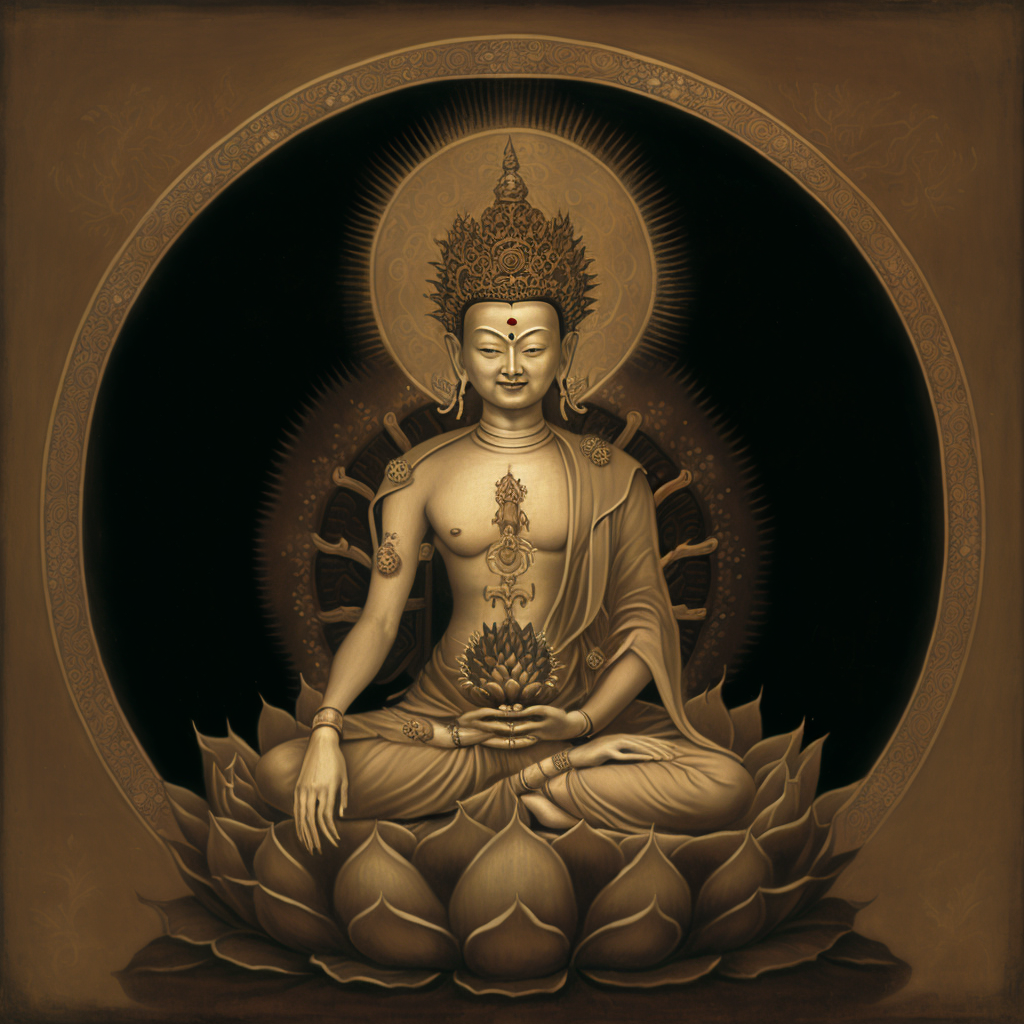
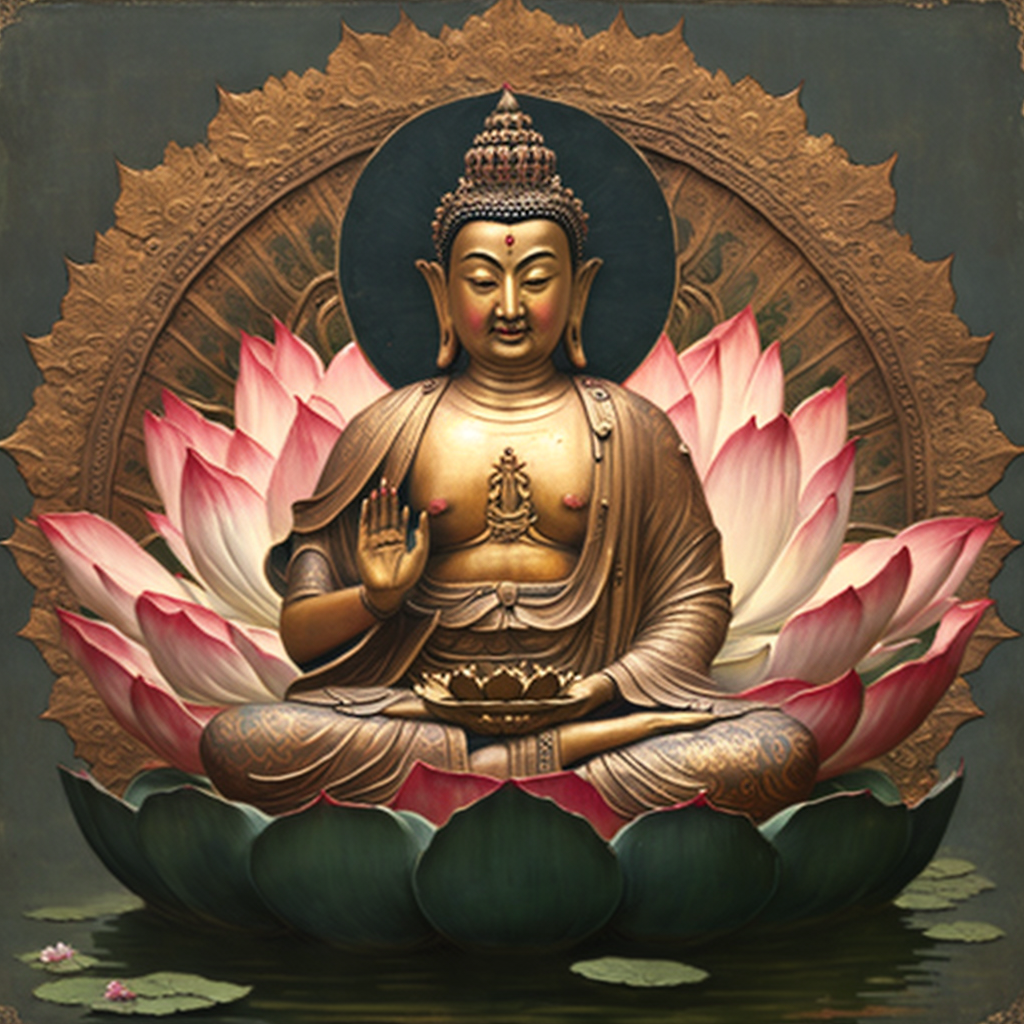
阿弥陀如来(あみだにょらい)は、大乗仏教の如来の一つである。浄土教系の仏教では、「南無阿弥陀仏」という称名念仏により浄土に往生できるという阿弥陀信仰を説く
輪宝」という言葉は、仏教用語で「法輪にかかわる宝」という意味があります。
仏教において「法輪」とは、仏教の教えや教義を説くことを指し、その教えを広めることで人々が苦しみから解放されることを目的としています。そして、「輪宝」とは、この法輪にかかわる宝物のことを指します。
一般的には、輪宝という言葉が用いられるときは、仏教の教えそのものを指すことが多いです。また、輪宝を求めることは、仏教の教えを実践し、苦しみから解放されることを目指すことを意味します。

「輪宝」という言葉は、日本語においては一般的に「宝物の輪」という意味で用いられます。具体的には、仏教の用語としては「法輪にかかわる宝」という意味がありますが、一般的には仏教とは関係なく、大切なものや価値のあるものを指すことが多いです。
また、「輪宝」という言葉が用いられる場合には、人間の生きる上で必要不可欠なもの、あるいは人生の目的や意義を示すものを指すことがあります。例えば、家族や友人、愛する人などの人間関係、自分自身の成長や発展を促す経験、精神的な安定や幸福感などが挙げられます。
このように、輪宝とは人生において大切なものや価値あるものを指し、それを追求することが人生の充実につながるとされています。
「輪宝」という言葉は、武器の一種としても用いられることがあります。
輪宝は、インドの武術であるカラリパヤットにおいて使われる、円盤状の武器です。輪宝は、軽量で、回転や投げなどの技術を駆使することで、敵を攻撃することができます。
カラリパヤットは、古代から伝わるインドの武術で、輪宝はその中でも重要な武器の一つです。輪宝の練習は、身体のバランス感覚や反射神経、集中力を養うことにも役立ちます。
ただし、輪宝は危険な武器でもあり、正しい技術と訓練が必要です。また、現代では、輪宝を使ったカラリパヤットの稽古は、健康増進やストレス解消などの側面からも注目されています
法輪宝」とは、仏教における重要な教理の一つであり、人々を救済するための教えを指します。具体的には、法輪は仏教の教えを表し、宝はその教えの価値や重要性を表します。
法輪宝という用語は、釈迦牟尼が初めて説いた「四諦」を指すことが多く、それは次のように解釈されます。
第一諦:諦めること。生きることは苦しみであることを受け入れる。 第二諦:苦しみの原因を理解すること。欲望や執着が苦しみを引き起こすということを理解する。 第三諦:苦しみからの解放を目指すこと。仏教の修行を通じて、苦しみからの解放を目指す。 第四諦:解脱の方法を知ること。仏教の教えや実践を通じて、解脱の方法を学び、実践することで、苦しみから解放されることができる。
法輪宝は、仏教の根本的な教えであり、人々が苦しみから解放されるための指針となるものです。
Falun Treasure is one of the important doctrines in Buddhism and refers to teachings for the salvation of people. Specifically, the Falun represents the teachings of Buddhism, and the Treasure represents the value and importance of those teachings.
The term Falun Treasures often refers to the “Four Noble Truths” first taught by Shakyamuni, which are interpreted as follows:
First Repentance: To give up. Accept that life is suffering. The Second Truth: Understanding the Cause of Suffering. Understand that desires and attachments cause suffering. Third Truth: Aiming to be free from suffering. Through Buddhist training, we aim to be free from suffering. The Fourth Truth: Knowing the method of liberation. Through the teachings and practices of Buddhism, one can be freed from suffering by learning and practicing the methods of liberation.
Falun Bao is a fundamental teaching of Buddhism and a guideline for people to be freed from suffering.
「七法輪宝(しちほうりんぽう)」とは、仏教において、仏の教えを分類したもので、以下の七つの教えを指します。
これらの七つの教えを「法輪」と呼ばれる車輪に例え、教えを車輪にかけるように広めることが大切であるとされています。
般若波羅蜜多心経の全文は以下の通りです。
「観自在菩薩、行深般若波羅蜜多時、照見五蘊皆空、度一切苦厄。舎利子、色不異空、空不異色、色即是空、空即是色、受想行識亦復如是。舎利子、是诸法空相、不生不灭、不垢不浄、不增不减。是故空中无色、无受想行識、无眼耳鼻舌身意、无色声香味触法、无眼界乃至无意识界、无无明亦无无明尽、乃至无老死亦无老死尽、无苦集灭道、无智亦无得。以无所得故、菩提薩埵依般若波羅蜜多故、心無罣碍、无罣碍故、无有恐怖、远离颠倒梦想、究竟涅槃。三世诸佛依般若波羅蜜多故、得阿耨多罗三藐三菩提。故知般若波羅蜜多、是大神呪、是大明呪、是无上呪、是无等等呪、能除一切苦、真実不虚。故説般若波羅蜜多呪、即説呪曰、羯諦、羯諦、波羅羯諦、波羅僧羯諦、菩提薩婆訶」
この経典は、日本の仏教寺院や僧侶などで広く誦読されており、般若心経とも呼ばれています。全文を正確に理解するには、仏教の教義や語彙についても理解する必要があります。
現代の訳を以下に示します。
「観自在菩薩が深い般若波羅蜜多の道を修行する時、五つの蘊(色・受・想・行・識)がすべて空であることを照覧し、一切の苦悩を超越する。舎利弗よ、色は空であり、空は色である。色は空であるがゆえに、空には色はなく、また、受・想・行・識も同様に空である。舎利弗よ、このように、すべての法は空相であり、生まれもしないし、滅びもしない。不浄であるし、不浄でもなく、増えることもなく減ることもない。それゆえ、空には色もなければ、受・想・行・識もなく、また、目・耳・鼻・舌・身・意もなく、色・声・香・味・触・法もなく、また、眼界から意識界に至るまで、また、無明から無明尽に至るまで、老死もまた同じである。苦・集・滅・道もまた、同じく空であり、智慧もまた、得るものもない。何故なら、何も得るものがないからである。菩提薩埵たちは、般若波羅蜜多に依って、心に障りがないため、恐れもなく、悩みや迷いから解放され、究極の涅槃に至る。三世の諸仏たちは、般若波羅蜜多に依って、阿耨多羅三藐三菩提を得た。これが、大いなる真言であり、大いなる明言であり、最高の真言であり、すべての真言に優る真言であり、一切の苦悩を除く真実である。般若波羅蜜多の真言を説くときには、「ガテ・ガテ・パラ・ガテ・パラ・サンガテ・ボディ・ソワカ」(すでに到達している、すでに到達している、すべて到達している、すべて到達している、アワロックサン)と唱える。」
Here is the complete text of the Heart Sutra (Prajnaparamita Hridaya Sutra) in English:
Avalokiteshvara Bodhisattva, when practicing deeply the Prajnaparamita, perceived that all five skandhas are empty and was saved from all suffering and distress.
Shariputra, form does not differ from emptiness; emptiness does not differ from form. Form itself is emptiness; emptiness itself is form. So too are feeling, cognition, formation, and consciousness.
Shariputra, all dharmas are empty of characteristics. They are not produced, not destroyed, not defiled, not pure; and they neither increase nor diminish. Therefore, in emptiness there is no form, feeling, cognition, formation, or consciousness; no eyes, ears, nose, tongue, body, or mind; no sights, sounds, smells, tastes, objects of touch, or dharmas; no field of the eyes, up to and including no field of mind consciousness; and no ignorance or ending of ignorance, up to and including no old age and death or ending of old age and death. There is no suffering, no accumulation, no cessation, and no path; no wisdom, no attainment, and no non-attainment.
Because there is no attainment, the bodhisattvas, supported by the Prajnaparamita, have no obstruction in their minds. Having no obstruction, they have no fear, and they transcend what is delusive and reach ultimate nirvana. All Buddhas in the past, present, and future, relying on the Prajnaparamita, attain unsurpassed, complete, perfect enlightenment.
Therefore, know the Prajnaparamita as the great miraculous mantra, the great bright mantra, the supreme mantra, the unequalled mantra that can remove all suffering and is true, not false. So proclaim the Prajnaparamita mantra, proclaim the mantra that says: Gate gate paragate parasamgate bodhi svaha
Here is a modern translation:
“When the Bodhisattva Avalokitesvara practiced the profound Prajnaparamita, he saw that all five aggregates (form, feeling, perception, mental formations, and consciousness) were empty and transcended all suffering. Shariputra, form is emptiness and emptiness is form. Form is not different from emptiness, and emptiness is not different from form. The same is true for feeling, perception, mental formations, and consciousness. Shariputra, all phenomena are marked by emptiness, they neither arise nor cease, are neither defiled nor pure, neither increase nor decrease. Therefore, in emptiness, there is no form, feeling, perception, mental formations, or consciousness; no eye, ear, nose, tongue, body, or mind; no forms, sounds, smells, tastes, touchables, or objects of mind; no sight, sound, smell, taste, touch, or phenomena; no ignorance, and also no ending of ignorance; no old age and death, and also no ending of old age and death; no suffering, origination, cessation, or path; no wisdom and also no attainment. Because there is no attainment, the Bodhisattvas rely on Prajnaparamita and have no obstacles in their minds. Having no obstacles, they overcome fear, liberate themselves from all delusions, and ultimately attain Nirvana. All Buddhas of the past, present, and future also rely on Prajnaparamita and attain Anuttara-samyak-sambodhi. Therefore, know that Prajnaparamita is the great spell, the spell of great knowledge, the utmost spell, the unequalled spell, which is able to remove all suffering. This is true and not false. Therefore, recite the Prajnaparamita mantra, recite it like this: Gate gate paragate parasamgate bodhi svaha.”

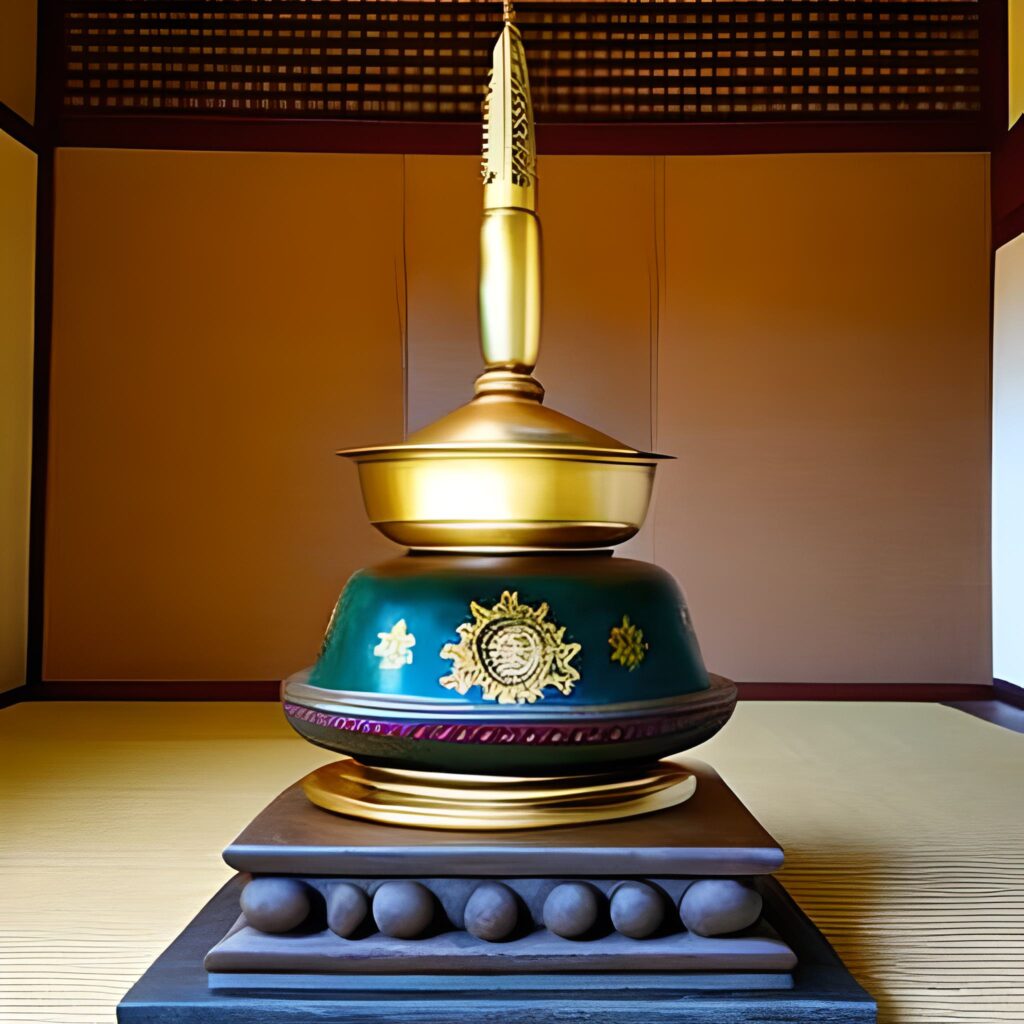
真身舎利(しんじんしゃり)」は、釈迦の遺骨や遺物を納めた宝物のことで、仏教徒にとって非常に尊いものとされています。釈迦は入滅(にゅうじゅう)した後、遺骨が多数に分かれたため、それぞれが仏塔(ぶっとう)に納められ、各地に分散されています。
また、釈迦の遺物には「舎利弗(しゃりぶつ)」と呼ばれる、身体の一部である爪や髪の毛などがあります。これらも仏教徒にとって大切な聖物とされています。
真身舎利は、釈迦の聖霊が宿るとされ、信仰心の厚い人々にとっては、真身舎利に触れることができること自体が、大変な福運とされています。
“Shinjinshari” is a sacred treasure that has been deeply revered among Buddhists for a long time as a sacred object that houses the holy spirit of Buddha. It contains the remains and relics of Buddha, which are considered extremely precious to Buddhists. After Buddha’s passing, his remains were divided into many parts and enshrined in various stupas around the world.
In addition, there are also “sharira” relics, which are parts of Buddha’s body such as nails and hair. These are also considered important sacred objects to Buddhists.
The Shinjinshari is believed to house the holy spirit of Buddha, and for those with deep faith, simply touching the Shinjinshari is considered a great blessing.
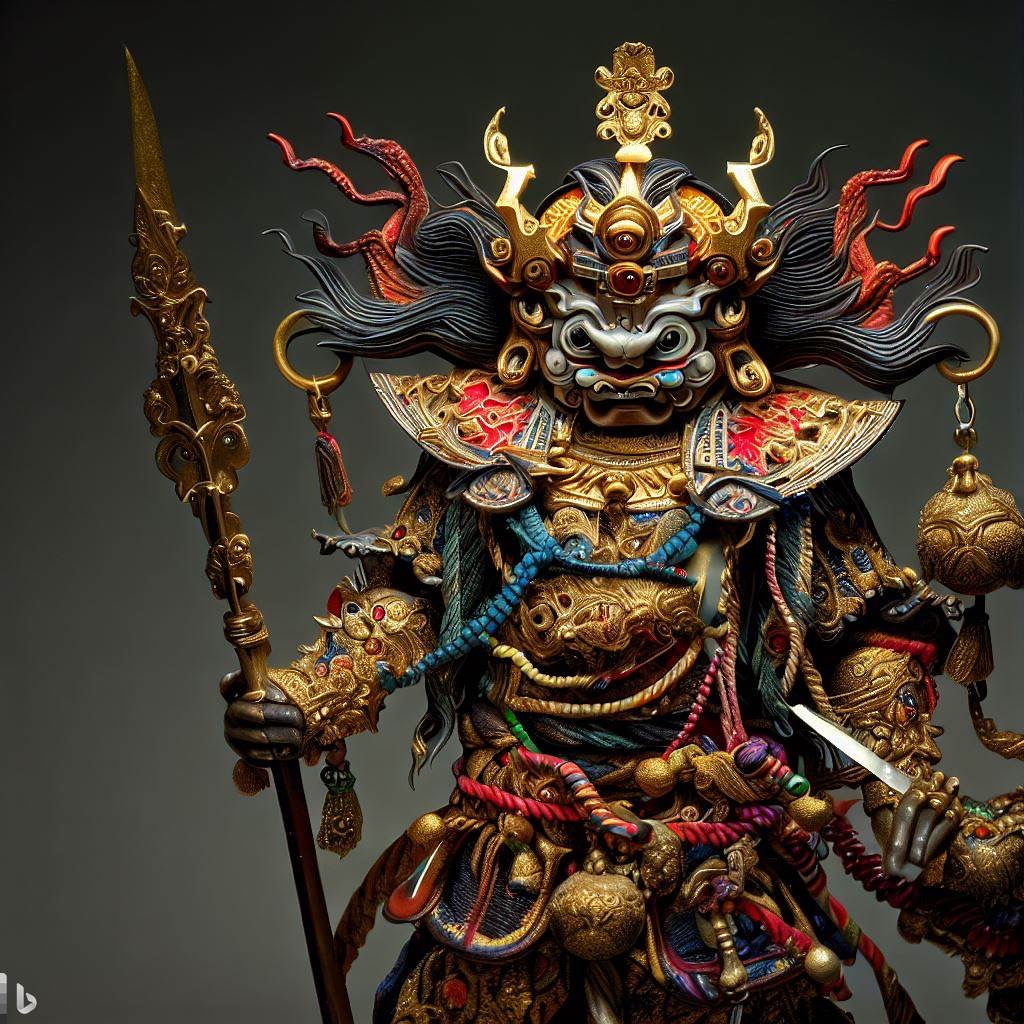
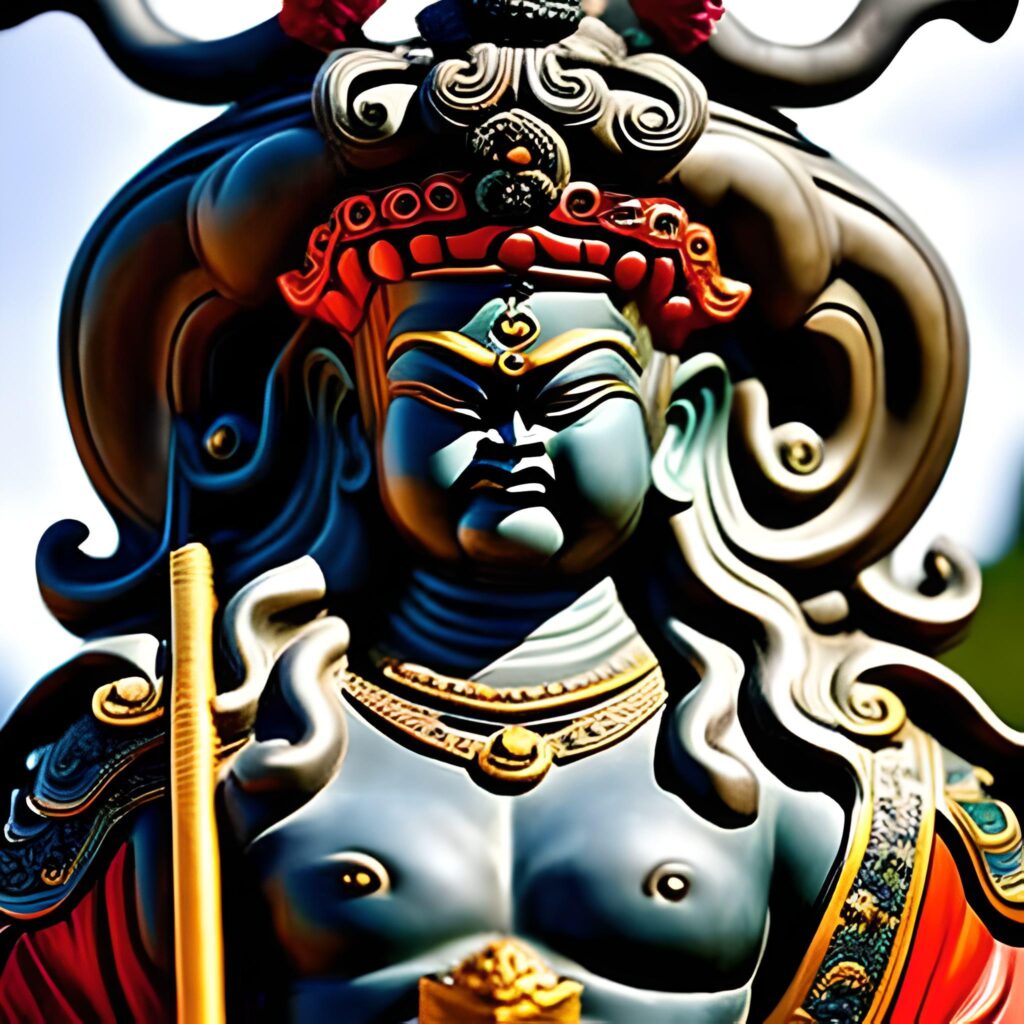
不動明王は、密教の信仰対象であり、不動尊とも呼ばれます。彼は、怒りの明王として知られ、仏教における慈悲と智慧の象徴である観音菩薩や地蔵菩薩とは異なり、力強い男性的な姿で表されます。彼は、邪悪なるものや障害を取り除き、信仰者を守護し、目的を達成する力を与えるとされています。
不動明王は、火の色である赤い肌を持ち、多くの場合、3つの目と6本の腕を持ち、手には武器や道具を持っています。彼は、三つの秘密という密教の教義を表し、身体、言葉、心における究極の自由を象徴しています。
また、不動明王は、護摩祈祷や不動明王の陀羅尼などの密教の修行法において重要な役割を果たしています。信仰者は、彼に祈り、彼の力を借りて自己の障害を超え、強大な敵や邪悪なるものから身を守ります。
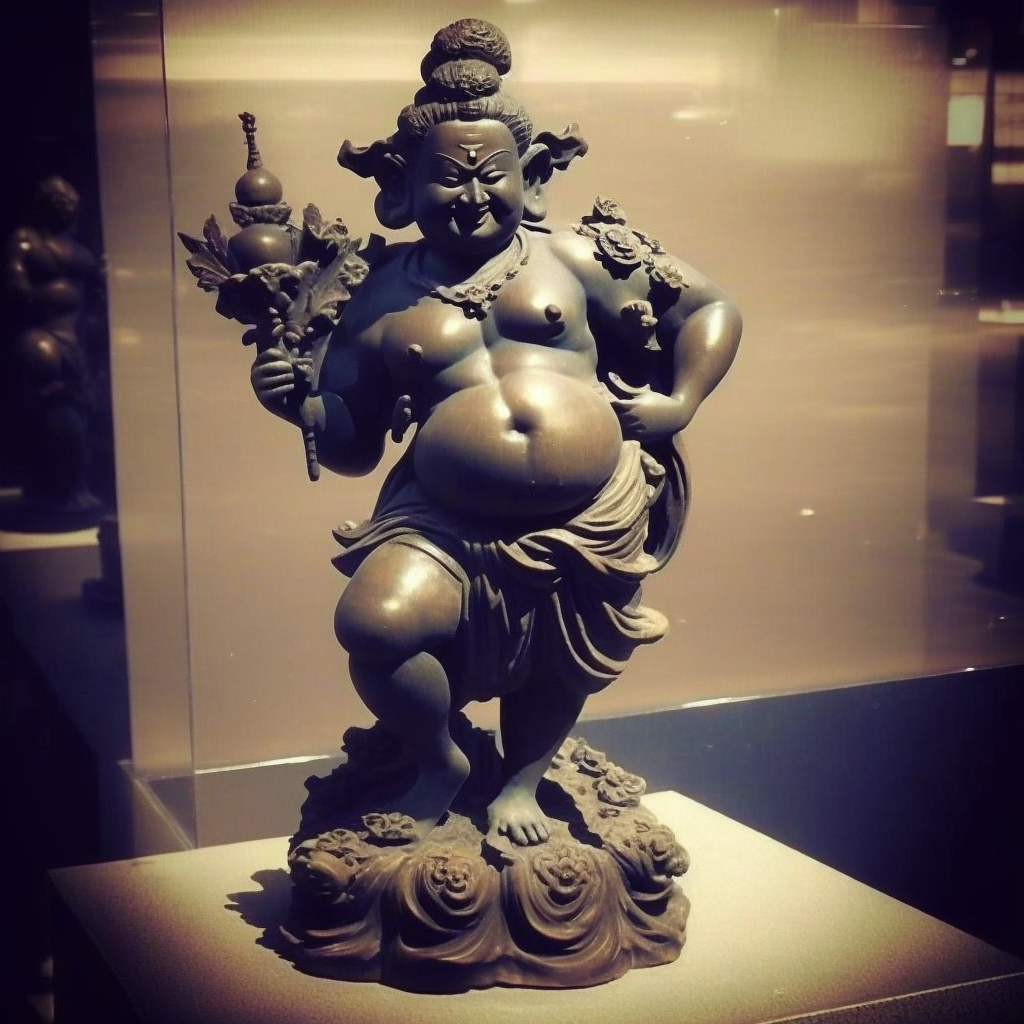
Fudō Myō-ō (不動明王), also known as Acala, is a deity in Japanese Buddhism and a particular manifestation of the wisdom king, or Myō-ō, in Esoteric Buddhism. He is a wrathful deity and is depicted as a powerful and masculine figure, often with a red body and multiple arms holding weapons or tools. Fudō Myō-ō is believed to remove obstacles and protect his followers, granting them the strength to overcome adversity and achieve their goals.
Fudō Myō-ō represents the ultimate freedom in body, speech, and mind, and is a symbol of compassion and wisdom in Buddhism. His practice is an important aspect of Japanese Esoteric Buddhism, with rituals and mantras dedicated to him used for protection, purification, and spiritual development.
Fudō Myō-ō (不動明王) is a deity in Buddhism and one of the unique figures of the esoteric tradition known as a Myō-ō, or fierce deity. The deity is believed to ward off evil spirits while simultaneously cutting through people’s delusions and karmic bonds. Fudō Myō-ō is depicted with a single-bladed vajra staff, which is longer on one side than the other, and is said to represent the deity’s ability to cut through ignorance and duality.
Traditionally, Fudō Myō-ō is portrayed with a dark blue or black complexion and a fearsome expression. He may be depicted with seven or eight hair knots on his head and wearing a red robe. His right canine tooth is often shown as pointing upwards while his left canine tooth is pointing outwards. In English, Fudō Myō-ō is often referred to as the “Immovable Wisdom King” or “Acala” and is highly revered in many Buddhist sects.
愛染明王(あいぜんみょうおう、梵: rāgarāja[1])は、仏教の信仰対象であり、密教特有の憤怒相を主とする尊格である明王の一つ。愛染王とも
愛染明王信仰は「恋愛・縁結び・家庭円満」などをつかさどる仏として古くから行われており
愛染明王は一面六臂で他の明王と同じく忿怒相
ラーガラージャRāga-rājaで、ラーガ(羅我と音訳する)とは赤色、情欲、愛染の意、ラージャ(羅闍)は王の意。金剛薩埵(こんごうさった)(金剛王菩薩(ぼさつ)と同体
愛染明王は、仏教密教において非常に重要な存在であり、恋愛や家庭円満などの願いをかなえる仏として信仰されています。その姿は忿怒相で、一面六臂の姿で描かれます。
この姿は、憤怒相としての愛染明王が、悪魔や邪気を追い払い、人々を守るという意味が込められています。また、六臂は六波羅蜜を象徴し、智慧や慈悲、戒律、忍耐、精進、禅定の力を表しています。
愛染明王の信仰は、古代インドで発祥したタントラ思想が中国や日本に伝えられたことで広まりました。その信仰は、日本の平安時代に密教が盛んになると、多くの人々に広く受け入れられるようになりました。
現代でも、愛染明王の信仰は根強く残っており、恋愛や家庭問題、健康や商売繁盛など、様々な願いを叶えるために信仰されています。
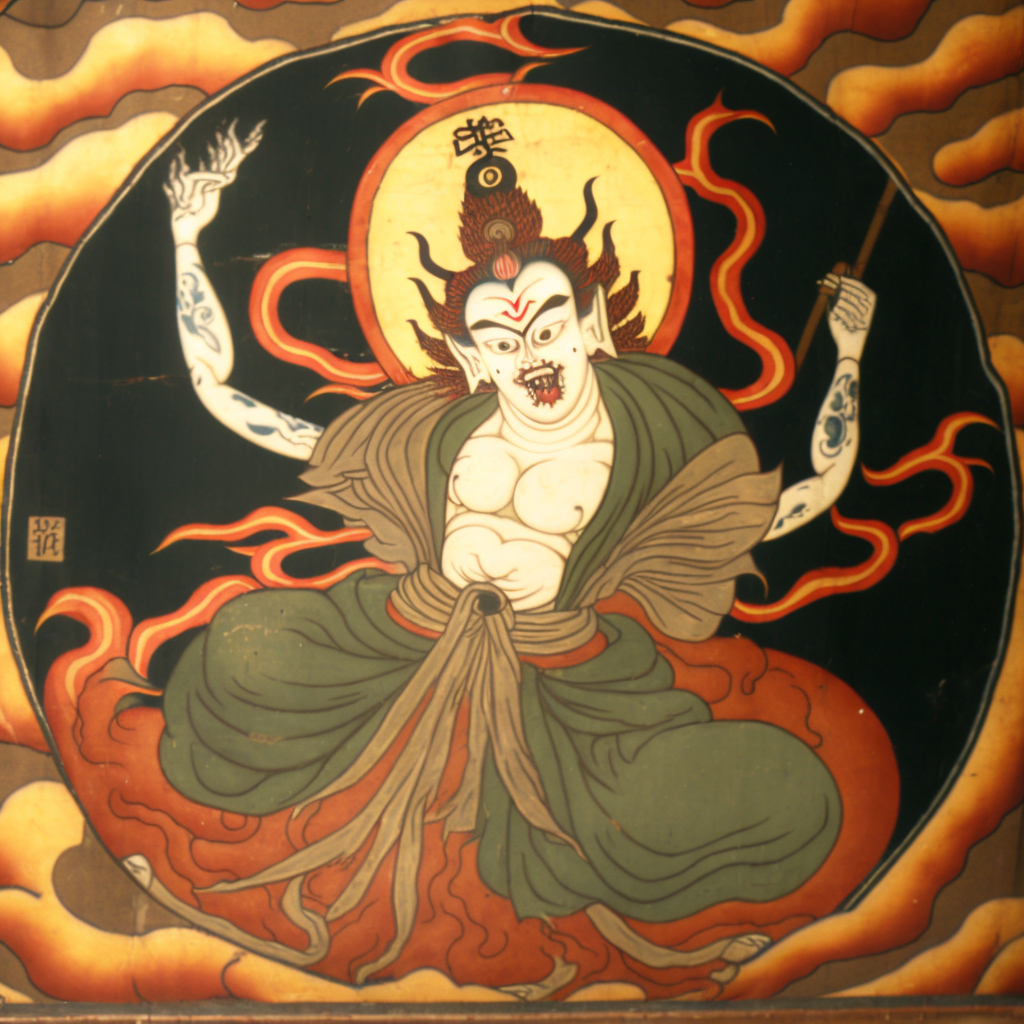
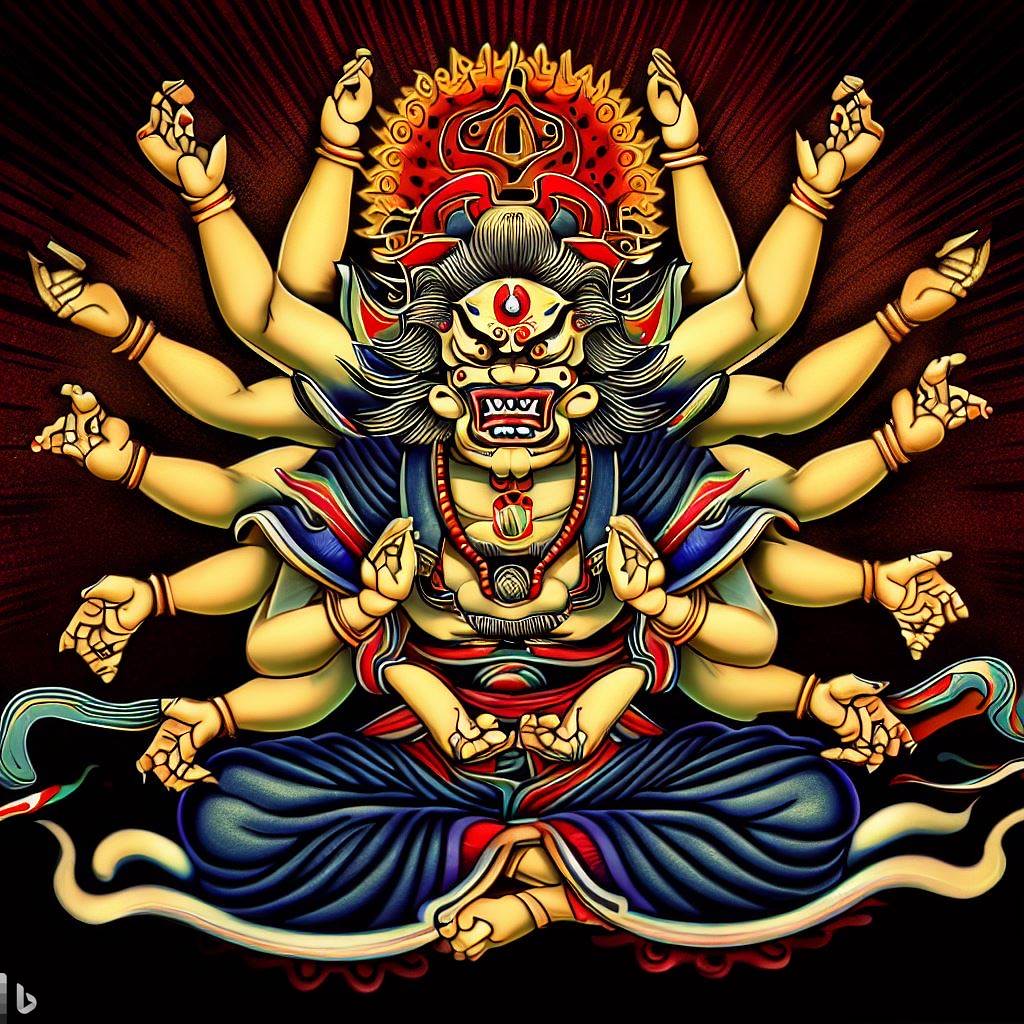
Aizen Myoo (梵: rāgarāja) is a deity of Buddhist faith and one of the wrathful deities known as “Myoo” in esoteric Buddhism. Aizen Myoo is often associated with love, marriage, and family harmony.
The deity is depicted with an angry expression and six arms, like other Myoo. This depiction represents Aizen Myoo’s role in driving away evil spirits and protecting people. The six arms represent the six perfections (paramitas), symbolizing wisdom, compassion, morality, endurance, diligence, and meditation.
The worship of Aizen Myoo originated from the Tantra philosophy of ancient India, which was brought to China and Japan and widely accepted during Japan’s Heian period when esoteric Buddhism flourished. Even today, the worship of Aizen Myoo remains popular among many Japanese people, who pray to him for help with love, family, health, and prosperity.
勢至菩薩(せいしぼさつ)、梵名マハースターマプラープタ (महास्थामप्राप्त [mahāsthāmaprāpta])は、仏教における菩薩の一尊。「大勢至菩薩」、「大精進菩薩」、「得大勢菩薩」の別名がある。現在日本では午年の守り本尊、十三仏の一周忌本尊として知られている。三昧耶形は未敷
を合わせているか水が入っている水瓶
智慧の光ですべてのものを照らし、人々を迷いや苦しみから救うとされています。
「mahāsthāmaprāpta(マハースターマプラプタ)」は、仏教における菩薩の一尊であり、多くの仏教寺院で信仰されています。彼は智慧の象徴として描かれ、しばしば水が入った水瓶を手に持っています。
彼の名前は、「大勢至(だいせいし)」とも呼ばれ、サンスクリット語で「大いなる功徳が到達する者」という意味です。彼は、釈迦如来の右脇に座っている観音菩薩の一人であり、慈悲深く、人々を救済することを使命としています。
彼が持つ水瓶は、智慧の象徴であり、彼が持つ光は、すべてのものを照らし、人々を迷いや苦しみから救うものとされています。彼は、我々が悟りの境地に至るために必要な智慧を持っているとされ、その智慧は私たちが苦しみから解放されるための道しるべとなります。
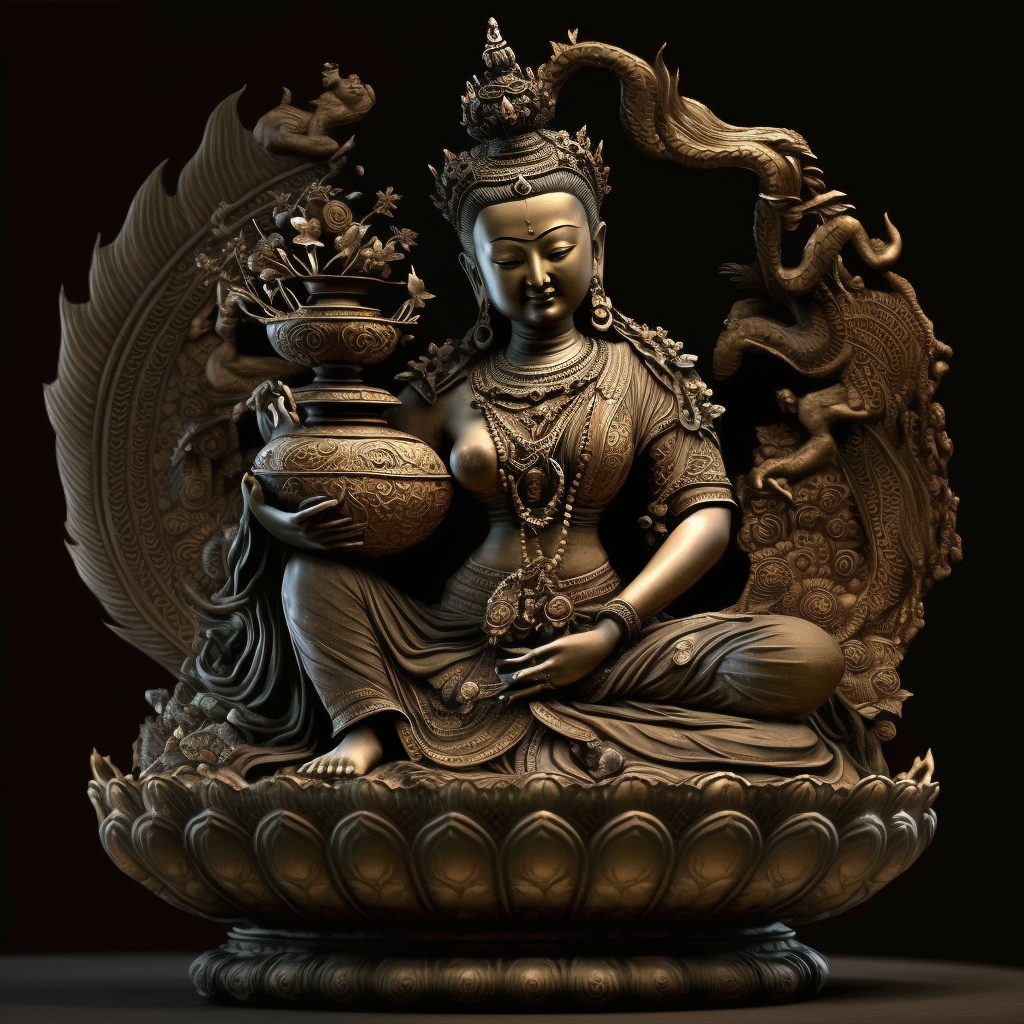
“Mahāsthāmaprāpta” is a bodhisattva in Buddhism, who is widely revered in many Buddhist temples. He is depicted as a symbol of wisdom, often holding a water-filled vase in his hand.
His name, also known as “Daishizhi” in Chinese, means “one who has attained great virtue.” He sits on the right side of Shakyamuni Buddha and is one of the bodhisattvas of Avalokiteshvara, with a mission to offer compassion and save people.
The vase he holds is a symbol of wisdom, and the light he emanates is believed to illuminate everything and save people from confusion and suffering. He is considered to possess the wisdom that we need to attain enlightenment, and his wisdom serves as a guide for us to be liberated from suffering.


クリエイターがたくさん使ってる、ロリポップ!
独自ドメインやデータベース、PHP・CGI・SSIはもちろん
大人気WordPressなどの簡単インストールをはじめ、
カート機能、cron、SSH、共有/独自SSLなど機能満載。
メールアドレスはいくつでも作成可能!
容量最大1TBで月額110円から。

