UA-135459055-1

不動明王 Fudo Myoo


不動明王(ふどうみょうおう)とは?

語源は「動かない守護者」を意味し、インド神話のシヴァ神の別名です。シヴァは暴風雨の威力を神格化したもので、破壊的な災害を起こす半面、雨によって植物を育てます。その破壊と恵みの相反する面は不動明王にも受け継がれているのです。不動明王は仏法の障害となるものに対しては怒りを持って屈服させますが、仏道に入った修行者には常に守護をして見守ります。


大日如来の化身として、どんな悪人でも仏道に導くという心の決意をあらわした姿だとされています。特に日本で信仰が広がり、お不動様の名前で親しまれています。そして、五大明王の中心的存在です。五大明王とは、不動明王を中心に降三世明王(ごうざんぜみょうおう)・軍荼利明王(ぐんだりみょうおう)・大威徳明王(だいいとくみょうおう)・金剛夜叉明王(こんごうやしゃみょうおう)の5体のことを指し、不動を中心に東西南北に配されます。不動明王の脇侍として八大童子のうちの矜迦羅(こんがら)・制多迦(せいたか)の2童子が配されることも多いです。ちなみに不動明王の持っている龍が巻きついている炎の剣が単独で祀られている場合があります。不動明王の化身とされ、倶利伽羅竜王(くりからりゅうおう)などと呼ばれています。

ご利益

除災招福、戦勝、悪魔退散、修行者守護、厄除災難、国家安泰、現世利益のご利益があるとされる。また、酉年生まれ守り本尊です。酉年に生まれた人々の開運、厄除け、祈願成就を助けるといわれています。

不動明王(ふどうみょうおう)の像容

背の低い、ちょっと太めの童子型の造形が多く、怒りの表情をしています。目は天地眼(てんちげん)といって右目を天に向けて左目を地に向けていますよ。口は牙上下出といって右の牙を上に出して左の牙を下に出しています。炎の光背を背にし、手には剣と羂索(けんじゃく)を持っています。剣は大日如来の智慧の鋭さを表現しています。羂索とは煩悩を縛り悪の心を改心させる捕縛用の縄のことです。


梵名はアールヤアチャラナータビジャヤラージ ャ(Aryacalanatha vijayaraja) といい、正式には聖 不動威怒明王と呼びます。

諸仏は、つねにさまざまな手段をとって、わた したち衆生をさとりの道へ歩ませようとします。 しかし、なかには、やさしさだけの慈悲では心を 変えない、強情な衆生もいます。

こうした尋常な方法ではとうてい救済できない かたくなな衆生に対して、大日如来は叱りつける という慈悲のかたちをとって教え導きます。この とき、大日如来は不動明王に変化し、念怒の相を もってあらわれます。この念怒は実は慈悲のきわ みなのです。 西年生まれの守り本尊とされています、


不動明王(ふどうみょうおう)の真言

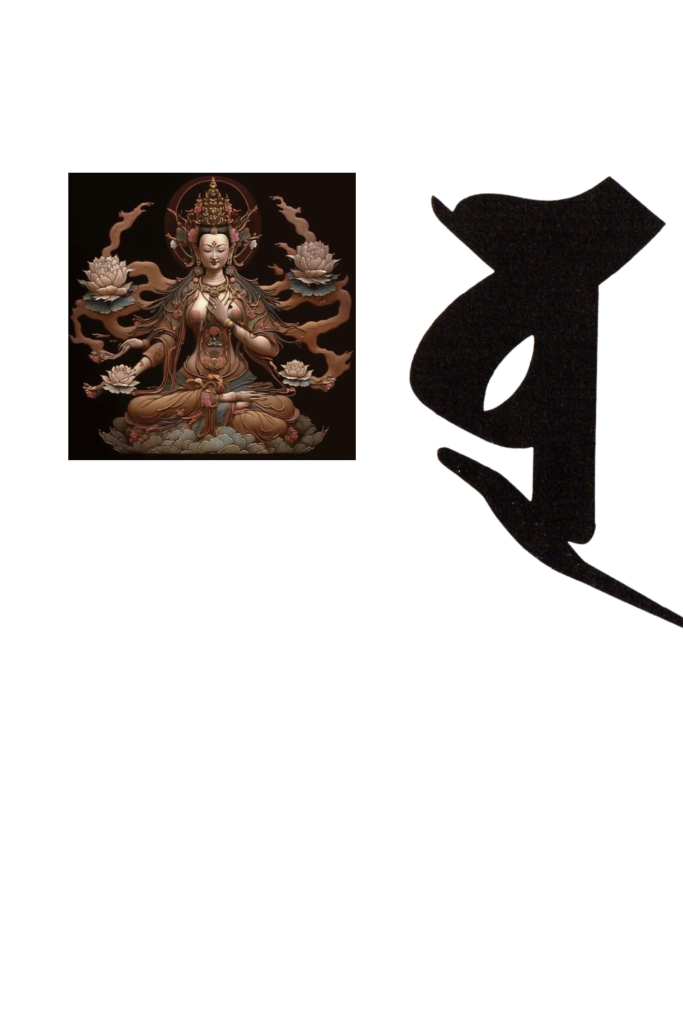
ナウマク・サマンダ・バザラ・ダン・カン


What is Fudo Myoo?

The etymology means “immovable guardian” and is another name for Shiva in Indian mythology. Shiva is the deity of the power of storms, causing devastating disasters, but the rain nourishes plants. The contradictory aspects of destruction and grace are inherited by Fudo Myoo. Fudo Myo-o is angry at those who stand in the way of Buddhism and makes them submit, but he always protects and watches over those who have entered Buddhism.


As an incarnation of Dainichi Nyorai, he is said to represent his heart’s determination to lead any villain to the path of Buddhism. Especially in Japan, the faith spreads and it is familiar with the name of Fudo-sama. And it is the central existence of the five great kings. The Five Great Myoos are Fudo Myoo, Gozanze Myoo, Gundari Myoo, Daiitoku Myoo, and Kongo Yasha Myoo. It refers to the five bodies of Ou), and is arranged in the north, south, east, and west centered on Fudo. Of the eight great children, Kongara and Seitaka are often assigned as attendants to Fudo Myoo. By the way, there are cases where the dragon-wrapped flaming sword held by Fudo Myoo is enshrined alone. He is considered to be the incarnation of Fudo Myoo and is called Kurikara Ryuo.

benefit

It is said that there are blessings for warding off disasters, winning battles, driving out demons, protecting trainees, warding off misfortunes, national security, and worldly benefits. It is also the guardian deity born in the year of the rooster. He is said to help people born in the year of the rooster bring good luck, ward off evil, and fulfill their prayers.

Statue of Fudo Myoo

There are many short, slightly thicker child-type models, and they have angry expressions. His eyes are called tenchigen, meaning that his right eye is directed toward heaven and his left eye is directed toward earth. His mouth is said to have the right fang up and his left fang down. He is backed by a halo of flames and has a sword and a fencing in his hands. The sword expresses the sharpness of the wisdom of Dainichi Nyorai. Kensaku is a binding rope that binds worldly desires and reforms evil minds.


His Sanskrit name is Aryacalanatha Vijayaraja, and his official name is Holy Fudo Ido Myoo.

The Buddhas always use various means to make us, the sentient beings, follow the path of enlightenment. However, there are some sentient beings who are stubborn and will not change their minds with just kindness and mercy.

Dainichi Nyorai scolds and guides his stubborn sentient beings, who cannot be rescued by such ordinary methods, in the form of his mercy. At this time, Dainichi Nyorai transforms into Fudo Myoo and manifests himself with the face of anger. This anger is actually only him at the edge of mercy. It is considered to be a guardian deity born in the western year,


Mantra of Fudo Myoo

Naumak Samanda Bazara Dan Kang


大日如来

大日如来だいにちにょらいサンスクリット語: Mahāvairocana

無相法身と無二無別なり(姿・の無い永遠不滅真理そのものと不可分である)」[5]という如来の一尊。通常、仏の悟りの境地そのものである法身は、色も形もなく、説法もしないとされるが、大日如来は法身でありながら説法を行うという[6]。また、それは過去現在未来三世にわたっているとされる[7]。 大日如来の「智」の面を表したのが金剛界の大日如来であり、「理」の面を表したのが胎蔵界の大日如来であるとされ[2]、この金剛界の智法身と、胎蔵界の理法身は一体不可分であるとされる

仏であり、全ての法を包括し、全ての存在を含む究極の真理を体現するとされています。

「Mahāvairocana」とは、「大日如来」の別名であり、梵語で「大いなる光明」を意味します。この仏は、一般的に「如来」として表現され、インドや中国の仏教美術においては、多くの菩薩像や仏像が彼を表現するために作成されました。

「宝冠」と「装身具」とは、菩薩像に見られる装飾品であり、菩薩が神聖であることを表すために使用されます。宝冠は、王冠のように頭の上に乗せられる宝石で飾られた冠で、装身具は、首や腕、足首などに装着される宝石で飾られた装飾品です。これらの装飾品は、仏教の信仰と芸術の両方において重要な役割を果たしています。

ChatGPT

“Mahāvairocana” is the alternate name for “Dainichi Nyorai” in esoteric Buddhism, which represents the highest level of Buddha that encompasses all the teachings and embodies the ultimate truth that includes all existence.

As a general representation of “Dainichi Nyorai,” Mahāvairocana is depicted in various bodhisattva statues and Buddha statues in Indian and Chinese Buddhist art.

“宝冠” (hōkan) and “装身具” (sōshingu) are decorative items commonly found in bodhisattva statues. They represent the sacredness of bodhisattvas. “Hōkan” refers to a crown adorned with jewels that is placed on top of the head like a king’s crown, while “sōshingu” refers to jewelry adorned with jewels that is worn on the neck, wrists, ankles, and other parts of the body. These decorative items play an important role in both Buddhist faith and art.


十二支守り本尊(干支守り本尊)

十二支守り本尊(干支守り本尊)・厄除け守り本尊

人はそれぞれの生まれ年の干支によって、守り本尊が決まっていると言われています。
十二支守り本尊は古来より、厄除けや開運の守護仏として信仰されてきました。

十二支守り本尊は、千手観音菩薩(子年)、虚空蔵菩薩(丑・寅年)、文殊菩薩(卯年)、普賢菩薩(辰・巳年)、勢至菩薩(午年)、大日如来(未・申年)、不動明王(酉年)、阿弥陀如来(戌・亥年)です。

魚欄観音 Fish Column Kannon

中国の時代、を扱う美女がおり、観音経金剛経法華経を暗誦する者を探し、めでたくこの3つの経典を暗誦する者と結婚したがまもなく没してしまった。この女性は、法華経を広めるために現れた観音とされ、以後、馬郎婦観音(魚籃観音)として信仰されるようになったという。


「魚籃観音(ぎょらんかんのん)」とは、仏教の観音菩薩を祀る寺院において、魚や海産物の豊漁と漁業の安全を願う信仰の対象となる観音像のことを指します。

「魚籃」という言葉は、観音菩薩が魚籃(ぎょらん)を持っている様子から来ています。この魚籃は、魚や貝などの海産物を収める籠のことで、漁業において大漁を願うシンボルとされています。

また、魚籃観音は、女性にも親しまれている観音像の一つで、女性の病気や安産、子育てなどの願いも叶えるとされています。

日本の有名な魚籃観音寺としては、神奈川県横須賀市にある高徳院や、鳥取県東伯郡琴浦町にある神峰寺があります。


勢至菩薩

勢至菩薩(せいしぼさつ)、梵名マハースターマプラープタ (महास्थामप्राप्त [mahāsthāmaprāpta])は、仏教における菩薩の一尊。

勢至菩薩(せいしぼさつ)は、日本の仏教で信仰されている菩薩の一人で、梵名はマハースターマプラープタ(Mahasthamaprapta)といいます。

勢至菩薩は、阿弥陀如来の右脇侍として描かれ、信仰心が深く、阿弥陀如来の教えを受けて極楽浄土に往生することを目指す人々を導く菩薩とされています。

また、勢至菩薩は、慈悲と智慧の象徴とされ、仏教における三身思想のうち、報身(ほうしん)にあたるとされます。報身とは、仏の本性が実現し、さまざまな功徳をもって現れた姿を指します。

勢至菩薩は、中国の敦煌莫高窟や、日本の多くの寺院などで多くの仏像や壁画に描かれ、広く信仰されています。

水瓶


十三仏(じゅうさんぶつ)

十三仏(じゅうさんぶつ)は、十王をもとにして、室町時代になってから日本で考えられた、冥界の審理に関わる13(正確には如来菩薩)である。また十三回の追善供養(初七日〜三十三回忌)をそれぞれ司る仏様としても知られ、主に掛軸にした絵を、法要をはじめあらゆる仏事に飾る風習が伝えられる。


各支の守護仏に合致する仏は次の通り[3]

  • – 観世音菩薩
  • – 虚空蔵菩薩
  • – 虚空蔵菩薩
  • – 文殊菩薩
  • – 普賢菩薩
  • – 普賢菩薩
  • – 勢至菩薩
  • – 大日如来
  • – 大日如来
  • – 不動明王
  • – 阿弥陀如来
  • – 阿弥陀如来

子の観世音菩薩は正確には、普通にいう観世音菩薩、つまり「聖観音」ではなく、「六観音」と呼ばれる「変化観音」の一つである「千手観音」だが、変化観音はすべて聖観音の化身であるとされるため敢えて「観世音菩薩」と表記。

普賢菩薩

普賢菩薩(ふげんぼさつ、 : samantabhadra [サマンタバドラ]、: ཀུན་ཏུ་བཟང་པོ་ [kun tu bzang po])は、大乗仏教における崇拝の対象である菩薩の一尊。


梵名のサマンタバドラとは「普く賢い者」の意味であり、世界にあまねく現れ仏の慈悲と理智を顕して人々を救う賢者である事を意味する。法華経では、普賢菩薩は六牙の白象に乗ってあらゆるところにあらわれ衆生を救うと説かれる


独尊としては、蓮華座を乗せた六牙の白象に結跏趺坐して合掌する姿で描かれるのが、最も一般的である。密教では、左手に宝剣を立てた蓮茎を持る姿

文殊菩薩

文殊菩薩(もんじゅぼさつ、: mañjuśrī〈マンジュシュリー〉、: mañjughoṣa[1]〈マンジュゴーシャ〉、: ‘jam dpal〈ジャンペル〉)は、大乗仏教の崇拝の対象である菩薩の一尊。一般に智慧を司る仏とされる


文殊菩薩像の造形はほぼ一定している。獅子の背の蓮華座に結跏趺坐し、右手に智慧を象徴する利剣(宝剣)、左手に経典を乗せた青蓮華を持つ


りん‐ぼう【輪宝】


りんぽう」とは、転輪聖王(てんりんじょうおう)が所有する七宝の一つです。転輪聖王は仏教における大乗仏教の信仰対象の一つで、悟りを開いた仏陀の中でも特に法王として尊ばれます。転輪聖王は、仏法を広めるために王として生まれ、民衆を救済するために治めました。

「りんぽう」は、もともと車輪の形をした古代インドの武器で、金・銀・銅・鉄の4種類があります。後に仏教に取り入れられ、転輪聖王が所有する七宝の一つとして位置づけられました。転輪聖王の所有物とされる「りんぽう」は、王の行くところ先行して四方を制するとされ、聖王を象徴するものとなっています。

ChatGPT

“Rinpou” is one of the seven treasures owned by the “Tenrinjo-oh” or “Chakravartin” in Buddhism. It originally referred to an ancient Indian weapon shaped like a wheel, made of four types of materials: gold, silver, copper, and iron. Later, it was incorporated into Buddhism and became one of the treasures owned by the “Tenrinjo-oh.” The “Rinpou” owned by the “Tenrinjo-oh” is said to dominate the four directions wherever the king goes, and it is considered a symbol of the holy king

愛染明王

愛染明王(あいぜんみょうおう、: rāgarāja[1])は、仏教の信仰対象であり、密教特有の憤怒相を主とする尊格である明王の一つ。愛染王とも

愛染明王は、日本の密教や仏教における護法尊の1つで、六道輪廻の苦しみを救済するとされています。

愛染明王の姿は、忿怒相で描かれ、六本の腕を持ち、それぞれに武器や仏具を持っています。一面六臂の姿は、仏教的な象徴であり、六つの感覚や六道を表しています。

愛染明王の頭にはライオンの髪飾りが飾られており、これは威厳や力強さを表しています。また、弓を持っているのは、邪悪なものを追い払うために用いるとされています。

愛染明王は、信仰する者に対して、怒りや瞋りの感情を浄化し、悟りの境地に到達するための助けとなるとされています。


ChatGPT

Aizen Myo-o is one of the protective deities in Japanese esoteric Buddhism and is believed to relieve the suffering of the six realms of transmigration.

Aizen Myo-o is depicted in a wrathful form with six arms, each holding a weapon or a Buddhist ritual object. The one-faced six-armed form is a Buddhist symbol representing the six senses or the six realms.


愛染明王信仰は「恋愛・縁結び・家庭円満」などをつかさどる仏として古くから行われており

愛染明王は一面六臂で他の明王と同じく忿怒相

ラーガラージャRāga-rājaで、ラーガ(羅我と音訳する)とは赤色、情欲、愛染の意、ラージャ(羅闍)は王の意。金剛薩埵(こんごうさった)(金剛王菩薩(ぼさつ)と同体


愛染明王は、仏教密教において非常に重要な存在であり、恋愛や家庭円満などの願いをかなえる仏として信仰されています。その姿は忿怒相で、一面六臂の姿で描かれます。

この姿は、憤怒相としての愛染明王が、悪魔や邪気を追い払い、人々を守るという意味が込められています。また、六臂は六波羅蜜を象徴し、智慧や慈悲、戒律、忍耐、精進、禅定の力を表しています。

愛染明王の信仰は、古代インドで発祥したタントラ思想が中国や日本に伝えられたことで広まりました。その信仰は、日本の平安時代に密教が盛んになると、多くの人々に広く受け入れられるようになりました。

現代でも、愛染明王の信仰は根強く残っており、恋愛や家庭問題、健康や商売繁盛など、様々な願いを叶えるために信仰されています。

Aizen Myoo (梵: rāgarāja) is a deity of Buddhist faith and one of the wrathful deities known as “Myoo” in esoteric Buddhism. Aizen Myoo is often associated with love, marriage, and family harmony.

The deity is depicted with an angry expression and six arms, like other Myoo. This depiction represents Aizen Myoo’s role in driving away evil spirits and protecting people. The six arms represent the six perfections (paramitas), symbolizing wisdom, compassion, morality, endurance, diligence, and meditation.

The worship of Aizen Myoo originated from the Tantra philosophy of ancient India, which was brought to China and Japan and widely accepted during Japan’s Heian period when esoteric Buddhism flourished. Even today, the worship of Aizen Myoo remains popular among many Japanese people, who pray to him for help with love, family, health, and prosperity.