UA-135459055-1

未分類

准胱観音真言で心の安らぎを:仏教への魅力に迫る”

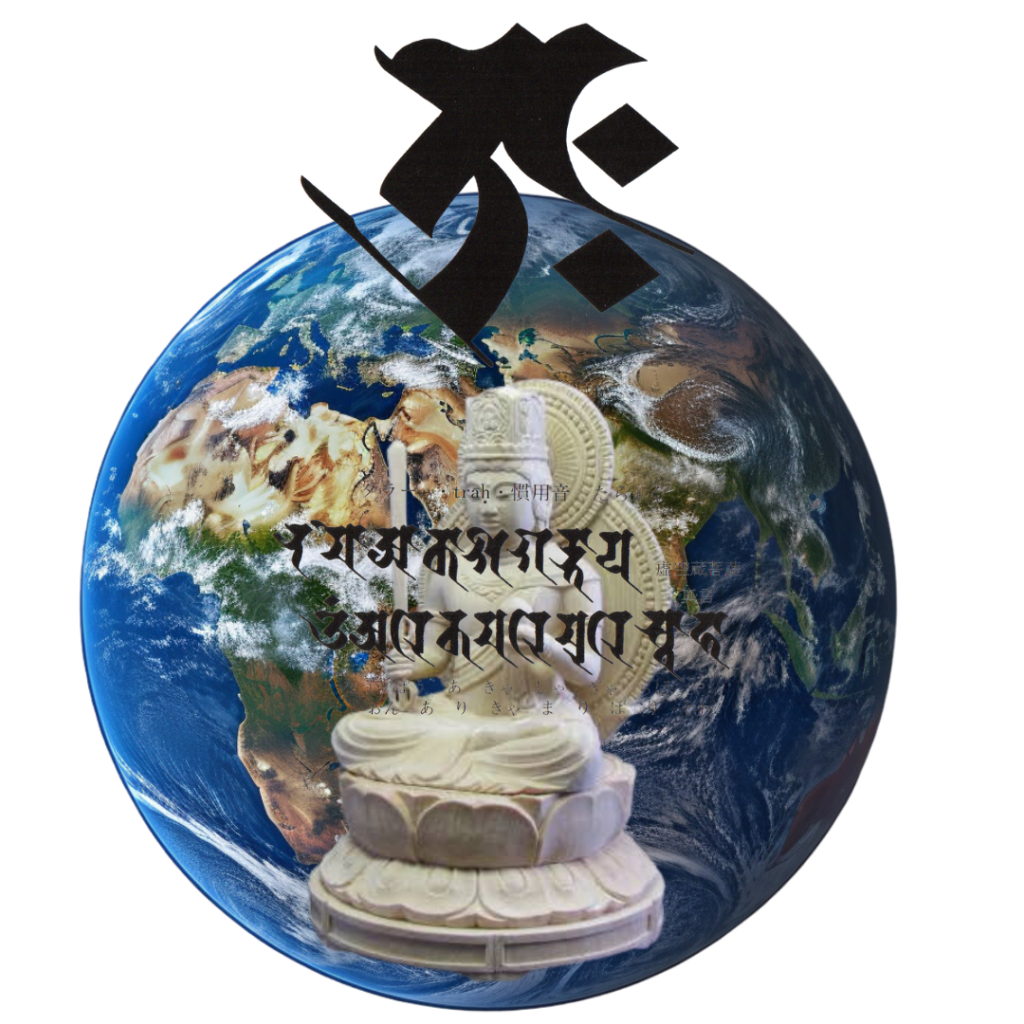
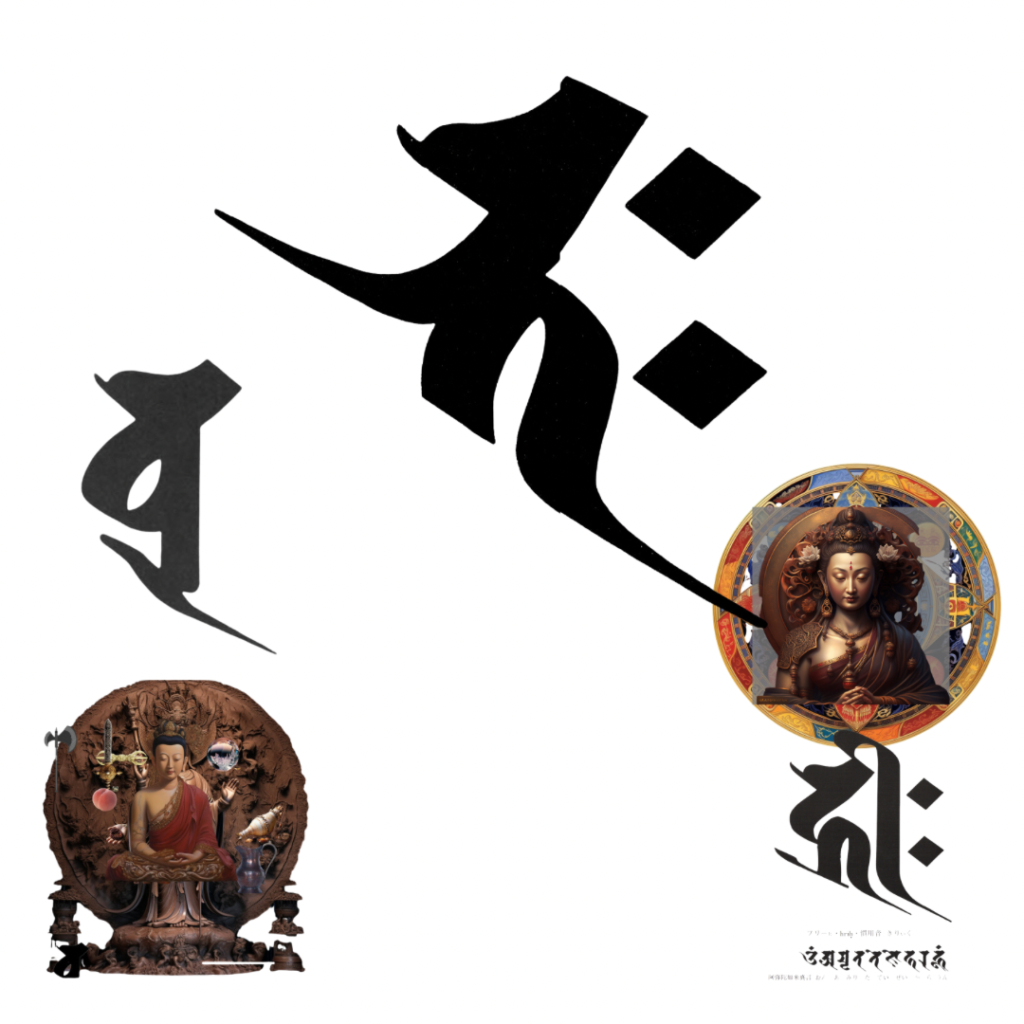
准肌観音

准胱観音真言

真言は短呪の「オン・シャレイ・シュレイ・ジュンテイ・ソワカ」(Oṃ cale cule cunde svāhなどがよく知られている。長咒は「ナモサッタナン・サンミャクサンモダクチナン・タニヤタ・オン・シャレイ・シュレイ・ジュンテイ・ソワカ」。

なう まく さ た なん さん みゃく さん ぼ だ く ち なんた にや た おん しゃ れい しゅ れい じゅん でい そわ か

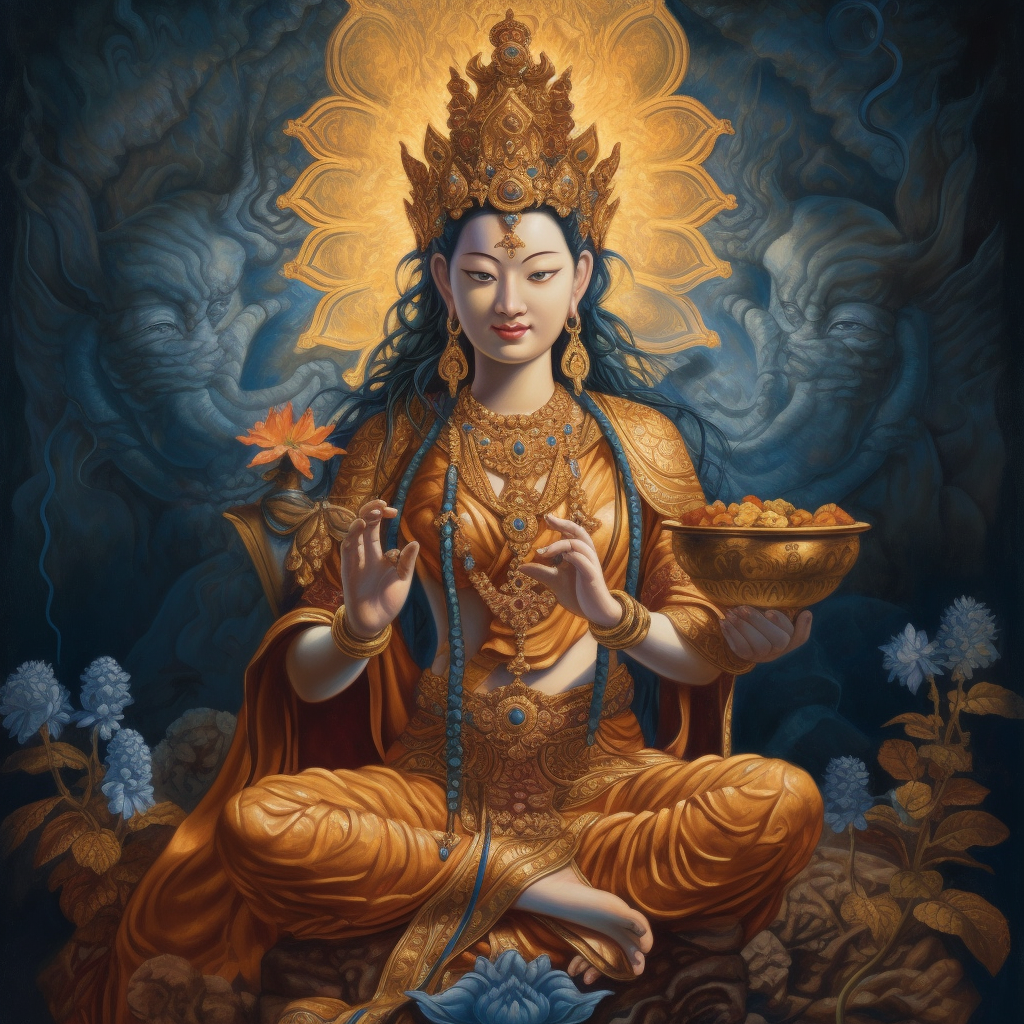
准服とは、梵名チユンデイ上のの音写 「清浄無垢」という意味があり、さとりの道を歩ませる観音です。
別名、准服仏母、七倶服仏母とも呼ばれます。七倶服とは「無量」を意味しますから、多くの諸仏の母となります。そのため観音菩薩ではないと
の説もあります。経軌にも観音として説かれていないことから、犬台密教では准肛如来として仏部の尊としますが、真言密教では観音の一つとして六観音の中に加えます。

 求児・安産の本尊としてもまつられます。もとは水の神で、その姿は女身といわれています。
なお、胎蔵曼荼羅中台八葉院の観音の種子は、この准服観音のブ(回)字が記されています。


Associate skin Kannon

The mantra is well known as the short curse “On Sharay Shrey Juntei Sowaka” (Oṃ cale cule cunde svāh, etc. Juntei Sowaka “.

Associate Bladder Kannon Mantra
Nau Makusata Nansan Myakusan Bodakuchi Nan
Taniya Onsha Rei Shu Rei Jun Dei SowakaAssociate clothing is a Kannon that walks the path of Satori, meaning “clean and innocent”, which is a copy of the Rogo on the Sanskrit.
Also known as Associate Clothes Buddha, Seven Clothes Buddha Mother. Since seven clothes mean “infinite”, they are the mothers of many Buddhas. Therefore, it is not a Kannon Bodhisattva
There is also the theory of. In Inudai Esoteric Buddhism, it is regarded as a Buddhist priest as a Buddhist priest, but in Shingon Esoteric Buddhism, it is added to Rokukannon as one of the Kannon.It is also enshrined as the principal image of childbirth and childbirth. Originally a god of water, its appearance is said to be a woman.
In addition, the Kannon seeds of the Fetal Mandala Nakadai Hachiyoin are marked with the B (times) character of this quasi-clothing Kannon.


http://cyber-price.com/buddha/

Buddha  Japan Journal

Buddha Japan journal

日本の仏教を発信しますSend Japanese Buddhis

cyber-price

新のゲーム PC カメラ 家電 健康

http://cyber-price.com/cyber/

goo

https://blog.goo.ne.jp/gomabonshop

ゴマボンSHOP/インターネット通販

https://fanblogs.jp/gomabon/

ゴマボンショップ

https://twitter.com/home

http://diji.seesaa.net/

cyber-priceデジタル

文殊菩薩 智慧を司る学問の神様として有名な菩薩

文殊菩薩(もんじゅぼさつ、mañjuśrī〈マンジュシュリー〉、mañjughoṣa[1]〈マンジュゴーシャ〉、‘jam dpal〈ジャンペル〉)は、大乗仏教の崇拝の対象である菩薩の一尊。一般に智慧を司る仏とされる[2]。その他、非人救済などの慈善事業を司るほか、日本真言律宗では慈母供養の象徴としての一面も重視された。


文殊菩薩

智慧を司る学問の神様として有名な菩薩

文殊菩薩(もんじゅぼさつ)とは?

正式名称は文殊師利菩薩(もんじゅしりぼさつ)といいます。「三人よれば文殊の知恵」という格言があるように、知恵の神様として学業向上や合格祈願に有名な菩薩です。モデルとなった人物が存在し、古代インドにあるコーサラ国の首都・舎衛国(しゃえこく)のバラモン階級の者だったといわれています。仏教の経典を書物にまとめる作業などに関わったといわれていますよ。ただし、本来は学問などの知恵を司るのは虚空蔵菩薩であり、文殊菩薩は物事のあり方を正しく見極める力・判断力を意味する「智慧」を司っています。


釈迦如来の左脇侍として普賢菩薩と共に三尊で並ぶことが多いですが、独尊で祀られることもあります。

ご利益

智慧明瞭、学業成就のご利益があるとされています。また、卯年の守り本尊です。卯年に生まれた人々の開運、厄除け、祈願成就を助けるといわれています。

文殊菩薩(もんじゅぼさつ)の像容

左手に剣と右手に経巻を持ち、獅子の上に置かれた蓮華台の上に座るのが一般的です。梵篋、金剛杵を立てた蓮台などを持つこともあります。


虚空蔵菩薩 無限の智慧と慈悲の心を人々に与える菩薩


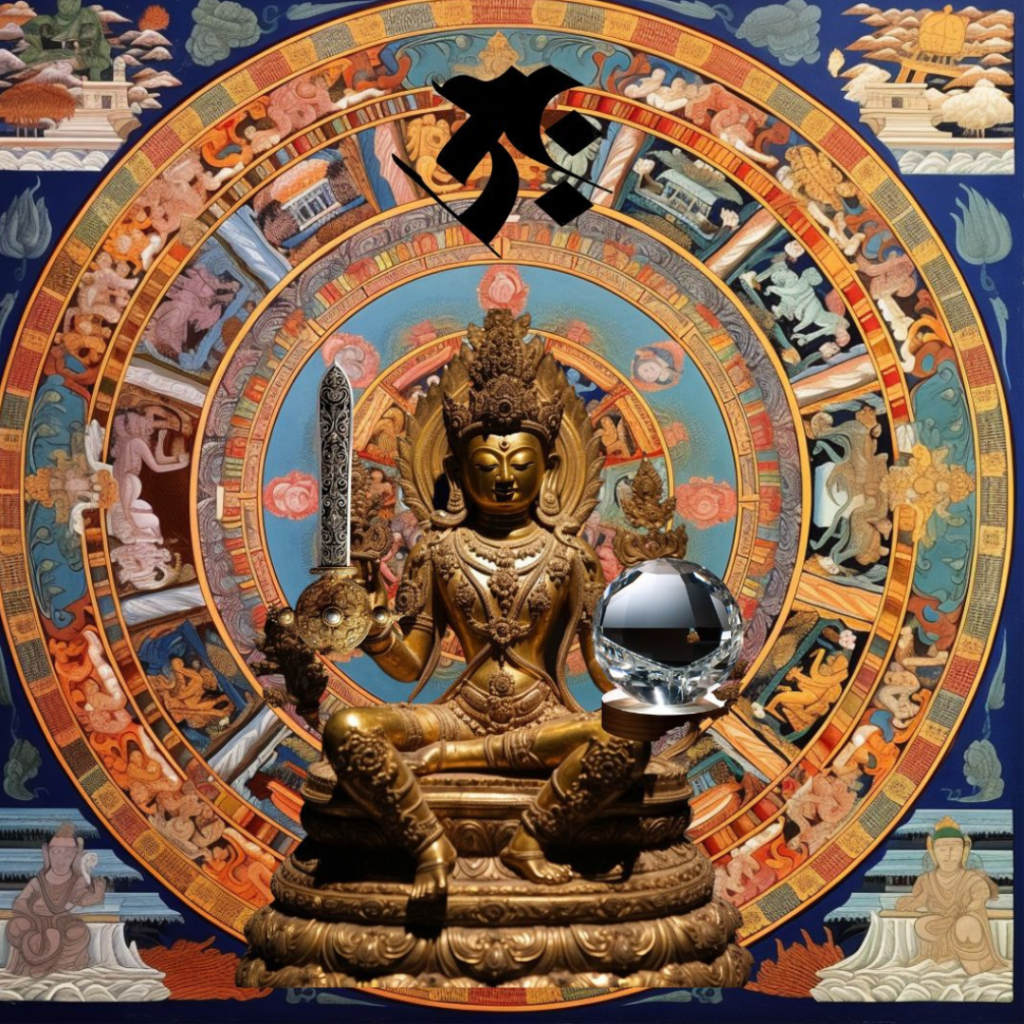
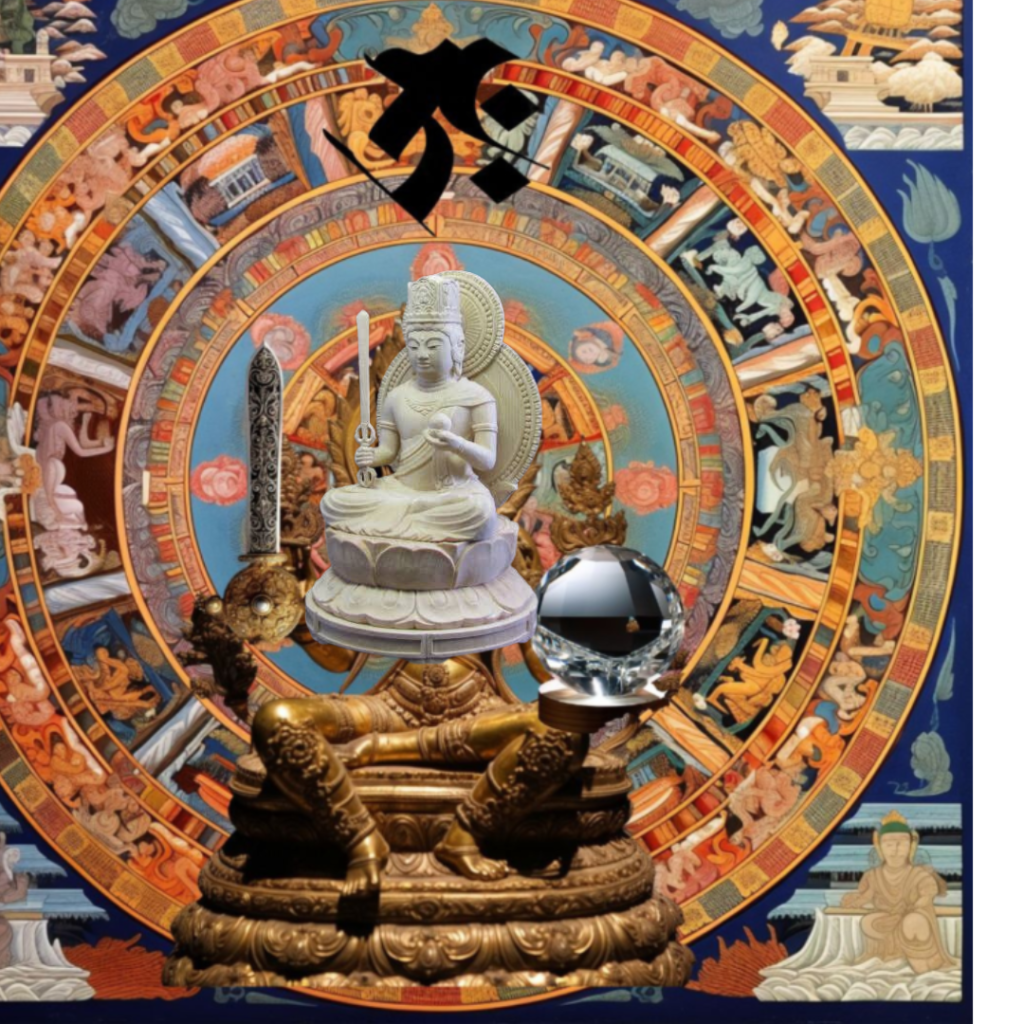
虚空蔵菩薩(こくうぞうぼさつ)とは?

  • 虚空蔵とは宇宙のような無限の智慧と慈悲の心が収まっている蔵(貯蔵庫)を意味し、人々の願えを叶えるために蔵から取り出して智慧や記憶力、知識を与えてくれるとされています。


真言宗の開祖・弘法大師は虚空蔵菩薩の真言を100万遍唱えるという虚空蔵求聞持法(こくうぞうぐもんじほう)を行ったそうですよ。無限の記憶力がつき、仏の智慧を体得することができるといわれています。求聞持法の本尊像のほかに、増益(ぞうやく)や除災を願って行う修法の本尊である五大虚空蔵菩薩があります。これは虚空蔵菩薩の持つ智慧を5方に配し、金剛界五仏の変化した姿としたものです。

ご利益

成績向上、記憶力増進、頭脳明晰、商売繁盛、技芸向上のご利益があります。また、丑・寅年の守り本尊です。丑・寅年に生まれた人々の開運、厄除け、祈願成就を助けるといわれています。


虚空蔵菩薩(こくうぞうぼさつ)の像容

1つの顔に2本の腕を持つ、菩薩形の像です。右手に剣、左手に如意宝珠を持っているのが一般的です。五仏宝冠を戴いた坐像として表現されます。


虚空蔵菩薩

無限の智慧と慈悲の心を人々に与える菩薩

虚空蔵菩薩(こくうぞうぼさつ)とは?

虚空蔵とは宇宙のような無限の智慧と慈悲の心が収まっている蔵(貯蔵庫)を意味し、人々の願えを叶えるために蔵から取り出して智慧や記憶力、知識を与えてくれるとされています。


真言宗の開祖・弘法大師は虚空蔵菩薩の真言を100万遍唱えるという虚空蔵求聞持法(こくうぞうぐもんじほう)を行ったそうですよ。無限の記憶力がつき、仏の智慧を体得することができるといわれています。求聞持法の本尊像のほかに、増益(ぞうやく)や除災を願って行う修法の本尊である五大虚空蔵菩薩があります。これは虚空蔵菩薩の持つ智慧を5方に配し、金剛界五仏の変化した姿としたものです。

ご利益

成績向上、記憶力増進、頭脳明晰、商売繁盛、技芸向上のご利益があります。また、丑・寅年の守り本尊です。丑・寅年に生まれた人々の開運、厄除け、祈願成就を助けるといわれています。

虚空蔵菩薩(こくうぞうぼさつ)の像容

1つの顔に2本の腕を持つ、菩薩形の像です。右手に剣、左手に如意宝珠を持っているのが一般的です。五仏宝冠を戴いた坐像として表現されます。

有名寺院と像

・京都府:東寺

虚空蔵菩薩(こくうぞうぼさつ)の真言

オン・バサラ・アラタンノウ・オン・タラク・ソワカ

苦しいことも乗り越えて、幸せへの道!仏教の素晴らしい教え” Overcome hardships and find happiness! The wonderful teachings of Buddhism”

  • 人間として生まれたなら、長い間にわたり苦しみ、三悪道に堕ちる可能性がある。
  • この苦しみを避け、悟りを得るためには積極的に修行し、四聖諦の悟りを学ぶべきだと仏陀は説く。
  • 仏陀の説法を聞いた弟子たちは喜び、修行に励む。
  • この経はお釈迦さまが波羅捺国の鹿野苑で説いたもので、波羅国は古代のカーシー国の首都であるバーラーナシー(ワーラーナシー)のこと。


If you are born as a human, you will suffer for a long time and may fall into the three evil paths.
In order to avoid this suffering and attain enlightenment, the Buddha preaches that one should actively practice ascetic practices and learn the enlightenment of the Four Noble Truths.
When the disciples heard the Buddha’s sermon, they were happy and devoted themselves to their training.
This sutra was preached by the Buddha at the Deer Garden in the country of Harada, which refers to Varanasi, the capital of the ancient Kāshi state.


-三百槍の苦


仏道修行を進めていく上での心がまえが説かれた、『雑阿含経・百槍経』(以下『百槍経』) 講義いたします。

髪の短くれ聞きぬ。一時、仏、波羅国の仙人住処

如是我聞。一時仏住波羅橑国仙人住

鹿野苑の中に住まりたまえり。雨の時世尊、諸比丘に

ねんじゅびやくさい

ときせん もろもろびく

処鹿野苑中。爾時世尊告諸比丘。 譬 如士夫年寿百歳。有人語言。士夫若 欲聞法。 当日日三時受苦。晨朝時受 百槍苦。日中哺時。 亦復如是。 於一 日中。受三百槍苦。如是日日。至於 百歳。 然後聞法。 得無聞等。 汝寧能 不。 時彼士夫。為聞法故。悉堪能受。 所以者何。 人生於世。 長夜受苦。 有 時地獄。有時畜生。有時餓鬼。 於三

悪道 空受衆苦。 亦不聞法。 是故我 今為無間等故。不以終身受三百槍為 大苦也是故比丘。於四聖諦。 未得 無間等者。当勤方便起増上欲。 学無 間等。仏説此経已。諸比丘聞仏所説。 歡喜奉行


畜生、有る時は餓鬼、三悪道に於て、空しく苦を受

けた法をも聞かざるなり。是故にれ今無間等の しゅうしん 為の故に、終身三百槍を受くるを以て大苦とは為さざ るなり」。是の故に比丘、四聖師に於て、未だ無間等を得ずんば、当に勤め方使して増上欲を起し、無間等を 学すべし」と。仏此の経を説きりたまいに、諸の比 仏の所説を聞きて喜奉行しぬ。このように私は聞きました。 ある時、仏さまがバーラーナシー国の仙人住処鹿野苑にご滞在さ れていた時のことです。 ある日世尊が弟子たちに告げられました。

「たとえば、百歳の紳士がいるとしましょう。 その紳士に、ある人がこういいました。「もしも あなたが仏法を聞きたいならば、毎日三回、大きな苦しみを受けるべきです。その苦しみとは、 朝に百回槍で突かれ、同様に昼も晩も百回ずつ槍で突かれるというもので、そのように一日に合 計三百回も槍で突かれる苦しみを受けて、百歳になった時点で仏法を聴聞して最高の悟りを得る ことができるとしたならば、あなたはその苦を受けることができますか?」と。

するとその紳士は、『仏法を聞くためには、その苦しみを受けることができます。 なぜならば、


解説

人間として生を受けたならば、果てしもなく長い間にわたって苦を受け、ある時は地獄界に、あ る時は畜生界に、ある時は餓鬼界にと三悪道に堕ちて多くの苦しみを受け、さらに仏法を聴聞 することもできないからです。このことから私は、悟りを得るためには、百年の間、毎日、槍で 三百回突かれることなど、大きな苦しみとは思えません』

そのようなわけであるから比丘たちよ、四聖論においてまだ悟りを得ていない者は、あらゆる 方法を駆使して修行に励み、悟りを得ようという向上の欲を起こし、四聖諦の悟りを学びなさ 「い」

仏さまがこの経を説き終わると、仏さまの教えを聞いた弟子たちは心から喜び、修行に励みま した。

このお経は、お釈迦さまが波羅捺国の仙人の住処である鹿野苑にご滞在の時の説法を記したも のです。波羅国とは、当時、中インド・ガンジス河中流にあった、カーシー国の首都バーラー ナシーを漢字に音写したもので、現在のワーラーナシー(ベナレス) 市にあたります。

そのバーラーナシーの郊外に鹿野苑(ワーラーナシー市のサールナート付近)があります。 ここ は鹿が放し飼いにされているので、鹿野苑といわれました。日本でいえば奈良のようなところで

すが、鹿野苑は町外れにあり、いろいろな宗教の聖者や求道者の修行場であり、居住地でありま した。

そのような聖者や修行者を、パーリ語ではイシ、サンスクリット語ではリシといいます。 イシ ないしリシを漢訳経典では仙人と訳しました。 仙人という訳ははたして適切なのかと疑問に思 いますが、昔の中国の概念でいえば、たしかに仙人でしょう。 ほかに表現のしようがなかったの だろうと思います。 要するに、いろいろな宗教の聖者やその弟子たちが、 鹿野苑の中に住み、修 行に励んでいたわけですが、そういう人たちを仙人と訳したわけです。

仙人たちが住んでいた鹿野苑ですから、 仙人住処鹿野苑というわけです。 パーリ語ではイシパ タナミガダーヤといいます。パタナとは住んでいるところという意味です。鹿野苑はパーリ語 でミガダーヤですから、イシバタナ・ミガダーヤを漢訳して仙人住処鹿野苑というわけです。こ ここはお釈迦さまが成道後、五人の比丘に初めて説法をされた初転法輪の地で、仏教四大聖地の一 つに数えられます。

お釈迦さまは鹿野苑でもろもろの弟子たちに、

と説かれました。

「譬えば士夫の年寿百歳なるが如し。人有り語って言わく、『士夫若し法を聞かんとせば、 当日日三時に苦を受くべし。 朝の時に百槍の苦を受け、日中埔時にも、亦復た是の如く、一 1日の中に於て、三百槍の苦を受け、是の如く日日して、百歳に至り、然して後法を聞きなば、無 間等を得ん、汝寧ろ能うや不や』と」

お釈迦さまはたとえ話として、こういうことをお話しになられたのです。

「たとえば百歳の紳士がいるとしましょう」

お経に士夫とありますが、これはしかるべき身分の男性のことですから、現代語に訳せば紳士 です。

「その紳士に、ある人がこういいました。

経中の紳士は、

と答えました。

「もしもあなたが、因縁解脱が説かれた正しい仏法を聞きたいならば、毎日三回、大きな苦しみ を受けなければ教わることはできないけれども、あなたはそれでも仏法を聞きたいか、といわれ たらどうしますか? その苦しみとは、朝に百回槍で突かれ、同様に昼も晩も百回ずつ突かれる というもので、そのように一日に合計三百回も槍で突かれる苦しみを受けて、百歳になった時点 で初めて仏法を聴聞し、最高の悟りを得ることができるとしたならば、あなたはその苦を受けま すか?」

三百回も槍で突かれるなどということは、実際には不可能です。一度槍で突かれただけで死ん でしまいます。したがってこれは、それほどの苦しみと考えていただけばよいでしょう。

「因縁解脱をするためには、百年の間、毎日毎日、朝、昼、晩の三度にわたって、槍で百回ずつ 突かれるほどの苦しみに遭わなければならない。そういう苦しみに遭わなければ、因縁解脱の法 を教わることができないとしても、あなたは因縁解脱の道を志しますか?」

そう問われた時、みなさんはどう答えますか?かつに

「法を聞かんが為の故に、 悉く受くるに堪能せり」

これを現代語に訳せば、

となります。

「成仏の法を聞くためには、それらの苦しみに遭わなければならないというのならば、私は喜ん その苦しみを受けるでありましょう」

これは、大変な言葉です。 みなさんならば、どうしますか?

「因縁解脱行を一生懸命にやれば、必ず成仏することができる。 その代わり、この行を教わるた めには、朝、昼、晩ごとに各百回、一日に合計三百回も槍で突かれなければならない。それを百 年間続けて、初めてその修行に入れるのだよ」

そういわれたならば、みなさんはどうしますか?

「仏舎利宝珠尊解脱宝生行ができるならば、私は喜んで毎日槍で突かれましょう」

といいますか? それとも、

「そんなのまっぴらごめんだ。冗談じゃないよ。 槍で突かれるのが一回だとしても、私はごめん こうむります」

と答えるでしょうか?

おそらくはほとんどの人が後者でしょう。

しかしこの紳士は、

仏法を学びます」

「私は百年間、毎日三百回ずつ槍で突かれるような苦しみに遭っても、喜んでその苦しみを受け

と答えているわけです。それはなぜでしょうか?

輪廻転生しても存続する苦

その紳士は、

といっております。

現代語に訳すと、

となります。

「まれ・・・・・・」

「所以は何ん、人の世に生れなば、長夜に苦を受くるに、有る時は地獄、有る時は畜生、有る時 は餓鬼、 三悪道に於て、 空しく衆の苦を受けた法をも聞かざるなり。是の故に我れ今無間等 の為の故に、終身三百槍を受くるを以て大苦とは為さざるなり」

だい

「なぜならば、人間として生を受けたならば、いろいろな苦しみを受けるからです。しかも、そ の苦しみはこの一生だけではなく、永く続いていくものです。ある時は地獄界に堕ち、ある時は 畜生界に堕ち、ある時は餓鬼界に堕ちて、さまざまな苦しみに遭うでしょう。 それらの三悪道に 堕ちたならば、多くの苦しみを受けるだけでなく、仏法を聴聞することもできません。それに比 べれば、悟りを得るために、百年の間、毎日、槍で三百回突かれることなど、私には大きな苦し みとは思えないのです」

人間には来世がなく現世だけで終わるのならば、百年間で突かれるという苦しみを まで、成仏法を習う必要はないでしょう。けれども輪廻転生して、永く地獄、畜生、餓鬼の苦 しみを受けることに比べれば、百年間の苦しみなどなんでもない。永く輪廻転生して苦しむこと を考えれば、ずっと楽です。まさにこの紳士のいうとおりです。

以前に講義した『母乳経』にも、同じようなことが説かれていました(本書二一八二九頁参 照)。お釈迦さまは「母乳経」で、

「おまえたちが輪廻転生を繰り返す間に飲んだ母乳は、恒河と四大海の水量よりも多いのです。 なぜならば、おまえたちは輪廻転生中にある時はゾウとして生まれ、その時飲んだ母乳は極めて 多量です。 また、時にはラクダ・ウマ・ウシ・ロバや種々の禽獣として生まれ、その時飲んだ母 乳の量も極めて多量です。

また、おまえたちは輪廻転生の間に、時には墓場に棄てられて膿や血が多量に流出し、またあ る時には地獄・畜生・餓鬼の三悪に堕ち、髄血が流出することも同様に多量です。 弟子たちよ、 おまえたちは始まりのない昔から生死を繰り返していますが、苦の根本原因を知りません」 と修行者たちに説いておられました。まさに『百槍経』と同じ内容です。

『母乳経』の講義ではお話ししませんでしたが、世間一般の人が『母乳経』などのお経を読んで 疑問に思うのは、

「ある時はゾウとして生まれ・・・・・・また、時にはラクダ・ウマ・ウシ・ロバや種々の禽獣として生

という部分だと思います。 世間一般の人どころか、お坊さんまでもが


-Three Hundred Spears of Pain

Let’s move forward

We will be giving a lecture on the “Za Agon Sutra/Hyakuyari Sutra” (hereinafter referred to as “Hyakuyari Sutra”), which explains what to do before proceeding with Buddhist training.

I don’t like short hair. Temporary residence of the immortals of Buddha and Harakuni

Please listen to me. Temporary residence of Buddha and immortal of Harakokuni

Tamaeri lived inside the deer garden. During the rain, the Blessed One, to all the bhikkhus

Nenjubiyakusai

Tokisen Moromorobikku

Shokanoen Junior High School. Venerable bhikkhus from now on. Parable Joshifu is 100 years old. Manned language. Shifuwaka Desire Law. On that day, at three o’clock, he suffered. During the Chen Dynasty, he suffered a hundred hardships. During daytime feeding. Please restore it. All day long. He is a 300-year-old man. Day by day. A hundred years old. After that, he became a listener. He is worthless. You Ning Neng Fu. Toki Kanashio. Because of the law. Thoroughly enjoyed. What is the reason? In life. Long night suffering. Hell at times. Time bastard. Hungry ghost. Ozo

Evil path, empty suffering. It is unheard of law. Therefore, I am now, I am, and I am. The great suffering is the late Bhikkhu. The Four Holy Truths. Unearned and unearned. Desire for increased convenience at work. Gakumu et al. This is the Buddhist teaching. Various bhikkhus and Buddhist temples theory. Pleasure magistrate


Damn, sometimes you are a hungry demon, suffering in vain in the three evil ways.

I have no choice but to listen to the rules. For this reason, I will not suffer great hardship by receiving 300 spears for the rest of my life, for the sake of his obedience.” For this reason, Bhikkhus, among the four sages, if you have not yet attained Mugen, etc., you should work diligently, arouse the desire to increase, and study Mugen, etc.’ Even though the Buddha has not finished preaching this sutra, he listens to the teachings of various Buddhists and does not perform joyful practices. This is how I heard it. One day, the Buddha was staying at Dekanoen, the abode of the immortals in the country of Varanasi. One day the Blessed One spoke to his disciples.

“For example, let’s say there is a gentleman who is 100 years old. Someone said to him, “If you want to hear Buddhism, you should undergo great suffering three times every day. He was pierced with a spear 100 times in the morning, and 100 times in the afternoon and at night, and suffered the pain of being pierced with a spear a total of 300 times a day until he was 100 years old. If you are able to attain the highest enlightenment by listening to Buddhism when you reach the age of 10, can you endure that suffering?

Then the gentleman said, “In order to hear Buddhism, you can undergo that suffering. because,


Explanation

If you are born as a human, you will suffer for an endlessly long time, and at one time you will fall into the three evil paths of hell, hell, beasts, and hungry ghosts, and you will suffer a lot. This is because they are unable to listen to Buddhism and listen to Buddhism. For this reason, I do not think that being pierced with a spear three hundred times every day for a hundred years is a great hardship in order to attain enlightenment.”

Therefore, bhikkhus, those who have not yet attained enlightenment in the Four Noble Truths should use every method available to practice, develop the desire to improve, and study the Four Noble Truths. Nasa “i”

When the Buddha had finished preaching this sutra, the disciples who had heard the Buddha’s teachings were truly happy and devoted themselves to their training.

This sutra is also a sermon written by the Buddha while he was staying at Shikanoen, the abode of immortals in Haraka Province. Harakuni is a kanji transcription of Balanasi, the capital of the Kāshi state, which was located in the middle reaches of the Ganges River in central India at the time, and corresponds to the present-day city of Varanasi (Benares).

On the outskirts of Varanasi is Shikanoen (near Sarnath in Varanasi city). Because there were deer roaming free here, it was called Deer Garden. In Japan, places like Nara

However, Shikanoen was located on the outskirts of town and was a training ground and residence for saints and aspirants of various religions.

Such saints and ascetics are called Ishi in Pali and Rishi in Sanskrit. Ishi or Rishi was translated as sage in the Chinese translation of the scriptures. I’m not sure if the term ‘immortal’ is appropriate, but in terms of the ancient Chinese concept, it would certainly be ‘immortal.’ I don’t think he had any other way to express it. In short, saints of various religions and their disciples lived and practiced in Shikanoen, and these people were translated as hermits.

This is Shikanoen, where the immortals lived, so it is called Shikanoen, the place where the immortals lived. In Pali, it is called Isipa Tanamigadaya. Patana means a place to live. The Pali word for “Shikanoen” is Migadaya, so Ishibatana Migadaya is translated into Chinese as “Shikanoen, the abode of the sage.” This place is the place where the Buddha made his first sermon to the five bhikkhus after attaining enlightenment, and is counted as one of the four sacred sites of Buddhism.

Buddha said to his disciples at Dekaen Garden,

It was explained to me.

“For example, a Shifu’s life is 100 years old.Some people say, “If a Shifu listens to the Dharma, he must suffer suffering at three o’clock on the same day. Then, during the Sino-Pacific period, just like He who was restored, he suffered three hundred spears in one day, and just as He lived day by day, he reached the age of 100 years old, and after that he passed the Dharma. If you listen, you will have no time, and you will not be able to do anything.’

The Buddha told this as a parable.

“Let’s say there’s a gentleman who’s a hundred years old.”

The sutra says “shifu,” and this refers to a man of appropriate status, so if translated into modern language, he would be a gentleman.

“Someone said this to the gentleman.

The gentleman who is in the process of

I answered.

“If you want to hear the correct Buddhist teachings that teach you how to liberate yourself from fate, what would you do if someone told you that you would have to undergo great suffering three times a day in order to be able to learn it?Do you still want to hear the teachings? ?The suffering was that of being pierced with a spear a hundred times in the morning, and likewise a hundred times in the afternoon and at night; If you were to hear Buddhism for the first time at the age of 100 and be able to attain the highest level of enlightenment, would you suffer?

It is practically impossible to be speared three hundred times. Just one hit with a spear will kill you. Therefore, you can think of this as a great pain.

“In order to be liberated from one’s fate, one must suffer so much that one is stabbed with a spear three times a day, morning, noon, and evening, for a hundred years. Even if you cannot learn the law of liberation, would you still aspire to the path of liberation from your relationships?”

How do you answer when asked that question?Katsuni

“Since it is for the sake of listening to the law, I thoroughly enjoy receiving it.”

Translating this into modern language,

It becomes.

“If in order to hear the Dharma of Buddhahood he must undergo such sufferings, then I will gladly let him undergo those sufferings.”

This is a difficult word. What would you all do?

“If you do the practice of liberation from one’s fate with all your might, you will definitely attain Buddhahood.Instead, in order to learn this practice, you must repeat the practice 100 times in the morning, noon, and evening, for a total of 300 times a day. You have to be poked with it. You have to do that for a hundred years, and then you can enter into that training for the first time.”

If that’s the case, what would you do?

“If I can liberate the Buddha’s relics and release the treasure from life, I will gladly be pierced with a spear every day.”

Do you mean? Or,

“I’m completely sorry for that. It’s not a joke. Even if it’s just one spear, I’m sorry he’s going to do this.”

Would you answer that?

Most people probably choose the latter.

But this gentleman

He studies Buddhism.”

“Even if I were to suffer the pain of being pierced with a spear three hundred times every day for a hundred years, I would willingly suffer it.

That’s the answer. Why?

The suffering that persists even in reincarnation

That gentleman is

That’s what I’m saying.

Translated into modern language,

It becomes.

“Rare…”

“What is the reason?If you are born in the world of humans, you will suffer during the long night, sometimes in hell, sometimes as an animal, sometimes as a hungry ghost, and in the three evil ways, you will suffer in vain for the people.” I have no choice but to listen to this.For this reason, I am now doing it for the sake of Mugen, so I will not suffer great hardship by receiving 300 spears for the rest of my life.”

big

“This is because once you are born as a human being, you will undergo various kinds of suffering.Moreover, that suffering will not only last this lifetime, but will continue for a long time. You will fall into the world of beasts, and at some point you will fall into the world of hungry ghosts, where you will suffer all kinds of suffering. If you fall into these three evil paths, you will not only suffer a lot, but you will also not be able to hear the Buddha Dharma. In comparison, being pierced with a spear 300 times every day for 100 years in order to gain enlightenment does not seem like much suffering to me.

If a person has no afterlife and ends up living in this life, there would be no need for him to go through the pain of suffering for a hundred years to learn the method of attaining Buddhahood. However, a hundred years of suffering is nothing compared to being reincarnated and enduring the suffering of hell, beasts, and hungry ghosts. It’s much easier if you think about suffering through reincarnation for a long time. This gentleman is exactly right.

A similar thing was explained in the “Breast Sutra” that I gave a lecture on earlier (see page 21,829 of this book). Buddha is a “breastfeeding sutra,”

“The amount of mother’s milk you drank during your reincarnations is greater than the amount of water in the Everlasting River and the Four Great Oceans. Because when you were in your reincarnations, you were born as elephants, and the amount of mother’s milk you drank at that time was The amount of milk is extremely large. Also, sometimes babies are born as camels, horses, cows, donkeys, and various other animals, and the amount of mother’s milk they drink at that time is also extremely large.

Also, during reincarnation, you are sometimes dumped in graveyards and a large amount of pus and blood flow out, and at other times you fall into the three evils of hell, beasts, and hungry ghosts, and your marrow blood flows out as well. It’s a large amount. “My disciples, you have been living and dying repeatedly since time immemorial, but you do not know the root cause of suffering,” he said to his ascetics. This is exactly the same content as the “Hyakuyari Sutra”.

I didn’t talk about it in the lecture on the “Breast Sutra,” but what the general public has questions about when they read sutras such as the “Breast Sutra.”

“Sometimes we are born as elephants…other times we are born as camels, horses, cows, donkeys, and various other birds and animals.”

I think that’s the part. Not only ordinary people, but even monks


http://cyber-price.com/buddha/

Buddha  Japan Journal

Buddha Japan journal

日本の仏教を発信しますSend Japanese Buddhis
-三百槍の苦 The pain of three hundred spears

-三百槍の苦

仏道修行を進めていく上での心がまえが説かれた、『雑阿含経・百槍経』(以下『百槍経』) 講義いたします。

髪の短くれ聞きぬ。一時、仏、波羅国の仙人住処

如是我聞。一時仏住波羅橑国仙人住

鹿野苑の中に住まりたまえり。雨の時世尊、諸比丘に

ねんじゅびやくさい

ときせん もろもろびく

処鹿野苑中。爾時世尊告諸比丘。 譬 如士夫年寿百歳。有人語言。士夫若 欲聞法。 当日日三時受苦。晨朝時受 百槍苦。日中哺時。 亦復如是。 於一 日中。受三百槍苦。如是日日。至於 百歳。 然後聞法。 得無聞等。 汝寧能 不。 時彼士夫。為聞法故。悉堪能受。 所以者何。 人生於世。 長夜受苦。 有 時地獄。有時畜生。有時餓鬼。 於三

悪道 空受衆苦。 亦不聞法。 是故我 今為無間等故。不以終身受三百槍為 大苦也是故比丘。於四聖諦。 未得 無間等者。当勤方便起増上欲。 学無 間等。仏説此経已。諸比丘聞仏所説。 歡喜奉行


畜生、有る時は餓鬼、三悪道に於て、空しく苦を受

けた法をも聞かざるなり。是故にれ今無間等の しゅうしん 為の故に、終身三百槍を受くるを以て大苦とは為さざ るなり」。是の故に比丘、四聖師に於て、未だ無間等を得ずんば、当に勤め方使して増上欲を起し、無間等を 学すべし」と。仏此の経を説きりたまいに、諸の比 仏の所説を聞きて喜奉行しぬ。このように私は聞きました。 ある時、仏さまがバーラーナシー国の仙人住処鹿野苑にご滞在さ れていた時のことです。 ある日世尊が弟子たちに告げられました。

「たとえば、百歳の紳士がいるとしましょう。 その紳士に、ある人がこういいました。「もしも あなたが仏法を聞きたいならば、毎日三回、大きな苦しみを受けるべきです。その苦しみとは、 朝に百回槍で突かれ、同様に昼も晩も百回ずつ槍で突かれるというもので、そのように一日に合 計三百回も槍で突かれる苦しみを受けて、百歳になった時点で仏法を聴聞して最高の悟りを得る ことができるとしたならば、あなたはその苦を受けることができますか?」と。

するとその紳士は、『仏法を聞くためには、その苦しみを受けることができます。 なぜならば、


解説

人間として生を受けたならば、果てしもなく長い間にわたって苦を受け、ある時は地獄界に、あ る時は畜生界に、ある時は餓鬼界にと三悪道に堕ちて多くの苦しみを受け、さらに仏法を聴聞 することもできないからです。このことから私は、悟りを得るためには、百年の間、毎日、槍で 三百回突かれることなど、大きな苦しみとは思えません』

そのようなわけであるから比丘たちよ、四聖論においてまだ悟りを得ていない者は、あらゆる 方法を駆使して修行に励み、悟りを得ようという向上の欲を起こし、四聖諦の悟りを学びなさ 「い」

仏さまがこの経を説き終わると、仏さまの教えを聞いた弟子たちは心から喜び、修行に励みま した。

このお経は、お釈迦さまが波羅捺国の仙人の住処である鹿野苑にご滞在の時の説法を記したも のです。波羅国とは、当時、中インド・ガンジス河中流にあった、カーシー国の首都バーラー ナシーを漢字に音写したもので、現在のワーラーナシー(ベナレス) 市にあたります。

そのバーラーナシーの郊外に鹿野苑(ワーラーナシー市のサールナート付近)があります。 ここ は鹿が放し飼いにされているので、鹿野苑といわれました。日本でいえば奈良のようなところで

すが、鹿野苑は町外れにあり、いろいろな宗教の聖者や求道者の修行場であり、居住地でありま した。

そのような聖者や修行者を、パーリ語ではイシ、サンスクリット語ではリシといいます。 イシ ないしリシを漢訳経典では仙人と訳しました。 仙人という訳ははたして適切なのかと疑問に思 いますが、昔の中国の概念でいえば、たしかに仙人でしょう。 ほかに表現のしようがなかったの だろうと思います。 要するに、いろいろな宗教の聖者やその弟子たちが、 鹿野苑の中に住み、修 行に励んでいたわけですが、そういう人たちを仙人と訳したわけです。

仙人たちが住んでいた鹿野苑ですから、 仙人住処鹿野苑というわけです。 パーリ語ではイシパ タナミガダーヤといいます。パタナとは住んでいるところという意味です。鹿野苑はパーリ語 でミガダーヤですから、イシバタナ・ミガダーヤを漢訳して仙人住処鹿野苑というわけです。こ ここはお釈迦さまが成道後、五人の比丘に初めて説法をされた初転法輪の地で、仏教四大聖地の一 つに数えられます。

お釈迦さまは鹿野苑でもろもろの弟子たちに、

と説かれました。

「譬えば士夫の年寿百歳なるが如し。人有り語って言わく、『士夫若し法を聞かんとせば、 当日日三時に苦を受くべし。 朝の時に百槍の苦を受け、日中埔時にも、亦復た是の如く、一 1日の中に於て、三百槍の苦を受け、是の如く日日して、百歳に至り、然して後法を聞きなば、無 間等を得ん、汝寧ろ能うや不や』と」

お釈迦さまはたとえ話として、こういうことをお話しになられたのです。

「たとえば百歳の紳士がいるとしましょう」

お経に士夫とありますが、これはしかるべき身分の男性のことですから、現代語に訳せば紳士 です。

「その紳士に、ある人がこういいました。

経中の紳士は、

と答えました。

「もしもあなたが、因縁解脱が説かれた正しい仏法を聞きたいならば、毎日三回、大きな苦しみ を受けなければ教わることはできないけれども、あなたはそれでも仏法を聞きたいか、といわれ たらどうしますか? その苦しみとは、朝に百回槍で突かれ、同様に昼も晩も百回ずつ突かれる というもので、そのように一日に合計三百回も槍で突かれる苦しみを受けて、百歳になった時点 で初めて仏法を聴聞し、最高の悟りを得ることができるとしたならば、あなたはその苦を受けま すか?」

三百回も槍で突かれるなどということは、実際には不可能です。一度槍で突かれただけで死ん でしまいます。したがってこれは、それほどの苦しみと考えていただけばよいでしょう。

「因縁解脱をするためには、百年の間、毎日毎日、朝、昼、晩の三度にわたって、槍で百回ずつ 突かれるほどの苦しみに遭わなければならない。そういう苦しみに遭わなければ、因縁解脱の法 を教わることができないとしても、あなたは因縁解脱の道を志しますか?」

そう問われた時、みなさんはどう答えますか?かつに

「法を聞かんが為の故に、 悉く受くるに堪能せり」

これを現代語に訳せば、

となります。

「成仏の法を聞くためには、それらの苦しみに遭わなければならないというのならば、私は喜ん その苦しみを受けるでありましょう」

これは、大変な言葉です。 みなさんならば、どうしますか?

「因縁解脱行を一生懸命にやれば、必ず成仏することができる。 その代わり、この行を教わるた めには、朝、昼、晩ごとに各百回、一日に合計三百回も槍で突かれなければならない。それを百 年間続けて、初めてその修行に入れるのだよ」

そういわれたならば、みなさんはどうしますか?

「仏舎利宝珠尊解脱宝生行ができるならば、私は喜んで毎日槍で突かれましょう」

といいますか? それとも、

「そんなのまっぴらごめんだ。冗談じゃないよ。 槍で突かれるのが一回だとしても、私はごめん こうむります」

と答えるでしょうか?

おそらくはほとんどの人が後者でしょう。

しかしこの紳士は、

仏法を学びます」

「私は百年間、毎日三百回ずつ槍で突かれるような苦しみに遭っても、喜んでその苦しみを受け

と答えているわけです。それはなぜでしょうか?

輪廻転生しても存続する苦

その紳士は、

といっております。

現代語に訳すと、

となります。

「まれ・・・・・・」

「所以は何ん、人の世に生れなば、長夜に苦を受くるに、有る時は地獄、有る時は畜生、有る時 は餓鬼、 三悪道に於て、 空しく衆の苦を受けた法をも聞かざるなり。是の故に我れ今無間等 の為の故に、終身三百槍を受くるを以て大苦とは為さざるなり」

だい

「なぜならば、人間として生を受けたならば、いろいろな苦しみを受けるからです。しかも、そ の苦しみはこの一生だけではなく、永く続いていくものです。ある時は地獄界に堕ち、ある時は 畜生界に堕ち、ある時は餓鬼界に堕ちて、さまざまな苦しみに遭うでしょう。 それらの三悪道に 堕ちたならば、多くの苦しみを受けるだけでなく、仏法を聴聞することもできません。それに比 べれば、悟りを得るために、百年の間、毎日、槍で三百回突かれることなど、私には大きな苦し みとは思えないのです」

人間には来世がなく現世だけで終わるのならば、百年間で突かれるという苦しみを まで、成仏法を習う必要はないでしょう。けれども輪廻転生して、永く地獄、畜生、餓鬼の苦 しみを受けることに比べれば、百年間の苦しみなどなんでもない。永く輪廻転生して苦しむこと を考えれば、ずっと楽です。まさにこの紳士のいうとおりです。

以前に講義した『母乳経』にも、同じようなことが説かれていました(本書二一八二九頁参 照)。お釈迦さまは「母乳経」で、

「おまえたちが輪廻転生を繰り返す間に飲んだ母乳は、恒河と四大海の水量よりも多いのです。 なぜならば、おまえたちは輪廻転生中にある時はゾウとして生まれ、その時飲んだ母乳は極めて 多量です。 また、時にはラクダ・ウマ・ウシ・ロバや種々の禽獣として生まれ、その時飲んだ母 乳の量も極めて多量です。

また、おまえたちは輪廻転生の間に、時には墓場に棄てられて膿や血が多量に流出し、またあ る時には地獄・畜生・餓鬼の三悪に堕ち、髄血が流出することも同様に多量です。 弟子たちよ、 おまえたちは始まりのない昔から生死を繰り返していますが、苦の根本原因を知りません」 と修行者たちに説いておられました。まさに『百槍経』と同じ内容です。

『母乳経』の講義ではお話ししませんでしたが、世間一般の人が『母乳経』などのお経を読んで 疑問に思うのは、

「ある時はゾウとして生まれ・・・・・・また、時にはラクダ・ウマ・ウシ・ロバや種々の禽獣として生

という部分だと思います。 世間一般の人どころか、お坊さんまでもが


-Three Hundred Spears of Pain

Let’s move forward

We will be giving a lecture on the “Za Agon Sutra/Hyakuyari Sutra” (hereinafter referred to as “Hyakuyari Sutra”), which explains what to do before proceeding with Buddhist training.

I don’t like short hair. Temporary residence of the immortals of Buddha and Harakuni

Please listen to me. Temporary residence of Buddha and immortal of Harakokuni

Tamaeri lived inside the deer garden. During the rain, the Blessed One, to all the bhikkhus

Nenjubiyakusai

Tokisen Moromorobikku

Shokanoen Junior High School. Venerable bhikkhus from now on. Parable Joshifu is 100 years old. Manned language. Shifuwaka Desire Law. On that day, at three o’clock, he suffered. During the Chen Dynasty, he suffered a hundred hardships. During daytime feeding. Please restore it. All day long. He is a 300-year-old man. Day by day. A hundred years old. After that, he became a listener. He is worthless. You Ning Neng Fu. Toki Kanashio. Because of the law. Thoroughly enjoyed. What is the reason? In life. Long night suffering. Hell at times. Time bastard. Hungry ghost. Ozo

Evil path, empty suffering. It is unheard of law. Therefore, I am now, I am, and I am. The great suffering is the late Bhikkhu. The Four Holy Truths. Unearned and unearned. Desire for increased convenience at work. Gakumu et al. This is the Buddhist teaching. Various bhikkhus and Buddhist temples theory. Pleasure magistrate


Damn, sometimes you are a hungry demon, suffering in vain in the three evil ways.

I have no choice but to listen to the rules. For this reason, I will not suffer great hardship by receiving 300 spears for the rest of my life, for the sake of his obedience.” For this reason, Bhikkhus, among the four sages, if you have not yet attained Mugen, etc., you should work diligently, arouse the desire to increase, and study Mugen, etc.’ Even though the Buddha has not finished preaching this sutra, he listens to the teachings of various Buddhists and does not perform joyful practices. This is how I heard it. One day, the Buddha was staying at Dekanoen, the abode of the immortals in the country of Varanasi. One day the Blessed One spoke to his disciples.

“For example, let’s say there is a gentleman who is 100 years old. Someone said to him, “If you want to hear Buddhism, you should undergo great suffering three times every day. He was pierced with a spear 100 times in the morning, and 100 times in the afternoon and at night, and suffered the pain of being pierced with a spear a total of 300 times a day until he was 100 years old. If you are able to attain the highest enlightenment by listening to Buddhism when you reach the age of 10, can you endure that suffering?

Then the gentleman said, “In order to hear Buddhism, you can undergo that suffering. because,


Explanation

If you are born as a human, you will suffer for an endlessly long time, and at one time you will fall into the three evil paths of hell, hell, beasts, and hungry ghosts, and you will suffer a lot. This is because they are unable to listen to Buddhism and listen to Buddhism. For this reason, I do not think that being pierced with a spear three hundred times every day for a hundred years is a great hardship in order to attain enlightenment.”

Therefore, bhikkhus, those who have not yet attained enlightenment in the Four Noble Truths should use every method available to practice, develop the desire to improve, and study the Four Noble Truths. Nasa “i”

When the Buddha had finished preaching this sutra, the disciples who had heard the Buddha’s teachings were truly happy and devoted themselves to their training.

This sutra is also a sermon written by the Buddha while he was staying at Shikanoen, the abode of immortals in Haraka Province. Harakuni is a kanji transcription of Balanasi, the capital of the Kāshi state, which was located in the middle reaches of the Ganges River in central India at the time, and corresponds to the present-day city of Varanasi (Benares).

On the outskirts of Varanasi is Shikanoen (near Sarnath in Varanasi city). Because there were deer roaming free here, it was called Deer Garden. In Japan, places like Nara

However, Shikanoen was located on the outskirts of town and was a training ground and residence for saints and aspirants of various religions.

Such saints and ascetics are called Ishi in Pali and Rishi in Sanskrit. Ishi or Rishi was translated as sage in the Chinese translation of the scriptures. I’m not sure if the term ‘immortal’ is appropriate, but in terms of the ancient Chinese concept, it would certainly be ‘immortal.’ I don’t think he had any other way to express it. In short, saints of various religions and their disciples lived and practiced in Shikanoen, and these people were translated as hermits.

This is Shikanoen, where the immortals lived, so it is called Shikanoen, the place where the immortals lived. In Pali, it is called Isipa Tanamigadaya. Patana means a place to live. The Pali word for “Shikanoen” is Migadaya, so Ishibatana Migadaya is translated into Chinese as “Shikanoen, the abode of the sage.” This place is the place where the Buddha made his first sermon to the five bhikkhus after attaining enlightenment, and is counted as one of the four sacred sites of Buddhism.

Buddha said to his disciples at Dekaen Garden,

It was explained to me.

“For example, a Shifu’s life is 100 years old.Some people say, “If a Shifu listens to the Dharma, he must suffer suffering at three o’clock on the same day. Then, during the Sino-Pacific period, just like He who was restored, he suffered three hundred spears in one day, and just as He lived day by day, he reached the age of 100 years old, and after that he passed the Dharma. If you listen, you will have no time, and you will not be able to do anything.’

The Buddha told this as a parable.

“Let’s say there’s a gentleman who’s a hundred years old.”

The sutra says “shifu,” and this refers to a man of appropriate status, so if translated into modern language, he would be a gentleman.

“Someone said this to the gentleman.

The gentleman who is in the process of

I answered.

“If you want to hear the correct Buddhist teachings that teach you how to liberate yourself from fate, what would you do if someone told you that you would have to undergo great suffering three times a day in order to be able to learn it?Do you still want to hear the teachings? ?The suffering was that of being pierced with a spear a hundred times in the morning, and likewise a hundred times in the afternoon and at night; If you were to hear Buddhism for the first time at the age of 100 and be able to attain the highest level of enlightenment, would you suffer?

It is practically impossible to be speared three hundred times. Just one hit with a spear will kill you. Therefore, you can think of this as a great pain.

“In order to be liberated from one’s fate, one must suffer so much that one is stabbed with a spear three times a day, morning, noon, and evening, for a hundred years. Even if you cannot learn the law of liberation, would you still aspire to the path of liberation from your relationships?”

How do you answer when asked that question?Katsuni

“Since it is for the sake of listening to the law, I thoroughly enjoy receiving it.”

Translating this into modern language,

It becomes.

“If in order to hear the Dharma of Buddhahood he must undergo such sufferings, then I will gladly let him undergo those sufferings.”

This is a difficult word. What would you all do?

“If you do the practice of liberation from one’s fate with all your might, you will definitely attain Buddhahood.Instead, in order to learn this practice, you must repeat the practice 100 times in the morning, noon, and evening, for a total of 300 times a day. You have to be poked with it. You have to do that for a hundred years, and then you can enter into that training for the first time.”

If that’s the case, what would you do?

“If I can liberate the Buddha’s relics and release the treasure from life, I will gladly be pierced with a spear every day.”

Do you mean? Or,

“I’m completely sorry for that. It’s not a joke. Even if it’s just one spear, I’m sorry he’s going to do this.”

Would you answer that?

Most people probably choose the latter.

But this gentleman

He studies Buddhism.”

“Even if I were to suffer the pain of being pierced with a spear three hundred times every day for a hundred years, I would willingly suffer it.

That’s the answer. Why?

The suffering that persists even in reincarnation

That gentleman is

That’s what I’m saying.

Translated into modern language,

It becomes.

“Rare…”

“What is the reason?If you are born in the world of humans, you will suffer during the long night, sometimes in hell, sometimes as an animal, sometimes as a hungry ghost, and in the three evil ways, you will suffer in vain for the people.” I have no choice but to listen to this.For this reason, I am now doing it for the sake of Mugen, so I will not suffer great hardship by receiving 300 spears for the rest of my life.”

big

“This is because once you are born as a human being, you will undergo various kinds of suffering.Moreover, that suffering will not only last this lifetime, but will continue for a long time. You will fall into the world of beasts, and at some point you will fall into the world of hungry ghosts, where you will suffer all kinds of suffering. If you fall into these three evil paths, you will not only suffer a lot, but you will also not be able to hear the Buddha Dharma. In comparison, being pierced with a spear 300 times every day for 100 years in order to gain enlightenment does not seem like much suffering to me.

If a person has no afterlife and ends up living in this life, there would be no need for him to go through the pain of suffering for a hundred years to learn the method of attaining Buddhahood. However, a hundred years of suffering is nothing compared to being reincarnated and enduring the suffering of hell, beasts, and hungry ghosts. It’s much easier if you think about suffering through reincarnation for a long time. This gentleman is exactly right.

A similar thing was explained in the “Breast Sutra” that I gave a lecture on earlier (see page 21,829 of this book). Buddha is a “breastfeeding sutra,”

“The amount of mother’s milk you drank during your reincarnations is greater than the amount of water in the Everlasting River and the Four Great Oceans. Because when you were in your reincarnations, you were born as elephants, and the amount of mother’s milk you drank at that time was The amount of milk is extremely large. Also, sometimes babies are born as camels, horses, cows, donkeys, and various other animals, and the amount of mother’s milk they drink at that time is also extremely large.

Also, during reincarnation, you are sometimes dumped in graveyards and a large amount of pus and blood flow out, and at other times you fall into the three evils of hell, beasts, and hungry ghosts, and your marrow blood flows out as well. It’s a large amount. “My disciples, you have been living and dying repeatedly since time immemorial, but you do not know the root cause of suffering,” he said to his ascetics. This is exactly the same content as the “Hyakuyari Sutra”.

I didn’t talk about it in the lecture on the “Breast Sutra,” but what the general public has questions about when they read sutras such as the “Breast Sutra.”

“Sometimes we are born as elephants…other times we are born as camels, horses, cows, donkeys, and various other birds and animals.”

I think that’s the part. Not only ordinary people, but even monks


http://cyber-price.com/buddha/

Buddha  Japan Journal

Buddha Japan journal

日本の仏教を発信しますSend Japanese Buddhis
GPT

仏教をしたことがない人に、仏教に興味を持ってもらう記事を書きます。

上の文章を
親しみやすいタイトルを3つ考えてください。


上の      文章を箇条書き   にして


上の      文章を要点   200文字にして


仏教の奥深さ: ニルヴァーナの秘密と心の調和

The “Seven Sciences and Thirty-Seven Ways” or the “Thirty-Seven Bodhisattvas” are training methods for acquiring the wisdom of Nirvana.


  1. ニルヴァーナの智慧を獲得する修行法は「七科三十七道品」または「三十七菩提分法」と呼ばれる。
  2. これは七つのシステムと三十七のカリキュラムから成り立っており、「神聖なる智慧を獲得するための七種のシステムと、三十七種類のカリキュラム」とも表現される。
  3. 阿含の経典には、ブッダによって説かれたニルヴァーナの智慧を獲得するための修行法が含まれている。
  4. これらの修行法は「七科三十七道品」または「三十七菩提分法」として知られ、アビダルマ論師によって名付けられた。
  5. パーリ文「中阿含」第百三の kinti sutta によれば、四念住法から八正道法まで、ブッダが明示的に説いた智慧の獲得の修行法が示されている。
  6. 四念住法は身念住、受念住、心念住、法念住の四つの内観・瞑想法から成る。
  7. 四正断法は断断、律儀断、随護断、修断の四つの修行からなる。
  8. 四神足法は欲神足、勤神足、心神足、観神足の四つの修行で、神通力を得るためのもの。
  9. 五根法は信根、精進根、念根、定根、慧根の五つで、仏法僧の三宝への信と能力を高める修行。
  10. 五力法は信力、精進力、念力、定力、慧力(または智力)の五つで、高度な力を得るための修行。
  11. 七覚支法は択法覚支、精進覚支、喜覚支、軽安覚支、捨覚支、定覚支、念覚支の七つで、ニルヴァーナへの道を示す。
  12. 八正道法は正見、正思惟、正語、正業、正命、正精進、正念、正定の八つで、理想の境地に達するための道。

ニルヴァーナの智慧を獲得する修行法
「七科三十七道品」あるいは「三十七菩提分法(ぼだいぶんぽう)」

神聖なる智慧を獲得するための七種類のシステムと、三十七種類のカリキュラム
ブッダの説かれた阿含の経典群の中には、ニルヴァーナを表現したと思われる経典、仏典を見出すことができるのです。
それどころか、ニルヴァーナの智慧を獲得する修行法までも、発見できるのです。
その修行法とは、「七科三十七道品」あるいは「三十七菩提分法」と名づけられた修行法です。これは、七科目・三十七種類にわたる教科目であり、桐山管長は、これを「神聖なる智慧を獲得するための七種のシステムと、三十七種類のカリキュラム」と呼んでいます。世の人々は、大乗仏教だけしか知らないために、仏教にこういう経典のあることをほとんど知りません。
パーリ文「中阿含」第百三の kinti sutta につぎのように述べられています。
ここに比丘らよ、われによりて法は悟られ、汝らに説かれたり。すなわち四念住・四正断・四神足・五根・五力・七覚支・八正道これなり。それゆえにすべての比丘らは相和し相欣び、争うことなくして、これを学ばざるべからず。
ブッダによってさとられた智慧の獲得の修行法、実践法が、ここに明らかにのべられています。
阿含経に説かれたこの七科目の修行法は、アビダルマ論師によって「七科三十七道品」あるいは「三十七菩提分法」と名づけられました。さとりにいたる三十七の修行法という意味です。

四念住法(しねんじゅうほう)
旧訳では四念処(しねんじょ)といいます。四念処観ともいいます。さとりを得るための四種の内観・瞑想法です。身念住(しんねんじゅう)・受念住(じゅねんじゅう)・心念住(しんねんじゅう)・法念住(ほうねんじゅう)の四つです。

四正断法(ししょうだんほう)
旧訳では四正勤といいます。断断(だんだん)・律儀断(りつぎだん)・随護断(ずいごだん)・修断(しゅだん)の4つの修行。

四神足法(しじんそくほう)
四如意足とも訳す。
四つの自在力を得るための根拠となるもの。超自然的な神通力を得るための4種『欲神足(よくじんそく)・勤神足(ごんじんそく)・心神足(しんじんそく)・観神足(かんじんそく)』の修行法。

五根法(ごこんほう)
信根(しんこん)・精進根(しょうじんこん)・念根(ねんこん)・定根(じょうこん)・慧根(えこん)の五つ。根とは自由にはたらく能力をいう。仏法僧の三宝にたいする信と、精進・念・禅定(瞑想)・智慧が、ニルヴァーナに向かって高い能力を発揮する修行。

五力法(ごりきほう)
信力(しんりき)・精進力(しょうじんりき)・念力(ねんりき)・定力(じょうりき)・慧力(えりき)(または智力)。ニルヴァーナに至る高度な力を得る修行。

七覚支法(しちかくしほう)
択法覚支(ちゃくほうかくし)・精進覚支(しょうじんかくし)・喜覚支(きかくし)・軽安覚支(きょうあんかくし)・捨覚支(しゃかくし)・定覚支(じょうかくし)・念覚支(ねんかくし)の七つをいう。ニルヴァーナへみちびく七つの修行。

八正道法(はっしょうどうほう)(八聖道とも書く)
理想の境地に達するための八つの道『正見(しょうけん)・正思惟(しょうしゆい)・正語(しょうご)・正業(しょうごう)・正命(しょうみょう)・正精進(しょうじん)・正念(しょうねん)・正定(しょうじょう)』

以上が、「七科三十七道品」です。
四念住法・五根法、これは、瞑想です。
四正断法・五力法・七覚支法・八正道法は、実践と瞑想です。
四神足法は、特殊な tapas( 練行)です。神足とは、神通力(超人的能力)のことで、この四神足法は、超自然的な神通力を得るための四種の修行法です。


ニルヴァーナの智慧を獲得する修行法
「七科三十七道品」あるいは「三十七菩提分法(ぼだいぶんぽう)」

神聖なる智慧を獲得するための七種類のシステムと、三十七種類のカリキュラム
ブッダの説かれた阿含の経典群の中には、ニルヴァーナを表現したと思われる経典、仏典を見出すことができるのです。
それどころか、ニルヴァーナの智慧を獲得する修行法までも、発見できるのです。
その修行法とは、「七科三十七道品」あるいは「三十七菩提分法」と名づけられた修行法です。これは、七科目・三十七種類にわたる教科目であり、桐山管長は、これを「神聖なる智慧を獲得するための七種のシステムと、三十七種類のカリキュラム」と呼んでいます。世の人々は、大乗仏教だけしか知らないために、仏教にこういう経典のあることをほとんど知りません。
パーリ文「中阿含」第百三の kinti sutta につぎのように述べられています。
ここに比丘らよ、われによりて法は悟られ、汝らに説かれたり。すなわち四念住・四正断・四神足・五根・五力・七覚支・八正道これなり。それゆえにすべての比丘らは相和し相欣び、争うことなくして、これを学ばざるべからず。
ブッダによってさとられた智慧の獲得の修行法、実践法が、ここに明らかにのべられています。
阿含経に説かれたこの七科目の修行法は、アビダルマ論師によって「七科三十七道品」あるいは「三十七菩提分法」と名づけられました。さとりにいたる三十七の修行法という意味です。

四念住法(しねんじゅうほう)
旧訳では四念処(しねんじょ)といいます。四念処観ともいいます。さとりを得るための四種の内観・瞑想法です。身念住(しんねんじゅう)・受念住(じゅねんじゅう)・心念住(しんねんじゅう)・法念住(ほうねんじゅう)の四つです。

四正断法(ししょうだんほう)
旧訳では四正勤といいます。断断(だんだん)・律儀断(りつぎだん)・随護断(ずいごだん)・修断(しゅだん)の4つの修行。

四神足法(しじんそくほう)
四如意足とも訳す。
四つの自在力を得るための根拠となるもの。超自然的な神通力を得るための4種『欲神足(よくじんそく)・勤神足(ごんじんそく)・心神足(しんじんそく)・観神足(かんじんそく)』の修行法。

五根法(ごこんほう)
信根(しんこん)・精進根(しょうじんこん)・念根(ねんこん)・定根(じょうこん)・慧根(えこん)の五つ。根とは自由にはたらく能力をいう。仏法僧の三宝にたいする信と、精進・念・禅定(瞑想)・智慧が、ニルヴァーナに向かって高い能力を発揮する修行。

五力法(ごりきほう)
信力(しんりき)・精進力(しょうじんりき)・念力(ねんりき)・定力(じょうりき)・慧力(えりき)(または智力)。ニルヴァーナに至る高度な力を得る修行。

七覚支法(しちかくしほう)
択法覚支(ちゃくほうかくし)・精進覚支(しょうじんかくし)・喜覚支(きかくし)・軽安覚支(きょうあんかくし)・捨覚支(しゃかくし)・定覚支(じょうかくし)・念覚支(ねんかくし)の七つをいう。ニルヴァーナへみちびく七つの修行。

八正道法(はっしょうどうほう)(八聖道とも書く)
理想の境地に達するための八つの道『正見(しょうけん)・正思惟(しょうしゆい)・正語(しょうご)・正業(しょうごう)・正命(しょうみょう)・正精進(しょうじん)・正念(しょうねん)・正定(しょうじょう)』

以上が、「七科三十七道品」です。
四念住法・五根法、これは、瞑想です。
四正断法・五力法・七覚支法・八正道法は、実践と瞑想です。
四神足法は、特殊な tapas( 練行)です。神足とは、神通力(超人的能力)のことで、この四神足法は、超自然的な神通力を得るための四種の修行法です。


The method of training for attaining the wisdom of Nirvana is called the “Seven Sciences and Thirty-Seven Ways” or the “Thirty-Seven Bodhisattvas.”
It consists of seven systems and 37 curricula, and is also expressed as “seven systems and 37 curricula for acquiring divine wisdom.”
The Agon scriptures contain the training methods for attaining the wisdom of Nirvana as taught by the Buddha.
These practices are known as the “Seven Sciences, Thirty-Seven Ways,” or the “Thirty-Seven Bodhisattvas,” and were named by Abhidharma theorists.
According to the 103rd kinti sutta of the Pali text “Naka Agon”, the Buddha’s explicit training methods for acquiring wisdom are shown, from the Four Minds and Dwellings to the Eightfold Path.
The Four Nenju methods consist of four types of introspection and meditation: body-nenju, sen-nen-ju, mind-nen-ju, and dharma-nenju.
The Four True Disciplines consist of four disciplines: dandan, ritsudan, zuigodan, and shudan.
The Four God Foot Methods are four types of training to gain divine powers: greedy foot, shinshin foot, shinshin foot, and kanshin foot.
The Five Roots of Buddhism consist of the five root roots, Shingen, Shojingen, Nengen, Sadane, and Keignen, and is a practice that increases the faith and ability of Buddhist monks in the Three Treasures.
The five powers are faith, diligence, psychokinesis, fixed power, and wisdom (or intellect), and are training for acquiring advanced powers.
The seven Gakusho are the seven Gakusho of choice, Shojin Gakusho, Ki Gakusho, Light Ans Gakusho, Sacrifice Gakusho, Jo Gakusho, and Mind Gakusho, which show the path to Nirvana.
The Eightfold Path is a path to reach the ideal state, consisting of the eightfold path of right view, right thought, right speech, right karma, right life, right devotion, right thought, and right determination.


Training method to acquire the wisdom of Nirvana
“Seven Courses and Thirty-Seven Ways” or “Thirty-seven Bodhisattvas”

Seven types of systems and 37 types of curriculum for acquiring divine wisdom
Among the Agon sutras that the Buddha preached, we can find sutras and Buddhist scriptures that seem to express Nirvana.
In fact, you can even discover the training methods to acquire the wisdom of Nirvana.
This training method is called the “Seven Sciences, Thirty-Seven Ways,” or the “Thirty-Seven Bodhisattvas.” This consists of seven subjects and 37 types of subjects, which Abbot Kiriyama calls “seven systems and 37 types of curriculum for acquiring divine wisdom.” People in the world only know about Mahayana Buddhism, so they hardly know that Buddhism has such sutras.
The kinti sutta in the 103rd chapter of the Pali text “Naka Agon” states as follows.
Here, O bhikkhus, the Dharma has been understood and preached to you by Me. In other words, the fourfold meditation, the four right decisions, the four divine feet, the five roots, the five powers, the seven enlightenments, and the eightfold path. Therefore, all bhikkhus should learn this in harmony and without conflict.
The training and practice methods for acquiring wisdom as taught by the Buddha are clearly described here.
The method of training in these seven subjects taught in the Agon Sutra was named by Abhidharma theorist the “Seven Sciences and Thirty-Seven Ways” or the “Thirty-Seven Bodhisattvas.” It means 37 training methods that lead to satori.

Four thoughts and thoughts (Shinenjuho)
In the old translation, it is called Shinenjo. It is also called the four thoughts. Four types of introspection and meditation methods for achieving enlightenment. There are four types: shin-nen-ju (self-reflection), sen-en-ju (sensation), mind-remension (shin-nen-ju), and honen-ju (honen-ju).

Shishodanho
In the old translation, it is called shijokin. There are four types of training: Dandan, Ritsugidan, Zuigodan, and Shudan.

Shijinsokuho
It is also translated as shiruyi-sho.
The basis for obtaining the four free powers. A training method for four types of “Yokujinsoku”, “Gonjinsoku”, “Shinjinsoku”, and “Kanjinsoku” to obtain supernatural power.

Gokonho
There are five roots: Shinkon, Shojinkon, Nenkokon, Jokon, and Ekon. Root refers to the ability to work freely. A Buddhist monk’s faith in the Three Treasures, as well as diligence, thought, jhana (meditation), and wisdom, are practices that demonstrate high ability toward Nirvana.

Gorikiho
Faith (Shinriki), Devotion (Shojinriki), Psychokinesis (Nenriki), Fixed power (Joriki), Wisdom (Eriki) (or Wisdom). Training to gain advanced power that will lead to Nirvana.

Shichikakushiho
Chakuhokakushi, Shojinkakushi, Kikakushi, Kyoankushi, Shakakushi, Jokakushi ) and the seven Nenkakushi. Seven trainings that lead to Nirvana.

The Eightfold Path (also written as the Eightfold Path)
Eight paths to reach the ideal state: “Shoken”, “Shoshiyui”, “Shogo”, “Shogo”, “Shogo”, “Shomyo”, and “Shojin””. )・Shonen・Shojo”

The above is the “Seven Departments, Thirty-Seven Ways,”.
The four-spirited meditation method and the five-root method are meditation.
The Fourfold Dharma, the Five Powers, the Seven Awakenings, and the Eightfold Dao are practices and meditations.
Shigami Ashiho is a special type of tapas (training). Kamiashi refers to divine power (superhuman ability), and these four Kamiashi methods are four types of training methods to obtain supernatural power.


Training method to acquire the wisdom of Nirvana
“Seven Courses and Thirty-Seven Ways” or “Thirty-seven Bodhisattvas”

Seven types of systems and 37 types of curriculum for acquiring divine wisdom
Among the Agon sutras that the Buddha preached, we can find sutras and Buddhist scriptures that seem to express Nirvana.
In fact, you can even discover the training methods to acquire the wisdom of Nirvana.
This training method is called the “Seven Sciences, Thirty-Seven Ways,” or the “Thirty-Seven Bodhisattvas.” This consists of seven subjects and 37 types of subjects, which Abbot Kiriyama calls “seven systems and 37 types of curriculum for acquiring divine wisdom.” People in the world only know about Mahayana Buddhism, so they hardly know that Buddhism has such sutras.
The kinti sutta in the 103rd chapter of the Pali text “Naka Agon” states as follows.
Here, O bhikkhus, the Dharma has been understood and preached to you by Me. In other words, the fourfold meditation, the four right decisions, the four divine feet, the five roots, the five powers, the seven enlightenments, and the eightfold path. Therefore, all bhikkhus should learn this in harmony and without conflict.
The training and practice methods for acquiring wisdom as taught by the Buddha are clearly described here.
The method of training in these seven subjects taught in the Agon Sutra was named by Abhidharma theorist the “Seven Sciences and Thirty-Seven Ways” or the “Thirty-Seven Bodhisattvas.” It means 37 training methods that lead to satori.

Four thoughts and thoughts (Shinenjuho)
In the old translation, it is called Shinenjo. It is also called the four thoughts. Four types of introspection and meditation methods for achieving enlightenment. There are four types: shin-nen-ju (self-reflection), sen-en-ju (sensation), mind-remension (shin-nen-ju), and honen-ju (honen-ju).

Shishodanho
In the old translation, it is called shijokin. There are four types of training: Dandan, Ritsugidan, Zuigodan, and Shudan.

Shijinsokuho
It is also translated as shiruyi-sho.
The basis for obtaining the four free powers. A training method for four types of “Yokujinsoku”, “Gonjinsoku”, “Shinjinsoku”, and “Kanjinsoku” to obtain supernatural power.

Gokonho
There are five roots: Shinkon, Shojinkon, Nenkokon, Jokon, and Ekon. Root refers to the ability to work freely. A Buddhist monk’s faith in the Three Treasures, as well as diligence, thought, jhana (meditation), and wisdom, are practices that demonstrate high ability toward Nirvana.

Gorikiho
Faith (Shinriki), Devotion (Shojinriki), Psychokinesis (Nenriki), Fixed power (Joriki), Wisdom (Eriki) (or Wisdom). Training to gain advanced power that will lead to Nirvana.

Shichikakushiho
Chakuhokakushi, Shojinkakushi, Kikakushi, Kyoankushi, Shakakushi, Jokakushi ) and the seven Nenkakushi. Seven trainings that lead to Nirvana.

The Eightfold Path (also written as the Eightfold Path)
Eight paths to reach the ideal state: “Shoken”, “Shoshiyui”, “Shogo”, “Shogo”, “Shogo”, “Shomyo”, and “Shojin””. )・Shonen・Shojo”

The above is the “Seven Departments, Thirty-Seven Ways,”.
The four-spirited meditation method and the five-root method are meditation.
The Fourfold Dharma, the Five Powers, the Seven Awakenings, and the Eightfold Dao are practices and meditations.
Shigami Ashiho is a special type of tapas (training). Kamiashi refers to divine power (superhuman ability), and these four Kamiashi methods are four types of training methods to obtain supernatural power.


http://cyber-price.com/buddha/

Buddha  Japan Journal

Buddha Japan journal

日本の仏教を発信しますSend Japanese Buddhis
ニルヴァーナの智慧を獲得する修行法

ニルヴァーナの智慧を獲得する修行法
「七科三十七道品」あるいは「三十七菩提分法(ぼだいぶんぽう)」

神聖なる智慧を獲得するための七種類のシステムと、三十七種類のカリキュラム
ブッダの説かれた阿含の経典群の中には、ニルヴァーナを表現したと思われる経典、仏典を見出すことができるのです。
それどころか、ニルヴァーナの智慧を獲得する修行法までも、発見できるのです。
その修行法とは、「七科三十七道品」あるいは「三十七菩提分法」と名づけられた修行法です。これは、七科目・三十七種類にわたる教科目であり、桐山管長は、これを「神聖なる智慧を獲得するための七種のシステムと、三十七種類のカリキュラム」と呼んでいます。世の人々は、大乗仏教だけしか知らないために、仏教にこういう経典のあることをほとんど知りません。
パーリ文「中阿含」第百三の kinti sutta につぎのように述べられています。
ここに比丘らよ、われによりて法は悟られ、汝らに説かれたり。すなわち四念住・四正断・四神足・五根・五力・七覚支・八正道これなり。それゆえにすべての比丘らは相和し相欣び、争うことなくして、これを学ばざるべからず。
ブッダによってさとられた智慧の獲得の修行法、実践法が、ここに明らかにのべられています。
阿含経に説かれたこの七科目の修行法は、アビダルマ論師によって「七科三十七道品」あるいは「三十七菩提分法」と名づけられました。さとりにいたる三十七の修行法という意味です。

四念住法(しねんじゅうほう)
旧訳では四念処(しねんじょ)といいます。四念処観ともいいます。さとりを得るための四種の内観・瞑想法です。身念住(しんねんじゅう)・受念住(じゅねんじゅう)・心念住(しんねんじゅう)・法念住(ほうねんじゅう)の四つです。

四正断法(ししょうだんほう)
旧訳では四正勤といいます。断断(だんだん)・律儀断(りつぎだん)・随護断(ずいごだん)・修断(しゅだん)の4つの修行。

四神足法(しじんそくほう)
四如意足とも訳す。
四つの自在力を得るための根拠となるもの。超自然的な神通力を得るための4種『欲神足(よくじんそく)・勤神足(ごんじんそく)・心神足(しんじんそく)・観神足(かんじんそく)』の修行法。

五根法(ごこんほう)
信根(しんこん)・精進根(しょうじんこん)・念根(ねんこん)・定根(じょうこん)・慧根(えこん)の五つ。根とは自由にはたらく能力をいう。仏法僧の三宝にたいする信と、精進・念・禅定(瞑想)・智慧が、ニルヴァーナに向かって高い能力を発揮する修行。

五力法(ごりきほう)
信力(しんりき)・精進力(しょうじんりき)・念力(ねんりき)・定力(じょうりき)・慧力(えりき)(または智力)。ニルヴァーナに至る高度な力を得る修行。

七覚支法(しちかくしほう)
択法覚支(ちゃくほうかくし)・精進覚支(しょうじんかくし)・喜覚支(きかくし)・軽安覚支(きょうあんかくし)・捨覚支(しゃかくし)・定覚支(じょうかくし)・念覚支(ねんかくし)の七つをいう。ニルヴァーナへみちびく七つの修行。

八正道法(はっしょうどうほう)(八聖道とも書く)
理想の境地に達するための八つの道『正見(しょうけん)・正思惟(しょうしゆい)・正語(しょうご)・正業(しょうごう)・正命(しょうみょう)・正精進(しょうじん)・正念(しょうねん)・正定(しょうじょう)』

以上が、「七科三十七道品」です。
四念住法・五根法、これは、瞑想です。
四正断法・五力法・七覚支法・八正道法は、実践と瞑想です。
四神足法は、特殊な tapas( 練行)です。神足とは、神通力(超人的能力)のことで、この四神足法は、超自然的な神通力を得るための四種の修行法です。

因縁3

准肌観音

准胱観音真言

真言は短呪の「オン・シャレイ・シュレイ・ジュンテイ・ソワカ」(Oṃ cale cule cunde svāhなどがよく知られている。長咒は「ナモサッタナン・サンミャクサンモダクチナン・タニヤタ・オン・シャレイ・シュレイ・ジュンテイ・ソワカ」。


色情の因縁

男女が、異性(同性の場合もある)によって苦しんだり傷ついたりする因縁である。これは、家運衰退の因縁のもととなる因縁である。
また、夫、妻が、その洽訃春の色情のトラブルで苦しめられる場合も、色情の因縁炉力るということになる。

へんぎよう
偏業の因縁

職業の上にあらわれる因縁である。
この因縁を持つ人は、宗教家、芸術家、芸能人、裁判官、水商売などが適する。そのどれがよいかは、別の因縁とも照らしあわせてみる必要があるが、とにかくこの因のある
人は、これらの職業以外につくと絶対に芽が出ない。つまり、適性ということに関係してくるわけだが、そういうことをふくんだ上で、運命的にその職業以外では伸びないということである。

職業の適性ということは非常に重大なことで、それゆえに、いろいろな適性検査などが考案されているわけだが、適業、適性、というものは、因縁的に決定されているのである。
人の職業は、大づかみにいって、技術系(生産事業、技術者)、営業系(販売事業、営業、商人)、組織系(官公吏、政治家)の三種に分けられるが、人はみな、それぞれの系列に向く因縁と向かぬ因縁を持っており、向かぬ職業に就いた場合、絶対に芽が出ぬものであるから、注意して選択しないと生涯の不幸となる。

財運・水の因縁

財運があって、お七は人より何倍も多く入ってくるが、水のように流れ出してしまって、
身にっかない。 無理に溜めようとすると、自分が病気になったり、家族が病気になったりする。これぱ、
水の財運で、水というものは、流動しているかぎり腐敗せず、きれいである。溜まり水は必ず濁り、腐敗する。それと同じで、この因縁を持つ人は、常にお金が流れ動いて身につ人はどんな因縁を持常にお金が流れ動いて身につかぬのである。無理にお金を溜めると、腐敗現象が起きて、家族に病人やヶが人が出たり、
人にだまされたりして、全部、お金が出て行ってしまう。

領運の因縁

人の上に立つ因縁である。この因縁をもつ人は、必ず、大なり小なり人の上に立って、大好感傷どなる。但し、この頭領運に二種類あって、純然たる頭領運と、組織内の頭領運とに分けられる、純然たる頭領運は、だいたい創業者として成功する。組織内に頭領  課長、部長という一分野の首長で終わる。
頭領運はよい囚縁の部類に大るが、反面、孤独運を持ち、晩年は家庭的に不幸になりやすい。

頭領運のない人は、自ら頭領になると必ず失敗する。よき頭領運の人をえらんで、次位に甘んじ、よく補佐をすることに専念するがよい。それが、自分の才能、手腕を二分に発揮し得る最良の道である。野心を持って自分がその位置に就くと、物事渋滞して苦労ばかり多く、必ず失敗するのである。

子縁うすい因縁

子供との縁がうすい因縁である。
この因縁があると、子供が生れないか、生れても、五、六歳になるまでに死んでしまう。また、自分の実子と縁がうすいだけではなく、養子をもらっても、この因縁あ限りうまくいかない。その養子の運気(生命力)が強ければ衝突して出て行ってしまうし、生命力が弱ければ死んでしまうのである。

産厄の因縁

出産に際して、難産で苦しむ因縁である。衰運の時期で生命力が弱っている時にあたると、死ぬ恐れがある。水子の霊障や、難産で死んだ縁者の霊障のあることが多い。


Fate of sexuality

It is the cause of men and women suffering and being hurt by the opposite sex (sometimes of the same sex). This is the cause of the decline in family luck.
In addition, if the husband and wife are suffering from the trouble of the sexuality of the sexual spring, it will be the cause of the sexuality.

Let’s change
Fate of unbalanced work

It is a cause that appears on the profession.
Religious artists, artists, entertainers, judges, and water business are suitable for those who have this connection. It is necessary to compare which one is better with another cause, but anyway, there is this cause.
A person never sprouts outside of these professions. In other words, it has something to do with aptitude, but with that in mind, it is fateful that it will not grow outside of that profession.

Occupational aptitude is very important, and therefore various aptitude tests have been devised, but aptitude and aptitude are determined by factors.
People’s occupations can be roughly divided into three types: technical (production business, engineer), sales (sales business, sales, merchant), and organizational (public official, politician). All have ties that are suitable for each line and those that are not, and if you get a job that is not suitable, you will never sprout, so if you do not select carefully, you will be unhappy in your life. ..

Fortune and water

With good fortune, Oshichi comes in many times more than people, but it flows out like water,
I don’t get it. If you try to collect it forcibly, you may get sick or your family may get sick. This is
In the fortune of water, water does not rot and is clean as long as it is flowing. The pooled water is always turbid and rots. In the same way, a person who has this connection always has money flowing and wears it, and a person who has any connection always has money flowing and does not acquire it. If you forcibly save money, the phenomenon of corruption will occur, and sick people and people will appear in your family.
I’m fooled by people and all the money goes out.

Fate of luck

It is a cause that stands on people. A person with this connection will always stand on top of a person, more or less, and become very sentimental. However, there are two types of head luck, and pure head luck, which can be divided into pure head luck and head luck within the organization, generally succeeds as a founder. It ends with a chief in one field, a section chief and a department manager within the organization.
The head luck is in the category of good prisoners, but on the other hand, he has lonely luck and tends to be unhappy at home in his later years.

A person without a head luck always fails when he becomes a head. You should choose a person with good luck, settle for the second place, and concentrate on assisting well. That is the best way to fully demonstrate your talents and skills. If you take that position with ambition, things will be congested and you will have a lot of trouble and you will definitely fail.

Child rim

The relationship with the child is a thin cause.
With this connection, children will not be born, or even if they are born, they will die by the age of five or six. In addition, not only is the relationship with my own child thin, but even if I get an adopted child, this connection will not work. If the adopted child’s luck (life force) is strong, he will collide and go out, and if his life force is weak, he will die.

The cause of misfortune

It is the cause of suffering from dystocia during childbirth. If you hit it when your vitality is weak during a period of decline, you risk dying. Often there is a spiritual disorder of Mizuko or a relative who died of dystocia.


http://cyber-price.com/buddha/

Buddha  Japan Journal

Buddha Japan journal

日本の仏教を発信しますSend Japanese Buddhis
cyber-price

新のゲーム PC カメラ 家電 健康

http://cyber-price.com/cyber/

goo

https://blog.goo.ne.jp/gomabonshop

ゴマボンSHOP/インターネット通販

https://fanblogs.jp/gomabon/

ゴマボンショップ

https://twitter.com/home

http://diji.seesaa.net/

cyber-priceデジタル