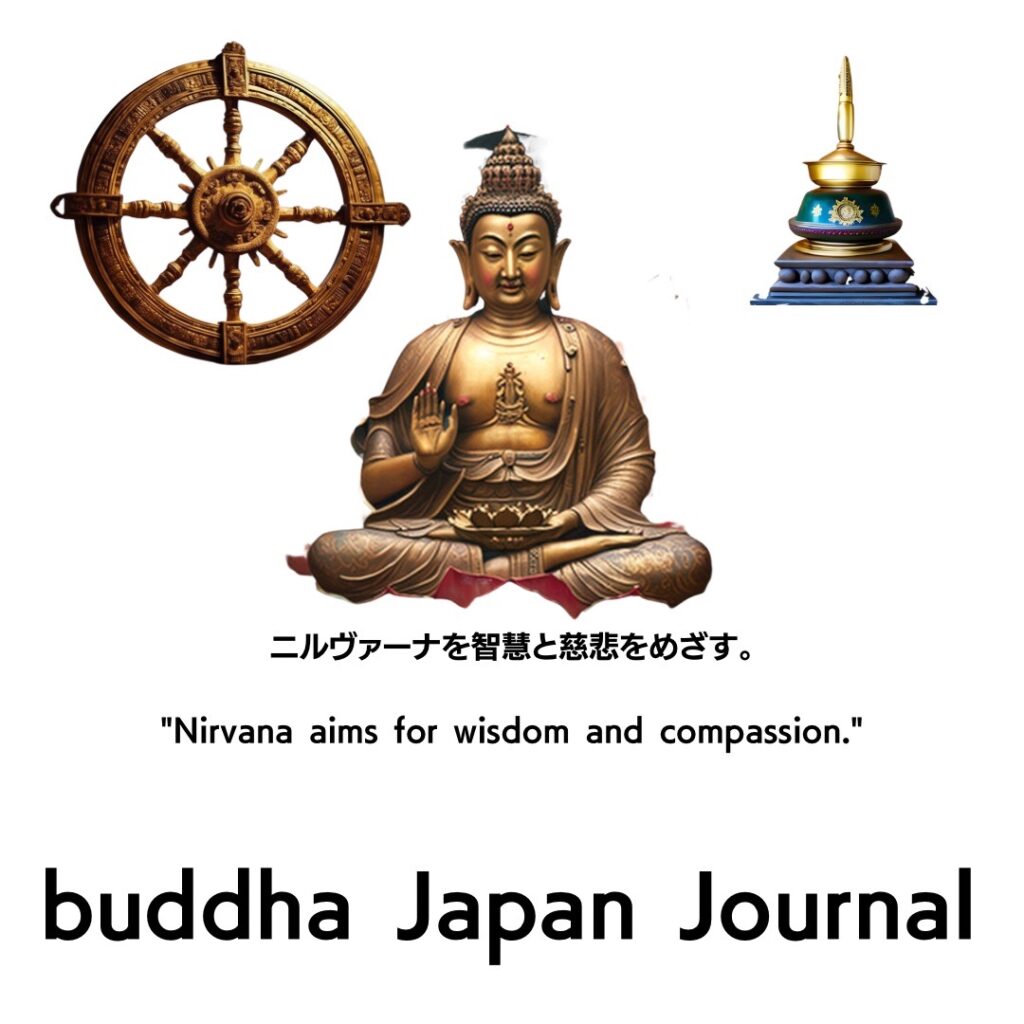

仏教心理学は、仏教の教えや実践に基づいて人間の心の本質を理解し、苦しみからの解放を目指す心理学の一分野です。仏教心理学の目的は、心の苦しみを理解し、幸福と平和を実現するための道を示すことです。
仏教心理学は、仏教の根本的な概念である「四諦(しとう)」に基づいています。四諦とは、苦諦(くだい、苦しみの真理)、集諦(しゅうだい、苦しみの原因の真理)、滅諦(めつだい、苦しみを終わらせる真理)、道諦(どうだい、苦しみを終わらせるための道の真理)の4つの真理です。
仏教心理学には、瞑想やマインドフルネスなどの実践方法が含まれています。これらの実践は、自分自身の内面を観察し、心の状態を理解することで、自己変容を促し、幸福や平和を実現することを目的としています。
仏教心理学は、現代の心理学にも影響を与えており、ストレス管理やメンタルヘルスの分野での応用が試みられています。
Buddhist psychology is a field of psychology that seeks to understand the nature of the human mind and achieve liberation from suffering based on the teachings and practices of Buddhism. The goal of Buddhist psychology is to understand the suffering of the mind and to show the way to happiness and peace.
Buddhist psychology is based on the fundamental concept of the “Four Noble Truths” in Buddhism. These truths are the truth of suffering (dukkha), the truth of the origin of suffering (samudaya), the truth of the cessation of suffering (nirodha), and the truth of the path leading to the cessation of suffering (magga).
Buddhist psychology includes practical methods such as meditation and mindfulness. These practices aim to promote self-transformation by observing one’s inner self and understanding the state of the mind, with the goal of achieving happiness and peace.
Buddhist psychology has also influenced modern psychology, and applications in stress management and mental health are being explored.


