

ユヴァル・ノア・ハラリ×オードリー・タン対談
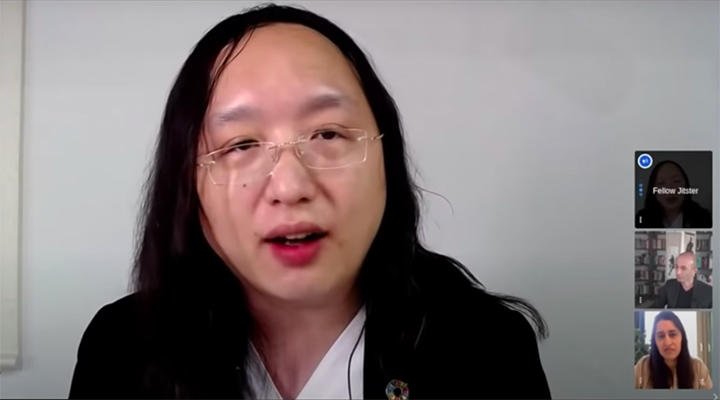
オンライン対談に応じる台湾のIT推進大臣、オードリー・タン氏 Yuval Noah Harari-YouTube
<『サピエンス全史』で知られる歴史学者ハラリ氏と、台湾のIT推進大臣タン氏による対談を全3回に分けて掲載する。第1回は、2人のジェンダー・アイデンティティの話から出発し、注目を集めた台湾のコロナ対策の背景まで論じる>
エクサウィザーズ AI新聞(2020年7月12日付)から転載
イスラエルの歴史学者ユヴァル・ノア・ハラリ氏と、最先端のコロナ対策で一躍世界の注目を集めた台湾のIT推進大臣、オードリー・タン氏。私が個人的に今、最も注目している二人の知の巨人だ。この二人によるAIや民主主義の未来に関する対談が、RadicalxChange財団の手で実現した。過去から未来を読むハラリ氏と、テクノロジーの現場から未来を読むタン氏。非常に多くの示唆を含む対談になっているため、二人の許可を取って、対談内容をすべて和訳して掲載することにした。
まずは二人のバックグラウンドを簡単に説明しよう。ハラリ氏は、イスラエルの歴史学者・哲学者。オックスフォード大学で中世史、軍事史を専攻して博士号を取得。エルサレムのヘブライ大学の教授で、著書『サピエンス全史』は世界で1600万部を超えるベストセラーで、「ホモデウス」「21Lessons」などを合わせると2700万部を売り上げている。
一方のタン氏は、台湾のプログラマーであり政治家。中学を中退後、シリコンバレーで19歳のときに起業している。2016年に35歳の若さで台湾の行政院に入閣し、デジタル担当の政務委員(大臣)を務めている。米有力誌フォーリンポリシーが同氏を2019年の世界の思想家100人に選んでいる。
ハラリ氏はゲイ、タン氏はトランスジェンダーということで、対談は性的マイノリティーの話題から始まっている。
この対談は主に、ハラリ氏の歴史観からくる未来予測が、テクノロジーの観点からどの程度、的を得たものなのかをタン氏に質問するという形で行われている。
Puja Ohlhaver(以下、司会者) 皆さん、ようこそ、今日のRadicalxChangeのユヴァル・ノア・ハラリとオードリー・タンの対談です。私はPuja Ohlhaverです。この会話に参加できてとても光栄です。今日の会話のタイトルは「To Be or not to Be Hacked? アイデンティティ、仕事、民主主義の未来」です。
イスラエルからの参加者はユヴァルです。彼はゲイの歴史家であり、広く普及している3冊の本の著者で、皆さんも聞いたことがあるか、読んだことがあるでしょう。最初の本は「サピエンス全史」で、私たちの遠い過去の歴史です。二冊目は「ホモ・デウス テクノロジーとサピエンスの未来」で、私たちの遠い未来について書かれています。最新の本は「21 Lessons 21世紀の人類のための21の思考」で、今日のことについて書かれています。
台湾のオードリー・タンさんです。オードリーは台湾初のデジタル大臣であり、台湾初のトランスジェンダー内閣のメンバーでもあります。オードリーはまた、アーティストであり、ハクティビスト(ハッカー活動家)であり、無政府主義者でもあります。
まだLGBTプライド月間なので、今日はジェンダー・アイデンティティについての会話で始めたいと思います。特にお二人には、自分のジェンダー・アイデンティティを自分で発見した経緯と、それがテクノロジーに対する見方にどのような影響を与えたかについてお聞きしたいと思います。ユヴァル、まずはあなたから始めましょう。
データをデバイスで管理
ハラリ 自分がゲイであることに気づき、カミングアウトしたことで、技術だけでなく、科学や歴史全般に対する私の態度が大きく変わりました。まず最初に、人が自分自身についてほとんど何も知らないということに気づかせてくれました。私がカミングアウトしたのは、21歳の時でした。
15歳、16歳当時を振り返ってみても、本当によく分かりません。私は男の子に惹かれていて女の子には惹かれていない。そのことは明白なはずでした。私は自分のことを知的な人間だと思います。なので、自分の性的指向については分かっていて当然なのに、当時はわかりませんでした。心の中は分断されていて、自分のことを自分で分かっていませんでした。
タン 企業、業界を超えたデータコラボレーションの仕組みは、「このサービスを利用する場合は、アプリをインストールしてください」と命令する国家や多国籍企業が社会に与えるインパクトよりも、圧倒的にパワフルであることがいずれ明らかになることと思います。
台湾のパンデミック対策が成功した1つの理由は、データをクラウドに保存するのではなく、個人のデバイスだけにデータを保存し、必要なときに必要なデータだけを共有するという考え方をベースにした、ユーザーと企業の協力体制にあるのだと思います。
ハラリ それについて一つ意見を言わせてください。 私は技術がすべてを決定するとは考えていません。技術的決定論を信じているわけではありません。つまり監視資本主義や監視全体主義のようなものは、アメリカでも中国でも、現在の技術的躍進の必然的な結果だとは思いません。
技術発展の結果ではありませんが、これまでの歴史の中で一度も見たことのない新種の全体主義が台頭してきていることもまた事実です。それは人々の行動を常にウォッチすることが、技術的に可能になったからです。これがわれわれが直面している最大の危険です。
スターリンのロシアでも毛沢東の中国でも、20世紀の最も暗黒の時期であっても、常にすべての人の行動をウォッチすることは技術的に不可能でした。あなたのことをあなた以上によく知ることは、単に技術的に不可能だったんです。
警察や政府の捜査官、KGBの捜査官が24時間、国民全員を尾行する必要があるとすれば、捜査官が足りません。たとえ捜査官が十分にいたとしても、彼らが作成する紙の報告書を全部読んで分析することなど、不可能です。
それが今では技術的には実現可能になりつつあるのです。捜査官は必要ありません。センサーやカメラ、マイクが全て揃っているからで、人間のアナリストも必要ありません。AIの機械学習があるからです。監視全体主義の可能性が出てきたわけです。ですが、必ずしもそうなる必要はありません。台湾で行われているように、正しい行動を取れば、このディストピア的なシナリオを防ぐことができると思います。
同じ技術を使って全く違う種類の政権を作ることができるということを、われわれは20世紀を通じて見てきました。韓国と北朝鮮を見てください。同じ民族、同じ地理、同じ歴史、同じ文化を持ち、同じ技術を使って、全く異なる種類の政権を作っています。
しかし、正しく技術を利用し、デジタル独裁の台頭を防ぐことに成功したとしたとしても、さらに深遠な問いが存在します。もしある政府が私たちを常にウォッチし、そのデータが責任ある安全な方法で収集され、政府や大企業のためではなく、私たちのためにデータが使われるようになったとします。
一見良さそうな状況ですが、そんな状況でも、深遠で哲学的な問いが残ります。どこの学校へ行くのか、どこに就職するのか、誰と結婚するのか、といった人生の中で最も重要な決断において、人間ではなくアルゴリズムが決めるようになる可能性があります。
オンライン政府が強制的に何かをわれわれにさせる、という話ではありません。自分自身よりもアルゴリズムのほうがわれわれのことをよく知っていて、よりよいレコメンデーションができると、われわれ自身が考えるようになるという話です。われわれが、人生の決断をますますアルゴリズムに頼り始めるという話です。
アルゴリズムは常に改良され続けます。それにアルゴリズムは完璧である必要はありません。人間がする予測の平均値よりも、優れていればいいだけなのです。アルゴリズムが改良されるにつれ、人々が自分の判断を信じるより、アルゴリズムを信じるようになる可能性があります。
哲学的には、これは我々の時代の本当に大きな問題だと思います。デジタル独裁のディストピア的なシナリオを防ぐことができたとしても、私たちは民主的なアルゴリズムにどう対処すればいいのでしょうか。
タン ではそのことについて議論していきましょう。アルゴリズムのことを「コード 」と呼ぶことにしますね。わたしがコードというと、アルゴリズムのことだと思ってください。コードはもちろん、ユヴァルが説明したようなインパクトを持っています。
コードはLawです。Lawといっても、法律ではなく、法則のようなものです。コードは、何が起こりうるか、何が起こらないかを決定する、サイバースペースにおける物理の法則のようなものなのです。サイバースペースの法則では「こういうことは起こらない」とコードで規定されていると、物理の法則同様にまず起こらない。ただ天才ハッカーの手にかかれば、物理の法則と違って「絶対に起こらない」とは言い切れないところがあります。とは言うものの、ほとんどの人にとっては、コードによって事前に規制されているので、それは起こらないと考えていいでしょう。
ですから、何が透明であるべきかということも決めることができます。例えば、台湾のように「市民に対して国家の行動を透明化」することもできますし、中国のように「国家に対して市民の行動を透明化」することもできます。
私たちが社会の一部としてコードを配備するたびに、それは規範を確立します。つまり、物理学のように、何が合法なのか、何が可能なのかさえコードが教えてくれるのです。「今日は物理の法則に違反しよう」などということは考えられないように、コードに反することはできません。
それは基本的に、今の私たちの文字ベースの規範とは全く違う立ち位置を持っています。市民が今の文字の法律に服従したくないのなら、2014年にやったように、故意に国会を占拠するでしょう。そして、それが合法だと主張して、裁判官を納得させればいい。
つまりコードを書くとき、法の下の公平さが担保されるべきだし、開かれた未来へ誰もがアクセスできるようにすべきです。もしそのコードの社会的影響に関して意見が分かれたとき、もし社会規範によって合意された結果になるのであれば、ポジティブな影響になります。一方、 少数の人だけが得をし、他のすべての人を制限するようなものであれば、ネガティブな社会的影響になります。
たとえそれが何万人ものプログラマーによって作られたコードであったとしても、社会規範に反するものであれば、それは一種の制限でありネガティブな社会的影響ということになります。
ハラリ コードと物理学を比較することは 非常に重要なポイントだと思います。多くの人はまだ、現実を形成するコーダーたちの巨大な力を理解していません。コーダーはE=mc²という物理法則を変えることはできません。 しかし社会的現実は、ますますこれらのコードによって形成されるようになっていきます。
とても簡単なことから始めましょう。昔、あなたは役所に行き、いくつかの書類に記入する必要がありました。書類には男性か女性かを チェックしなければならない箇所があります。選択肢はこの2つしかありません。申請書などの書類を書き上げるためには、男女どちらかにチェックマークを入れなければなりません。どこかの役人が、書類にはこの2つの選択肢しか必要ないと決めたからです。これが今の現実です。
タン ちなみにわたしは男女両方にチェックマークを入れますが(笑)。
ハラリ しかしシステムによっては、両方にチェックを入れることができない場合もあります。紙の場合はできますね。そういう意味で紙の方がまだ自由があるという良い例です。
コンピュータ上では、チェックを入れないと次の画面に進まないし、片方にしかチェックを入れられないように、コードで規定されている場合があります。これが今の現実です。
多分カリフォルニアに住む22歳ぐらいのプログラマーが、世界中の人々の生活に影響を与える、この深い、哲学的、倫理的、政治的な問題についてあまり深く考えずに、こうしたフォームを開発してしまったのかもしれません。
Puja Ohlhaver (moderator) Welcome, today’s talk between Yuval Noah Harari and Audrey Tan of RadicalxChange. I’m Puja Ohlhaver. I am very honored to be able to participate in this conversation. The title of today’s conversation is “To Be or not to Be Hacked? Identity, Work, the Future of Democracy.”
Participant from Israel is Yuval. He is a gay historian and author of three popular books that you may have heard or read. The first book is “The Complete History of Sapiens”, a history of our distant past. The second volume is “The Future of Homo Deus Technology and Sapiens”, which describes our distant future. The latest book is 21 Lessons, 21 Thoughts for Mankind in the 21st Century, about today.
This is Audrey Tan from Taiwan. Audrey is Taiwan’s first digital minister and a member of Taiwan’s first transgender cabinet. Audrey is also an artist, a hacktivist (hacker activist), and an anarchist.
It’s still LGBT Pride Month, so today I’d like to start with a conversation about gender identity. In particular, I would like to ask them how they discovered their gender identity and how it affected their view of technology. Yuval, let’s start with you.
Manage your data on your device
Harari: When I realized that I was gay and came out, my attitude toward science and history in general, not just technology, changed significantly. First of all, it made me realize that people know almost nothing about themselves. I came out when I was 21 years old.
Looking back at the ages of 15 and 16, I really don’t understand. I’m attracted to boys, not girls. That should have been obvious. I think of myself as an intelligent person. So, I knew about my sexual orientation, but I didn’t know at that time. My heart was divided and I didn’t know myself.
That’s why, when looking at the development of new surveillance technology today, one of the most intriguing things is what happens if someone knows me rather than I know myself. is. If Facebook, TikTok, etc. existed when I was a teenager, Facebook and others would have noticed that I was gay long before I realized it myself.
A world where companies and governments know me better than I do. What does it mean to live in such a world? This is one of the big questions I have today about the impact of technology on politics and society.
Moderator Audrey, could you tell us how you noticed your sexuality?
Tan: That’s right. The first thing to check is that Taiwan is one of the few countries in the world, or perhaps the only one in the world, marching to protect the rights of gay pride, transgender and LGBTIQ. The march took place a few days ago and yesterday.
Taiwan recognized marriage equality a year ago. First in Asia. Now when a same-sex couple gets married, they have the same rights and obligations as a heterosexual couple.
My natural testosterone (androgen) level was probably only that of an 80 year old man. I think I was somewhere between the average male adolescent testosterone level and the average female adolescent testosterone level when I was 13 or 14.
I was very fortunate to meet the internet. Even if I was the only person in my area, I could be taught by homosexuals and bisexuals all over the world.
Even if there are only 1 in 100 and 1 in 1000 in the city where you live, there are gay and bisexual support groups on the internet where they can experience their real life. Because they shared it.
After that, when I was 24, I had my second puberty, adolescence as a woman, for a couple of years. Thanks to that, as a politician, I have become able to understand and sympathize with the opinions of all the different people.
Because I have both sexes in my heart.
When Taiwan enacted marriage equality, I realized that the law would also bring together different positions between generations. The values of the older generation are to take good care of families and groups. The younger generation, on the other hand, is more individualistic.
But in Taiwan’s legal system, we strive to respect the values of different generations in a transcultural way. I sometimes translate the official name of this country as “Supercultural People’s Republic”. It is also my lifework to unite Taiwan in a way that transcends culture.
Moderator: Great. Thank you very much. Audrey, are you worried about the situation Yuval is saying? In other words, technology knows you more than you understand yourself.
Tan Most of my work is spent on the private sector holding their means of production. RadicalxChange In Foundation terms, it guarantees that data federations and data co-operatives retain the means of production of data.
This means that if people produce data the way they are told, and as a result, surveillance nations and surveillance capitalism are possible, it is quite possible that it will lead to the scenario Yuval talks about.
But if the private sector, the general public, understands that their data is being collected, the story is different. For example, in Taiwan, the winner of the Coronavirus Hackathon and state-of-the-art contact tracking technology, Logboard, collects personal information such as the user’s location, temperature, and symptoms, but that data is transferred somewhere. It is never stored, it is stored only in the mobile phone.
Logboard’s technology produces a one-time link to the information needed for contact tracking when a healthcare professional comes to a contact tracking investigation without revealing detailed personal information about the user’s friends and family. I will. You don’t have to tell your healthcare professional about unnecessary personal information, as you would in a traditional contact tracking interview. This is just one simple example. If you own and manage your data, you can only share your personal information with your most intimate and trusted friends and family.
The data collaboration mechanism that transcends companies and industries is overwhelmingly more powerful than the impact on society of national and multinational companies that order “If you want to use this service, please install the app”. I think it will become clear in the future.
One reason for the success of Taiwan’s pandemic countermeasures is based on the idea of storing data only on personal devices and sharing only the data you need, when you need it, rather than storing it in the cloud. I think it is in the cooperation system between users and companies.
Harari: Let me give you one opinion about it. I don’t think technology determines everything. I don’t believe in technical determinism. So I don’t think that things like surveillance capitalism and surveillance totalitarianism are the inevitable consequences of today’s technological breakthroughs in both the United States and China.
It is not the result of technological development, but it is also true that a new kind of totalitarianism that has never been seen in history is emerging. That’s because it’s technically possible to keep an eye on people’s behavior. This is the greatest danger we face.
Whether in Stalin’s Russia or Mao Tse-tung’s China, or in the darkest of the 20th century, it was technically impossible to constantly watch the behavior of everyone. It was simply technically impossible to know you better than you.


